![Echigo Sanjo Oire-Nomi: Hand-Forged Japanese Bench Chisel Buying Guide [2026]](https://jpmono.com/wp-content/uploads/2026/06/echigo-sanjo-oire-nomi-bench-chisel-where-to-buy-2026-featured.jpg)
The oire-nomi (追入鑿, “bench” or “joinery chisel”) is the workhorse of Japanese woodworking — the tool a carpenter reaches for to cut mortises, pare tenons, and clean the shoulders of a joint. The pieces covered in this guide come from Sanjo, in the Echigo plain of central Niigata, a town that has forged edged tools since the early Edo period. The construction is the classic Japanese pattern: a hard, high-carbon steel edge forge-welded onto a soft-iron body, then fitted into a red oak handle bound with a steel hoop so it can take repeated mallet blows.
What makes Echigo Sanjo notable to woodworkers outside Japan is not romance but metallurgy and continuity. The laminated edge holds an extremely fine, durable cutting bevel, and the soft-iron back grinds flat and polishes to a mirror — the ura (flat reference face) that defines a Japanese chisel. Sanjo, together with neighboring Tsubame, forms what is widely regarded as Japan’s premier metal-goods district, and the chisel trade there is a designated traditional craft.
This guide is written for the international woodworker deciding whether an Echigo Sanjo oire-nomi belongs in the tool roll, and for the curious buyer who wants to understand what they are paying for. We cover construction, how it compares to other forged Japanese tools, where the craft comes from, and the realistic paths to buying one from outside Japan — leading with Amazon US and using the Amazon JP Global Store as the sourced-listing path.
🔄 Updated:
⏱️ Read time: ~10 min

- Who this is for — and who should skip it
- Product overview (from published specs)
- Which finish should you choose?
- Price snapshot across stores
- What it does well
- Weaknesses and things to verify before buying
- Conclusion — which buyer type are you?
- Other ways to approach this purchase
- 📍 Where this comes from — place, era, and the craft tradition
- 🏆 Editor’s Pick
- ❓ Frequently Asked Questions
Who this is for — and who should skip it
- Cut joinery by hand and want an edge that holds through hard hardwoods
- Already sharpen on waterstones and understand the flat-back (ura) system
- Want a laminated high-carbon edge rather than a one-piece stainless tool
- Value a hoop-ferruled handle built to take a steel or wooden mallet
- Prefer buying a single quality chisel and learning to maintain it
- Want a maintenance-free stainless chisel that never needs flattening
- Do mostly rough demolition or prying — laminated edges chip when abused
- Have no waterstones and no intention of learning to sharpen
- Need a guaranteed exact price today — listings and stock fluctuate
- Expect a Western-style chisel feel; the geometry and ferrule differ
Product overview (from published specs)
Based on the listing and maker descriptions, the table below summarizes the construction. Specifications come from the Amazon US search results (primary), the Amazon JP Global Store sourced listing (secondary), and maker-direct descriptions where relevant. Only a listing snapshot is available; live pricing and exact stock may have shifted since the writing date.
Echigo Sanjo Oire-Nomi
角利(KAKURI) 追入のみ 3本組 面取 白樫柄 全長215mm 刃先9/15/24mm 鑿 ノミ DIY 日曜大工 木工 道具 彫り ホゾ穴 41922
一時的に在庫切れ; 入荷時期は未定です。 · Sold by Amazon.co.jp · ASIN B07S5L2DMZ
Price and availability as of 2026-08-31 02:30 JST. The Amazon listing at the time of purchase is authoritative. jpmono.com earns a commission on qualifying purchases at no extra cost to you.
| Attribute | Detail | Source |
|---|---|---|
| Item type | Oire-nomi (追入鑿) — Japanese bench / joinery chisel | Maker direct |
| Origin | Sanjo, Niigata — Echigo Sanjo Uchihamono (METI-designated traditional craft) | Maker direct |
| Edge steel | Hard high-carbon (hagane) steel, forge-welded | Amazon JP Global Store |
| Body | Soft iron (jigane) lamination behind the edge | Maker direct |
| Handle | Red oak (akagashi), steel hoop ferrule (katsura) for mallet use | Amazon JP Global Store |
| Back | Hollow-ground flat ura for fast flattening and polishing | Maker direct |
| Width options | Sold in multiple blade widths (see variant section below) | Amazon JP Global Store |
| Reference ID | ASIN B07S5L2DMZ (KAKURI Echigo Sanjo oire-nomi) | Amazon JP Global Store |
Note: only a listing snapshot was available at the time of writing; live pricing was unavailable, so no exact figure is quoted in this table. Always verify width, length, and price at the retailer before purchasing.
📖 Glossary — key Japanese tool terms
- Oire-nomi (追入鑿) — the general-purpose bench / joinery chisel, struck with a mallet; the most common chisel in a Japanese kit.
- Uchihamono (打刃物) — “struck (hand-forged) bladeware”; the category covering knives, sickles, and chisels forged by hammer.
- Hagane (鋼) — the hard high-carbon edge steel; takes and holds a very fine edge but can rust and chip.
- Jigane (地金) — the soft-iron body laminated behind the edge; absorbs shock and grinds away easily during sharpening.
- Ura (裏) — the hollow-ground flat back; the geometric reference face that makes Japanese edge tools fast to flatten.
- Katsura (桂) — the steel hoop ferrule on the handle’s struck end, set so the wood can mushroom over it without splitting.
- Kanna (鉋) — the Japanese hand plane, the chisel’s sibling product in the Sanjo carpentry-tool trade.
Which finish should you choose?
This piece is listed in 10 options. The photos below are the actual サイズ options on the listing right now — pick the one you want and confirm it on the product page before ordering, since hand-finished wares vary slightly piece to piece.
![Echigo Sanjo Oire-Nomi: Hand-Forged Japanese Bench Chisel Buying Guide [2026] — 9mm finish](https://m.media-amazon.com/images/I/312Jae3roeL._SL500_.jpg)
![Echigo Sanjo Oire-Nomi: Hand-Forged Japanese Bench Chisel Buying Guide [2026] — 24mm finish](https://m.media-amazon.com/images/I/31LKn1-1z1L._SL500_.jpg)
![Echigo Sanjo Oire-Nomi: Hand-Forged Japanese Bench Chisel Buying Guide [2026] — 6mm finish](https://m.media-amazon.com/images/I/318QR8GE7lL._SL500_.jpg)
![Echigo Sanjo Oire-Nomi: Hand-Forged Japanese Bench Chisel Buying Guide [2026] — 18mm finish](https://m.media-amazon.com/images/I/313uN3X5sWL._SL500_.jpg)
![Echigo Sanjo Oire-Nomi: Hand-Forged Japanese Bench Chisel Buying Guide [2026] — 36mm finish](https://m.media-amazon.com/images/I/319MOlILRRL._SL500_.jpg)
![Echigo Sanjo Oire-Nomi: Hand-Forged Japanese Bench Chisel Buying Guide [2026] — 21mm finish](https://m.media-amazon.com/images/I/31o+q6Sof3L._SL500_.jpg)
![Echigo Sanjo Oire-Nomi: Hand-Forged Japanese Bench Chisel Buying Guide [2026] — 42mm finish](https://m.media-amazon.com/images/I/311bIIe7zTL._SL500_.jpg)
![Echigo Sanjo Oire-Nomi: Hand-Forged Japanese Bench Chisel Buying Guide [2026] — 15mm finish](https://m.media-amazon.com/images/I/31wBF1e7+SL._SL500_.jpg)
![Echigo Sanjo Oire-Nomi: Hand-Forged Japanese Bench Chisel Buying Guide [2026] — 30mm finish](https://m.media-amazon.com/images/I/31loFYu2mJL._SL500_.jpg)
Related jpmono guides — neighboring metal trades, other forged Japanese blades, and the woodcraft these chisels are made to shape.
 Echizen Uchihamono forged blade →
 Seki forged precision tool →
Ainu Makiri carving knife →
 Kiso woodcraft (chisel-shaped joinery) →
 Hida Ittobori single-blade carving →
Miyajima carved woodware →
Price snapshot across stores
Prices and stock fluctuate; treat the figures below as directional and confirm at the retailer. USD figures are approximate estimates at a ¥150/USD baseline as of mid-2026 — the JPY price for the specific listed item is the authoritative one.
| Store | Item / Variant | Price (JPY + USD est.) | Notes |
|---|---|---|---|
| 🇺🇸 Amazon US (search) | Browse Japanese bench chisels & oire-nomi | varies (USD) | Best if you are shopping from the US — Prime shipping, USD pricing, no international customs. Amazon US carries hand-forged Japanese chisels and plane irons from several makers, useful for comparing widths and steel. The exact Echigo Sanjo piece is sourced from Japan (next row). |
| 🇯🇵 Amazon JP Global Store | KAKURI Echigo Sanjo oire-nomi (ASIN B07S5L2DMZ) | Check live ¥ price (≈ USD varies) | Ships internationally from Japan. This is the sourced listing for the specific item in this guide. Live price was unavailable at the time of writing. |
| Maker direct | Sanjo workshop / specialty tool dealers | Varies by smith and width | Single-smith oire-nomi and full graduated sets exist at a wide range of prices; many dealers do not ship abroad directly. |
| Proxy services (Buyee / Tenso) | Any JP listing not directly exported | Item price + proxy fee + forwarding shipping | Useful for accessing single-smith pieces sold only on Japan-domestic shops; expect added handling and customs on arrival. |
What it does well
The hard high-carbon hagane edge takes a finer, longer-lasting bevel than typical one-piece stainless chisels — the trait Western woodworkers most often cite.
The hollow-ground ura lets you flatten and mirror-polish the back quickly, registering the chisel dead-flat against the work.
The hoop-ferruled red oak handle is engineered to take repeated strikes, making the oire-nomi the right tool for mortising, not just paring.
Echigo Sanjo Uchihamono is a METI-designated traditional craft with a documented blacksmithing history reaching back to the early Edo period.
Weaknesses and things to verify before buying
- The carbon steel rusts. The hagane edge will spot if left damp; it needs wiping down and a light oil film, especially in humid climates or near the coast.
- It is not for abuse. A fine laminated edge chips if used for prying, demolition, or hitting hidden nails. Match the tool to joinery work.
- Setup is expected. Japanese chisels usually need initial back-flattening and bevel honing, and the handle hoop may need seating before first use. This is normal, not a defect.
- You must own waterstones. There is no maintenance-free path here; the tool assumes you sharpen. Budget for stones if you do not have them.
- Width and length vary by listing. Confirm the exact blade width (often sold individually in millimeter sizes) and overall length before ordering — a single guide image may not match the size you select.
- Price was unconfirmed at writing. Only a listing snapshot was available; verify the live JPY price and stock on the JP Global Store before purchase.
“Sanjo’s smiths started by hammering nails to survive a flood — four centuries later the same forging tradition produces chisels prized in workshops on the other side of the world.”
Conclusion — which buyer type are you?
Buy a single-smith Echigo Sanjo oire-nomi or a graduated set, accept the sharpening commitment, and treat it as a lifetime tool.
The KAKURI Echigo Sanjo piece in this guide is the sensible entry point — real laminated construction at an accessible tier.
Start with one common width (e.g., a mid-size for general joinery) rather than a full set, and add sizes as your work demands them.
If you will not sharpen, want stainless and zero upkeep, or do rough work, a Western bevel-edge chisel suits you better.
Other ways to approach this purchase
Tool prices on the JP Global Store move with the yen; a weaker yen can make the same chisel meaningfully cheaper in USD.
Older Japanese chisels with good steel turn up through proxy auctions, though they often need re-handling and heavier back work.
If you shop frequently on either Amazon marketplace, applying accumulated points or rewards can offset international shipping.
For occasional, non-precision woodworking, a quality Western chisel is the rational choice and saves the sharpening overhead.
📍 Where this comes from — place, era, and the craft tradition

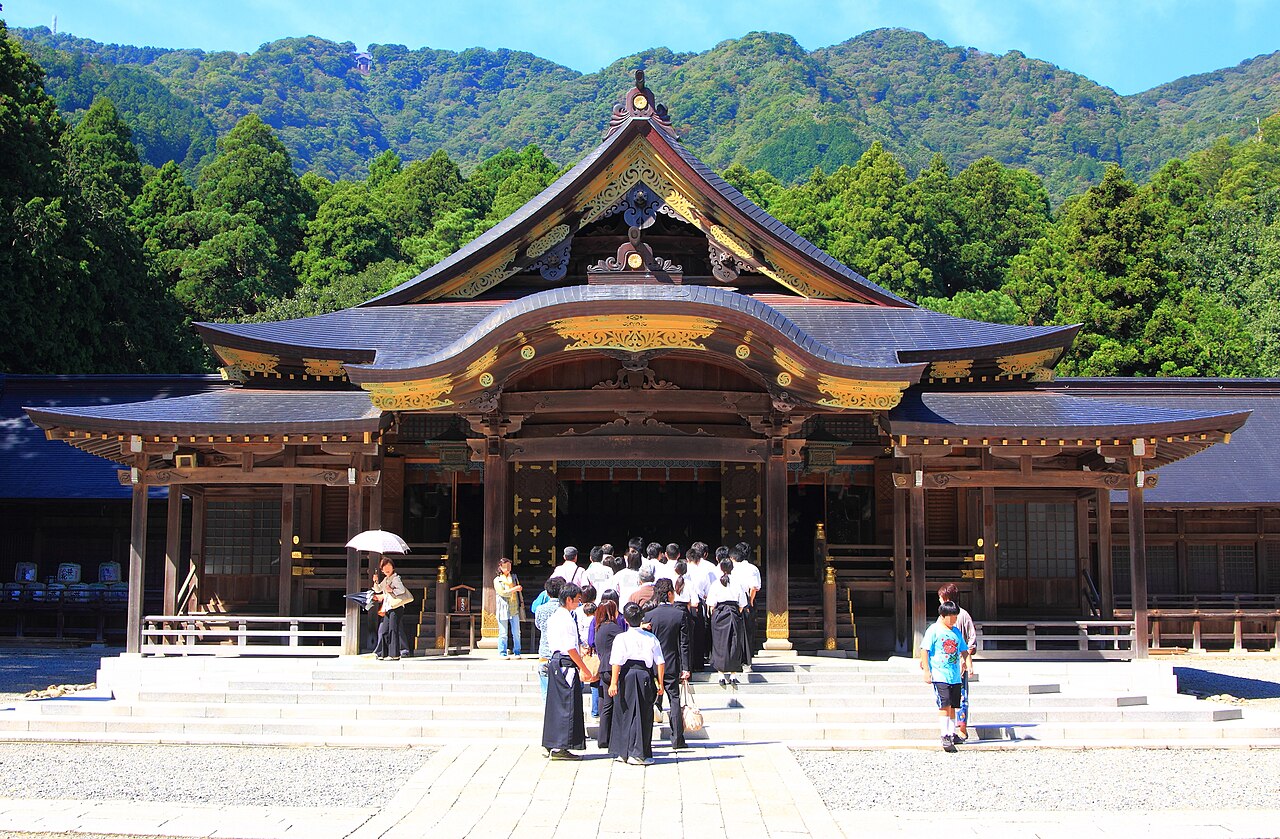
Sanjo sits on the Echigo plain in central Niigata Prefecture, on the Chūbu region’s Sea of Japan side — roughly 260 km north of Tokyo, reachable today by Jōetsu Shinkansen. This is rice country, flat and fertile, threaded by the rivers that drain Japan’s longest waterway, the Shinano. That same flat, river-fed geography is exactly why the place turned to metal: the rivers that watered the rice also flooded it.
In the early Edo period, repeated flooding of the Gojo (Igarashi) River ruined the rice harvest around Sanjo. To give farming families a way to survive the lean off-season, the local magistrate encouraged them to forge wasou-kugi (和釘, Japanese hand-made nails) as piecework, and craftsmen were brought in from Edo to teach the technique. What began as relief work became an industry.
-
Early 1600s — Repeated flooding of the Gojo (Igarashi) River ruins the rice harvest near Sanjo. -
Early Edo period — The magistrate encourages farmers to forge wasou-kugi (nails) as off-season work; Edo craftsmen are invited to teach. -
18th–19th c. — The trade broadens into sickles, kitchen knives, and carpentry tools — chisels (nomi) and planes (kanna). -
20th c. — Sanjo’s forging and neighboring Tsubame’s metalworking consolidate into the “Tsubame-Sanjo” industrial corridor. -
2009 — Echigo Sanjo Uchihamono is recognized as a METI-designated traditional craft. -
2026 — Sanjo forges continue to hand-make chisels and planes prized by woodworkers worldwide.
The work did not stay at nails. Over the Edo period the Sanjo smiths expanded into sickles, kitchen knives, and — most importantly for this guide — carpentry tools: chisels and planes. Edge-tool forging is unforgiving work, and the discipline of laminating hard steel to soft iron, then grinding a true flat back, became the regional specialty. That body of skill is what is now recognized as Echigo Sanjo Uchihamono (越後三条打刃物), a METI-designated traditional craft.
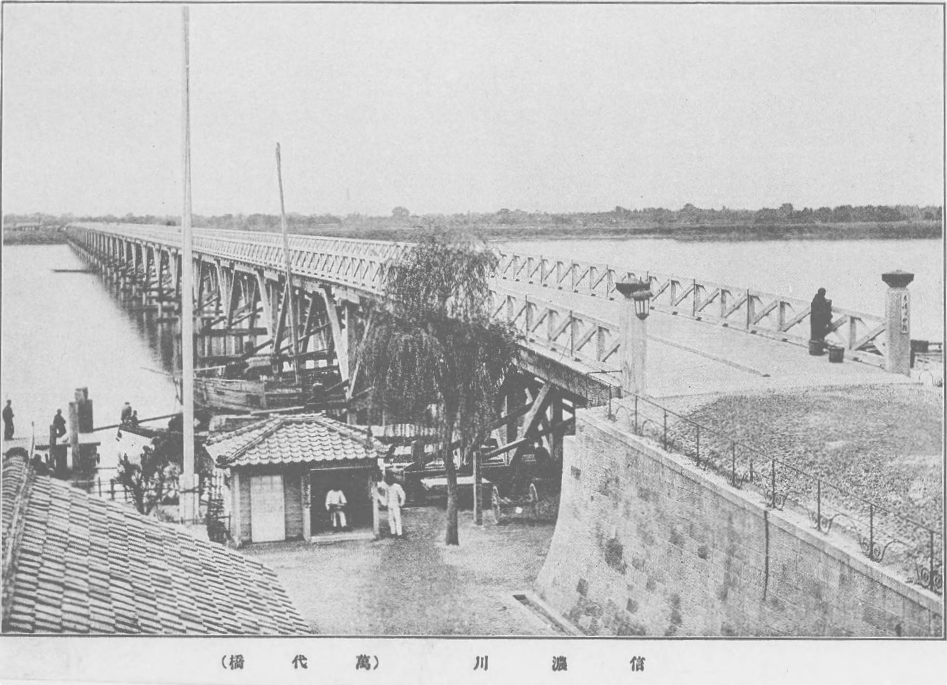
Sanjo does not stand alone. Immediately adjacent is Tsubame, famous for its metalworking — flatware, drinkware, and precision-polished steel goods. Together the two towns form the “Tsubame-Sanjo” district, widely regarded as Japan’s premier concentration of metal-goods makers, both sitting on the Shinano River system that historically carried materials and finished goods to the coast and beyond. Where Tsubame leans toward sheet-metal and polishing, Sanjo’s identity is the forged edge.
What “still being made here” means in practice is a dense cluster of small forges and tool finishers, many family-run, continuing to produce nomi and kanna by methods recognizable from the late Edo period — hand-forging the laminated billet, water-quenching the high-carbon edge, and fitting and hooping the oak handle. The oire-nomi covered here is a product of that living trade, not a museum reproduction.

🏆 Editor’s Pick
❓ Frequently Asked Questions
Does Amazon JP ship an Echigo Sanjo chisel internationally?
Yes. The Amazon JP Global Store ships many household and tool items to most major destinations, and the listed item is sourced from there. Estimate roughly $15–$40 in shipping to the US or EU, plus possible customs duties on arrival depending on your local threshold. Always confirm shipping eligibility on the listing before ordering.
Do I need to sharpen it before first use?
Usually, yes. Japanese chisels typically arrive needing initial back-flattening and bevel honing on waterstones, and the handle hoop may need seating. This is standard practice, not a sign of a defective tool. If you do not own waterstones, budget for them.
Will the high-carbon steel rust?
It can. The hard hagane edge is not stainless and will spot if stored damp. Wipe it dry after use and keep a light film of camellia or mineral oil on the blade, particularly in humid or coastal environments.
How is an oire-nomi different from a Western bench chisel?
The oire-nomi uses a laminated hard-steel-on-soft-iron blade with a hollow-ground flat back (ura), and a hooped wooden handle made to be struck. Western bevel-edge chisels are usually one-piece steel with a flat back and a tang or socket handle. The Japanese system trades some convenience for a finer, more durable edge and faster flattening.
Should I buy one chisel or a full set?
For most people, start with one common width and add sizes as your projects require them. A graduated set is worthwhile only if you already know you will use the full range; otherwise it ties up money in widths you may rarely touch.
Why does the article lead with an Amazon US search link if the item is from Japan?
For US and EU readers, Amazon US offers Prime shipping, USD pricing, and no international customs, and it carries comparable hand-forged Japanese chisels for comparison. The specific Echigo Sanjo piece is sourced from the Amazon JP Global Store, which is provided as the secondary, sourced-listing link.
jpmono.com is curated by a Japan-based editorial team (working out of Toyama in the Hokuriku region and Nara in Kansai) and is independent. We do not take payment from the makers we feature; income comes from affiliate links. We do not physically test every product — we read maker specs and source listings.
This article was prepared with AI assistance and reviewed against the source listing data before publication. Specifications and pricing reflect the data available at the time of writing and may have changed since.
Affiliate disclosure: jpmono.com may earn a commission on qualifying purchases made through links on this page, at no additional cost to you.