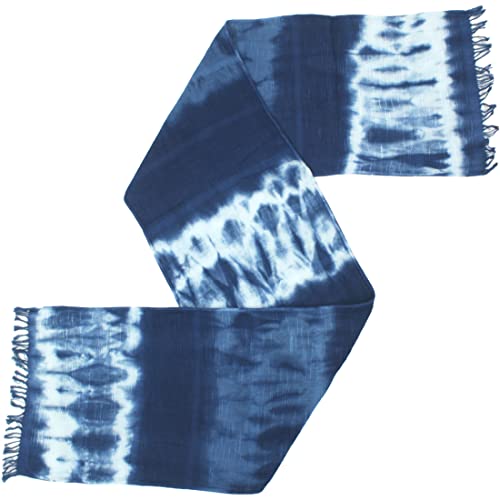
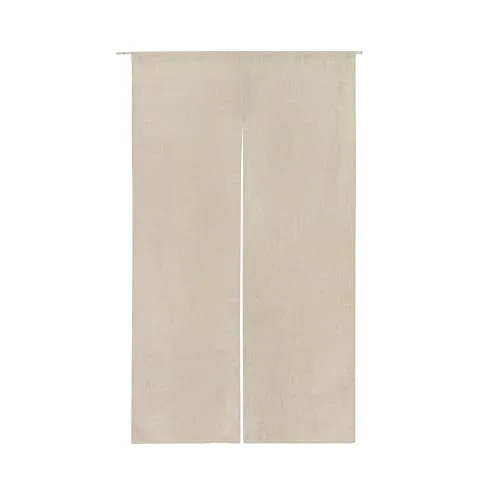
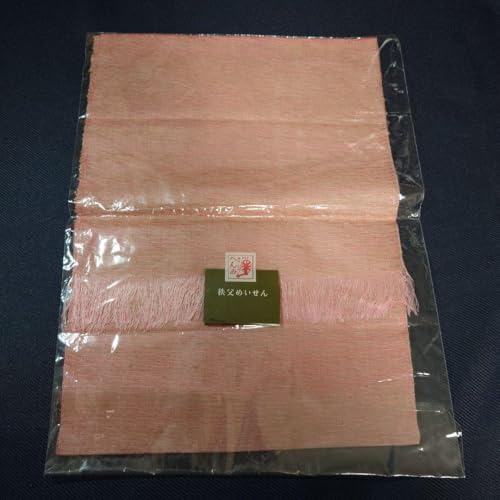
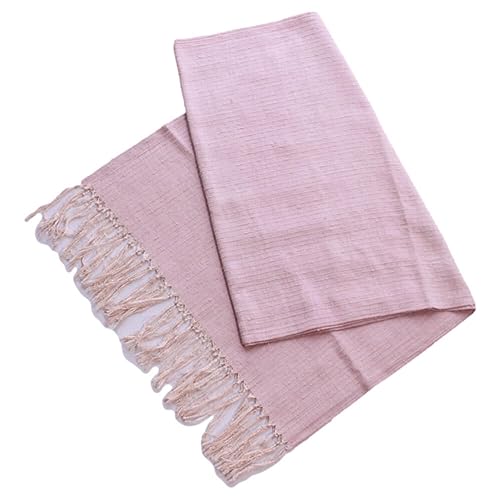
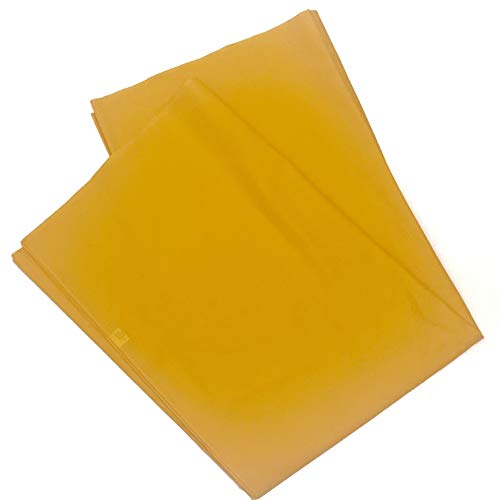
Ojiya Chijimi Ramie Table Runner: Snow-Bleached Echigo Linen [2026]
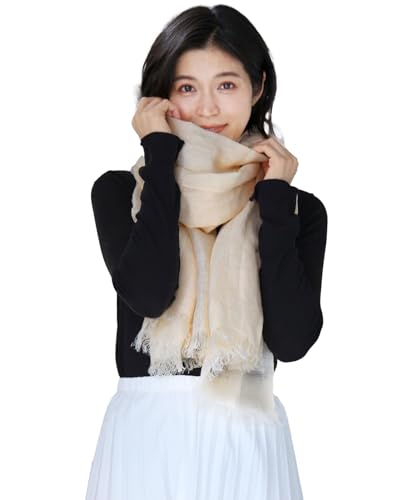
A crinkle-textured ramie (choma) table runner woven in Niigata's snow country, finished by the yukizarashi snow-bleaching that gives…
A crinkle-textured ramie (choma) table runner woven in Niigata's snow country, finished by the yukizarashi snow-bleaching that gives…
Awa Shijira-ori, a puckered indigo cotton from Tokushima, uses a rippling shibo surface that lifts the cloth off…
Hota-ori is Takamatsu's 330-year-old waffle-weave cotton, its tiny air pockets keeping it breathable and quick-drying all year. Here's…
Ojiya Chijimi is a snow-bleached ramie crepe from Niigata, a UNESCO-listed craft. Here is how a genuine hand-woven…
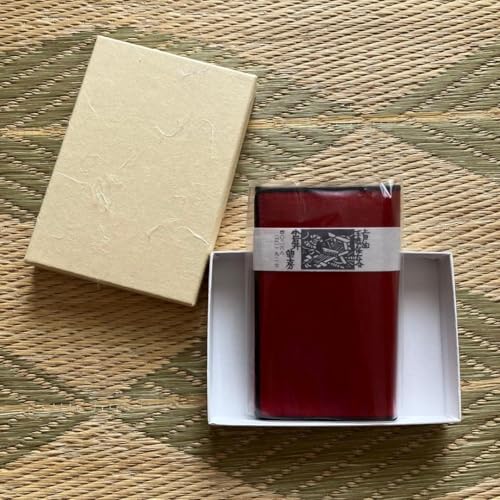
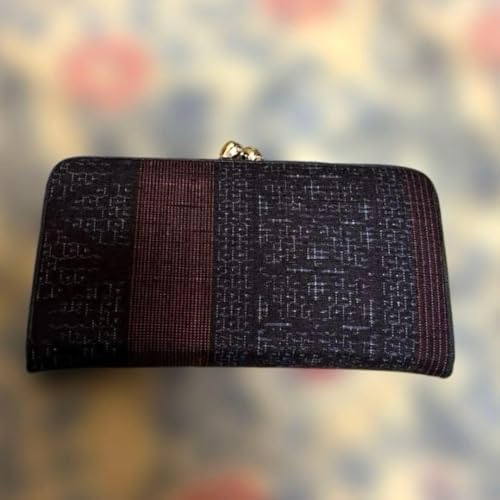
Hand-woven Shinshu Tsumugi silk from Nagano's old sericulture belt, plant-dyed and cut into a slim card case. Here…
Enshu cotton stripe has been woven by the Tenryu River since Tokugawa times. Where to buy an authentic…
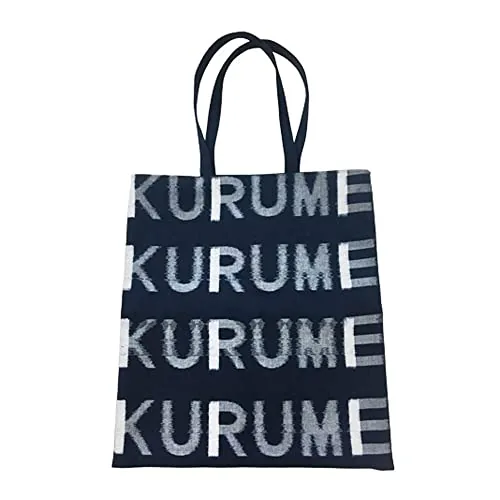
Kurume Kasuri is one of Japan's three great kasuri traditions, woven from pre-dyed indigo threads whose blurred edges…
Kurume Kasuri, one of Japan's three great ikat weaves, turns hand-dyed indigo cotton into easy monpe trousers. Here's…
Tsugaru Kogin-zashi is a counted-stitch embroidery born of Edo-era Aomori, white cotton worked into indigo hemp in geometric…
A yarn-dyed jacquard tie woven in Kyoto's Nishijin district, where court weavers have worked silk since the Heian…
Omi-Jofu is Shiga's nationally designated ramie textile, hand-woven along the Aichi River east of Lake Biwa. This airy…
Kaga Yuzen is Kanazawa's hand-painted silk dyeing, built on five earthy Kaga colors and realistic, insect-bitten leaves. Here…
Moka Momen was Edo's most prized cotton, once supplying the shogun's capital with its finest cloth. This indigo-dyed…
Choshi Chijimi is a rare indigo cotton crepe from Chiba's Tone River port, its twisted-weft shibo texture making…
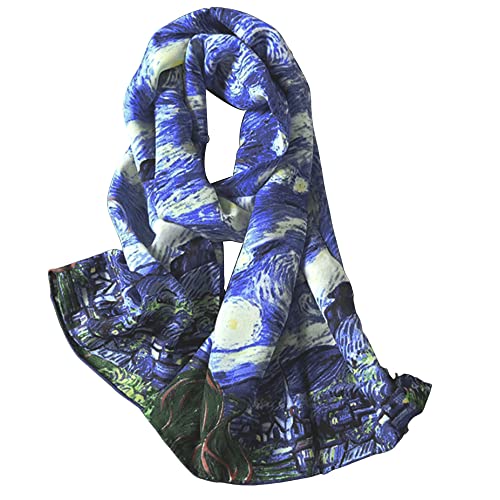
A hand-screen-printed pure silk scarf from Yokohama, the port city that once shipped most of Japan's raw silk…
Indigo cotton from castle towns, silk from snow country, hemp crepe bleached on spring snowfields — Japanese regional…
Kurume Kasuri is one of Japan's three great ikat weaves, hand-tied and indigo-dyed in Fukuoka's Chikugo plain since…
Fukuoka's Hakata-ori is a 770-year silk weave whose ridged kenjo sash was presented yearly to the Kuroda lords.…
Johana Shike-kinu is Toyama's last surviving slub-silk weave, born in a Jodo Shinshu temple town. Woven from double…
Ueda Tsumugi is one of Japan's three great silk pongees, woven in Nagano's old Sanada castle town. This…
Yuki Tsumugi is hand-spun true-silk floss woven on a backstrap loom in Ibaraki — a UNESCO-listed cloth. Here…
Chichibu Meisen is Saitama's bold, double-sided silk woven by the hogushi-zome process, where warp threads are stencil-printed before…
Yuki Tsumugi is hand-spun from real silk floss and woven on a backstrap loom in Oyama, Tochigi —…
Woven from shina-tree bast fiber in Yamagata's Sekigawa village, Uetsu Shinafu ranks among Japan's three oldest cloths—a durable,…
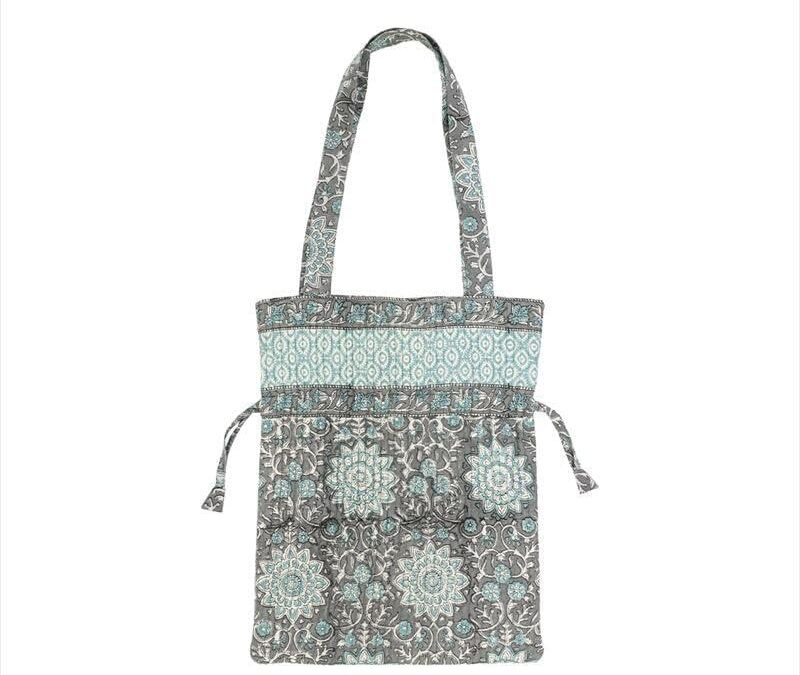
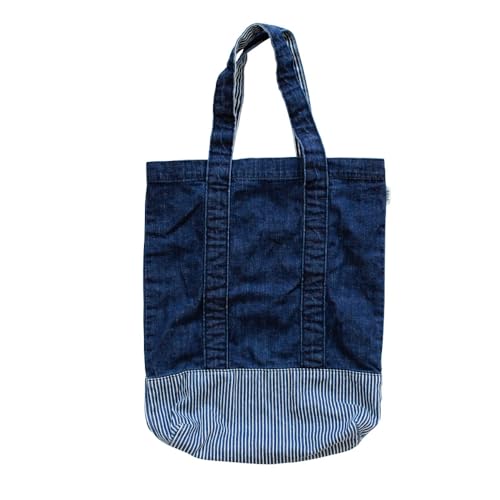
From Kurashiki's Kojima district, the birthplace of Japanese jeans, comes a heavyweight selvedge denim tote woven on vintage…
Ashikaga Meisen is Tochigi's bold, ikat-patterned everyday silk, woven in the hometown of the Ashikaga shoguns. This slim…
Sendai-hira is Miyagi's most formal woven silk, born from Date-clan patronage and once reserved for the highest hakama.…
Omi Jofu is Shiga's flagship ramie textile—crisp hand-twisted hemp with crepe shibo texture and indigo kasuri, woven near…
A snow-bleached ramie crepe from Niigata's Echigo snow country, Ojiya-chijimi twists cool, crinkled 'shibo' texture into a light,…
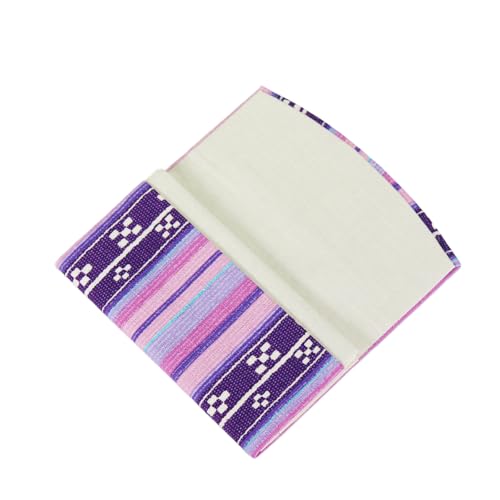
Okinawa's Yaeyama Minsa weaves a 5-and-4 stripe meaning 'together forever.' Where to buy an authentic Ishigaki minsa cotton…
Aizu Momen is Fukushima's thick indigo-striped cotton, woven since a 16th-century lord brought the craft to the snow…
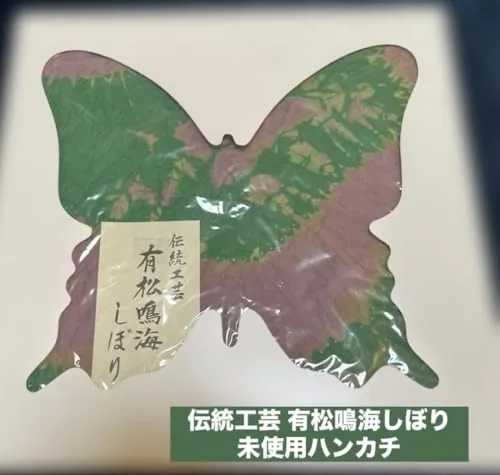
Arimatsu-Narumi Shibori is Aichi's Tokaido tie-dye, born in a 1608 post town. This hand-dyed indigo cotton handkerchief carries…
Fukui made Japan the world's silk capital in the Meiji era, and its Shioze habutae—a thick, even plain-weave—remains…
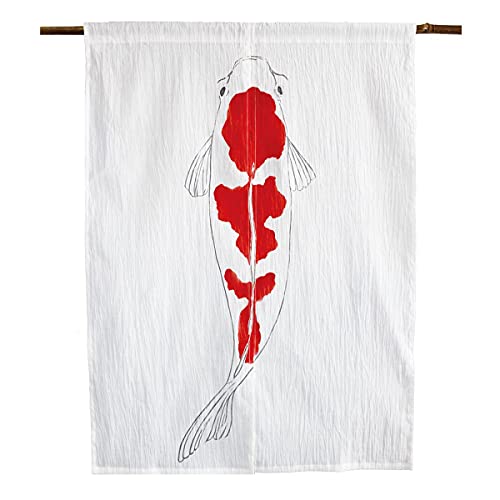
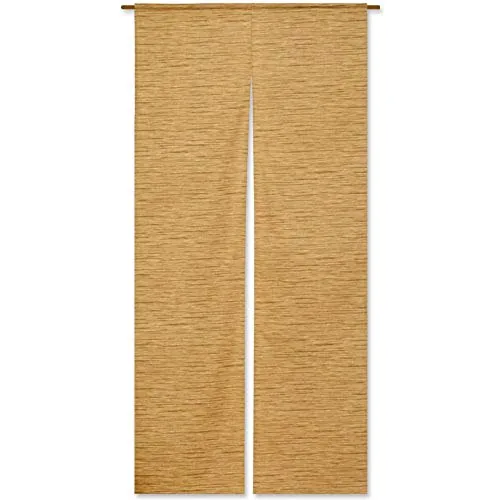
Naniwa Honzome is Osaka's hand-poured chusen dyeing, the technique born in Sakai in the 1880s. A noren door…
Akita Hachijo is a rare plant-dyed silk from the old Satake domain, its kariyasu golden-yellow hira-ori woven into…
Ueda Tsumugi is the Sanada castle town's slubbed silk, prized for a durability so legendary it outlasts three…
Woven in Nishiwaki, Hyogo since 1792, Banshu-ori is Japan's leading yarn-dyed cotton. Its sakizome threads are dyed before…
Gunma's Isesaki Meisen is the bold-patterned silk that dressed Taisho Japan. Here is where to find an authentic…
Ojiya Chijimi is Niigata's snow-country ramie crepe, woven with high-twist weft for a crisp, cooling texture and bleached…
A hand-painted silk furoshiki dyed in the Kaga Yuzen tradition of Kanazawa, defined by the five Kaga-gosai colors,…