![Harima Lacquer Soup Bowl (Owan): Himeji Castle-Town Urushi Owan, Where to Buy [2026]](https://jpmono.com/wp-content/uploads/2026/05/japan-map-regions-and-prefectures-800x1050.png)
A Harima lacquer owan (汁椀, “soup bowl”) is, at first glance, an ordinary thing: a turned-wood bowl, palm-sized, coated in vermilion or black urushi (漆, “Japanese lacquer”). You lift it, and the surprise arrives — it is warm to the lip and almost weightless, because the body underneath the lacquer is wood, not ceramic. This is the bowl that holds miso soup at the start of a Japanese meal, made the way it has been made around the Harima plain of western Hyogo for generations.
Harima is not a famous lacquer name. Hyogo Prefecture is known nationally for Tamba pottery, Banshu blades and soroban, and Awaji incense — there is no METI-designated “Harima Shikki” or “Banshu Shikki” brand the way there is a Wajima-nuri or an Aizu-nuri. So we are honest about the framing from the start: this is a regional secondary craft, anchored not in a trademark but in a place — the castle-and-temple economy of the Harima plain, where Himeji Castle sustained a town of artisans and Engyo-ji on Mt. Shosha drew pilgrims who needed lacquered meal bowls. Turned-wood owan finished in urushi sit naturally in that lineage.
This guide is written for the international reader deciding whether a hand-lacquered wooden owan belongs in their kitchen — how it differs from a ceramic or plastic bowl, what to verify before buying, how the daily-use urushi tradition of inland Hyogo fits the wider map of Japanese lacquer, and where to actually buy one from outside Japan. We cover the place, the material, the trade-offs, and the purchase paths.
🔄 Updated: June 12, 2026
⏱️ Read time: ~10 min
Who this is for — and who should skip it
- Eat miso soup, rice porridge, or other hot liquids and want a bowl that stays cool enough to hold
- Prefer the warm, soft contact of lacquered wood over the weight and click of ceramic
- Value a daily-use object made by hand in Japan, and accept that hand-finished means minor variation
- Are willing to hand-wash and avoid the dishwasher and microwave
- Want a regionally grounded piece rather than a mass-branded lacquerware name
- Want something dishwasher- and microwave-safe with zero care routine
- Need a certified, trademark-backed “famous-brand” lacquerware for gifting prestige
- Expect a sub-$10 bowl — hand-lacquered wood costs more than molded resin
- Dislike any color or grain variation between individual pieces
- Are buying purely as display rather than for use; an owan rewards daily handling
Product overview (from published specs)
This guide is deliberately conservative. Harima has no nationally registered “Harima Shikki” brand to cross-check against, and bowl dimensions, finish, and workshop vary. Where a specification is not characteristic of the craft as a whole, the table leaves it open rather than guessing.
| Attribute | Detail | Source |
|---|---|---|
| Item | Hand-lacquered wooden miso-soup owan (汁椀) | Amazon JP Global Store |
| Core material | Turned (rokuro-挽き) wood core | Amazon JP Global Store |
| Finish | Vermilion or black urushi (lacquer) over the wood body | Amazon JP Global Store |
| Diameter | Approx. 11–12 cm (recommendation hint) | Spec note |
| Origin | Made in Japan (Hyogo / Harima regional urushi workshop) | Spec note |
| Weight | Not confirmed | — |
| Price | — | — |
Comparable Japanese lacquer bowls can be found through US-facing searches, Japanese retail channels, maker-direct shops, and proxy services. Specifications not stated by a maker should be treated as unconfirmed.
📖 Glossary — key terms in this article
- Owan (椀 / お椀) — a wooden (often lacquered) bowl for soup or rice, as distinct from the ceramic chawan. The “shiru-wan” (汁椀) is the soup version.
- Urushi (漆) — sap of the lacquer tree, refined and brushed in thin coats; cures into a hard, water-resistant, food-safe film.
- Nushi (塗師) — the lacquerer; the artisan who applies and polishes the urushi coats. Distinct from the wood-turner who shapes the core.
- Rokuro (轆轤) — the lathe on which the wood core is turned; “rokuro-biki” is lathe-turning.
- Zen-wan (膳椀) — sets of lacquered meal bowls and trays, the kind temple lodgings historically required for pilgrim meals.
- Butsugu (仏具) — Buddhist ritual implements, often lacquered and gilded; a steady historical source of demand for lacquer trades.
- Banshu / Harima (播州 / 播磨) — two names for the same western-Hyogo region; “Banshu” is the old domain reading, “Harima” the province name.
Other Japanese lacquer and wood-craft pieces we have covered — useful for placing this Harima owan within the wider map of regional urushi and wood traditions.
 Tamba Tachikui-yaki Guinomi
Same Hyogo — pottery, not lacquer
Gohara Kijiro Mulberry Bowl
Wood-grain lacquer bowl, Okayama
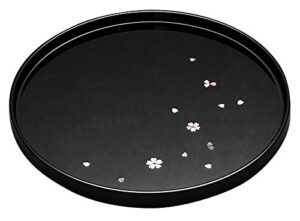 Nara Shikki Raden Tray
Kansai lacquer, shell-inlay
Wajima Nuri Sakazuki Pair
Flagship Noto lacquer, Ishikawa
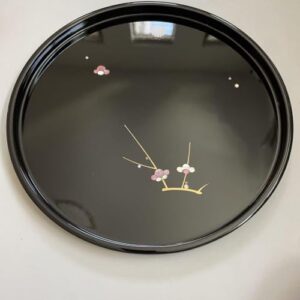 Takaoka Aogai Raden Box
Hokuriku lacquer, blue-shell inlay
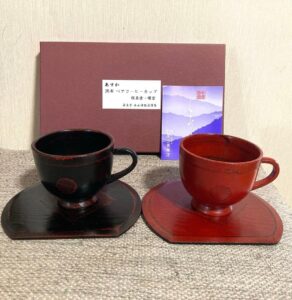 Honyama Kiso Lacquer Cup
Kiso valley lacquer, Nagano
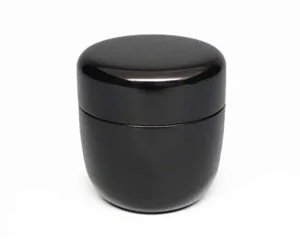 Sanuki Kinma Natsume
Shikoku lacquer, carved-line technique
Price information
No fixed price represents every hand-made Japanese lacquer bowl. Prices vary with wood, finish, size, and workmanship. JPY is common for Japanese craft goods, while USD conversions are approximate and depend on exchange rates.
| Store | Item / Variant | Price | Notes |
|---|---|---|---|
| 🇺🇸 Amazon.com (US) | Browse Japanese lacquer & wooden soup bowls | varies (USD) | Best if you are shopping from the US — Prime shipping, USD pricing, no international customs. Amazon US carries lacquered and wooden owan from various Japanese makers, useful for comparing size, finish, and price tiers. The specific Harima piece is sourced from Japan (next row). |
| 🇯🇵 Amazon JP Global Store | This exact hand-lacquered owan | Check live ¥ price | International shipping from Japan may involve customs or duties. |
| Maker direct | Harima / Hyogo urushi workshop | Unconfirmed | No single registered "Harima Shikki" brand exists; the specific workshop should be confirmed. |
| Proxy services (Buyee / Tenso) | Forwarding from Japan domestic stores | JP price + forwarding fee | Useful for Japan-only stores; adds a forwarding fee and a customs step for orders over your local duty threshold. |
Prices and stock fluctuate; USD figures are approximate and depend on the current exchange rate. Verify the live figure at the retailer before purchasing.
Where this comes from

Harima (播磨) is the old provincial name for the broad plain of western Hyogo Prefecture, where the rivers running down from the inland mountains meet the Seto Inland Sea. Its hub is Himeji, a flat agricultural plain sheltered from the harsher Sea-of-Japan weather, with easy water and sea logistics — the kind of place where a castle town could grow and a temple economy could be supplied. The same geography that made it rich in rice and trade gave it timber from the surrounding hills and a steady market of households and temples needing everyday vessels.
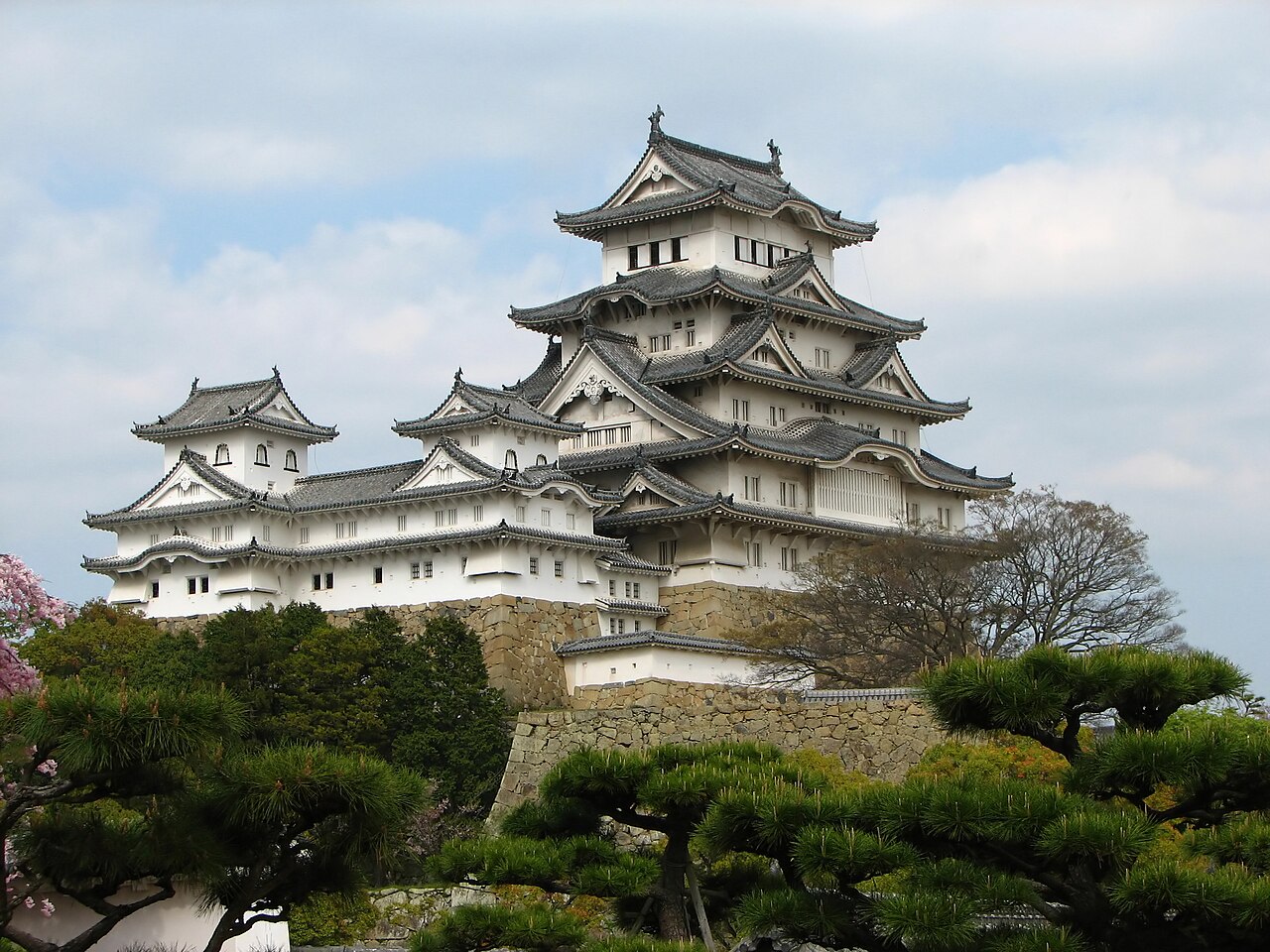
The historical anchor is the castle itself. Himeji Castle in its present form was raised in the early 1600s and passed through the Ikeda, then Honda, then Sakai daimyo houses; it survives intact today and was inscribed as a UNESCO World Heritage Site in 1993 — the white keep that gives it the nickname Shirasagi-jō, the “white heron castle.” A castle of that scale meant a permanent town of artisans: carpenters, metal-fitters, and lacquerers among them, the last serving both the daimyo household and the temples and merchants who clustered around the keep.
- 966 — Engyo-ji founded on Mt. Shosha above Himeji; becomes the 27th temple of the Saigoku Kannon pilgrimage.
- 1346 — An early keep is built at Himeji; the site grows into a regional stronghold over the following centuries.
- 1609 — Himeji Castle is completed in its present form under Ikeda Terumasa, seeding a large castle-town artisan economy.
- 1617 — The Honda house takes the domain; the Sakai house follows later in the Edo period, sustaining patronage of crafts.
- Edo period — Pilgrim traffic to Engyo-ji and temple lodging sustain steady demand for lacquered butsugu and meal bowls (zen-wan).
- 1993 — Himeji Castle inscribed as a UNESCO World Heritage Site, Japan’s first.
- Today — Turned-wood owan finished in vermilion or black urushi continue to be made by workshops across the Harima plain and inland Hyogo.
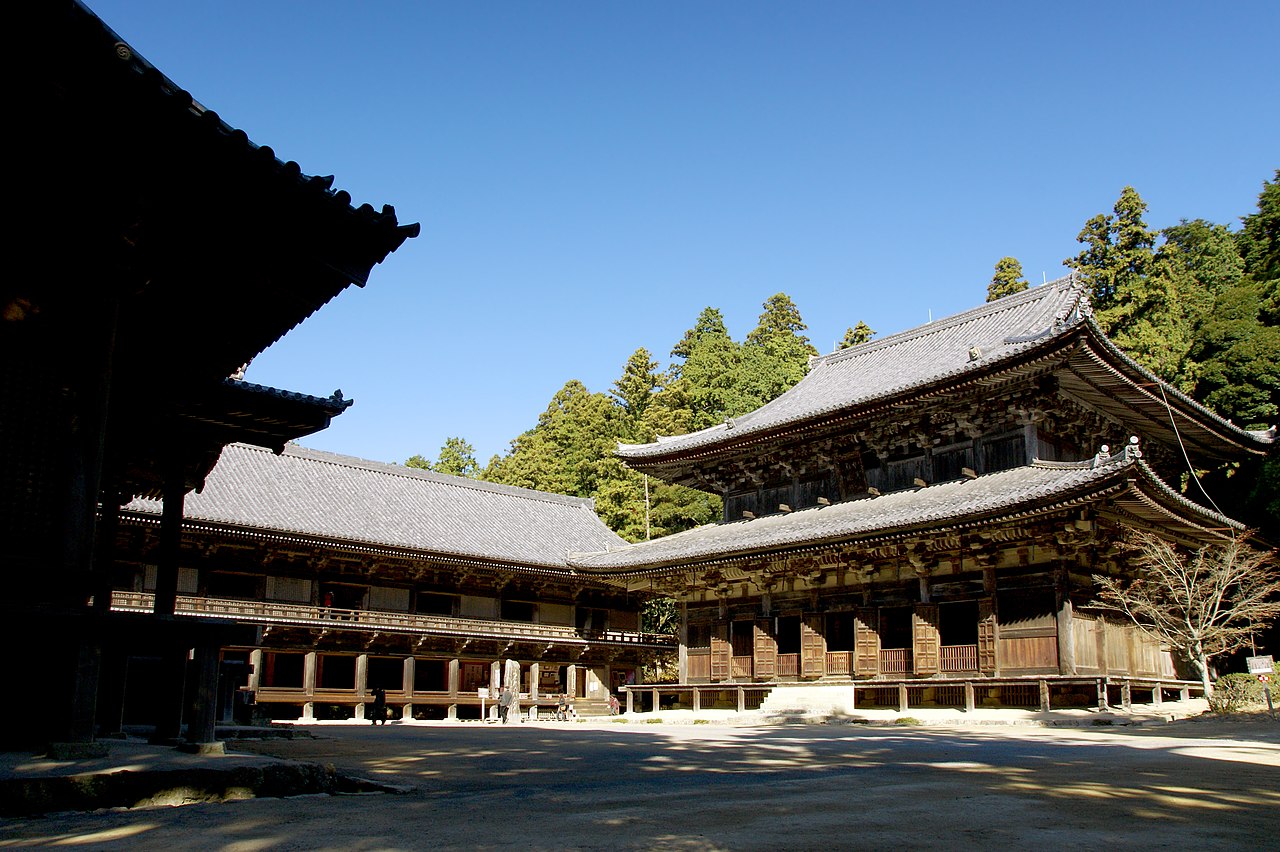
The second pillar of the local economy was religious. Engyo-ji (圓教寺), founded in 966 on the wooded ridge of Mt. Shosha just north of Himeji, is the 27th temple of the Saigoku Kannon pilgrimage — a thousand-year circuit of thirty-three temples across the Kansai region. A working pilgrimage temple needs two things in quantity: ritual lacquerware (butsugu) for the halls, and lacquered meal bowls and trays for feeding pilgrims in its lodgings. That demand, repeated across centuries, is exactly the kind of steady, unglamorous market that keeps wood-turners and lacquerers in business in a region that never registered a famous brand name.
“Harima never registered a trademark for its lacquer. What it had instead was a castle that needed artisans and a pilgrimage that needed bowls — and that, for a few centuries, was enough.”
The wood matters as much as the lacquer. The forested ridges around Mt. Shosha and the inland Harima hills supplied the timber that wood-turners shaped on the lathe into bowl cores, and it is that wooden body — not ceramic, not resin — that gives an urushi owan its warmth and lightness. The lacquerer then builds the surface in thin coats of urushi, each cured slowly in humidity before the next, until the bowl is sealed, water-resistant, and food-safe. Vermilion and black are the two classic finishes, and they are the colors most associated with everyday Japanese soup bowls.
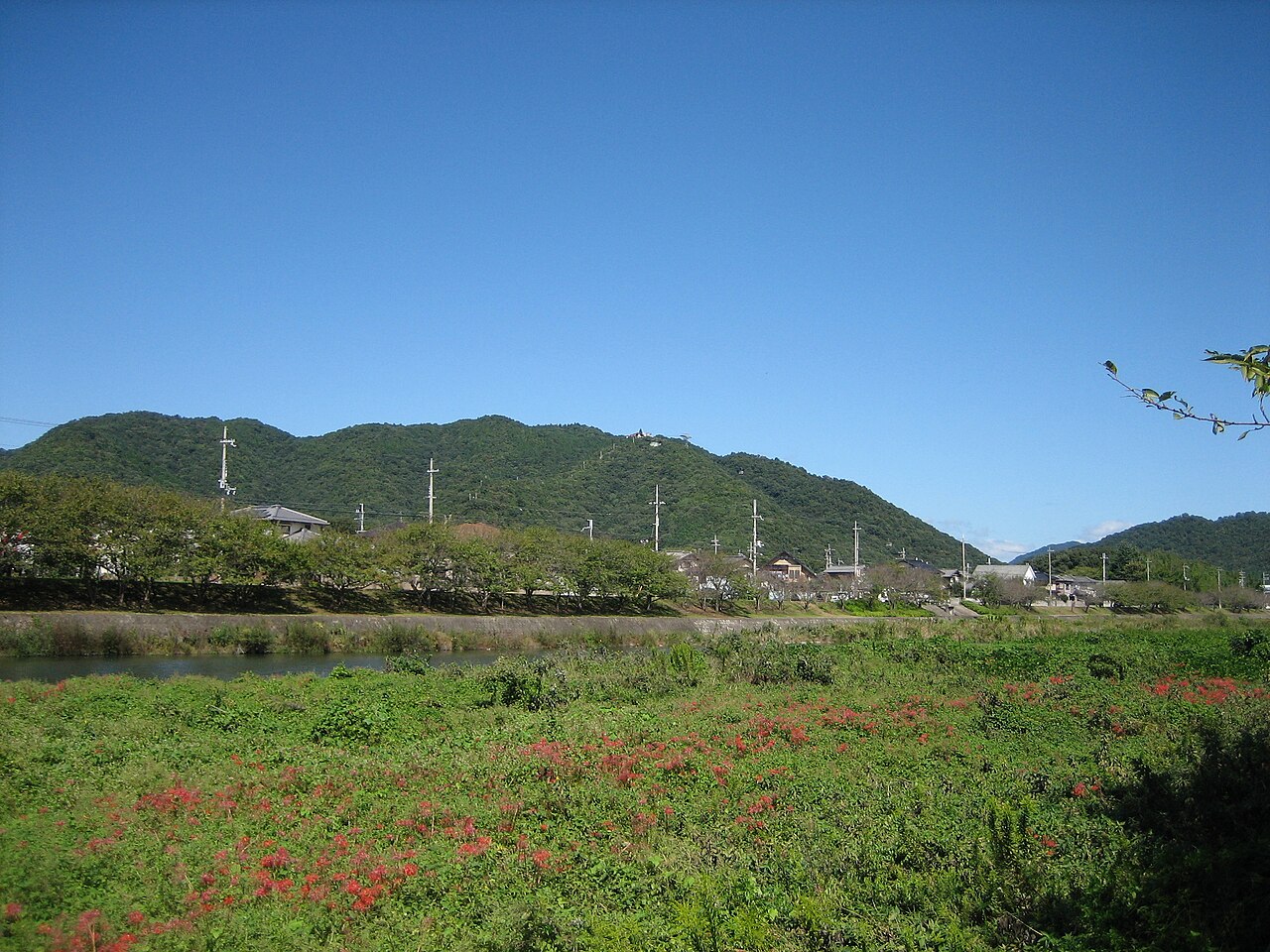
Broaden the lens beyond Himeji and the same pattern repeats across inland Hyogo. Sasayama, in the Tamba uplands to the northeast, was another domain seat with its own castle and merchant culture — the sort of town that carried lacquered tableware from ritual and gift use into ordinary daily meals. This is why we describe the bowl as a Harima or Hyogo regional craft rather than a single named tradition: it grew out of several overlapping castle-and-temple economies across the province, not one trademarked village.
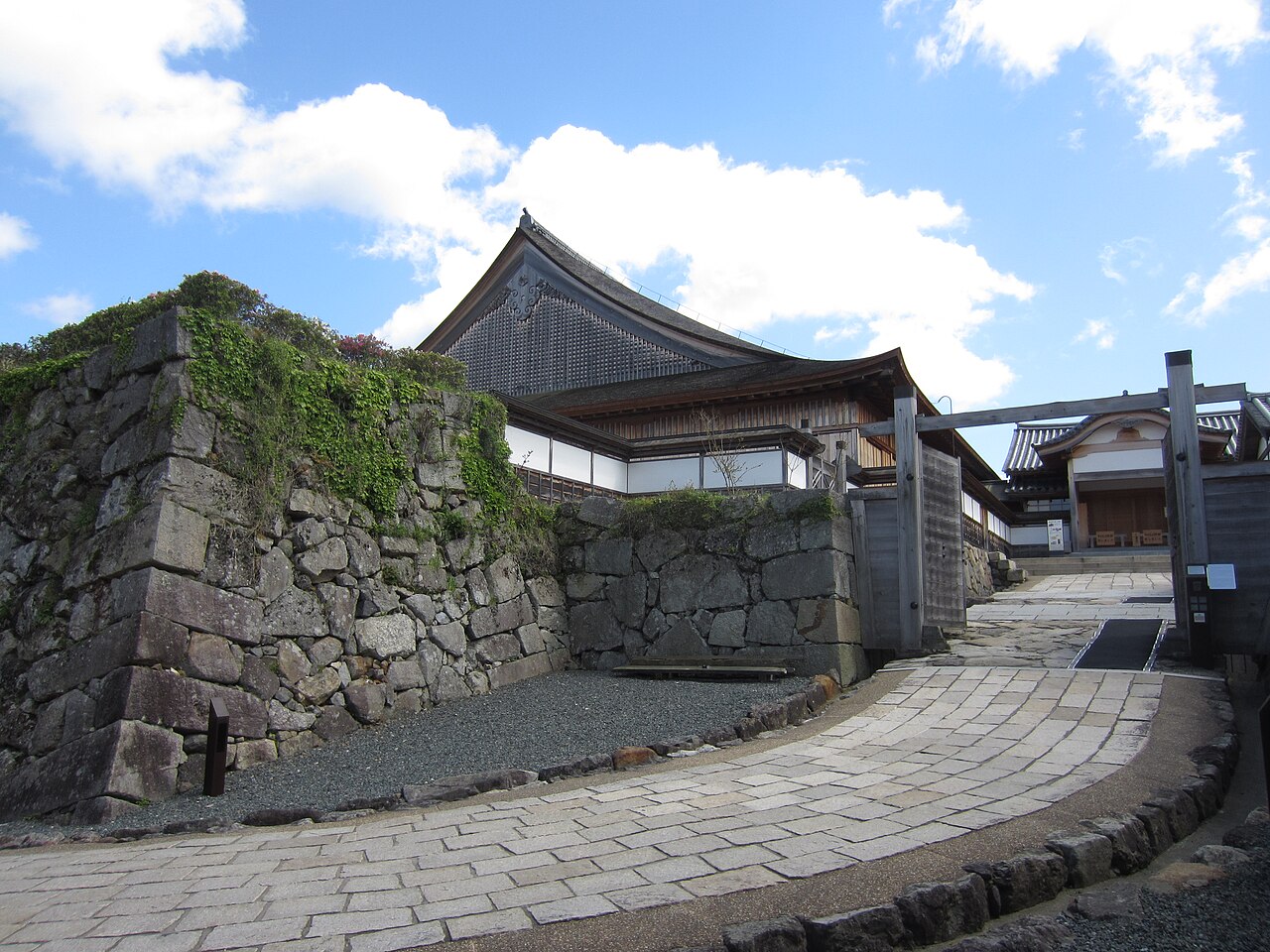
A note on honesty: there is no METI-designated “Harima Shikki” or “Banshu Shikki” tradition, and we do not claim one. The history above is the region’s castle-and-temple economy, into which a turned-wood urushi owan fits naturally. Workshop identity and finish can vary, so distinguish regional context from a fixed brand.
What it does well
Weaknesses and things to verify before buying
- No registered brand to lean on. There is no METI-designated “Harima Shikki.” If you want a certified, named tradition for gifting prestige, a Wajima-nuri or Aizu-nuri piece is the better fit.
- Workshop must be confirmed. The bowl is attributed to a Hyogo/Harima workshop, but the exact maker should not be assumed.
- Hand-finished means variation. Color depth, grain, and minor surface character differ between individual pieces; this is normal for hand-lacquered wood, not a defect.
- Care is required. Hand-wash with mild detergent and a soft sponge; avoid dishwashers, microwaves, prolonged soaking, and direct sunlight, all of which can damage urushi or the wood core.
- Choose a bowl that suits your intended use.
- International shipping and customs. The Amazon JP Global Store ships to most major destinations, but shipping cost (commonly in the ~$15–$40 range to the US and EU) and possible customs duty above your local threshold apply.
Conclusion — which buyer type are you?
Other ways to approach this purchase
❓ Frequently Asked Questions
Is “Harima Shikki” an official, designated lacquerware brand?
No. Hyogo’s nationally known crafts are Tamba pottery, Banshu blades and soroban, and Awaji incense; there is no METI-designated “Harima Shikki” or “Banshu Shikki” tradition. We present this regional owan style as a secondary craft grounded in the Harima plain’s castle-and-temple lacquer economy, not as a registered brand.
Can I put a lacquered wooden owan in the dishwasher or microwave?
No. Hand-wash it with mild detergent and a soft sponge, then dry it. Dishwashers, microwaves, prolonged soaking, and direct sunlight can all damage the urushi surface or the wood core underneath.
Will it ship internationally from Japan?
The Amazon JP Global Store ships many household items to most major destinations. Expect a shipping charge (commonly around $15–$40 to the US and EU) and possible customs duty if your order exceeds your local threshold. Verify the shipping quote at checkout.
Why does the price column say “check live price” instead of a number?
Because prices vary with size, wood, and finish, a fixed figure would be misleading. Compare current offers and treat any USD conversion as approximate.
Why is the first buy button an Amazon US search rather than the exact bowl?
Hand-made Japanese craft items are often easier to compare through domestic search results or Japanese retail channels. US shoppers may find comparable lacquer and wooden bowls locally, while Japanese retailers or proxy services provide another route.
How is an owan different from a ceramic chawan?
An owan is a wooden bowl, usually lacquered, used for soup or rice; a chawan is typically ceramic. The wooden owan is lighter and stays cooler to hold when filled with hot liquid, which is why it is the traditional soup bowl in a Japanese place setting.
Will every bowl look exactly like the photo?
Not precisely. Because the lacquer is applied and polished by hand over a wood core, color depth and grain vary slightly between individual pieces. This variation is inherent to hand-lacquered wood and is generally considered part of its character rather than a flaw.
jpmono.com is curated by a Japan-based editorial team (working out of Toyama in the Hokuriku region and Nara in Kansai) and is independent. We do not take payment from the makers we feature; income comes from affiliate links. We do not physically test every product — we read maker specifications and published craft information.
This article was drafted with AI assistance. Craft specifications can vary among makers, so unconfirmed details are not treated as universal.
Affiliate disclosure: jpmono.com may earn a commission on qualifying purchases made through links on this page, at no additional cost to you.