![Wakasa Agate Hand-Polished Stone Ornament: Obama’s Edo Gem Craft [2026]](https://jpmono.com/wp-content/uploads/2026/05/japan-map-regions-and-prefectures-800x1050.png)
Wakasa agate work — Wakasa meno-zaiku (若狭めのう細工, “Wakasa agate craft”) — is a stone-polishing tradition centered on the port city of Obama, in the old Wakasa province at the southern tip of Fukui Prefecture. The piece covered here is a hand-shaped, mirror-polished agate ornament in the deep red that the craft is known for, produced by grinding and burnishing one of the hardest decorative stones a human hand will ever shape.
What sets Wakasa agate apart internationally is not pattern or color alone but method: a craftsman family perfected yaki-iro (焼き色, “fired color”) — a controlled heat-firing — in the mid-18th century, drawing a saturated red out of raw agate that grinding could never produce. It is a nationally designated traditional craft, and it sits in the same family of Japanese hand-polishing arts as Yamanashi’s Koshu crystal work, with which it shares a stone-rather-than-glass identity.
This guide, written from a Japan-based editor’s desk working out of Toyama and Nara, is for the international reader weighing a small, giftable piece of genuine Japanese stone craft. We cover what the object is, where and how it is made, how it compares to the glass and crystal pieces in the same catch-all genre, the realities of buying it from outside Japan, and who should — and should not — spend money on it.
🔄 Updated: June 8, 2026
⏱️ Read time: ~11 min
Wakasa meno-zaiku creates decorative agate objects, including ornament and bracelet forms, for collecting, display, or wear depending on the form. It is a collectible craft object rather than a functional vessel.
“Agate is hard enough to scratch glass — which is exactly why a mirror finish on it is the work of hands, not a mold.”
Who this is for — and who should skip it
- Want a small, giftable object that carries a verifiable regional craft story
- Appreciate hand-polishing of hard stone over mass-molded glass
- Are already drawn to gem-polishing traditions (Koshu crystal, lapidary work)
- Prefer the deep, warm red of fired agate to clear or cut glass
- Are comfortable buying a one-of-a-kind natural-stone piece where grain varies
- Want a functional drinking vessel — this is decorative stone, not glassware
- Expect every unit to match a catalog photo exactly (natural agate varies)
- Are on a strict budget and want a confirmed price up front
- Prefer clear or cut crystal glass — look at the Kiriko and Bidoro pieces instead
Product overview (from published specs)
Wakasa meno-zaiku uses hand-polished agate, including heat-fired red forms. Dimensions and weight vary by maker and form, so unconfirmed details are best left open rather than estimated.
| Attribute | Value |
|---|---|
| Craft | Wakasa meno-zaiku (若狭めのう細工), nationally designated traditional craft |
| Material | Natural agate (meno / 瑪瑙), heat-fired to red (yaki-iro) |
| Form | Hand-polished ornament / bracelet-class decorative piece |
| Finish | Hand-shaped and mirror-polished |
| Origin | Obama, Fukui Prefecture (old Wakasa province) |
| Dimensions / weight | — |
International availability and prices may shift over time, and maker or proxy information can be incomplete. Where a detail is not confirmed, it is marked unconfirmed rather than estimated.
📖 Glossary — key terms
- Wakasa meno-zaiku (若狭めのう細工) — agate craft of the Wakasa region, centered on Obama; a nationally designated traditional craft.
- Meno (瑪瑙) — agate; a hard, banded variety of chalcedony (quartz family).
- Yaki-iro (焼き色) — “fired color”; controlled heat-firing that brings out agate’s deep red.
- Onyu (遠敷) — historic district of Obama, tied by legend to the jewel-working clan behind the craft.
- Wakasa (若狭) — old province name covering southern Fukui; a coastal region facing the Sea of Japan.
- Dentō kōgeihin (伝統工芸品) — a craft formally designated “traditional” by Japan’s government.
Other hand-finished stone and glass pieces in the same catch-all genre on jpmono — useful for comparing material, technique, and region.
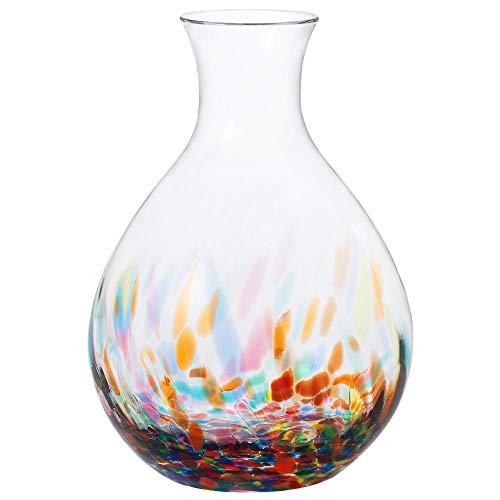
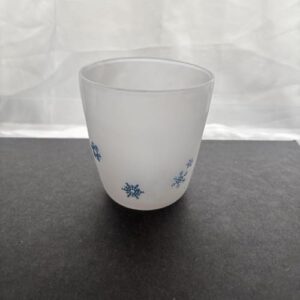
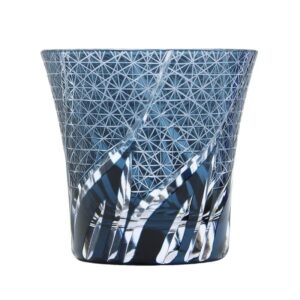
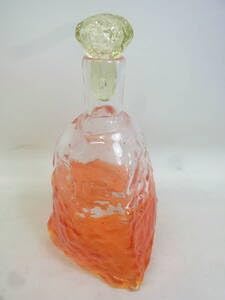
Where this comes from

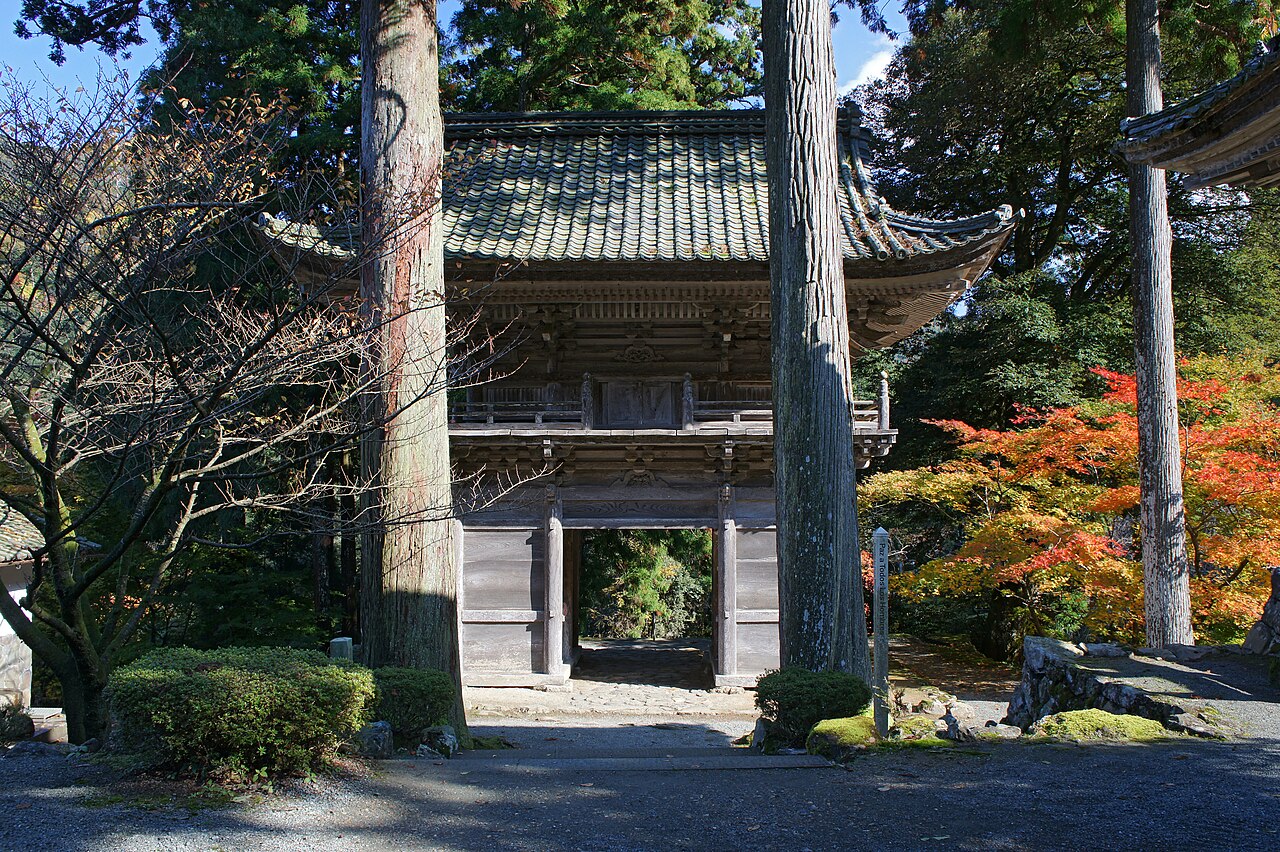
Obama sits on Wakasa Bay, on the Sea of Japan coast of southern Fukui Prefecture, in the old province of Wakasa. The city looks outward toward the Asian continent and inward toward Kyoto: for centuries it was the Sea-of-Japan port nearest the old capital, the place where goods — and salt, and seafood — came ashore before traveling south over the mountains. That position as a trade-and-craft port shaped its economy, and a hard, decorative local stone found a market through the same channels.
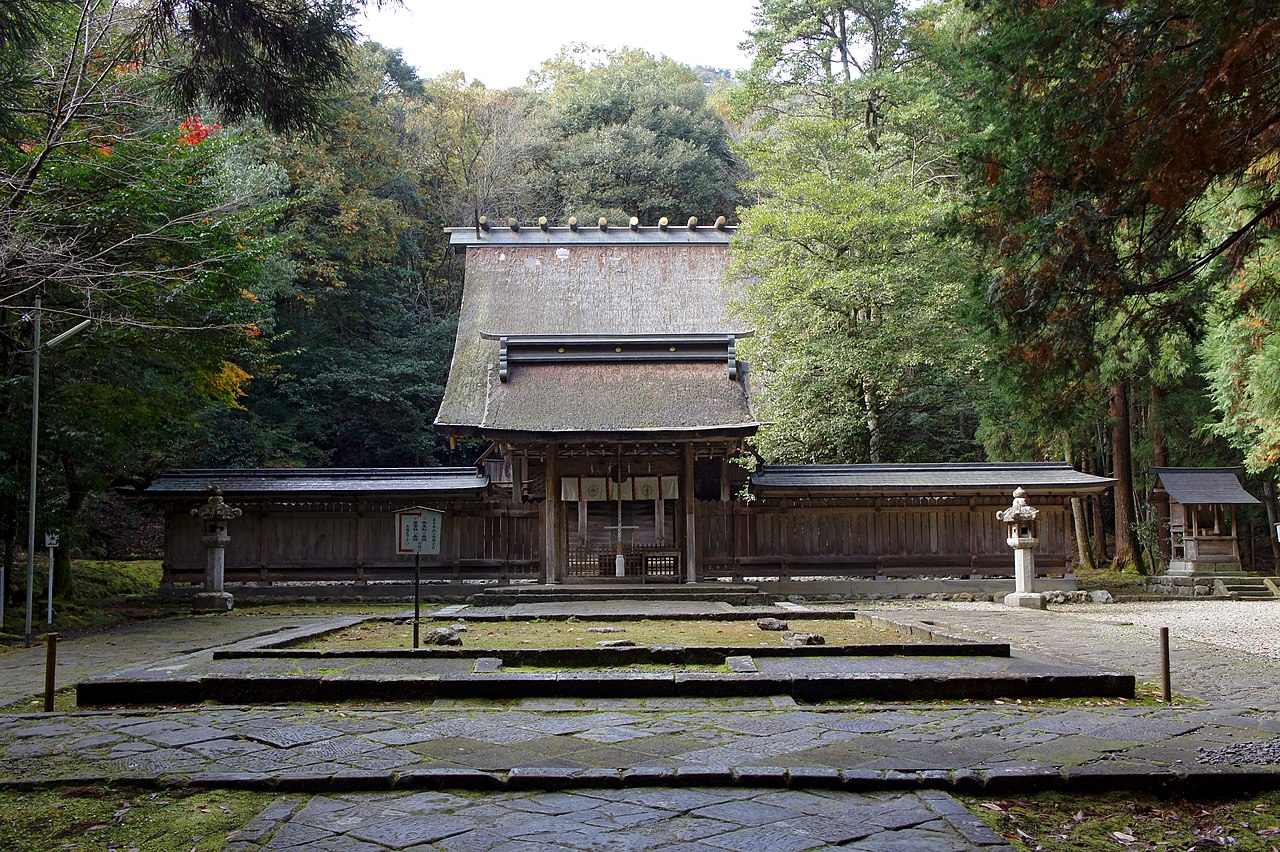
The craft’s origin is tied, by long tradition, to the Onyu (遠敷) district of Obama — the area around the Wakasa-hiko and Wakasa-hime shrines. Folk history holds that a jewel-revering clan settled there and worked sacred stones, and that this stone-handling lineage is the distant root of the agate craft. This is a traditionally-held origin story rather than a documented industrial record, and is best read that way.
Whatever the exact origin, the craft matured during the Edo period, when agate polishing in Obama developed into an organized trade. The decisive technical step came in the mid-18th century, when a craftsman family perfected yaki-iro — a controlled heat-firing that coaxes a deep, saturated red out of agate that grinding alone cannot reach. That red is the visual signature of Wakasa work and the reason the tradition is recognized as Japan’s premier agate craft.
-
Antiquity (by tradition) — A jewel-revering clan is said to settle in the Onyu district near the Wakasa-hiko / Wakasa-hime shrines, working sacred stones. -
Edo period (1603–1868) — Agate polishing in Obama matures into an organized regional craft. -
Mid-18th century — A craftsman family perfects yaki-iro heat-firing, drawing out agate’s deep red. -
Meiji onward (1868–) — The trade continues through Japan’s modernization as a recognized Obama specialty. -
20th century — Wakasa meno-zaiku is recognized as a nationally designated traditional craft (dentō kōgeihin). -
2026 — Hand-polishing workshops continue in Obama; the heat-fired red remains the craft’s hallmark.
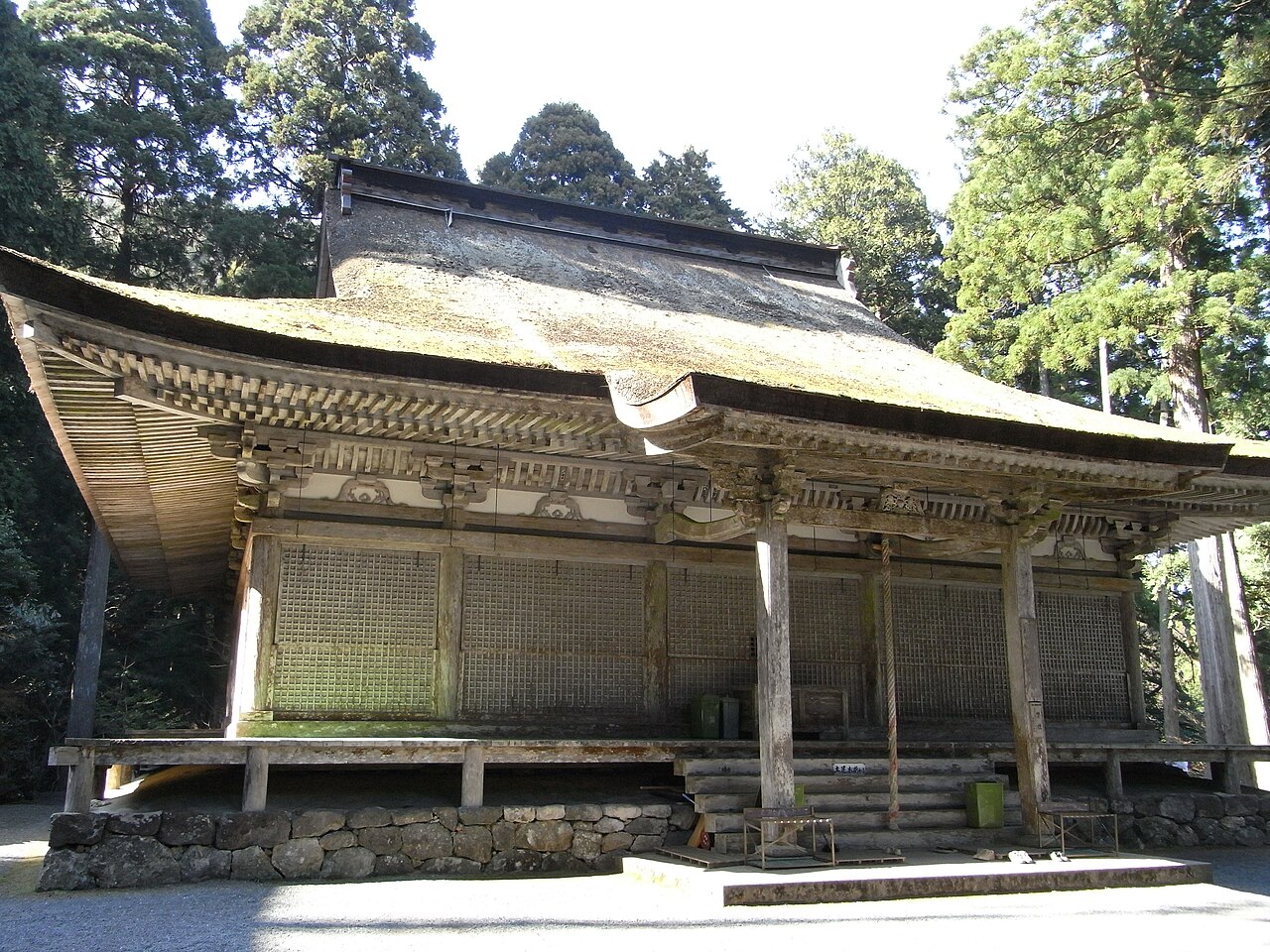
Obama’s craft and temple culture ran deep alongside the stone trade. The city holds national-treasure architecture — among it Myotsu-ji, whose pagoda speaks to centuries of sustained patronage and skilled labor in the area. A place that could keep a temple of that quality standing was also a place that could keep specialist lapidary hands at work.
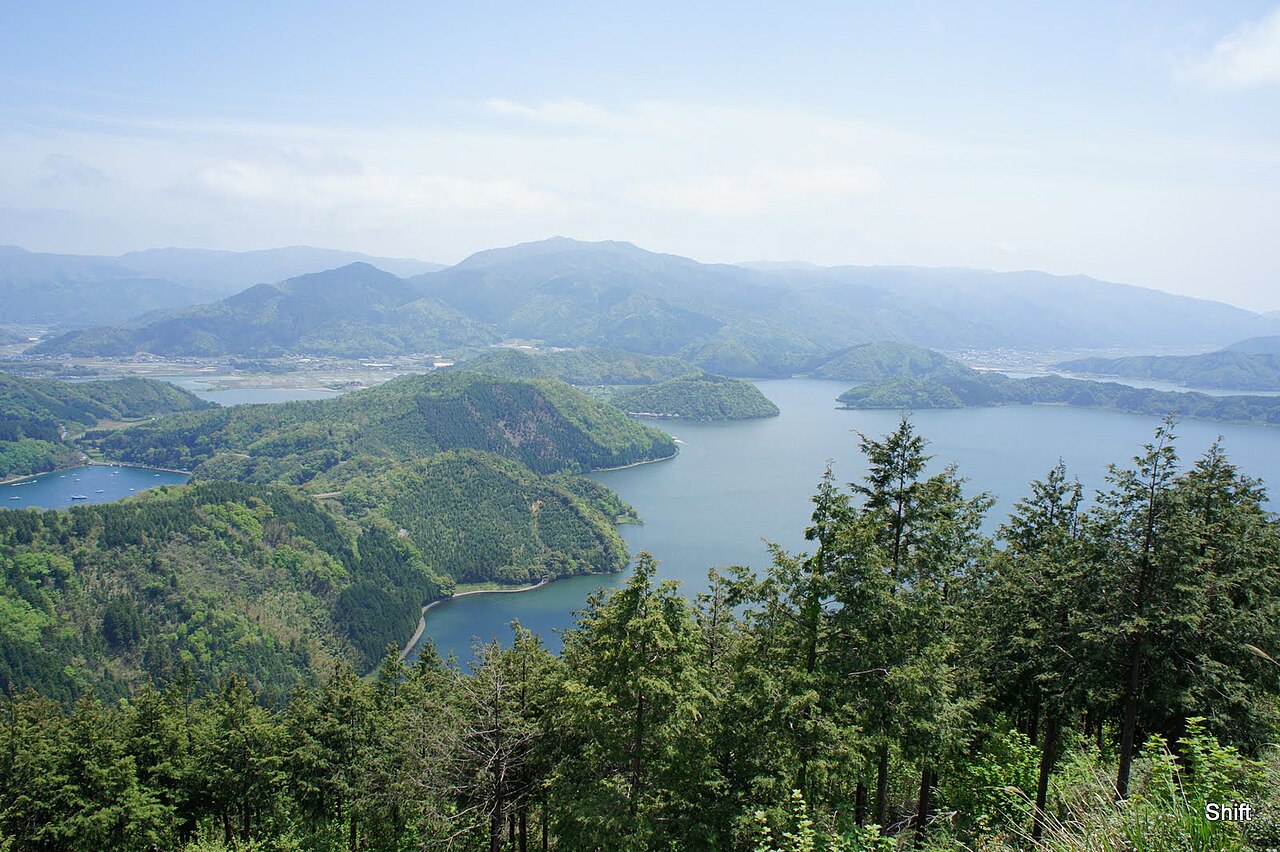
The geography itself reinforces the story. The Wakasa coast — with the celebrated Mikata Five Lakes a short way down the shore — is a landscape of inlets, brackish lagoons, and sheltered bays. That shoreline made Obama a natural port and a natural place for a trade good as portable and durable as polished stone to move. Climate, water, and a protected harbor are the unglamorous reasons a craft takes root in one town and not another.
Wakasa agate belongs to the small set of Japanese crafts built on patiently abrading hard mineral by hand. Its closest cousin is Yamanashi’s Koshu crystal polishing — another lapidary tradition that shapes quartz-family stone rather than blowing or cutting glass. Reading the two together is the clearest way for an international buyer to understand what this object actually is.
Buying considerations
Pricing data for individual Wakasa agate ornaments varies by size and by the time required to grind and polish the stone. Figures below are therefore marked unconfirmed rather than estimated; always verify the live price at the retailer before buying.
| Store | Item / variant | Price (JPY / USD est.) | Notes |
|---|---|---|---|
| 🇺🇸 Amazon.com (US) | Browse Japanese agate & stone ornaments | varies (USD) | Best if you are shopping from the US — Prime shipping, USD pricing, no international customs. Amazon US carries assorted Japanese agate and crystal pieces; this exact Obama piece ships from Japan (next row). |
| 🇯🇵 Amazon JP Global Store | This exact Wakasa agate ornament | — | International shipping option from Japan; confirm destination coverage and fees before ordering. |
| Maker direct | Obama agate workshops / cooperative | Unconfirmed — check manufacturer site | Some Wakasa workshops sell directly or through regional craft cooperatives; international shipping varies by workshop. |
| Proxy services (Buyee / Tenso) | Forwarding for Japan-only shops | item price + forwarding fee | Useful when a Japan-only shop does not ship directly; adds a forwarding fee and a second shipping leg. |
Prices in USD are approximate and depend on the current exchange rate (¥150/USD baseline as of mid-2026). The JPY price is the authoritative one for the specific listed item. Prices and stock fluctuate — follow the affiliate link for current data.
What it does well
Weaknesses and things to verify before buying
- Natural variation. Agate is a natural banded stone; grain, translucency, and shade of red differ from piece to piece. The unit you receive will not match a catalog photo exactly.
- Decorative, not functional. This is an ornament/bracelet-class object, not a drinking vessel. If you wanted glassware, the Bidoro, Otaru, Kiriko, or Ryukyu pieces are the better fit.
- International shipping and customs. Buying from outside Japan means the JP Global Store or a proxy; factor in shipping ($15–$40 to the US/EU is typical for small items) and possible customs duties over your local threshold.
- Care of a polished stone. Mirror-polished agate can chip or scuff if dropped on a hard surface; treat it as you would a fine stone object, not a casual everyday item.
Conclusion — which buyer type are you?
Other ways to approach this purchase
❓ Frequently Asked Questions
Is the red color natural or added?
Will my piece look exactly like the photo?
Can I buy it from outside Japan?
How is this different from Koshu crystal work?
How do I care for a polished agate piece?
Why isn’t the price shown?
Is Wakasa agate an officially recognized craft?
jpmono.com is curated by a Japan-based editorial team (working out of Toyama in the Hokuriku region and Nara in Kansai) and is independent. We don’t take payment from the makers we feature; income comes from editorial work. We don’t physically test every product — we read maker specifications and craft sources.
This article was prepared with AI assistance and reviewed against craft references. Historical claims draw on the provided source notes; folk-traditional origins are marked as such.
Affiliate disclosure: jpmono.com may earn a commission on qualifying purchases made through links on this page, at no additional cost to you.