![Sakurai Shikki Lacquer Soup Bowl from Ehime: Where to Buy [2026]](https://jpmono.com/wp-content/uploads/2026/06/sakurai-shikki-lacquer-soup-bowl-where-to-buy-2026-featured.jpg)
Sakurai Shikki (桜井漆器, “Sakurai lacquerware”) is the wood-core urushi tableware of the Sakurai district of Imabari, on the Seto Inland Sea coast of Ehime Prefecture in Shikoku. It is best known for the everyday owan (お椀) — the lidded or open soup bowl that holds miso soup at almost every Japanese meal. What sets the Imabari tradition apart is not a single decorative signature but a distribution story: in the Edo period, local merchants loaded lacquer bowls and trays onto wankebune (椀船, “bowl boats”) and peddled them around Setouchi and as far as Kyushu, turning a port with limited local urushi into a genuine lacquerware trading hub.
For an international reader, that maritime-merchant origin is the interesting part. Sakurai Shikki absorbed techniques from the Kishu (Wakayama) and Aizu (Fukushima) lacquer traditions it traded against, so what you are buying is less a closed regional secret than a Seto Inland Sea synthesis — a wood-core bowl coated in natural urushi lacquer, shaped for daily use rather than display. Today only a handful of workshops continue the wood-core urushi line.
This guide covers one specific listing — a Sakurai Shikki urushi miso-soup bowl (ASIN B0GR22J7LX) sourced from the Amazon Japan Global Store — and sets it against comparable Japanese lacquerware so you can judge fit, price path, and international shipping before you buy. We write from a Japan-based editorial desk; we have not physically handled this exact bowl, and we say so where the data is thin.
🔄 Updated: June 10, 2026
⏱️ Read time: about 9 minutes

- Who this is for — and who should skip it
- Product overview (from published specs)
- Price snapshot across stores
- 📦 Shipping & where to buy from outside Japan
- What it does well
- Weaknesses and things to verify before buying
- Conclusion — which buyer type are you?
- Other ways to approach this purchase
- 📍 Where this comes from — Imabari, the Seto Inland Sea, and the wankebune trade
- 🏆 Editor’s Pick
- ❓ Frequently Asked Questions
Who this is for — and who should skip it
- Want a daily-use Japanese miso-soup bowl in real wood-core urushi, not molded plastic
- Like the idea of an object tied to the Seto Inland Sea wankebune trade rather than a luxury label
- Already eat washoku at home and want a lighter, warmer bowl than ceramic
- Are comfortable hand-washing and treating lacquer with a little care
- Want a modestly priced entry into genuine Japanese lacquerware
- Need dishwasher- and microwave-safe bowls for a busy household
- Want a heavily decorated maki-e or raden showpiece — this is utilitarian
- Are shopping for a named living-national-treasure artist signature
- Expect detailed spec sheets — this listing’s published data is thin
- Want same-day domestic US delivery without any international shipping wait
Product overview (from published specs)
Published specification data for this exact listing is limited. The fetched search snapshot returned no structured price or dimension fields, so the table below marks unconfirmed values plainly rather than guessing. Only the Amazon JP Global Store listing snapshot is available; live pricing and specifications may have shifted since the writing date.
Sakurai Shikki Lacquer Soup Bowl from Ehime
桜井漆器 お汁椀5客セット箱入り
通常6~7日以内に発送します。 · Sold by Sunny Shop33 · ASIN B0GR22J7LX
Price and availability as of 2026-09-01 05:22 JST. The Amazon listing at the time of purchase is authoritative. jpmono.com earns a commission on qualifying purchases at no extra cost to you.
| Attribute | Value (per available data) |
|---|---|
| Craft | Sakurai Shikki (桜井漆器) — wood-core urushi lacquerware |
| Item type | Soup bowl / owan (お椀) |
| Construction | Wood core finished in natural urushi lacquer |
| Origin | Sakurai district, Imabari, Ehime Prefecture, Shikoku |
| Dimensions / capacity | Unconfirmed — check manufacturer / listing page |
| Weight | Unconfirmed — check listing |
| ASIN (JP Global Store) | B0GR22J7LX |
Sources consulted: Amazon US search (primary, tag moonill-20) + Amazon JP Global Store (secondary, sourced listing, tag moonill-22) + maker tradition notes. Where a cell reads “Unconfirmed,” neither the fetched data nor a linked source stated the value.
📖 Glossary — key terms
- Urushi (漆) — natural lacquer refined from the sap of the urushi tree, brushed in thin layers over a wood core and hardened in humid air.
- Owan (お椀) — a Japanese bowl for soup or rice, traditionally lacquered wood; lighter and more insulating than ceramic.
- Shikki (漆器) — lacquerware; literally “lacquer vessels.”
- Wankebune (椀船, “bowl boat”) — Edo-period peddler boats that carried lacquer bowls and trays around the Seto Inland Sea to sell on commission.
- Setouchi / Seto Inland Sea — the sheltered sea between Honshu, Shikoku, and Kyushu; historically Japan’s busiest inland trade route.
- Suigun (水軍, “navy”) — the medieval seafaring clans, such as the Murakami, who controlled the Geiyo island straits.
Related lacquer and craft guides on jpmono.com — useful for comparing region, technique, and price tier.
 Sanuki Kinma lacquer (Shikoku)
 Honyama Kiso lacquer cups
Wajima Nuri sake cups
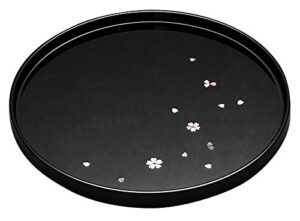 Nara Raden lacquer tray
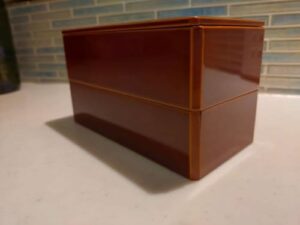 Ise Shunkei lacquer box
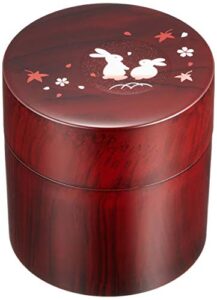 Yamanaka lacquer caddy
Price snapshot across stores
The fetched data did not include a confirmed price for this listing. Where price is unknown the table says so; do not treat any figure here as final — verify at the retailer before purchasing.
| Store | Item / variant | Price (JPY + USD est.) | Notes |
|---|---|---|---|
| 🇺🇸 Amazon US (search) | Browse Japanese lacquer soup bowls | varies (USD) | Best if you are shopping from the US — Prime shipping, USD pricing, no international customs. Amazon US carries urushi and wood-core bowls from various Japanese makers for comparison; this exact Sakurai Shikki piece is sourced from Japan (next row). |
| 🇯🇵 Amazon JP Global Store | Sakurai Shikki urushi owan (ASIN B0GR22J7LX) | Price unconfirmed — check listing | Where the specific item is sourced. Ships internationally from Japan to most major destinations. |
| Maker direct | Sakurai Shikki workshop pieces | Varies — Japanese site | A handful of Imabari workshops sell direct; most pages are Japanese-only and may not ship abroad. |
| Proxy services (Buyee / Tenso) | Any JP listing forwarded abroad | Item price + forwarding fee | Useful if a seller does not ship internationally; adds a handling fee and a consolidation step. |
USD figures are approximate (¥150/USD baseline as of mid-2026) and depend on the current exchange rate. The JPY price is the authoritative one for the specific listed item.
📦 Shipping & where to buy from outside Japan
The Amazon JP Global Store generally ships household lacquerware internationally to most major destinations, with delivery typically running a week or more depending on region. Estimated international shipping commonly falls in the $15–$40 range to the US and EU, and higher to other regions. If a particular seller does not ship to your country, a proxy forwarder such as Buyee or Tenso can receive the parcel in Japan and re-ship it to you for an added handling fee.
Orders above your local duty-free threshold may attract customs duties and import tax on arrival — budget for that separately. Lacquerware is non-electrical, so there are no voltage concerns; the main care note is simply that genuine urushi is not dishwasher- or microwave-safe.
What it does well
Weaknesses and things to verify before buying
- Thin published data. Exact dimensions, capacity, and weight were not in the fetched listing data — confirm them on the live page before ordering.
- Price not confirmed. No price was returned in the snapshot. Treat any conversion as an estimate and verify at the retailer.
- Care requirements. Genuine urushi is hand-wash only — no dishwasher, no microwave, and avoid prolonged soaking or direct sunlight.
- Not a decorative showpiece. Sakurai Shikki is utilitarian; if you want elaborate maki-e gold work or raden inlay, look at the Nara or Wajima guides linked above.
- Workshop / maker attribution. “Sakurai Shikki” is a regional craft name, not a single maker — confirm which workshop produced the specific bowl if provenance matters to you.
- International shipping wait and duties. Sourced from Japan, so expect a delivery wait and possible customs charges depending on your country.
Conclusion — which buyer type are you?
Other ways to approach this purchase
📍 Where this comes from — Imabari, the Seto Inland Sea, and the wankebune trade

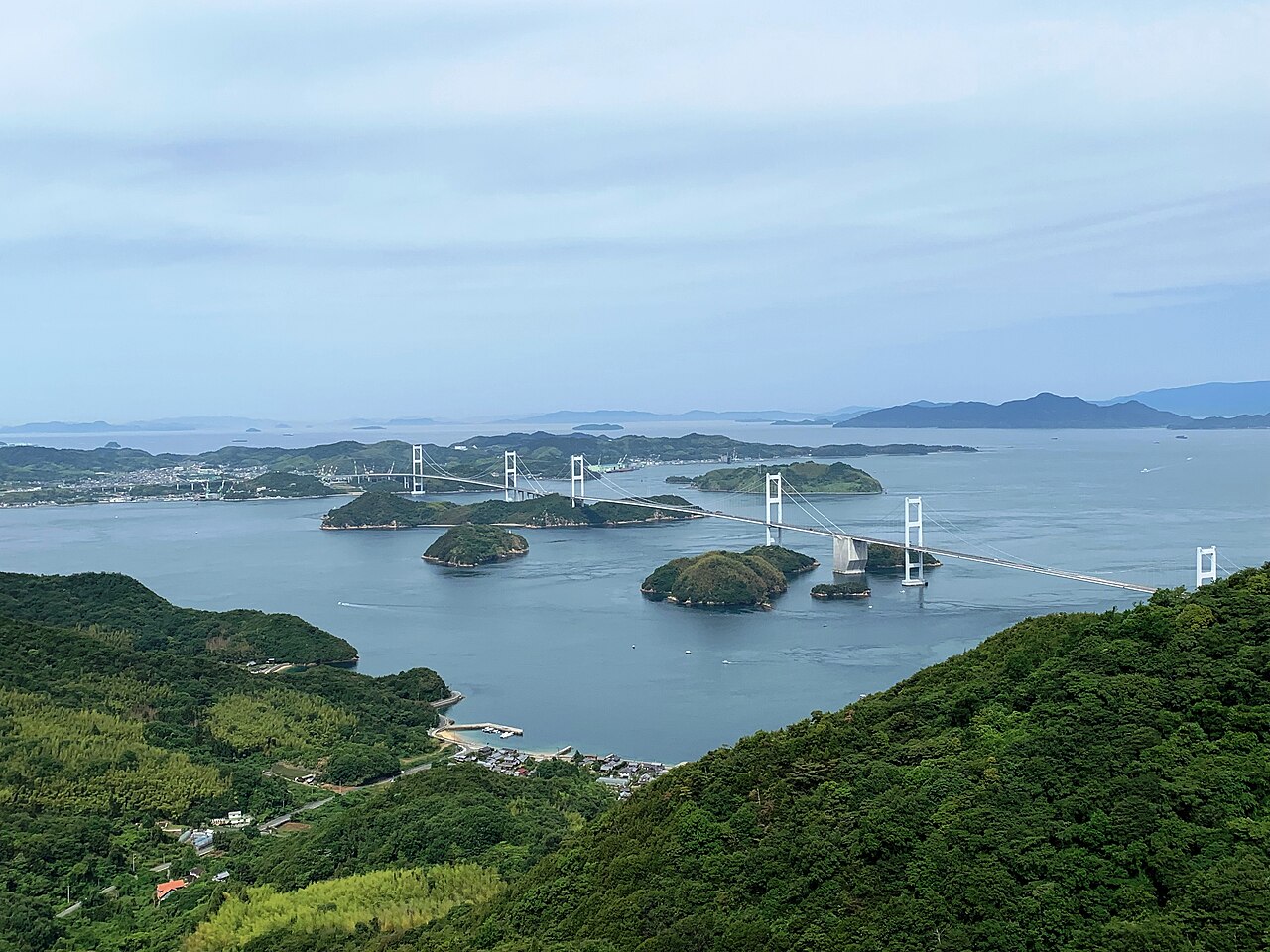
Imabari sits on the northeastern coast of Shikoku, the smallest of Japan’s four main islands, where the land narrows toward the Kurushima Strait and the Seto Inland Sea threads between Shikoku and Honshu. The Sakurai district lies on this coast. The Seto Inland Sea is not open ocean but a sheltered, island-studded waterway — for most of Japanese history the country’s busiest internal trade route — and that geography is the whole reason a lacquerware trade could grow in a port that produced little raw urushi of its own.
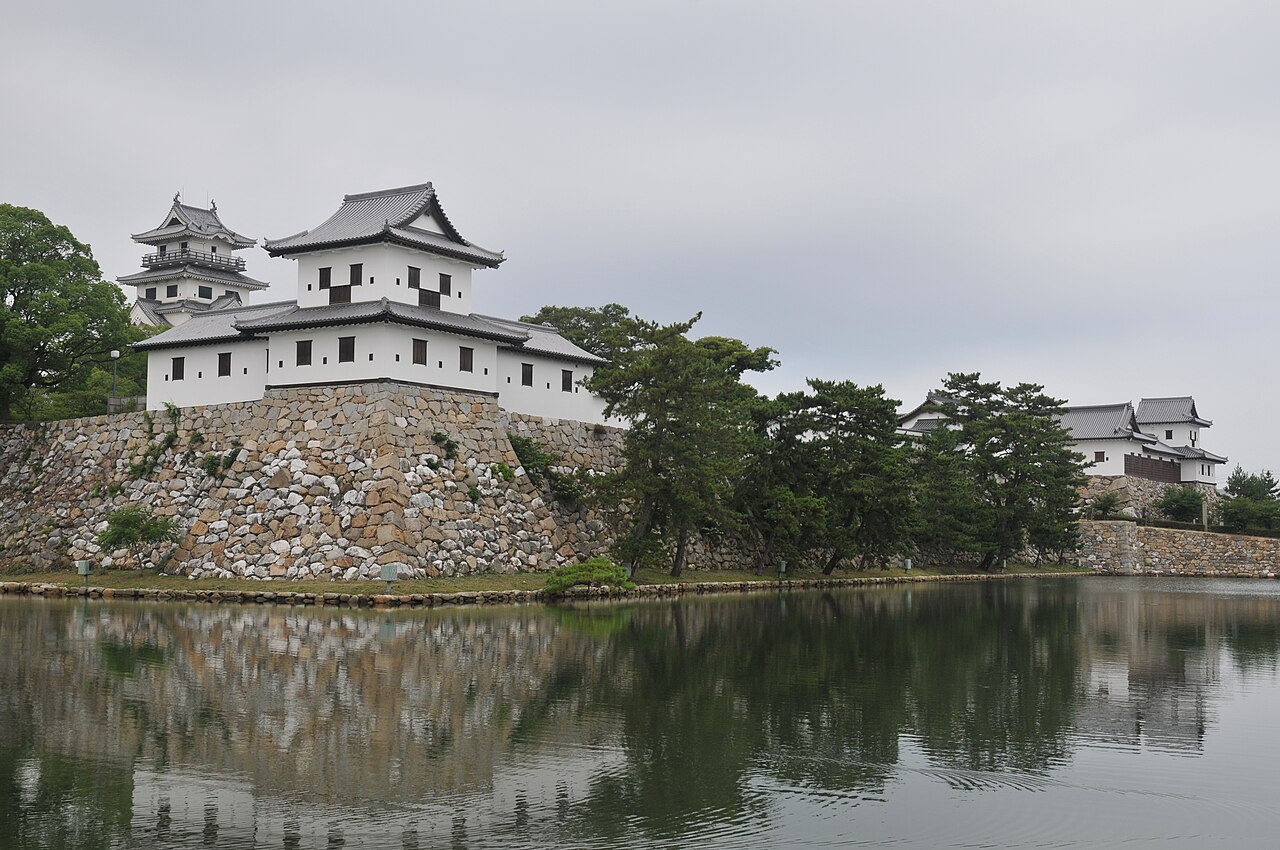
The region’s identity was shaped by the sea long before lacquer arrived. In the medieval period the Murakami Suigun — the seafaring clans often called the Murakami “navy” — controlled the straits of the Geiyo islands, guiding, taxing, and at times raiding the shipping that passed through. Imabari Castle, built in the early 1600s as one of Japan’s rare castles set directly against tidal seawater, marked the shift from that island-warlord era to the ordered domain administration of the Edo period. The same currents the Murakami once policed became, in peacetime, commercial arteries.
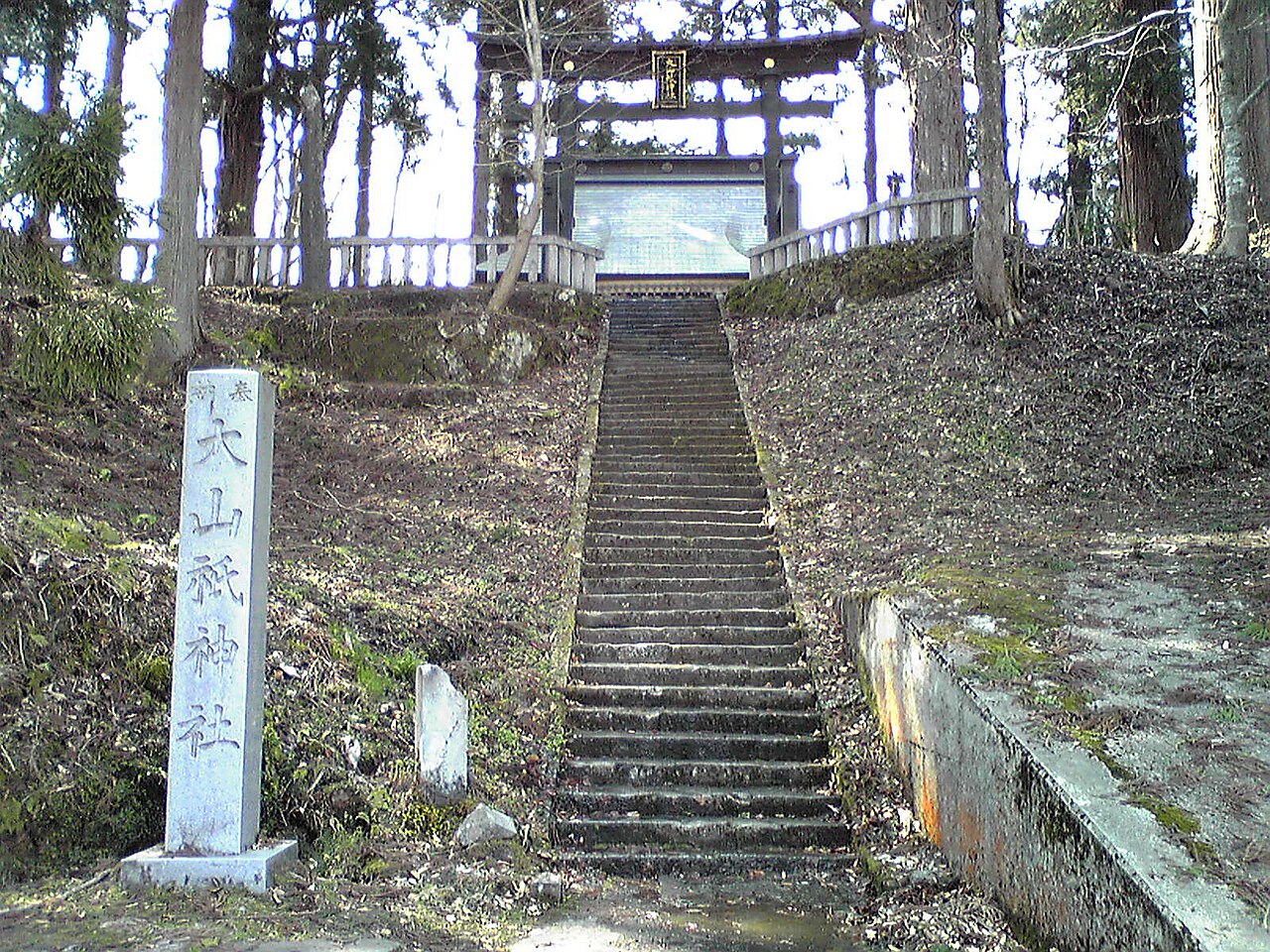
It is on those arteries that Sakurai Shikki took shape. In the Edo period, merchants from the Sakurai district ran wankebune — boats loaded with lacquer bowls and trays — that peddled their wares around the Seto Inland Sea and as far as Kyushu. Because Imabari produced limited urushi locally, the trade was built on movement and exchange rather than on a single guarded local recipe: the bowls absorbed techniques from the Kishu (Wakayama) and Aizu (Fukushima) lacquer traditions the boats traded against, and Imabari became a lacquerware distribution hub more than a closed production secret.
“Sakurai Shikki was carried to its markets, not waited upon — bowls peddled across the Seto Inland Sea by boat made a port with little local lacquer into a lacquerware hub.”
- 14th–16th c. — The Murakami Suigun control the Geiyo island straits of the Seto Inland Sea.
- Early 1600s — Imabari Castle is built as a rare seawater-moated castle, opening the Edo-period peacetime order.
- Edo period (17th–19th c.) — Sakurai-district merchants run wankebune, peddling lacquer bowls and trays across Setouchi and to Kyushu.
- 19th c. — Sakurai Shikki absorbs techniques from the Kishu and Aizu lacquer traditions through trade.
- 1999 — The Kurushima-Kaikyō bridges complete the Shimanami Kaidō, linking Imabari to Honshu by road.
- 2026 — A handful of Imabari workshops still continue the wood-core urushi tradition.
What “still being made here” means today is modest but real: only a small number of Imabari workshops carry on the wood-core urushi line that the wankebune once distributed. The craft no longer travels by boat to find buyers — it now reaches international tables through listings like the one in this guide — but the bowls themselves are made the same way, a wood core built up in thin layers of natural lacquer. For a daily soup bowl, that continuity is the point: an object whose form was settled by generations of working meals, not by a design brief.
🏆 Editor’s Pick
❓ Frequently Asked Questions
Is Sakurai Shikki real urushi lacquer or a synthetic coating?
Sakurai Shikki is traditionally wood-core tableware finished in natural urushi lacquer. Some modern bowls sold under similar names use synthetic resin cores or coatings, so check the specific listing’s material description if genuine urushi matters to you.
Can I put it in the dishwasher or microwave?
No. Genuine urushi lacquerware is hand-wash only. Avoid the dishwasher, microwave, prolonged soaking, and direct sunlight, all of which can damage the lacquer surface over time.
Does it ship outside Japan?
The Amazon JP Global Store generally ships household lacquerware to most major international destinations. If a particular seller does not ship to your country, a proxy forwarder such as Buyee or Tenso can receive and re-ship it for a handling fee.
What is a wankebune, and why does it matter?
Wankebune (“bowl boats”) were Edo-period peddler boats that carried lacquer bowls and trays around the Seto Inland Sea. They are why Imabari, despite little local urushi, became a lacquerware trading hub — the craft’s identity is built on distribution and exchange.
How does it compare to Wajima or Nara lacquerware?
Sakurai Shikki is generally a plainer, everyday utility lacquer, whereas Wajima Nuri and Nara Raden lean toward decorated, higher-priced pieces with gold maki-e or shell inlay. See the comparison links above to weigh region and price tier.
How do I care for the bowl so it lasts?
Wash by hand with a soft sponge and mild detergent, dry promptly with a soft cloth, and store away from direct heat and sunlight. With gentle use, urushi bowls can last for decades and can sometimes be re-lacquered.
jpmono.com is curated by a Japan-based editorial team (working out of Toyama in the Hokuriku region and Nara in Kansai) and is independent. We do not take payment from the makers we feature; income comes from affiliate links. We do not physically test every product — we read maker specs and source listings. Read more about our editorial standards.
This article was prepared with AI assistance and reviewed against the available source listing. Specifications and prices reflect data at the time of writing and may have changed; verify current details at the retailer before purchasing.
Affiliate disclosure: jpmono.com may earn a commission on qualifying purchases made through links on this page, at no additional cost to you.