![Ise Shunkei Lacquer Bento Box: Sawara Wood Jubako from Mie [2026]](https://jpmono.com/wp-content/uploads/2026/06/ise-shunkei-lacquer-bento-box-where-to-buy-2026-featured.jpg)
Ise Shunkei (伊勢春慶, Ise shunkei-nuri) is the transparent-lacquer woodware of Ise and the Tamaki–Watarai area of Mie Prefecture, in Japan’s Kansai region. Boards of sawara (椹, Japanese false cypress) or hinoki are joined with sashimono cabinetry joints, stained with a warm yellow-red ground, and then coated in clear amber urushi so the straight wood grain shows through the finish rather than being hidden under it. A bento box or single-tier jūbako is its signature form — a direct descendant of the practical “food box for the road” that the craft was built to make.
What makes Ise Shunkei worth a closer look for an international reader is its origin. It is not a courtly art lacquer; it grew out of one of the largest pilgrimage economies in pre-modern Japan. For centuries, millions of travelers walked to the Ise Grand Shrine, and Ise’s woodworkers supplied them with light, sturdy, inexpensive lacquered boxes and trays. That commercial, everyday root is exactly why the grain is left visible and the form stays simple — this was lacquerware meant to be carried, used, and refilled, not displayed in an alcove.
This guide is written for buyers comparing transparent (“shunkei”) lacquerware against opaque Wajima- or Aizu-style finishes, and weighing a wood jūbako against ceramic or molded alternatives. We cover what the listing data does and does not confirm, how the craft sits in Mie’s history and geography, care and shipping realities for buyers outside Japan, and which buyer type this object actually fits. Per the available data, only a single Amazon listing reference was on hand at the time of writing; live pricing and stock may have shifted since.
🔄 Updated:
⏱️ Read time: ~11 min

- Who this is for — and who should skip it
- Product overview (from published specs)
- 📍 Where this comes from — place, era, and the craft tradition
- 📌 How does it compare?
- 📦 Shipping & where to buy from outside Japan
- Price snapshot across stores
- What it does well
- Weaknesses and things to verify before buying
- Conclusion — which buyer type are you?
- Other ways to approach this purchase
- 🏆 Editor’s Pick
- ❓ Frequently Asked Questions
Who this is for — and who should skip it
- Prefer transparent lacquer that shows real wood grain over opaque, glossy finishes
- Want a lightweight wood bento or single-tier jūbako for daily or seasonal use
- Like the idea of a finish that deepens in tone the more it is used
- Value craft with a documented regional origin over generic molded lacquerware
- Are comfortable with hand-wash-only care
- Need dishwasher- and microwave-safe everyday containers
- Want a deep, mirror-black opaque lacquer look (consider Wajima or Aizu instead)
- Expect a fixed, low commodity price — artisan revival pieces vary in cost
- Will leave it soaking, sun-baked, or stored bone-dry for long stretches
- Need confirmed exact dimensions before buying and cannot verify with the seller
Product overview (from published specs)
Data availability for this specific listing was thin at the time of writing — only a single Amazon listing reference (ASIN B0HG5M1K21) was on hand, with no confirmed price or full dimension sheet in the fetched data. The table below states what the craft type and listing reliably indicate and marks the rest as unconfirmed rather than guessing.
Ise Shunkei Lacquer Bento Box
伊勢春慶 二見光之助 木製 重箱 角型 工芸品 漆芸 漆器
通常6~7日以内に発送します。 · Sold by ASANO shop · ASIN B0HG5M1K21
Price and availability as of 2026-09-01 05:22 JST. The Amazon listing at the time of purchase is authoritative. jpmono.com earns a commission on qualifying purchases at no extra cost to you.
| Attribute | Detail (per listing / craft type) | Source |
|---|---|---|
| Craft type | Ise Shunkei (transparent shunkei lacquerware), Mie Prefecture | Craft tradition |
| Form | Bento box / single-tier jūbako (stacking food box) | Listing |
| Body material | Sawara (Japanese false cypress) or hinoki boards, sashimono-joined | Craft type |
| Finish | Yellow-red ground stain + clear amber urushi; grain visible, deepens with use | Craft type |
| Origin | Ise / Tamaki / Watarai area, Mie | Craft tradition |
| Dimensions / weight | Unconfirmed — check the listing or maker before buying | — |
| Price | Not available in fetched data — verify at the retailer at time of purchase | — |
Spec sheets indicate the body material and finish behavior; the data suggests dimensions and price should be confirmed directly with the seller. Per the Amazon listing reference as of June 9, 2026, no live price was returned.
📖 Glossary — key terms
- shunkei-nuri (春慶塗) — a transparent lacquer technique. The wood is stained, then finished with clear amber urushi so the grain stays visible. Ise Shunkei is Mie’s version; Hida Shunkei is Gifu’s separate tradition.
- urushi (漆) — natural lacquer tapped from the urushi tree, hardened by humidity into a durable, water-resistant coating.
- sawara (椹) — Japanese false cypress, a light, straight-grained softwood favored for food vessels and tubs.
- sashimono (指物) — Japanese cabinetry that joins boards with cut joints rather than nails or glue.
- jūbako (重箱) — a stacking tiered food box, traditionally used for celebratory meals such as New Year’s osechi.
- Okage-mairi (おかげ参り) — the periodic waves of mass pilgrimage to the Ise Grand Shrine during the Edo period.
📍 Where this comes from — place, era, and the craft tradition

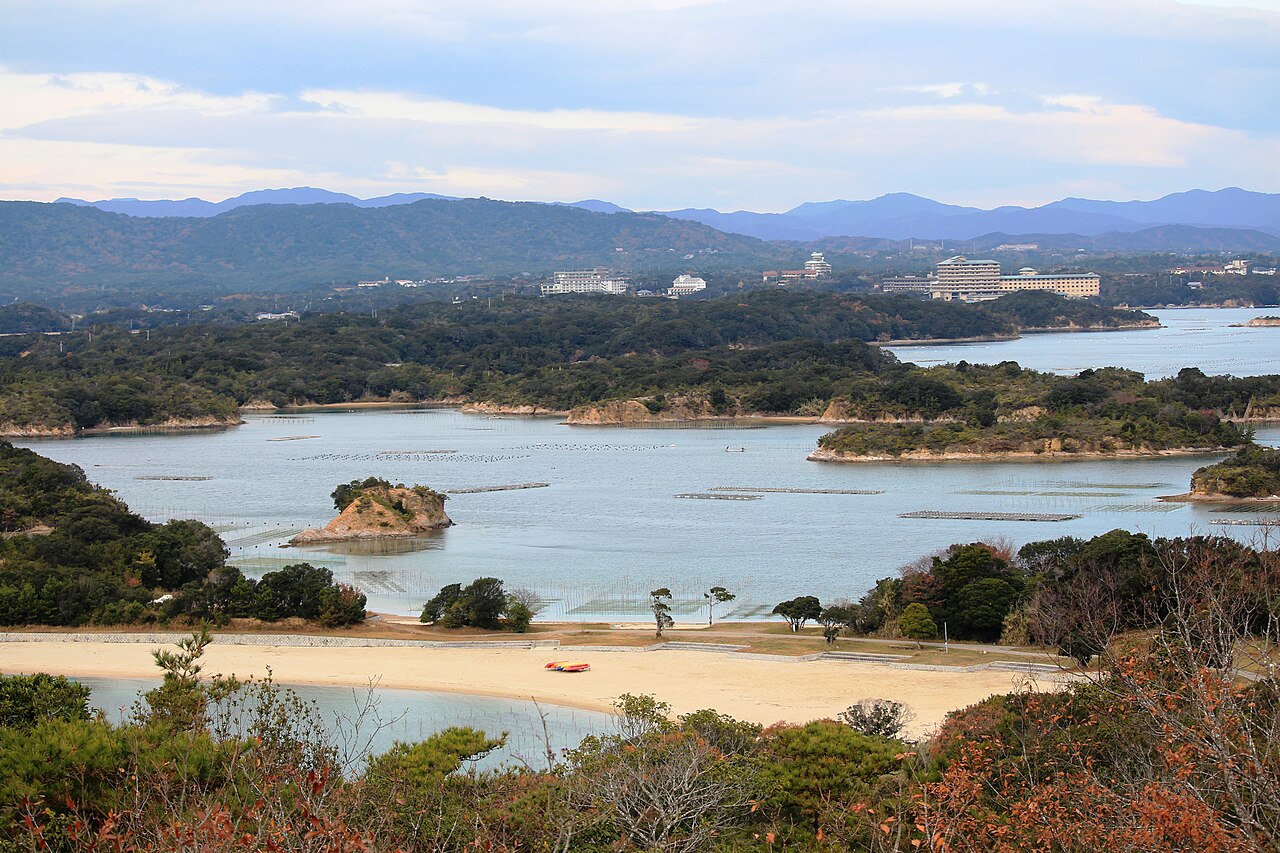
Mie Prefecture occupies the eastern face of the Kii Peninsula, where the land meets Ise Bay and the broader Pacific. Ise sits near the mouth of the Isuzu River, with the wooded Ise-Shima coast and its bays stretching south. The combination mattered for the craft: abundant cypress timber from the surrounding hills, river and bay logistics to move goods, and — above all — a constant stream of travelers heading to and from the shrine.
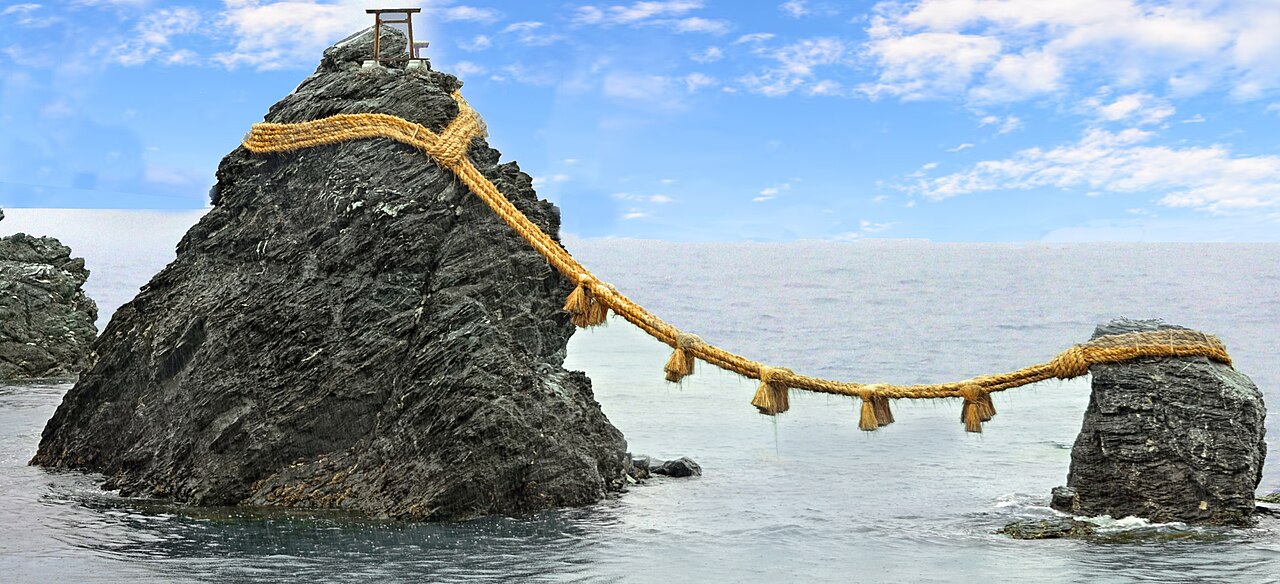
The historical anchor here is the Ise Grand Shrine (Ise Jingu) and the pilgrimage economy it generated. Reaching the shrine was, for much of the Edo period (1603–1868), the great popular journey of ordinary Japanese people. In recurring waves known as Okage-mairi, the roads filled with pilgrims — by some traditional accounts, millions in a single season — funneling through the shrine-town streets of Oharai-machi and the lanes that survive today as Okage Yokocho.
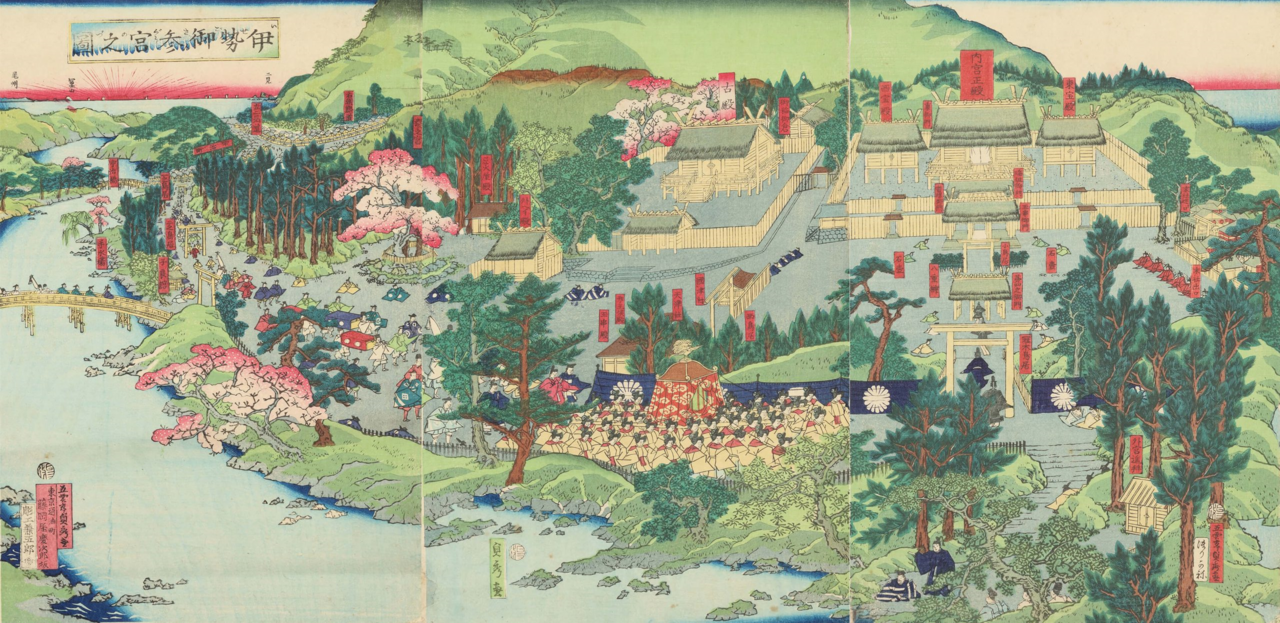
That crowd needed provisions for the road, and it needed them light, sturdy, and cheap. Ise’s woodworkers answered with lacquered boxes, trays, and stacking food boxes finished in the transparent shunkei manner — quick to produce, easy to carry, and good-looking without the cost of opaque, many-layered lacquer. The bento box and jūbako were the practical workhorses of this trade.
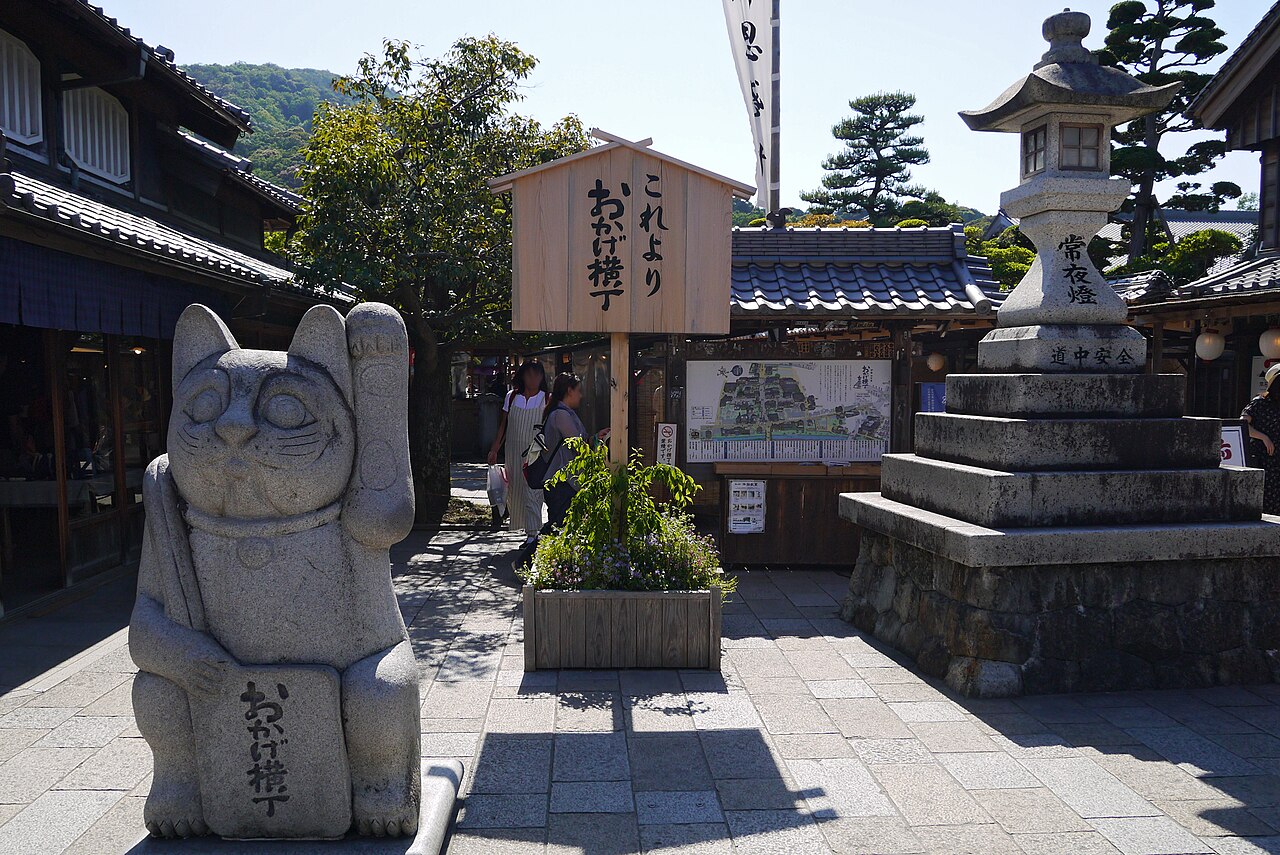
- Edo period (1603–1868) — Mass pilgrimage to Ise becomes the great popular journey of ordinary Japanese.
- 1705 — A recorded Okage-mairi wave draws enormous crowds through the shrine town.
- 1771 — Another mass pilgrimage year; demand for cheap, portable lacquered food boxes peaks.
- 1830 — The largest recorded Okage-mairi; Ise woodworkers supply lacquered boxes and trays at scale.
- 20th century — With the pilgrimage economy gone and industry shifting, the craft nearly dies out.
- Recent decades — A small number of workshops in Ise and Tamaki revive the shunkei technique.
- 2026 — Bento and jūbako remain the signature form, true to the “food box for the road” origin.
What “still being made here” means for Ise Shunkei is more fragile than for the big-name lacquer centers. This is a revived craft, not an unbroken industrial one: it nearly disappeared in the twentieth century and is carried today by a small group of workshops in the Ise and Tamaki area working to keep the staining-and-clear-urushi method alive. That scarcity is part of why pricing and stock vary, and why a given listing may appear and disappear.
“Ise Shunkei was never alcove art. It was the lunch box of a nation on pilgrimage — and the grain was left showing because the wood, not the polish, was the point.”
📌 How does it compare?
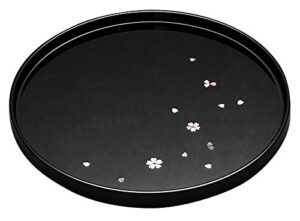
If you are weighing Ise Shunkei against other Japanese lacquer and fine-wood pieces, these related guides on jpmono.com cover neighboring traditions and forms:
📦 Shipping & where to buy from outside Japan
Most Ise Shunkei pieces are sourced through Amazon’s Japan listings rather than amazon.com. The Amazon JP Global Store ships many household and craft items internationally to major destinations, typically with a shipping estimate in the $15–$40 range to the US and EU, and higher to other regions. International customs duties may apply once an order crosses your local de minimis threshold, so factor that in before checkout.
Because this is a small-workshop revival craft, availability fluctuates. If a specific listing is out of stock, alternative paths include the maker’s own channels and proxy/forwarding services such as Buyee or Tenso, which can purchase from Japan-only listings on your behalf and consolidate shipping. As lacquerware contains no electronics, there are no voltage or certification concerns; the only real caveat is care (hand wash, no dishwasher or microwave — see below).
Price snapshot across stores
| Store | Item / Variant | Price (JPY + USD est.) | Notes |
|---|---|---|---|
| 🇺🇸 Amazon.com (US) | Browse Japanese lacquer bento & jūbako boxes | varies (USD) | Best if you are shopping from the US — Prime shipping, USD pricing, no international customs. Amazon US carries Japanese wood and lacquer bento boxes from various makers, useful for comparing form and price tiers. This Ise Shunkei piece is sourced from Japan (next row). |
| 🇯🇵 Amazon JP Global Store | Ise Shunkei sawara-wood bento box (ASIN B0HG5M1K21) | Not listed in data — verify at retailer | Ships internationally from Japan. The sourced listing for the specific item in this guide. Only the listing reference was available at the time of writing; live price unavailable. |
| Maker direct | Ise / Tamaki revival workshops | Varies | A small number of workshops produce Ise Shunkei; direct purchase may require Japanese-language ordering or a proxy. |
| Proxy services (Buyee / Tenso) | Any Japan-only listing | Item price + service fee + forwarding | Useful when a piece is listed only on Japan-domestic stores; adds a buying-agent fee and consolidated international shipping. |
Prices and stock fluctuate; USD figures are approximate at a ¥150/USD baseline. The JPY price for the specific listed item is authoritative. Always confirm current pricing at the retailer before purchasing.
What it does well
Weaknesses and things to verify before buying
- Hand wash only. Like all urushi lacquerware, it is not dishwasher- or microwave-safe. Prolonged soaking, direct sunlight, and bone-dry storage can all damage the finish.
- Pricing was not in the fetched data. Only the listing reference (ASIN B0HG5M1K21) was available; confirm the current price at the retailer before buying.
- Dimensions unconfirmed. The fetched data did not include verified size or capacity. If exact bento volume matters to you, ask the seller before purchasing.
- Limited, fluctuating supply. Ise Shunkei is a revived craft made by few workshops; a specific listing may go out of stock and reappear irregularly.
- Not the deep-black “lacquer” look some expect. If you want opaque, mirror-gloss lacquer, a transparent shunkei finish will look different — consider Wajima or Aizu styles instead.
- International shipping and duties. Buying via Amazon JP Global Store or a proxy adds shipping cost and possible customs charges; budget beyond the item price.
Conclusion — which buyer type are you?
Other ways to approach this purchase
🏆 Editor’s Pick
❓ Frequently Asked Questions
Is Ise Shunkei the same as Hida Shunkei from Gifu?
No. Both are “shunkei” transparent lacquerware that lets the wood grain show, but they are separate regional traditions. Ise Shunkei is made in the Ise and Tamaki area of Mie Prefecture, while Hida Shunkei is a distinct craft from Gifu Prefecture.
Can I put food directly in it?
Yes. The hardened urushi surface is the traditional finish for food vessels, and the bento/jūbako form is made to hold food. As with all lacquerware, avoid very hot or oily foods sitting for long periods, and don’t leave it soaking.
How do I care for a shunkei lacquer bento box?
Hand wash with mild soap and a soft sponge, then dry promptly. Keep it out of the dishwasher and microwave, avoid prolonged soaking and direct sunlight, and don’t store it somewhere extremely dry for long stretches. Treated this way, the finish deepens attractively over time.
Does Amazon JP Global Store ship internationally?
The Amazon JP Global Store ships many household and craft items to most major destinations, typically with a shipping estimate around $15–$40 to the US and EU. Customs duties may apply once your order exceeds your local threshold.
Can it go in the dishwasher or microwave?
No. Urushi lacquerware on a wood body is not dishwasher- or microwave-safe. Both heat and aggressive detergents can damage the finish and the wood. Hand wash only.
Why does the price seem to vary?
Ise Shunkei is a revived craft produced by a small number of workshops, so supply is limited and listings come and go. The fetched data for this guide did not include a live price, so verify the current figure on the listing before buying.
Will the color change over time?
Yes, and this is expected. The clear amber urushi gradually deepens in tone with use and light exposure, so the grain appears richer over the years rather than the piece simply looking worn.
jpmono.com is curated by a Japan-based editorial team (working out of Toyama in the Hokuriku region and Nara in Kansai) and is independent. We do not take payment from the makers we feature; income comes from affiliate links. We don’t physically test every product — we read maker specs and source listings.
This article was researched and drafted with AI assistance and reviewed against the available listing data and the craft’s documented history. Specs marked unconfirmed should be verified with the seller before purchase.
Affiliate disclosure: jpmono.com may earn a commission on qualifying purchases made through links on this page, at no additional cost to you.