![Yokaichiba Kiri Paulownia Rice Bin (Komebitsu): Chiba Woodwork [2026]](https://jpmono.com/wp-content/uploads/2026/05/japan-map-regions-and-prefectures-800x1050.png)
On the eastern edge of the Boso plain, in the old town of Yokaichiba — today part of Sosa city in Chiba Prefecture — paulownia wood (kiri, 桐) has been milled, dried, and joined into storage furniture since the Edo period. The same nail-free joinery tradition that produced the region’s prized wedding chests is applied here to a humbler object: a komebitsu (米びつ), a rice storage bin. The piece covered in this guide is a Yokaichiba/Sosa paulownia komebitsu (Amazon item ID B0BXZY49DV), built with sashimono (指物) joinery and sized for roughly 5–10 kg of rice.
Paulownia is the lightest cabinet wood native to Japan, slow to ignite, and — this is the part that matters for rice — self-sealing: the wood swells slightly in humidity to lock moisture out and contracts again as the air dries. The cells also carry tannins and paulownin that insects dislike. For centuries that combination made kiri the default wood for kimono chests, document boxes, and seed stores. Put rice inside the same box and you get a container that buffers humidity and discourages weevils without any coating, gasket, or electricity.
This article is written for the international reader deciding whether a traditional paulownia rice bin is worth importing from Japan, rather than buying a plastic or enameled-steel container locally. We cover what the object is, where the craft comes from, how it compares to other kiri and woodwork pieces on this site, the honest weaknesses, and the buying paths from outside Japan. Current price and availability vary, so confirm the details with the seller before purchasing.
🔄 Updated:
⏱️ Read time: ~9 min
- Who this is for — and who should skip it
- Product overview (from published specs)
- 📍 Where this comes from — place, era, and the craft tradition
- Buying options
- What it does well
- Weaknesses and things to verify before buying
- Conclusion — which buyer type are you?
- Other ways to approach this purchase
- ❓ Frequently Asked Questions
Who this is for — and who should skip it
- Store rice in a warm or humid kitchen and want passive humidity buffering, not a plastic sealed tub
- Want a natural, coating-free container that keeps weevils down without chemicals
- Appreciate nail-free sashimono joinery and a quiet, pale, unfinished wood aesthetic
- Are buying 5–10 kg bags of rice and want a dedicated, refillable bin
- Value a long-lived object you can sand and re-true rather than replace
- Want an airtight, fully waterproof, or fridge-safe container — paulownia is breathable by design
- Need a measured-dispenser bin (lever-portion rice dispensers are a different product category)
- Expect a dark, lacquered, or heavily finished look — kiri is intentionally pale and soft
- Will leave it in a damp cupboard with no airflow — standing moisture can stain raw wood
- Want the cheapest possible option — a plastic bin will always undercut imported craft wood
Product overview (from published specs)
Specific dimensions and capacity vary by maker and size. The table uses the Yokaichiba/Sosa paulownia komebitsu as its craft reference; confirm the exact measurements with the seller before buying.
| Attribute | Detail (craft reference) | Source |
|---|---|---|
| Material | Paulownia (kiri, 桐) solid wood, unfinished / lightly finished | Maker direct |
| Joinery | Sashimono (指物) — nail-free fitted joints | Maker direct |
| Capacity | ~5–10 kg of rice (per recommendation hint) | Craft reference |
| Lid | Fitted / sliding moisture-regulating lid | Craft reference |
| Origin | Yokaichiba / Sosa, Chiba Prefecture (Kantō) | Maker direct |
| Price | — | Amazon JP Global Store |
Prices and exact dimensions may change as different pieces come and go. Always confirm the current details with the seller before purchasing.
📖 Glossary — key terms
- Kiri (桐, “paulownia”) — the lightest cabinet wood native to Japan; humidity-buffering, slow to ignite, and naturally insect-resistant. The default wood for kimono chests and storage boxes.
- Komebitsu (米びつ, “rice bin”) — a container dedicated to storing uncooked rice, traditionally made of kiri or hinoki to keep grain dry and weevil-free.
- Sashimono (指物, “fitted woodwork”) — Japanese cabinetry built from interlocking joints rather than nails or screws, allowing the wood to move with humidity.
- Tansu (箪笥) — a traditional Japanese chest of drawers; Yokaichiba’s historic specialty was the kiri-dansu (paulownia chest).
- Kyodo-kogei (郷土工芸) — prefecturally recognized regional craft; Yokaichiba paulownia woodwork (八日市場の桐箪笥/桐工芸) is listed among Chiba’s.
📍 Where this comes from — place, era, and the craft tradition

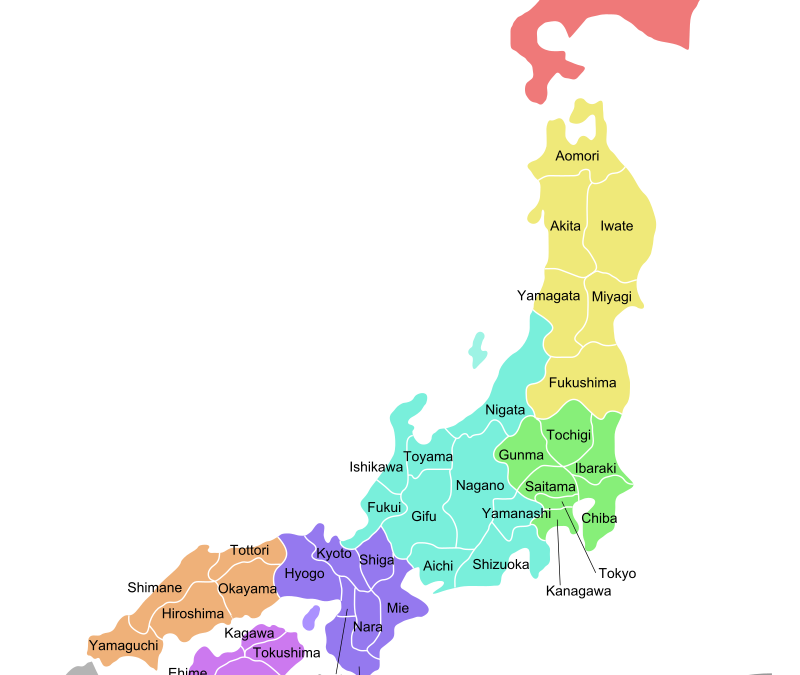
Chiba Prefecture occupies the Boso peninsula, the broad lobe of land that wraps the eastern side of Tokyo Bay and faces the Pacific. Yokaichiba sits on the peninsula’s northeastern shoulder, inland of the fishing port of Choshi and the great lighthouse at Inubosaki, on the flat alluvial-and-volcanic-ash plain that runs down to the sea. Two things made this good paulownia country: the mild maritime climate, which keeps winters gentle, and the loose Kanto-loam volcanic-ash soil, which paulownia roots tolerate well. The tree grows quickly here and lays down the light, wide-pored wood that woodworkers prize.
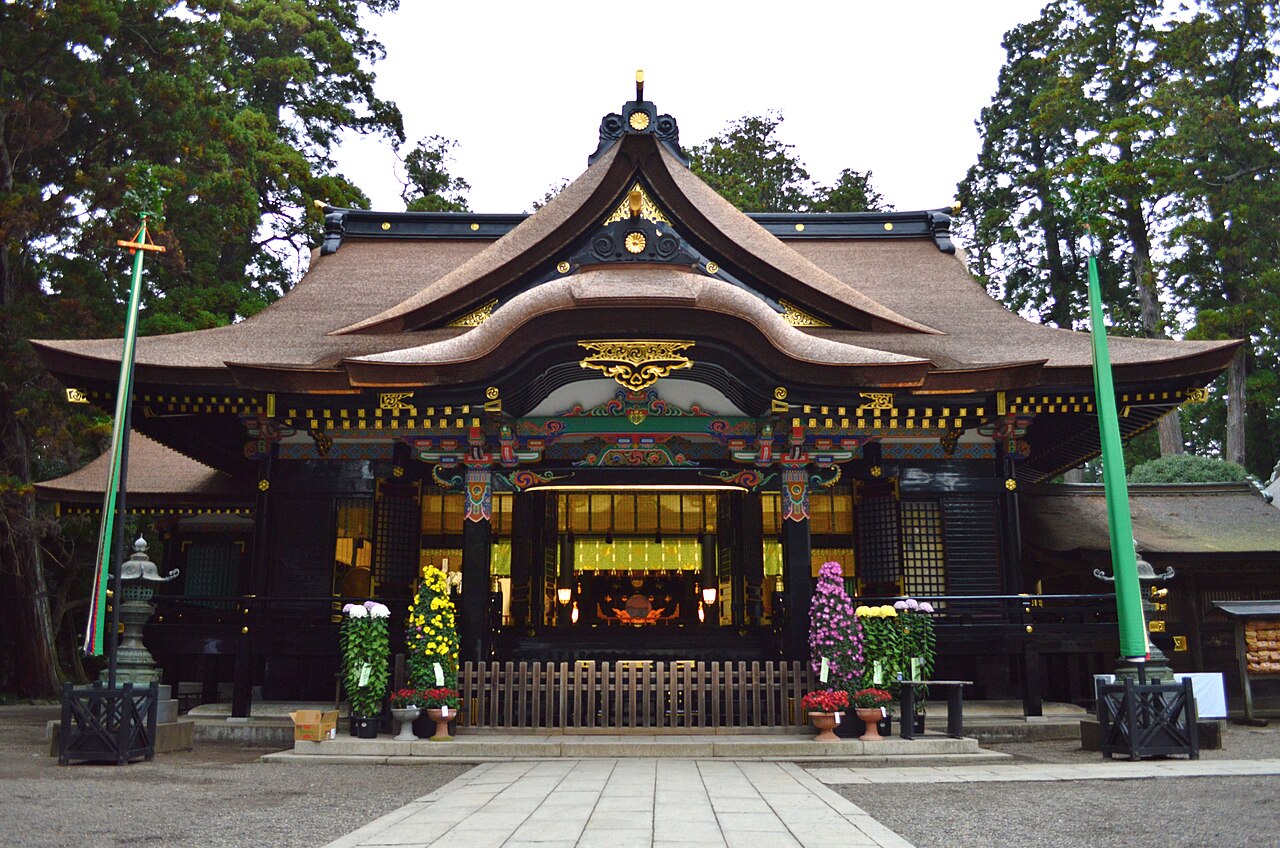
The region’s importance is old. Katori Jingu, one of the oldest shrines in eastern Japan, stands just upriver in the Tone-river country that frames Yokaichiba to the north. By the Edo period (1603–1868) that river-and-coast network had become the commercial spine of the whole area, and Yokaichiba — whose name means roughly “the eighth-day market,” after its periodic market days — grew into a market town and a hub for kiri timber and finished paulownia chests. Logs and tansu moved by boat and along the coast toward the enormous consumer market of Edo, the shogun’s capital and the largest city in the world at the time.
- 8th century — Paulownia (kiri) already valued at the Nara court for koto and storage chests for its lightness and insect resistance.
- Edo period (1603–1868) — Yokaichiba grows into a market town and a kiri-timber and tansu hub, shipping toward Edo on the Tone-river and coastal routes.
- 18th–19th c. — Nearby Sawara flourishes as a river-commerce town; the local custom of planting a paulownia at a daughter’s birth, to be milled into her wedding tansu, is traditionally said to date from this era.
- Meiji–Showa — Paulownia chest-making is formalized as a regional industry; sashimono joinery skills pass through family workshops.
- Modern — Yokaichiba paulownia woodwork (八日市場の桐箪笥/桐工芸) is listed among Chiba’s recognized regional crafts (kyodo-kogei).
- 2006 — The town of Yokaichiba merges into the newly formed city of Sosa.
- 2026 — Workshops still apply the same nail-free sashimono joinery to smaller goods, including the komebitsu covered here.
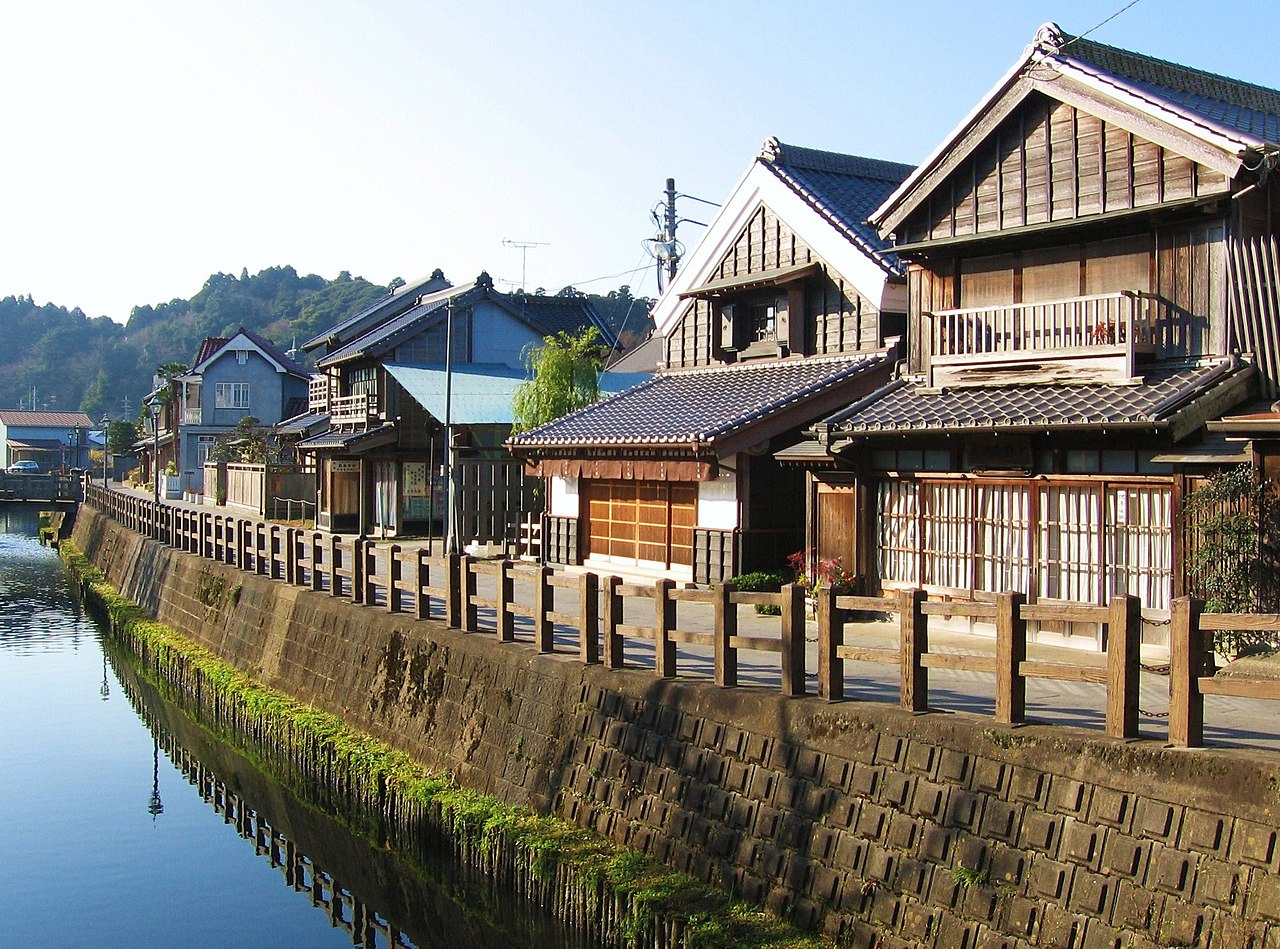
There is a piece of folklore that captures how seriously the region took this wood. Traditionally, a paulownia sapling was planted in the garden when a daughter was born; by the time she married, the tree had grown enough to be milled into the chest she would carry into her new household. The story is folk-traditional rather than documented for every family, but it explains why kiri-working concentrated in towns like Yokaichiba — the demand for wedding tansu was steady, prestigious, and local.

The properties that make kiri good for a wedding chest are exactly the ones that make it good for rice. Paulownia is the lightest of the Japanese cabinet woods, so a full bin is easy to lift and tip. It is slow to ignite, which is why kiri storeboxes were valued for protecting documents and textiles through fires. And it is, in effect, self-sealing: in humid air the wood swells and the fitted joints close tighter, slowing the entry of outside moisture; in dry air it contracts again. The wood’s natural compounds also discourage insects. Apply the same nail-free sashimono joinery used for chests to a lidded box, and you have a container that keeps uncooked rice dry and weevil-free without any coating, rubber gasket, or power.
“The same wood a family once grew to chest a daughter’s wedding clothes is, in a smaller box, the wood that keeps next week’s rice dry — breathing with the weather rather than sealing against it.”
How much craft survives in the district is a fair question, and the honest answer is that paulownia woodworking in Chiba is now a small, specialist trade rather than a mass industry. The recognition of 八日市場の桐箪笥/桐工芸 as a regional craft reflects a tradition that persists in a handful of workshops rather than a booming sector. That is worth knowing before you buy: this is artisanal output, stock can be limited, and the workshop or retailer should be confirmed at the time of purchase.
Related pieces on jpmono.com — other paulownia work, two same-prefecture Chiba crafts, and woodwork in adjacent traditions.
 Kyo sashimono paulownia box
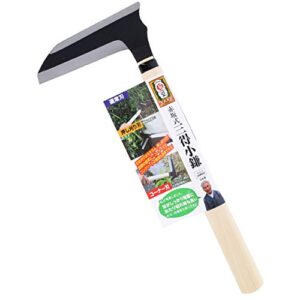 Chiba Koshogu sickle (same prefecture)
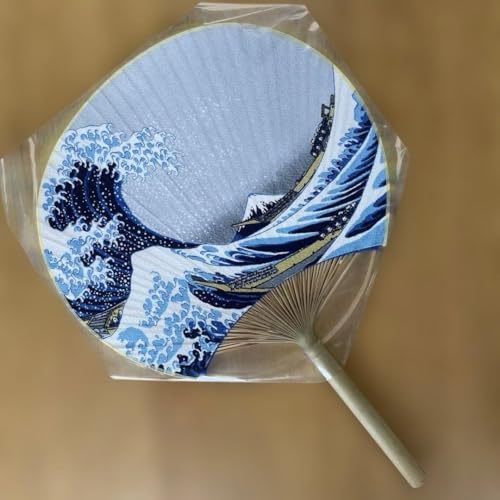 Boshu uchiwa (same prefecture)
Chizu cedar wooden tray
 Kiso Oroku-gushi comb
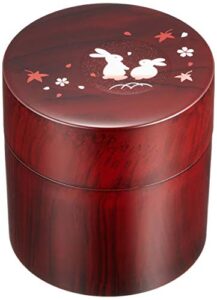 Yamanaka woodturned caddy
Buying options
Prices for a Yokaichiba kiri komebitsu vary with size, joinery, and finish, so compare current offers rather than relying on a fixed figure. JPY is the reference currency; any USD conversion is approximate.
| Store | Item / variant | Price (JPY + USD est.) | Notes |
|---|---|---|---|
| 🇺🇸 Amazon US (search) | Browse Japanese paulownia & kiri rice bins | varies (USD) | Best if you’re shopping from the US — Prime shipping, USD pricing, no international customs. Amazon US carries Japanese kiri and hinoki storage boxes from various makers; the exact Yokaichiba piece is sourced from Japan (next row). |
| 🇯🇵 Amazon JP Global Store | Yokaichiba/Sosa paulownia komebitsu | — | The exact item in this guide, sourced from Japan. Ships internationally from Japan to most major destinations. |
| Maker direct | Workshop / regional craft outlet | Unconfirmed — check maker site | Small artisanal output; confirm current availability. Domestic Japan shipping; international delivery may vary. |
| Proxy services (Buyee / Tenso) | Forwarding from Japan-based sources | Item price + proxy fee + forwarding | Useful when direct international delivery is unavailable; adds handling fees and a second shipping leg. Customs thresholds may apply. |
USD figures shown alongside JPY are approximate (¥150/USD baseline as of mid-2026); the JPY price is the authoritative one for the specific listed item. Prices in USD are approximate and depend on the current exchange rate.
What it does well
Weaknesses and things to verify before buying
- Not airtight or waterproof. A breathing wood box is the opposite of a sealed plastic tub. If you specifically want an airtight or fridge-safe container, this is the wrong category.
- Raw wood can stain. Standing water, oily hands, or a damp cupboard with no airflow can mark unfinished paulownia. It wants a dry, ventilated spot.
- No measuring dispenser. This is a plain lidded bin, not a lever-portion rice dispenser. If you want a one-cup dispense mechanism, look at a different product type.
- Soft surface. Paulownia is light precisely because it is soft; it dents and scratches more easily than hardwood, so it shows handling over time.
- Published information is limited. Confirm the wood species, maker, and fit before buying. Artisanal output means availability can change.
- Price vs. plastic. An imported craft-wood bin will always cost more than a mass-market plastic container; you are paying for material and joinery, not just capacity.
Conclusion — which buyer type are you?
Other ways to approach this purchase
❓ Frequently Asked Questions
Does a paulownia komebitsu really keep rice fresher than plastic?
How do I care for the wood?
Will Amazon JP ship it internationally?
How is this different from a Kasukabe or Kyo paulownia box?
How much rice does it hold?
Is it a good gift?
Why is the price not listed in this article?
jpmono.com is curated by a Japan-based editorial team (working out of Toyama in the Hokuriku region and Nara in Kansai) and is independent. We don’t take payment from the makers we feature; income comes from affiliate links. Read more about our editorial standards.
🤖 This article was prepared with AI assistance and reviewed against the historical and regional craft notes. Current maker details should be confirmed with the seller before purchase.
Affiliate disclosure: jpmono.com may earn a commission on qualifying purchases made through links on this page, at no additional cost to you.