![Awa Kaifu Funayuki Knife: Tokushima’s Living Swordsmith Legacy [2026]](https://jpmono.com/wp-content/uploads/2026/05/japan-map-regions-and-prefectures-800x1050.png)
The funayuki (舟行, “boat-going”) is a fisherman’s all-purpose knife — a pattern designed to break down the day’s catch on the deck of a working boat, filling the role of a small deba, a santoku, and a utility knife in a single blade. The example covered in this guide comes from Kaifu uchihamono (海部打刃物, “Kaifu hand-forged blades”), the smithing tradition of Kaiyo town in southern Tokushima Prefecture, on the Pacific coast of Shikoku. It carries an Aogami (blue paper) carbon-steel core, a rustic kurouchi blacksmith’s finish, and a plain wooden handle.
What makes a Kaifu blade notable internationally is not the spec sheet — it is the lineage. The Kaifu district produced the Kaifu-to school of swordsmiths from the Nanboku-chō period in the fourteenth century, and when the age of swords ended, those same forges turned to hatchets, woodsman knives, and fishermen’s knives for the local timber trade and fishery. The funayuki pattern sits squarely inside that unbroken line: a medieval sword school surviving as everyday edge tools, in the same valley, seven centuries later.
This guide is written from a Japan-based editor’s perspective for international buyers. We cover who the knife suits and who should pass, what can be confirmed about it, where Kaifu sits on the map and in Japanese history, how it compares with the other Shikoku and Kyushu blades on this site, and the realistic purchase paths from outside Japan in 2026.
🔄 Last updated:
⏱️ Read time: about 12 minutes
- Who this is for — and who should skip it
- Product overview (from published specs)
- 📍 Where this comes from — place, era, and the craft tradition
- 📦 Shipping & where to buy from outside Japan
- Buying options
- What it does well
- Weaknesses and things to verify before buying
- Conclusion — which buyer type are you?
- Other ways to approach this purchase
- ❓ Frequently Asked Questions
Who this is for — and who should skip it
- Break down whole fish at home and want one blade that also handles vegetables and general prep
- Prefer hand-forged carbon steel that takes a keen edge and is straightforward to resharpen
- Value provenance — a blade from a smithing district with a documented fourteenth-century sword lineage
- Like the rustic kurouchi look and a working-tool character over polished presentation
- Are comfortable wiping a blade dry after every use (carbon steel is not maintenance-free)
- Want a dishwasher-safe, zero-maintenance stainless knife — Aogami carbon steel will rust if neglected
- Need to confirm the knife’s fit and handling before ordering
- Expect a mirror-polished gift presentation; kurouchi is deliberately rough forge scale
- Mainly slice bread, carve roasts, or do Western butchery — other patterns fit those tasks better
- Want guaranteed fast domestic shipping — this item ships from Japan and lead times vary
Product overview (from published specs)
The table brings together the knife’s craft characteristics and maker context. Where a measurement cannot be confirmed, it is marked rather than guessed.
| Item | Detail |
|---|---|
| Type | Funayuki — fisherman’s all-purpose knife |
| Tradition / maker district | Kaifu uchihamono — Kaiyo town, Tokushima Prefecture, Shikoku |
| Blade steel | Aogami (blue paper) carbon-steel core, hand-forged |
| Finish | Kurouchi (black forge-scale) finish |
| Handle | Wooden handle (wood species unconfirmed) |
| Blade length | — |
| Weight | — |
| Bevel | Single- or double-bevel |
📖 Glossary — terms used in this article
- Funayuki (舟行)
- Literally “boat-going” — a fisherman’s all-purpose knife pattern, made to break down the catch on deck and to handle general cutting tasks aboard a working boat.
- Uchihamono (打刃物)
- “Struck blades” — hand-forged edge tools, shaped by hammer at a smithy rather than stamped or machined from sheet stock.
- Aogami (青紙, “blue paper steel”)
- A family of high-carbon Japanese cutlery steels, named for the blue paper the steel mill wraps it in. Prized for edge-taking and edge retention; not stainless.
- Kurouchi (黒打ち)
- A “blacksmith’s finish” where the dark forge scale is left on the upper blade face — rustic in appearance and offering some incidental protection on the unpolished area.
- Kaifu-to (海部刀)
- The school of swords forged in the Kaifu district of Awa Province from the fourteenth century — sturdy, practical single-edged swords, traditionally said to begin with the smith Ujiyoshi.
- Suigun (水軍)
- “Water forces” — the maritime clans of medieval Japan, part navy and part sea-lane power, who controlled coastal waters such as the Kii Channel.
📍 Where this comes from — place, era, and the craft tradition

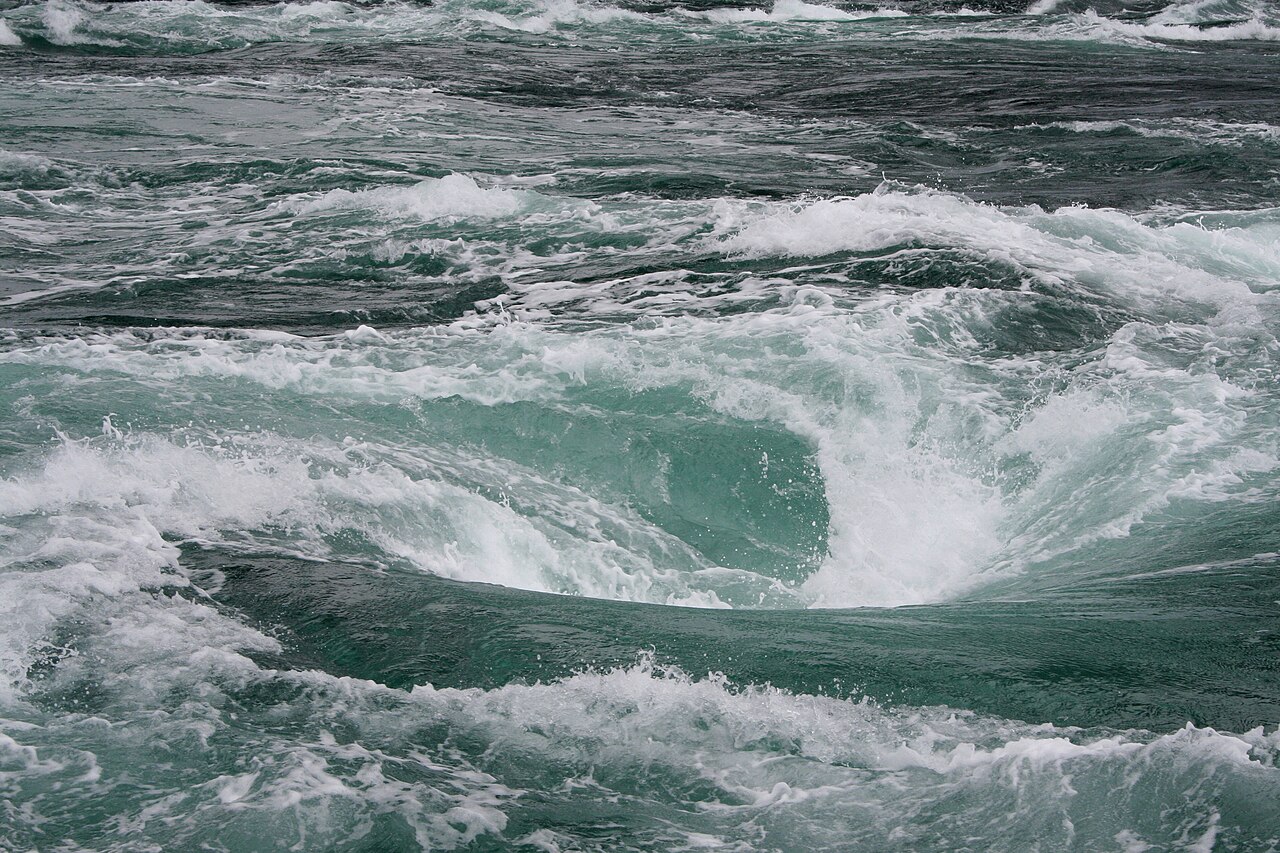
Tokushima Prefecture occupies the eastern flank of Shikoku, facing the Kii Channel — the strait separating Shikoku from the Kii Peninsula of Honshu. The Kaifu district, today the town of Kaiyo, sits at the prefecture’s southern end, where a forested river valley opens onto the Pacific. The geography explains the craft: the Kaifu River carried cedar timber down from the mountains, the coast supported fishing villages, and both economies needed forged steel — hatchets for the raftsmen and woodsmen, knives for the fishermen.
The historical anchor here is unusually deep for a working-tool district. From the Nanboku-chō period in the fourteenth century, Kaifu produced the Kaifu-to school of swordsmiths, traditionally founded by the smith Ujiyoshi. Kaifu-to blades were not court treasures; they were sturdy, practical single-edged swords, and their chief patrons were the Awa suigun — the maritime clans plying the Kii Channel, who needed dependable steel at sea, not ornament.
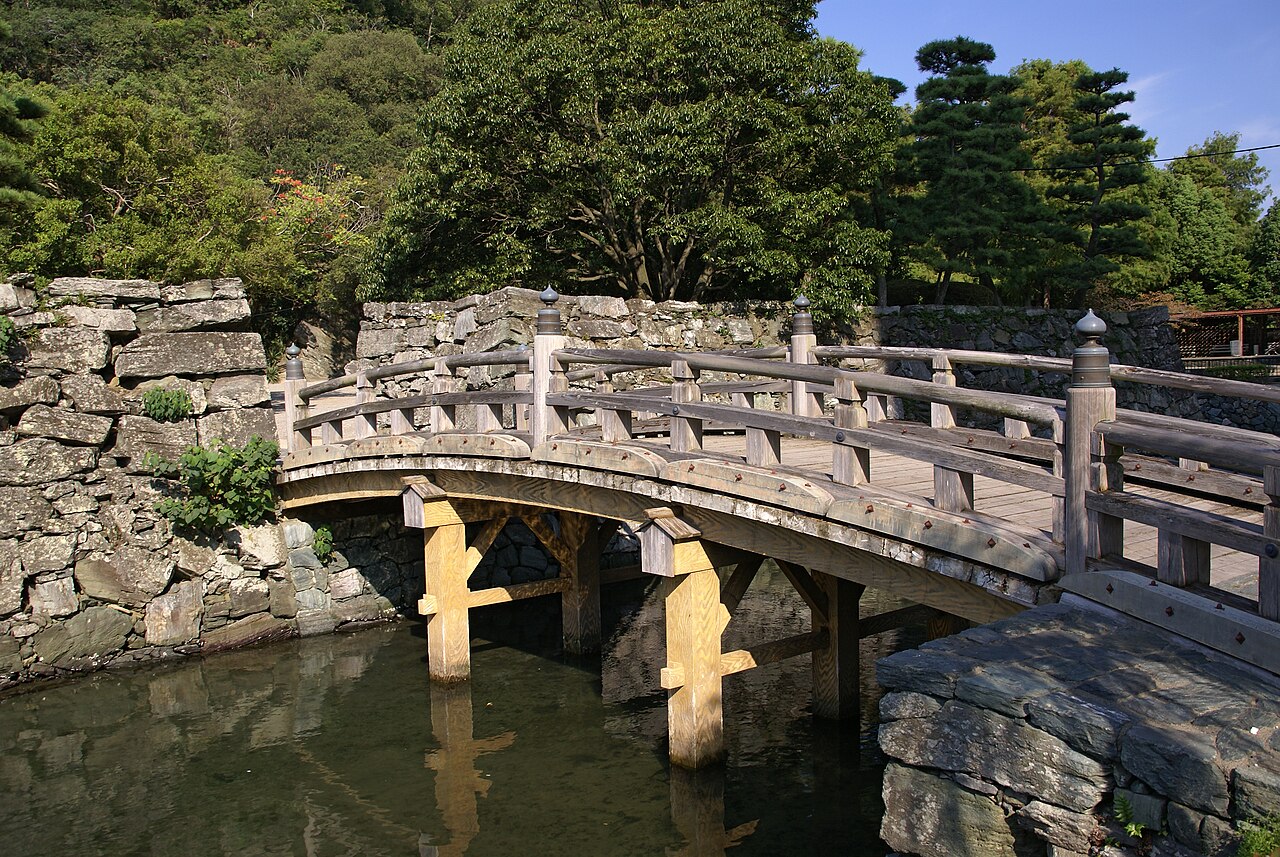
When the Hachisuka clan governed Awa as the Tokushima domain in the Edo period, demand for swords gradually gave way to demand for working blades. The smiths did not disappear with their market; they pivoted. The Kaifu River timber trade — cedar rafted downstream to the coast — and the coastal fishery kept the forges lit, turning out hatchets, woodsman knives, and fishermen’s knives generation after generation.
- 14th century (Nanboku-chō period) — The Kaifu-to school of swordsmiths emerges in the Kaifu district of Awa Province, traditionally founded by the smith Ujiyoshi.
- Medieval period — The Awa suigun maritime clans plying the Kii Channel become the chief patrons of Kaifu’s sturdy, practical single-edged swords.
- Edo period (1603–1868) — Under the Hachisuka clan’s Tokushima domain, sword demand gives way to working blades for the valley’s timber trade and fishery.
- Edo–Meiji eras — The Kaifu River cedar-rafting trade and the coastal fishery keep smiths forging hatchets, woodsman knives, and fishermen’s knives.
- 20th century — The funayuki “boat-going” pattern serves deck work on the southern Tokushima fishing fleet — an all-purpose knife for breaking down the catch at sea.
- 2026 — A handful of smithies in Kaiyo town still hand-forge Aogami-steel blades in the same valley.
“Kaifu is the rare case of a fourteenth-century sword school that never died — it simply changed what it forges, in the same valley, for the same working people.”
That continuity is the substance of the “living swordsmith legacy” in this article’s title. Many Japanese blade towns can claim a samurai-era origin story; far fewer can show the same district forging continuously from medieval swords into modern working tools without relocation or reinvention from outside. Today a handful of smithies in Kaiyo still hand-forge Aogami-steel blades, and the funayuki — a fisherman’s knife for a fishing coast — fits the lineage directly rather than as a marketing graft.
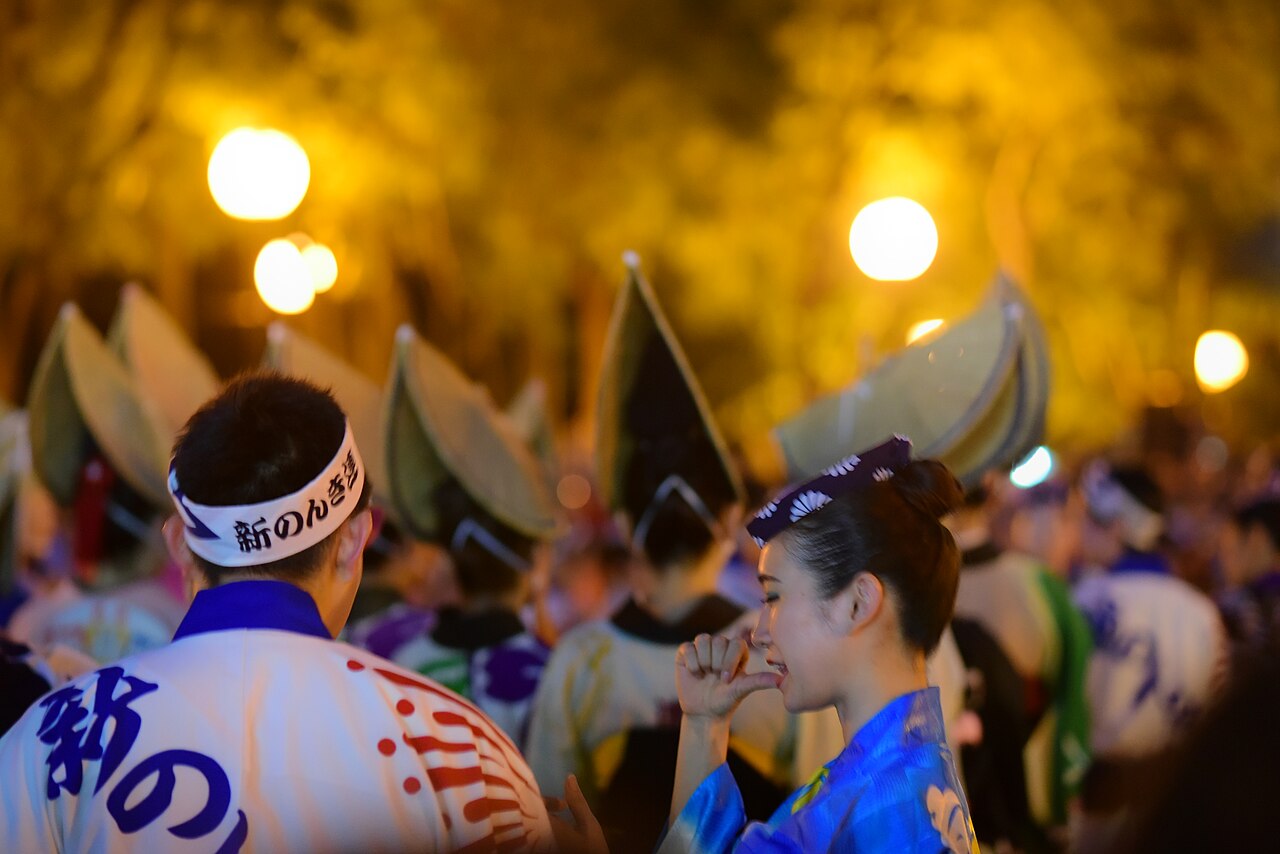
The wider Awa culture around the forge is itself alive. Tokushima’s indigo dyers (the Awa aizome tradition behind Buaisou), the Otani-yaki potters of Naruto, and the Awa Odori summer dance festival all belong to the same prefecture’s continuing craft and folk life — context worth knowing, because a Kaifu funayuki is a product of a working region, not a souvenir economy.
Related guides on jpmono — Tokushima’s other crafts, the rest of Shikoku, and the hand-forged blades we have covered from elsewhere in western Japan.
 🏺 Otani-yaki Tumbler (Tokushima)
🟦 Buaisou Awa Indigo Tenugui (Tokushima)
🔪 Okinawa Hand-Forged Kitchen Knife
 🪓 Miyakonojo Nata Hatchet
 🔪 Oita Bungo Petty Knife
 🍵 Odo-yaki Yunomi (Kochi, Shikoku)
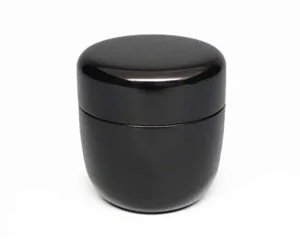 🫖 Sanuki Kinma Natsume (Kagawa, Shikoku)
📦 Shipping & where to buy from outside Japan
The knife can be sourced through Japanese kitchen-knife retailers, many of which ship household and cutlery items internationally. Eligibility varies by destination, so check shipping at checkout before assuming availability. Typical international shipping for a small parcel of this kind runs roughly $15–$40 USD to the US or EU, higher elsewhere, with customs duties possible above your local import threshold.
Proxy services such as Buyee or Tenso can receive a parcel at a Japanese address and forward it overseas, for their service fee plus shipping. Some Kaifu-area smithies also sell through Japanese craft retailers; maker-direct channels in English are limited, which is typical for small rural smithing districts.
Buying options
Prices for hand-forged funayuki knives vary with steel, grind, handle, and finish, so compare current offers with Japanese retailers. USD figures elsewhere on this site are approximate (¥150/USD baseline as of mid-2026).
| Store | Item / Variant | Price | Notes |
|---|---|---|---|
| 🇺🇸 Amazon US (search) | Browse Japanese hand-forged kitchen knives | varies (USD) | Best if you are shopping from the US — Prime shipping, USD pricing, no international customs. Amazon US carries hand-forged Japanese knives from a range of makers, useful for comparing funayuki-style geometry, carbon vs stainless steels, and price tiers. The exact Kaifu piece in this guide ships from Japan (next row). |
| 🇯🇵 Amazon JP Global Store | Kaifu uchihamono hand-forged funayuki (Aogami core, kurouchi, wooden handle) | — | International shipping from Japan may be available; confirm eligibility at checkout. |
| 🏭 Maker direct | Kaiyo-area smithy channels and Japanese craft retailers | — | English-language maker-direct channels are limited for this small rural district; domestic Japanese craft shops occasionally stock Kaifu blades. |
| 📦 Proxy services (Buyee / Tenso) | Forwarding from Japan-only sources | Item price + service fee + shipping | Fallback for Japan-only sources; adds cost and lead time. |
What it does well
Weaknesses and things to verify before buying
- Carbon steel demands care. Aogami is not stainless: the blade must be wiped dry after use, kept away from the dishwasher, and lightly oiled if stored long-term. Neglect produces rust, not patina.
- Specifications are limited. Blade fit and bevel style should be confirmed before ordering, especially for left-handed use.
- Budget guidance is limited. Set your own budget and compare seller terms before ordering.
- Rustic finish, rustic tolerances. Kurouchi blades from small smithies show forge marks, slight asymmetries, and handle fitment that reflects hand work. Buyers expecting a polished, uniform product should choose a factory knife instead.
- International shipping varies. Confirm destination eligibility at checkout and budget for possible proxy service if your country is excluded.
- Not a specialist blade. A funayuki is a generalist by design. For dedicated heavy fish butchery a deba does it better; for long slicing cuts a yanagiba does; for bread or frozen food, neither this nor any thin Japanese carbon blade is appropriate.
Conclusion — which buyer type are you?
Other ways to approach this purchase
❓ Frequently Asked Questions
Does Amazon Japan ship this funayuki knife internationally?
Kitchen knives are generally eligible for international shipping as cutlery, but eligibility varies by destination. Check the shipping terms at checkout before assuming a piece can be sent to you. If it cannot, proxy services such as Buyee or Tenso can forward it.
What is the difference between a funayuki and a santoku or deba?
A funayuki is a fisherman’s all-purpose pattern: lighter than a deba (the dedicated fish-butchery knife) but more fish-capable than a santoku (the home all-rounder oriented to vegetables and boneless proteins). It originated as the single knife a fisherman carried on deck to break down the catch and handle everything else. If you regularly prepare whole fish at home, it occupies a useful middle ground.
How do I care for an Aogami carbon-steel blade with a kurouchi finish?
Wipe the blade dry immediately after use, never put it in a dishwasher, and don’t leave it wet on the cutting board. The polished edge area will develop a gray patina with use — that’s normal and protective. For long storage, apply a thin coat of food-safe oil. Sharpen on standard waterstones; Aogami responds quickly. The dark kurouchi scale on the upper blade needs no special treatment.
Is this knife single-bevel or double-bevel?
Funayuki knives are made with both single- and double-bevel grinds, depending on the smithy. Check the grind with the seller or maker before ordering — this matters especially for left-handed users, since a right-handed single-bevel blade is awkward to use left-handed.
Is a funayuki a good first Japanese knife?
It can be, if your cooking includes whole fish — that’s the pattern’s home ground. If your prep is mostly vegetables and boneless meat, a santoku or gyuto is the more conventional starting point. And as a first carbon-steel knife specifically, be sure you’re ready for the wipe-dry routine; a stainless Japanese knife is the lower-commitment entry.
What makes Kaifu uchihamono different from Sakai, Seki, or Echizen knives?
Scale and lineage. Sakai, Seki, and Echizen are large production centers with many workshops and wide export distribution. Kaifu is a small rural district in southern Tokushima where a handful of smithies continue a line that runs directly from the fourteenth-century Kaifu-to sword school into modern working tools — hatchets, woodsman knives, and fishermen’s knives — in the same valley. You’re buying from a surviving local tradition rather than a national industry.
jpmono.com is a Japan-based curation site, with editorial centers in Toyama (Hokuriku region — Takaoka metalcasting, Toyama glass, Etchū washi) and Nara (Kansai region — the historical heartland of Japanese craft, with continuous tradition extending back over a thousand years), introducing Japanese household objects to international readers. We focus on items with verifiable craft heritage and clear international shipping paths. We do not physically test every product (we read maker’s specifications and craft references); affiliate links support the editorial work. We do not take payment from the makers we feature.
This article was drafted with AI assistance and reviewed against regional craft notes. Factual claims about the Kaifu district and its history follow the verified notes supplied for this article.
Affiliate disclosure: jpmono.com may earn a commission on qualifying purchases made through links on this page, at no additional cost to you.