![Hitoyoshi Hanatebako Camellia Lacquer Box: Kuma Folk Craft Guide [2026]](https://jpmono.com/wp-content/uploads/2026/06/kuma-hanatebako-camellia-wooden-box-where-to-buy-2026-featured.jpg)
The Hitoyoshi hanatebako (人吉花手箱, “Hitoyoshi flower hand-box”) is a lightweight wooden keepsake box, lacquered and painted with a bold camellia in red, green, and black. It comes from Hitoyoshi, a town folded deep into the Kuma River valley of southern Kumamoto Prefecture, on the island of Kyūshū. The painted camellia (tsubaki) is the signature of the craft, and the box is one of two folk objects — alongside the carved kijiuma wooden horse — that the valley is best known for.
What makes the hanatebako worth a closer look from outside Japan is not technical refinement but story and continuity. The Kuma valley was ruled by a single warrior family, the Sagara clan, for roughly seven centuries without interruption, and its remoteness kept a distinct local culture intact. Local tradition ties the painted-box craft to refugees of the defeated Heike (Taira) court, who are said to have settled the hidden uplands and taught villagers to paint and lacquer. The camellia, in that reading, carries a courtly, faintly melancholy weight that an ordinary decorative box does not.
This guide is written for international readers deciding whether a hanatebako is the right Japanese craft object to buy, how to recognize a genuine workshop piece, and where to actually purchase one from outside Japan. We cover what the object is, the place and folklore behind it, how it compares to other Japanese lacquer boxes and ware, and the realistic buying paths — leading with Amazon US for convenience and Amazon JP Global Store for the specific sourced item.
🔄 Updated: June 10, 2026
⏱️ Read time: ~10 min

- Who this is for — and who should skip it
- Product overview (from published specs)
- Where this comes from
- Price snapshot across stores
- What it does well
- Weaknesses and things to verify before buying
- Conclusion — which buyer type are you?
- Other ways to approach this purchase
- 🏆 Editor’s Pick
- ❓ Frequently Asked Questions
Who this is for — and who should skip it
- Want a Japanese craft object with a documented regional story, not a generic souvenir
- Like folk art (mingei) — bold hand-painted motifs over museum-grade refinement
- Need a small lidded box for jewelry, letters, tea utensils, or keepsakes
- Value a piece tied to a specific town and a single ruling lineage of ~700 years
- Are comfortable buying a sourced item that ships internationally from Japan
- Expect flawless, machine-perfect symmetry — hand-painting varies piece to piece
- Want a high-gloss urushi lacquer heirloom (this is folk-craft, not fine lacquerware)
- Need a large storage box — hanatebako are modest, keepsake-scale
- Require firm, locked-in pricing and same-day shipping inside your country
- Prefer minimalist, undecorated design — the camellia is the whole point
Product overview (from published specs)
Source data for this specific listing is limited. Only the Amazon listing snapshot was available at the time of writing, and the fetched record carried no structured price or dimension fields; live pricing and stock may have shifted since June 10, 2026. The table below distinguishes what is confirmed from the listing from what is general to the craft and should be verified at purchase.
Hitoyoshi Hanatebako Camellia Lacquer Box
熊本人吉 花手箱
現在在庫切れです。 · ASIN B0GPMVQWPD
Price and availability as of 2026-08-31 02:30 JST. The Amazon listing at the time of purchase is authoritative. jpmono.com earns a commission on qualifying purchases at no extra cost to you.
| Attribute | Detail | Source |
|---|---|---|
| Object | Hanatebako — painted lacquered wooden keepsake box | Amazon JP Global Store listing |
| Motif | Camellia (tsubaki) in red, green, and black on a lacquered ground | Listing + maker tradition |
| Origin | Hitoyoshi, Kuma valley, Kumamoto Prefecture, Kyūshū | Maker direct / regional record |
| Material | Wood body, lacquer coating, hand-applied pigment | Craft tradition — verify per listing |
| Dimensions / weight | Unconfirmed — check listing before buying | Not in fetched data |
| ASIN | B0GPMVQWPD | Spec |
📖 Glossary — key terms
- Hanatebako (花手箱) — “flower hand-box”; a painted, lacquered wooden box, a signature Hitoyoshi folk craft.
- Tsubaki (椿) — the camellia flower; the defining motif of the hanatebako.
- Kijiuma (きじ馬) — a carved-and-painted wooden horse, the valley’s other famous folk toy.
- Heike / Taira (平家) — the warrior clan defeated in the 12th-century Genpei War, whose surviving members appear in Kuma-valley refugee legends.
- Sagara (相良) — the daimyo family that ruled Hitoyoshi for roughly 700 years.
- Mingei (民芸) — Japanese folk craft; everyday objects made by anonymous or village artisans.
- Urushi (漆) — natural lacquer from the urushi tree, used as a protective and decorative coating.
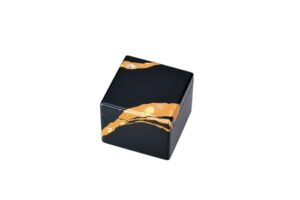
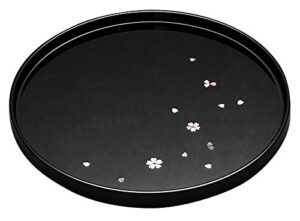
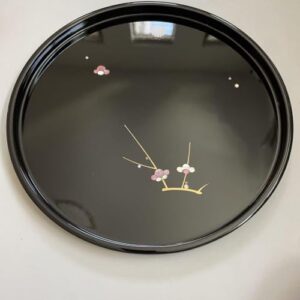
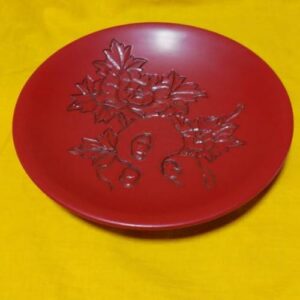
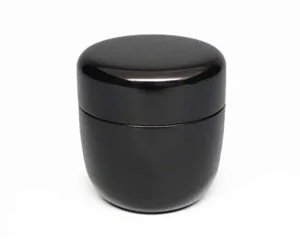
Other Japanese lacquer boxes, trays, caddies, and ware we have covered — useful for placing the hanatebako in the wider craft landscape.
Where this comes from

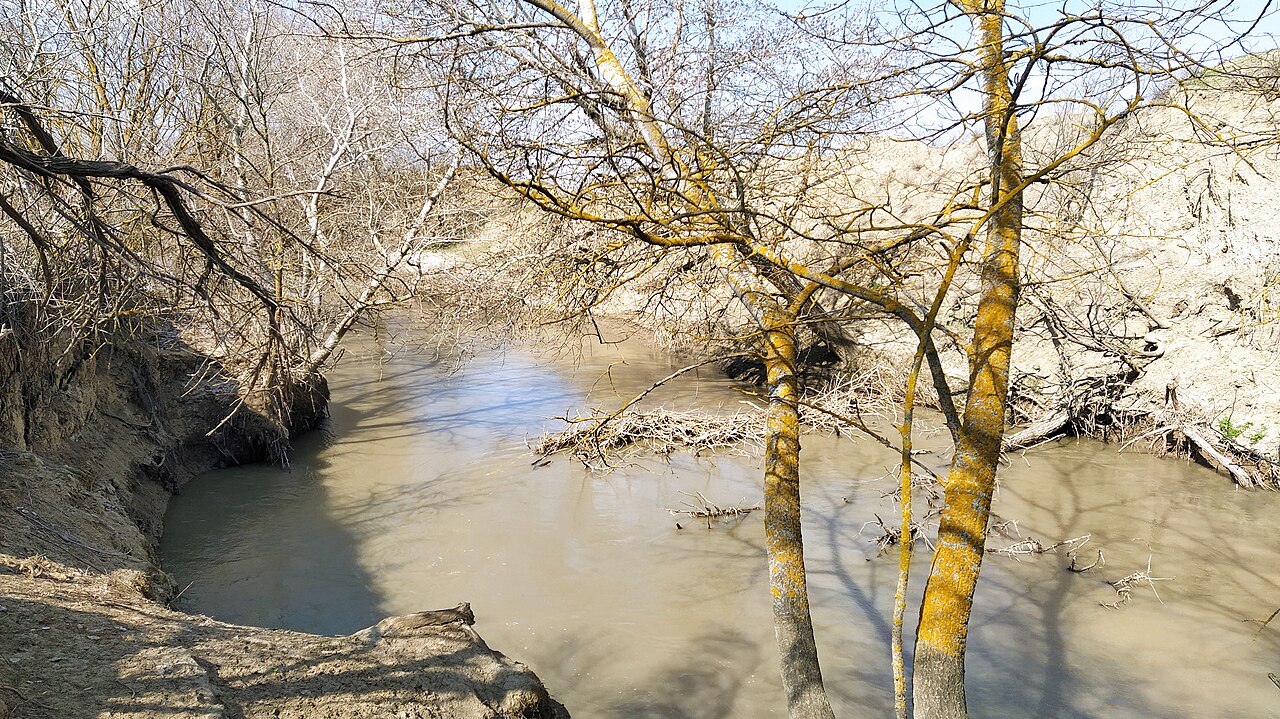
Hitoyoshi sits in the Kuma River basin of southern Kumamoto Prefecture, in the center of the island of Kyūshū. The town is hemmed in on all sides by mountains, and for most of its history the steep valley made overland travel slow and the basin effectively a world of its own. That geography matters: isolation is the single most important fact behind the survival of the hanatebako tradition.
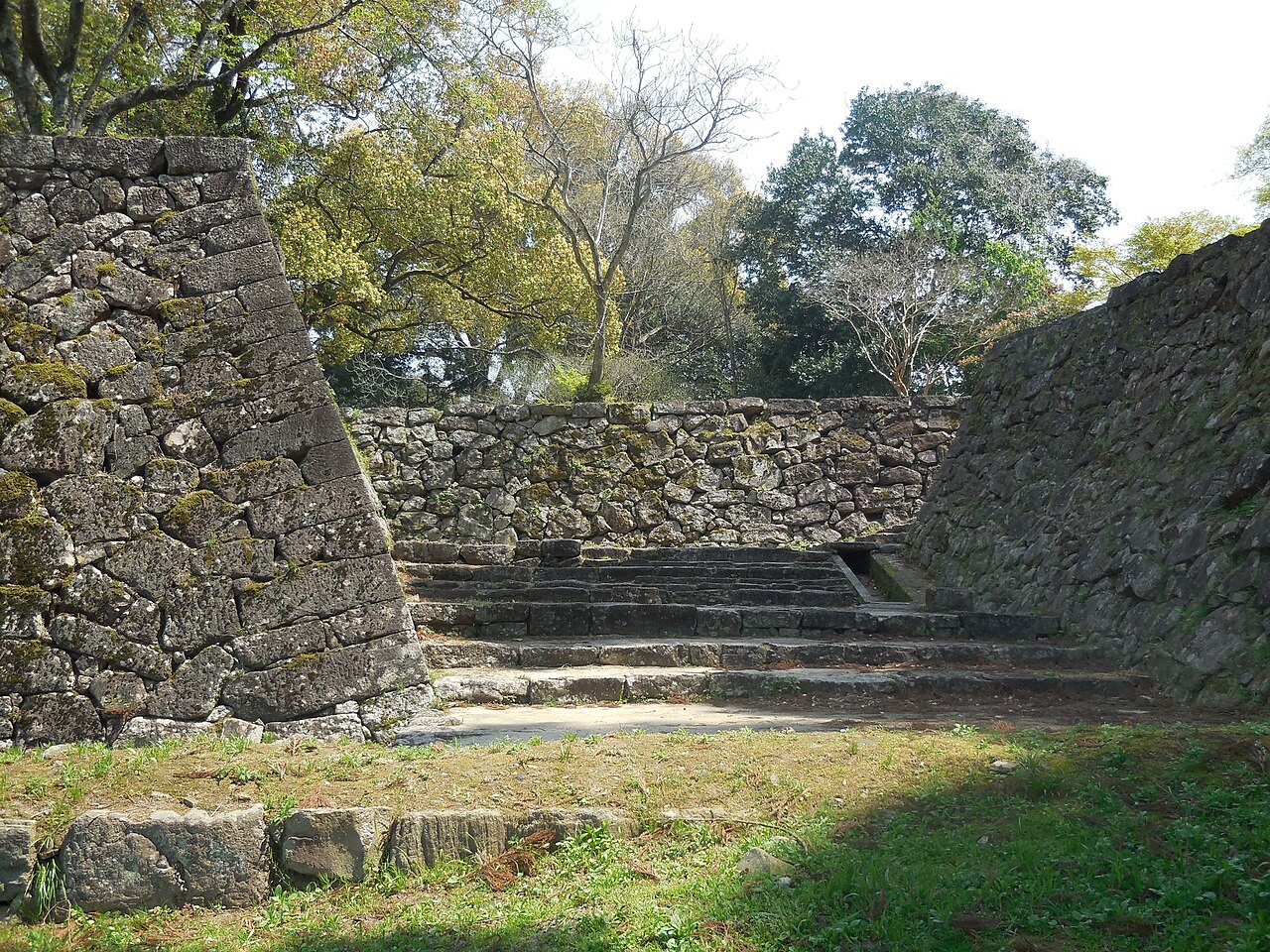
The valley’s defining political fact is continuity. The Sagara clan held Hitoyoshi from 1198 until the abolition of the feudal domains in 1871 — roughly 700 unbroken years, one of the longest single-family daimyo lineages in Japan. Through the wars and upheavals that reshaped the rest of the country, the Kuma basin stayed under one house, and a distinct local culture — dialect, festivals, and crafts — persisted with unusual integrity.
- 1180s — The Heike (Taira) are defeated in the Genpei War; refugee legends take root across remote Kyūshū uplands, including the Kuma valley (traditionally believed).
- 1198 — The Sagara clan is installed as lords of Hitoyoshi, beginning ~700 years of continuous rule.
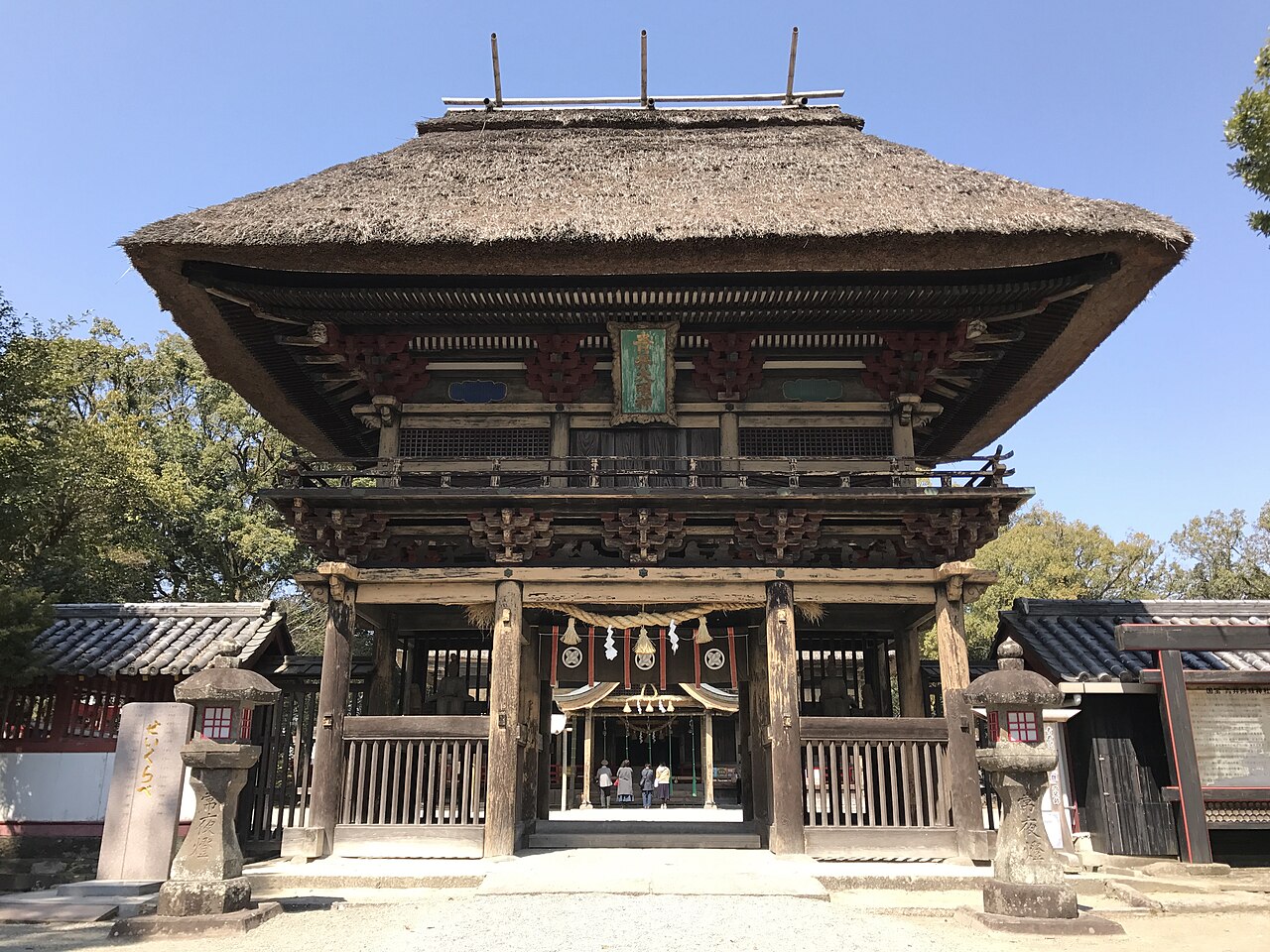
- Early 1600s — Hitoyoshi’s Aoi Aso Shrine complex is built; it later becomes a National Treasure, anchoring the town’s deep continuity.
- Edo period — Folk crafts — the kijiuma wooden horse and the painted hanatebako — develop and circulate as valley products and toys.
- 1871 — The abolition of the domains (haihan-chiken) ends Sagara rule after roughly seven centuries.
- 2026 — The hanatebako is still hand-painted by Kuma-valley workshops and sold as a regional folk craft.
The camellia motif is where folklore and object meet. The Kuma and Gokanoshō–Itsuki uplands carry persistent legends of Heike nobles who fled the clan’s 12th-century defeat and hid in the mountains. Local tradition holds that these displaced courtiers taught villagers to paint and lacquer, and that the hanatebako and kijiuma descend from that teaching. In this telling the camellia is not a cheerful flower but a courtly, slightly melancholy emblem — a flower whole blossoms fall in a single drop, long associated in Japan with the fragility of high fortune.
“Seven centuries under one house, behind a wall of mountains — the Kuma valley kept its crafts the way a sealed jar keeps its contents.”
None of the Heike attribution can be proven, and it is best read as the valley’s foundational folklore rather than documented history. What is documented is the continuity itself: a single ruling lineage, a basin cut off by terrain, and a National-Treasure shrine that has stood through it all. That continuity is the reason a small painted box from Hitoyoshi reads differently from a mass-produced souvenir.
Price snapshot across stores
JPY is the authoritative price for the specific sourced item; USD figures, where shown, are approximate at a ¥150/USD baseline and depend on the current exchange rate. At the time of writing the fetched record carried no confirmed price, so verify the live figure at the listing before buying.
| Store | Item / Variant | Price (JPY + USD est.) | Notes |
|---|---|---|---|
| 🇺🇸 Amazon US (search) | Browse Japanese lacquer & folk-craft boxes | varies (USD) | Best if you are shopping from the US — Prime shipping, USD pricing, no international customs. Amazon US carries comparable Japanese lacquer boxes and folk crafts; the exact Hitoyoshi piece is sourced from Japan (next row). |
| 🇯🇵 Amazon JP Global Store | Hitoyoshi hanatebako, painted camellia (ASIN B0GPMVQWPD) | Check listing — not in fetched data | The specific sourced item. Ships internationally from Japan to most major destinations; confirm current price and stock at the listing. |
| Maker direct | Kuma-valley workshop pieces | Varies | Hitoyoshi folk-craft workshops sell locally and through Japanese craft outlets; international shipping is often not offered directly. |
| Proxy services (Buyee / Tenso) | Any Japan-only listing | Item + forwarding fee | For listings that do not ship abroad directly; adds a forwarding fee and consolidates shipping. Watch for customs duties above your local threshold. |
International shipping from Amazon JP Global Store to the US or EU typically runs in the rough range of $15–$40 depending on weight and speed; orders above local de minimis thresholds may incur customs duties. Prices in USD are approximate and depend on the current exchange rate.
What it does well
Weaknesses and things to verify before buying
- No confirmed price or dimensions in the data. Only the listing snapshot was available; verify the current price, size, and weight at the Amazon JP listing before committing.
- Hand-painting varies. Brushwork, exact shade, and motif placement differ piece to piece. If you expect machine-identical results, this is not the right object.
- This is folk craft, not fine lacquerware. Do not expect the many-layered, mirror-gloss urushi finish of maki-e or raden heirloom pieces — it is a different category and price tier.
- Care matters. Painted, lacquered wood dislikes prolonged direct sun, heat, and water immersion. Treat it as a keepsake box, not a wet-use or dishwasher item.
- “Genuine workshop” requires attention. Look for Kuma/Hitoyoshi provenance and hand-painted (not printed) decoration. Printed-decal imitations exist; confirm the listing describes a workshop piece.
- International shipping and customs add cost and time. Cross-border delivery from Japan adds shipping fees and possible duties; factor both into the true landed price.
Conclusion — which buyer type are you?
Other ways to approach this purchase
🏆 Editor’s Pick
❓ Frequently Asked Questions
What exactly is a Hitoyoshi hanatebako?
It is a lightweight wooden keepsake box from Hitoyoshi in the Kuma valley of Kumamoto Prefecture, coated with lacquer and hand-painted with a camellia (tsubaki) in red, green, and black. It is a regional folk craft, alongside the carved kijiuma wooden horse.
Why a camellia, and why does it feel melancholy?
Local tradition ties the motif to Heike (Taira) court refugees who are said to have settled the Kuma uplands after their 12th-century defeat. The camellia, whose whole blossom drops at once, reads as a courtly, slightly melancholy emblem in that telling. The attribution is folklore, not documented fact.
Does it ship outside Japan?
The specific item is sourced from the Amazon JP Global Store, which ships internationally to most major destinations. Shipping to the US or EU typically falls in a rough $15–$40 range, and orders above your local threshold may incur customs duties.
How do I tell a genuine workshop piece from an imitation?
Look for Hitoyoshi / Kuma-valley provenance in the listing and for hand-painted (not printed-decal) decoration. Hand-painting shows slight variation in brushwork and shade. If the listing does not describe a workshop or hand-painting, treat it with caution.
How should I care for it?
Keep it away from prolonged direct sunlight, high heat, and water immersion. Wipe gently with a soft dry cloth. It is a keepsake box, not a wet-use or dishwasher item.
How is it different from maki-e or raden lacquer boxes?
Maki-e and raden boxes are fine lacquerware — many urushi layers with gold or mother-of-pearl inlay, a deep even sheen, and an heirloom price tier. The hanatebako is folk craft: a painted, lightweight box valued for its motif and story rather than mirror-gloss refinement.
Why does the price show as unconfirmed?
Only a listing snapshot was available when this guide was written, and it carried no structured price. JPY is the authoritative price for the sourced item; check the live figure at the Amazon JP Global Store listing before buying.
jpmono.com is curated by a Japan-based editorial team (working out of Toyama in the Hokuriku region and Nara in Kansai) and is independent. We do not take payment from the makers we feature; income comes from affiliate links. We do not physically test every product — we read maker’s specs and source listings.
Note: This article was produced with AI assistance and reviewed against the source listing data available at the time of writing. Facts about pricing, stock, and specifications should be confirmed at the retailer before purchase.
Affiliate disclosure: jpmono.com may earn a commission on qualifying purchases made through links on this page, at no additional cost to you.