![Mumyoi-yaki Sado Red Clay Kyusu Teapot: Where to Buy Guide [2026]](https://jpmono.com/wp-content/uploads/2026/06/mumyoi-yaki-sado-red-clay-kyusu-teapot-where-to-buy-2026-featured.jpg)
Mumyoi-yaki (無名異焼, “mumyoi ware”) is the unglazed red-clay pottery of Sado Island, off the coast of Niigata Prefecture. Its defining material is mumyoi — an iron-oxide-rich red earth originally dug from the veins of the Sado Kinzan gold and silver mine. The clay was valued as a folk medicine long before it was ever thrown on a wheel, and only in the Bunsei era of the 1820s did Sado potters begin firing it into vessels. The result is a deep vermilion-brown ware, reduction-fired and then burnished by hand to a soft, almost metallic luster.
For international readers, the emblematic form of this craft is the kyusu (急須, “side-handle teapot”). Mumyoi clay is fine and dense, and its high iron content is traditionally said to round out and soften the taste of green tea — which is exactly why the teapot, rather than a plate or a vase, became the signature object of the tradition. The craft is recognized as a national traditional craft of Japan, and it is still carried by only a small number of workshops on Sado, so authenticity here depends heavily on knowing the maker.
This guide is written for readers shopping from outside Japan who want a genuine Mumyoi-yaki kyusu rather than a generic “red teapot.” We cover what the ware actually is, where it comes from, how to read a listing, what can go wrong, and where to buy — leading with an Amazon US search path and using the Amazon JP Global Store as the sourced-listing route for the specific item.
🔄 Updated:
⏱️ Read time: ~12 min

- Who this is for — and who should skip it
- Product overview (from published specs)
- Where this comes from — place, era, and the craft tradition
- Price snapshot across stores
- What it does well
- Weaknesses and things to verify before buying
- Conclusion — which buyer type are you?
- Other ways to approach this purchase
- 🏆 Editor’s Pick
- ❓ Frequently Asked Questions
Who this is for — and who should skip it
- Drink Japanese green tea (sencha, gyokuro) and want a dedicated, unglazed teapot
- Appreciate raw, matte-to-burnished clay surfaces over bright decorative glazes
- Value a small-workshop craft with a documented regional tradition
- Want a vessel that develops character with use rather than staying factory-new
- Are comfortable hand-washing and air-drying a porous, unglazed pot
- Want a dishwasher-safe, set-and-forget everyday teapot
- Brew mostly black tea or herbal blends (unglazed pots retain flavor; mixing is discouraged)
- Expect a glossy glaze or painted decoration
- Need a guaranteed price and stock — small-kiln output is irregular
- Are unwilling to verify the maker before buying an “unbranded” red teapot
Product overview (from published specs)
Source data for this specific listing is thin: only an Amazon listing snapshot (ASIN B0FRSZ7ZSP) was available at the time of writing, with no live price or full spec sheet captured. Where a value was not present in the data, the table says so rather than guessing. The descriptive attributes below reflect the general Mumyoi-yaki tradition; confirm the exact dimensions and capacity on the live listing before purchasing.
Mumyoi-yaki Sado Red Clay Kyusu Teapot
無名異焼 茶注 急須 大瀧水哉窯元 佐渡焼 伝統工芸品
現在在庫切れです。 · ASIN B0FRSZ7ZSP
Price and availability as of 2026-08-31 02:30 JST. The Amazon listing at the time of purchase is authoritative. jpmono.com earns a commission on qualifying purchases at no extra cost to you.
| Attribute | Value | Source |
|---|---|---|
| Craft | Mumyoi-yaki (無名異焼), Sado Island | Maker tradition |
| Form | Kyusu (side-handle teapot) | Listing |
| Material | Iron-rich shudei red clay, unglazed | Maker tradition |
| Finish | Reduction-fired; hand-burnished (migaki) luster | Maker tradition |
| Capacity | Unconfirmed — check listing | — |
| Dimensions / weight | Unconfirmed — check listing | — |
| Origin | Aikawa, Sado Island, Niigata Prefecture | Maker tradition |
| Source | Role | What it tells us |
|---|---|---|
| 🇺🇸 Amazon US (search) | Primary | Comparable Japanese teaware in USD; the exact piece ships from Japan |
| 🇯🇵 Amazon JP Global Store | Secondary (sourced listing) | The specific ASIN; ships internationally from Japan |
| Maker direct | Reference | Confirms kiln, finish, and authenticity where a workshop site exists |
| Proxy services (Buyee / Tenso) | Fallback | Route for domestic-only Sado listings that do not ship abroad directly |
📖 Glossary — key terms
- Mumyoi (無名異) — an iron-oxide-rich red earth from Sado, historically used as a folk medicine; the raw material of the ware.
- Mumyoi-yaki (無名異焼) — unglazed red-clay pottery made on Sado Island from that earth.
- Shudei (朱泥) — “vermilion clay”; the reddish iron-rich body used for the ware.
- Kyusu (急須) — a Japanese teapot, classically with a hollow side handle.
- Migaki (磨き) — hand-burnishing the fired surface to a soft, low luster without applying glaze.
- Reduction firing — firing in an oxygen-starved atmosphere, which deepens the iron-fed color.
Related jpmono guides — other Niigata makers and comparable unglazed or teapot wares.
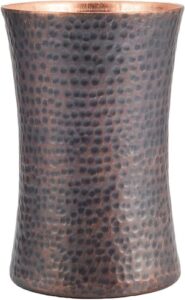 Tsubame copper tumbler (Niigata metal)
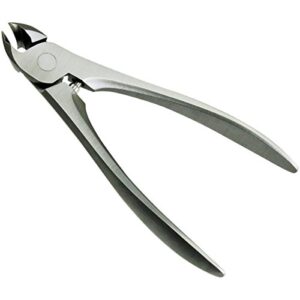 Suwada nail nipper (Niigata blade)
Kobushi-yaki teapot
Bizen unglazed ware
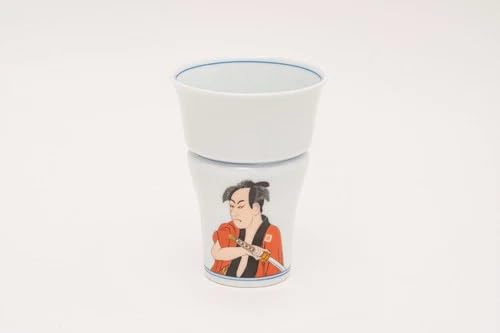 Otani-yaki tumbler
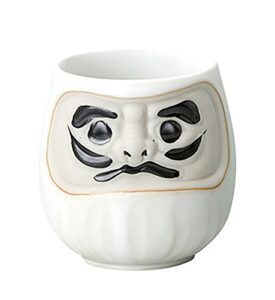 Shiraiwa-yaki yunomi
 Tamba Tachikui-yaki guinomi
Where this comes from — place, era, and the craft tradition

Sado is the second-largest island in Japan after the four main islands, lying in the Sea of Japan northwest of Niigata City and reached today by ferry. Aikawa, where Mumyoi-yaki is made, sits on the rugged northwest coast — a town whose entire fortune was once tied to the mountain behind it. That mountain is the Sado Kinzan, the gold and silver mine that turned a remote island into one of the most important sources of bullion in Edo-period Japan.
The connection between the mine and the pottery is direct and physical. The iron-oxide-rich red earth called mumyoi was extracted from the veins of the mine itself. Before anyone fired it, the earth was prized as a folk medicine — a substance with a name and a value of its own, hence “mumyoi.” Only in the Bunsei era of the 1820s did Sado potters begin turning this medicinal red earth into ceramic ware, exploiting how fine and iron-dense the clay is.
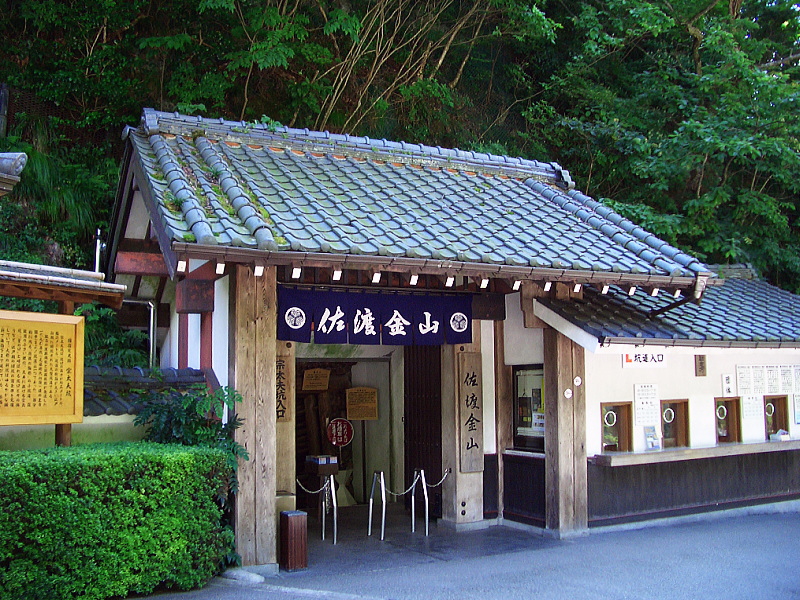
The mine’s history is long and well documented. Under the Tokugawa shogunate it was a directly controlled source of gold and silver, and Aikawa grew from a fishing settlement into a boomtown of miners, smiths, and merchants. That industrial base mattered for the pottery: a town accustomed to working ore and metal had the kilns, the labor, and the material know-how to develop a high-temperature, iron-fed ceramic tradition. In 2024, the Sado gold mine was inscribed as a UNESCO World Heritage site, recognizing that Edo-period mining heritage.
- Early 1600s — The Sado Kinzan gold and silver mine is developed under direct Tokugawa shogunate control; Aikawa grows into a boomtown.
- Edo period — Mumyoi red earth from the mine’s veins is valued as a folk medicine.
- Bunsei era, 1820s — Sado potters first fire the iron-rich mumyoi earth into pottery.
- Late Edo onward — Reduction firing and migaki burnishing are refined into the signature deep, lustrous red surface.
- Modern era — Mumyoi-yaki is recognized as a national traditional craft, carried by a small number of Sado workshops.
- 2008 — Captive-bred toki (Japanese crested ibis) are released back into the wild on Sado.
- 2024 — The Sado gold and silver mine is inscribed as a UNESCO World Heritage site.
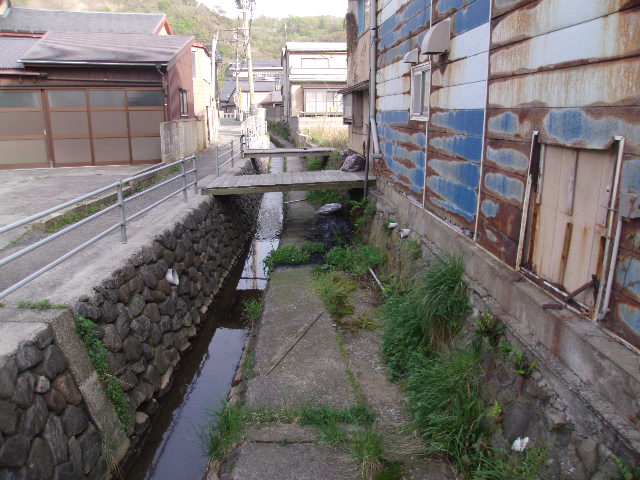
What “still being made here” means is, in this case, genuinely fragile. Mumyoi-yaki is not a mass tradition spread across a region; it is concentrated in a handful of Sado workshops, and the recognition as a national traditional craft sits on top of a small, island-scale production base. That is precisely why the maker matters more here than with high-volume wares: an “unbranded red teapot” found online may have nothing to do with Sado at all. Confirming the kiln or potter is the single most important verification step for this craft.
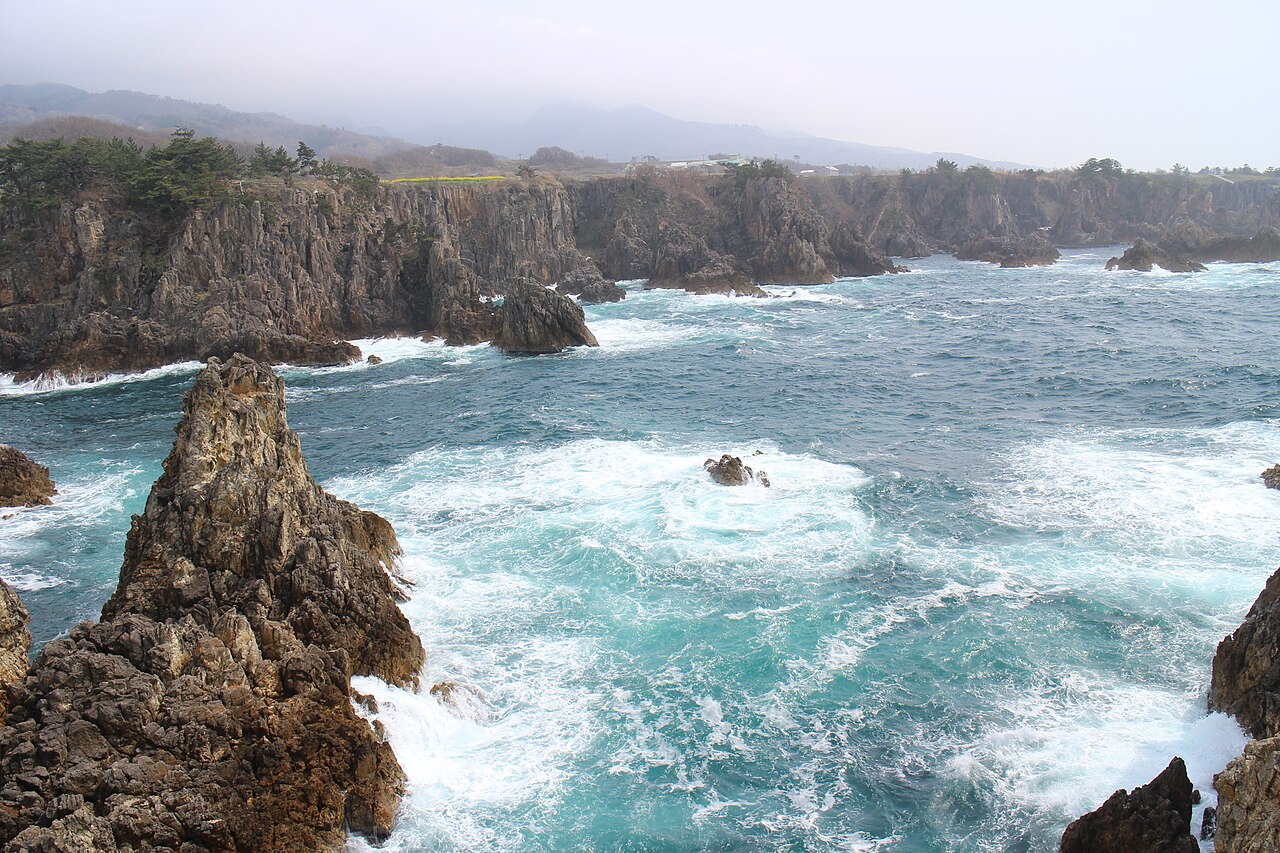
The island setting is not incidental. Sado’s geography — the sheer coast at Senkakuwan, the ferry crossing, the self-contained valleys around Aikawa — kept this an insular craft that drew on a single, local material rather than imported clays. The high iron content that gives the ware its color is the same property traditionally believed to soften the taste of green tea, which is why the kyusu became the form most associated with the tradition rather than purely decorative pieces.
“The same iron-bearing earth that drew miners to Sado for gold is what, two centuries later, colors the teapot — dug from the mine, valued first as medicine, and only then thrown on the wheel.”

Today Sado is as well known for the toki — the Japanese crested ibis, reintroduced to the wild on the island — as for its mine. That pairing of a recovered natural symbol and a UNESCO-listed industrial past captures what makes the place distinct: a small, resource-rich island that turned the contents of its own mountain into both bullion and pottery.
Price snapshot across stores
No live price was captured in the listing snapshot for this ASIN, so the JPY figure below is marked as unconfirmed rather than invented. JPY (¥) is the authoritative currency for the sourced JP listing; any USD figure is an approximate estimate at a ¥150/USD baseline as of mid-2026. Verify the current price at the retailer before buying.
| Store | Item / Variant | Price (JPY + USD est.) | Notes |
|---|---|---|---|
| 🇺🇸 Amazon.com (US) | Browse Japanese kyusu teaware | varies (USD) | Best if you are shopping from the US — Prime shipping, USD pricing, no international customs. Amazon US carries Japanese teapots and tea sets from various makers; this exact Sado piece ships from Japan (next row). |
| 🇯🇵 Amazon JP Global Store | Mumyoi-yaki Sado red-clay kyusu (ASIN B0FRSZ7ZSP) | Price not shown in snapshot — check listing | The specific item in this guide; ships internationally from Japan. Confirm capacity, dimensions, and current price on the listing. |
| Maker direct | Sado kiln / workshop piece | Unconfirmed — check maker site | Where a workshop site exists, the best route to confirm authenticity; may be Japanese-language and domestic-shipping only. |
| Proxy services (Buyee / Tenso) | Domestic-only Sado listings | Item price + forwarding fee | Fallback for kilns or shops that do not ship abroad directly; adds a service fee and a second shipping leg. |
What it does well
Weaknesses and things to verify before buying
- Maker verification is essential. “Red clay teapot” listings can come from anywhere. Confirm the listing names a Sado kiln or potter; an unattributed piece may not be Mumyoi-yaki at all.
- Thin price and spec data. Only a listing snapshot was available; capacity, dimensions, weight, and current price were not captured. Verify all of these on the live listing before purchasing.
- Unglazed ware retains flavor. A porous, unglazed pot absorbs the character of what it brews. Dedicate it to one tea type (green tea is conventional); do not alternate between green, black, and herbal infusions.
- Care is hand-wash only. Avoid dishwashers, detergents, and prolonged soaking. Rinse with hot water, empty the leaves promptly, and air-dry fully to prevent odor in the porous body.
- Fragility and handling. Ceramic teapots and their spouts and lids chip easily. Confirm packaging and any breakage policy, especially for an international shipment.
- Small-kiln supply is irregular. Output from a handful of workshops means stock and exact pieces vary; the item you see may not restock.
- Built-in strainer / mesh varies. Some kyusu use a ceramic, mesh, or no internal strainer. If you brew fine-leaf gyokuro, confirm the straining method on the listing.
Conclusion — which buyer type are you?
Other ways to approach this purchase
🏆 Editor’s Pick
❓ Frequently Asked Questions
What is Mumyoi-yaki, exactly?
It is the unglazed red-clay pottery of Sado Island in Niigata Prefecture, made from mumyoi — an iron-oxide-rich earth dug from the veins of the Sado Kinzan gold and silver mine. The clay is reduction-fired to a deep vermilion-brown and hand-burnished (migaki) to a soft luster.
Why a teapot rather than a cup or plate?
The clay’s high iron content is traditionally said to round out the taste of green tea, so the kyusu became the tradition’s signature form. This is a folk-traditional belief about the material, not a laboratory claim.
Does Amazon JP Global Store ship internationally?
Many household items, including teaware, ship internationally from Japan through the Amazon JP Global Store to most major destinations. Confirm shipping to your country and any customs duties at checkout. For domestic-only Sado listings, a proxy service such as Buyee or Tenso can forward the package.
How do I care for an unglazed kyusu?
Hand-wash with hot water only — no detergent, no dishwasher, no long soaking. Empty the leaves promptly and let the pot air-dry fully. Because the body is porous, dedicate it to one tea type rather than alternating between green, black, and herbal blends.
How can I tell an authentic piece from a generic red teapot?
Look for a listing that names a Sado kiln or potter and describes the unglazed, reduction-fired, migaki-burnished surface. Because Mumyoi-yaki comes from only a small number of Sado workshops, an unattributed “red clay teapot” may not be Mumyoi-yaki at all. Maker-direct purchase is the surest verification.
What is the price?
No live price was captured in the listing snapshot used for this guide, so we do not quote one rather than guess. Check the current price directly on the Amazon JP Global Store listing; JPY is the authoritative currency, and any USD figure is an estimate at roughly ¥150/USD as of mid-2026.
Is it a good gift?
For a recipient who drinks Japanese green tea and appreciates handmade, unglazed ceramics, yes — it carries a clear regional story tied to Sado and its UNESCO-listed mine. For someone who wants low-maintenance, dishwasher-safe teaware, choose a glazed pot instead.
jpmono.com is curated by a Japan-based editorial team (working out of Toyama in the Hokuriku region and Nara in Kansai) and is independent. We do not take payment from the makers we feature; income comes from affiliate links. We do not physically test every product — we read maker specs and source listings. Read more about our editorial standards.
🤖 This article was prepared with AI assistance and reviewed against the source listing data. Specifications and pricing reflect data available at the time of writing and may have changed; always confirm details on the retailer’s page before purchasing.
Affiliate disclosure: jpmono.com may earn a commission on qualifying purchases made through links on this page, at no additional cost to you.