![Tsubame Tsuiki Copper Beer Tumbler: Niigata Hammered Copperware [2026]](https://jpmono.com/wp-content/uploads/2026/06/tsubame-tsuiki-copper-beer-tumbler-where-to-buy-2026-featured.jpg)
A tsuiki (鎚起, “raised by hammering”) copper tumbler begins as a single flat disc of pure copper and ends as a seamless drinking vessel — no welds, no joints, no folded seams anywhere on the body. The metal is raised, compressed, and shaped entirely by repeated blows against an iron stake. In the workshops of Tsubame, on Niigata’s Echigo plain, this technique has been practiced since around 1816, the year the house of Gyokusendō was founded.
For an international reader, the appeal is concrete rather than mystical. Copper conducts heat and cold faster than almost any tableware metal, so a chilled tumbler delivers an immediate thermal “bite” to a cold beer, and the hand-hammered facets break up the surface so condensation beads rather than sheets. Over years of use the surface develops a deepening patina — the color sealed at the workshop with sulfur and heat — that no mass-produced glass or steel cup reproduces.
This guide covers one specific category: a Tsubame-Sanjō hand-hammered pure-copper beer tumbler in the roughly 250–360 ml range, of the grade made by houses such as Gyokusendō or Shinkō Kinzoku. We cover who it suits, what to verify before buying, how the buying paths compare for someone outside Japan, and where to actually purchase one. Written from a Japan-based editor’s desk in Toyama and Nara — not a marketing claim of having drained one dry.
🔄 Updated:
⏱️ Read time: ~11 min

- Who this is for — and who should skip it
- Product overview (from published specs)
- Which finish should you choose?
- 📍 Where this comes from — place, era, and the craft tradition
- Price snapshot across stores
- What it does well
- Weaknesses and things to verify before buying
- Conclusion — which buyer type are you?
- Other ways to approach this purchase
- 🏆 Editor’s Pick
- ❓ Frequently Asked Questions
Who this is for — and who should skip it
- Drink cold beer, highball, or chilled sake and want the metal-cold sensation on the lip
- Value a seamless, hand-raised object and accept visible hammer facets as the point, not a flaw
- Want a piece that ages — a patina that deepens rather than a finish that wears off
- Are buying a milestone gift and want documented regional craft heritage behind it
- Are comfortable with hand-wash-only care
- Want a dishwasher-safe, set-and-forget everyday cup
- Expect a flawless mirror surface with no tool marks
- Need a large-capacity vessel — these run small (roughly 250–360 ml)
- Are price-sensitive; hand-raised copper sits well above factory tumblers
- Dislike the idea of a surface that changes color over time
Product overview (from published specs)
The fetched data for this category was thin at the time of writing — the live Amazon US search returned no individually listed unit, so the table below is compiled from the category specification and the maker tradition rather than a single confirmed listing snapshot. Treat every figure as “verify before buying.” Spec sheets indicate the following typical profile for a Tsubame tsuiki copper tumbler in this grade.
| Attribute | Typical value (verify on listing) | Source |
|---|---|---|
| Material | Pure copper (sometimes tin-lined interior) | Maker direct / tradition |
| Technique | Tsuiki — raised from one sheet, seamless | Maker direct / tradition |
| Capacity | ~250–360 ml — confirm per listing | Spec hint |
| Finish | Hammered facets; mirror or patinated color | Maker direct / tradition |
| Origin | Tsubame, Niigata Prefecture (Chūbu / Hokuriku edge) | Maker direct |
| Maker grade | Gyokusendō / Shinkō Kinzoku class | Spec hint — verify maker |
| Care | Hand wash only; not for dishwasher / open flame | Tradition |
| Reference ASIN | B0FYLHGRP8 (Amazon JP Global Store) | Spec |
Data note: live pricing and exact capacity were unavailable from the fetched data at the time of writing. Gyokusendō pieces in particular are premium and intermittent on Amazon US. Confirm the specific maker (Gyokusendō vs. Shinkō Kinzoku-grade Tsubame copper), the ASIN, the capacity, the stock, and that a single-product hero image is shown before you buy.
📖 Glossary — key terms
Tsuiki (鎚起) — literally “raising by hammer.” A metalworking method that forms a hollow vessel from a single flat sheet of copper by hammering it against iron stakes, with no seams or joints. The opposite of casting (pouring molten metal into a mold).
Tsubame-Sanjō (燕三条) — the paired cities of Tsubame and Sanjō in central Niigata, together Japan’s densest metalworking district, known for flatware, hand tools, and copperware.
Patina (緑青 / rokushō) — the color layer that develops on copper over time. On Tsubame tumblers the initial color is often deliberately induced and sealed at the workshop using sulfur compounds and heat.
Kitamae-bune (北前船) — the Edo-to-Meiji coastal trading ships that ran the Sea of Japan route, carrying goods including Niigata metalware to distant ports.
Shokunin (職人) — a craftsperson who has trained for years under a master in a single discipline.
Which finish should you choose?
This piece is listed in 2 finishes. The photos below are the actual 色 options on the listing right now — pick the one you want and confirm it on the product page before ordering, since hand-finished wares vary slightly piece to piece.
![Tsubame Tsuiki Copper Beer Tumbler: Niigata Hammered Copperware [2026] — B finish](https://m.media-amazon.com/images/I/41UjTKeD4UL._SL500_.jpg)
📍 Where this comes from — place, era, and the craft tradition

Tsubame sits on the Echigo plain, the broad alluvial flat that the Shinano River — Japan’s longest — built as it empties into the Sea of Japan. Niigata is snow country: heavy winter accumulation off the Sea of Japan historically shut down rice farming for months, and that idle season pushed farming households toward indoor metalwork as a cash trade. Water power from the rivers, timber and charcoal from the hills, and a port outlet on the coast gave the district everything a metal industry needs.
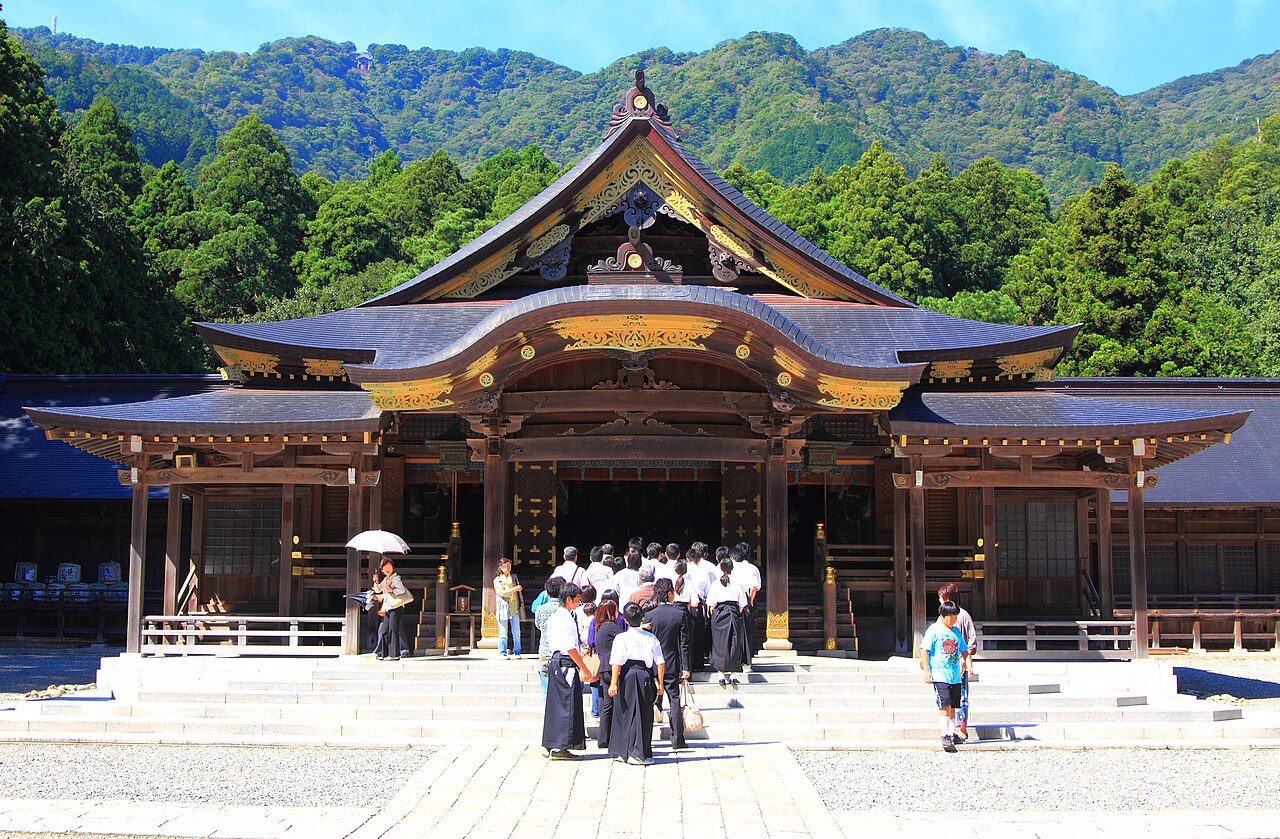
The local origin story is a material one. Copper from the nearby Mt. Yahiko mine gave Tsubame its raw stock, and the agricultural wealth of the Nagaoka domain supplied the capital. According to the regional record, the tsuiki hammered-raising technique was taught in Tsubame around 1816 — the same year the house of Gyokusendō was founded, a line now in its seventh generation. Itinerant Sendai craftsmen are traditionally credited with carrying the skill into the district, where it took root among households already working copper and iron.
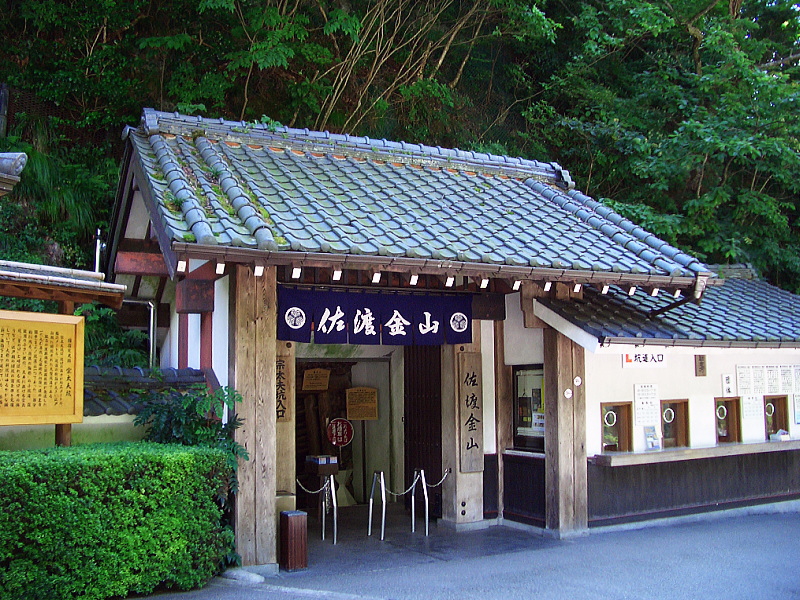
Niigata’s metal economy did not exist in isolation. Across the strait, the Sado gold and copper mines — inscribed on the UNESCO World Heritage list in 2024 — made the province one of the Tokugawa shogunate’s most important metal sources from the early 1600s onward. That mining culture, the smelting know-how, and the flow of refined metal through the region all sat behind the rise of finished copper crafts on the mainland.
- early 1600s — Sado gold and copper mines become a major Tokugawa metal source
- 17th c. — Wakō (Japanese nail) trade established in Tsubame; copper from Mt. Yahiko worked locally
- ~1816 — Tsuiki hammered-raising technique taught in Tsubame; Gyokusendō founded
- Edo–Meiji — Kitamae-bune coastal ships carry Niigata metalware along the Sea of Japan route
- Meiji era — Tsubame-Sanjō becomes Japan’s flatware and metalware capital
- 1981 — Tsubame tsuiki copperware (燕鎚起銅器) designated a METI Traditional Craft
- 2024 — Sado Island gold mines inscribed as a UNESCO World Heritage site
- 2026 — Gyokusendō in its seventh generation; tsuiki copper line still hand-raised in Tsubame
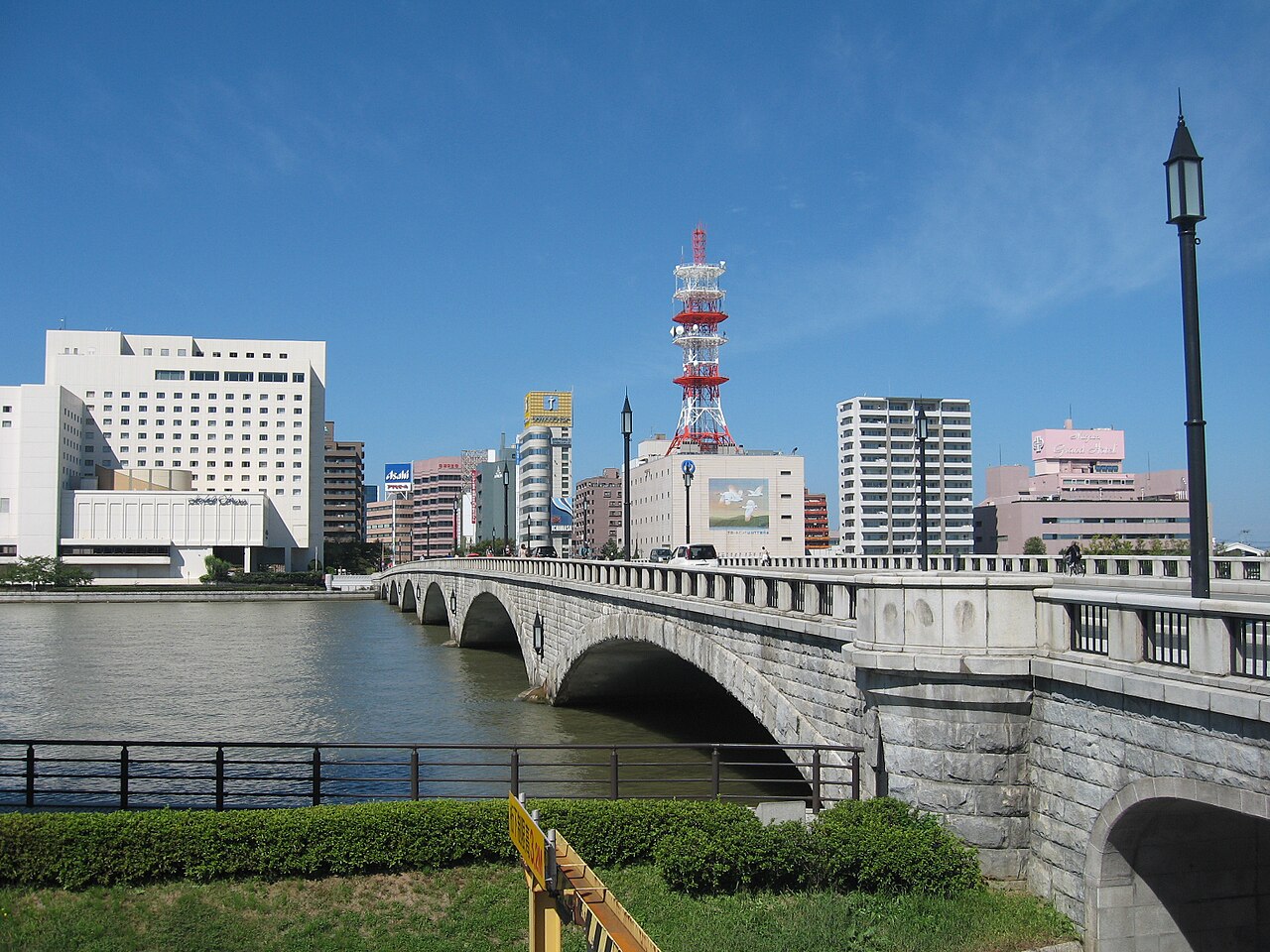
By the Meiji era, Tsubame-Sanjō had become the country’s flatware capital, and today factory production of cutlery and tools dwarfs the traditional copper line in sheer volume. But the hand-raised tsuiki craft endures alongside it. A finished tumbler may take a skilled hammer hand a full day or more, working the disc through many cycles of hammering and annealing (softening the work-hardened metal with heat) before the color is set with sulfur and heat at the end.
“A cast cup is poured in seconds; a tsuiki cup is struck thousands of times. The seam you cannot find is the proof of the second method.”
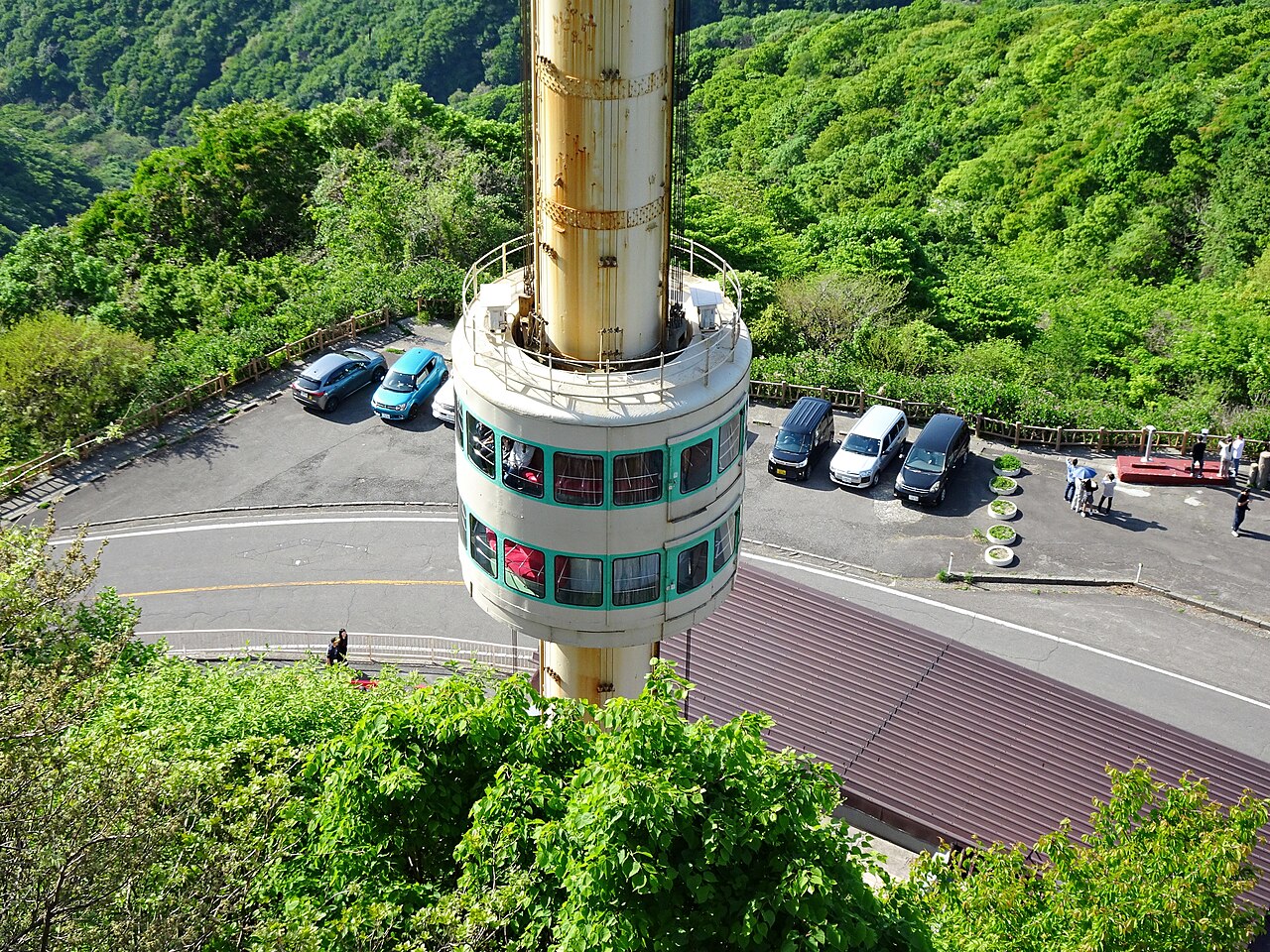
The seasonal logic still fits the object. Niigata is one of Japan’s great sake provinces, and the local drinking culture leans toward crisp, cold pours in summer — exactly where a thermally fast copper tumbler earns its place. Pour a cold beer or a chilled junmai, and the metal pulls heat from your hand into the drink’s chill within seconds, frosting the outside and keeping the first mouthful sharp.
Other Japanese metal, blade, and lacquer pieces we have covered — useful for weighing material, region, and price tier against this Tsubame copper tumbler.
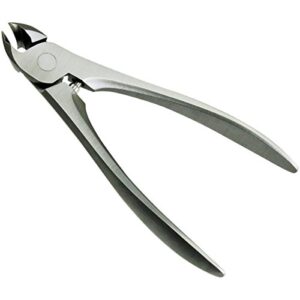 🔧 Suwada (Sanjo) nail nipperSame Tsubame-Sanjō metal district
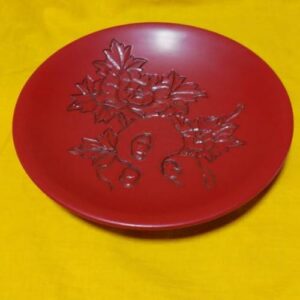 🍵 Murakami carved lacquer caddyAnother Niigata craft tradition
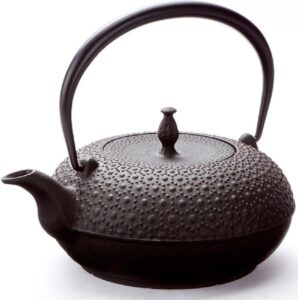 🫖 Oigen Nambu iron kettleCast iron vs. hammered copper
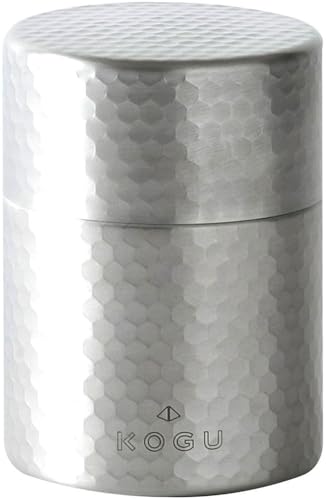 🥫 Kaikado tin tea caddyHand-finished soft metal tableware
 🍳 Kuwana cast iron skilletCast vs. raised metalwork
 🎁 Takaoka raden lacquer boxHokuriku gift-grade craft
 ✨ Owari shippō cloisonné setDecorative metal craft comparison
Price snapshot across stores
Live pricing was unavailable from the fetched data at the time of writing, so the figures below indicate the buying path rather than a confirmed amount. The JPY price on the specific listing is authoritative; any USD figure is an estimate at a ¥150/USD baseline as of mid-2026. Always confirm the current price at the retailer before buying.
| Store | Item / Variant | Price (JPY + USD est.) | Notes |
|---|---|---|---|
| 🇺🇸 Amazon.com (US) | Browse Japanese copper tumblers & barware | varies (USD) | Best if you are shopping from the US — Prime shipping, USD pricing, no international customs. Amazon US carries assorted Japanese copper and Tsubame-Sanjō barware; the exact tsuiki piece below ships from Japan. |
| 🇯🇵 Amazon JP Global Store | Tsubame tsuiki copper tumbler (ASIN B0FYLHGRP8) | Price varies — verify on listing | The sourced listing for this guide. Ships internationally from Japan to most major destinations. |
| Maker direct | Gyokusendō / Shinkō Kinzoku official line | Unconfirmed — check maker site | Widest selection and finish options; many maker sites do not ship abroad directly. |
| Proxy services (Buyee / Tenso) | Forwarding from JP-only shops | Item price + forwarding fee | Use when a maker or gallery listing does not ship internationally. Adds a service fee and consolidated shipping. |
What it does well
Copper’s high conductivity transfers cold to the drink quickly and frosts the outside, giving a sharp first sip.
Raised from a single sheet by hammering — no welds or joints, the defining mark of the tsuiki method.
The sealed color deepens with use rather than wearing off, so the cup gains character over years.
A METI-designated craft with a named, multi-generation maker line — strong provenance for a milestone present.
Weaknesses and things to verify before buying
- Hand wash only. Copper and any tin lining do not belong in a dishwasher; harsh detergents and heat will damage the finish. This is a daily-care commitment, not a grab-and-go cup.
- Small capacity. A roughly 250–360 ml tumbler holds less than a standard pint glass. Confirm the exact volume on the listing — capacity was not in the fetched data.
- Premium, fluctuating price. Hand-raised copper costs far more than a factory tumbler, and Gyokusendō-grade pieces are intermittent on Amazon US. Live pricing was unavailable at the time of writing; verify before buying.
- Maker ambiguity. “Tsubame copper” covers a range from named ateliers (Gyokusendō) to general Shinkō Kinzoku-grade workshop pieces. Confirm exactly which maker and grade the listing is selling.
- Patina is not for everyone. The surface color changes over time by design. If you want a permanently bright, unchanging finish, this object will disappoint you.
- Acidic / very hot use. Copper drinkware is intended for cold or room-temperature drinks; avoid prolonged contact with highly acidic liquids and do not place on an open flame. Check whether the interior is tin-lined.
Conclusion — which buyer type are you?
You want a named maker (Gyokusendō, seven generations) and accept the price for documented craft. Buy the specific tsuiki piece; verify the atelier on the listing.
You want the copper experience without the top-tier name. A Shinkō Kinzoku-grade Tsubame tumbler delivers the thermal feel at a gentler price.
Hand-raised copper is likely beyond your range. Consider a machine-formed copper or copper-plated tumbler, accepting it is not seamless tsuiki work.
You want dishwasher convenience, large capacity, or a finish that never changes. A glass or steel tumbler will serve you better.
Other ways to approach this purchase
Amazon JP Global Store pricing shifts; watching the listing across a few weeks can catch a better rate or a restock of a named maker.
Older tsuiki copper turns up on Japanese resale and proxy platforms; a pre-aged patina is a feature, not a defect, on copper.
If you hold Amazon points or a rewards card, a higher-ticket craft item is a sensible place to spend accumulated value.
If hand-wash care or capacity is a dealbreaker, a glass or insulated steel tumbler is the honest alternative — no patina, but no fuss.
🏆 Editor’s Pick
❓ Frequently Asked Questions
Does Amazon JP ship a Tsubame copper tumbler internationally?
Yes. Items listed through the Amazon JP Global Store generally ship to most major international destinations. Copper drinkware is non-electrical and not typically restricted, though you should expect roughly $15–$40 in shipping to the US or EU and possible customs duties above your local threshold.
Can I put a tsuiki copper tumbler in the dishwasher?
No. Copper and any tin lining should be hand washed with mild soap and dried promptly. Dishwasher detergents and heat will damage the sealed patina and finish.
Why does the copper change color over time?
Copper naturally develops a patina with exposure to air, oils, and use. On Tsubame tumblers an initial color is often deliberately induced and sealed at the workshop using sulfur and heat, and it continues to deepen with handling. This is considered part of the object’s appeal, not a defect.
What is the difference between Gyokusendō and a generic Tsubame copper tumbler?
Gyokusendō is a named atelier, founded around 1816 and now in its seventh generation, whose pieces are premium and sometimes intermittent on Amazon US. “Shinkō Kinzoku-grade” or general Tsubame copper refers to workshop pieces from the same district at a more accessible price. Both can be genuine tsuiki work; confirm exactly which maker the listing names.
Is it safe to drink acidic drinks from copper?
Copper drinkware is intended for cold or room-temperature drinks such as beer, highball, or chilled sake. Avoid prolonged contact with highly acidic liquids, and check whether the interior is tin-lined. Do not place the tumbler on an open flame.
Does it make a good gift?
Yes. A tsuiki copper tumbler is a documented METI Traditional Craft from a named, multi-generation maker line, which gives it strong provenance for a milestone present. Confirm stock and that the listing shows a single-product hero image before ordering for a gift occasion.
jpmono.com is curated by a Japan-based editorial team (working out of Toyama in the Hokuriku region and Nara in Kansai) and is independent. We do not take payment from the makers we feature; income comes from affiliate links. We read maker specifications and source listings rather than physically testing every product. Read more about our editorial standards.
🤖 This article was prepared with AI assistance and reviewed against the source listing and maker tradition before publication. Specifications, pricing, and stock should be verified at the retailer at the time of purchase.
Affiliate disclosure: jpmono.com may earn a commission on qualifying purchases made through links on this page, at no additional cost to you.