![Ryukyu Shikki Tsuikin Lacquer Free Cup: Where to Buy the Okinawan Court Craft [2026]](https://jpmono.com/wp-content/uploads/2026/05/japan-map-regions-and-prefectures-800x1050.png)
Ryukyu shikki (琉球漆器, “Ryukyu lacquerware”) is the lacquer tradition of Okinawa — the chain of subtropical islands that, until 1879, formed the independent Ryukyu Kingdom rather than a Japanese prefecture. A tsuikin (堆錦) free cup is one of its most approachable forms: a straight-sided cup carrying low-relief floral or auroral motifs on a warm vermilion or black lacquer ground, built up not by painting and not by inlay, but by pressing thin sheets of pigmented lacquer dough onto the surface. A “free cup” (フリーカップ) is the Japanese term for a versatile tumbler with no single assigned use — it serves cold beer, shochu on the rocks, sake, tea, or water with equal ease.
What makes the craft worth a foreign reader’s attention is its lineage. The Ryukyu court at Shuri ran its own lacquer workshops to produce tribute gifts for Ming and Qing China and trade goods for Southeast Asia. Vermilion — expensive, vivid, and reserved — became the kingdom’s color of status, and the light deigo (coral-tree) wood of the islands gave the cups a body that is warm to the hand and comfortable at the lip. The result is a lacquer aesthetic that grew out of maritime East Asian exchange rather than mainland Japanese workshops, and it still looks distinct from Wajima, Aizu, or Kyoto work.
This guide helps international buyers consider a Ryukyu tsuikin free cup as a gift or a piece of everyday-special tableware. It explains the form, construction, uses, geographic and historical setting, and the practical considerations of buying one from outside Japan.
🔄 Updated:
⏱️ Read time: ~10 min
- Who this is for — and who should skip it
- Product overview (from published specs)
- Where this comes from — place, era, and the craft tradition
- Where to buy
- What it does well
- Weaknesses and things to verify before buying
- Conclusion — which buyer type are you?
- Other ways to approach this purchase
- ❓ Frequently Asked Questions
Who this is for — and who should skip it
- Want a Japanese craft cup that is visually distinct from mainland nuri lacquer
- Like color and relief — vermilion grounds and raised floral motifs, not subdued monochrome
- Want one versatile cup for sake, shochu, beer, tea, or water rather than a single-use vessel
- Are buying a gift with a clear story (royal Ryukyu trade, subtropical urushi tradition)
- Will hand-wash and treat it as everyday-special tableware, not microwave-and-forget
- Need dishwasher- and microwave-safe daily drinkware
- Want clear seller terms before committing
- Prefer muted, minimalist Scandinavian or monochrome aesthetics
- Expect mass-produced uniformity — handwork means piece-to-piece variation
- Are unwilling to deal with possible international shipping, customs, or proxy services
Product overview (from published specs)
Published data for the Ryukyu tsuikin free-cup category is thin. The table below records what could be sourced and marks the rest as unconfirmed rather than guessing — per our policy, no specs, prices, or model numbers are invented.
| Attribute | Detail | Source |
|---|---|---|
| Craft | Ryukyu shikki (Ryukyu lacquerware), tsuikin technique | Craft tradition |
| Surface finish | Urushi (natural lacquer); pigmented lacquer-dough relief | Craft tradition |
| Core material | Traditionally deigo (coral-tree) or comparable light wood; keyaki and modern cores also used – check the maker’s details | Craft tradition / maker details |
| Dimensions / capacity / weight | Unconfirmed – check the maker’s details | — |
| Origin | Okinawa Prefecture, Japan | Craft tradition |
| Price | Not specified | — |
Ryukyu lacquer is hand-finished, so variation in relief and tone is normal. The cup’s dimensions, price, and other details can vary from piece to piece.
📖 Glossary — key terms
- Ryukyu shikki (琉球漆器) — Okinawan lacquerware; the regional tradition that grew under the Ryukyu Kingdom.
- tsuikin (堆錦) — the signature Ryukyu technique: pigmented lacquer is kneaded into a pliable dough, rolled flat, cut into motifs, and pressed onto the ground for a low-relief, painterly surface.
- free cup (フリーカップ) — a Japanese term for a versatile straight-sided cup or tumbler with no fixed assigned use; equally at home with beer, shochu, sake, tea, or water.
- urushi (漆) — natural lacquer, the sap of the lacquer tree, applied in many cured layers.
- shu (朱) — vermilion; in Ryukyu, historically the color of royal and ceremonial status.
- deigo (デイゴ) — the Indian coral tree, Okinawa’s prefectural flower, a light subtropical wood traditionally used as a lacquer core.
- maki-e (蒔絵) — mainland technique of sprinkling metal powder into wet lacquer; different from tsuikin.
- raden (螺鈿) — shell inlay; another mainland decorative method, distinct from tsuikin relief.
Related lacquer and Okinawan crafts already covered on jpmono — useful for placing this free cup against other regions, techniques, and price tiers.
 Ryukyu Glass Kara-Kara
Okinawa Hand-Forged Knife
Ryukyu Bingata Placemat
Wajima Nuri Sakazuki Pair
 Takaoka Raden Lacquer Box
 Tosa Lacquer Katakuchi
 Sanuki Kinma Natsume
 Naruko Shikki Soup Bowl
Where this comes from — place, era, and the craft tradition

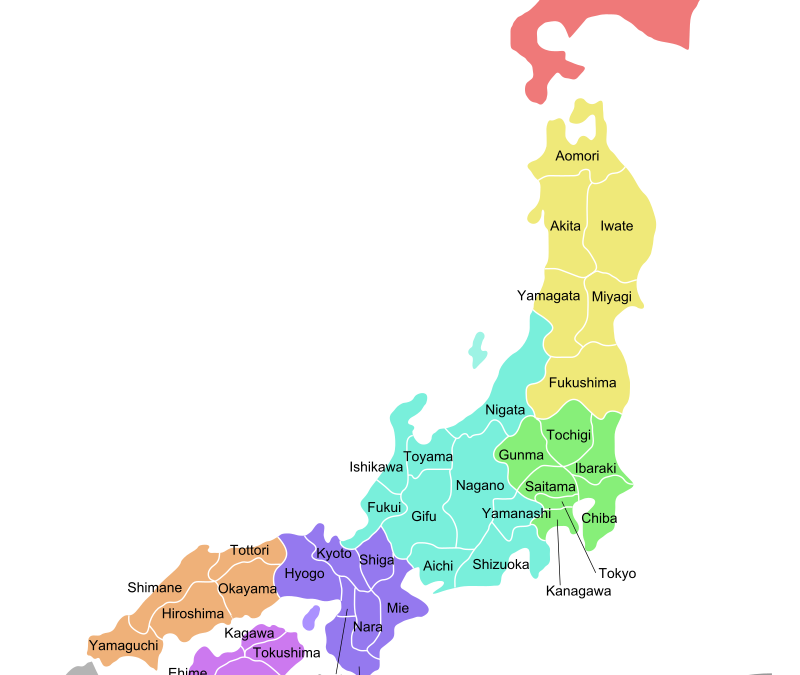
Okinawa is not a peninsula of mainland Japan but the largest island of the Ryukyu archipelago, a string of subtropical islands curving south toward Taiwan. Naha, its principal city, sits roughly 1,550 km from Tokyo — far enough that for centuries the islands looked outward, toward China and Southeast Asia, as much as toward Japan. That maritime position is the single most important fact about Ryukyu lacquer.
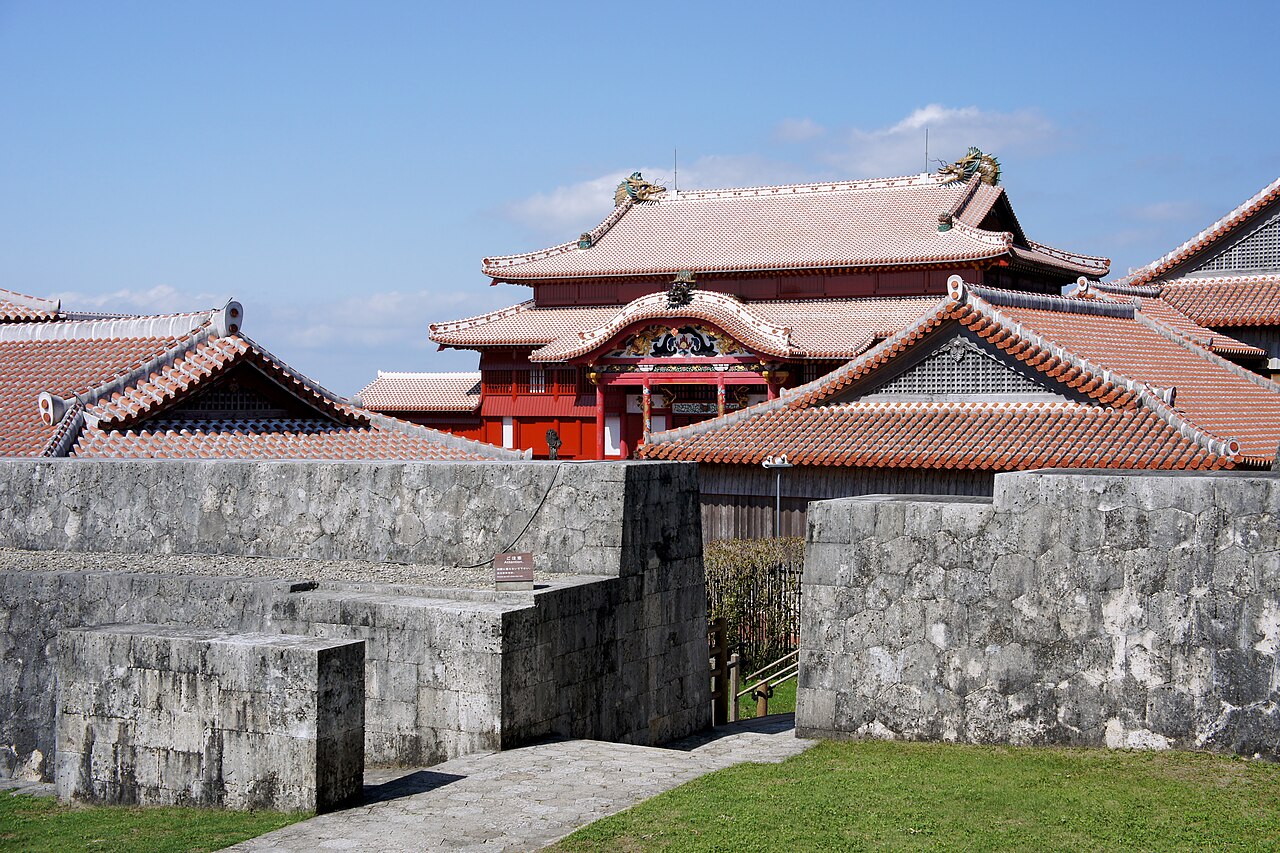
The islands were unified into a single kingdom in 1429, when Sho Hashi brought the three principalities of Okinawa under one crown. The Ryukyu Kingdom that followed was a trading state: it sent tribute missions to Ming and Qing China and ran a brokerage trade in goods moving between China, Japan, Korea, and Southeast Asia. The royal court at Shuri established a dedicated lacquer and shell-inlay office — the kaizuri-bugyo (貝摺奉行所) — precisely because high-grade lacquerware was a prized diplomatic gift.
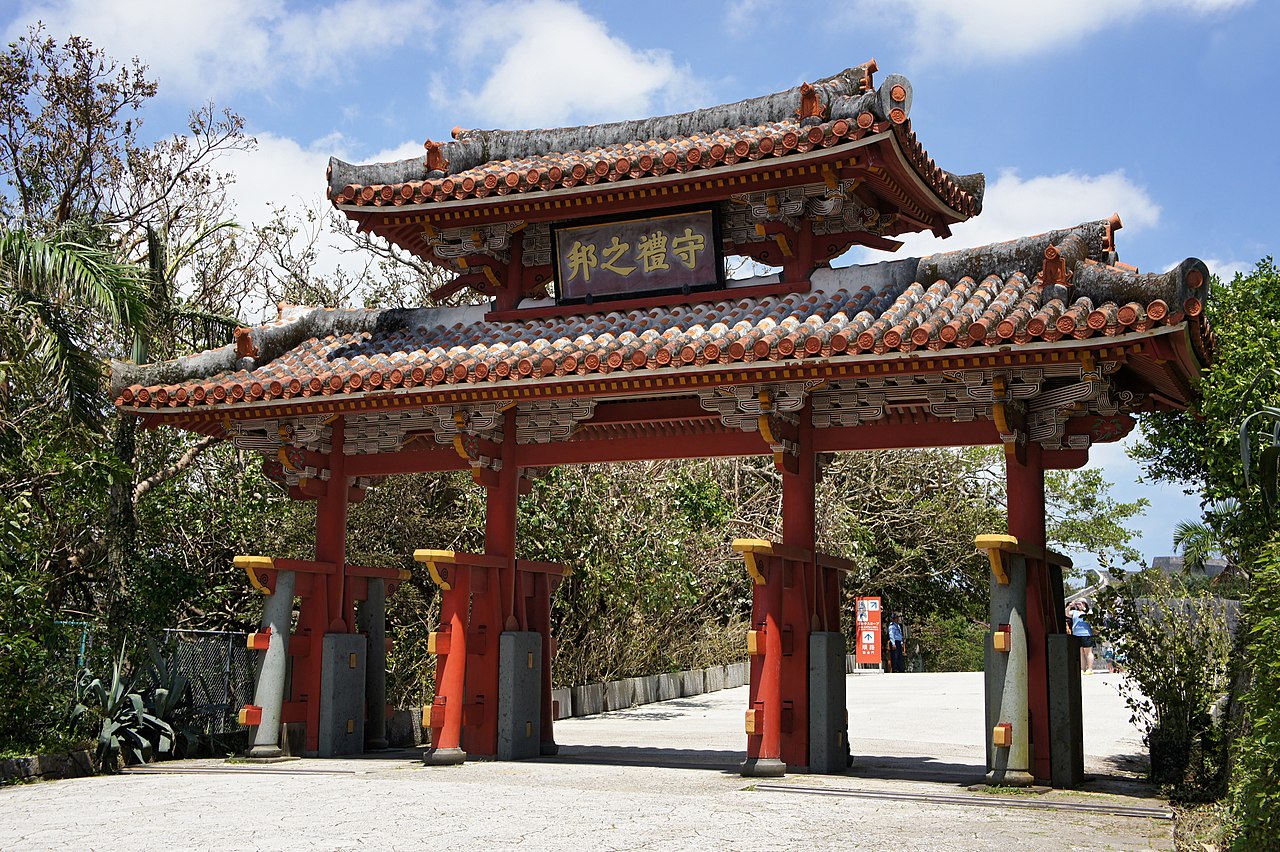
- 1429 — Sho Hashi unifies the three principalities into the Ryukyu Kingdom, centered on Shuri.
- 15th century — The royal court runs a lacquer and shell-inlay office (kaizuri-bugyo) producing tribute gifts for Ming China and trade goods for Southeast Asia.
- 1609 — The Satsuma domain invades; the kingdom continues, sustaining its dual tribute trade with China and Japan.
- Edo period — The tsuikin (堆錦) technique is developed, giving Ryukyu lacquer its distinctive low-relief, colored surface.
- 1879 — The Ryukyu Kingdom is abolished and the islands become Okinawa Prefecture.
- 1945 — The Battle of Okinawa devastates the islands and much of the craft infrastructure; lacquer workshops rebuild postwar.
- Today — Ryukyu shikki is recognized as a traditional Japanese craft and is still produced by Okinawan workshops.
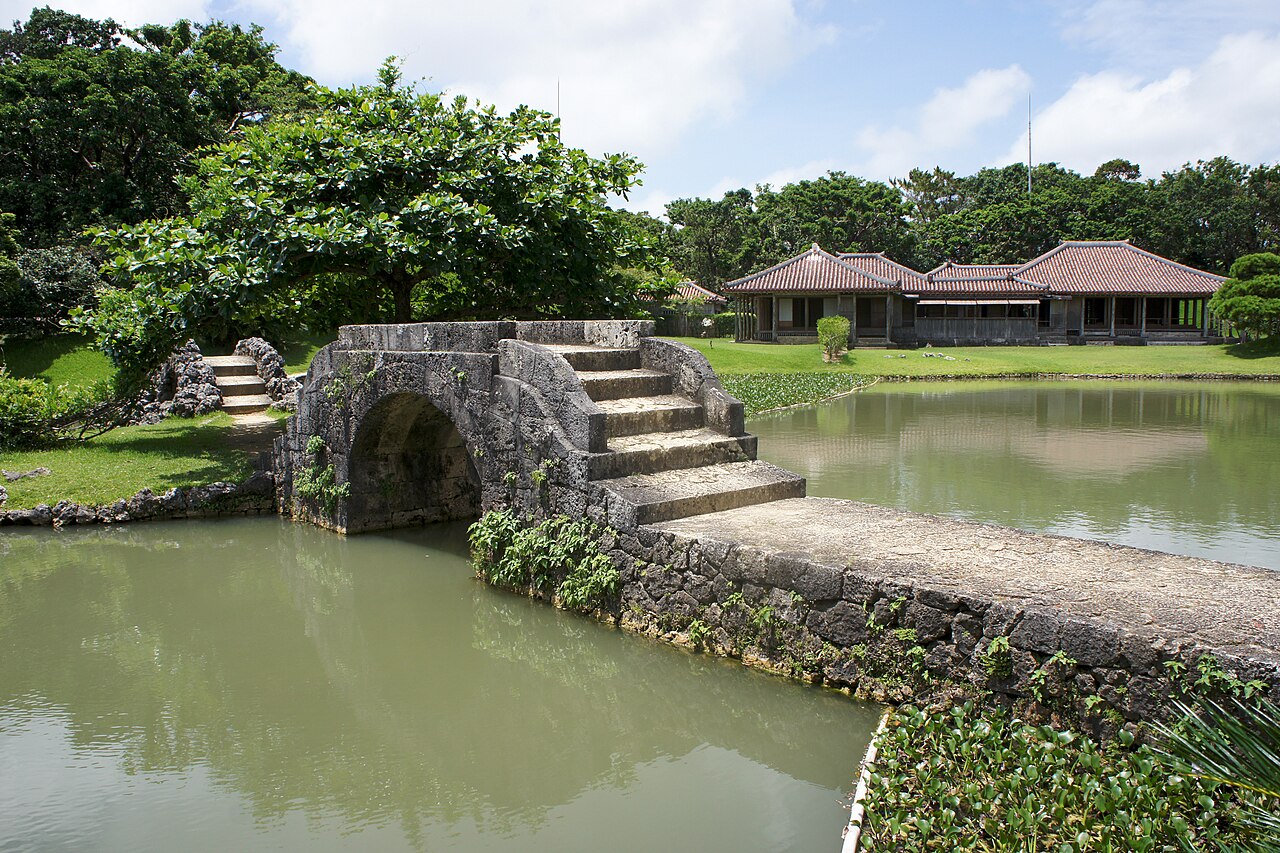
That tribute culture shaped the look of the lacquer. Vermilion — costly and brilliant — was favored as the color of the court, and the warm subtropical light of the islands suited it. The signature decorative method, tsuikin, took form in the Edo period: artisans knead pigmented lacquer into a pliable dough, roll it into thin sheets, cut the sheets into flowers, leaves, or auroral bands, and press them onto a vermilion or black ground. The result is a soft, painterly relief that sits between painting and sculpture — and on a free cup it wraps around the body where the hand naturally holds it.
“Where mainland maki-e sprinkles metal and raden sets shell, tsuikin builds its picture from lacquer itself — color pressed into color, born of a kingdom that traded between China and Japan rather than belonging fully to either.”
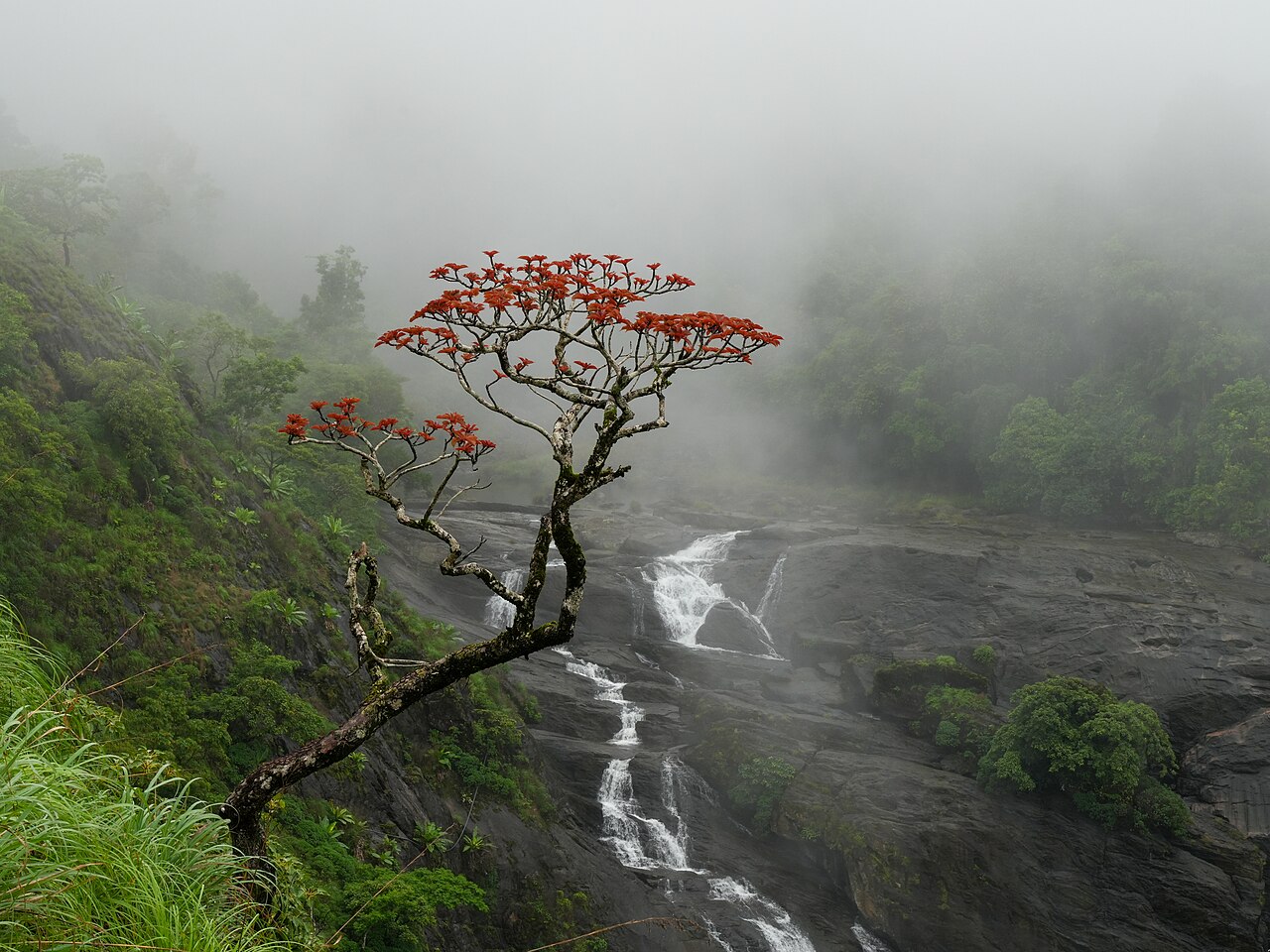
The subtropical climate mattered to the material as well. Lacquer cures by absorbing moisture from warm, humid air, and Okinawa’s climate is well suited to it. For the wooden core, artisans traditionally used light island woods — deigo, the Indian coral tree that is now the prefectural flower, among them. A deigo core keeps a free cup light in the hand and warm at the lip; keyaki (zelkova) and other modern cores are also used, so the substrate can vary by piece.
Ryukyu lacquer survives today as part of a wider Okinawan craft ecosystem — alongside yachimun pottery from Naha’s Tsuboya quarter, the island’s distinctive recycled glass, and bingata stencil dyeing. After the destruction of 1945, the lacquer workshops rebuilt, and the craft is now recognized as a traditional Japanese craft and still made by Okinawan makers. For an international buyer, that continuity is the assurance worth paying for: this is a living tradition, not a revival staged for tourists.
Where to buy
Prices for individual Ryukyu tsuikin free cups vary with the lacquer relief, core material, and finish. Any USD conversion is approximate and depends on the exchange rate.
| Store | Item / Variant | Price (JPY + USD est.) | Notes |
|---|---|---|---|
| 🇺🇸 Amazon.com (US) | Browse Japanese lacquerware cups & tumblers | varies (USD) | Best if you are shopping from the US — Prime shipping, USD pricing, no international customs. Amazon US carries Japanese lacquer cups and tumblers from various makers; this exact Ryukyu piece is sourced from Japan (next row). |
| 🇯🇵 Amazon JP Global Store | Ryukyu tsuikin free cup | Check seller details | Ships internationally from Japan to most major destinations. |
| Maker direct | Okinawan lacquer workshops | Varies | Some Okinawan studios sell direct; selection and international shipping vary by workshop. |
| Proxy services (Buyee / Tenso) | Domestic Japan-only orders forwarded abroad | Item + forwarding fee | Useful when direct international shipping is unavailable; adds a service fee and a second leg of shipping. |
Prices in USD are approximate and depend on the current exchange rate. Always verify at the retailer before purchasing.
What it does well
Weaknesses and things to verify before buying
- Seller terms vary. Confirm shipping and availability before committing.
- Capacity and core material vary. Traditional cores were light island woods such as deigo; keyaki and modern cores also appear. Choose based on the wood and volume you need.
- Not for dishwasher or microwave. Like all urushi lacquer, it should be hand-washed and kept away from prolonged heat and direct sunlight; avoid leaving acidic or very hot liquids standing for long periods.
- Handwork means variation. The relief pattern, tone, and exact placement will differ piece to piece; buyers wanting machine uniformity will be disappointed.
- International shipping, customs, and lead time apply when ordering from Japan. Budget for duties over your local threshold and for longer delivery than domestic Prime.
- Authentic Ryukyu shikki vs. generic “Okinawa-style” lacquer. Look for Ryukyu/tsuikin work rather than an unrelated decorated cup or a printed imitation.
Conclusion — which buyer type are you?
Other ways to approach this purchase
❓ Frequently Asked Questions
What is tsuikin, and how is it different from maki-e or raden?
Tsuikin is a Ryukyu technique in which pigmented lacquer is kneaded into a dough, rolled into thin sheets, cut into motifs, and pressed onto the cup’s surface to form a low relief. Maki-e sprinkles metal powder into wet lacquer, and raden sets pieces of shell into the surface. Tsuikin builds its image from colored lacquer itself.
What can I drink from a Ryukyu free cup?
A “free cup” (フリーカップ) has no single assigned use. It suits cold beer, shochu on the rocks, sake, tea, or water. The lacquer surface is comfortable at the lip and insulates lightly, though very hot or acidic liquids should not be left standing in it for long periods.
Can I put a Ryukyu lacquer cup in the dishwasher or microwave?
No. Like all urushi lacquerware, it should be hand-washed with mild soap, dried gently, and kept away from prolonged heat, the dishwasher, the microwave, and long exposure to direct sunlight.
Does it ship internationally?
International buyers should confirm whether the seller ships to their country and allow for shipping fees and possible customs duties. Japan-only sellers may require a proxy service.
How much does it cost?
Because prices vary by piece, compare the lacquer relief, core material, and finish rather than relying on a single figure.
What is the cup made of?
The decoration is natural urushi lacquer with pigmented lacquer relief. The wooden core was traditionally a light island wood such as deigo (coral tree), with keyaki (zelkova) and modern cores also used. The substrate can vary by piece.
Why is the cup vermilion?
Vermilion (shu) was favored as the color of status in the Ryukyu Kingdom, used at the royal court and in ceremonial contexts. The subtropical light of the islands suited the bright red ground, and it remains a signature of Ryukyu lacquerware alongside black.
jpmono.com is curated by a Japan-based editorial team working out of Toyama in the Hokuriku region and Nara in Kansai, and is independent. We do not take payment from the makers we feature; income comes from affiliate links. We do not physically test every product. Read more about our editorial standards.
Affiliate disclosure: jpmono.com may earn a commission on qualifying purchases made through links on this page, at no additional cost to you.