![Saga Morodomi Sashimono Wooden Stool: Okawa Joinery Craft [2026]](https://jpmono.com/wp-content/uploads/2026/05/japan-map-regions-and-prefectures-800x1050.png)
A low wooden stool sounds like the simplest object a workshop can make, and that is precisely why it reveals the joinery underneath. The piece covered here is a solid-wood sashimono (指物, “fitted woodwork”) stool from the Morodomi district of Saga City, on the southern bank of the Chikugo River in northern Kyūshū. It is built the old way — cut joints and driven pegs rather than nails, screws, or hidden metal brackets — and finished in oil rather than a film of lacquer or polyurethane.
What makes the object notable to an international reader is not novelty but lineage. Morodomi sits directly across the river from Okawa in Fukuoka, the largest furniture-producing district in Japan, and the two banks share a single craft economy that traces back to late-Muromachi boat-builders who redirected their hull-jointing skill into furniture. Under the Nabeshima domain, the same river that floated timber down to these workshops also fed the porcelain kilns at Arita and Imari. Furniture and ceramics grew as twin pillars of one domain’s output.
This guide is for readers weighing a small, repairable, heirloom-grade stool against mass-produced flat-pack alternatives — and who want to understand the place before they consider the price. We cover who it suits, what can be confirmed about the craft, where to buy it from outside Japan, and how it compares to other Saga and Japanese woodcraft pieces we have written about.
Published · Updated · About 9 min read · from a Japan-based editor working out of Toyama and Nara
Who this is for — and who should skip it
- Value furniture that can be disassembled, re-wedged, and repaired across generations rather than discarded
- Prefer the honest grain of an oil-finished solid wood over a glossy film coating
- Want a low stool for genkan (entryway), tea, plant display, a child’s seat, or step-stool duty
- Appreciate buying from a named regional joinery district with a documented lineage
- Are comfortable ordering from Japan and verifying details before purchase
- Need the cheapest possible seating and do not value joinery or repairability
- Want a tall counter or dining-height stool — this is a low stool
- Expect a sealed, fully waterproof surface for outdoor or wet-area use
- Require a guaranteed wood species or exact dimensions before ordering (the dataset is thin — see below)
- Are unwilling to wait for international shipping or pay possible customs
Product overview (from published specs)
A note on transparency before the table: information about this stool is limited. Exact price, wood species, and dimensions can vary by piece. The construction approach is peg-jointed sashimono with an oil finish, using oak or paulownia; confirm the particular materials and measurements with the seller before purchasing.
| Source | Item / variant | What the craft description indicates | Notes |
|---|---|---|---|
| 🇺🇸 Amazon US (search) | Browse Japanese wooden stools & sashimono furniture | Varies (USD) | Best if shopping from the US — Prime, USD pricing, no customs. Amazon US carries comparable Japanese solid-wood stools and small furniture; the exact Morodomi piece ships from Japan (next row). |
| Material | — | Oak (硬) or paulownia / kiri (桐, light) | Species selection may vary — confirm before ordering. |
| Joinery | — | Sashimono — cut joints + driven pegs, no nails/screws | Re-wedgeable; designed to be repairable. |
| Origin | — | Morodomi, Saga City, Saga Prefecture (Kyūshū) | Okawa–Morodomi furniture belt, Chikugo River. |
| Dimensions / weight | — | Not in dataset | — |
📖 Glossary — key terms in this article
- sashimono (指物, “fitted woodwork”) — furniture and boxes assembled from cut joints and pegs, without nails or screws; the joints “point into” one another.
- hozo (ほぞ) — the mortise-and-tenon joint at the heart of sashimono; a tenon tongue driven into a matching socket.
- kiri (桐, paulownia) — an exceptionally light, dimensionally stable, insect-resistant hardwood long prized in Japan for chests and boxes.
- Enotsu / Enozu (榎津) — the old riverside settlement of boat-builders whose hull-jointing skills seeded the Okawa–Morodomi furniture trade.
- Nabeshima (鍋島) — the domain (han) that governed Saga in the Edo period and patronized both its woodworking belt and its porcelain kilns.
- shokunin (職人) — a craftsperson; in this context, a trained joiner working within a named district tradition.
Related Saga crafts and Japanese woodwork we have covered — useful for understanding the domain’s craft economy and the broader joinery and woodturning traditions.
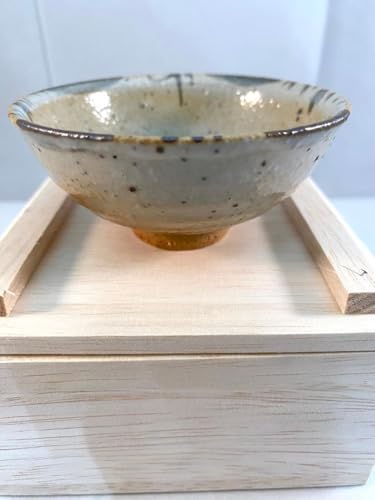 Karatsu Ware Guinomi (Saga)Saga’s twin pillar — porcelain & stoneware
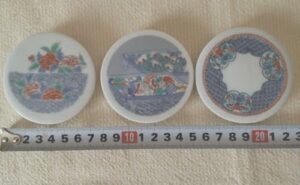 Imari Nabeshima Plate (Saga)The same domain’s porcelain output
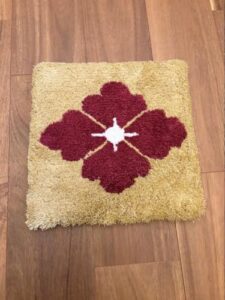 Nabeshima Dantsu Chair Pad (Saga)A cushion to pair with the stool
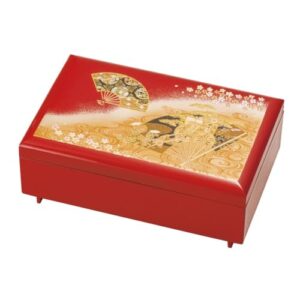 Kyo Sashimono Paulownia BoxKyoto’s sashimono lineage for comparison
Chizu Cedar Wooden TraySolid-wood Tottori joinery
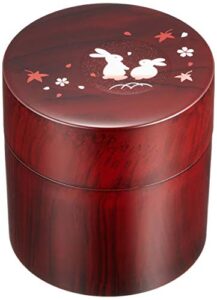 Yamanaka Woodturned Tea CaddyTurned, not jointed — a contrast
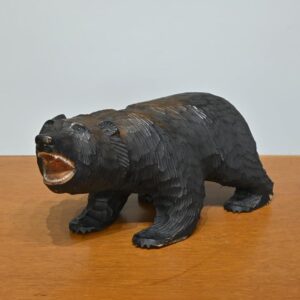 Hokkaido Kibori Wood CarvingCarved woodcraft from the north
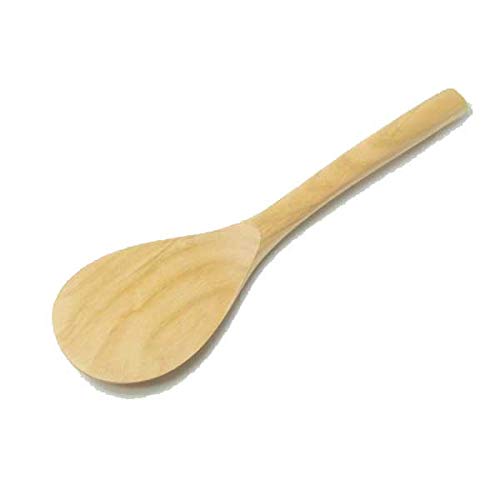 Miyajima Wooden Rice ScoopEveryday Kyūshū-adjacent woodwork
Buying options
Prices for handcrafted Morodomi stools vary with wood species, joinery, size, and finish. Any USD figure is an approximate estimate at a ¥150/USD baseline as of mid-2026.
| Store | Item / variant | Price (JPY + USD est.) | Notes |
|---|---|---|---|
| 🇺🇸 Amazon.com (US) | Browse Japanese wooden stools & sashimono furniture | Varies (USD) | Best if you are shopping from the US — Prime shipping, USD pricing, no international customs. Amazon US carries comparable solid-wood Japanese stools and small furniture for comparing wood species and price tiers. The exact Morodomi piece is sourced from Japan (next row). |
| Amazon JP Global Store | Morodomi sashimono low stool | — | International shipping from Japan may be available; terms vary by destination. |
| Maker direct | Okawa–Morodomi joinery workshops | Unconfirmed | Many small Saga-side workshops sell through district co-ops; English ordering is limited. Verify before relying on this path. |
| Proxy services (Buyee / Tenso) | Forwarding from Japan-based sources | Purchase terms plus forwarding fee | Useful if direct shipping is unavailable; adds handling and a second shipping leg. |
Where this comes from

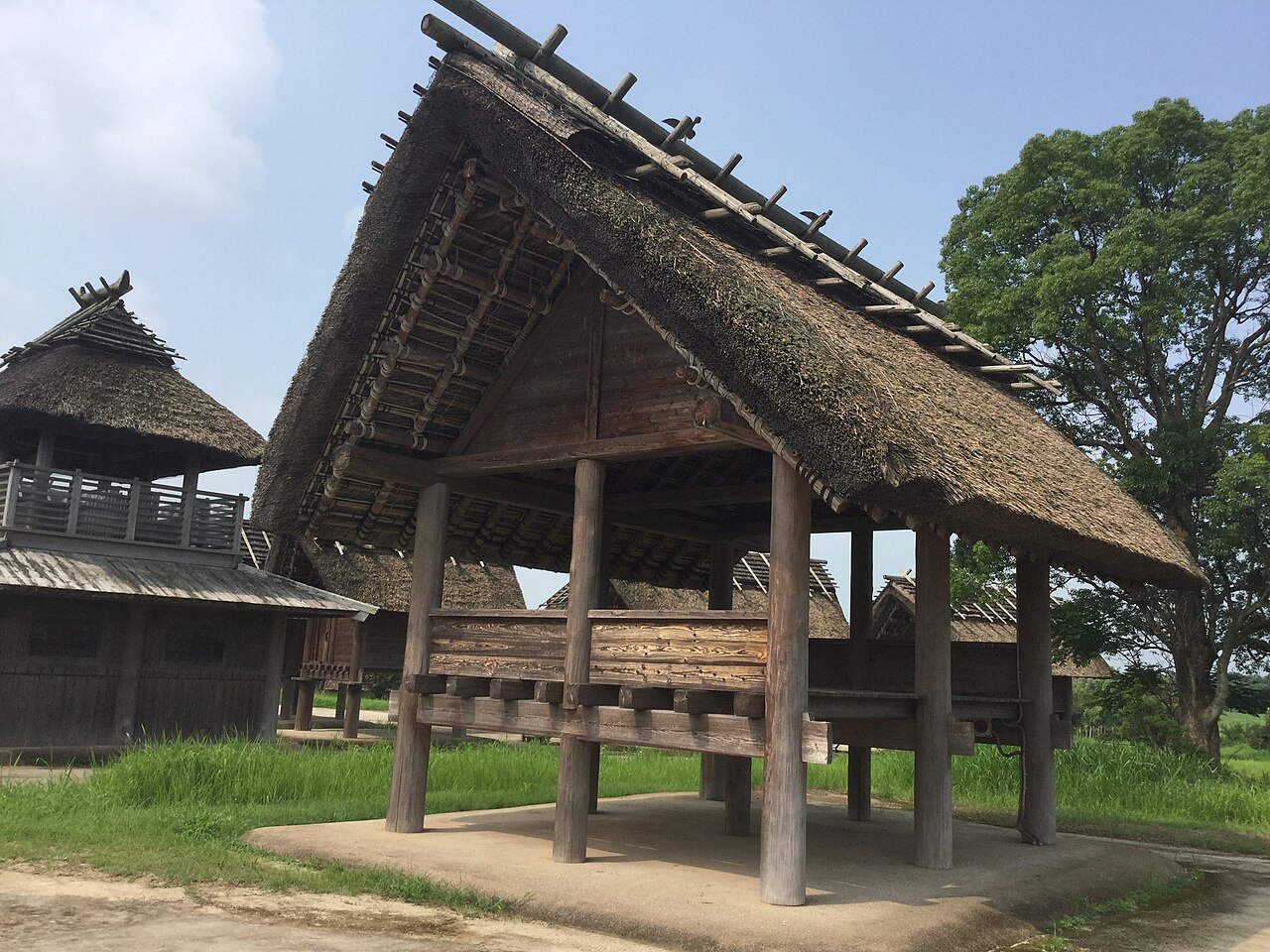
Saga occupies the northwestern corner of Kyūshū, the southernmost of Japan’s four main islands, fronting the Ariake Sea to the south and bounded by Fukuoka to the east. The Saga plain is one of the island’s broad alluvial flats, watered by the Chikugo — the longest river in Kyūshū — which carries timber and silt down from the inland mountains. The Saga plain has supported settled, tool-using communities for a very long time. The reconstructed moated settlement at Yoshinogari, just east of the prefecture’s center, shows organized Yayoi-era woodworking centuries before the joinery trade discussed here existed.
Morodomi-machi, now part of Saga City, sits at the river’s edge on the southern bank. Cross the Chikugo and you are in Okawa, Fukuoka — the single largest furniture-producing district in Japan. The two banks are not rivals so much as one continuous craft economy split by a watercourse, sharing tools, timber, and apprentice lineages.

The joinery trade here did not begin with furniture. It began with boats. In the late Muromachi period, the Enotsu (榎津, also read Enozu) boat-builders who worked the riverbank fitted hulls with cut joints and pegs — the same logic of wood-into-wood that, redirected, becomes a chest, a table, or a stool. As river timber floated down from the inland mountains and the demand for boats fluctuated, those hull-jointing hands turned increasingly to household sashimono. The furniture district that Okawa and Morodomi share today is the descendant of that pivot.
- c. 300 BCE–300 CE — Yayoi-era settlement at Yoshinogari shows organized woodworking on the Saga plain.
- Late Muromachi (1400s–1500s) — Enotsu (Enozu) boat-builders redirect hull-jointing skill into sashimono furniture.
- 1607 — Nabeshima Katsushige is formally invested as lord of the Saga (Nabeshima) domain.
- 1616 — Porcelain clay found at Arita; Saga’s ceramic pillar begins beside the woodworking belt.
- Edo period (1600s–1860s) — Saga-side workshops grow alongside the Okawa cluster, sharing tools, timber, and apprentices under Nabeshima patronage.
- 2005 — Morodomi-machi merges into Saga City.
- 2026 — District workshops on both riverbanks still build peg-and-tenon sashimono by hand.
The political frame for all of this is the Nabeshima domain. From 1607, when Nabeshima Katsushige was formally invested as lord, the han governed Saga through the Edo period and patronized its river-belt industries. The same river economy that floated timber to the joiners also fed the porcelain kilns: when clay was found at Arita in 1616, Saga gained a second craft pillar, and Imari became the export port through which Nabeshima porcelain reached Europe.
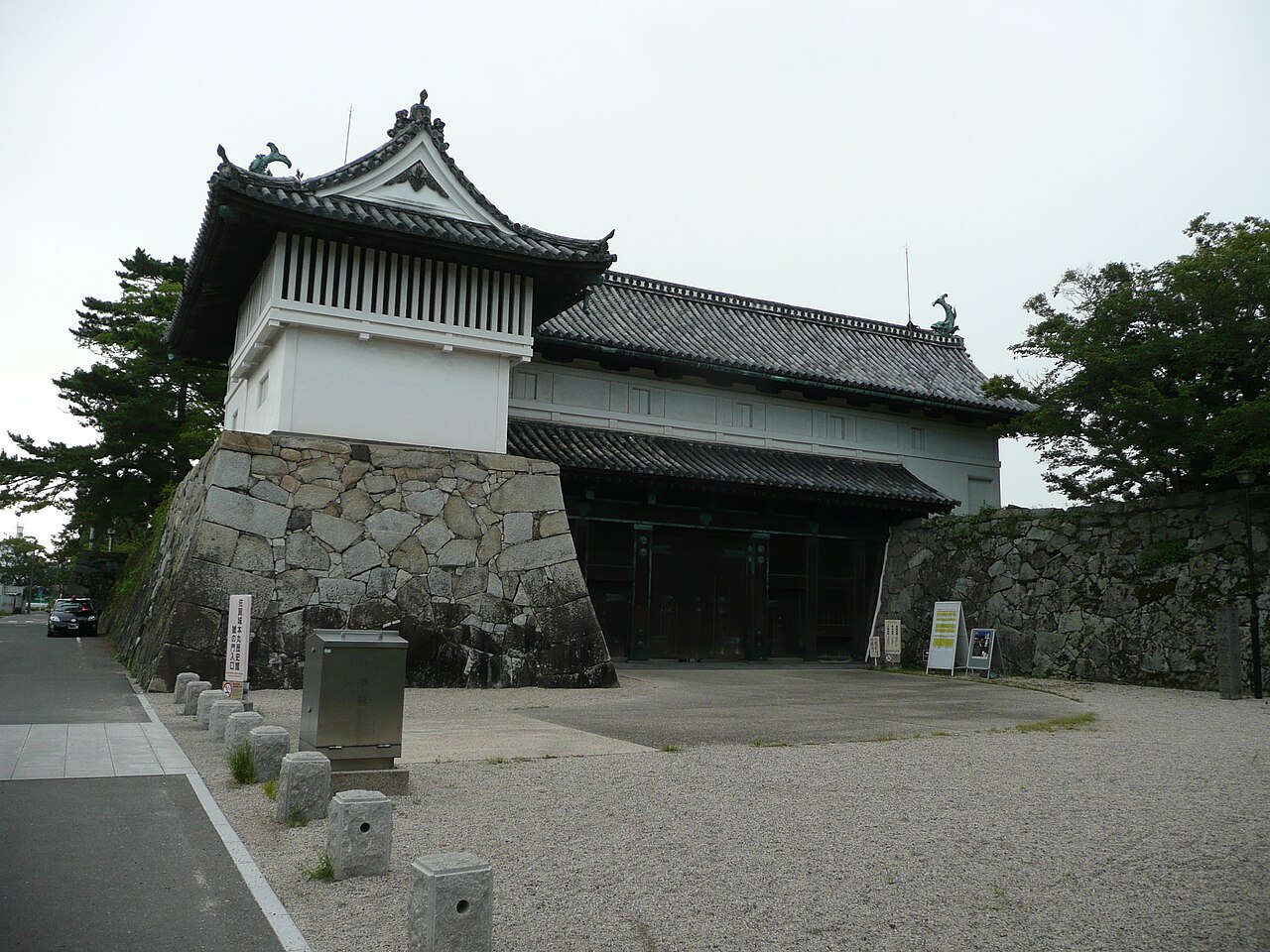
“Furniture and porcelain were not two industries in Saga — they were two outputs of one river. The Chikugo carried the timber to the joiners and the trade routes to the kilns.”
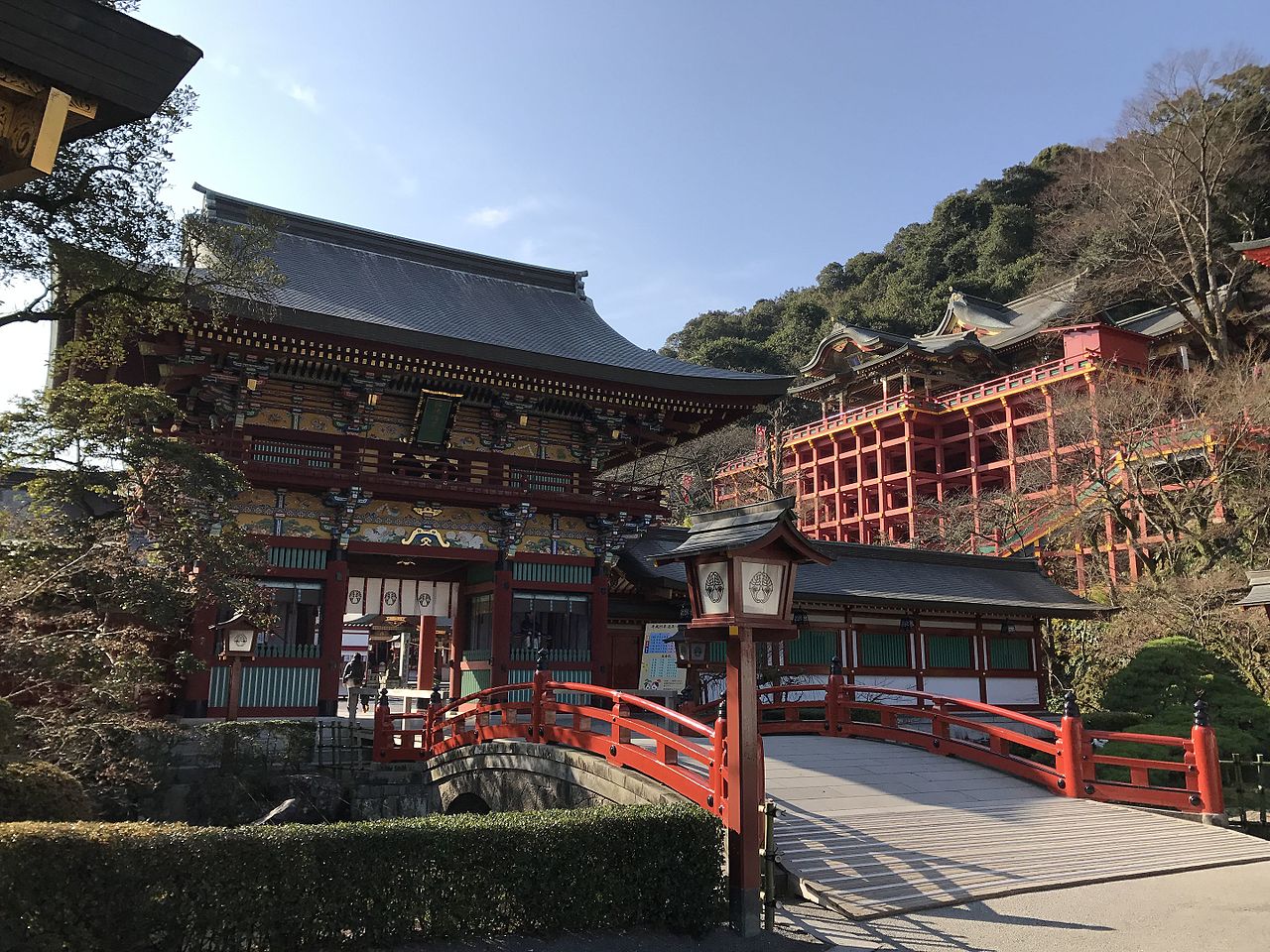
The joinery itself is the point. Sashimono joins wood with cut joints and driven pegs rather than nails or screws, so a well-made stool can be taken apart, re-wedged, and put back into service. That repairability is the continuity case made physical: a peg can be replaced where a glued or screwed joint, once it fails, usually cannot. The same peg-and-tenon discipline that lets a shrine gate stand for centuries lets a small stool outlast the household that bought it.
For wood species, oak is the heavier, more abrasion-resistant option for a stool that takes daily standing-and-stepping use, while paulownia (kiri) is the lighter, more dimensionally stable, insect-resistant wood Japan has long favored for movable pieces. The oil finish leaves the grain open rather than sealing it under a film, which is part of what makes future repair and re-oiling straightforward.
What it does well
Peg-and-tenon joinery can be disassembled and re-wedged, so the stool is built to be serviced rather than discarded.
An oil finish keeps the grain open and visible, and makes re-oiling at home simple compared to a film coating.
From a named district — the Okawa–Morodomi furniture belt — with a traceable boat-building-to-furniture history.
Works as a genkan bench, plant stand, child’s seat, or step stool — a small, mobile object rather than fixed furniture.
Weaknesses and things to verify before buying
- Published information is limited. Confirm the wood species and fit before ordering. Availability may change.
- Wood species selection may vary. The construction supports oak or paulownia, but the supplied species depends on the chosen variant — verify rather than assume.
- It is a low stool. Not a counter- or dining-height seat. If you need a tall stool, this is the wrong category.
- Oil finish is not waterproof. An open-grain oil finish resists nothing like a sealed film. Keep it away from standing water and wet-area or outdoor use unless the maker states otherwise.
- Solid wood moves. Real timber expands and contracts with humidity; an air-conditioned, low-humidity home may see seasonal movement. This is normal for sashimono and is part of why the joints are re-wedgeable.
- International shipping and customs. As a JP-sourced item it ships from Japan; factor in shipping time, possible customs duty above your local threshold, and the chance you may need a proxy forwarder if direct shipping is unavailable.
Conclusion — which buyer type are you?
You want documented district craft and lifetime repairability. Buy the oak version and plan to re-oil it; treat it as heirloom furniture.
You want a handsome, durable low stool and like the story. Either wood works; confirm dimensions fit your space first.
If price is the deciding factor, compare against mass-produced stools first — joinery and repairability carry a premium you may not need.
You need tall seating, a sealed waterproof surface, or guaranteed specs before purchase. This is not the piece for you.
Other ways to approach this purchase
Prices for handcrafted stools can fluctuate; if the purchase is not time-sensitive, monitor several retailers for a while before ordering.
Okawa–Morodomi workshops sell through local co-ops; English ordering is limited but can surface other species or sizes.
If you already hold Amazon balance or card rewards, apply them at checkout to offset international shipping.
If a Japanese craft retailer will not ship to your country, Buyee or Tenso can forward the parcel — at the cost of a handling fee and a second shipping leg.
❓ Frequently Asked Questions
What is sashimono, and why does it matter for a stool?
Sashimono is furniture assembled from cut joints and driven pegs rather than nails or screws. For a stool it matters because the joints can be disassembled, re-wedged, and repaired, so the piece is built to be serviced across generations instead of discarded when a joint loosens.
Does it ship outside Japan?
Saga Morodomi sashimono stools are most often sourced from Japanese craft retailers that ship internationally to major destinations. If direct shipping is unavailable, a proxy forwarder such as Buyee or Tenso can forward the parcel for a handling fee and a second shipping leg.
Oak or paulownia — which wood should I choose?
Oak is the heavier, more abrasion-resistant option for a stool that takes daily standing and stepping, while paulownia (kiri) is the lighter, more dimensionally stable, insect-resistant wood Japan has long favored for movable pieces. Confirm which species the seller will ship before ordering.
How do I care for the oil finish?
An oil finish keeps the grain open rather than sealing it under a film. Wipe with a dry or barely damp cloth, avoid standing water, and re-oil occasionally with a food-safe or furniture oil when the surface looks dry. This open finish is part of what makes future repair straightforward.
How is this different from the Okawa furniture across the river?
Morodomi (Saga side) and Okawa (Fukuoka side) sit on opposite banks of the Chikugo River and share one craft economy — the same tools, timber, and apprentice lineages. The Saga-side workshops grew under Nabeshima-domain patronage alongside the larger Okawa cluster. Practically, the joinery tradition is common to both banks.
Is the price reliable in this article?
Prices for handcrafted Morodomi stools vary with wood, size, joinery, and finish, so compare current offers rather than relying on a fixed figure. JPY is the reference currency for the craft.
Can I pair it with a cushion?
Yes. A flat seat cushion suits a low stool, and a Saga-made option keeps it within the same domain’s craft — a Nabeshima dantsu cotton chair pad, for example, is woven in the same prefecture and linked in the comparison box above.
jpmono.com is curated by a Japan-based editorial team (working out of Toyama in the Hokuriku region and Nara in Kansai) and is independent. We don’t take payment from the makers we feature; income comes from affiliate links. We don’t physically test every product — we read maker’s specifications and craft references.
This article was prepared with AI assistance and reviewed against the available craft references. Specifications, pricing, and availability should be confirmed with the retailer or maker before purchase.
Affiliate disclosure: jpmono.com may earn a commission on qualifying purchases made through links on this page, at no additional cost to you.