![Imari Nabeshima Iro-Nabeshima Porcelain Plate: The Shogun’s Secret-Kiln Ware, Where to Buy [2026]](https://jpmono.com/wp-content/uploads/2026/06/imari-nabeshima-iro-nabeshima-porcelain-plate-where-to-buy-2026-featured.jpg)
Iro-Nabeshima (色鍋島, “colored Nabeshima”) was never meant to be sold. It was the porcelain the Nabeshima clan, lords of the Hizen-Saga domain in northwestern Kyushu, made as gifts — formal tribute and presentation pieces for the Tokugawa shogun and a short list of allied daimyo. To protect the recipes and the painters who held them, the domain moved its official kiln deep into a narrow mountain valley at Okawachiyama, posted a checkpoint barrier at the valley mouth, and forbade the potters from leaving. People came to call it the village of the secret kilns.
The piece this guide is built around is a modern mamezara (豆皿, “bean plate”) — a small overglaze plate worked in the same idiom: a fine underglaze cobalt drawing laid down first, then red, yellow, and green enamels fired on top, finished with the comb-tooth foot (櫛高台, kushikodai) that is the signature tell of the Nabeshima tradition. It is small, but it carries a very specific lineage. Finished wares from this district were shipped out through the port of Imari, which is why the West came to call the whole family of Hizen porcelain “Imari” — a shipping label that stuck.
This article is for readers who want to understand what they are actually buying before they spend: where the style comes from, how it differs from Arita, Karatsu, and Kutani, what the comb-foot and the standardized plate sizes mean, and the realistic paths for buying a piece from outside Japan. We compare on heritage, technique, use-case, and shipping — not on hype.
🔄 Updated:
⏱ Read time: ~11 min
![Imari Nabeshima Iro-Nabeshima Porcelain Plate: The Shogun's Secret-Kiln Ware, Where to Buy [2026]](https://m.media-amazon.com/images/I/41+x3r5m-tL._SL500_.jpg)
- Who this is for — and who should skip it
- Product overview (from published specs)
- Where this comes from — place, era, and the secret kiln
- 📌 How does it compare?
- Price snapshot across stores
- What it does well
- Weaknesses and things to verify before buying
- Conclusion — which buyer type are you?
- Other ways to approach this purchase
- 🏆 Editor’s Pick
- ❓ Frequently Asked Questions
Who this is for — and who should skip it
- Want a small, usable piece tied to a specific, documented kiln tradition rather than generic “Japanese tableware.”
- Appreciate overglaze enamel (iro-e) work — the layered red / yellow / green over cobalt — and want it on a plate you can actually set on a table.
- Collect or gift mamezara small plates for condiments, sweets, a single piece of fruit, or as a chopstick rest’s larger cousin.
- Are building a set across Hizen and Kyushu porcelain (Arita, Hasami, Karatsu, Kutani) and want the Nabeshima idiom represented.
- Expect a genuine Edo-period domain-kiln antique — this is a modern piece worked in the historical style, not a 17th-century original.
- Want a large dinner plate; mamezara are small by definition.
- Need dishwasher- and microwave-proof everyday ware — hand-painted overglaze enamel rewards hand-washing.
- Are price-shopping for plain white porcelain; the value here is the painting and the lineage, not the raw material.
- Want a single confirmed live price before clicking — the fetched data did not include one (see the price snapshot below).

Product overview (from published specs)
The table below reflects what was present in the source data plus the documented characteristics of the Iro-Nabeshima style. Where the listing data did not contain a value, the cell says so plainly rather than guessing.
Imari Nabeshima Iro-Nabeshima Porcelain Plate
色鍋島焼 飾り豆皿 3枚セット 花と波模様
通常6~7日以内に発送します。 · Sold by ぽぽななショップ · ASIN B0GSSZTRC6
Price and availability as of 2026-08-31 02:30 JST. The Amazon listing at the time of purchase is authoritative. jpmono.com earns a commission on qualifying purchases at no extra cost to you.
| Attribute | Detail |
|---|---|
| Item | Imari-Arita Iro-Nabeshima style mamezara (small plate) |
| Material | Porcelain (white kaolin body) |
| Decoration | Underglaze cobalt blue (sometsuke) + overglaze red / yellow / green enamel (iro-e) |
| Signature feature | Comb-tooth foot ring (kushikodai); patterns drawn from the Nabeshima repertoire (cloisonné/shippō, peony, magnolia) |
| Origin | Imari / Arita, Saga Prefecture, Kyushu (historic Hizen domain) |
| Diameter | Unconfirmed — check listing (mamezara are typically small, roughly a 3-sun/≈9 cm class in the historic size standard) |
| ASIN (Amazon JP) | B0GSSZTRC6 |
| Price | Not present in fetched data — verify on the live listing |
Data note: the Amazon US search source returned no individual listings, and the fetched snapshot did not include a price or confirmed dimensions for ASIN B0GSSZTRC6. Only the Amazon JP Global Store listing reference is available; live pricing and exact dimensions may have shifted since the writing date. Always confirm at the retailer.
📖 Glossary — key terms in this article
- Iro-Nabeshima (色鍋島) — “colored Nabeshima”; the overglaze-enamel pinnacle of the Nabeshima domain kiln, cobalt underdrawing finished with red, yellow, and green.
- Sometsuke (染付) — underglaze cobalt-blue painting, applied before the clear glaze and the main firing.
- Iro-e (色絵) — overglaze enamel painting, fired on at a lower temperature after glazing.
- Kushikodai (櫛高台) — the “comb-tooth foot,” a foot ring painted with a row of fine combed strokes; a Nabeshima identity mark.
- Mamezara (豆皿) — a “bean plate,” a very small plate used for condiments, pickles, sweets, or a single morsel.
- Sekisho (関所) — an Edo-period checkpoint barrier; the domain set one at the mouth of the Okawachiyama valley to control who entered and left.
- Himagama (秘窯) — “secret kiln”; the nickname for the guarded Okawachiyama works.
- Sun / shaku (寸 / 尺) — traditional length units; 1 sun ≈ 3 cm, 1 shaku ≈ 30 cm. Nabeshima plates were standardized at 1-shaku, 7-sun, 5-sun, and 3-sun diameters.

Where this comes from — place, era, and the secret kiln

Saga occupies the northwestern corner of Kyushu, Japan’s southwestern main island, in the historic province of Hizen. This is the cradle of Japanese porcelain. The raw reason is geological: a hill at Izumiyama in nearby Arita yields porcelain stone, the white, kaolin-rich rock that can be ground, thrown, glazed, and fired into translucent porcelain rather than ordinary earthenware. Around that resource a dense cluster of kilns grew — Arita, Hasami just over the line in Nagasaki, and the Nabeshima domain works at Okawachiyama.
Okawachiyama itself is not on the coast. It is a steep-sided valley folded back into the hills behind Imari, and that seclusion was the entire point.
- c. 1616 — Porcelain stone is found at Izumiyama in Arita and Japan’s first true porcelain is fired in the Hizen domain.
- mid-1600s — The Nabeshima clan establishes an official domain kiln to produce presentation porcelain for the shogunate, moving it through several sites to keep methods controlled.
- c. 1675 — The domain relocates the kiln deep into the Okawachiyama valley, posts a checkpoint barrier (sekisho) at the mouth, and forbids the potters from leaving — the “secret kiln” era begins.
- late 1600s (Genroku) — Iro-Nabeshima reaches its technical and artistic peak; plate diameters are standardized (1-shaku, 7-sun, 5-sun, 3-sun) and the comb-tooth foot becomes a fixed identity mark.
- 1871 — The Meiji abolition of the domains removes the kiln’s patron; Okawachiyama potters shift toward commercial production while keeping the techniques.
- 1977 — Imari-Arita ware is designated a Traditional Craft (dentōteki kōgeihin) by Japan’s trade ministry.
- 2026 — Okawachiyama remains active as the “village of the secret kilns,” and pieces in the Iro-Nabeshima idiom are still made for everyday and gift use.
Through the Edo period (1603–1868), the Nabeshima lords ran this kiln as an instrument of statecraft, not commerce. Its best work — the colored Iro-Nabeshima — was reserved as tribute and presentation gifts to the Tokugawa shogun in Edo and to a narrow circle of senior daimyo. It was not put on the open market. To keep rival domains from copying the painters’ formulas and the kiln’s firing knowledge, the domain physically sealed the valley.
“The plates left the valley as gifts for a shogun, not as goods for a shop — which is why, for two centuries, almost no one outside the court ever held one.”
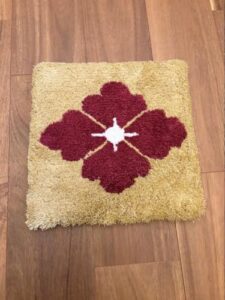
That history is why the design language is so disciplined. Sizes were standardized; the back of every plate carried the combed foot ring; the front patterns came from a controlled repertoire of motifs such as the seven-treasure (shippō) lattice, peony, and magnolia. This was porcelain made to a court standard, repeatedly, by hands that were not allowed to drift. Within the same domain economy, the Nabeshima lords ran a second luxury craft under the same kind of tight control — the hand-knotted Nabeshima Dantsu carpets — and the two together stand as the domain’s twin high crafts.
One naming point that confuses many international buyers: this porcelain is widely sold as “Imari.” Imari is the port, not the kiln. Finished Hizen wares were shipped out through Imari harbor, and Dutch and other traders labeled the cargo by its port of departure. So “Imari ware,” “Arita ware,” and “Nabeshima ware” overlap as terms — the same Hizen porcelain world seen from the dock, the town, and the domain kiln, respectively.

📌 How does it compare?
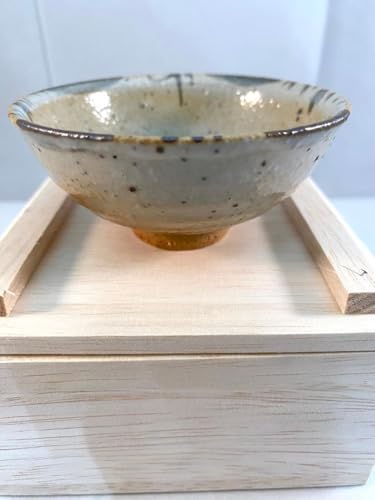
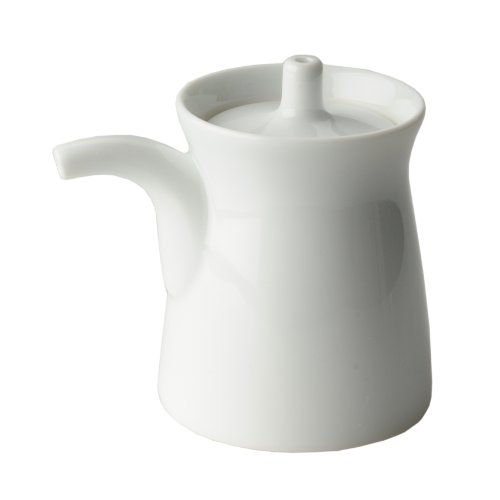
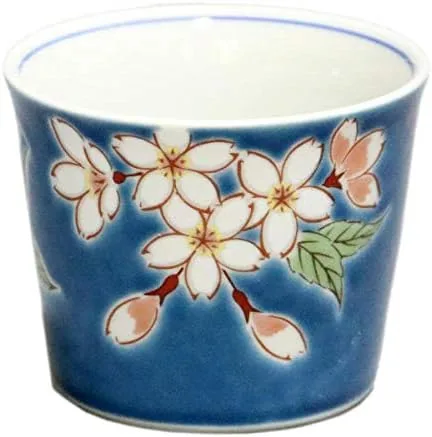
Related jpmono guides — porcelain, Hizen neighbors, and the clan’s other crafts:
Price snapshot across stores
The fetched data did not include a confirmed price for this item, so the JPY/USD cells below are marked accordingly. JPY is the authoritative currency for the sourced listing; any USD figure elsewhere on the page is an estimate at a ¥150/USD baseline.
| Store | Item / variant | Price | Notes |
|---|---|---|---|
| 🇺🇸 Amazon.com (US) | Browse Japanese porcelain plates | varies (USD) | Best if you are shopping from the US — Prime shipping, USD pricing, no international customs. Amazon US carries Japanese porcelain from Arita, Hasami, Kutani and other makers, useful for comparing patterns and price tiers. The specific Nabeshima-style piece is sourced from Japan (next row). |
| 🇯🇵 Amazon JP Global Store | Iro-Nabeshima style mamezara (ASIN B0GSSZTRC6) | Not in fetched data — verify on listing | Ships internationally from Japan to most major destinations. This is the sourced listing for the exact piece in this guide. |
| Maker direct | Okawachiyama / Arita kiln shops | varies | Individual Nabeshima kilns sell through their own sites and the Okawachiyama district; selection is wider but international shipping is case-by-case. |
| Proxy services (Buyee / Tenso) | Any JP-only listing | item + fee + forwarding | Use when a piece is listed only on Japan-domestic shops; adds a service fee and a consolidation/forwarding step. |
Prices and availability fluctuate. Always confirm the current figure at the retailer before purchasing. USD values are approximate at a ¥150/USD baseline as of mid-2026; the JPY price is authoritative.
What it does well
Weaknesses and things to verify before buying
- It is a modern piece, not an antique. This is contemporary work in the Iro-Nabeshima style. If you specifically want an Edo-period domain-kiln original, this listing is not that, and authentic antiques carry very different pricing and provenance requirements.
- No confirmed price in the data. The fetched snapshot did not include a price for ASIN B0GSSZTRC6. Confirm the live figure before you commit.
- Dimensions unconfirmed. The exact diameter was not in the data. If size matters to you (chopstick rest vs. condiment plate vs. small serving), check the listing’s measurements.
- Overglaze enamel needs care. Hand-painted iro-e rewards gentle hand-washing; aggressive dishwasher cycles and metal scouring can wear overglaze color over time. Microwave suitability is not confirmed in the data.
- “Imari / Arita / Nabeshima” labeling varies. Sellers use these terms loosely. Confirm the piece actually shows the Nabeshima hallmarks (comb-foot, the cobalt-plus-three-color scheme) if that specific tradition is what you want.
- International shipping and customs. Buying via the Amazon JP Global Store or a proxy adds shipping cost and possible import duty depending on your country’s thresholds. Factor that into the total.
Conclusion — which buyer type are you?
Other ways to approach this purchase
🏆 Editor’s Pick
❓ Frequently Asked Questions
What is the difference between Iro-Nabeshima and ordinary Imari/Arita ware?
Iro-Nabeshima was made at the Nabeshima clan’s official domain kiln as presentation gifts for the shogun and senior daimyo, to a controlled court standard — fine cobalt underdrawing finished with red, yellow, and green overglaze, plus a comb-tooth foot and standardized plate sizes. Ordinary “Imari/Arita” porcelain includes the large commercial and export output of the same Hizen region, much of it blue-and-white made for the open market.
Why is it called “Imari” if it was made at Okawachiyama?
Imari is the port, not the kiln. Finished Hizen porcelain was shipped out through Imari harbor, so traders labeled the cargo by its port of departure. The name stuck as a generic Western term for the whole family of Hizen porcelain, even though the actual kilns were in Arita and, for Nabeshima ware, the Okawachiyama valley behind Imari.
Is this a genuine domain-kiln antique or a modern reproduction?
This is a modern piece made in the Iro-Nabeshima style, not a 17th-century domain-kiln original. It carries the traditional design vocabulary, but if you specifically want a genuine Edo-period antique you should work with specialist dealers who can provide provenance, which is a different market and price level.
Can I use it in the dishwasher or microwave?
Hand-painted overglaze enamel is best hand-washed; harsh dishwasher cycles and metal scouring can wear the overglaze color over time. Microwave suitability was not stated in the fetched data, so check the listing — and avoid the microwave entirely if the piece has any metallic (gold/silver) accents.
Does Amazon JP Global Store ship this internationally?
The Amazon JP Global Store ships many household items to most major international destinations, and this item is sourced from that store. Confirm that your country is listed as a shipping destination at checkout, and budget for shipping plus any import duty your country charges above its de minimis threshold.
What is the comb-tooth foot (kushikodai) and why does it matter?
The kushikodai is the foot ring on the underside, painted with a row of fine combed strokes. It is a signature identity mark of the Nabeshima tradition, so checking the foot is one of the quickest ways to tell whether a plate genuinely belongs to the Nabeshima idiom rather than generic Imari/Arita ware.
What size is a mamezara, and what is it used for?
A mamezara (“bean plate”) is a small plate, historically in the roughly 3-sun (≈9 cm) class of the Nabeshima size standard. It is used for condiments, pickles, a few sweets, a single piece of fruit, or as a soy-sauce rest, and it doubles as a small display piece. The exact diameter of this listing was not in the fetched data, so confirm it on the live page.
jpmono.com is curated by a Japan-based editorial team (working out of Toyama in the Hokuriku region and Nara in Kansai) and is independent. We do not take payment from the makers we feature; income comes from affiliate links. We do not physically test every product — we read maker specs and source listings. Read more about our editorial standards on our About page.
Note: this article was prepared with AI assistance and reviewed against the fetched listing data and documented craft history. Where the source data was incomplete (notably price and exact dimensions), the gaps are stated explicitly rather than filled by guessing.
Affiliate disclosure: jpmono.com may earn a commission on qualifying purchases made through links on this page, at no additional cost to you.