![Kurashiki Hanpu Canvas Tote: Okayama Shuttle-Loom Bag Guide [2026]](https://jpmono.com/wp-content/uploads/2026/05/kurashiki-hanpu-canvas-tote-where-to-buy-2026-featured.jpg)
The Kurashiki hanpu (倉敷帆布, “Kurashiki canvas”) tote is a plain, dense cotton bag woven in the old cotton port of Kurashiki, in Okayama Prefecture on Japan’s Inland Sea coast. The piece this guide centers on is a Baistone tote made by Takeyari, a Kurashiki canvas weaver founded in 1888. Its defining feature is not a logo or a finish but the cloth itself: a thick No.8 cotton hanpu woven on vintage low-tension shuttle looms that pack the weft slowly, producing a fabric noticeably denser and stiffer than the high-speed canvas used in most commodity totes.
Canvas like this began life as industrial material — sailcloth for boats and edging tape for tatami mats — before it was ever cut into bags. That industrial lineage is the point. Kurashiki and the neighboring Kojima district grew from Edo-period cotton fields into the heart of modern Japanese canvas and denim, and the same low-tension weaving culture that made the area Japan’s denim capital also produces this tote. For an international reader, it sits at an interesting intersection: an everyday object, made in a picturesque preserved merchant town, with a genuine textile-industry pedigree behind it.
This guide is written for readers outside Japan deciding whether a Kurashiki hanpu tote is worth sourcing from abroad. It covers what the available listing data actually confirms (and what it does not), where the craft comes from, how to buy it from outside Japan, and — honestly — who should skip it. Where the data is thin, this article says so plainly rather than guessing.
🔄 Last updated: May 25, 2026
⏱ Read time: ~9 min

- Who this is for — and who should skip it
- Product overview (from published specs)
- Where this comes from — place, era, and the craft tradition
- Which finish should you choose?
- Price snapshot across stores
- 📦 Shipping & where to buy from outside Japan
- What it does well
- Weaknesses and things to verify before buying
- Conclusion — which buyer type are you?
- Other ways to approach this purchase
- 🏆 Editor’s Pick
- ❓ Frequently Asked Questions
Who this is for — and who should skip it
- Want a plain, structured cotton tote that holds its shape rather than slumping
- Like objects that age — canvas that softens and patinas with daily use
- Value verifiable provenance (a named Kurashiki weaver, in business since 1888)
- Prefer natural cotton over coated synthetics for an everyday carry
- Are comfortable buying from Amazon JP Global Store and waiting for international shipping
- Need a waterproof bag — untreated cotton canvas is not water-resistant
- Want the lightest possible tote; dense No.8 canvas is heavier than thin cotton
- Need confirmed exact dimensions or capacity before buying (not in current data)
- Are price-shopping for the cheapest tote — this is a craft-grade item
- Want zip closures, padding, or laptop compartments — this is a simple open tote
Product overview (from published specs)
The table below reflects only what the available Amazon JP listing snapshot confirms, plus general facts about the maker drawn from the source notes. Fields not present in the dataset are marked rather than guessed. Only the Amazon JP listing snapshot is available for this item; live pricing and exact measurements may have shifted since the writing date and should be verified at the listing.
Kurashiki Hanpu Canvas Tote
[ブレイヴ] トートバッグ レディース 小さめ ミニ【倉敷帆布】おしゃれ 人気 上品 カジュアル 日本製 キャンバス キャンパス ミニトート ランチバッグ 通勤 通学 自立型 軽量 軽い マチ広 肩掛け 手提げ 2way 使いやすい (モカグレー)
在庫あり。 · Sold by やさしい暮らし · ASIN B0F6MKYFH1
Price and availability as of 2026-08-31 02:30 JST. The Amazon listing at the time of purchase is authoritative. jpmono.com earns a commission on qualifying purchases at no extra cost to you.
| Attribute | Detail (per available listing data) |
|---|---|
| Item | Baistone Kurashiki hanpu canvas tote (ASIN B0F6MKYFH1) |
| Maker / line | Takeyari (founded 1888); Baistone is its consumer bag line |
| Material | Thick No.8 cotton hanpu (canvas) |
| Weave | Low-tension shuttle loom (slow weft packing → denser cloth) |
| Origin | Kurashiki, Okayama Prefecture (Chūgoku region, Japan) |
| Dimensions / capacity | Not stated in available listing data — verify at Amazon JP |
| Weight | Not stated in available listing data — verify at Amazon JP |
| Colorways | Not enumerated in available data — check the listing’s variant options |
| Price | Not shown in the listing snapshot — verify current ¥ price at Amazon JP |
“This canvas began as sailcloth, not as a fashion fabric — the toughness is original equipment, not a marketing claim.”
📖 Glossary — key terms used in this guide
- Hanpu (帆布, “canvas / sailcloth”) — a heavy, tightly woven plain-weave cotton fabric. The name literally means “sail cloth”; it was historically used for boat sails and industrial covers.
- No.8 (号, “gō”) — Japanese canvas is graded by number, where a lower number means a heavier, thicker cloth. No.8 is a mid-heavy weight commonly used for sturdy bags; numbers like No.11 are lighter, No.6 heavier.
- Shuttle loom — an older loom type that passes the weft thread back and forth slowly under low tension. It is far slower than modern high-speed looms but packs the weave more densely.
- Tenryō (天領) — territory governed directly by the Edo-period shogunate rather than by a regional lord. Kurashiki held this status, which shaped its merchant-town development.
- Monozukuri (ものづくり, “the making of things”) — the Japanese ethic of craftsmanship and manufacturing pride; used here to describe the region’s textile culture.
- Bikan (美観地区, “scenic district”) — Kurashiki’s preserved canal-side historic quarter of white-walled merchant warehouses.
Where this comes from — place, era, and the craft tradition

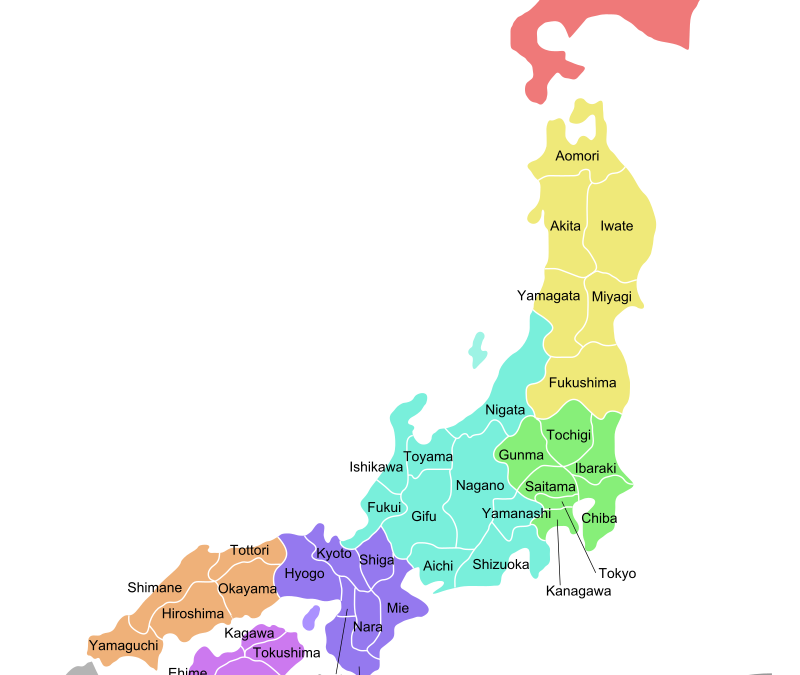
Kurashiki sits in the southern part of Okayama Prefecture, on the Seto Inland Sea side of western Honshu. The land here is not ancient farmland but reclaimed ground: the shallow flats of the former Kojima Bay were diked and drained over the Edo period, and the new soil was salt-tolerant in a way that favored cotton. Cotton became the region’s cash crop, and where there is cotton, spinning and weaving follow.
Kurashiki was administered as tenryō — land governed directly by the Tokugawa shogunate rather than by a feudal domain. That status helped it grow as a merchant and warehouse town, the white-walled storehouses along its canal forming what is today the preserved Bikan historic district. The same canal that once moved rice and cotton bales now anchors the town’s craft-tourism identity, which is part of why a plain canvas bag from here carries a recognizable place-name.
- 1603–1868 (Edo period) — Kurashiki administered as tenryō; Kojima Bay flats reclaimed and planted with salt-tolerant cotton, the region’s cash crop.
- 18th–19th c. — Local cotton seeds a spinning, weaving, and rope/sailcloth trade around Kurashiki and Kojima.
- 1888 — Takeyari established as a canvas (hanpu) weaver in the Kurashiki area.
- Early–mid 20th c. — Hanpu woven mainly as industrial sailcloth and tatami-edge fabric (heri), not yet as fashion goods.
- Mid–late 20th c. — The neighboring Kojima district becomes widely cited as the birthplace of Japan-made jeans; the area’s canvas and denim gain a national reputation.
- 2010s–2026 — Baistone markets Takeyari’s shuttle-loom canvas as consumer bags; the Bikan district frames Kurashiki’s monozukuri story for visitors.
The cotton base did more than supply local looms. Kurashiki and Kojima became the heart of modern Japanese canvas and denim, with Kojima widely cited as the birthplace of Japan-made jeans. The shuttle-loom weaving culture that made world-renowned selvedge denim possible is the same culture that produces this hanpu tote — slow looms, dense cloth, an industrial fabric repurposed for daily life.
What “still being made here” means in this case is a continuous weaving line rather than a revived one. Takeyari has woven canvas in the Kurashiki area since 1888, and Baistone is its present-day consumer bag label. The shuttle looms that define the product are valued precisely because they are old and slow: a modern high-speed loom would weave faster but could not pack the weft as tightly, which is the entire reason the cloth feels the way it does.
Which finish should you choose?
This piece is listed in 4 finishes. The photos below are the actual 色 options on the listing right now — pick the one you want and confirm it on the product page before ordering, since hand-finished wares vary slightly piece to piece.
![Kurashiki Hanpu Canvas Tote: Okayama Shuttle-Loom Bag Guide [2026] — キナリ finish](https://m.media-amazon.com/images/I/41lolWPEY8S._SL500_.jpg)
![Kurashiki Hanpu Canvas Tote: Okayama Shuttle-Loom Bag Guide [2026] — インディゴ finish](https://m.media-amazon.com/images/I/41uL5+S8X7S._SL500_.jpg)
![Kurashiki Hanpu Canvas Tote: Okayama Shuttle-Loom Bag Guide [2026] — グレージュ finish](https://m.media-amazon.com/images/I/41YyadwW9jS._SL500_.jpg)
![Kurashiki Hanpu Canvas Tote: Okayama Shuttle-Loom Bag Guide [2026] — ブラック finish](https://m.media-amazon.com/images/I/31JPUADMRHL._SL500_.jpg)
Price snapshot across stores
USD figures are approximate estimates at a ¥150/USD baseline as of May 2026; the JPY price is authoritative for the specific listed item. No price was present in the listing snapshot at the time of writing, so the figures below direct you to verify live pricing rather than stating an amount.
| Store | Item / variant | Price (JPY + USD est.) | Notes |
|---|---|---|---|
| 🇺🇸 Amazon.com (US) | Browse Japanese canvas tote bags | varies (USD) | Best if you are shopping from the US — Prime shipping, USD pricing, no international customs. Amazon US carries a range of Japanese cotton canvas and tote bags useful for comparison; the exact Baistone Kurashiki piece is sourced from Japan (next row). |
| 🇯🇵 Amazon JP Global Store | Baistone No.8 Kurashiki hanpu tote (B0F6MKYFH1) | Not shown in snapshot — verify at listing | The specific item in this guide. Ships internationally from Japan to most major destinations via Amazon JP Global Store. |
| Maker direct | Takeyari / Baistone range | Unconfirmed — check manufacturer site | The maker sells canvas goods directly in Japan; international shipping terms were not in the dataset — confirm before ordering. |
| Proxy services (Buyee / Tenso) | Any JP-domestic listing | Item price + proxy & forwarding fees | A fallback if a variant is JP-domestic only. Adds a service fee plus forwarding shipping; useful for colors not on the Global Store. |
📦 Shipping & where to buy from outside Japan
Customs and duties: a single low-value cotton bag is usually under most countries’ duty thresholds, but rules vary — check your local import limits. Prices in USD are approximate and depend on the current exchange rate.
What it does well
Weaknesses and things to verify before buying
- No confirmed dimensions or capacity. The available listing data does not state size or volume. If you need the bag to fit a specific laptop or A4 binder, confirm measurements on the listing first.
- Price was not in the snapshot. This guide does not quote a figure because none was available; check the live ¥ price before committing.
- Not waterproof. Untreated cotton canvas absorbs water and can spot. It is not the bag for a rainy commute without a liner or treatment.
- Heavier than synthetic totes. Dense No.8 canvas weighs more than thin cotton or nylon; minimalists carrying very little may find it more bag than they need.
- Possible color transfer / stiffness when new. Raw or deep-dyed canvas can feel stiff at first and, in dark colors, may transfer dye until washed and broken in. Behavior depends on the specific colorway, which is unconfirmed here.
- International shipping and customs add cost. The bag is inexpensive to ship as a textile, but forwarding fees or duties can change the all-in price; budget for them.
- Care matters. Cotton can shrink and crease; follow the listing’s wash guidance rather than assuming machine-washability.
Conclusion — which buyer type are you?
Other ways to approach this purchase
🏆 Editor’s Pick
❓ Frequently Asked Questions
Does Amazon JP Global Store ship this tote internationally?
What does “No.8 hanpu” mean?
How is shuttle-loom canvas different from a regular canvas tote?
Is this related to Kojima / Japanese denim?
How should I care for a cotton canvas tote?
Are Takeyari and Baistone the same thing?
Will the canvas soften over time?
jpmono.com is curated by a Japan-based editorial team (working out of Toyama in the Hokuriku region and Nara in Kansai) and is independent. We do not take payment from the makers we feature; income comes from affiliate links. We do not physically test every product — we read maker specs and source listings. Read more about our editorial standards.
Editorial note: this article was prepared with AI assistance and reviewed against the available product listing data. Specifications, pricing, and availability were thin or absent in the source snapshot where noted; verify current details at the retailer before purchasing.
Affiliate disclosure: jpmono.com may earn a commission on qualifying purchases made through links on this page, at no additional cost to you.