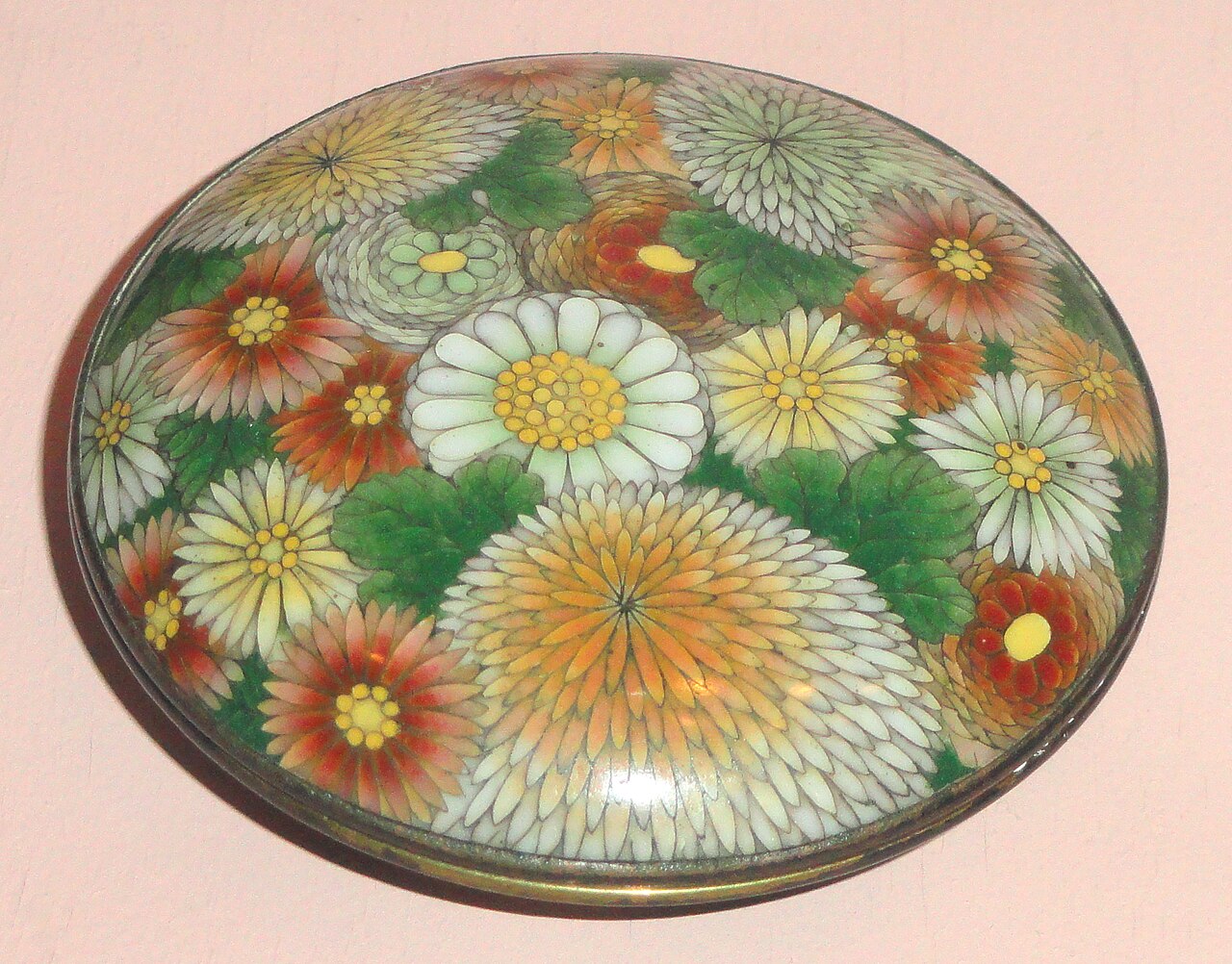
A chopstick rest is one of the smallest objects on a Japanese table, and Owari Shippō (尾張七宝, “Owari cloisonné”) treats it as a canvas. Each hashioki (箸置き, “chopstick rest”) in a set like this is a few centimeters of copper or silver base, partitioned by hair-fine silver wires bent into cells, flooded with vitreous glass enamel, then fired and polished until the surface reads like a sliver of stained glass. The craft comes from Ama City and Nagoya in Aichi Prefecture — the region where Japanese cloisonné was effectively born in the 1830s.
What makes Owari Shippō notable internationally is not novelty but primacy. This is the lineage that produced Meiji-era Japan’s flagship export art, the cloisonné that drew crowds at the Vienna World Exposition of 1873 and put workshops such as Ando Cloisonné (安藤七宝店) on the rolls of the Imperial Household. The wirework (yūsen 有線, “wired”) and the graded, semi-translucent enamels are the signature: jewel-bright color held inside a drawn-silver outline.
This guide is written for international buyers weighing whether a small, gift-scaled piece of that tradition belongs on their table. We cover what the craft actually is, where it comes from, how to buy it from outside Japan, where it fits among other Japanese metal-and-glass crafts, and — honestly — who should skip it. Note up front: Owari Shippō chopstick-rest pricing varies by maker and by enamel work, so figures below are described as unconfirmed rather than guessed.
🔄 Updated:
⏱️ Read time: ~12 min
Who this is for — and who should skip it
- Want a small, giftable piece of a documented Japanese craft tradition rather than a large investment object.
- Appreciate enamel-and-metal work — stained glass, champlevé, vitreous jewelry — and want its Japanese counterpart.
- Set a table where a few jewel-bright accents matter (kaiseki-style place settings, tea gatherings, special meals).
- Are buying a wedding, anniversary, or hostess gift that travels flat and survives a suitcase.
- Like collectible sets where each piece in the set can differ slightly by hand.
- Want everyday, knock-around tableware — glass enamel can chip if dropped on a hard floor.
- Need dishwasher- and microwave-safe items with no special handling.
- Are price-sensitive and would rather buy a bulk set of plain ceramic or wooden rests.
- Expect fast, in-country shipping — most of these pieces ship from Japan.
- Dislike variation, and want every piece in a set to be machine-identical.
Product overview (from published specs)
Published specification data for Owari Shippō chopstick-rest sets varies by maker and retailer. The values below combine broader, verifiable facts of the Owari Shippō craft with details that can differ in enamel work, size, and form.
| Attribute | Detail | Source |
|---|---|---|
| Object | Chopstick rest set (hashioki), Owari Shippō cloisonné | Title |
| Craft | Yūsen-shippō (silver-wired cloisonné) — vitreous glass enamel over metal | Craft record |
| Base metal | Copper or silver (traditional Owari Shippō construction) | Craft record |
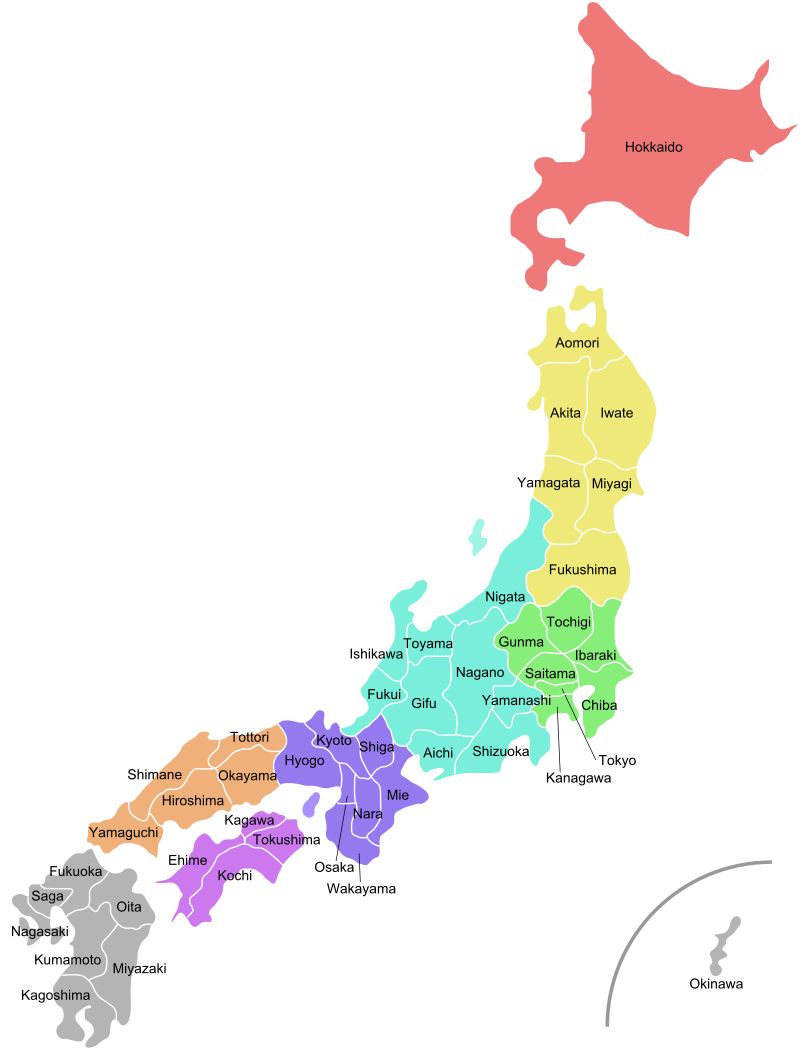
| Origin | Ama City / Nagoya, Aichi Prefecture, Japan | Craft record |
| Designation | National traditional craft (designated 1995) | METI record |
| Dimensions / weight | Varies by maker | Not in data |
| Price | — | Not in data |
International buyers may compare Japanese retailers and maker-direct channels. Overseas availability and prices can change with the season and the source.
📖 Glossary — key terms
- shippō (七宝, “seven treasures”) — the Japanese word for cloisonné enamel; the name evokes the seven precious materials of Buddhist scripture.
- yūsen-shippō (有線七宝, “wired cloisonné”) — the technique where fine silver wires are bent into cell outlines before the enamel is filled in; Owari’s signature. (Its counterpart, musen 無線, is wireless.)
- hashioki (箸置き) — a chopstick rest; keeps the eating ends off the table between bites.
- Owari (尾張) — the old provincial name for western Aichi, centered on Nagoya.
- gosanke (御三家, “three honorable houses”) — the three senior Tokugawa branch families; Owari was the highest-ranked.
Related jpmono guides to other Japanese metal, glass, and Chūbu-region crafts — useful for comparing material, price tier, and use.
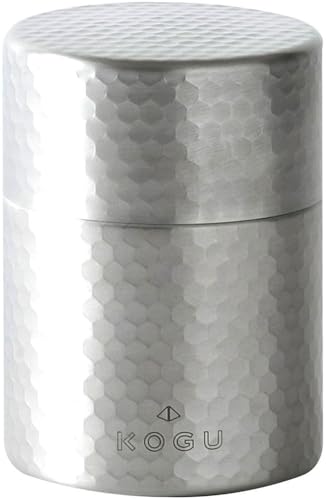 Kaikado tin caddyHand-finished tin tea storage
 Kuwana cast iron (Chūbu metal)Aichi-neighbor ironware tradition
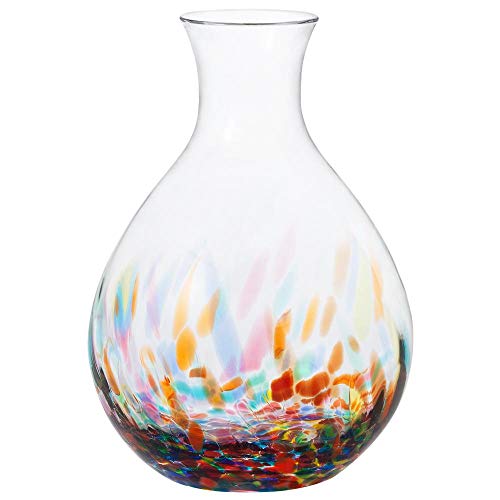 Tsugaru Bidoro glassColored glass craft for contrast
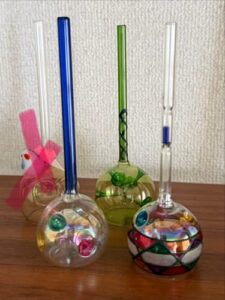 Nagasaki Bidoro glassDutch-trade glass lineage
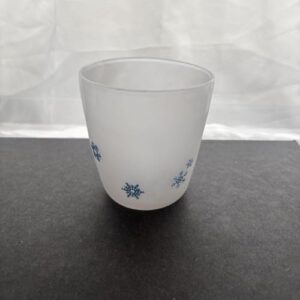 Otaru hand-blown glassVitreous craft comparison
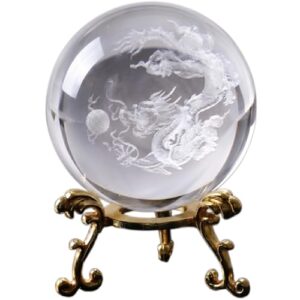 Koshu crystal (Chūbu)Polished-material Chūbu craft
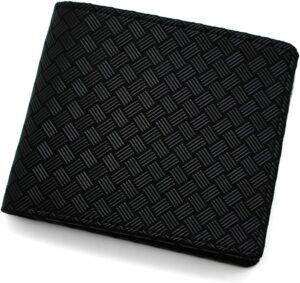 Koshu Inden wallet (Chūbu craft)Giftable small Chūbu craft
Buying considerations
Owari Shippō chopstick-rest pricing varies by maker and by enamel work. JPY is the usual reference currency for Japanese retail goods; any USD figure is an estimate at a ¥150/USD baseline. Prices and availability fluctuate over time.
| Store | Item / Variant | Price (JPY + USD est.) | Notes |
|---|---|---|---|
| 🇺🇸 Amazon US (search) | Browse Japanese cloisonné & enamel tableware | varies (USD) | Best if you’re shopping from the US — Prime shipping, USD pricing, no international customs. Amazon US carries Japanese enamel, glass, and tableware from various makers; this exact Owari Shippō set is sourced from Japan (next row). |
| 🇯🇵 Amazon JP Global Store | Owari Shippō cloisonné hashioki set (item B0827HBT69) | — | International shipping option from Japan; confirm destination coverage and fees before ordering. |
| Maker direct | Ando Cloisonné & Ama City workshop shops | varies (JPY) | Established Owari Shippō houses sell directly; selection is broader but international shipping terms vary by shop. |
| Proxy services (Buyee / Tenso) | Forwarding for Japan-only shops | item + fee + forwarding | Use when a workshop or marketplace does not ship abroad directly; adds a service fee and a consolidation step. |
What it does well
Weaknesses and things to verify before buying
- Glass enamel can chip. The surface is vitreous glass over metal; a drop onto a hard floor or sink can crack or chip it. Treat it as semi-fragile, not everyday-rugged.
- Care is hand-wash, not dishwasher. Abrasive scrubbing and harsh detergents can dull the polish; gentle hand-washing is the safe assumption.
- It ships from Japan. Expect international transit times and possible customs handling, not next-day domestic delivery. Build in lead time for gifts.
- Hand variation is inherent. Pieces in a set may differ slightly in wire placement and color depth. That is a feature of handwork, but buyers wanting machine-identical pieces will be disappointed.
Where this comes from
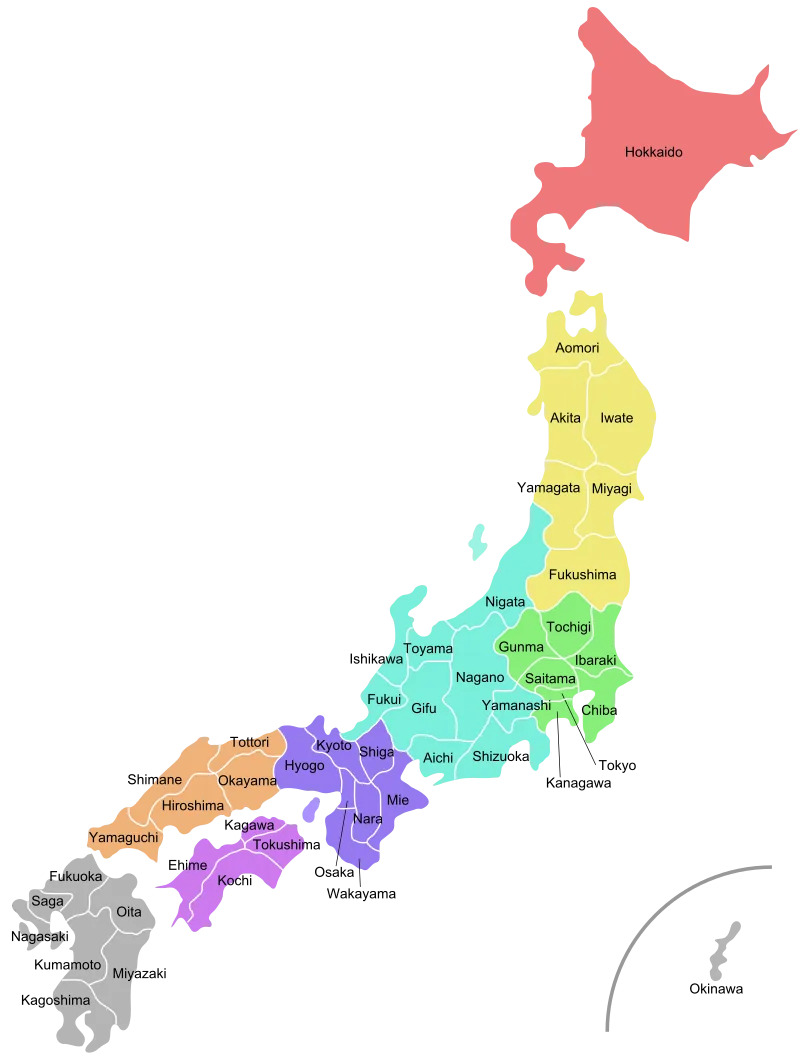
Aichi Prefecture occupies the heart of the Chūbu region, where the Nōbi Plain — one of Japan’s broadest lowlands — meets Ise Bay. Nagoya is its capital and Japan’s fourth-largest city; immediately to the west lies Ama City, a cluster of former towns whose central district carries the name Shippō-chō (七宝町), “Cloisonné Town.” The flat, well-watered plain and the wealth of a major castle town gave the area the workshops, capital, and skilled hands that a metal-and-glass craft demands.
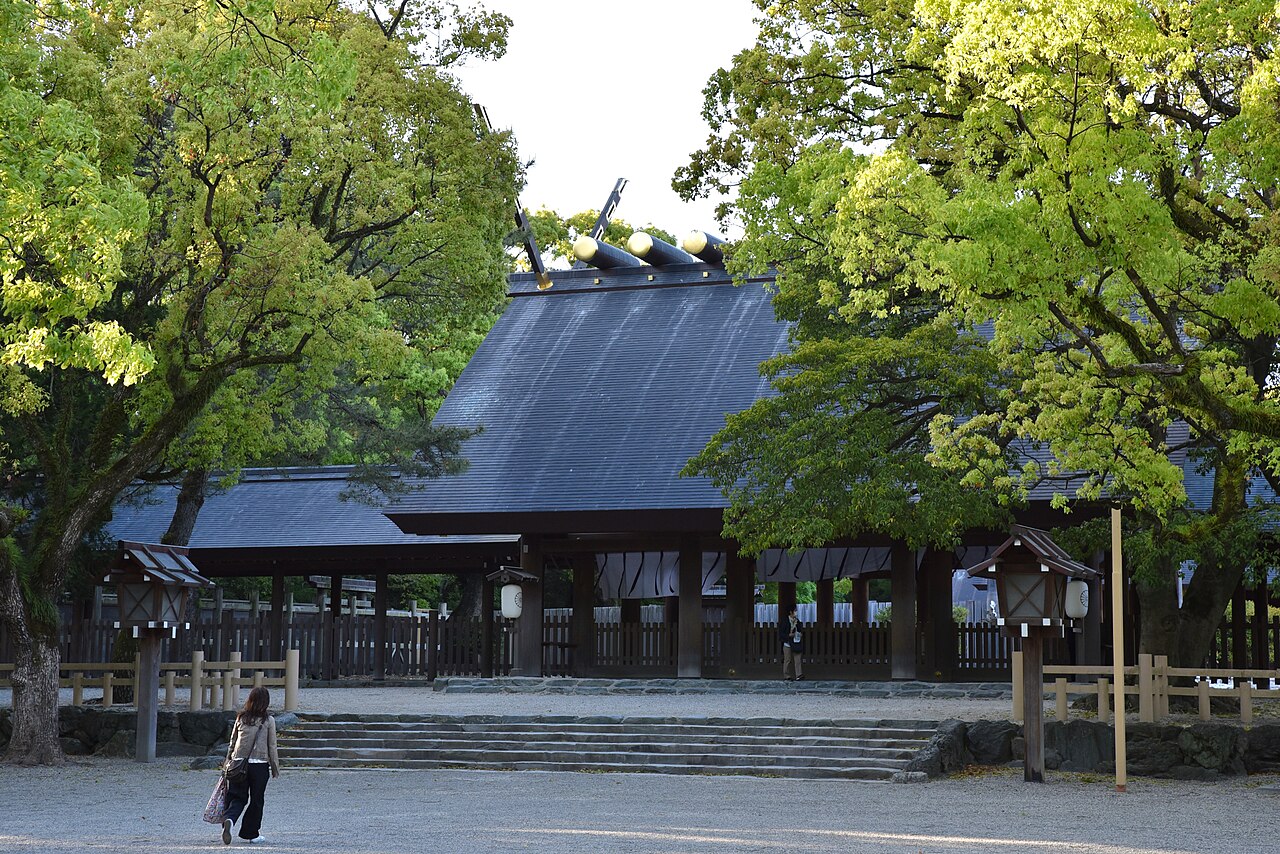
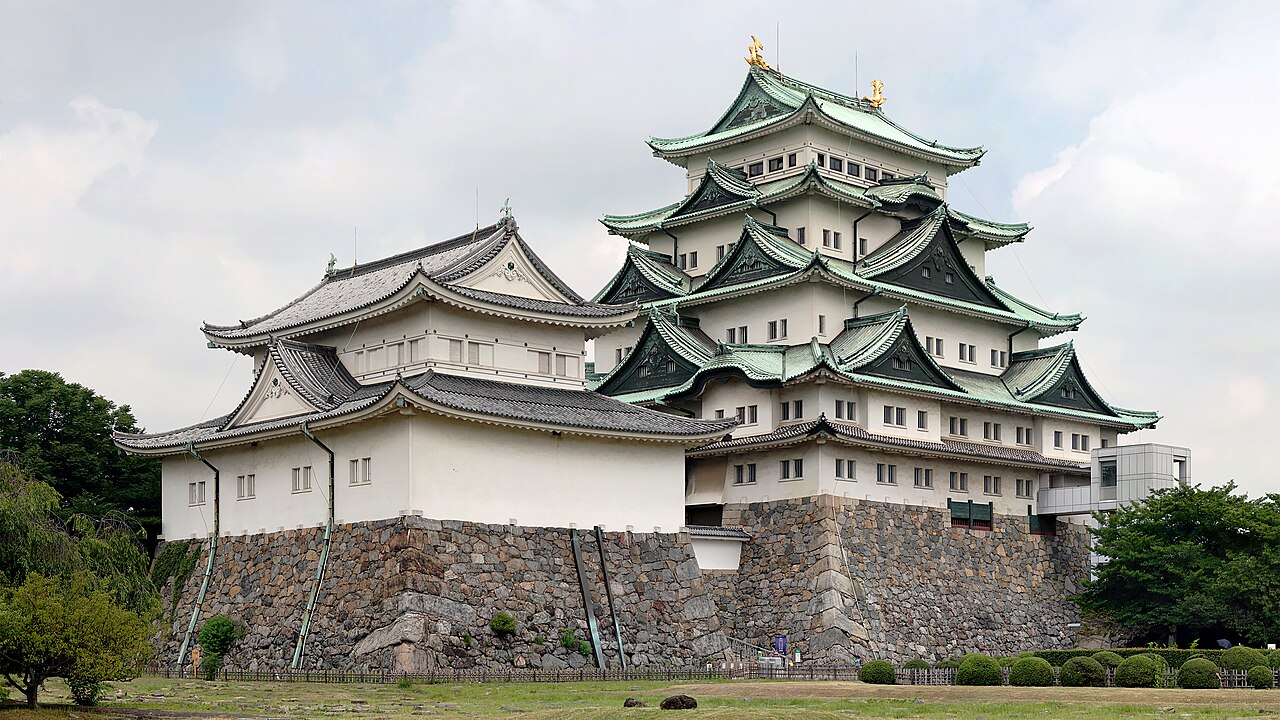
The historical anchor is the Owari Tokugawa house. When Tokugawa Ieyasu founded the shogunate, he established three senior branch families — the gosanke (御三家) — and Owari, seated at Nagoya, ranked first among them. Nagoya Castle rose from 1610, and the castle town that grew around it concentrated merchants, metalworkers, and a leisured class wealthy enough to commission fine objects.
Into that setting came a decisive act of reverse engineering. In the 1830s, Kaji Tsunekichi of Owari acquired an imported Dutch cloisonné plate and took it apart to work out how it was made — the founding moment of Japanese cloisonné as a domestic craft. From that single experiment grew an industry. By the Meiji era, Owari Shippō had become a flagship export art: workshops won acclaim at the Vienna World Exposition of 1873, and Ando Cloisonné (安藤七宝店), established in 1880, rose to become a purveyor to the Imperial Household.
“Japanese cloisonné began with a man who took an imported plate apart to see how it worked — and a single act of curiosity in 1830s Owari became the export art of an empire.”
- 1610 — Nagoya Castle begun; the Owari Tokugawa, senior of the three branch houses, seed a wealthy artisan base.
- 1830s — Kaji Tsunekichi dismantles an imported Dutch cloisonné plate to reverse-engineer it, founding Japanese cloisonné in Owari.
- 1873 — Owari Shippō wins acclaim at the Vienna World Exposition, opening the Western export market.
- 1880 — Ando Cloisonné (Andō Shippōten) founded; it later becomes a purveyor to the Imperial Household.
- Meiji era — Owari workshops lead the world in export cloisonné, refining graded translucent enamels and fine wirework.
- 1995 — Owari Shippō designated a national traditional craft.
- 2026 — Ama City and Nagoya workshops continue producing wired cloisonné, from chopstick rests to gallery vases.
What “still being made here” means is concrete. Ama City’s Shippō district retains active workshops and a dedicated craft center, and houses such as Ando Cloisonné trace an unbroken line to the Meiji founders. The process remains essentially manual: a metalsmith forms the base, an artisan bends silver wire into the cell pattern, the enamel is filled grain by grain, and the piece is fired and polished through repeated cycles. A chopstick rest is a modest object, but it carries the same sequence of hands as a museum vase.
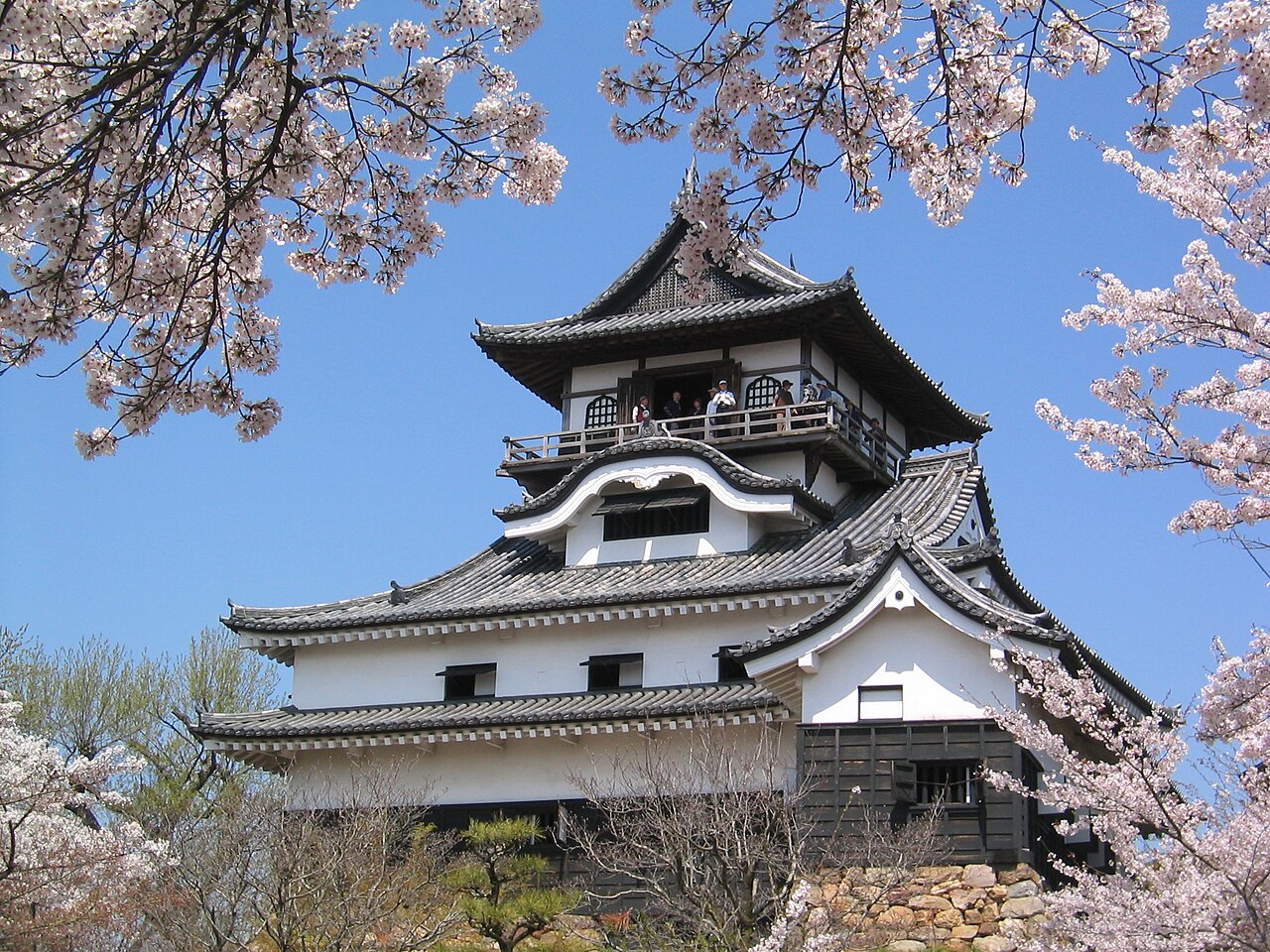
On the table, a cloisonné hashioki earns its place at exactly the meals where small things are noticed — a New Year’s spread, a guest dinner, a kaiseki-style course where each setting is composed. Aichi’s own food culture, from Nagoya’s distinctive miso cooking to formal banquet service, gives these jewel-bright rests a natural home. They are folk-traditional rather than ceremonial, but they signal care.
Conclusion — which buyer type are you?
Other ways to approach this purchase
❓ Frequently Asked Questions
What is Owari Shippō, exactly?
Owari Shippō is Japanese cloisonné enamel from the Owari region of Aichi Prefecture, centered on Ama City and Nagoya. Fine silver wires are bent into cell outlines on a copper or silver base, filled with vitreous glass enamel, then fired and polished repeatedly. It is the lineage that founded Japanese cloisonné in the 1830s and was designated a national traditional craft in 1995.
Will this ship internationally from Japan?
Cloisonné pieces may be available through international retailers. Cross-border transit times and customs handling vary, and a proxy service such as Buyee or Tenso can forward a Japan purchase when a maker does not ship abroad.
How do I care for cloisonné chopstick rests?
Treat glass-enamel chopstick rests as semi-fragile. The safe assumption is gentle hand-washing with mild soap and a soft cloth, avoiding abrasive scrubbers and harsh detergents that can dull the polish. The enamel can chip if dropped on a hard surface.
How much does it cost?
Retail prices for Owari Shippō vary by maker and enamel work, so compare current offers when planning a purchase. JPY is the usual reference currency, while any USD figure is an estimate at roughly ¥150 per dollar.
Is it a good gift?
Yes, for the right recipient. The rests are small, flat, and present well boxed, while carrying a verifiable craft story — a designated national tradition founded in 1830s Owari. Piece count and dimensions vary by maker, so consider the intended table setting.
How is Owari Shippō different from other Japanese cloisonné?
Owari is the founding region of Japanese cloisonné and is particularly prized for delicate silver wirework (yūsen) and graded, semi-translucent enamels. Other Japanese cloisonné traditions and individual masters developed wireless (musen) and other styles, but the Owari workshops led the Meiji-era export trade and set the technical benchmark for wired enamel.
jpmono.com is curated by a Japan-based editorial team (working out of Toyama in the Hokuriku region and Nara in Kansai) and is independent. We do not take payment from the makers we feature; income comes from editorial work. We don’t physically test every product — we read maker specifications and craft sources.
This article was prepared with AI assistance and reviewed against craft references. Facts about pricing and availability vary by maker and over time.
Affiliate disclosure: jpmono.com may earn a commission on qualifying purchases made through links on this page, at no additional cost to you.