![Kiso Hinoki Ohitsu Wooden Rice Container: Where to Buy [2026]](https://jpmono.com/wp-content/uploads/2026/05/kiso-hinoki-ohitsu-rice-container-where-to-buy-2026-featured.jpg)
An ohitsu (お櫃) is one of those Japanese kitchen tools that looks unremarkable until you understand what it does. It is a lidded wooden tub that you transfer cooked rice into, straight out of the cooker or pot. The bare, unlacquered wood draws off surplus steam, so the rice at the bottom stops sweating, stops turning sour, and keeps the loose, glossy texture it had the moment it finished cooking. This particular tub is turned from Kiso hinoki (木曽檜, Japanese cypress) — the protected timber of the central highlands of Nagano — and hooped in copper, joined by coopers without a single nail.
What makes Kiso hinoki notable internationally is not marketing; it is forest history. The valley was the timber reserve of the Owari Tokugawa domain, protected so strictly under the rule popularly remembered as “one tree, one head” that felling a sacred tree could cost a person their life. That same straight-grained, oil-rich, naturally antibacterial wood still rebuilds Ise Grand Shrine every twenty years. An ohitsu is the everyday, household end of that timber tradition — not display craft, but a tool you use at dinner.
This guide is written for the international reader deciding whether a solid-wood rice tub is worth the care it asks for. We cover what the piece is, where it comes from, who it suits and who should pass, how to buy it from outside Japan, and the honest weaknesses of bare-wood cookware before you commit. Pricing and live listing data were thin at the time of writing — we flag that plainly wherever it matters.
🔄 Updated
⏱️ Read time ~9 min
![Kiso Hinoki Ohitsu Wooden Rice Container: Where to Buy [2026]](https://m.media-amazon.com/images/I/41mJLjQPSTL._SL500_.jpg)
- Who this is for — and who should skip it
- Product overview (from published specs)
- Where this comes from — the Kiso valley
- Which finish should you choose?
- 📌 How does it compare?
- Price snapshot across stores
- What it does well
- Weaknesses and things to verify before buying
- Conclusion — which buyer type are you?
- Other ways to approach this purchase
- 🏆 Editor’s Pick
- ❓ Frequently Asked Questions
Who this is for — and who should skip it
- Cook rice in batches and serve it gradually over a meal, rather than eating it the instant it finishes
- Dislike the sour, gummy texture rice develops when it sits in a hot metal cooker pot
- Are willing to hand-wash, air-dry, and otherwise maintain a bare-wood vessel
- Appreciate single-material, nailless monozukuri and want a tool with a documented forest tradition behind it
- Eat at a table where the tub itself is part of how the meal is presented
- Want a dishwasher-safe, set-and-forget container — bare hinoki is neither
- Keep rice warm for hours on the cooker’s warming setting and are happy with that texture
- Live in a humid space with poor air circulation, where unlacquered wood is prone to mold if stored damp
- Need an exact capacity and listing confirmation today (live pricing and stock were unavailable at time of writing)
- Would resent the periodic drying, occasional sanding, and “do not soak” discipline the wood requires

Product overview (from published specs)
The product dataset returned for this item contained no live Amazon US or Amazon JP listing snapshot — the sources arrays came back empty. The figures below are drawn from the article spec’s reference data (ASIN and size class) and the general specification of a Kiso hinoki ohitsu; we have not invented a price, weight, or model number that was absent from the data. Verify the live listing before purchase.
Kiso Hinoki Ohitsu Wooden Rice Container
木曽工芸 おひつ 手造り 曲げ輪 日本製 木製 ひのき さわら さくら 3合用 電子レンジ対応
残り12点(入荷予定あり) · Sold by Amazon.co.jp · ASIN B000BHJQ48
Price and availability as of 2026-08-31 02:30 JST. The Amazon listing at the time of purchase is authoritative. jpmono.com earns a commission on qualifying purchases at no extra cost to you.
| Spec | Detail (per spec reference / general type) |
|---|---|
| Material | Solid Kiso hinoki (Japanese cypress), unlacquered staves |
| Hoop | Copper band (tagané / copper hoop); nailless cooperage joinery |
| Size class | ~3-go (約1.8L) — holds roughly three rice-cups of cooked rice |
| Origin | Kiso valley, Nagano Prefecture, Chūbu region, Japan |
| Finish | Bare wood (no lacquer, no coating) — the working surface is raw cypress |
| Reference ID (spec) | ASIN B000BHJQ48 |
| Weight | Unconfirmed — check listing |
| Price | Listing snapshot unavailable at time of writing — verify at retailer |
Sources, in order of affiliate priority: Amazon US search (primary, moonill-20) · Amazon JP Global Store (secondary, moonill-22, sourced listing) · maker direct · proxy services. No live price was returned by any source; figures shown are type-level, not listing-confirmed.
📖 Glossary — key terms
- Ohitsu (お櫃) — a lidded wooden tub that cooked rice is transferred into; the bare wood regulates moisture so rice stays loose rather than sweaty.
- Hinoki (檜, Japanese cypress) — a straight-grained, oil-rich, naturally antibacterial softwood prized for shrines, baths, and food vessels.
- Sawara (椹) — a hinoki cousin and the other classic ohitsu wood; slightly more porous, often chosen for the same moisture-handling reason.
- Kiso goboku (木曽五木, “the five Kiso trees”) — the five conifers protected by the Owari domain: hinoki, sawara, asunaro, koyamaki, and nezuko.
- Shikinen Sengū (式年遷宮) — the rebuilding of Ise Grand Shrine every twenty years, supplied with Kiso hinoki.
- Go (合) — a traditional volume unit, about 180 ml; a “3-go” tub holds roughly three rice-cups of cooked rice.
- Sashimono / cooperage — joinery without nails, where staves are fitted and bound by a hoop; the structural craft of the ohitsu.

Where this comes from — the Kiso valley

The Kiso valley runs north to south through the southwest corner of Nagano Prefecture, in the mountainous heart of Honshū. It is landlocked and steep, cut by the Kiso River and lined by some of the densest cypress forest in Japan. This is not coastal craft country fed by a port; it is timber country, and the craft grew directly out of what the mountains produce.
In the Edo period the valley became the protected timber reserve of the Owari Tokugawa domain, the powerful branch of the ruling family seated at Nagoya. As over-cutting threatened the forest, the domain placed five conifers — the Kiso goboku: hinoki, sawara, asunaro, koyamaki, and nezuko — under strict protection. The severity of that protection is remembered in the phrase “one tree, one head”: to fell a protected tree was, in principle, a capital offense.
“One tree, one head — a rule strict enough that the cypress your rice tub is turned from belongs to a forest people were once executed for cutting.”
- 1603 — The Edo period begins; the Tokugawa shogunate consolidates control of the country.
- 1610 — The Owari Tokugawa domain is established at Nagoya; construction of Nagoya Castle begins, drawing on highland timber.
- 17th century — The Kiso forests are designated the domain’s protected timber reserve as over-cutting threatens supply.
- Edo period — The “one tree, one head” protection codifies the five Kiso conifers (Kiso goboku); coopers turn the spared offcuts into household vessels.
- Today — The Akasawa natural cypress stand is counted among Japan’s most beautiful forests; Kiso hinoki still supplies Ise Grand Shrine’s 20-year Shikinen Sengū rebuild.
That forest history is why the wood matters to a rice tub. Kiso hinoki is straight-grained, rich in natural oils, and antibacterial — the same properties that make it the classic material for shrines and cypress baths make it ideal for an unlacquered food vessel. Bound traditionally with a copper hoop and joined without nails by Kiso coopers, the ohitsu is the modest, domestic cousin of the timber that rebuilds Ise.
It is worth keeping the register honest: this is everyday monozukuri, a working kitchen object, not a ceremonial treasure. Its value is in what it does at the dinner table, and in the four-century forest economy that stands behind the wood.

Which finish should you choose?
This piece is listed in 3 options. The photos below are the actual サイズ options on the listing right now — pick the one you want and confirm it on the product page before ordering, since hand-finished wares vary slightly piece to piece.
![Kiso Hinoki Ohitsu Wooden Rice Container: Where to Buy [2026] — 1.5合用 finish](https://m.media-amazon.com/images/I/313xJc-bojL._SL500_.jpg)
![Kiso Hinoki Ohitsu Wooden Rice Container: Where to Buy [2026] — 5合用 finish](https://m.media-amazon.com/images/I/41IPKE8LuZL._SL500_.jpg)
📌 How does it compare?
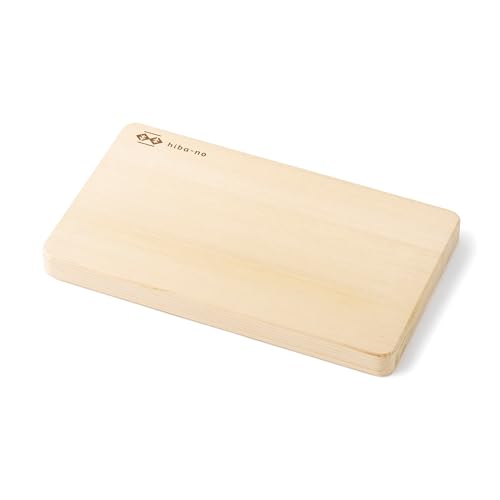
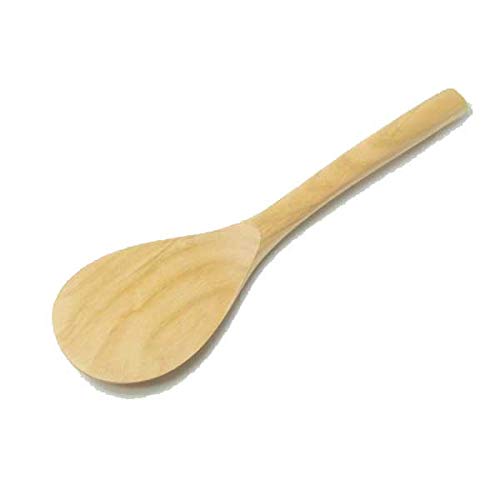
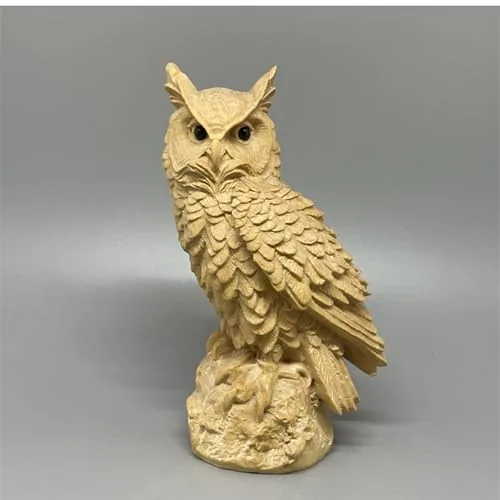
Related woodwork and rice-table tools from jpmono — useful for comparing materials, regions, and how the pieces work together at the table.
Price snapshot across stores
No live price was returned by any source at the time of writing. JPY (¥) is the authoritative price for the specific listed item when available; USD figures elsewhere on the site are explicit estimates at a ¥150/USD baseline. Verify current pricing and stock at the retailer before purchasing.
| Store | Item / Variant | Price (JPY + USD est.) | Notes |
|---|---|---|---|
| 🇺🇸 Amazon.com (US) | Browse Japanese rice containers & wooden kitchenware | varies (USD) | Best if you’re shopping from the US — Prime shipping, USD pricing, no international customs. Amazon US carries Japanese hinoki and sawara kitchenware from several makers; this exact Kiso piece is sourced from Japan (next row). |
| 🇯🇵 Amazon JP Global Store | Kiso hinoki ohitsu, ~3-go (1.8L), copper hoop | Listing snapshot unavailable — verify at retailer | Where the specific item is sourced; ships internationally from Japan to most major destinations. |
| Maker direct | Varies by cooperage | — | Some Kiso coopers sell direct, but many do not ship abroad; expect Japanese-language ordering. |
| Proxy services (Buyee / Tenso) | Any JP listing | Item price + proxy fee + forwarding | Useful for sizes or makers not on the Global Store; adds a service fee and a second shipping leg. |
What it does well
Bare cypress absorbs surplus steam, so rice at the bottom stops sweating and keeps a loose, glossy texture instead of turning sticky and sour.
Hinoki’s natural oils are traditionally valued for resisting odor and microbial growth — the same reason it is used for shrines and baths.
Solid staves bound by a copper hoop, joined without nails — repairable, recyclable, and free of coatings that touch food.
Made from the protected timber of the Owari domain’s Kiso reserve — the same forest tradition behind Ise Grand Shrine’s rebuilds.
Weaknesses and things to verify before buying
- It demands maintenance. Bare wood must be hand-washed (often without detergent), rinsed quickly, and fully air-dried. It is not dishwasher-safe and should not be soaked.
- Mold risk if stored damp. In humid conditions or with poor airflow, unlacquered cypress can develop mold or black spots. It needs to dry completely between uses.
- Cracking and hoop-loosening over time. Wood moves with humidity; the copper hoop can loosen and the staves can check or crack if the tub is allowed to dry out too aggressively or stored near heat.
- Capacity may not match expectations. The “go” measure is unfamiliar to many international buyers. A 3-go tub is a modest household size — confirm it suits your batch size before ordering.
- Listing and price data were unavailable. The dataset returned no live price or stock snapshot. Treat all figures here as type-level, and confirm the current listing, capacity, and shipping terms at the retailer.
- Initial cypress aroma. New hinoki has a strong woody scent that can transfer to the first few batches of rice. Many buyers like it; some do not. It fades with use.
Conclusion — which buyer type are you?
You want the documented Kiso material and nailless cooperage, and you will maintain it. The 3-go Kiso hinoki tub is squarely for you.
You like the idea of better-textured rice but are new to bare wood. Start with the 3-go, commit to the drying routine, and see if the care fits your kitchen.
If solid Kiso hinoki is beyond budget, a sawara tub or a smaller capacity costs less while delivering most of the moisture-regulating benefit.
If you keep rice on a warmer for hours, won’t hand-wash and air-dry, or live somewhere damp with poor airflow, a sealed or insulated container will serve you better.
Other ways to approach this purchase
Global Store pricing fluctuates with the yen and shipping. If you are not in a hurry, watch the listing across a few weeks before committing.
A 2-go tub is a lower-commitment way to test whether you will actually keep up the bare-wood maintenance before buying a larger one.
If you buy through Amazon regularly, applying accumulated points or rewards can offset the international-shipping premium.
If the care routine does not suit your life, an insulated or sealed rice keeper is a legitimate, lower-effort alternative — no judgment.
🏆 Editor’s Pick
❓ Frequently Asked Questions
Does an ohitsu really change how rice tastes?
It changes texture more than flavor. The bare wood absorbs surplus steam, so rice stays loose and glossy rather than turning sweaty, sour, and sticky as it does when left in a hot metal pot. The data suggests this moisture regulation is the core function of the tool.
Can I put it in the dishwasher or microwave?
No. Unlacquered hinoki should be hand-washed, rinsed quickly, and fully air-dried, and it should not be microwaved. It is not dishwasher-safe.
How do I prevent mold on bare wood?
Dry it completely between uses and store it with good airflow. In humid conditions, unlacquered cypress can develop mold or black spots if it stays damp, so full drying is the main safeguard.
Will it ship internationally?
The Amazon JP Global Store ships many household items internationally to most major destinations, and that is where the specific item is sourced. Shipping cost and customs duties vary by country; confirm both at checkout. Proxy services such as Buyee or Tenso are an alternative for listings not on the Global Store.
What size should I buy?
The reference item is ~3-go (about 1.8L), a modest household size holding roughly three rice-cups of cooked rice. A 2-go suits one or two people; a 5-go suits larger households. Confirm the go-size against your batch size before ordering.
Why is Kiso hinoki considered special?
It comes from the Owari Tokugawa domain’s protected timber reserve in Nagano, where five conifers were guarded under the rule remembered as “one tree, one head.” That straight-grained, oil-rich, antibacterial cypress still supplies Ise Grand Shrine’s 20-year rebuild.
Is the price shown reliable?
No live price was returned by any source at the time of writing, so this guide does not quote a figure. The JPY price on the listing is authoritative; always verify current pricing and stock at the retailer before purchasing.
jpmono.com is curated by a Japan-based editorial team (working out of Toyama in the Hokuriku region and Nara in Kansai) and is independent. We don’t take payment from the makers we feature; income comes from affiliate links. We don’t physically test every product — we read makers’ specs and source listings.
This article was prepared with AI assistance and reviewed against the available product data. Specifications and pricing were limited in the source dataset; readers should confirm all details at the retailer before purchasing.
Affiliate disclosure: jpmono.com may earn a commission on qualifying purchases made through links on this page, at no additional cost to you.