![Hakone Yosegi-zaiku Secret Puzzle Box: Marquetry Himitsu-bako [2026]](https://jpmono.com/wp-content/uploads/2026/06/hakone-yosegi-zaiku-secret-puzzle-box-where-to-buy-2026-featured.jpg)
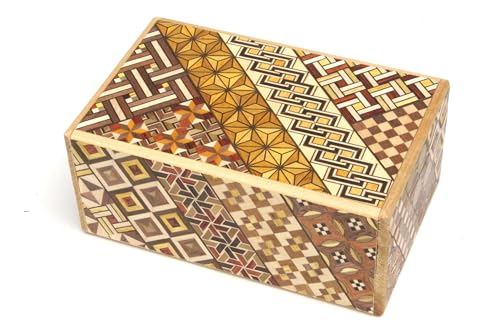
Hakone yosegi-zaiku (箱根寄木細工, “Hakone parquetry/marquetry”) is a wood-mosaic craft that grew up directly on the Tokaido, the great Edo-period highway between Tokyo and Kyoto, in the hills around Hatajuku in what was then the Odawara domain. Its defining trait is restraint: the geometric patterns are assembled entirely from the natural colors of Hakone’s unusually diverse trees — no stains, no dyes. The version most travelers recognize is the himitsu-bako (秘密箱, “secret box”), a puzzle box that opens only after a sequence of hidden sliding panels is worked in the correct order.
For an international reader, this is one of the more legible Japanese crafts to own, because its appeal is structural rather than ceremonial. The mosaic surface is built from thin sheets, called zuku, shaved from a bundled block of contrasting woods, then laminated onto the box; the sliding-panel mechanism is genuine joinery, not a printed novelty. It travels well, it photographs well, and it works as a small everyday object — a place to hide a key, a ring, a folded note.
This guide is written from a Japan-based editor’s desk for readers buying from outside Japan. It covers what the craft actually is, what to verify before you buy, how the purchase paths compare (Amazon US search first, Amazon JP Global Store for the sourced listing), and which kind of buyer this object suits — and which it does not.
🔄 Updated:
⏱️ Read time: ~11 min
- Who this is for — and who should skip it
- Product overview (from published specs)
- 📍 Where this comes from — place, era, and the craft tradition
- Price snapshot across stores
- 📦 Shipping & where to buy from outside Japan
- What it does well
- Weaknesses and things to verify before buying
- Conclusion — which buyer type are you?
- Other ways to approach this purchase
- 🏆 Editor’s Pick
- ❓ Frequently Asked Questions
Who this is for — and who should skip it
- Want a genuine traditional-craft object that still functions as an everyday item, not a display-only piece.
- Appreciate pattern and joinery over color and gilding — this is a craft of natural wood tones.
- Like the puzzle-box mechanism as a gift hook (children and first-time recipients enjoy the “how does it open” moment).
- Are buying a compact, lightweight souvenir that ships internationally without fuss.
- Value provenance: a craft tied to a specific post town on the Tokaido.
- Expect bright painted color or lacquer shine — yosegi is deliberately subdued natural wood.
- Want a high-capacity storage box; secret boxes are small, and the mechanism eats internal volume.
- Dislike fiddly mechanisms — a high step-count box can frustrate rather than delight.
- Need a humidity-proof or dishwasher-safe object — this is laminated wood and needs dry, stable air.
- Require confirmed live pricing and stock before committing; the data here is a listing snapshot.
Product overview (from published specs)
Source data for this specific listing is thin. Only the Amazon listing reference (ASIN B00O0HOODI) and product imagery were available at the time of writing; live pricing and a confirmed step-count were unavailable, so the table below mixes the listing reference with general, verifiable craft attributes rather than invented specifics. Always confirm dimensions, wood content, and the number of moves at the retailer before purchasing.
Hakone Yosegi-zaiku Secret Puzzle Box
寄木細工 秘密箱10回仕掛け 5寸 小寄木 Japanese puzzle box 10steps Koyosegi
現在在庫切れです。 · ASIN B00O0HOODI
Price and availability as of 2026-08-31 02:30 JST. The Amazon listing at the time of purchase is authoritative. jpmono.com earns a commission on qualifying purchases at no extra cost to you.
| Attribute | Detail | Source |
|---|---|---|
| Craft | Hakone yosegi-zaiku marquetry, himitsu-bako (secret box) form | Maker tradition |
| Material | Naturally colored Japanese woods (e.g., mizuki, nemunoki, katsura, ho, jindai woods); no dyes | Craft definition |
| Surface technique | Thin sheets (zuku) shaved from a bundled taneita block, laminated onto the box body | Craft definition |
| Mechanism | Hidden sliding panels worked in sequence to open; step-count varies by model — verify on listing | Craft definition |
| Origin | Hakone / Hatajuku, Kanagawa Prefecture, Kantō region | Craft tradition |
| Listing reference | ASIN B00O0HOODI (Amazon) | Spec data |
| Dimensions / weight | Unconfirmed — check the listing | — |
| Price | Live pricing unavailable at time of writing — confirm at retailer | — |
Listing references checked across Amazon US search (primary, moonill-20) and Amazon JP Global Store (secondary, moonill-22, sourced listing), plus maker-direct and proxy routes where relevant. Specs marked “Unconfirmed” are not stated in the fetched data and should not be assumed.
📖 Glossary — key terms
- Yosegi-zaiku (寄木細工) — “joined-wood work”; parquetry/marquetry made by gluing contrasting woods into a patterned block, then shaving sheets from it.
- Himitsu-bako (秘密箱) — “secret box”; a puzzle box opened by sliding hidden panels in a set order. Step-counts range from a few moves to dozens.
- Zuku (ヅク) — paper-thin sheets planed off the patterned block and laminated onto a box; the surface “veneer” of most affordable yosegi pieces.
- Taneita (種板) — the bundled, glued master block of arranged wood rods from which zuku sheets are shaved.
- Muku (無垢) — “solid”; higher-end pieces cut the pattern from solid wood rather than applying a zuku veneer.
- Sekisho (関所) — an Edo-period highway checkpoint; the Hakone sekisho on the Tokaido is where many of these boxes were first sold as souvenirs.
📍 Where this comes from — place, era, and the craft tradition

Hakone is a volcanic mountain district in the southwest corner of Kanagawa Prefecture, in the Kantō region that surrounds Tokyo. It sits on the old Tokaido — the coastal highway that linked Edo (now Tokyo) to Kyoto — at the point where the road climbs hardest, over the Hakone pass beside Lake Ashi. Hatajuku, the post town that remains the craft’s heart, lies on that climb. The same geography that made the pass a strategic chokepoint also gave the craft its raw material: the forests around Lake Ashi hold an unusually wide range of tree species, and it is that natural diversity of wood color that yosegi-zaiku is built on.
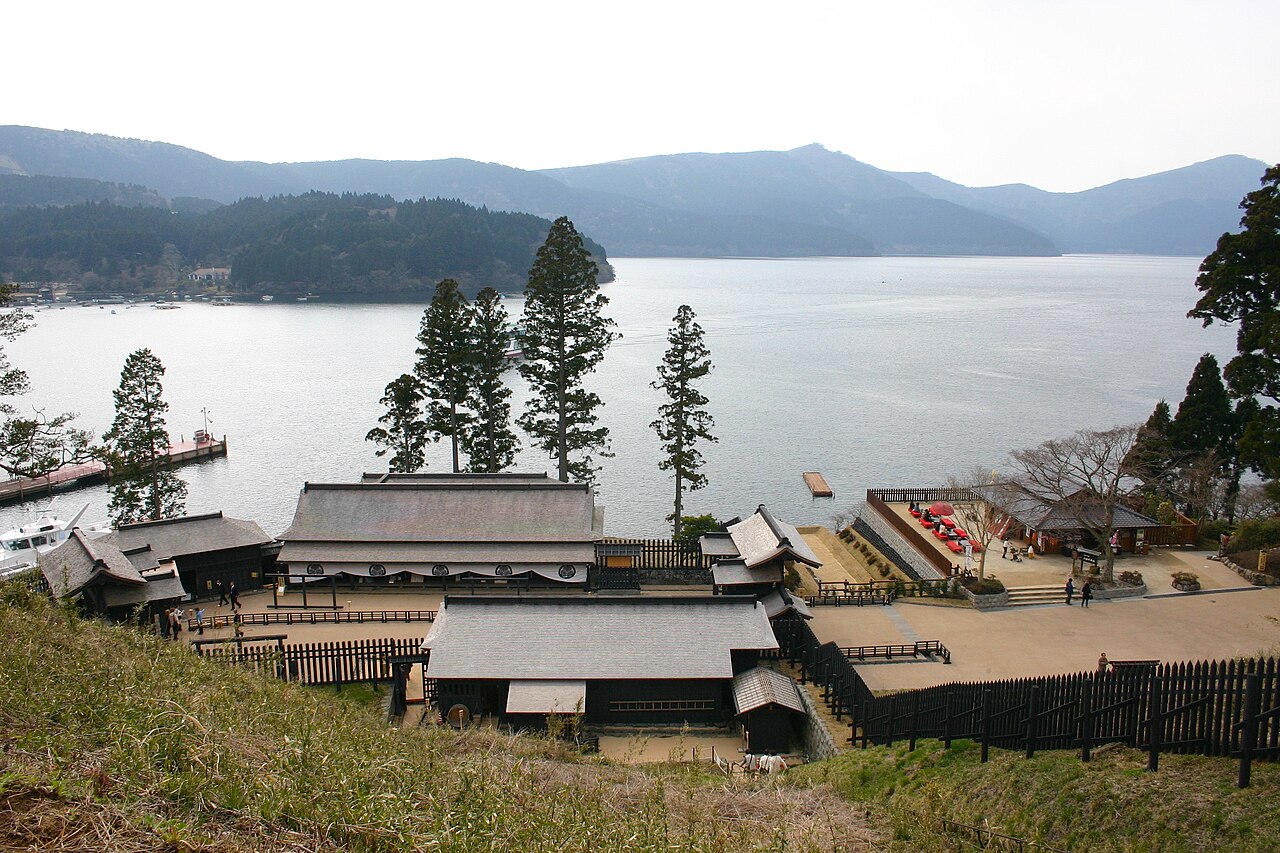
The historical anchor is the road itself. Under the Tokugawa shogunate the Tokaido was the busiest highway in Japan, and the Hakone sekisho — a fortified checkpoint by the lake — funneled every traveler past it. Yosegi-zaiku emerged in the late Edo period, the early-to-mid 1800s, in the Hatajuku district then governed by the Odawara domain. The craft is credited to Nihei Ishikawa, who adapted woodworking ideas from neighboring Shizuoka into the distinctive Hakone mosaic style. Travelers waiting to clear the checkpoint bought the boxes as portable souvenirs, and the secret box — a small marvel of joinery — was a natural fit for a road-weary buyer looking for something clever to carry home.
- 1619 — The Hakone sekisho is established on the Tokaido by Lake Ashi, fixing the route past Hatajuku.
- Early 1800s — Nihei Ishikawa develops Hakone yosegi-zaiku at Hatajuku, adapting Shizuoka woodworking ideas.
- Mid-1800s — Secret boxes (himitsu-bako) become a signature Tokaido souvenir sold to travelers at the checkpoint.
- 1868 — The end of the Edo period reshapes the highway economy; Hakone shifts toward a resort and hot-spring district while the craft continues.
- 20th c. — Workshops cluster around Hatajuku and the Hakone–Odawara corridor, refining the zuku-sheet method for everyday boxes.
- 1984 — Hakone yosegi-zaiku is recognized as a national Traditional Craft (dentō-teki kōgeihin) by Japan’s trade ministry (METI).
- 2026 — Active workshops near Hatajuku and Lake Ashi continue to make secret boxes by hand.
Note: dates for the checkpoint and the METI designation reflect commonly cited figures; the exact founding year of the craft is given as the early-to-mid 1800s. Treat folk-historical attributions to Nihei Ishikawa as the traditionally recorded account.
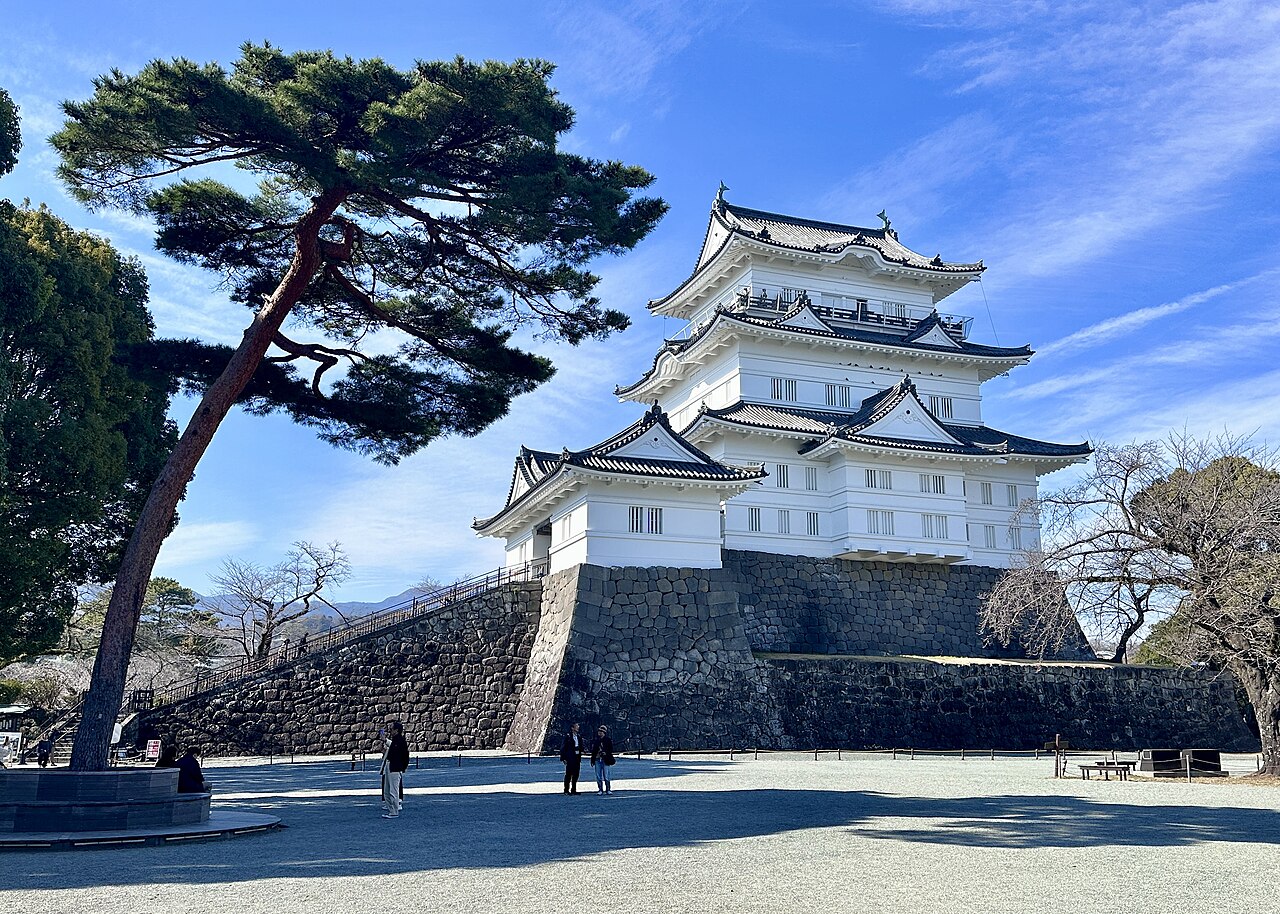
The signature of yosegi-zaiku is what it refuses to do. The mosaics are assembled only from the natural colors of Hakone’s trees — pale mizuki, warm katsura and ho, the soft tones of nemunoki, and the dark, mineral-stained jindai woods recovered from long burial. No dyes are used. Each geometric figure is composed by gluing rods of these woods into a patterned bundle, the taneita; a craftsperson then shaves whisper-thin zuku sheets off the bundle and laminates them onto the box. The result is a surface whose color will never run or fade the way a dye can, because the color is the wood.
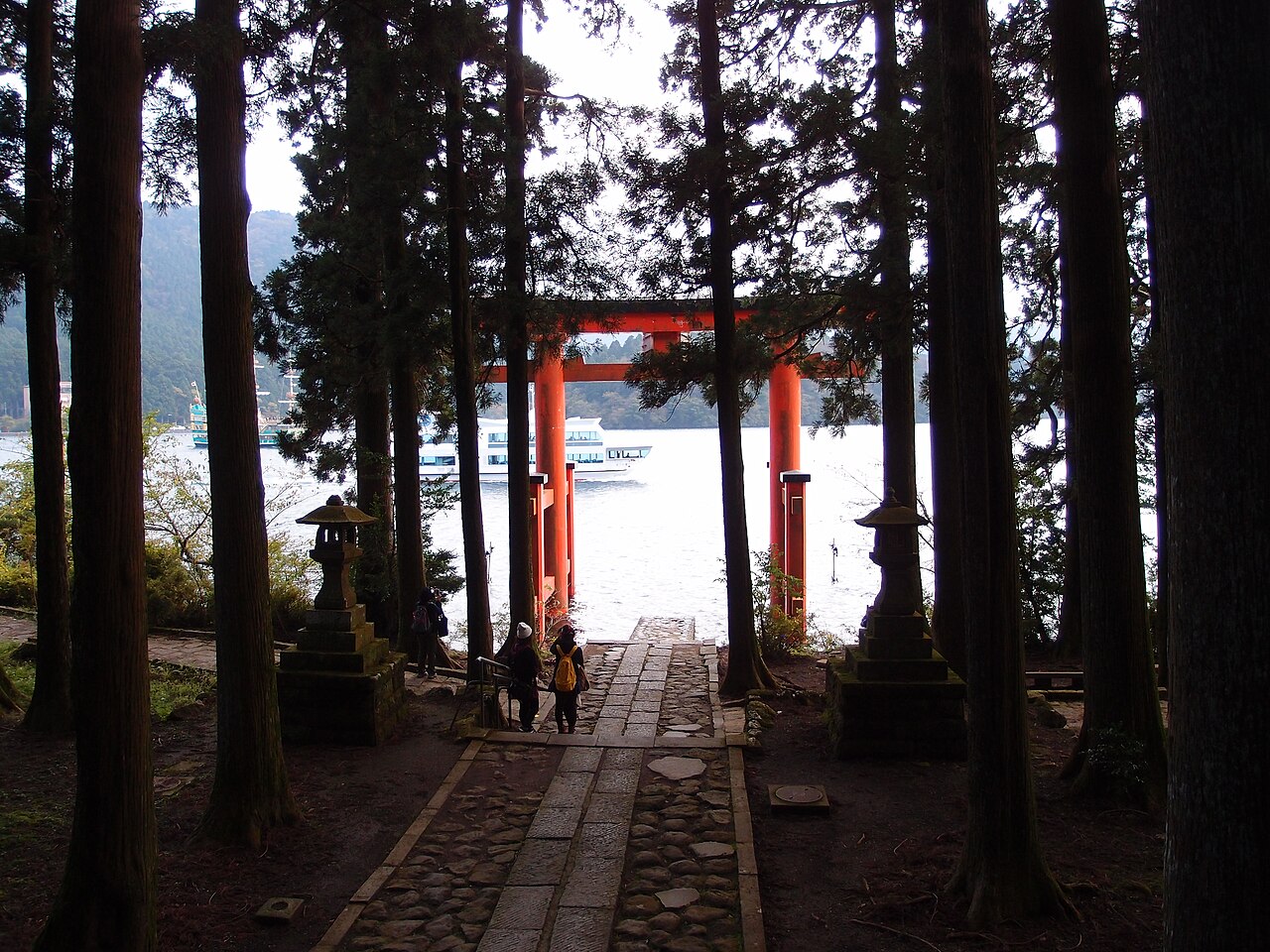
“The color of a Hakone box is never painted on — it is sawn from the forest. What you see is the tree itself, arranged into pattern.”
What “still being made here” means is concrete. The craft never industrialized into a single factory; it remains a cluster of small workshops in and around Hatajuku and the Hakone–Odawara corridor, where the zuku-shaving and panel-fitting are done by hand. The secret box continues to be made the way the souvenir trade shaped it — small, portable, and mechanically clever — and the Hatajuku district is still the place a buyer in Japan associates with the genuine article.
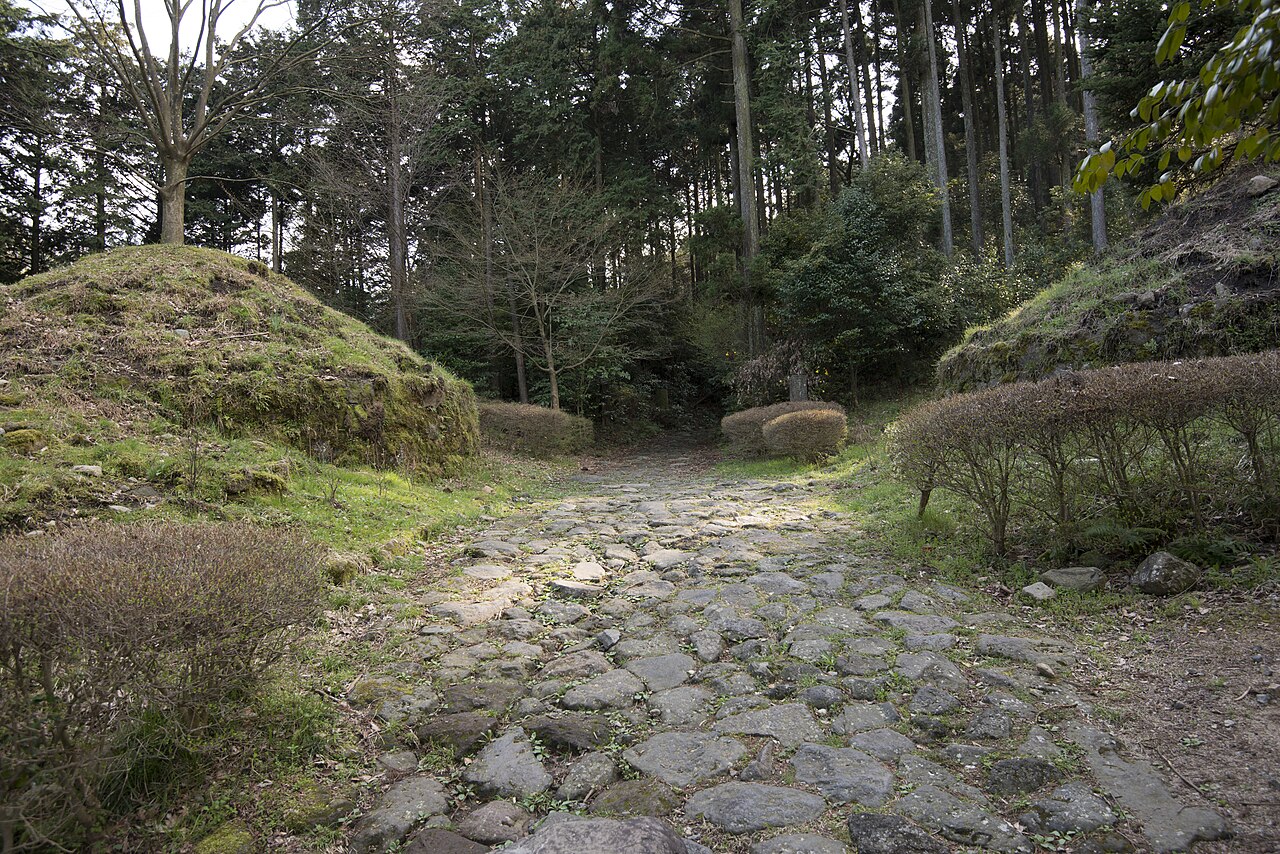
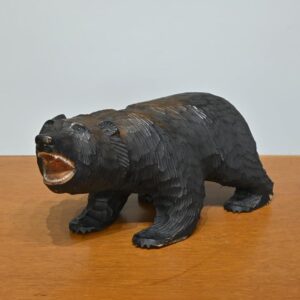
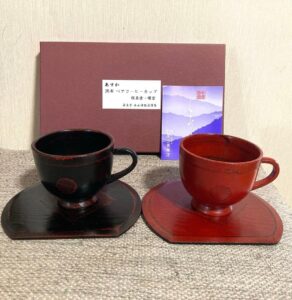
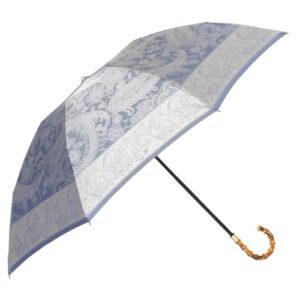
Other Japanese wood, lacquer, and textile pieces we have covered — useful for placing this box in the wider craft landscape.
Price snapshot across stores
JPY is the authoritative price for the specific sourced listing; USD figures are approximate estimates at a ¥150/USD baseline as of mid-2026. Live pricing for this listing was unavailable at the time of writing — confirm at the retailer before buying.
| Store | Item / Variant | Price (JPY + USD est.) | Notes |
|---|---|---|---|
| 🇺🇸 Amazon.com (US) | Browse Japanese yosegi puzzle boxes | varies (USD) | Best if you are shopping from the US — Prime shipping, USD pricing, no international customs. Amazon US carries Japanese puzzle boxes and marquetry from several makers, useful for comparing step-count and size; the exact Hakone piece in this guide is sourced from Japan (next row). |
| 🇯🇵 Amazon JP Global Store | Hakone yosegi-zaiku secret box (ASIN B00O0HOODI) | Price unconfirmed — check listing | Ships internationally from Japan. This is the sourced listing for the specific item covered here. |
| Maker direct | Hatajuku workshop boxes | varies | Hakone / Hatajuku workshops sell directly; international shipping varies by shop and may require email contact. |
| Proxy services (Buyee / Tenso) | Any JP listing | item + forwarding fee | Useful when a shop does not ship abroad directly; adds a forwarding fee and consolidates customs handling. |
📦 Shipping & where to buy from outside Japan
The specific item here is sourced from the Amazon JP Global Store, which ships many household goods to most major international destinations. For a small, low-value wooden box, shipping to the US or EU typically runs in the $15–$40 range, with higher costs to other regions; exact rates depend on the carrier option chosen at checkout. Because this is a low-cost item, it usually sits below common customs de-minimis thresholds, but buyers in regions with low thresholds should budget for possible duties.
If a particular Hatajuku workshop does not ship abroad directly, a proxy service such as Buyee or Tenso can receive the box at a Japanese address and forward it, consolidating customs paperwork for a forwarding fee. Amazon US is the simplest path for US-based readers who want Prime shipping and USD pricing and do not need this exact listing. As a laminated wood object, the box has no voltage or certification concerns — but it does need dry, stable air (see weaknesses below).
What it does well
Weaknesses and things to verify before buying
- Step-count is unconfirmed for this listing. Secret boxes range from a few moves to dozens; a high count can frustrate a casual user or a child. Verify the number of moves on the listing before buying as a gift.
- Surface may be a zuku veneer, not solid (muku) marquetry. Most affordable boxes are veneered. That is normal and not a defect, but confirm which you are getting if you expect solid-pattern construction.
- Humidity sensitivity. Laminated wood and tight sliding tolerances can swell or stick in damp climates; the mechanism may bind until the wood re-acclimates. Keep it in dry, stable air and away from radiators or direct sun.
- Small internal capacity. The hidden mechanism consumes volume; usable storage is modest. This is a keepsake or small-object box, not general storage.
- Pricing and stock are unverified here. Only a listing reference and imagery were available; live price and availability were not. Treat any price you see at checkout as the authoritative figure.
- “Hakone yosegi” is sometimes used loosely. Mass-produced lookalikes exist. For a genuine handmade Hatajuku piece, prefer listings that name the workshop or cite the traditional-craft designation.
Conclusion — which buyer type are you?
Other ways to approach this purchase
🏆 Editor’s Pick
❓ Frequently Asked Questions
How does a Hakone secret box actually open?
It opens by sliding a series of hidden panels in a specific order. Each move unlocks the next, and the final move releases the lid or drawer. The number of moves varies by model, so check the listed step-count if you want an easy or a challenging box.
Are the colors painted or dyed?
Neither. Hakone yosegi-zaiku uses only the natural colors of different woods — pale, warm, and dark species are glued into a patterned block, and thin sheets are shaved from it. Because the color is the wood itself, it does not run or fade the way a dye can.
Can it ship internationally from Japan?
Yes. The sourced listing is on the Amazon JP Global Store, which ships many household goods to most major destinations, typically in the $15–$40 shipping range to the US or EU for a small item. If a maker-direct shop does not ship abroad, a proxy service such as Buyee or Tenso can forward it.
How do I care for it?
Keep it in dry, stable air, away from radiators, humidifiers, and direct sun. The sliding panels are cut to tight tolerances, so wood swelling in damp conditions can make them stick. Wipe with a soft dry cloth; do not wash it or use solvents.
Is it a good gift for a child?
It can be, because the puzzle aspect is engaging. Choose a lower-step-count box for younger recipients — a box with many moves can frustrate rather than delight. Confirm the number of moves on the listing first.
What is the difference between veneer (zuku) and solid (muku) boxes?
Most affordable boxes apply a thin patterned sheet (zuku) shaved from a master block onto the box body. Higher-end pieces cut the pattern from solid wood (muku) and cost more. Both are traditional; the difference is price and depth of the pattern, so confirm which you are buying.
How can I tell it is genuinely Hakone-made?
Look for listings that name the Hatajuku or Hakone workshop or cite the national traditional-craft (dentō-teki kōgeihin) designation. Mass-produced lookalikes exist, so workshop attribution is the most reliable signal of an authentic handmade piece.
jpmono.com is curated by a Japan-based editorial team (working out of Toyama in the Hokuriku region and Nara in Kansai) and is independent. We do not take payment from the makers we feature; income comes from affiliate links. We do not physically test every product — we read maker specs and source listings. Read more about our editorial standards.
🤖 This article was prepared with AI assistance and reviewed against the source listing data. Specifications and pricing reflect the data available at the time of writing and may have since changed.
Affiliate disclosure: jpmono.com may earn a commission on qualifying purchases made through links on this page, at no additional cost to you.