Etchu Seto-yaki Yuzamashi: Where to Buy Toyama Ash-Glaze Ware [2026]
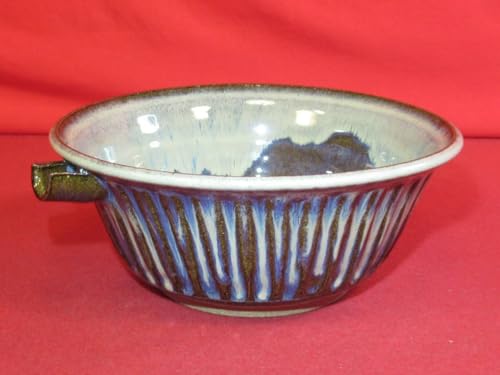
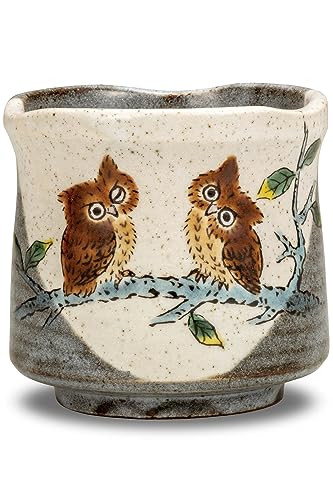
Etchu Seto-yaki is Toyama's oldest kiln town, founded in the 1580s. Its ash-glaze yuzamashi cools sencha water to…
Etchu Seto-yaki is Toyama's oldest kiln town, founded in the 1580s. Its ash-glaze yuzamashi cools sencha water to…
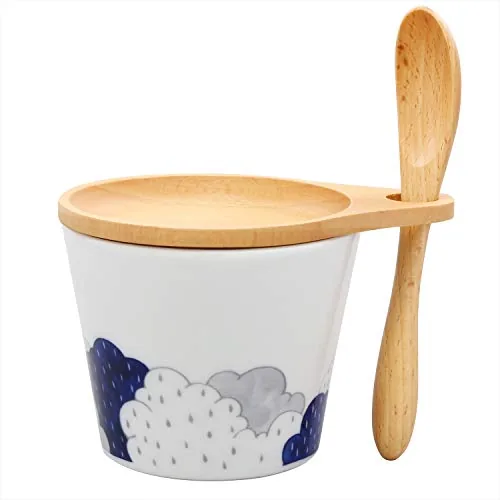
Hirado domain's official kiln still paints cobalt karako children on paper-thin white porcelain. A guide to buying a…
Shodai-yaki's straw-ash nagashi glaze has run over Kumamoto clay since 1632. Where to buy a katakuchi sake pourer,…
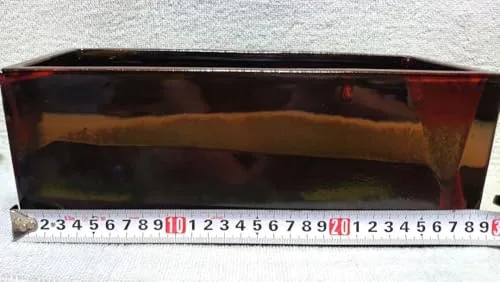
Fukushima's oldest kiln town makes a rectangular amber-glazed vessel built for pickling and oven work. What it costs,…
Hasami-yaki is Nagasaki's 400-year porcelain tradition, now known worldwide for clean, stackable, matte-glazed tableware. Here is where to…
A Fukuoka kiln favored by tea master Kobori Enshu, Takatori-yaki pairs thin, refined walls with warm amber ash…
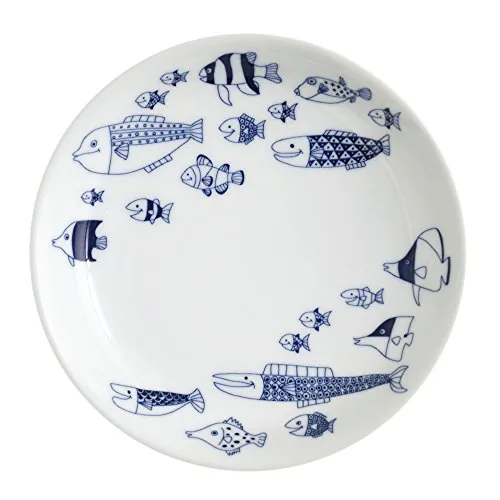
Tsuboya-yaki is Okinawa's signature 'yachimun' pottery, thick-bodied and boldly glazed. This hand-thrown 5-sun plate carries the classic fish…
Obori Soma-yaki double-walled yunomi from Fukushima stay cool to hold yet keep tea hot, glazed in aoi-hibi blue…
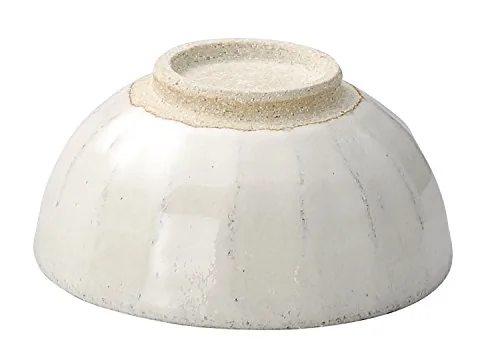
Mino-yaki from eastern Gifu produced Japan's first white glaze, Shino. This warm milk-white donburi rice bowl carries that…
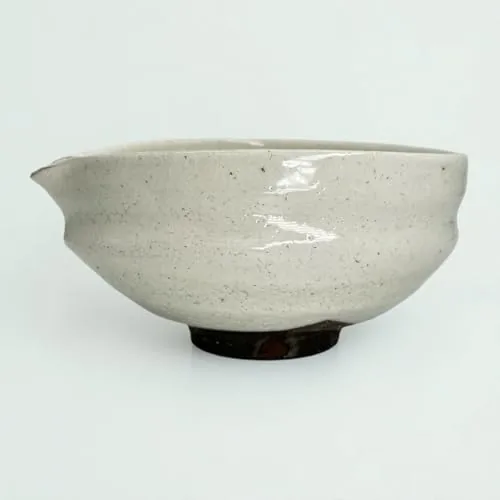
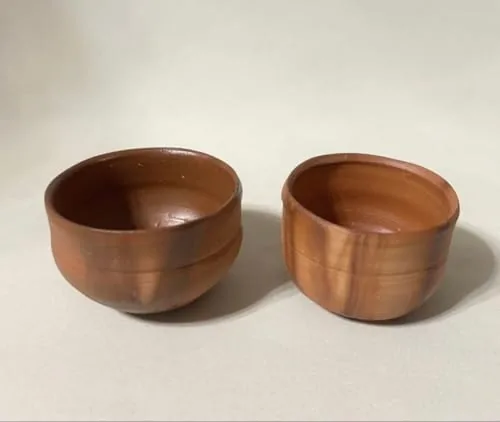
A wood-fired Shigaraki-yaki matcha chawan from Shiga, one of Japan's Six Ancient Kilns. Coarse local clay, natural ash-glaze…
Izushi-yaki is Japan's rare pure-white porcelain from Tajima. Here is where to buy a translucent, relief-carved coffee cup…
One of Japan's Six Ancient Kilns, Tanba-Tachikui ware turns iron-rich clay into a natural ash glaze. What to…
Tamba Tachikui-yaki is one of Japan's Six Ancient Kilns, fired near Sasayama for over 800 years. This unglazed…
Shigaraki ware is one of Japan's Six Ancient Kilns, fired in the Shiga hills where Emperor Shomu once…
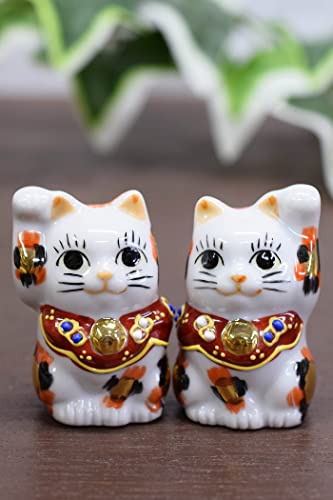
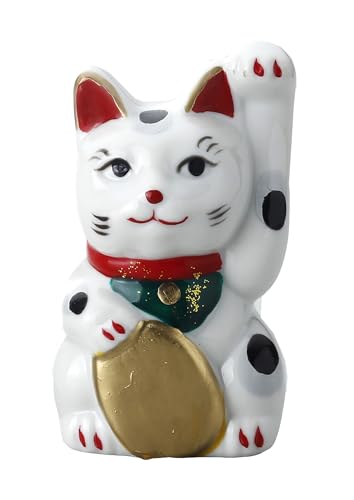
The Kutani-yaki maneki-neko is the premium standard for Japan's lucky cat: hand-painted in Kutani's five overglaze colors and…
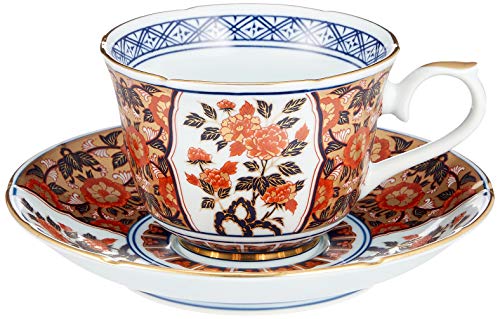
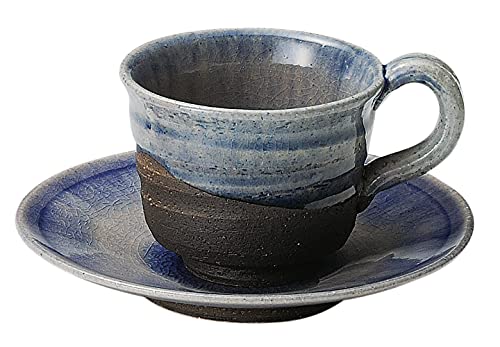
Ishikawa's Kutani ware paints its famous five-color gosai overglaze onto a Western-style coffee cup and saucer, pairing 360-year…
Kaga's Kutani ware turns five-color overglaze enamel into a daily coffee mug. A Japanese editorial team explains the…
Japan has been firing ceramics for longer than almost anywhere on earth — from the six ancient kilns…
Onta-yaki is Oita's living folk-pottery village, and its chatter-marked tobikanna plates carry 300 years of one-family-per-kiln craft. Here…
Shodai-yaki katakuchi from the foot of Mt. Shodai in Kumamoto pours straw-ash glaze in dramatic cascading streaks over…
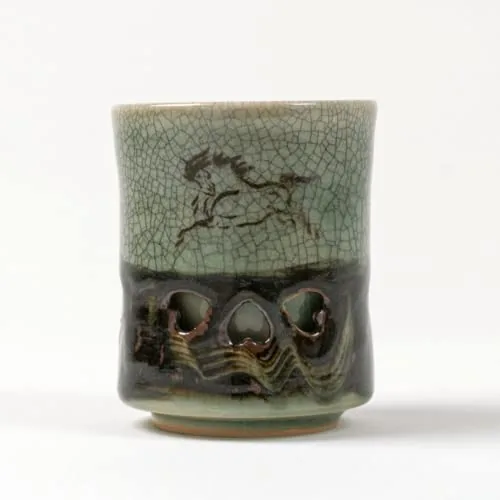
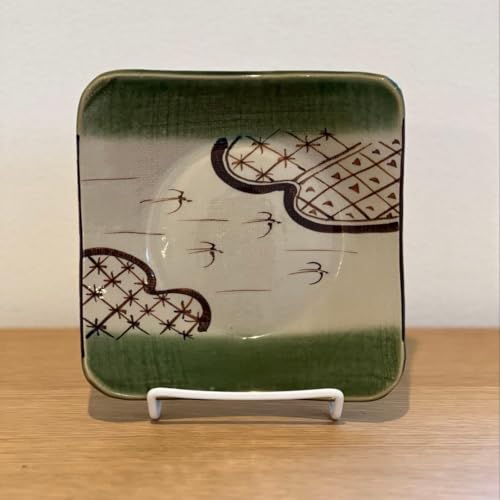
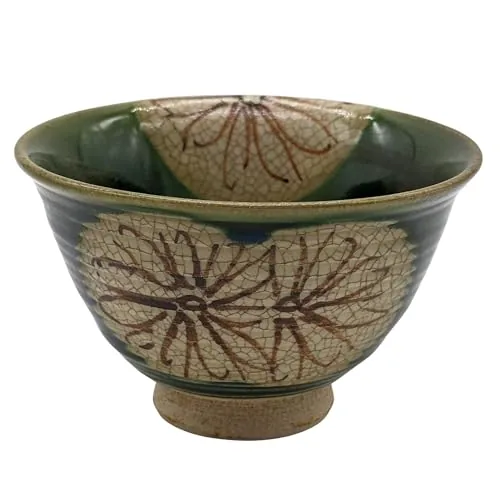
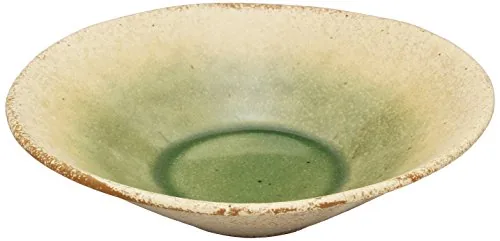
A copper-green Oribe serving dish from Gifu's Mino kilns — the bold, deliberately distorted tableware born of Momoyama…
Imado-yaki is the Edo-era Asakusa earthenware tied to the maneki-neko's birth legend. A hand-shaped Tokyo clay lucky cat…
Imado-yaki is Tokyo's old Asakusa earthenware and the birthplace of the maneki-neko. This hand-shaped, low-fired beckoning cat carries…
Kasama-yaki is the Kanto region's oldest stoneware, born under the Mito-allied Kasama domain in the 1770s. This hand-glazed…
Kokuji-yaki is Iwate's northernmost kiln, firing amber-and-white ame-glaze stoneware since the 1810s. Its katakuchi spouted bowl pours sauces,…
Hirashimizu-yaki from Yamagata City fires the iron-flecked clay of Mt. Chitose into the signature 'zangetsu' lingering-snow glaze. This…
Hirashimizu-yaki from Yamagata City fires local iron-rich Chitoseyama clay into a 'remaining snow' celadon, where dark mineral spots…
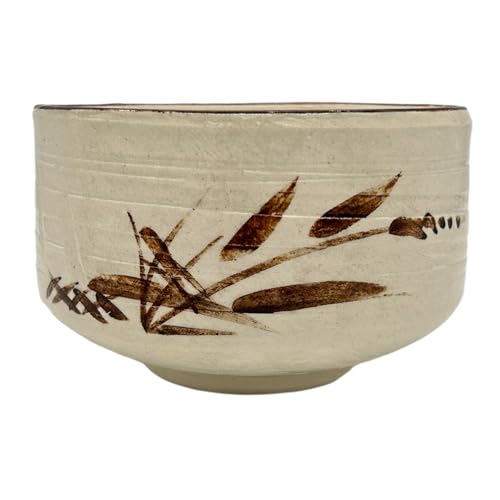
Oribe-yaki is the boldest of Momoyama tea ceramics: copper-green glaze, off-kilter forms, and iron-brush geometry. Here is where…
Mumyoi-yaki is fired from the iron-rich red earth of Sado's gold mines, polished to a metallic sheen and…
A tokkuri sake flask from Inkyuzan-yaki, Tottori's oldest working kiln under the Ikeda clan. Ash and namako glazes…
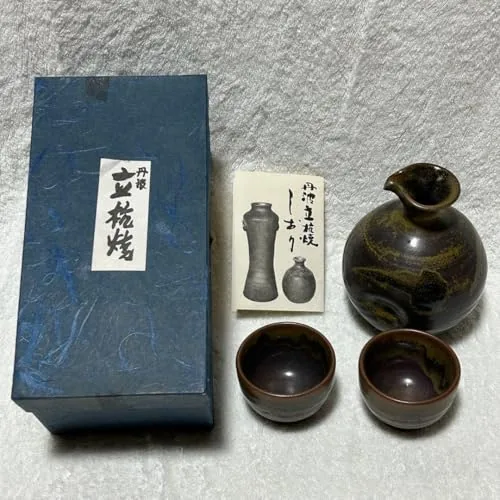
Etchu Seto-yaki is Toyama's oldest ceramic ware, born in 1594 at the foot of the Tateyama mountains. This…
From Okayama's Imbe village, one of Japan's Six Ancient Kilns, this unglazed wood-fired Bizen guinomi carries scarlet hidasuki…
A blue-green glazed katakuchi pourer from Matsushiro-yaki, the Sanada clan's old domain kiln in Nagano. Its copper-ash nagashi-gake…
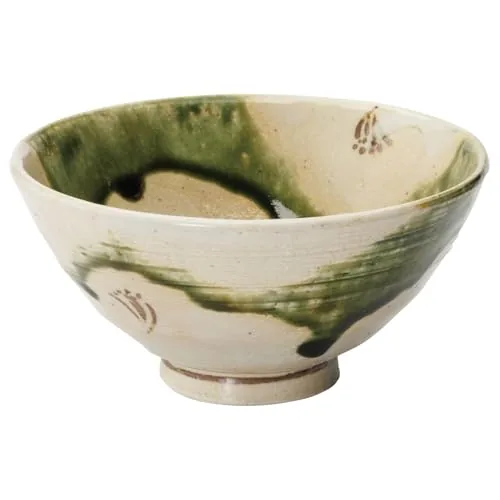
Mino-yaki Oribe ware brings Momoyama-era tea aesthetics to the table: copper-green glaze, asymmetric warped forms, and bold iron-painted…
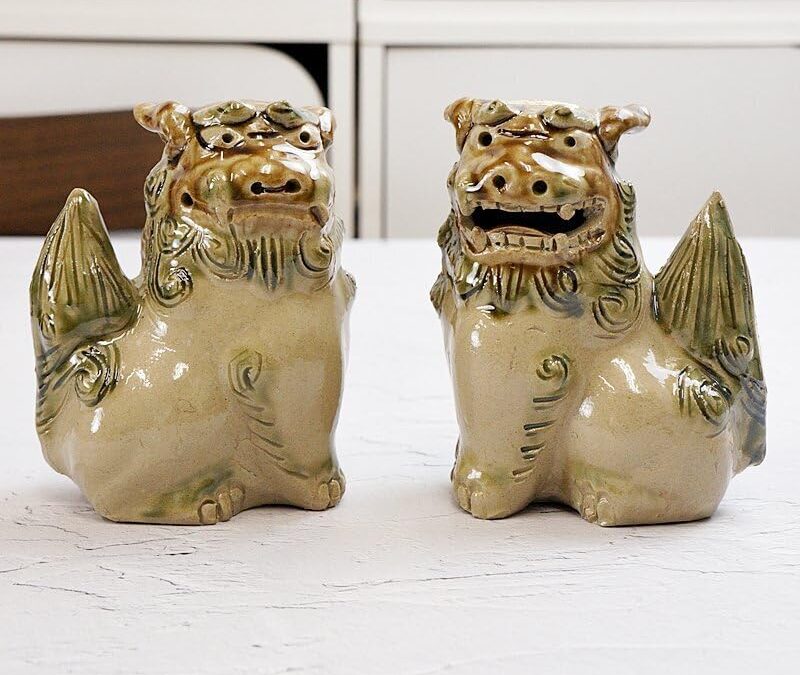
Hand-formed in Naha's centuries-old Tsuboya kiln district, these yachimun shisa lion-dogs guard the threshold against misfortune. A grounded…
Imado-yaki is the Edo-born earthenware of Asakusa, and Imado Shrine is celebrated as the birthplace of the maneki-neko.…
Mino-yaki Oribe ware turns Furuta Oribe's bold green copper glaze and deliberately warped 'hyuge' forms into a mukozuke…
Kutani-yaki mamezara bring 370 years of Kaga overglaze color to the table — five bold gosai pigments on…
Echizen-yaki is one of Japan's Six Ancient Kilns, fired unglazed for 850 years so wood-ash settles into a…
Hirashimizu-yaki tea bowls from Yamagata are glazed with zansha, a 'remaining-snow' effect where iron in the local Mt.…