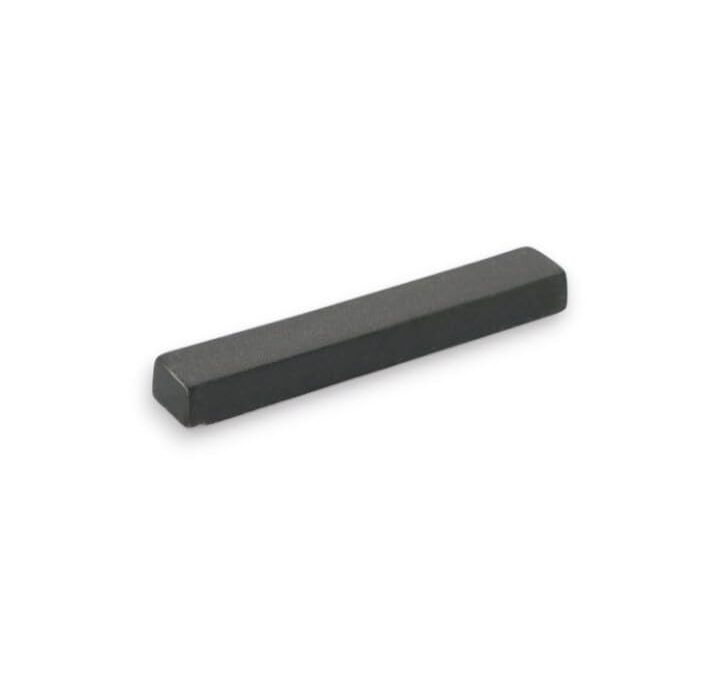
![Kamo Kiri Paulownia Rice Container (Kome-bitsu): Where to Buy [2026]](https://jpmono.com/wp-content/uploads/2026/06/kamo-kiri-paulownia-rice-container-kome-bitsu-where-to-buy-2026-featured.jpg)
A kome-bitsu (米びつ, “rice container”) is one of those quietly functional objects that a Japanese kitchen takes for granted and most international kitchens have never met. This one is made of solid kiri (桐, paulownia) wood from Kamo, a small castle town in central Niigata Prefecture that produces roughly 70% of all paulownia chests made in Japan. The same wood, the same joinery, and the same humidity logic that have protected kimono and old documents in Kamo’s paulownia chests for two centuries are here turned toward a more everyday job: keeping a household’s rice fresh.
What makes a paulownia rice keeper notable internationally is not decoration — it is physics paired with place. Paulownia is the lightest commercially worked wood in Japan; it swells slightly with humidity to seal itself, it conducts heat poorly (which historically made paulownia chests semi-fireproof), and its tannins are mildly insect-repellent. Those properties, prized for textile storage, happen to be exactly what dry rice wants: stable humidity, no pantry insects, and no plastic odor. Niigata is also Japan’s foremost rice region — home of Uonuma Koshihikari — so a Kamo paulownia rice keeper is, in a real sense, a homegrown pairing: the rice kingdom’s grain stored in the paulownia capital’s wood.
This guide is written for international readers deciding whether a solid-paulownia rice container is worth importing, and how to buy one from outside Japan. Based on listings, we cover what the wood actually does, who it suits and who should skip it, the realistic purchase paths (Amazon US search, Amazon JP Global Store, maker-direct, and proxy services), and the caveats — capacity, weight, humidity care — that the marketing rarely mentions.
🔄 Last updated: June 18, 2026
⏱️ Read time: ~11 min

- Who this is for — and who should skip it
- Product overview (from published specs)
- 📍 Where this comes from — place, era, and the craft tradition
- 📦 Shipping & where to buy from outside Japan
- Price snapshot across stores
- What it does well
- Weaknesses and things to verify before buying
- Conclusion — which buyer type are you?
- Other ways to approach this purchase
- 🏆 Editor’s Pick
- ❓ Frequently Asked Questions
Who this is for — and who should skip it
- Buy rice in 5–10 kg bags and want stable, low-humidity storage without plastic.
- Live somewhere humid where pantry insects and clumping are real problems.
- Value natural materials and traditional joinery over airtight modern bins.
- Want a single object that ties a Japanese kitchen to a verifiable craft region.
- Appreciate that the same wood protects kimono in Kamo’s paulownia chests.
- Want a sealed, bug-proof airtight container — paulownia regulates humidity, it does not vacuum-seal.
- Need a built-in measuring dispenser or a fridge-fit slim bin.
- Are on a tight budget — solid paulownia costs far more than a plastic bin.
- Cannot accommodate care needs: dry wiping only, no washing, no dishwasher.
- Rarely cook rice; the wood pays off only with regular turnover of stock.
Product overview (from published specs)
The fetched data for this item is thin: the automated Amazon US and eBay searches returned no individual matching listing, so the specifics below are drawn from the Amazon JP Global Store listing snapshot (ASIN B0BY12YP5J) and the maker category for Kamo paulownia woodwork. Treat capacity and dimensions as listing-dependent and confirm them on the live page before buying.
| Attribute | Detail (per listing / maker category) |
|---|---|
| Item type | Kome-bitsu (rice container / rice keeper) |
| Material | Solid kiri (paulownia) wood |
| Origin | Kamo, Niigata Prefecture, Japan (Chūbu region) |
| Capacity | Approx. 5 kg–10 kg of rice (varies by listing — verify) |
| Key function | Humidity regulation, insect resistance, low heat conduction |
| Care | Dry wipe only; keep out of direct sun and standing water |
| Reference ASIN | B0BY12YP5J (Amazon JP Global Store) |
| Sources | Amazon US search (primary, moonill-20) · Amazon JP Global Store (secondary, moonill-22, sourced listing) · maker category · proxy where relevant |
📖 Glossary — key terms
kiri (桐, “paulownia”) — the lightest commercially worked wood in Japan; valued for low heat conduction, humidity buffering, and insect resistance.
kome-bitsu (米びつ, “rice container”) — a household vessel for storing uncooked rice, traditionally wood, sized to a standard bag.
tansu (箪笥, “chest of drawers”) — the paulownia furniture Kamo is most famous for; a kiri tansu is a paulownia chest.
Koshihikari (コシヒカリ) — Japan’s flagship rice variety; the Uonuma district of Niigata is its most celebrated origin.
shōkyō / “Little Kyoto” (小京都) — an epithet for refined castle towns; Kamo is called the “Little Kyoto of Hokuetsu” (northern Niigata).
Dentō Kōgeihin (伝統的工芸品, “Traditional Craft”) — a craft designated by Japan’s Ministry of Economy, Trade and Industry (METI).
📍 Where this comes from — place, era, and the craft tradition

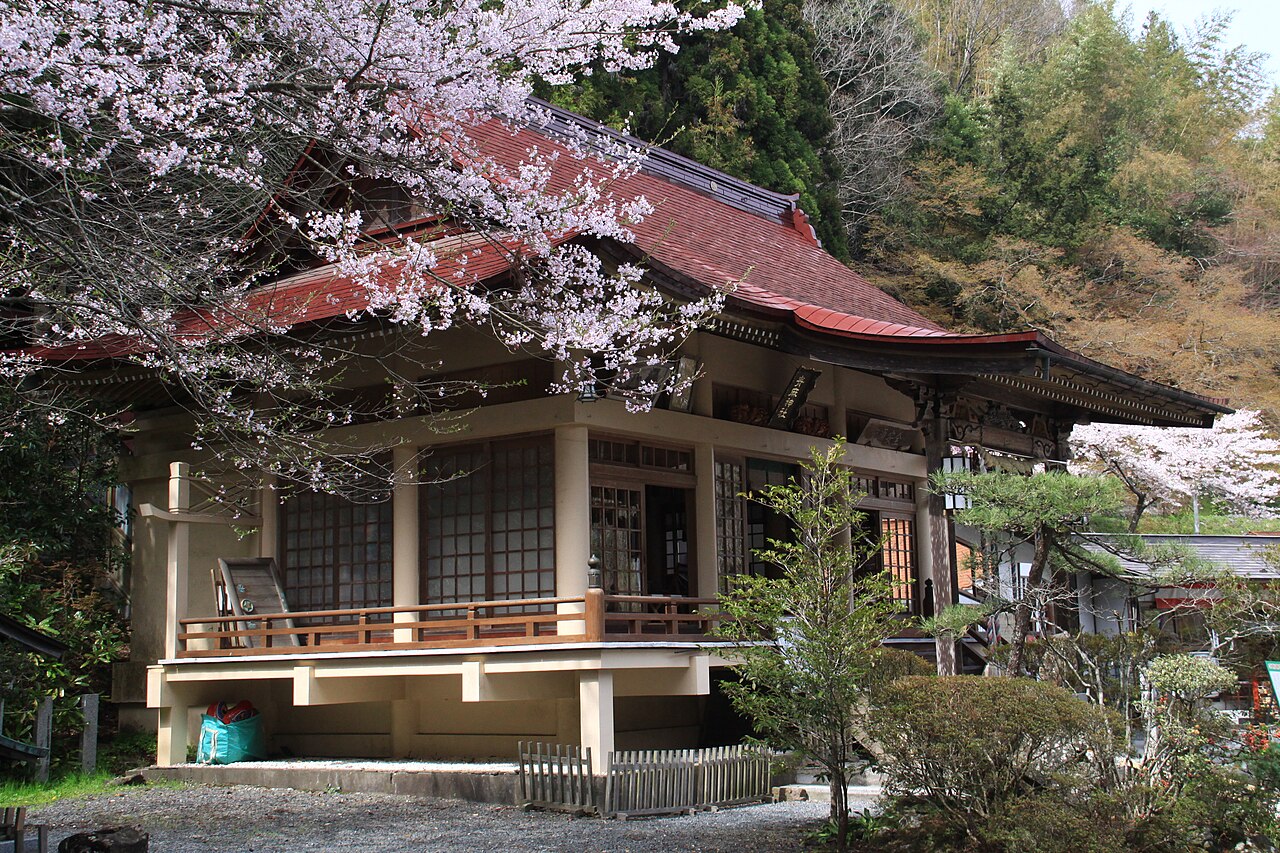
Kamo sits in the central plain of Niigata Prefecture, where the Kamo River runs out of low hills onto rice country. Niigata occupies the Sea of Japan coast of the Chūbu region — heavy-snow country, fed by rivers and famous above all for rice. Kamo itself grew up as a refined provincial town clustered around shrines and temples, dense enough with culture that it acquired the nickname “Little Kyoto of Hokuetsu” (the old name for northern Niigata).
The craft took root for ordinary, material reasons. Paulownia grew well along the Kamo River basin, and from around the 1810s, in the late Edo period, local makers began building chests from it. Paulownia is fast-growing, exceptionally light, and dimensionally forgiving — it swells just enough in humid air to seal a drawer or lid, then relaxes as the air dries. That made it the ideal Japanese material for protecting valuables from the country’s swing between humid summers and dry winters.
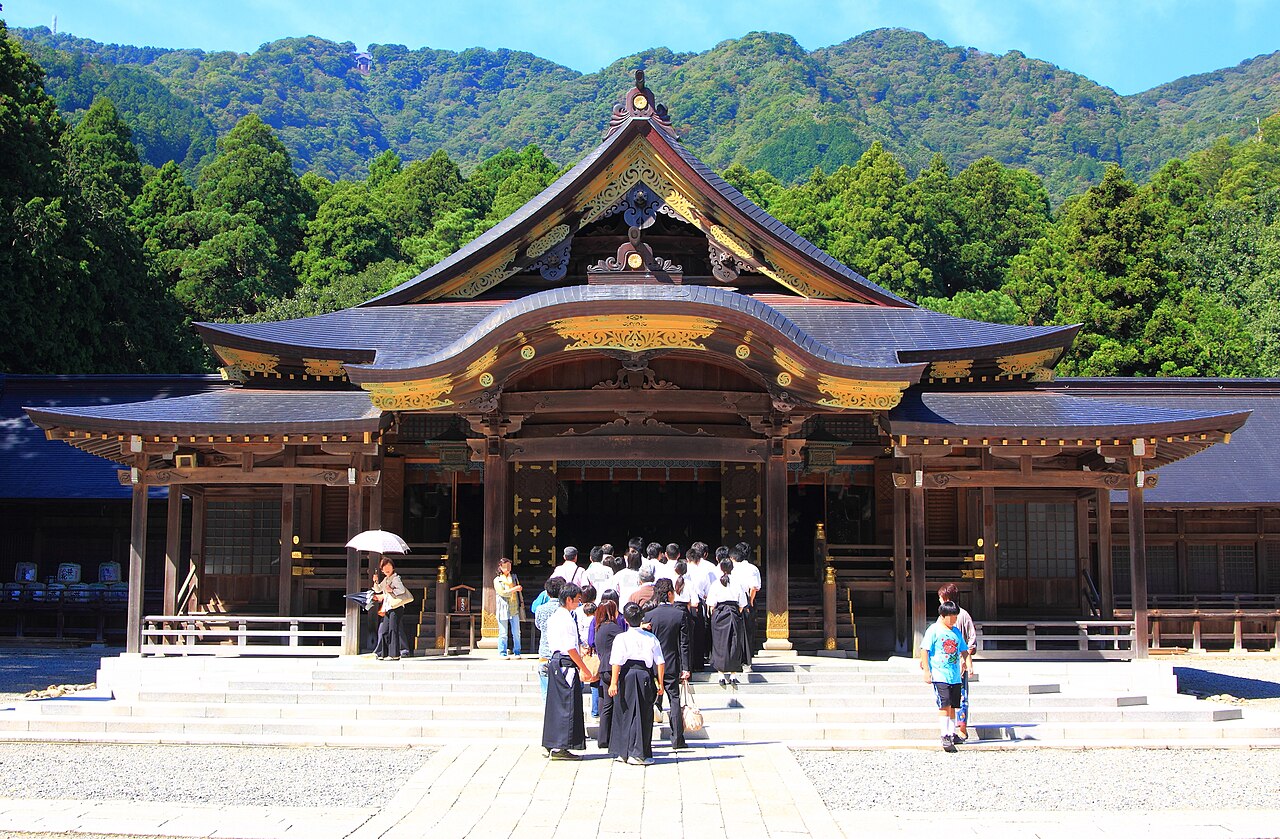
- 1810s — Paulownia (kiri) chest-making begins along the Kamo River in the late Edo period.
- Edo → Meiji — Kamo establishes itself as a paulownia-woodworking town, the “Little Kyoto of Hokuetsu.”
- 1976 — Kamo paulownia chests (Kamo kiri tansu) designated a Traditional Craft by Japan’s METI.
- 20th–21st c. — Kamo grows to roughly 70% of all paulownia-chest output in Japan.
- 2026 — Solid-paulownia kome-bitsu carry the same wood and joinery from the wardrobe to the kitchen.
The recognition is formal as well as folk: in 1976 the Ministry of Economy, Trade and Industry designated Kamo’s paulownia chests a Traditional Craft of Japan. Today Kamo is the country’s leading paulownia-furniture producer, accounting for an estimated 70% of national output — a concentration that means the knowledge of how to dry, cut, and joint this particular wood has stayed continuously alive in one small town.
“Roughly seven of every ten paulownia chests made in Japan come from this one small Niigata town — the rice keeper is simply that same wood, scaled down to the kitchen.”

This is where the object earns its logic. Niigata is the rice prefecture — Koshihikari, and the Uonuma district in particular, set the national benchmark for premium short-grain rice. The same paulownia properties that protect textiles — humidity buffering and insect resistance — are exactly what stored rice needs to stay dry, unclumped, and free of pantry weevils. A Kamo paulownia rice keeper therefore closes a local loop: the grain of Japan’s rice kingdom, held in the wood of Japan’s paulownia capital. It is a pairing of place, not a marketing slogan.
Related Japanese craft guides on jpmono.com — other Niigata makers, other paulownia pieces, and woodwork worth weighing against a rice keeper.
Tsubame stainless cutlery (Niigata)
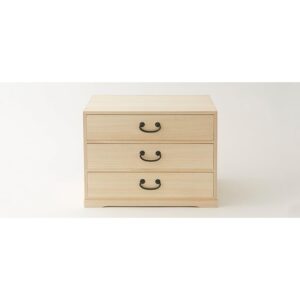 Kasukabe paulownia chest
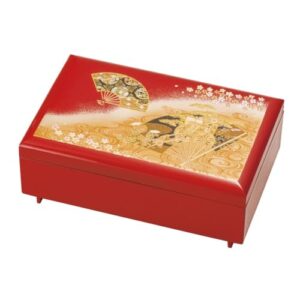 Kyo Sashimono paulownia box
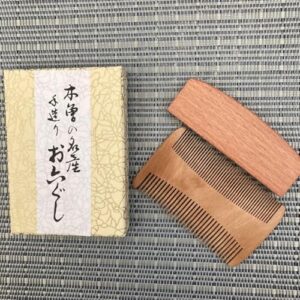 Kiso Oroku-gushi wooden comb
 Yamanaka woodturned caddy
 Beppu bamboo basket
📦 Shipping & where to buy from outside Japan
Because this is a Japan-sourced item, the realistic path for most international buyers is the Amazon JP Global Store, which ships many household goods worldwide. Amazon US (amazon.com) is the easiest checkout for US/EU/AU readers, but the specific Kamo paulownia rice keeper is not reliably listed there; the US search link is best for browsing comparable Japanese kitchenware while the exact piece ships from Japan.
- Amazon JP Global Store — ships internationally to most major destinations; international shipping for an item this size typically runs roughly $15–$40 to the US and EU, higher to other regions.
- Customs / duties — solid-wood goods are usually low-duty, but orders above your local de-minimis threshold may attract import tax. Check your country’s rules before ordering.
- Proxy services (Buyee / Tenso) — useful if a particular size or maker is sold only on a Japan-domestic listing that does not ship abroad directly.
- No electrical concerns — this is unpowered solid wood, so there are no voltage or certification issues; only weight and dimensions affect shipping cost.
Price snapshot across stores
Pricing note: the automated US/eBay search returned no matching individual listing, and no live price was captured for the JP listing at the time of writing. Figures below are therefore shown as “varies” — confirm the current price on the listing itself. JPY is the authoritative currency; any USD shown is an approximate estimate at a ¥150/USD baseline.
| Store | Item / variant | Price (JPY + USD est.) | Notes |
|---|---|---|---|
| 🇺🇸 Amazon.com (US) | Browse Japanese rice containers & paulownia kitchen storage | varies (USD) | Best if you’re shopping from the US — Prime shipping, USD pricing, no international customs. Amazon US carries Japanese rice keepers and paulownia storage from various makers for comparison; the exact Kamo piece ships from Japan (next row). |
| 🇯🇵 Amazon JP Global Store | Kamo paulownia kome-bitsu (ASIN B0BY12YP5J) | varies — verify on listing | Ships internationally from Japan. This is the sourced listing for the specific item in this guide. |
| Maker direct | Kamo paulownia woodwork makers | varies (often JP-domestic) | Some Kamo workshops sell direct but ship within Japan only — pair with a proxy for export. |
| Proxy services (Buyee / Tenso) | Any JP-domestic listing | item price + proxy fee + forwarding | Use when the size/maker you want is not on the Global Store. Adds handling cost. |
What it does well
Weaknesses and things to verify before buying
- Not airtight. Paulownia regulates humidity; it does not vacuum-seal. If you want a bug-proof hermetic bin, this is the wrong tool.
- Care discipline. Dry wipe only — no washing, no soaking, no dishwasher, and keep it out of direct sun to prevent warping or cracking.
- Capacity and dimensions vary by listing. The “5–10 kg” range is approximate; confirm the exact internal capacity and footprint before ordering, especially for tight kitchens.
- Price. Solid paulownia costs considerably more than a plastic rice bin; the value is in material and craft, not in raw storage volume.
- Shipping cost and customs. A wooden box has real bulk; international shipping and possible import duty can add meaningfully to the JPY price.
- Thin published data. Only the Amazon JP listing snapshot was available; live price, exact weight, and dimensions may have shifted since writing — verify on the listing.
Conclusion — which buyer type are you?
Other ways to approach this purchase
🏆 Editor’s Pick
❓ Frequently Asked Questions
Does a paulownia rice container really keep rice fresher?
How do I clean and maintain it?
Can it ship outside Japan?
What capacity should I choose?
Why is it from Kamo specifically?
Is a wooden rice keeper worth it over a plastic bin?
jpmono.com is curated by a Japan-based editorial team (working out of Toyama in the Hokuriku region and Nara in Kansai) and is independent. We don’t take payment from the makers we feature; income comes from affiliate links. We don’t physically test every product — we read maker’s specs and source listings.
🤖 This article was produced with AI assistance and reviewed against the source listing data. Specifications and pricing reflect data available at the time of writing and may have changed.
Affiliate disclosure: jpmono.com may earn a commission on qualifying purchases made through links on this page, at no additional cost to you.