![Inami Wood Carving Owl Ornament: Toyama Hand-Carved Fukurou [2026]](https://jpmono.com/wp-content/uploads/2026/05/japan-map-regions-and-prefectures-800x1050.png)
A carved owl that fits in the palm does not look like an object with six hundred years of history behind it. This one carries exactly that. It comes from Inami, a temple town folded into the hills of Nanto City in Toyama Prefecture, where a head temple kept burning down and, in the rebuilding, a craft was born. The Kyoto carvers who repaired the hall stayed, taught the local carpenters, and over generations turned a small town into Japan’s largest woodcarving district.
The piece in this guide is a fukurou (梟, “owl”) ornament hand-carved in the Inami Choukoku (井波彫刻, “Inami woodcarving”) tradition from a single block of keyaki (欅, “zelkova”). In Japan the owl is a quiet pun — fu-kurou can be read as “no hardship” — so the bird sits on shelves and entryways as an engimono (縁起物, “good-luck object”). What separates an Inami owl from a souvenir-shop carving is the depth of the relief: this is the same chisel work that produces temple transoms, scaled down to a desk object.
This article is written for international readers deciding whether a hand-carved Japanese woodwork piece is worth importing, and how to actually get one. We cover what the craft is, where it comes from, how it ships from outside Japan, the honest weaknesses of buying solid carved wood sight-unseen, and how it compares to other Toyama and Japanese woodcraft we have covered. Note up front: live pricing for hand-carved Inami ornaments varies by carver, motif, and wood, so figures below are flagged as unconfirmed rather than invented.
🔄 Updated:
⏱️ Read time: ~11 min
- Who this is for — and who should skip it
- Product overview (from published specs)
- 📍 Where this comes from — place, era, and the craft tradition
- Buying options across stores
- What it does well
- Weaknesses and things to verify before buying
- Conclusion — which buyer type are you?
- Other ways to approach this purchase
- ❓ Frequently Asked Questions
Who this is for — and who should skip it
- Want a small, displayable piece of a recognized Japanese craft tradition (METI-designated in 1975)
- Appreciate hand-tool relief carving and the natural variation that comes with it
- Are buying an engimono good-luck gift with a genuine, documented backstory
- Understand that each carving is individual and will not match a catalog photo exactly
- Are comfortable importing from Japan and verifying price and stock before ordering
- Expect a mass-produced, machine-identical figurine at a low price point
- Need a guaranteed exact size, finish, or wood species; details vary between pieces
- Want same-day domestic shipping rather than an international order
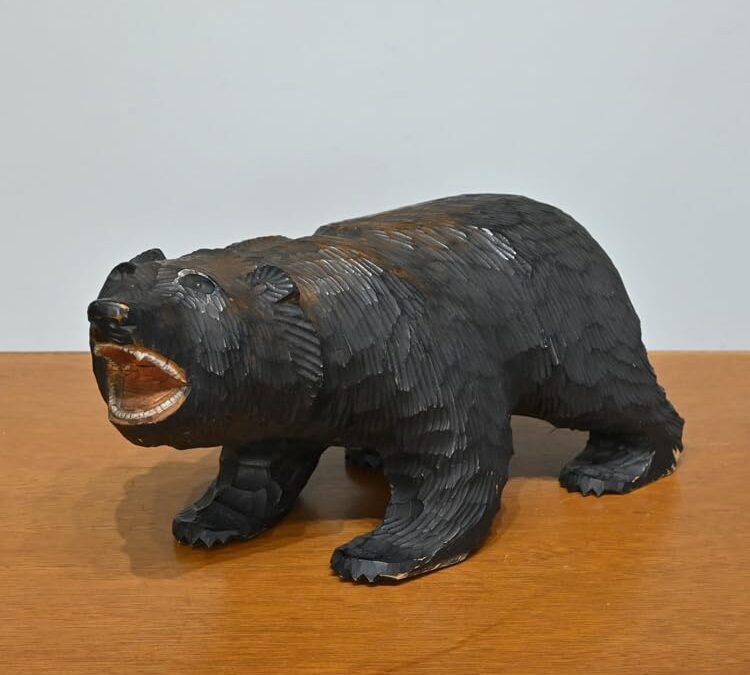
- Are looking for the Hokkaido kibori bear style — that is a different lineage entirely
- Cannot tolerate the grain, knots, and tonal shifts of solid hardwood
Product overview (from published specs)
Hand-carved Inami ornaments vary by carver and piece. The specification below therefore records what is documented about the craft category and marks unconfirmed fields plainly rather than guessing.
| Attribute | Detail | Source |
|---|---|---|
| Craft | Inami Choukoku (井波彫刻, Inami woodcarving) | Maker tradition / METI |
| Object | Fukurou (owl) engimono ornament | Product page |
| Material | Solid keyaki (欅, zelkova) — single-block, hand-carved; some Inami pieces use kusunoki (camphor) | Product page / craft tradition |
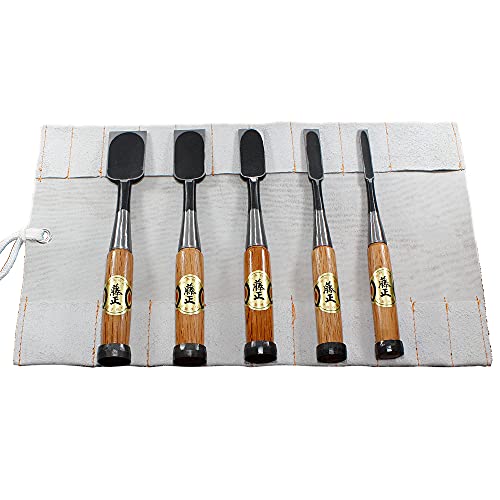
| Technique | Deep three-dimensional relief, up to 200 chisels and knives | Craft tradition |
| Origin | Inami district, Nanto City, Toyama Prefecture | Maker location |
| Designation | Traditional Craft (METI), designated 1975 | METI |
| Dimensions / weight | Unconfirmed — check the seller before purchase | — |
| Price | Unconfirmed at time of writing — verify before buying | — |
📖 Glossary — key terms
- Inami Choukoku (井波彫刻) — the woodcarving tradition of Inami, Toyama; choukoku means sculpture or carving.
- Fukurou (梟) — owl; read playfully as fu-kurou (“no hardship”), which makes it a luck motif.
- Engimono (縁起物) — a good-luck object given or displayed to invite fortune.
- Keyaki (欅) — Japanese zelkova; a hard, strong, fine-grained hardwood prized for its figure and durability.
- Kusunoki (楠) — camphor wood; aromatic and dense enough to hold fine detail, also used in Inami carving.
- Ranma (欄間) — the openwork transom panel above sliding doors; the carving form Inami is most famous for.
- Shishi (獅子) — carved guardian lions; a flagship Inami subject alongside transoms and temple dragons.
- Jōdo Shinshū (浄土真宗) — the True Pure Land school of Buddhism; Zuisen-ji is one of its temples.
Related crafts we have covered — Toyama neighbors first, then other Japanese woodwork lineages.
 Takaoka Shikki raden box (Toyama)
Johana Shike-Ginu silk scarf (Toyama)
Tateyama Tozan book cover (Toyama)
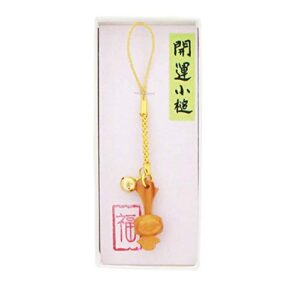 Hida Ichii ittobori netsuke (Gifu woodwork)
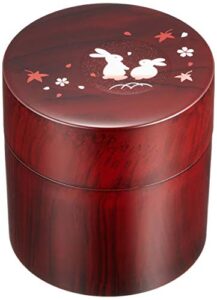 Yamanaka woodturned tea caddy (Ishikawa woodwork)
Nikko-bori carved hand mirror (carved woodwork)
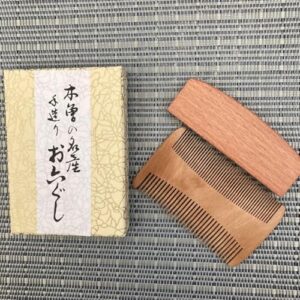 Kiso Oroku-gushi wooden comb (Nagano woodwork)
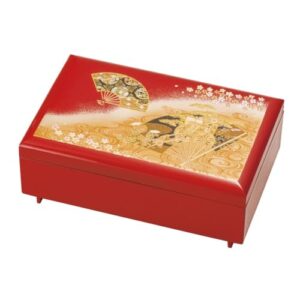 Kyo Sashimono paulownia box (joinery woodwork)
📍 Where this comes from — place, era, and the craft tradition

Inami is a district of Nanto City in the southwest of Toyama Prefecture, on the Hokuriku coast of central Japan. It is an inland temple town rather than a port — the kind of place that grew around a single religious institution and then around the trades that institution required. Toyama as a whole is mountain-walled country, with the Tateyama range rising sharply to the east, and that geography meant good timber and a steady supply of carpenters long before there was a named “craft.”
The origin is specific and unusually well documented. Inami grew around the Jōdo Shinshū temple Zuisen-ji (瑞泉寺), founded around 1390 as a head temple of Pure Land Buddhism in the Hokuriku region. The main hall burned down more than once, and after repeated fires master carpenter-carvers were dispatched from Kyoto’s Higashi-Honganji in the 1760s to lead the reconstruction.
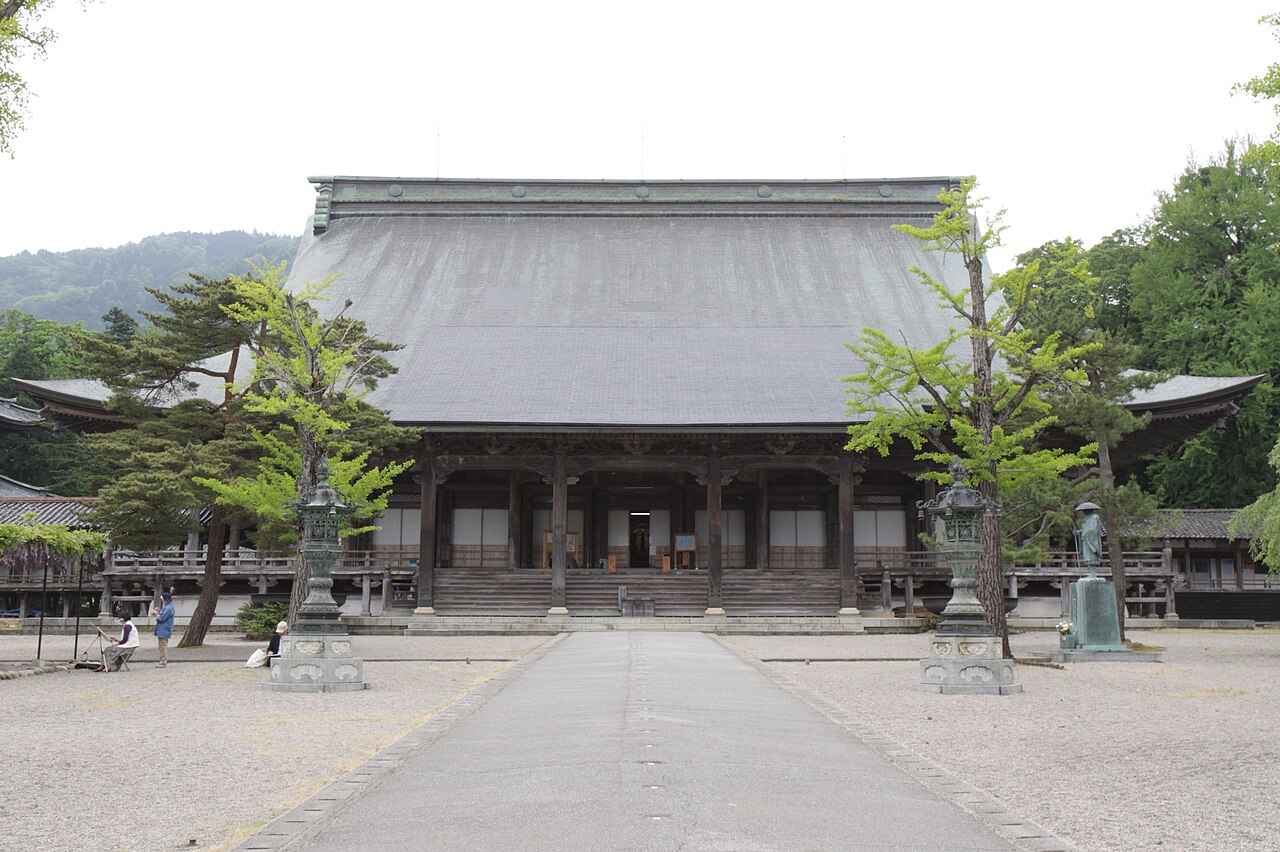
What the Kyoto carvers taught was not generic carpentry. It was relief and openwork — above all the ranma (欄間) transom that sits over sliding doors, cut so deeply that birds and flowers seem to stand free of the wood. The local craftsmen learned the technique, kept it after the temple was finished, stayed in the town, and formed a carving guild. That single transfer of skill, from Kyoto temple sculptors to a Toyama building crew, is the seed of everything that follows.
- c. 1390 — Zuisen-ji founded as a head temple of Hokuriku Jōdo Shinshū.
- 1760s — After repeated fires, Higashi-Honganji dispatches master carpenter-carvers from Kyoto to rebuild the hall.
- Late 18th–19th c. — Local craftsmen absorb the relief and openwork technique, stay on, and form a carving guild; the ranma becomes the town’s specialty.
- 19th–20th c. — Carvers become known for temple dragons and shishi lions cut from single keyaki or kusunoki blocks with up to 200 chisels.
- 1975 — Inami Choukoku designated a Traditional Craft by METI.
- Today — The same chisel work is applied to smaller secular pieces — owls, zodiac animals, ornaments — on the still-active Yokamachi carving street.
“A temple kept burning down, Kyoto carvers came to rebuild it, and when the work was finished the chisels never left — that is how Inami became Japan’s largest woodcarving town.”
The continuity case is concrete. Inami is now the largest woodcarving district in Japan, where carvers still use sets of up to 200 chisels and knives to cut the deep three-dimensional relief the town is known for. The flagship outputs remain architectural and devotional — temple transoms, dragons, and shishi lions cut from single keyaki and camphor blocks — while smaller engimono such as the owl give the workshops a domestic-scale product that travels well. METI’s 1975 designation recognized an unbroken working tradition rather than a revival.
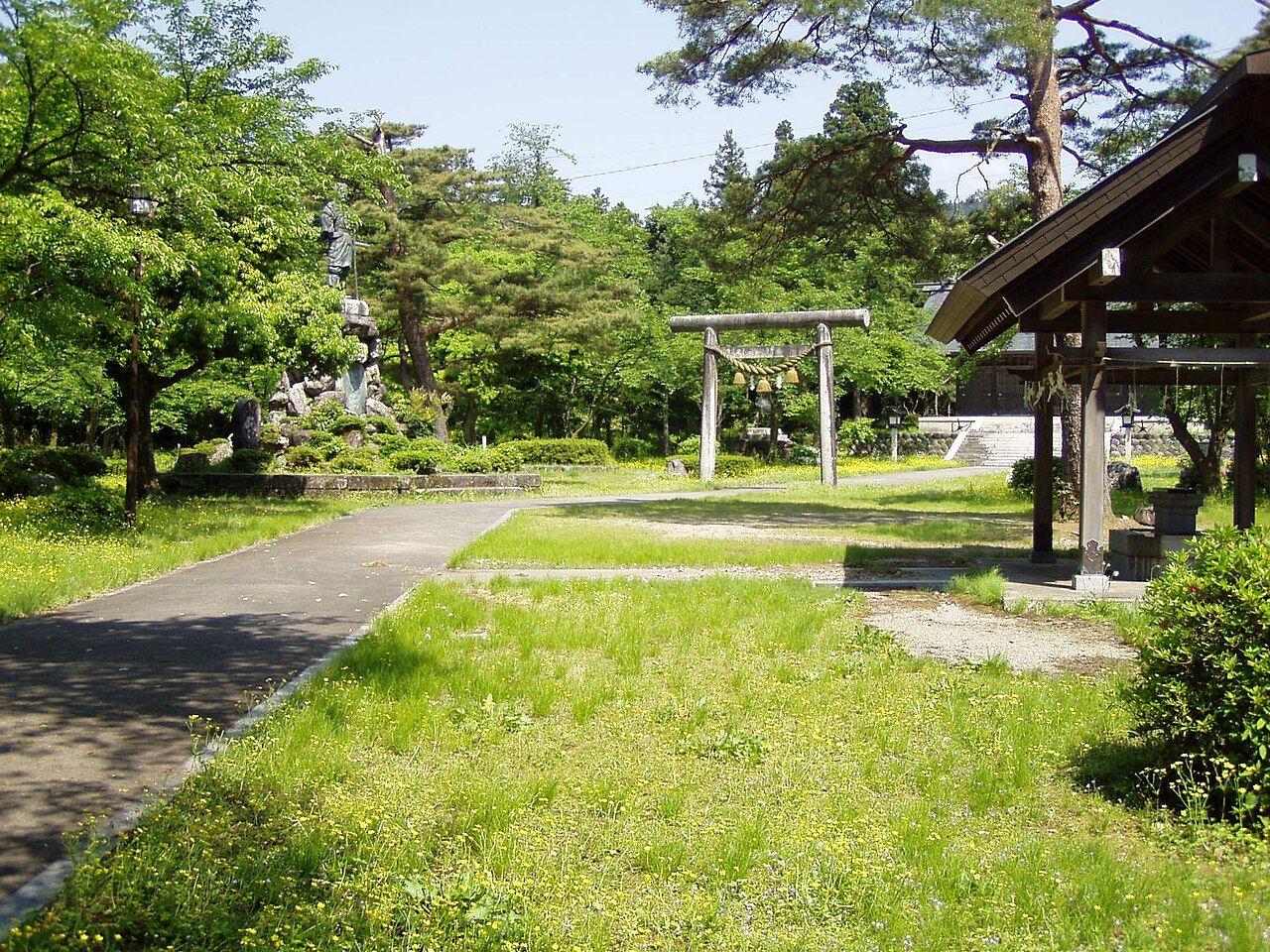
You can still hear the craft. The main carving street, Yokamachi, runs toward the temple gate and is lined with open workshops; the sound of mallet on chisel carries into the road. This is the cultural extension that matters for a buyer — the owl on a shelf is not a factory casting of a “Japanese motif” but the small-format work of a town that still carves the transoms above its own temple doors.

The wider setting reinforces this. Toyama is timber-and-joinery country at every scale, from the Tateyama-fed forests that supplied the material down to a palm-sized owl. The mountains supply the wood; the temple supplied the technique; the town supplied more than two centuries of unbroken practice.

Inami does not stand alone in the prefecture. Nearby Takaoka, founded as a Kaga-domain castle town in 1609, became a national center of metalcasting whose lineage produced works like the Takaoka Great Buddha. Read together, Inami’s chisels and Takaoka’s foundries describe a single regional fact: this corner of the Sea of Japan coast has organized itself around devotional and decorative craft for centuries, and still does.
Buying options across stores
Live pricing for hand-carved Inami wood ornaments varies by carver, motif, wood, and size. Figures marked “varies” or “unconfirmed” were not invented; verify at the retailer before purchasing. Prices in USD are approximate and depend on the current exchange rate.
| Store | Item / variant | Price (JPY + USD est.) | Notes |
|---|---|---|---|
| 🇺🇸 Amazon US (search) | Browse Japanese carved woodwork & owl ornaments | varies (USD) | Best if you’re shopping from the US — Prime shipping, USD pricing, no international customs. Amazon US carries comparable Japanese carved wood ornaments; the exact Inami keyaki piece is sourced from Japan (next row). |
| 🇯🇵 Amazon JP Global Store | Inami Choukoku fukurou owl, keyaki | Unconfirmed — check the product page | Ships internationally from Japan; this is the product page for the item. Additional shipping and customs costs may apply; confirm details before ordering. |
| Maker direct | Inami workshops / Yokamachi studios | varies | Individual studios may sell direct; international shipping varies by workshop and is not guaranteed. |
| Proxy services (Buyee / Tenso) | Forwarded domestic Japanese purchase | item + forwarding fee | Useful if the Global Store does not ship to your region; adds a service fee and a second shipping leg. |
What it does well
Weaknesses and things to verify before buying
- Purchase terms were unconfirmed at time of writing. A single product page was available, so confirm the current terms with the retailer before ordering.
- Each carving is individual. Hand work means the owl you receive will differ in grain, exact pose, and detail from any catalog photo. This is inherent to the craft, not a defect.
- Wood species and size may vary. The item description references keyaki (zelkova), while Inami carvers also work in camphor; verify the material and size if they matter to you.
- Solid-wood behavior. Natural hardwood can show knots, tonal shifts, and slow movement with humidity. Keep it away from direct heat and prolonged damp.
- International shipping and duties add cost. The Global Store price is not the landed price; budget for shipping (roughly $15–$40 to US/EU) and possible customs.
- Not the Hokkaido bear. If you specifically want the kibori bear style, this is a different lineage (temple-sculpture tradition, not Ainu-influenced craft) and a different motif.
- Authenticity check. Owl woodcarving is a crowded search term; confirm the piece actually references Inami / 井波 if the specific tradition is what you are paying for.
Conclusion — which buyer type are you?
Other ways to approach this purchase
❓ Frequently Asked Questions
Is this a machine-made or genuinely hand-carved owl?
Inami Choukoku is a hand-tool carving tradition — carvers use sets of up to 200 chisels and knives to cut deep three-dimensional relief. Because it is hand work, no two pieces are identical, and the one you receive will differ slightly from any catalog photo.
What wood is it carved from?
Inami carvers work in keyaki (zelkova), a hard, figured Japanese hardwood, and many carvers also work in camphor (kusunoki). The exact dimensions for an ornament depend on the carver and the piece.
Why is the owl considered lucky in Japan?
The Japanese word for owl, fukurou, can be read as fu-kurou (“no hardship”), so the bird is treated as an engimono — a good-luck object displayed at home or given as a gift.
Can it be shipped outside Japan?
Yes. Hand-carved Inami ornaments are typically available through the Amazon JP Global Store or specialized Japanese craft exporters, which ship many household items internationally. Expect roughly $15–$40 shipping to the US or EU and possible customs duties above your country’s threshold. If the Global Store does not ship to your region, a proxy service such as Buyee or Tenso can forward a domestic order.
How is this different from the Hokkaido carved bear?
They are different traditions. The Hokkaido kibori bear comes from an Ainu-influenced craft lineage, while Inami carving descends from temple-sculpture work taught by Kyoto master carvers in the 1760s. The motif (owl vs. bear) and the lineage are both distinct.
How should I care for a carved wood ornament?
Keep it away from direct heat, prolonged damp, and strong sunlight. Solid keyaki can move slightly with humidity and may show knots or tonal shifts, which are natural. Dust with a soft dry cloth rather than water.
How can I confirm a product is genuine Inami work?
“Owl woodcarving” is a broad search term. Look for work explicitly identified with Inami (井波) or Inami Choukoku; the designation helps distinguish this regional craft from a generic carved figurine.
jpmono.com is curated by a Japan-based editorial team (working out of Toyama in the Hokuriku region and Nara in Kansai) and is independent. We don’t take payment from the makers we feature; income comes from affiliate links. We don’t physically test every product — we review maker specifications and craft references.
🤖 This article was prepared with AI assistance and reviewed against the available product and craft-tradition data. Where live marketplace data was thin, fields are marked unconfirmed rather than estimated.
Affiliate disclosure: jpmono.com may earn a commission on qualifying purchases made through links on this page, at no additional cost to you.