![Takaoka Doki Brass Wind Bell (Fuurin): Toyama’s Cast-Metal Craft, Where to Buy [2026]](https://jpmono.com/wp-content/uploads/2026/06/takaoka-doki-brass-wind-bell-fuurin-where-to-buy-2026-featured.jpg)
Roughly nine out of every ten pieces of cast copper and bronze ware made in Japan come from one city: Takaoka, in Toyama Prefecture, on the Sea of Japan coast. A brass wind bell (fuurin, 風鈴) is one of the smallest objects that tradition produces — and one of the most revealing, because the whole point of it is sound. Cast in brass (shinchu, 真鍮) and hand-finished, a Takaoka fuurin is tuned for a single quality: a clear, long-sustaining ring that keeps lingering after the breeze that started it has passed.
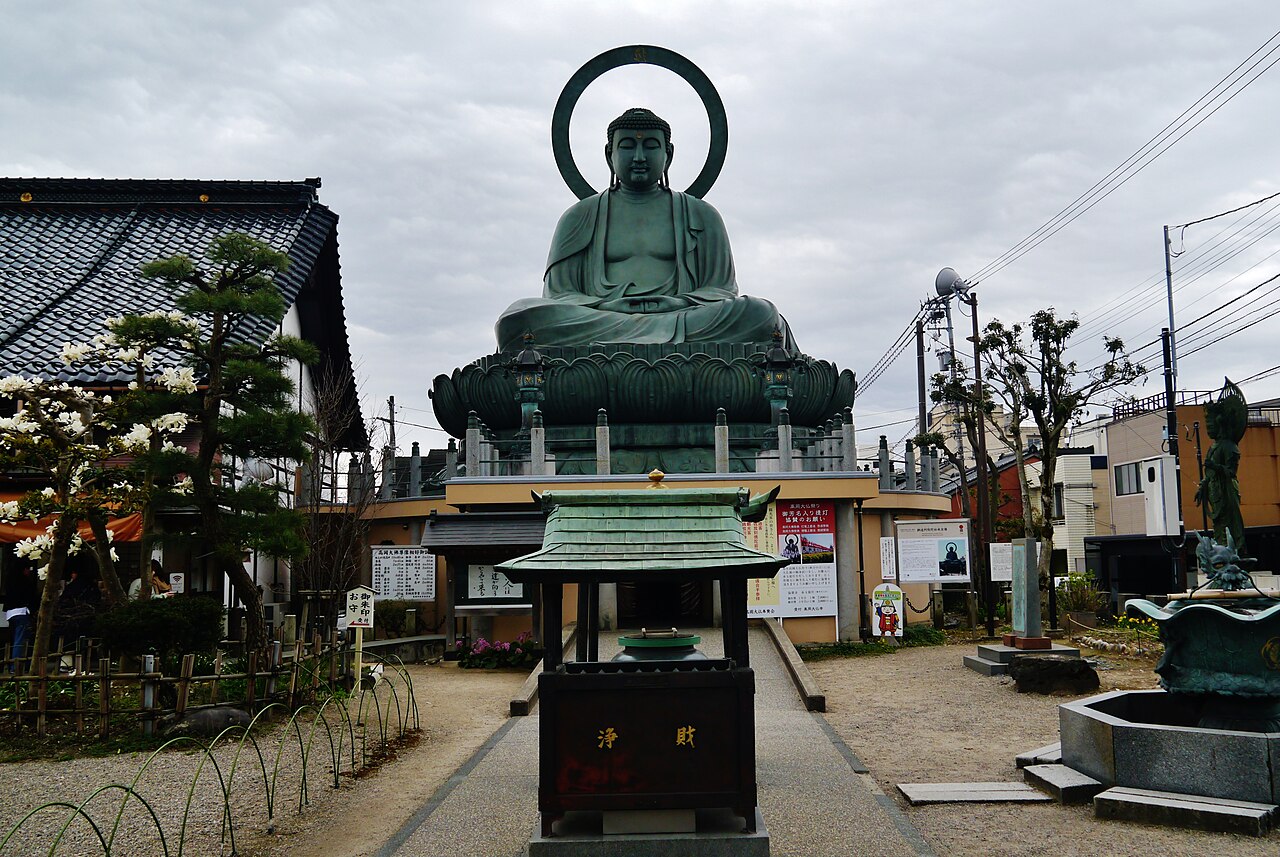
What makes the object notable to an international reader is not novelty but continuity. The same Takaoka foundries that spent four centuries casting temple bells, Buddhist altar fittings, and monumental devotional bronzes — including the 16-meter Takaoka Daibutsu — also cast the small bell that hangs from a summer eave. Makers such as Nōsaku now export this work internationally, which is why a piece of the tradition can reach a porch in Berlin or Brooklyn at all.
This guide is written for readers weighing a first piece of Japanese cast metalwork that is meant to be heard, not just seen: what the craft is, who should buy it and who should skip it, where it sits historically, and how to purchase it from outside Japan. We compare it against other Toyama crafts, against the site’s existing metal coverage, and against the bamboo wind chime tradition — and we are candid about the gaps in the available data.
🔄 Last updated:
⏱️ Read time: ~12 min

- Who this is for — and who should skip it
- Product overview (from published specs)
- Which finish should you choose?
- Price snapshot across stores
- What it does well
- Weaknesses and things to verify before buying
- Conclusion — which buyer type are you?
- Other ways to approach this purchase
- Where this comes from
- 🏆 Editor’s Pick
- ❓ Frequently Asked Questions
Who this is for — and who should skip it
- Want a quiet seasonal object for a porch, window, or garden that turns a breeze into sound
- Value a long, clear, metal ringing tone over the dry rattle of glass or wood chimes
- Appreciate cast metalware with a documented, four-century regional lineage
- Are comfortable buying an item whose exact dimensions, tone, and price you verify on the live listing
- Want a small, durable piece that can be kept for years rather than a disposable décor item
- Live somewhere with light-sleeping neighbors who would object to a sustained metallic ring
- Want a guaranteed-cheap purchase — a hand-finished cast brass bell is priced as a craft object
- Prefer the softer, drier sound of a bamboo or glass wind chime (a different tradition entirely)
- Require an exact published weight, pitch, and price before buying (data here is thin — see caveats)
- Expect a pure-tin (suzu) Nōsaku tumbler-style finish — a wind bell is brass, a different alloy
Product overview (from published specs)
The available data for this specific listing is limited. Per the source snapshot, the fetched Amazon US search returned no individually listed match, and only the Amazon JP Global Store reference (ASIN B00B0JS7GY) is available; live pricing was unavailable at time of writing. The table below reflects what the spec and maker tradition state — not invented figures. Treat any dimension, pitch, or weight as “verify on the live listing.”
Takaoka Doki Brass Wind Bell (Fuurin)
能作 風鈴 marumaru ゴールド 101100
Sold by 旭雅堂【適格請求書発行事業者】 · ASIN B00B0JS7GY
Price and availability as of 2026-08-31 02:30 JST. The Amazon listing at the time of purchase is authoritative. jpmono.com earns a commission on qualifying purchases at no extra cost to you.
| Attribute | Detail | Source |
|---|---|---|
| Object | Cast brass wind bell (fuurin) for a porch, eave, or window | Spec / maker tradition |
| Craft | Takaoka Dōki (高岡銅器), Takaoka cast metalware — METI Traditional Craft (1975) | Spec data notes |
| Material | Brass (shinchu, copper-zinc alloy), sand-cast; distinct from pure-tin suzu ware | Spec data notes |
| Signature | Clear, long-sustaining ring — the craft’s acoustic showcase | Spec data notes |
| Maker | Takaoka casting foundry (recommendation hint: Nōsaku) | Spec recommendation hint |
| Origin | Takaoka, Toyama Prefecture, Chūbu / Hokuriku | Spec data notes |
| Dimensions / weight / pitch | Unconfirmed — check the live listing | Not in fetched data |
| Price | Unavailable at time of writing — verify on Amazon JP Global Store | Not in fetched data |
Store sourcing follows the site’s standard order: Amazon US (search) as the consumer-facing primary path, Amazon JP Global Store as the sourced secondary listing for this exact item, then Maker direct and Proxy services (Buyee / Tenso) where relevant.
📖 Glossary — key terms
- Takaoka Dōki (高岡銅器) — “Takaoka copperware,” the cast copper-, bronze-, and brass-ware craft of Takaoka city; the source of roughly 90%+ of Japan’s cast copper/bronze ware.
- Fuurin (風鈴) — a wind bell or wind chime, hung in summer so a passing breeze produces a cooling, repeated tone.
- Shinchu (真鍮) — brass, a copper-zinc alloy. Harder and brighter-sounding than tin, which is why it is used for bells rather than soft drinkware.
- Imono (鋳物) — cast metalware; pouring molten alloy into a mold, the core Takaoka technique.
- Tanzaku (短冊) — the small paper strip that hangs below a fuurin’s clapper, catching the wind to swing the striker against the bell.
- Suzu (錫) — pure tin; a different, softer metal. The site’s other Toyama metal pieces (Nōsaku tumblers and baskets) are tin, not brass.
Which finish should you choose?
This piece is listed in 7 options. The photos below are the actual パターン名 options on the listing right now — pick the one you want and confirm it on the product page before ordering, since hand-finished wares vary slightly piece to piece.
![Takaoka Doki Brass Wind Bell (Fuurin): Toyama's Cast-Metal Craft, Where to Buy [2026] — rin finish](https://m.media-amazon.com/images/I/21YmhK+jpCL._SL500_.jpg)
![Takaoka Doki Brass Wind Bell (Fuurin): Toyama's Cast-Metal Craft, Where to Buy [2026] — yamamaru finish](https://m.media-amazon.com/images/I/21b9lL62YCL._SL500_.jpg)
![Takaoka Doki Brass Wind Bell (Fuurin): Toyama's Cast-Metal Craft, Where to Buy [2026] — ひまわり finish](https://m.media-amazon.com/images/I/21GQ4OpHVLL._SL500_.jpg)
![Takaoka Doki Brass Wind Bell (Fuurin): Toyama's Cast-Metal Craft, Where to Buy [2026] — あさがお finish](https://m.media-amazon.com/images/I/31oL1wQq4NL._SL500_.jpg)
![Takaoka Doki Brass Wind Bell (Fuurin): Toyama's Cast-Metal Craft, Where to Buy [2026] — オニオン finish](https://m.media-amazon.com/images/I/31jngK6SlzL._SL500_.jpg)
![Takaoka Doki Brass Wind Bell (Fuurin): Toyama's Cast-Metal Craft, Where to Buy [2026] — maruo finish](https://m.media-amazon.com/images/I/21sVEswG0nL._SL500_.jpg)
 🟦 Takaoka lacquer (same city)
🧣 Johana silk (Toyama)
🧵 Tateyama Tozan (Toyama)
🔔 Takasaki cast brass bell
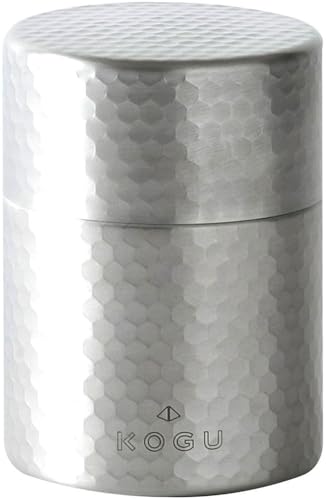 🫖 Kaikado tin (metal)
 🎴 Owari Shippo (metal)
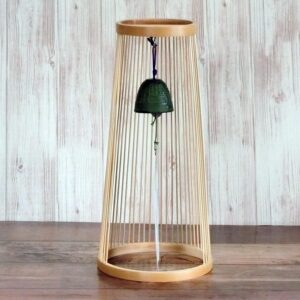 🎋 Bamboo wind chime
🍴 Tsubame metalwork
Price snapshot across stores
JPY is the authoritative price for the sourced item; USD figures elsewhere are approximate estimates at a ¥150/USD baseline as of mid-2026. No live price was returned in the fetched data, so the cells below describe the purchase path rather than a confirmed figure.
| Store | Item / variant | Price | Notes |
|---|---|---|---|
| 🇺🇸 Amazon US (search) | Browse Japanese brass & cast-metal wind bells (fuurin) | varies (USD) | Best if you are shopping from the US — Prime shipping, USD pricing, no international customs. Amazon US carries comparable Japanese brass and cast-metal wind bells; this exact Takaoka piece ships from Japan (next row). |
| 🇯🇵 Amazon JP Global Store | This exact item (ASIN B00B0JS7GY) | Price varies — unconfirmed at writing | Ships internationally from Japan. This is the sourced listing for the item in this guide. Verify current price before purchase. |
| Maker direct | Foundry catalog (recommendation hint: Nōsaku) | Varies | Some Takaoka foundries export directly; selection and tonal options may exceed the marketplace listing. |
| Proxy services (Buyee / Tenso) | JP domestic listings forwarded abroad | Item + service fee + forwarding | Useful when a piece is sold only on JP domestic shops; adds a handling fee and a second shipping leg. |
Prices in USD are approximate and depend on the current exchange rate. Always verify at the retailer before purchasing.
What it does well
“The same Takaoka founders who recast a 16-meter Buddha also tuned the small brass bell on the eave — the craft scales from the monumental to a single sustained note.”
Weaknesses and things to verify before buying
- Thin published data. The fetched dataset returned no live price and no confirmed dimensions, weight, or pitch. Treat the spec table as indicative and confirm the actual figures on the live Amazon JP listing before you commit.
- Sound is subjective — and continuous. A sustained metal ring is the point, but it can carry to neighbors or disturb light sleepers. Hang it where the tone is welcome, and consider removing the paper strip (tanzaku) when you want it quiet.
- Tone varies piece to piece. Cast bells differ slightly in pitch and timbre. The recording or description on a listing is representative, not a guarantee of the exact note you receive.
- Weight and shipping cost. Cast brass is denser than glass or bamboo, which raises international shipping charges and the risk of a customs duty on higher-value orders. Budget beyond the item price.
- Care differs from tin and steel. Brass is a copper alloy; it reacts to acids and harsh cleaners, and abrasive polishing can change the intended surface. Confirm the maker’s care guidance rather than treating it like stainless steel.
- Finish names vary. Avoid expecting a specific catalog colorway — the actual purchasable options are shown in the listing’s own variant section above, not invented here.
Conclusion — which buyer type are you?
Other ways to approach this purchase
Where this comes from

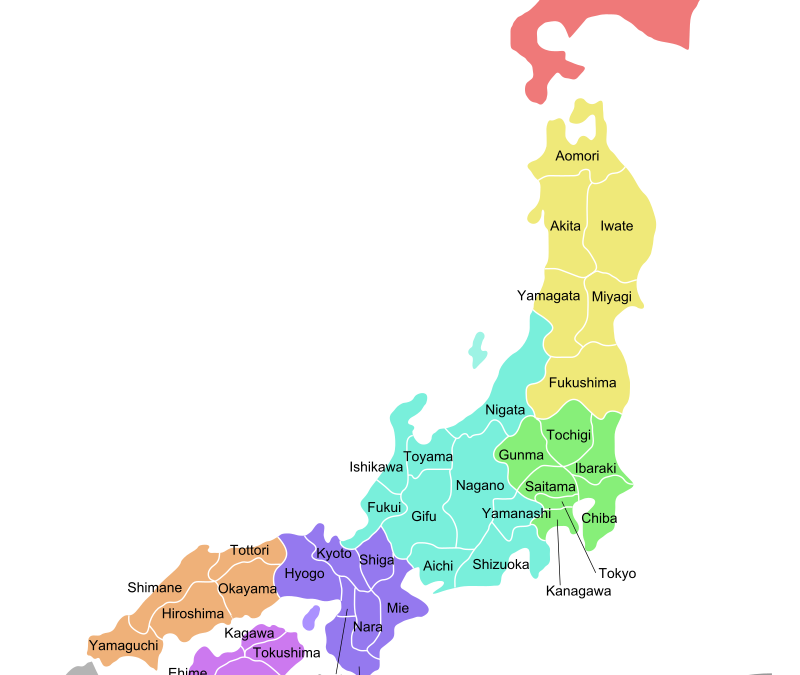
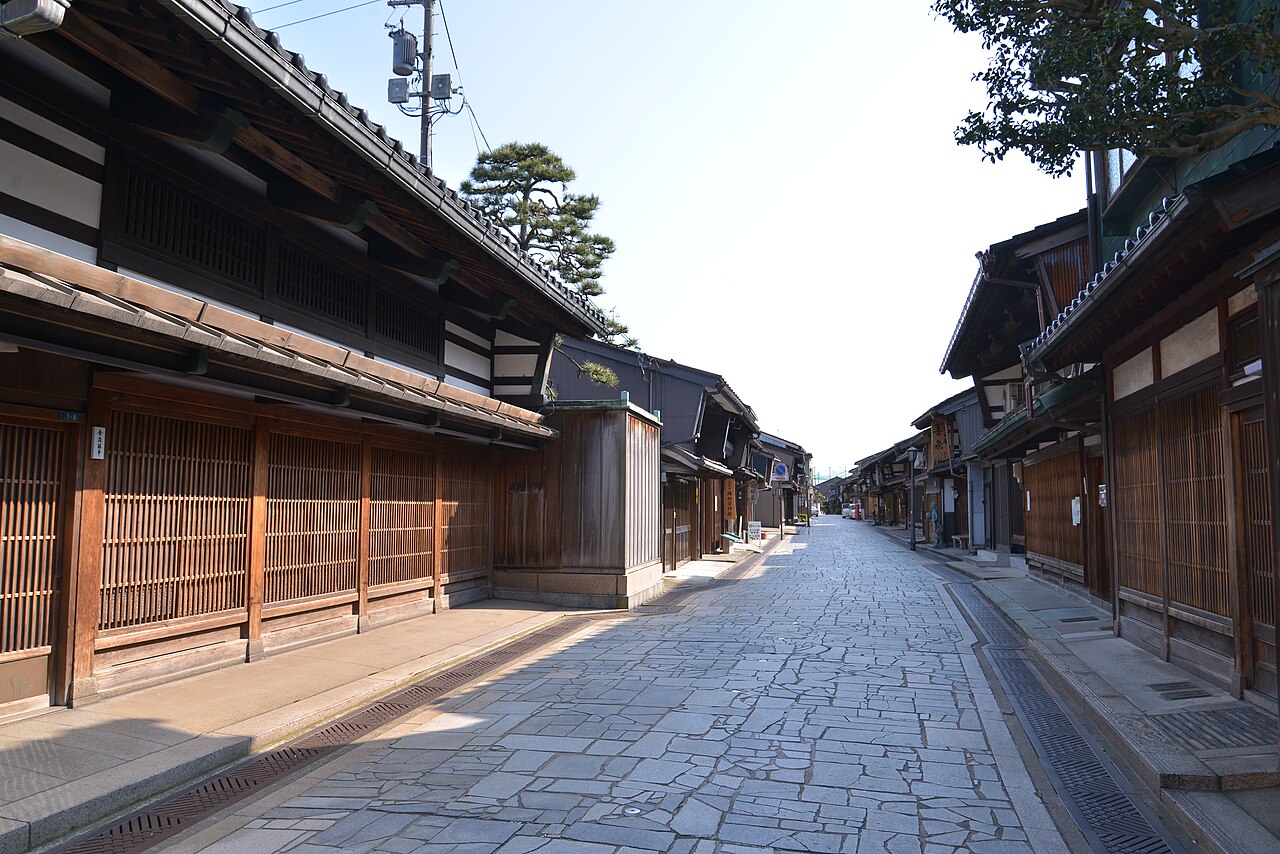
Takaoka is a river-and-port city in Toyama Prefecture, on the Hokuriku coast of the Sea of Japan. The Tateyama mountains rise to the south across Toyama Bay, and the flat land and water access made it a workable site for foundries that needed both raw-material logistics and a steady labor base. The metalcasting industry did not appear by accident — it was deliberately seeded by domain patronage.
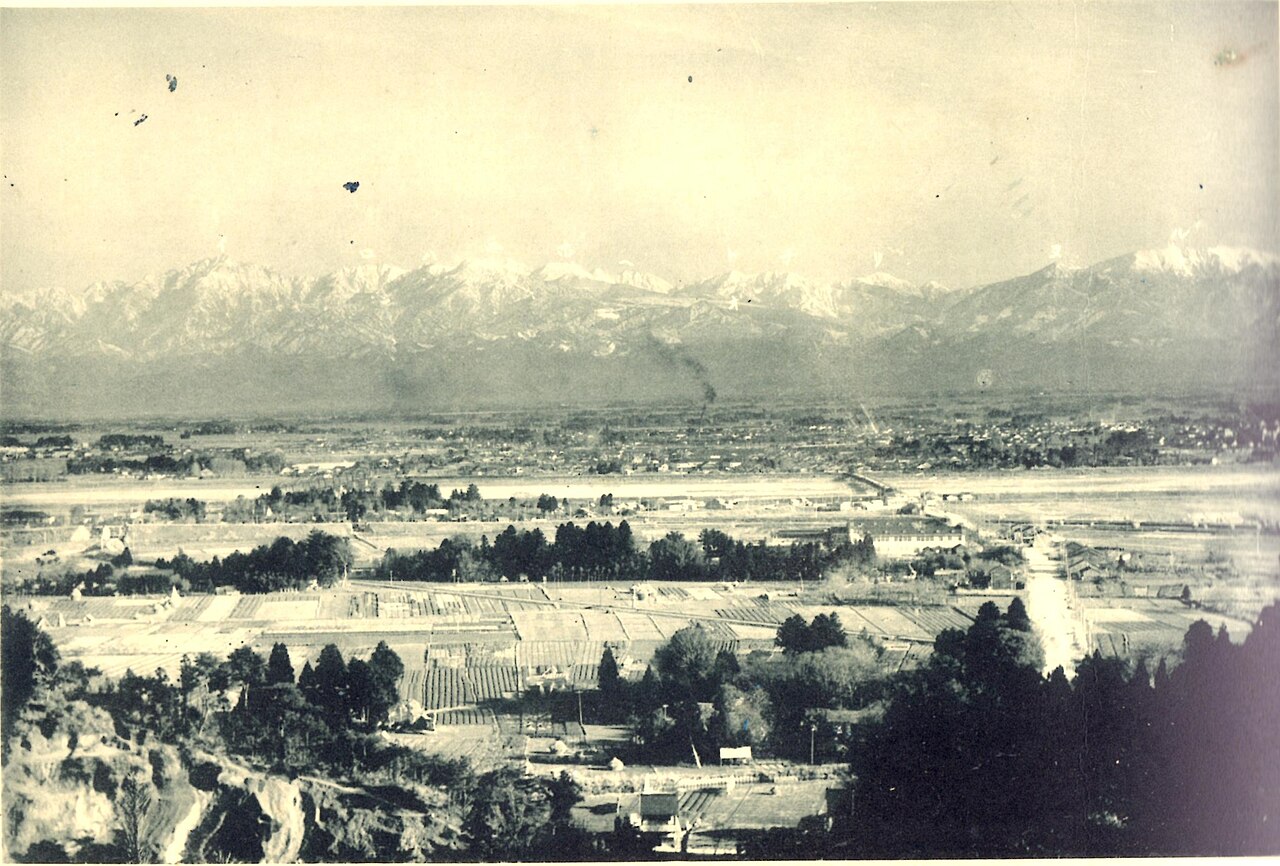
In 1609, Maeda Toshinaga — second lord of the Kaga domain, the largest domain in Edo-period Japan, with revenues counted in the millions of koku of rice — founded the town of Takaoka. Two years later, in 1611, he invited seven metal casters from Kawachi province to settle in the Kanayamachi district specifically to seed an industry. That decision is the origin point of everything that followed.
- 1609 — Maeda Toshinaga, lord of the Kaga domain, founds the town of Takaoka.
- 1611 — Seven casters from Kawachi province are invited to settle in the Kanayamachi district to seed an industry.
- Edo period — Backed by Kaga’s wealth, Takaoka grows from temple bells and altar fittings into the source of more than 90% of Japan’s cast copper and bronze ware.
- 1916 — Nōsaku is founded in Takaoka, later known internationally for its cast tin and brass tableware and bells.
- 1933 — The 16-meter Takaoka Daibutsu is completed in bronze by local founders, counted among Japan’s three great Buddhas.
- 1975 — Takaoka Dōki is designated a Traditional Craft by METI.
- 2020s — Takaoka foundries export brass and bronze homeware — wind bells among them — internationally.
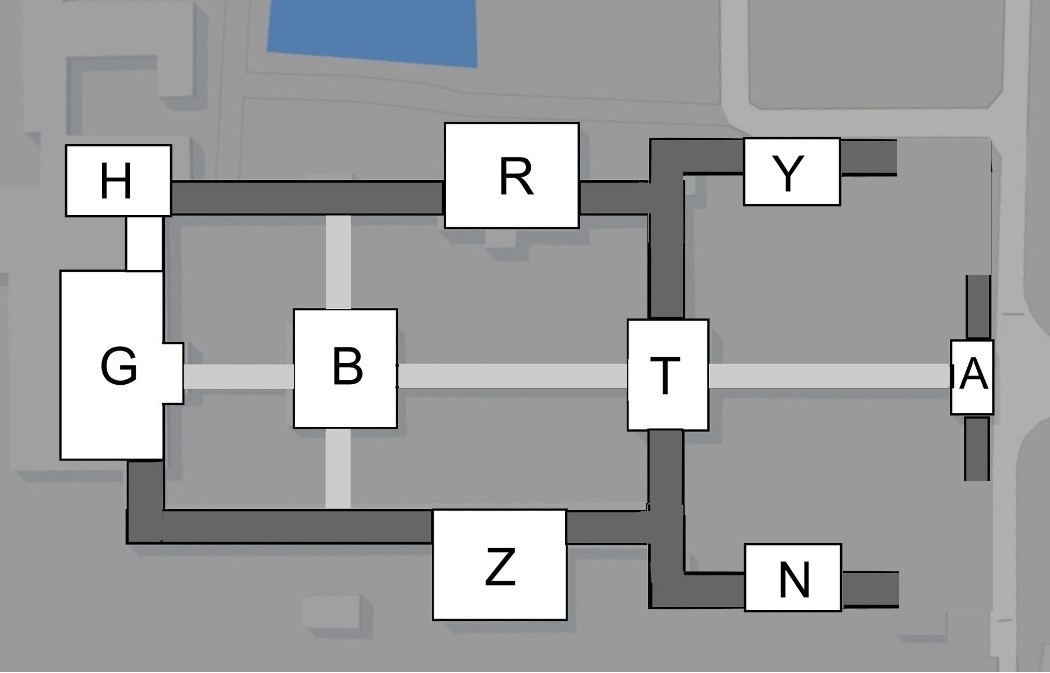
For most of its history, Takaoka casting served the temple economy. The work centered first on Buddhist altar fittings, temple bells, and large devotional bronzes — culminating in monuments like the Takaoka Daibutsu and the bells of Zuiryū-ji, the Maeda family temple and a National Treasure. A wind bell grows directly out of that bell-casting tradition: the same hands, the same mold-and-pour discipline, scaled down from the sanctuary bell to a single sustained note on the eave.
One thing worth keeping straight for the international shopper: this is brass (shinchu) — a copper-zinc alloy chosen for its bright, ringing voice — and it is distinct from two neighbors the site also covers. It is not the soft, pure tin (suzu) of Nōsaku’s tumblers and baskets, and it is not the bamboo fuurin of Suruga in Shizuoka. It is also a different object from the cast brass daruma bell of Takasaki, which is a hand-rung good-luck bell rather than a wind-driven one.
🏆 Editor’s Pick
❓ Frequently Asked Questions
Does Amazon JP Global Store ship this wind bell internationally?
Yes. The Amazon JP Global Store generally ships to most major destinations, and the sourced listing for this item (ASIN B00B0JS7GY) is available through that path. Confirm your country and the shipping estimate at checkout, since cast metal raises freight cost relative to glass or bamboo.
How loud is a brass fuurin, and can I quiet it?
A cast brass bell rings clearly and sustains the note, so it carries further than a glass or bamboo chime. To quiet it, remove the paper strip (tanzaku) that catches the wind, or move it to a more sheltered spot. Hang it where the sound is welcome before committing to a permanent location.
How is this different from Toyama’s Nōsaku tin pieces?
Nōsaku is best known for pure tin (suzu), a soft, bright metal used mainly for drinkware and bendable baskets. A wind bell is brass (shinchu), a harder copper-zinc alloy chosen because it rings. They can come from the same casting town, but they are different materials made for different jobs.
How is a brass fuurin different from a bamboo wind chime?
Brass produces a clear, high, long-sustaining ring; bamboo produces a softer, drier, woodier tone that fades quickly. They are separate craft traditions — the bamboo fuurin in our cross-link section is from Suruga in Shizuoka, not from Takaoka. Choose by the sound you want and by shipping weight.
How do I care for the brass surface?
Wipe with a soft dry cloth and avoid acids, harsh detergents, and abrasive polishes, which can change the intended surface. Brass naturally mellows with exposure, which many owners prefer; follow the maker’s specific guidance rather than treating it like stainless steel.
Why is no exact price shown in this guide?
The fetched dataset returned no live price for this listing, so we do not quote one rather than guess. The JPY figure on the Amazon JP listing is authoritative; verify it before purchase.
Is a brass wind bell a good gift?
A small, durable, hand-finished object with a documented heritage and a distinctive sound suits seasonal or housewarming gifting well. Pair it with a one-line note on the Takaoka casting tradition so the recipient understands what they have.
jpmono.com is curated by a Japan-based editorial team (working out of Toyama in the Hokuriku region and Nara in Kansai) and is independent. We do not take payment from the makers we feature; income comes from affiliate links. We do not physically test every product — we read maker specs and source listings.
This article was prepared with AI assistance and reviewed against the source listing data available at the time of writing. Specifications and prices should be verified on the retailer’s page before purchase.
Affiliate disclosure: jpmono.com may earn a commission on qualifying purchases made through links on this page, at no additional cost to you.