![Yamanaka Lacquer Soup Bowl (Owan): Kaga Urushi Craft Guide [2026]](https://jpmono.com/wp-content/uploads/2026/07/yamanaka-nuri-lacquer-soup-bowl-owan-where-to-buy-2026-featured.jpg)
A Yamanaka-nuri (山中塗, “Yamanaka lacquerware”) soup bowl is one of the quieter triumphs of Japanese tableware: a lidless or lidded owan (お椀, “soup bowl”) whose walls are turned so thin on a lathe that they warm to the touch when miso soup goes in, yet hold their shape for decades. The craft is centered on Yamanaka Onsen, a hot-spring valley in Kaga City on the upper Daishoji River, in southern Ishikawa Prefecture. It is the product of woodturners who settled there in the late 1500s and never left.
Within Japanese lacquer, Yamanaka occupies a specific and celebrated niche. The old trade maxim — Kiji no Yamanaka, Nuri no Wajima, Makie no Kanazawa (木地の山中・塗りの輪島・蒔絵の金沢, “Yamanaka for the base wood, Wajima for the coating, Kanazawa for the maki-e”) — names Yamanaka as Japan’s premier supplier of turned wood bases. What sets its bowls apart is tateki-dori vertical-grain turning for strength, and kashoku-biki (加飾挽き) — more than a hundred patterns of fine decorative rings incised on the spinning lathe, a signature found nowhere else.
This guide is written for international readers deciding whether an authentic Kaga owan is worth importing, and where to buy one. We cover the craft’s history under Kaga-domain patronage, what the woodturning and lacquer actually deliver in daily use, the caveats of buying real urushi from abroad, and a store-by-store price and shipping comparison — leading with Amazon US and the Amazon JP Global Store.
🔄 Updated:
⏱️ Read time: ~11 min

- Who this is for — and who should skip it
- Product overview (from published specs)
- Price snapshot across stores
- What it does well
- Weaknesses and things to verify before buying
- Where this comes from — place, era, and the craft tradition
- Conclusion — which buyer type are you?
- Other ways to approach this purchase
- 🏆 Editor’s Pick
- ❓ Frequently Asked Questions
Who this is for — and who should skip it
- Want a lightweight daily soup bowl that insulates hot liquid better than ceramic or metal
- Appreciate lathe-turned wood and the fine kashoku-biki ring decoration unique to Yamanaka
- Prefer natural materials — real wood and urushi lacquer — over plastic or resin imitations
- Are building a Japanese table setting and want a bowl that pairs with rice bowls and lacquer trays
- Value a craft with a documented tradition and a 1975 METI designation behind it
- Run everything through a dishwasher — real urushi should be hand-washed
- Need microwave-safe bowls for reheating (wood and urushi are not microwave-safe)
- Want a bargain — genuine Yamanaka-nuri costs far more than mass-produced resin “lacquer”
- Cannot commit to gentle care (no soaking, no abrasive scrubbing, no direct sunlight)
- Are buying a single utilitarian bowl and do not care about provenance or craft
Product overview (from published specs)
The available data for this specific listing is limited. Only the Amazon JP Global Store listing snapshot (ASIN B07Q1QVT7G) is confirmed; live pricing was unavailable at the time of writing and may have shifted. The table below marks unconfirmed fields plainly rather than guessing at them. Spec sheets indicate the general Yamanaka-nuri category profile; the specific dimensions of any single bowl vary by maker and line.
Yamanaka Lacquer Soup Bowl (Owan)
正和(Showa) 山中塗 レンジ 食洗機対応 亀甲汁椀 溜め 2個組 380ml
在庫あり。 · Sold by Amazon.co.jp · ASIN B07Q1QVT7G
Price and availability as of 2026-08-31 02:30 JST. The Amazon listing at the time of purchase is authoritative. jpmono.com earns a commission on qualifying purchases at no extra cost to you.
| Attribute | Detail | Source |
|---|---|---|
| Craft | Yamanaka-nuri (山中塗), Kaga urushi lacquerware | Maker tradition / METI |
| Item type | Soup bowl (owan / お椀), miso-soup size | Amazon JP listing |
| Base material | Rokuro (lathe) turned wood, cut vertical-grain (tateki-dori) | Craft tradition |
| Finish | Urushi lacquer, black (kuro) or vermilion (shu); fine kashoku-biki turned rings | Craft tradition |
| Origin | Yamanaka Onsen, Kaga City, Ishikawa Prefecture (Chūbu) | data_notes |
| Dimensions / weight | Unconfirmed — check listing | — |
| Designation | National Traditional Craft (METI), designated 1975 | data_notes |
| ASIN | B07Q1QVT7G | Amazon JP listing |
Sources: Amazon US search (primary, moonill-20) + Amazon JP Global Store (secondary, moonill-22, sourced listing) + maker tradition. Where the listing snapshot did not confirm a value, the cell reads “Unconfirmed — check listing” rather than an estimate.
📖 Glossary — key Yamanaka-nuri terms
- Owan (お椀) — a soup bowl, traditionally of turned wood finished in lacquer; used for miso soup and clear broths.
- Urushi (漆) — natural lacquer refined from the sap of the lacquer tree; applied in thin coats and cured in humidity to a durable, food-safe surface.
- Rokuro (轆轤) — the woodturning lathe on which the bowl’s base (kiji) is shaped.
- Kiji (木地) — the bare turned wood base before lacquering; Yamanaka’s specialty within the regional division of labor.
- Tateki-dori (縦木取り) — cutting the blank so the grain runs vertically along the bowl wall, giving strength and allowing very thin walls.
- Kashoku-biki (加飾挽き) — decorative turning: over 100 patterns of fine incised rings (such as sensuji and itokujime) cut into the wood as it spins.
- Kijishi (木地師) — itinerant woodturners; the founders of Yamanaka migrated from Echizen’s Managa district.
- Kaga-hyakumangoku (加賀百万石) — the “million-koku” Kaga domain of the Maeda clan, whose wealth patronized Ishikawa’s lacquer trades.
Other lacquer and woodturning guides on jpmono.com worth reading alongside this one:
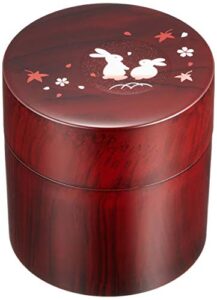 Yamanaka woodturned tea caddy
Same district, same rokuro craft — the tea-caddy sibling of this bowl.
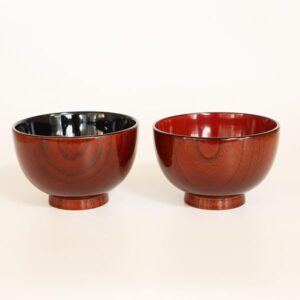 Naruko lacquer soup bowl
A Miyagi owan with wood-grain kijiro finish — a direct alternative.
Gohara kijiro mulberry bowl
Mulberry-wood grain shown through translucent lacquer.
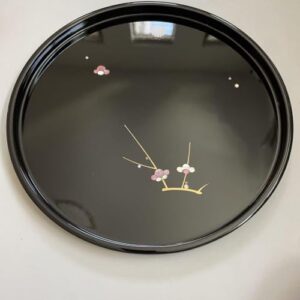 Takaoka raden lacquer box
Neighboring Hokuriku lacquer, decorated with shell inlay.
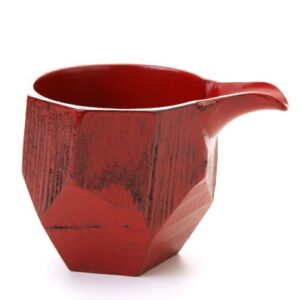 Tosa lacquer katakuchi
A Kochi lacquer pourer — different form, same urushi care rules.
Murakami tsuishu coasters
Niigata carved-lacquer coasters to set the bowl on.
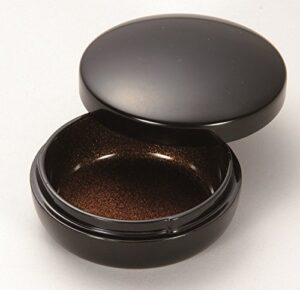 Kyo maki-e kogo
Kyoto maki-e — the gold-decoration end of the same tradition.
Price snapshot across stores
Prices in USD are approximate and depend on the current exchange rate; JPY (¥) is the authoritative figure for the specific listed item. Live pricing for ASIN B07Q1QVT7G was unavailable at the time of writing — always verify at the retailer before purchasing.
| Store | Item / Variant | Price | Notes |
|---|---|---|---|
| 🇺🇸 Amazon.com (US) | Browse Japanese lacquer soup bowls | varies (USD) | Best if you’re shopping from the US — Prime shipping, USD pricing, no international customs. Amazon US carries Japanese lacquer and wooden soup bowls from various makers, useful for comparing shapes and finishes. This exact Yamanaka owan is sourced from Japan (next row). |
| 🇯🇵 Amazon JP Global Store | Yamanaka-nuri owan (ASIN B07Q1QVT7G) | Unconfirmed — check listing | Ships internationally from Japan. This is where the specific item in this guide is sourced. Live price was unavailable at time of writing. |
| Maker direct | Yamanaka workshop / cooperative lines | varies | Many Yamanaka workshops list through Japanese retailers; direct international shipping is inconsistent. Best reserved for buyers seeking a specific maker’s line. |
| Proxy services (Buyee / Tenso) | Any Japan-only listing forwarded abroad | item + forwarding fee | Useful when a preferred variant is Japan-only. Adds a service fee plus international forwarding; watch for customs duties above local thresholds. |
What it does well
Tateki-dori vertical-grain turning lets the wall run remarkably thin. Wood insulates, so the bowl stays comfortable to hold even with hot soup inside.
The fine incised rings — more than 100 documented patterns — are cut on the lathe itself, a decorative technique unique to Yamanaka within Japanese lacquer.
Cured natural lacquer resists water and daily use; a well-made owan can be re-lacquered rather than discarded, extending its life across decades.
A craft with a continuous line back to late-1500s kijishi settlers and a 1975 METI National Traditional Craft designation behind it.
Weaknesses and things to verify before buying
- No dishwasher, no microwave. Real urushi over wood must be hand-washed in warm water and is not microwave-safe. If your kitchen routine depends on either, this bowl will frustrate you.
- Price versus resin imitations. Much “lacquerware” sold cheaply is resin with a printed finish. Genuine Yamanaka-nuri costs considerably more; confirm the listing specifies natural wood and urushi, not synthetic.
- Dimensions unconfirmed. The fetched data did not include this listing’s exact diameter, height, or weight. Verify the size fits your intended use (miso-soup bowls run smaller than noodle bowls) before ordering.
- Live price was unavailable. Only the listing snapshot was accessible; current pricing may have shifted. Check the Amazon JP Global Store page for the authoritative figure.
- Care sensitivity. Avoid long soaking, abrasive scrubbers, and prolonged direct sunlight, all of which can dull or craze the lacquer over time.
- Import variables. International shipping cost, delivery time, and any customs duty above your country’s threshold are added on top of the item price. Factor these in before comparing to a domestic bowl.
Where this comes from — place, era, and the craft tradition

Yamanaka Onsen sits in the hills of Kaga City, at the southern edge of Ishikawa Prefecture, along the upper reaches of the Daishoji River. Ishikawa faces the Sea of Japan on the Hokuriku coast of the Chūbu region — a wet, snowy belt of Honshū whose damp climate happens to suit urushi, which cures best in humidity. The valley’s forests supplied the hardwood, its river and hot springs drew visitors, and its position within the Kaga domain supplied the patronage. Those four ingredients — wood, water, tourism, and a wealthy domain — are why a woodturning-and-lacquer industry took root here rather than somewhere drier or poorer.
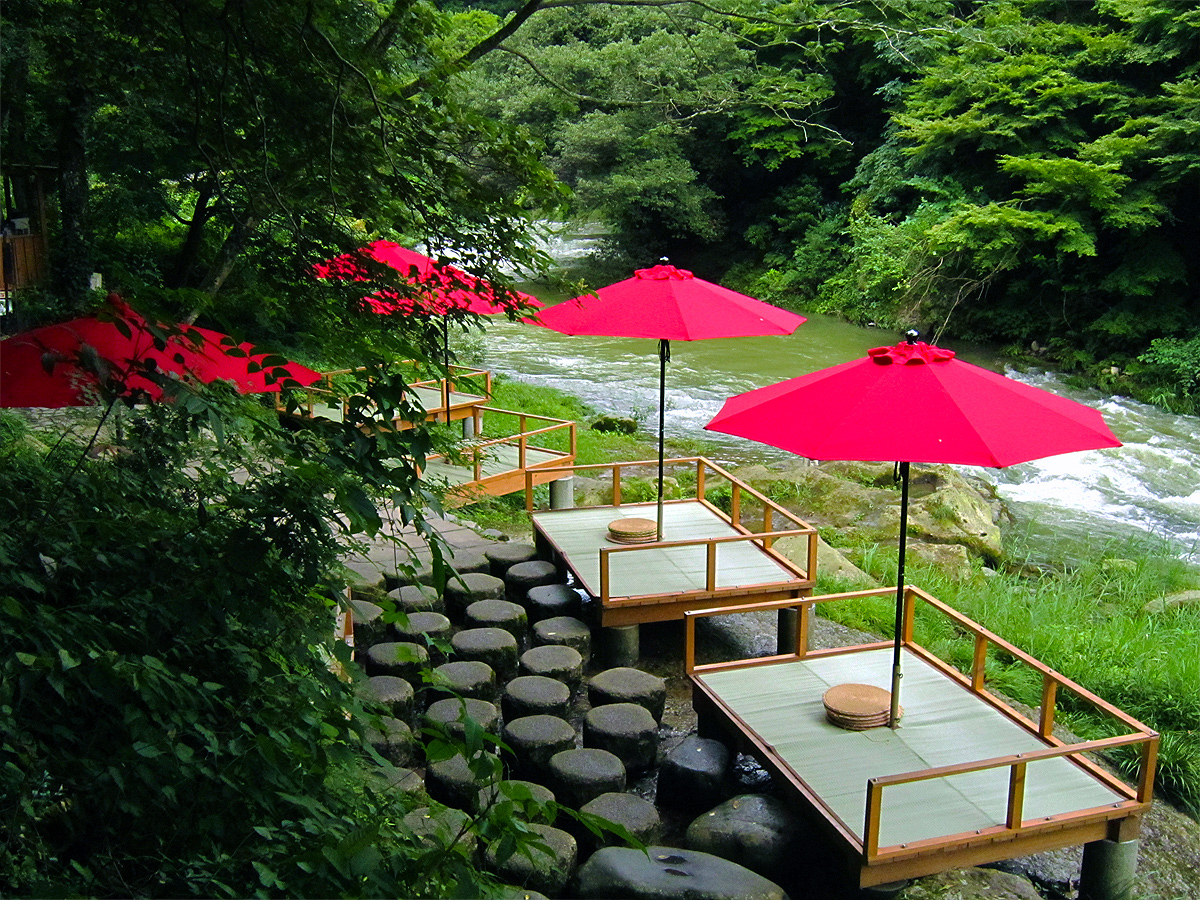
The craft’s origin is a migration story. In the late 16th century, kijishi — itinerant woodturner-woodcutters — moved from the Managa district of neighboring Echizen (in present-day Fukui) and settled near the Yamanaka hot springs. Onsen tourism did the rest: visitors wanted souvenirs, and turned lacquer bowls, cups, and trays were light, useful, and local. Demand from the bathhouse trade pulled the woodturners into a permanent industry.
- Late 1500s — Kijishi woodturners migrate from Echizen’s Managa district and settle at Yamanaka Onsen.
- 1600s — Onsen tourism drives demand for turned lacquer souvenirs, seeding a permanent industry.
- 17th–18th c. — Under Kaga-hyakumangoku Maeda-clan patronage, the craft matures alongside Wajima and Kanazawa lacquer.
- 18th–19th c. — Kashoku-biki decorative turning develops into more than 100 documented ring patterns.
- Edo–Meiji — “Kiji no Yamanaka” reputation cements the district as Japan’s premier turned-wood-base supplier.
- 1975 — Yamanaka-nuri designated a National Traditional Craft by METI.
- 2026 — Still produced in Kaga City, with rokuro turning and kashoku-biki central to the craft.
The wealth that sustained all this belonged to the Kaga domain of the Maeda clan — the famous Kaga-hyakumangoku, the “million-koku” domain, the richest outside the shogunate itself. That patronage funded a regional division of labor still summarized in a single saying: Kiji no Yamanaka, Nuri no Wajima, Makie no Kanazawa — Yamanaka for the base wood, Wajima for the lacquer coating, Kanazawa for the gold maki-e decoration. Each town specialized; together they made Ishikawa one of Japan’s great lacquer regions.
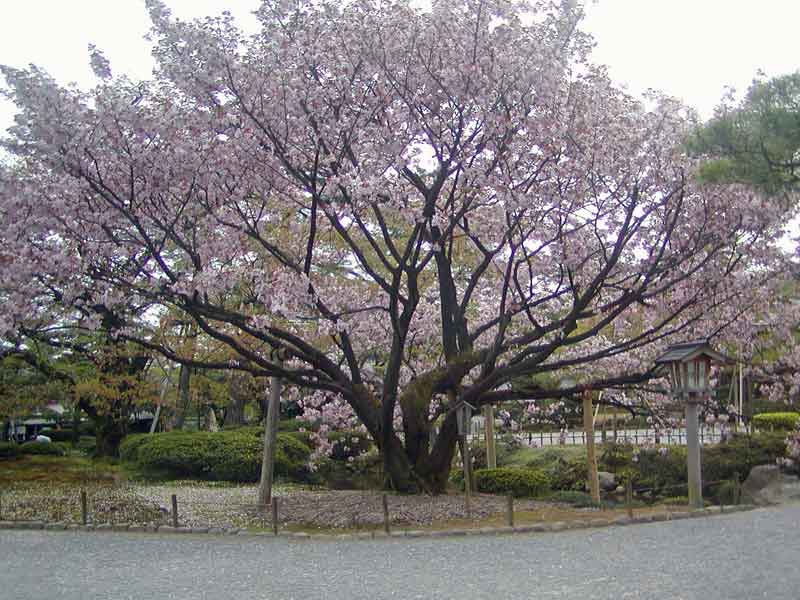
Yamanaka’s part in that arrangement is the reason its bowls turn out the way they do. The town concentrated on the kiji, the bare turned base, and pushed woodturning further than its neighbors. Cutting the blank vertical-grain (tateki-dori) yields a wall that can be turned thin without weakening — and thin walls are exactly what make a lacquer soup bowl feel light and warm in the hand. The kashoku-biki rings are the visible trace of that lathe mastery: decoration made possible only because the turner already controls the tool at that level.
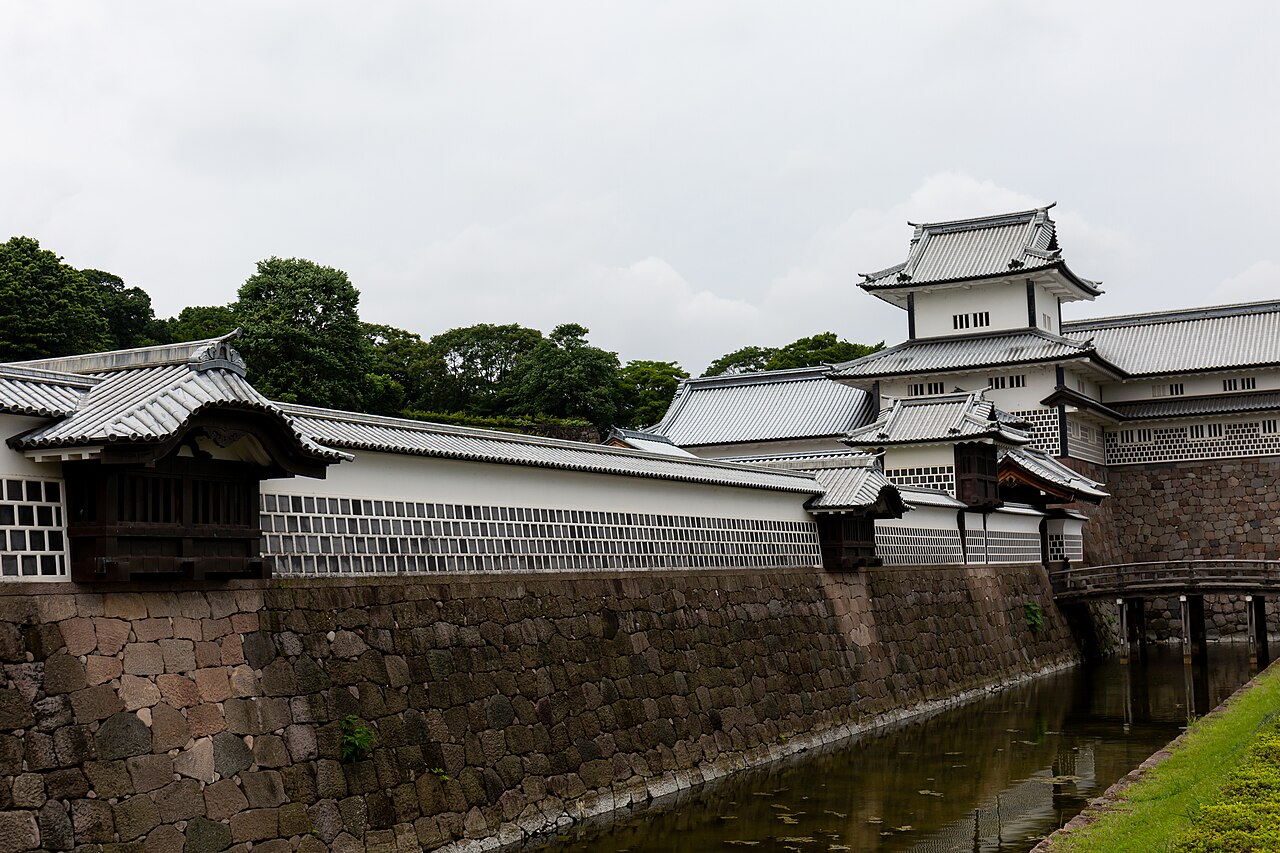
“Kiji no Yamanaka, Nuri no Wajima, Makie no Kanazawa — Yamanaka for the wood, Wajima for the coating, Kanazawa for the gold. Three towns, one bowl.”
What “still being made here” means, in practice, is continuity of technique rather than a single unbroken firm. The lineage runs from those late-1500s kijishi settlers through generations of woodturners in Kaga City, and the defining methods — rokuro turning, vertical-grain cutting, and kashoku-biki decoration — remain the ones that earned the district its name. The 1975 METI designation formalized what the trade maxim had asserted for centuries: that when it comes to the turned wood base, Yamanaka is the standard.
Conclusion — which buyer type are you?
You want documented Yamanaka-nuri with genuine urushi and fine kashoku-biki. Buy the specific maker’s line and confirm natural wood/lacquer — this bowl is for you.
You want a beautiful, practical daily soup bowl and value craft but also convenience. The Amazon JP Global Store listing is your simplest path — just verify size and care.
If price is the deciding factor, note that genuine urushi carries a premium. Consider a single bowl rather than a set, or browse comparable Japanese wooden bowls on Amazon US first.
If you need dishwasher- and microwave-safe bowls, or do not want to hand-wash and store lacquer carefully, a ceramic or melamine bowl will serve you better.
Other ways to approach this purchase
Amazon JP Global Store pricing fluctuates. If you are not in a hurry, watch the listing over a few weeks before ordering.
For a specific Yamanaka workshop’s line, a maker or cooperative listing may offer options the Global Store does not — though international shipping is less consistent.
If you already collect Amazon points or hold a rewards card, applying them here offsets part of the import premium on a craft item.
If a preferred variant is Japan-only, a proxy service (Buyee / Tenso) can forward it abroad for the item price plus a service fee.
🏆 Editor’s Pick
❓ Frequently Asked Questions
Does the Amazon JP Global Store ship a Yamanaka-nuri bowl internationally?
Yes. The Amazon JP Global Store ships many household lacquer items to most major destinations. Shipping cost typically runs about $15–$40 to the US and EU and can be higher elsewhere. Delivery time and any customs duty above your country’s threshold are added on top of the item price.
Can I put a Yamanaka lacquer bowl in the dishwasher or microwave?
No. Genuine urushi over wood should be hand-washed in warm water and dried with a soft cloth, and it is not microwave-safe. Avoid long soaking, abrasive scrubbers, and prolonged direct sunlight, all of which can dull the lacquer over time.
What makes Yamanaka-nuri different from other Japanese lacquerware?
Yamanaka specializes in the turned wood base. It uses vertical-grain (tateki-dori) turning for thin, strong walls, and kashoku-biki — over 100 patterns of fine decorative rings incised on the lathe, a technique unique to the region. The saying “Kiji no Yamanaka” names it as Japan’s premier turned-wood-base supplier.
Is black or vermilion the better choice?
Both are traditional. Black (kuro) reads as more formal and versatile; vermilion (shu) is brighter and celebratory. The choice is aesthetic rather than functional. Confirm the exact finish on the listing before ordering, since availability varies.
How do I know it is real urushi and not resin?
Check the listing wording. Genuine pieces specify natural wood and urushi lacquer; inexpensive imitations are resin with a printed finish and are usually labeled dishwasher- and microwave-safe. When in doubt, treat a low price and “microwave-safe” claims as signs of a synthetic product.
Is a Yamanaka owan a good gift?
Yes, provided the recipient is willing to hand-wash it. A lacquer soup bowl is a classic Japanese gift, and a documented Yamanaka-nuri piece carries clear craft provenance. Pair it with a matching rice bowl or a lacquer tray for a fuller table setting.
jpmono.com is curated by a Japan-based editorial team (working out of Toyama in the Hokuriku region and Nara in Kansai) and is independent. We do not take payment from the makers we feature; income comes from affiliate links. We do not physically test every product — we read maker specs and source listings.
🤖 This article was drafted with AI assistance and edited against the source listing and craft-tradition notes. Facts on origin, technique, and designation are drawn from the provided data; product specifics were limited to the available listing snapshot and are marked as unconfirmed where the data did not confirm them.
Affiliate disclosure: jpmono.com may earn a commission on qualifying purchases made through links on this page, at no additional cost to you.