![Chichibu Meisen Silk Scarf: Where to Buy Saitama’s Reversible Ikat Weave [2026]](https://jpmono.com/wp-content/uploads/2026/06/chichibu-meisen-silk-scarf-where-to-buy-2026-featured.jpg)
Chichibu Meisen (秩父銘仙, “Chichibu Meisen”) is a silk woven in the mountain basin of Chichibu, in western Saitama Prefecture, a short drive inland from Tokyo. What sets it apart from most patterned silk is structural rather than decorative: the warp threads are stencil-dyed before weaving, then loosely tacked and re-woven, so the finished cloth carries the same bold pattern on both faces. A Chichibu Meisen scarf has, in effect, no wrong side.
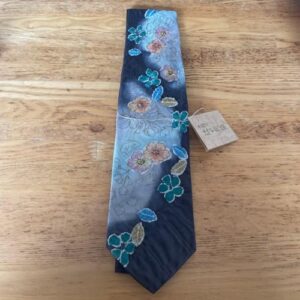
That double-sided quality is a direct result of the hogushi-zome (解し染め, “loosening dye”) process — a late-Meiji innovation that turned a rough, thrifty country cloth into the most fashionable everyday kimono fabric for women across Japan in the Taisho and early Showa years. The same technique now produces stoles, scarves, and accessories that read as strikingly modern: large-scale geometric and floral motifs in colors that feel closer to Art Deco than to a museum case.
This guide is for international readers weighing a Chichibu Meisen silk scarf — what the weave actually is, how to recognize the genuine article, where the data on pricing and availability is thin, and where to buy it from outside Japan. We cover the sericulture history behind the patterns, the buying paths (Amazon US search, Amazon JP Global Store, maker-direct, and proxy services), and who should consider a different Japanese textile instead.
🔄 Updated:
⏱️ Read time: about 11 min

- Who this is for — and who should skip it
- Product overview (from published specs)
- Where this comes from — place, era, and the craft tradition
- Price snapshot across stores
- What it does well
- Weaknesses and things to verify before buying
- Conclusion — which buyer type are you?
- Other ways to approach this purchase
- 🏆 Editor’s Pick
- ❓ Frequently Asked Questions
Who this is for — and who should skip it
- Want a silk scarf that looks finished from either side, with no hidden reverse
- Are drawn to bold, large-scale geometric or floral patterns rather than subtle prints
- Appreciate a textile with a documented regional and historical lineage
- Are comfortable buying from Japan via the Global Store or a proxy service
- Want a lightweight silk accessory that packs flat and layers across seasons
- Need a low-maintenance accessory — silk wants gentle, often hand, washing
- Prefer muted, solid-color scarves over graphic vintage-modern patterns
- Want guaranteed fast domestic delivery and easy returns inside your country
- Expect firm, confirmed pricing before ordering (listing data here is thin)
- Are shopping for a heavy winter wrap — Meisen is a light, flat-woven silk
Product overview (from published specs)
Public spec data for this specific listing is limited. Only the Amazon JP Global Store item identifier (ASIN B0GSNSSCTD) and the product keyword were available in the fetched dataset at the time of writing; live pricing, exact dimensions, and fiber-weight figures were not present in the data. The table below states what the craft category and listing identity confirm, and marks everything else as unconfirmed rather than guessing.
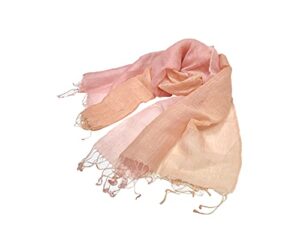
Chichibu Meisen Silk Scarf
秩父銘仙 へんみ織物 シルクマフラー
通常6~7日以内に発送します。 · Sold by JIMMY Online Shop · ASIN B0GSNSSCTD
Price and availability as of 2026-08-31 02:30 JST. The Amazon listing at the time of purchase is authoritative. jpmono.com earns a commission on qualifying purchases at no extra cost to you.
| Attribute | Detail | Source |
|---|---|---|
| Craft | Chichibu Meisen — flat-woven silk | Craft category |
| Technique | Hogushi-zome (warp-stencil dyeing, reversible weave) | Craft category |
| Material | Silk (Meisen is by definition a silk cloth) | Craft category |
| Origin | Chichibu, Saitama Prefecture, Kantō region | Craft category |
| Designation | National traditional craft (designated 2013) | Data notes |
| Listing ID | ASIN B0GSNSSCTD (Amazon JP Global Store) | Amazon JP Global Store (sourced listing) |
| Dimensions / weight | Unconfirmed — check the listing | — |
| Price | Unconfirmed in fetched data — check the listing | — |
Sources consulted for this overview: Amazon US search (primary path, tag moonill-20), Amazon JP Global Store (secondary, sourced listing, tag moonill-22), and maker-direct context where available. Prices and availability fluctuate; verify at the retailer before purchase.
📖 Glossary — key terms
Meisen (銘仙) — a flat-woven, everyday silk cloth, historically made from waste or lower-grade cocoons. Durable, affordable, and once the standard fabric for women’s casual kimono.
Hogushi-zome (解し染め, “loosening dye”) — the signature Chichibu method: the warp threads are stencil-printed with the pattern, loosely tacked to a temporary weft, then “loosened” and re-woven with the final weft. Because the color lives in the warp, the pattern appears on both faces.
Ikat / kasuri (絣) — the broad family of weaves in which threads are resist-patterned before weaving, producing the soft, slightly blurred edges characteristic of the technique. Hogushi-zome is Chichibu’s industrialized, stencil-driven take on this idea.
Futo-ori (太織, “thick weave”) — the coarse Edo-period everyday silk, woven from waste cocoons, that was Chichibu Meisen’s direct ancestor.
Sericulture (養蚕, yōsan) — silkworm farming and raw-silk production. The Chichibu basin’s mulberry slopes made it a long-standing sericulture district.
Where this comes from — place, era, and the craft tradition

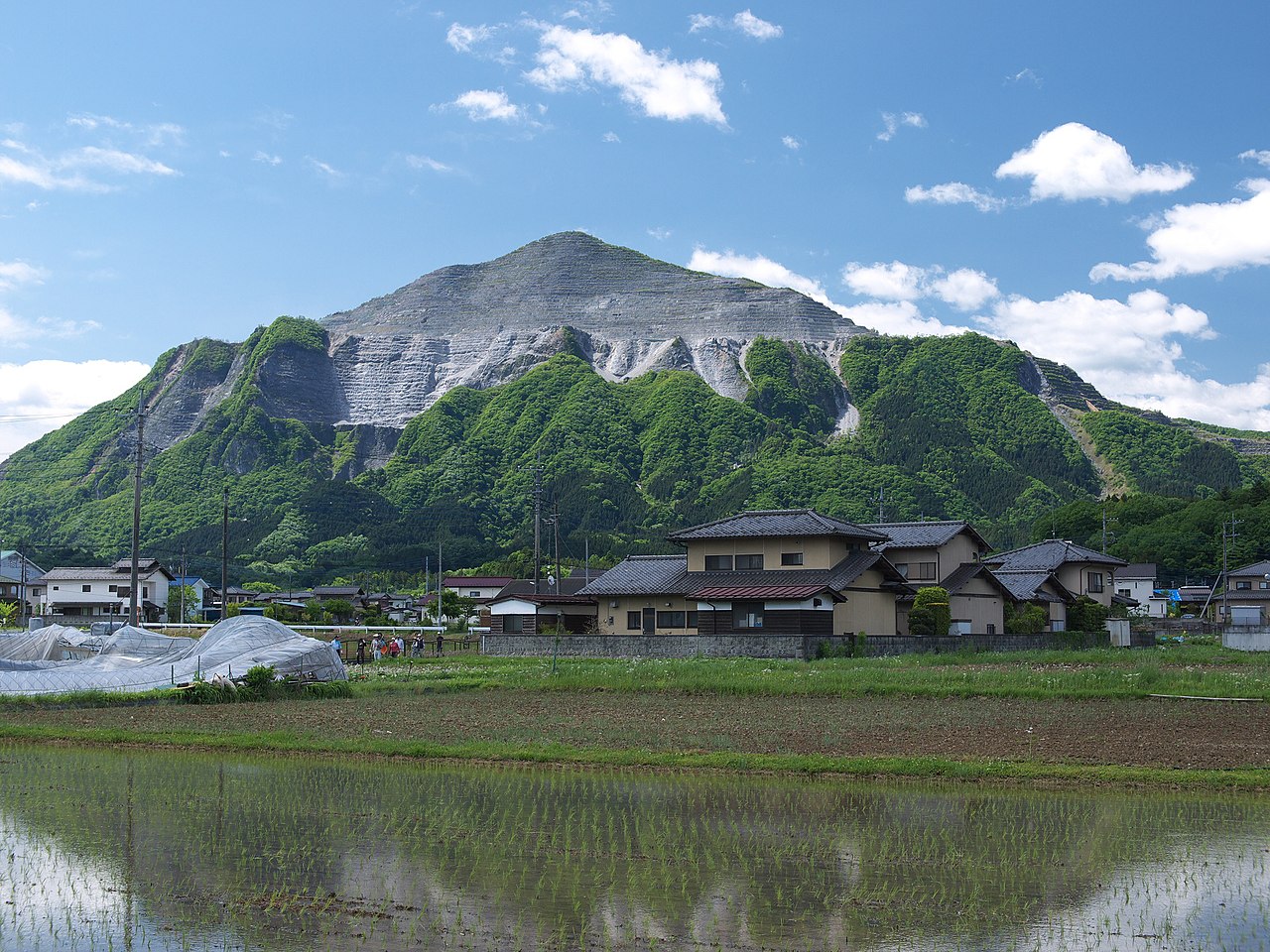
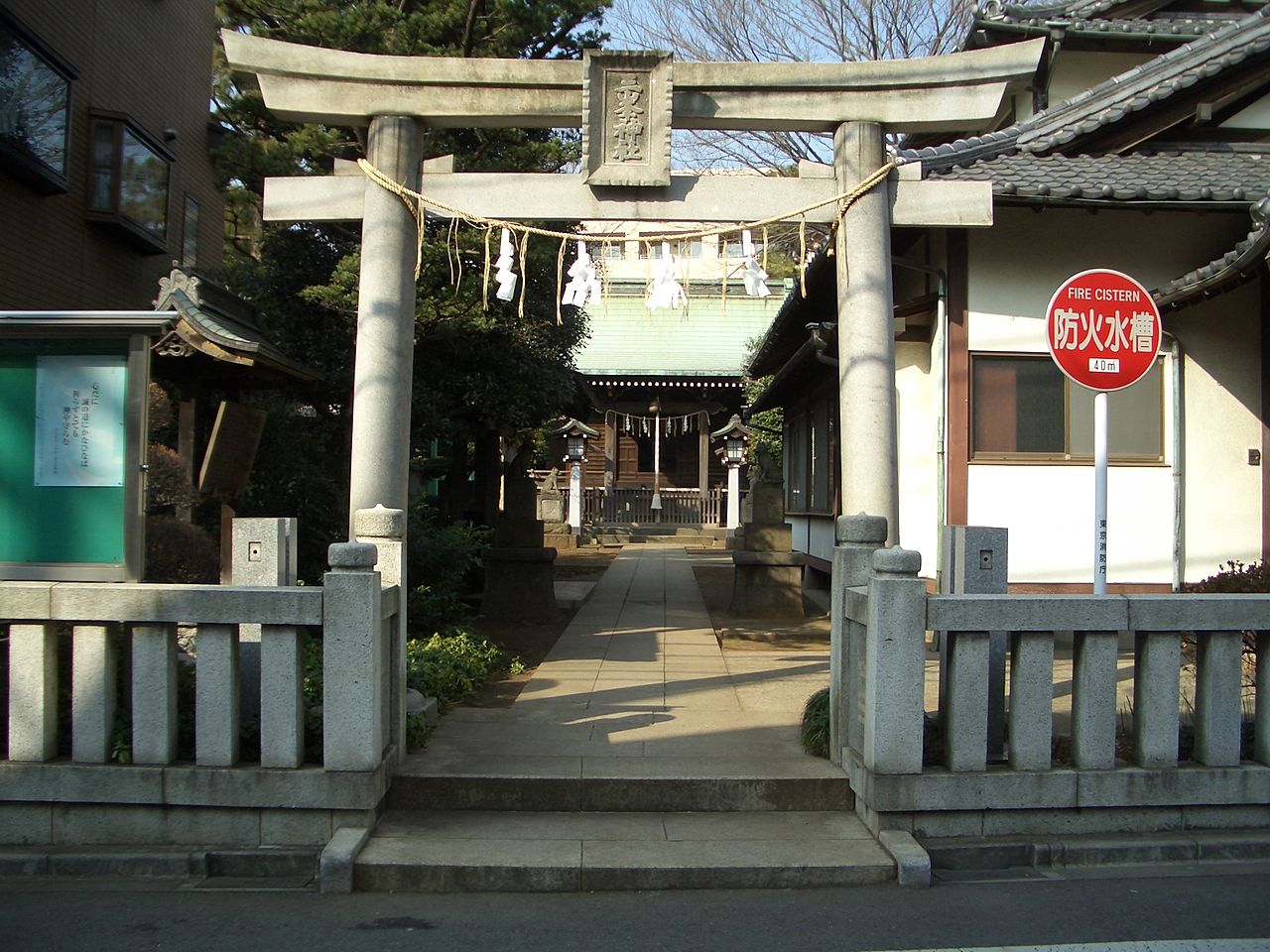
Chichibu sits in a closed basin in the far west of Saitama Prefecture, walled in by the Kantō mountains and watched over by Mount Buko, the limestone peak that rises directly south of the town. The surrounding slopes were poor for rice but well suited to mulberry, and mulberry feeds silkworms. For centuries this was sericulture country: farming households that could not live on grain alone raised silkworms and wove what they could from the cocoons.
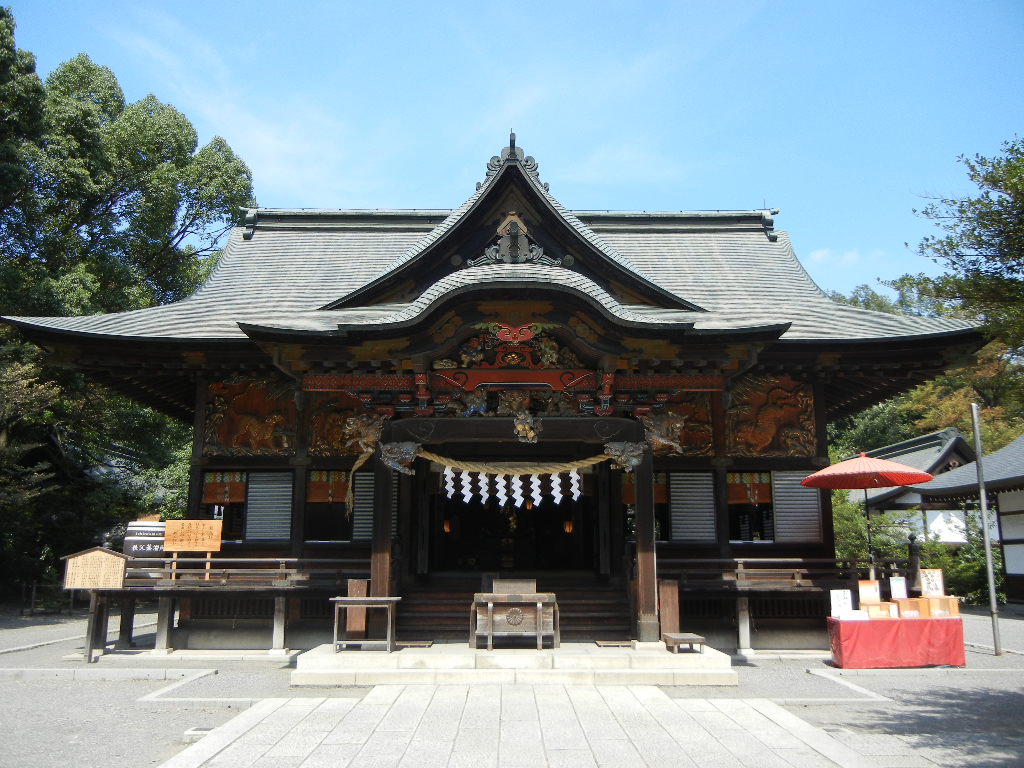
The area’s identity runs deeper than its economy. Chichibu Shrine, at the center of the town, enshrines the ancient Chichibu (Chichibu/Chibu) province — a name that predates the prefecture by more than a millennium. Long before “Saitama” existed as an administrative unit, this was Chichibu-no-kuni, a recognized silk land. That continuity is part of why the cloth carries the place name rather than a maker’s brand: Meisen here is regional before it is commercial.
In the Edo period, Chichibu households wove futo-ori — a thick, rough everyday silk spun from waste cocoons that would otherwise have been discarded. It was thrift made into cloth: durable, plain, and meant for hard wear, not for show. The leap to Chichibu Meisen came in the late Meiji to early Showa era, when weavers adopted hogushi-zome. Instead of dyeing finished cloth, they stencil-printed the pattern onto the warp threads, loosely tacked a temporary weft to hold everything in place, then unraveled that and re-wove the cloth properly. Because the color lives in the warp, the finished plain-weave fabric shows the same pattern on both faces.
-
Antiquity — Chichibu enshrined at Chichibu Shrine as an ancient silk province, predating “Saitama” -
Edo period — Villagers weave futo-ori, a thick everyday silk made from waste cocoons -
1884 — The Chichibu Incident: farmers crushed by silk-price collapse and debt rise up -
Late Meiji — Hogushi-zome develops; warp-stencil dyeing turns rough country silk into reversible Meisen -
Taisho to early Showa — Bold, modern-patterned Meisen becomes the fashionable everyday kimono for women nationwide -
2013 — Chichibu Meisen designated a national traditional craft
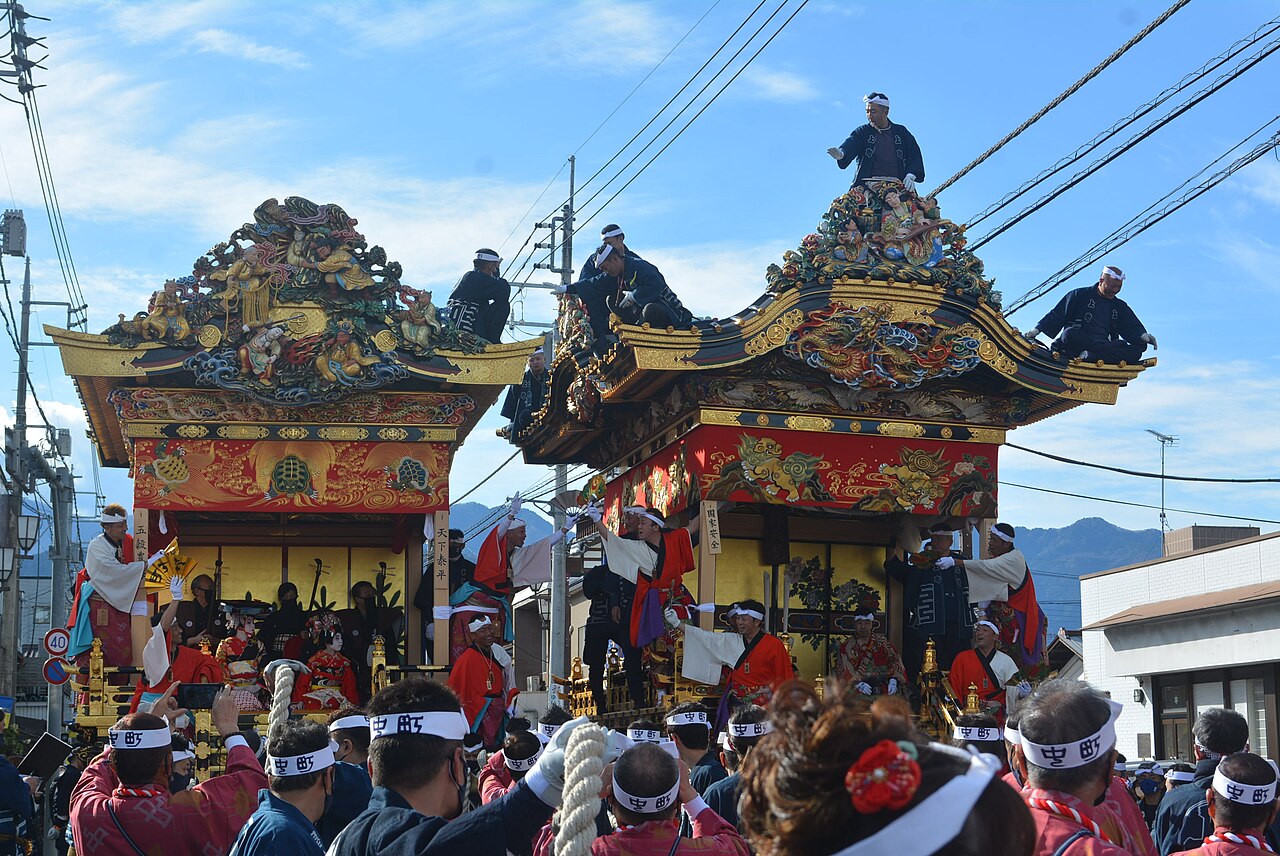
That same period made Meisen a phenomenon. With its bold, large-scale patterns and low price, Chichibu Meisen became the fashionable everyday kimono fabric for women across Japan in the Taisho and early Showa years — the cloth a working woman or a student could actually afford to wear well. The prosperity that silk and Meisen trade brought the town is written into its civic life, including the towering floats of the UNESCO-listed Chichibu Night Festival.
“A Chichibu Meisen scarf has no wrong side — the pattern is woven into the warp itself, not printed onto a surface.”
The story is not only one of color and commerce. In 1884, the silk economy that sustained these mountain villages turned against them: a collapse in silk prices and a crushing debt burden drove Chichibu farmers into open revolt, the episode remembered as the Chichibu Incident. The hardship of the upland farming villages — the same villages that wove to survive — is part of the fabric’s history, not a footnote to it. Mitsumine Shrine, deep in the Chichibu mountains, marks the rugged country whose households turned to the loom when the fields could not carry them.
Today the cloth carries a formal status it lacked in its working-class heyday: Chichibu Meisen was designated a national traditional craft in 2013. The bold patterns that once dressed everyday life now read as vintage-modern, which is exactly why they translate so well into a contemporary scarf or stole.
Other Japanese textiles — and other Saitama crafts — we cover on jpmono. If you are weighing materials, regions, or product types, start here.
Price snapshot across stores
JPY (¥) is the authoritative price for the specific listed item. USD figures are approximate estimates at a ¥150/USD baseline (mid-2026) and depend on the current exchange rate. Pricing was not present in the fetched data, so confirm the live figure at the listing before ordering.
| Store | Item / Variant | Price (JPY + USD est.) | Notes |
|---|---|---|---|
| 🇺🇸 Amazon US (search) | Browse Japanese silk scarves & stoles | varies (USD) | Best if you are shopping from the US — Prime shipping, USD pricing, no international customs. Amazon US carries Japanese silk scarves and stoles from various makers; the exact Chichibu Meisen piece is sourced from Japan (next row). |
| 🇯🇵 Amazon JP Global Store | Chichibu Meisen silk scarf (ASIN B0GSNSSCTD) | Check listing (not in fetched data) | The sourced listing for this exact item. Ships internationally from Japan to most major destinations. |
| Maker direct | Chichibu weaving houses / Meisenkan area shops | Varies | Some Chichibu workshops sell direct or via local outlets; selection and English support vary. Verify international shipping individually. |
| Proxy services (Buyee / Tenso) | Japanese marketplace listings forwarded abroad | Item price + forwarding fee | Useful when a piece is only listed on a Japan-only marketplace. Adds a forwarding fee and a second shipping leg; factor in customs duties. |
What it does well
The hogushi-zome warp print puts the same pattern on both faces, so the scarf looks finished however it falls — no reverse to hide.
Large-scale geometric and floral motifs that once read as everyday now read as design-forward — closer to Art Deco than to a costume museum.
A flat-woven silk is thin and low-bulk — it layers across seasons and folds down small for travel.
A named regional craft with a clear lineage — Edo futo-ori, Meiji hogushi-zome, and a 2013 national traditional-craft designation.
Weaknesses and things to verify before buying
- Pricing is unconfirmed in the data. The fetched dataset carried no price for this listing. Treat the JPY figure on the live listing as authoritative and check it before ordering.
- Silk needs gentle care. Expect hand- or delicate-wash only, no wringing, and shade drying. If you want a wash-and-go accessory, this is not it.
- Dimensions are not specified here. Scarf versus stole length and width were not in the fetched data — confirm the size on the listing so it suits how you intend to wear it.
- Pattern and colorway will vary. Meisen is pattern-led; the exact motif and color you receive may differ from a catalog photo. Read the specific listing’s images carefully.
- International shipping adds time and cost. Ordering from the Amazon JP Global Store or via a proxy means longer transit and possible customs duties above your local threshold.
- “Meisen-style” is not the same as Chichibu Meisen. Confirm the listing specifies Chichibu and the hogushi-zome weave, not merely a Meisen-inspired print.
Conclusion — which buyer type are you?
You want a documented, designated craft and will pay for an authenticated Chichibu Meisen piece. Buy maker-direct or from the Global Store listing and confirm the hogushi-zome weave.
You want a beautiful reversible silk scarf without overthinking provenance. The Amazon JP Global Store listing is the straightforward path; check size and pattern first.
You like the look but not the silk-care commitment or import cost. Browse Japanese silk scarves on Amazon US for a comparable lighter-priced option, or wait for a sale.
You want low-maintenance, solid-color, or heavy-wrap pieces, or you need confirmed pricing and fast domestic returns. A different textile will serve you better.
Other ways to approach this purchase
Silk accessories rotate through seasonal promotions. If you are not in a hurry, watch the listing and order when the price softens.
Chichibu’s weaving houses and local outlets sometimes sell direct, with the widest pattern choice — though English support and overseas shipping vary by shop.
If you already hold Amazon points or store credit, applying them here lowers the effective cost of an imported piece.
If silk care, import time, or unconfirmed pricing are dealbreakers, a domestically stocked scarf in your own market is the saner buy.
🏆 Editor’s Pick
❓ Frequently Asked Questions
What makes Chichibu Meisen reversible?
Does the Amazon JP Global Store ship internationally?
How do I care for a Chichibu Meisen silk scarf?
How much does it cost?
How is Chichibu Meisen different from other Japanese silk weaves?
Is it a good gift?
jpmono.com is curated by a Japan-based editorial team (working out of Toyama in the Hokuriku region and Nara in Kansai) and is independent. We do not take payment from the makers we feature; income comes from affiliate links. We do not physically test every product — we read maker’s specs and source listings.
🤖 This article was prepared with AI assistance and reviewed against the source listing data. Specifications and pricing reflect the data available at the time of writing and may have changed; verify details with the retailer before purchasing.
Affiliate disclosure: jpmono.com may earn a commission on qualifying purchases made through links on this page, at no additional cost to you.