![Toyooka Kiryu-zaiku Willow Basket: Hyogo Wickerwork Guide [2026]](https://jpmono.com/wp-content/uploads/2026/07/toyooka-kiryu-zaiku-willow-basket-where-to-buy-2026-featured.jpg)
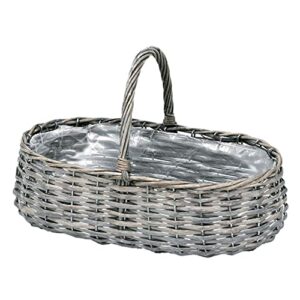
- What it is: A hand-woven koriyanagi (basket willow) basket, made in the Tajima wickerwork tradition from natural undyed willow.
- Made in: Toyooka, Hyogo (old Tajima Province, Kansai) — a national traditional craft (dentō kōgeihin) designated in 1992.
- Price band: Hand-woven traditional craft, priced above machine-made rattan or imported wicker — check the live listing for the current figure.
- Best for: Buyers who want a genuinely handmade storage or display basket with a documented 1,200-year regional lineage.
- Skip if: You need a wipe-clean, waterproof, or dishwasher-safe container — natural willow is none of those.
- Shipping: ships internationally from Amazon Japan — jump to our pick ↓
The Shōsō-in repository in Nara — the 8th-century treasure house that still holds Persian glass and Tang-dynasty textiles — also holds a plain woven willow box, recorded in the old ledgers as a product of Tajima. Tajima is the northern third of today’s Hyogo Prefecture, and the town at its center is Toyooka. That single entry ties a working craft you can still buy today to a court inventory written more than 1,200 years ago.
Toyooka Kiryu-zaiku (豊岡杞柳細工, “Toyooka willow wickerwork”) is woven from koriyanagi, the basket willow that grows readily in the wetland flats along the Maruyama River. The technique is the same one that, over centuries, seeded Toyooka’s modern bag (kaban) industry — today the largest bag-production cluster in Japan. The basket in this guide is the older, quieter ancestor of all those handbags: natural undyed willow, worked by hand, designated a national traditional craft in 1992.
This guide is written for an international reader deciding whether a hand-woven Japanese willow basket is worth importing. It covers what the object is, how to judge the weave, where the craft comes from, how it compares to bamboo alternatives such as Beppu basketry, and the practical paths for buying one from outside Japan. Where our data is thin, we say so.
📅 Published: ·
🔄 Last updated: ·
⏱️ Reading time: ~9 min
ℹ️ Live pricing and some specs were not in our snapshot — the linked Amazon Japan listing is authoritative; unconfirmed attributes are marked below. No US roundup listing was available at the time of writing.

- Who this is for — and who should skip it
- Product overview (from published specs)
- Price snapshot across stores
- 📦 Shipping & where to buy from outside Japan
- What it does well
- Weaknesses and things to verify before buying
- Conclusion — which buyer type are you?
- Other ways to approach this purchase
- 📍 Where this comes from — place, era, and the craft tradition
- 🏆 Editor’s Pick
- ❓ Frequently Asked Questions
Who this is for — and who should skip it
- Want a storage or display basket that is genuinely hand-woven, not molded resin wicker.
- Value a documented regional craft lineage over a brand name.
- Prefer natural, undyed materials that age and mellow with use.
- Are furnishing an entryway, shelf, or tabletop where the basket is seen, not hidden.
- Like the idea of an object tied to the same region as Japan’s kaban (bag) industry.
- Need something waterproof, wipe-clean, or dishwasher-safe.
- Want a perfectly uniform, machine-identical shape.
- Plan to store heavy or sharp-edged items that could snag the weave.
- Are shopping strictly on price against imported rattan.
- Cannot keep it away from prolonged damp or direct heat.
Product overview (from published specs)
The table below reflects what our snapshot confirmed. Because no US roundup listing was returned and no live price was captured, several cells read “Unconfirmed” rather than a guessed value. The Amazon Japan listing is the authoritative source for exact dimensions and current price.
Toyooka Kiryu-zaiku Willow Basket
紀柳 豊岡製 カゴバッグ 竹持ち手 巾着付き ブラックベージュ 上品 和モダン
通常5~6日以内に発送します。 · Sold by コレクトマーチ · ASIN B0H14M9761
Price and availability as of 2026-08-31 02:30 JST. The Amazon listing at the time of purchase is authoritative. jpmono.com earns a commission on qualifying purchases at no extra cost to you.
| Attribute | Detail | Source |
|---|---|---|
| Craft | Toyooka Kiryu-zaiku (Tajima willow wickerwork) | Maker tradition |
| Material | Koriyanagi (basket willow), natural undyed | Amazon JP Global Store listing |
| Construction | Hand-woven | Amazon JP Global Store listing |
| Origin | Toyooka, Hyogo (old Tajima Province) | Maker direct |
| Designation | National traditional craft (dentō kōgeihin), 1992 | Maker tradition |
| Dimensions / weight | Unconfirmed — check the listing | — |
| Price | Unconfirmed at time of writing — see live listing | — |
📖 Glossary — key terms
- Kiryu-zaiku (杞柳細工): “willow wickerwork” — the craft of weaving objects from willow rods.
- Koriyanagi (杞柳): basket willow, the specific pliant willow species used; it grows readily in the Maruyama River wetlands.
- Tajima (但馬): the old province covering the northern part of today’s Hyogo Prefecture, where Toyooka sits.
- Shōsō-in (正倉院): the 8th-century imperial repository in Nara that holds a willow box recorded as a Tajima product.
- Kaban (鞄): “bag” — the industry Toyooka is now nationally known for, descended from this willow trade.
- Dentō kōgeihin (伝統的工芸品): a nationally designated traditional craft, a formal government recognition.
- Kōnotori (コウノトリ): the Oriental white stork, reintroduced to the Maruyama River basin around Toyooka.
If you are weighing this willow basket against other Japanese basketry, woodwork, and boxed-storage crafts, these related jpmono guides are worth a look:
Price snapshot across stores
USD figures are approximate estimates at a ¥150/USD baseline; the JPY price on the listing is the authoritative one. Prices and stock fluctuate — always verify at the retailer before buying.
| Store | Item / variant | Price (JPY + USD est.) | Notes |
|---|---|---|---|
| 🇺🇸 Amazon US (search) | Browse Japanese woven baskets | varies (USD) | Best if you are shopping from the US — Prime shipping, USD pricing, no international customs. Amazon US carries Japanese and other woven baskets useful for comparing shape and weave; this exact Toyooka piece is sourced from Japan (next row). |
| 🇯🇵 Amazon JP Global Store | The exact hand-woven willow basket in this guide | See live listing (JPY authoritative) | Ships internationally from Japan to 65+ countries — including Canada, the UK and Australia — with import fees estimated at checkout. |
| Maker direct | Toyooka wickerwork studios / co-op shops | Varies; often JP-domestic only | Widest selection of shapes and sizes, but many maker sites do not ship abroad directly — pair with a proxy service. |
| Proxy services (Buyee / Tenso) | Any JP-domestic listing forwarded abroad | Item price + forwarding fee + shipping | Use when a maker or JP marketplace does not ship internationally; adds a handling fee but unlocks domestic-only stock. |
📦 Shipping & where to buy from outside Japan
The specific basket in this guide is sourced from the Amazon JP Global Store, which ships internationally from Japan to 65+ countries — including Canada, the UK, and Australia. Import fees are estimated and usually collected at checkout, so there is rarely a surprise at your door.
Expect shipping in roughly the $15–$40 range to the US, EU, Canada, the UK, and Australia, depending on box size — a woven basket is light but bulky, so volumetric weight matters more than actual weight. If a maker’s own site or a JP-domestic marketplace does not ship abroad, a proxy service such as Buyee or Tenso can forward it for a handling fee. Because willow is a natural plant material, check your destination country’s rules on untreated plant fiber before ordering; most household baskets pass without issue, but agricultural declarations vary.
What it does well
- 🍽️ Dishwasher: no — natural willow is not washable; wipe with a dry or barely-damp cloth.
- 💧 Daily care: keep away from prolonged damp and direct heat; let it breathe rather than sealing it in plastic.
- ☀️ Longevity: if the weave feels dry over years, a light mist of water restores some flexibility before it becomes brittle.
Weaknesses and things to verify before buying
- Not waterproof. Natural willow absorbs moisture; do not use it for wet items or leave it in a humid bathroom.
- Dimensions unconfirmed in our snapshot. Exact size and capacity were not captured — check the live listing before assuming it fits your shelf or entryway.
- Price not captured. We could not confirm a current figure; expect it to sit above mass-produced imported wicker, as with most hand-woven craft.
- Hand-made variation. Color, tone, and exact weave differ slightly piece to piece — a feature, but not for buyers who want machine uniformity.
- Snag risk. Sharp or heavy objects can catch or deform the weave over time; it is a storage and display basket, not a toolbox.
- Plant-material import rules. Untreated plant fiber can trigger agricultural declarations in some countries — verify your destination’s rules.
“Every handbag Toyooka is now famous for descends from a willow basket — and the basket is still the honest version of the object.”
Conclusion — which buyer type are you?
Other ways to approach this purchase
📍 Where this comes from — place, era, and the craft tradition

Toyooka sits in the old province of Tajima, the northern third of today’s Hyogo Prefecture, on the Sea of Japan coast of the Kansai region. The city fills the low flats along the Maruyama River, one of the few Japanese rivers that runs slow and marshy near its mouth. Those wetlands are the whole reason the craft exists: koriyanagi, basket willow, grows readily in exactly that kind of damp, silty ground. The raw material was, quite literally, growing in the fields.
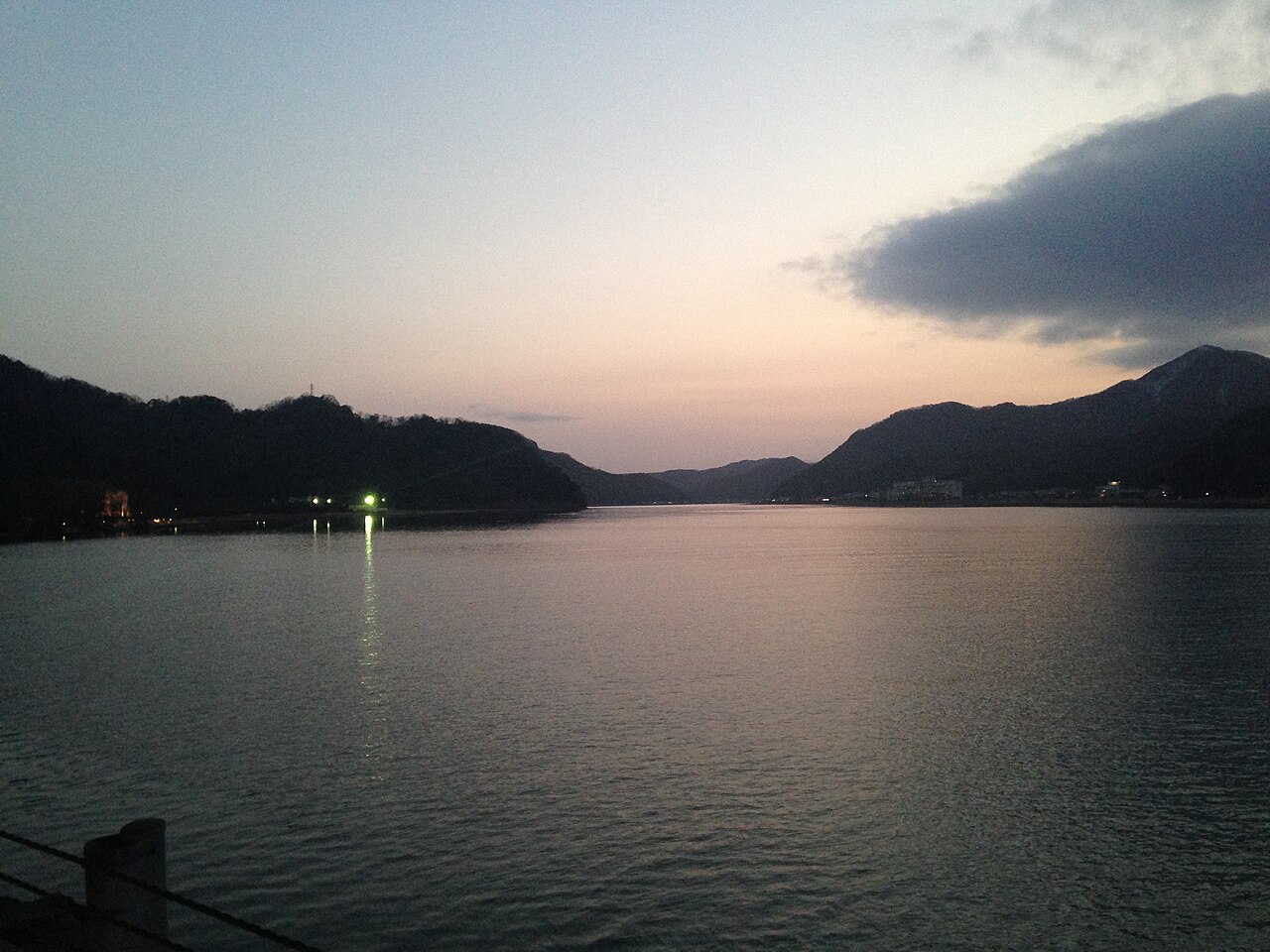
The surrounding Tajima coast is dramatic country. Just outside the city, the Maruyama River runs past Genbudō, a wall of hexagonal columnar basalt that gave its name to a whole geological era. Downriver, the marshy flats where willow thrives are the same habitat where the Oriental white stork (kōnotori) was reintroduced to the wild after going locally extinct — a bird now used as the region’s emblem. The willow, the river, and the stork all belong to one wetland system.
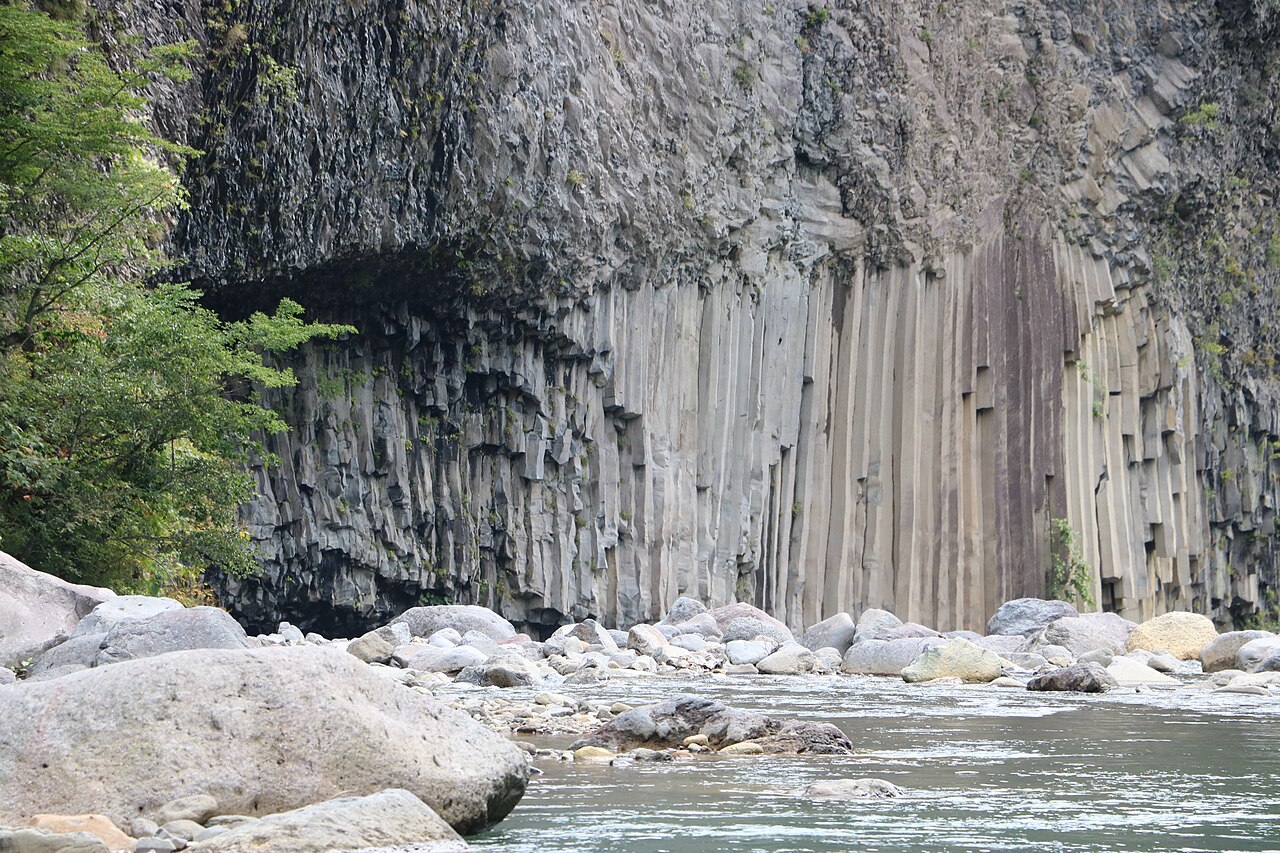
The history runs deep. Nara served as Japan’s capital from 710 to 794, and the imperial court of that era kept meticulous inventories of tribute goods in the Shōsō-in repository at Tōdai-ji — a treasure house still standing in Nara today. Among its holdings is a woven willow box (yanagi-bako) recorded as a product of Tajima. That entry places willow work in this region more than 1,200 years ago, and it ties the craft directly to Nara, one of the two editorial homes of this site.
-
710–794 (Nara period) — A Tajima willow box (yanagi-bako) is recorded in the Shōsō-in repository in Nara. -
Late 1600s (Edo period) — The Izushi / Toyooka domain protects and promotes willow weaving as a cottage industry. -
Edo period — Woven willow baskets and willow trunks become a recognized Tajima product. -
Meiji onward — Willow trunks and baskets become the seed of Toyooka’s modern kaban (bag) trade. -
20th century — Toyooka grows into the largest bag-production cluster in Japan. -
1992 — Toyooka Kiryu-zaiku is designated a national traditional craft (dentō kōgeihin).
In the Edo era, the local Izushi/Toyooka domain saw the value in what its farmers were weaving through the off-season and protected willow work as a cottage industry, notably from the late 1600s. Izushi, the old castle town a short way inland, is still one of the best-preserved domain towns in the region. That patronage did two things: it stabilized the craft as a household livelihood, and it built up the local supply of willow trunks and finished baskets that a later generation would repurpose into travel trunks and, eventually, handbags.
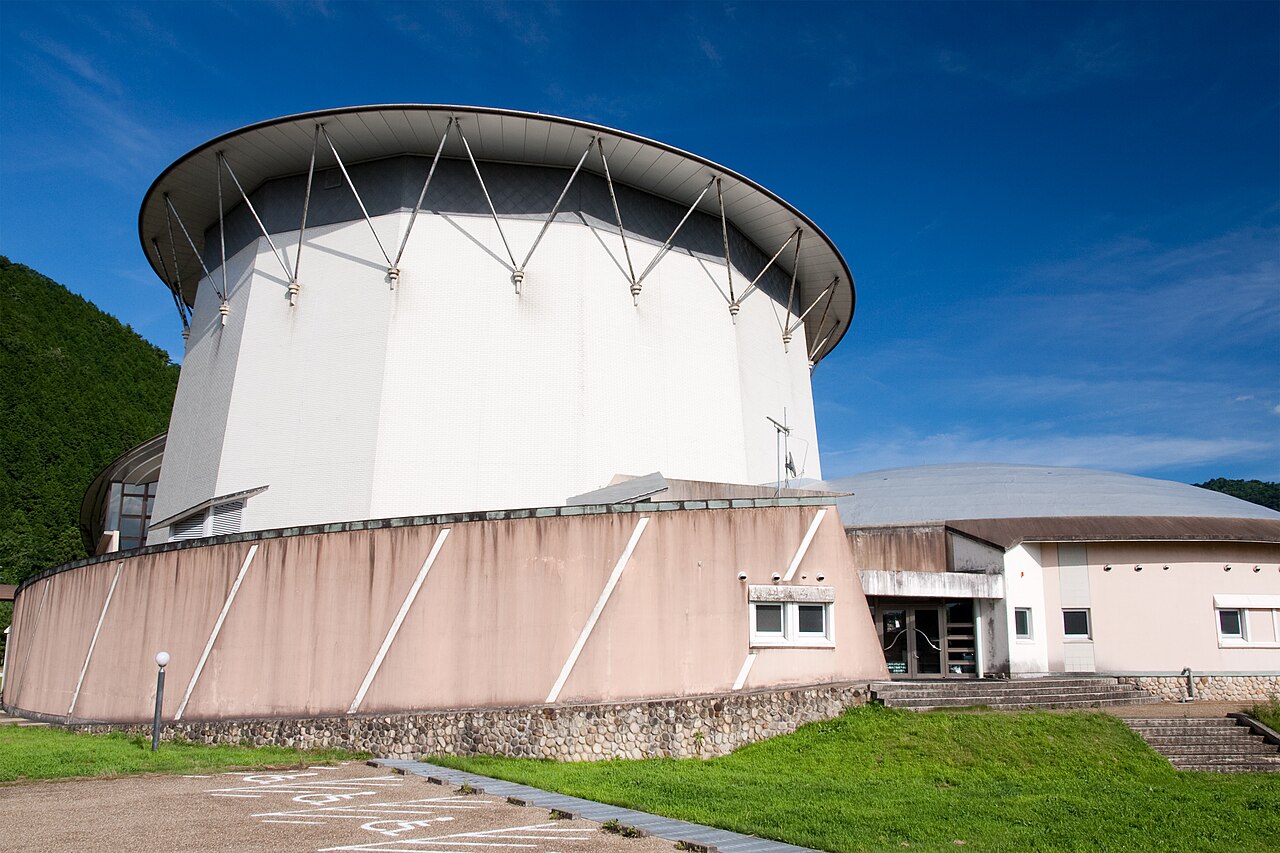
This is the continuity that matters. Toyooka is now known nationally for bags — it is the largest bag-production cluster in Japan — but that entire industry grew out of willow. The basket in this guide is not a revival or a heritage re-creation; it is the original object the whole trade descended from, still woven from the same koriyanagi in the same river flats. The 1992 national designation formalized what the Shōsō-in ledger had already recorded twelve centuries earlier.
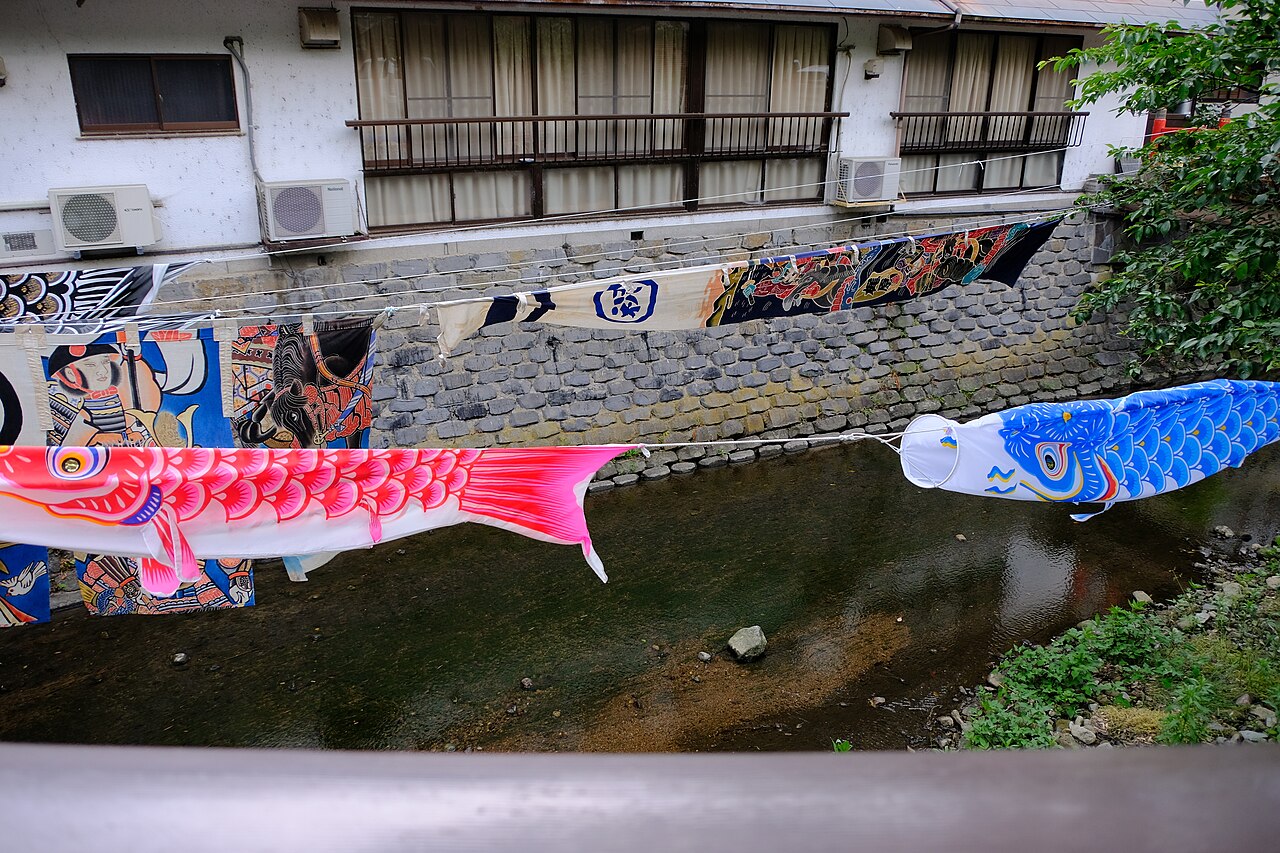
For travelers, the same town holds Kinosaki Onsen, a hot-spring quarter of wooden inns and public bathhouses along a willow-lined canal — a fitting image, given that willow is the material at the root of the local economy. Between the onsen, the Genbudō basalt, the Izushi castle town, and the storks of the Maruyama basin, Toyooka is a place where the raw material of a craft is still visible in the landscape around it.
🏆 Editor’s Pick
❓ Frequently Asked Questions
Is Toyooka Kiryu-zaiku the same thing as Toyooka’s famous bag industry?
They are directly related. Toyooka is now the largest bag (kaban) production cluster in Japan, and that industry grew out of the older willow-weaving trade. Kiryu-zaiku is the traditional willow craft the bags descended from — the basket is the ancestor, not a modern spin-off.
Will this willow basket ship internationally from Japan?
Yes. The specific listing is sold through the Amazon JP Global Store, which ships to 65+ countries including Canada, the UK, and Australia, with import fees estimated at checkout. Because willow is a natural plant fiber, check your destination’s rules on untreated plant material before ordering.
Is the willow dyed or treated?
The listing describes it as natural undyed koriyanagi (basket willow). There is no color coating, so the basket will mellow to a warmer tone with age rather than peel or chip.
How do I care for a hand-woven willow basket?
Keep it dry and out of direct heat, and wipe it with a dry or barely-damp cloth rather than washing it. Natural willow is not waterproof or dishwasher-safe. If the weave dries out over years, a light mist of water restores flexibility before it becomes brittle.
How is this different from a bamboo basket like Beppu?
Willow (koriyanagi) is a pliant wood-fiber rod, giving a softer, springier weave, while bamboo is a rigid grass split into flat strips for a crisper, more architectural basket. Our Beppu bamboo basket guide covers the bamboo side in detail.
Is every basket identical?
No. Because each is hand-woven from natural willow, color, tone, and exact weave vary slightly from piece to piece. That variation is a mark of genuine handwork, not a defect, but buyers who need machine-identical uniformity should be aware of it.
jpmono.com is curated by a Japan-based editorial team (working out of Toyama in the Hokuriku region and Nara in Kansai) and is independent. We do not take payment from the makers we feature; income comes from affiliate links. Read more about our editorial standards.
🤖 This article was drafted with AI assistance and edited against maker specs and source listings by the jpmono editorial team. We do not physically test every product; affiliate links support the editorial work.
Affiliate disclosure: jpmono.com may earn a commission on qualifying purchases made through links on this page, at no additional cost to you.