![Banko-yaki Shidei Kyusu: Mie’s Unglazed Purple-Clay Teapot, Where to Buy [2026]](https://jpmono.com/wp-content/uploads/2026/05/banko-yaki-shidei-kyusu-teapot-where-to-buy-2026-featured.jpg)
If you brew loose-leaf green tea at home and have ever wondered why a good Japanese teapot is almost always a small, unglazed, clay one, the answer points to a single city: Yokkaichi, in Mie Prefecture. Most of the everyday clay kyusu (急須, “side-handled teapot”) sold in Japan are Banko-yaki (萬古焼) — an unglazed, iron-rich, purple-clay pottery that today accounts for an estimated 80–90% of the country’s clay teapots and earthenware donabe pots.
The interesting part is what the clay does. Banko shidei (紫泥, “purple clay”) is fired without a glaze, so its surface stays slightly porous. That porous, mineral-heavy body is traditionally believed to react with the tannins in green tea and round off the astringency of an ordinary cup of sencha. It is not a luxury object or a tea-ceremony showpiece — it is the workhorse teapot a Japanese household actually reaches for every morning.
This guide is written for international readers deciding whether to bring one home. It covers what shidei clay is and how it behaves, how a Banko kyusu compares to the rest of a Japanese tea table (and to the other clay traditions on this site), the honest caveats of an unglazed pot, and the realistic paths for buying one from outside Japan. This is also the first kyusu we have covered — it fills an obvious gap next to our Mie donabe and tea-caddy guides.
🔄 Updated:
⏱ Read time: ~9 min
![Banko-yaki Shidei Kyusu: Mie's Unglazed Purple-Clay Teapot, Where to Buy [2026]](https://m.media-amazon.com/images/I/41Vh6fL777L._SL500_.jpg)
- Who this is for — and who should skip it
- Product overview (from published specs)
- Price snapshot across stores
- What it does well
- Weaknesses and things to verify before buying
- Conclusion — which buyer type are you?
- Other ways to approach this purchase
- 📍 Where this comes from
- 🏆 Editor’s Pick
- ❓ Frequently Asked Questions
Who this is for — and who should skip it
- Brew Japanese loose-leaf green tea (sencha, bancha, hōjicha) daily
- Want a small, single-person or two-person pot (~300 ml), not a Western family teapot
- Like the idea of a pot that ages and develops character with use
- Prefer an honest everyday tool over a glazed decorative piece
- Already own a tea caddy or donabe and want to round out the tea table
- Mainly drink black tea or herbal infusions in large volumes
- Want a dishwasher-safe, set-and-forget teapot (unglazed clay is hand-wash only)
- Dislike that an unglazed pot retains aroma and should be dedicated to one tea type
- Need a large-capacity pot for serving four or more people at once
- Want a glossy, decorative pot rather than a matte, utilitarian one

Product overview (from published specs)
Listing-level product data for this specific item was not available in our dataset at the time of writing, so the table below describes the configuration named in our selection notes and the documented characteristics of Banko shidei ware. Treat dimensions and capacity as typical-for-the-category figures and confirm the exact numbers on the live listing before buying.
Banko-yaki Shidei Kyusu
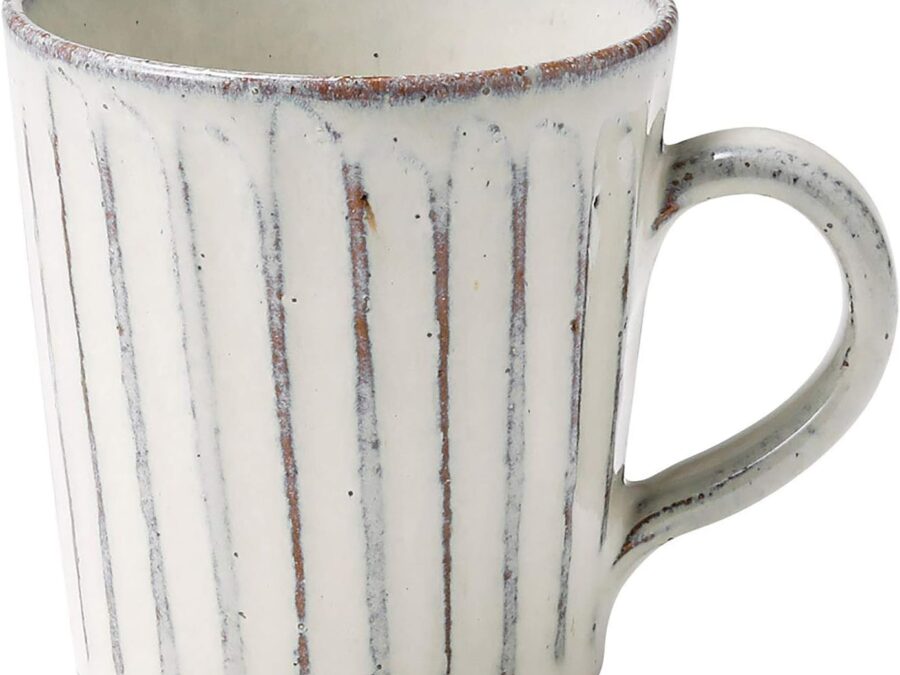
風景ドットコム 四日市 萬古焼 急須 e408 紫泥 2~3人用 板アミ 300ml 日本製
残り19点 ご注文はお早めに · Sold by 風景ドットコム · ASIN B001NAUAWO
Price and availability as of 2026-08-31 02:30 JST. The Amazon listing at the time of purchase is authoritative. jpmono.com earns a commission on qualifying purchases at no extra cost to you.
| Attribute | Detail |
|---|---|
| Craft | Banko-yaki (萬古焼), a Traditional Craft of Japan |
| Clay / finish | Shidei (紫泥, “purple clay”) — high-iron, unglazed, matte |
| Form | Yokode kyusu (横手, side-handle teapot) |
| Capacity | ~300 ml (one-to-two cups) — confirm on listing |
| Strainer | Built-in fine ceramic mesh (clay sieve) |
| Origin | Yokkaichi, Mie Prefecture, Japan |
| Care | Hand-wash, water only; no detergent, not dishwasher-safe |
| Reference ID | ASIN B001NAUAWO (Amazon JP Global Store) |
Source basis: documented characteristics of Banko shidei ware and our selection notes. Only the Amazon JP listing reference is on file; live pricing and exact dimensions may have shifted since the writing date — verify before purchase.
📖 Glossary — Japanese tea & clay terms
- Kyusu (急須) — a small Japanese teapot, most often with a hollow handle set at a right angle to the spout (a “side handle”).
- Banko-yaki (萬古焼) — pottery from the Yokkaichi area of Mie; the name comes from the founder’s stamp “Banko fueki” (萬古不易, “eternal and unchanging”).
- Shidei (紫泥) / shudei (朱泥) — purple clay and red clay respectively; iron-rich bodies fired without glaze.
- Yokode (横手) — the side-handle form, gripped from the side; pour by rotating the wrist.
- Sencha (煎茶) — steamed, rolled Japanese green tea; the most common everyday leaf tea in Japan.
- Donabe (土鍋) — an earthenware pot for stovetop cooking; Yokkaichi is also Japan’s main donabe producer.

Price snapshot across stores
Pricing for this specific listing was not available in our data at the time of writing. The table records the buying paths and what to expect at each; confirm the live figure on the listing before you order.
| Store | Item / variant | Price | Notes |
|---|---|---|---|
| 🇺🇸 Amazon.com (US) | Browse Japanese clay kyusu & teapots | varies (USD) | Best if you are shopping from the US — Prime shipping, USD pricing, no international customs. Amazon US carries Banko and other Japanese clay teapots for comparing size and clay type; the exact sourced piece ships from Japan (next row). |
| 🇯🇵 Amazon JP Global Store | Shidei kyusu, ~300 ml (ASIN B001NAUAWO) | Not available at time of writing — check listing | The sourced listing. Ships internationally from Japan to most major destinations. |
| Maker direct | Varies by Yokkaichi pottery | Varies | Some Yokkaichi makers sell direct, often Japan-only; international shipping is inconsistent. |
| Proxy services (Buyee / Tenso) | Any JP-only listing | Item + forwarding fee | Use when a pot is sold only on a Japan-domestic site. Adds a service fee and a forwarding leg. |
Prices and stock fluctuate; the affiliate links above carry the current figure. USD amounts are approximate (≈ ¥150/USD baseline, mid-2026); the JPY price is authoritative for the specific listed item.
What it does well
“Nine out of ten clay teapots in Japan trace back to one industrial pottery town — and the clay does its work without a drop of glaze.”
Weaknesses and things to verify before buying
- Hand-wash only. Unglazed clay must be rinsed with water and air-dried; detergent and dishwashers are out, and a soaked pot needs time to dry fully.
- It holds aroma. A porous pot gradually takes on the character of the tea you brew, so it is best dedicated to one type (green tea) rather than switched between green, hōjicha, and herbal blends.
- Small capacity. A ~300 ml pot is not built to serve four-plus people in one pour; size up or expect to re-steep.
- Fragile. It is fired earthenware — drops, thermal shock, and rough handling crack it. The spout tip and lid are the vulnerable points.
- Listing data is thin here. Our dataset had no live price, photo, or exact dimensions for this item; confirm capacity, weight, and price on the Amazon JP listing before ordering.
- Care label translation. Japanese-spec care icons may not map exactly to your local conventions; when in doubt, treat it as delicate unglazed pottery.
Conclusion — which buyer type are you?
Other ways to approach this purchase
📍 Where this comes from

Yokkaichi is an industrial port city on Ise Bay, in the northern part of Mie Prefecture. It sits between the Suzuka mountains and the sea, a short distance from Nagoya, on the historic land routes that linked the old capital region to the east. That position — river clay, water, port logistics, and proximity to a large consumer market — is exactly why a pottery industry took root and scaled here.
Banko-yaki was founded in the mid-Edo period, around 1736–41, not in Yokkaichi but in nearby Kuwana, by a merchant named Nunami Rozan. He stamped his wares Banko fueki (萬古不易, “eternal and unchanging”) as a wish that they would endure — and the wish became the name of the craft.
The story almost ended there. After Rozan’s death the art lapsed and was nearly lost, before being revived in the late Edo period and then put on an industrial footing in Meiji-era Yokkaichi. It was Yokkaichi, not Kuwana, that turned Banko into a mass-production pottery district, and it is Yokkaichi that today makes an estimated 80–90% of Japan’s clay teapots and donabe. The craft is designated a Traditional Craft of Japan.
- c. 1736–41 — Merchant Nunami Rozan founds Banko-yaki in Kuwana, Mie, stamping wares “Banko fueki” (萬古不易).
- After Rozan’s death — the art lapses and is nearly lost.
- Late Edo period — the craft is revived.
- Meiji era — Yokkaichi develops Banko into an industrial pottery district.
- Modern era — designated a Traditional Craft of Japan (Dentō Kōgeihin).
- 2026 — Yokkaichi still produces an estimated 80–90% of Japan’s clay kyusu and donabe.
This is the first kyusu we have covered, and it slots naturally into a Mie tea-table cluster: the Iga donabe for cooking rice, a Kaikado tin caddy for storing the leaf, and now a Banko pot for brewing it. It is a humble object with a deep production base behind it — closer to infrastructure than to ornament.
🏆 Editor’s Pick
❓ Frequently Asked Questions
Does Amazon JP Global Store ship a Banko kyusu internationally?
How do I clean and care for an unglazed Banko teapot?
Why is the clay left unglazed?
Can I brew black tea or herbal tea in it?
What size should I buy?
Is Banko-yaki the same as the Iga donabe?
Why does the listing price keep changing?
jpmono.com is curated by a Japan-based editorial team (working out of Toyama in the Hokuriku region and Nara in Kansai) and is independent. We do not take payment from the makers we feature; income comes from affiliate links. Read more about our editorial standards.
This article was prepared with AI assistance and reviewed against the source listing data and documented craft history. Product specifications, pricing, and availability should be confirmed on the retailer’s page before purchase.
Affiliate disclosure: jpmono.com may earn a commission on qualifying purchases made through links on this page, at no additional cost to you.