![Hokkaido Ainu Moreu Urushi Lacquer Coaster Set: Where to Buy [2026]](https://jpmono.com/wp-content/uploads/2026/05/japan-map-regions-and-prefectures-800x1050.png)
Lacquerware is not a craft most people associate with Hokkaido. Japan’s northern island is known for woodcarving, for bark-fiber weaving, for cold-country pottery — not for the warm, mirror-deep urushi finishes of Wajima, Aizu, or Kiso. Yet this coaster set is exactly that: a modern Hokkaido lacquer object, finished in urushi over a relief-carved spiral motif drawn from Ainu woodcarving. It sits at the meeting point of two histories that rarely share a sentence — the lacquer culture of mainland Japan, and the carving traditions of Hokkaido’s Indigenous Ainu people.
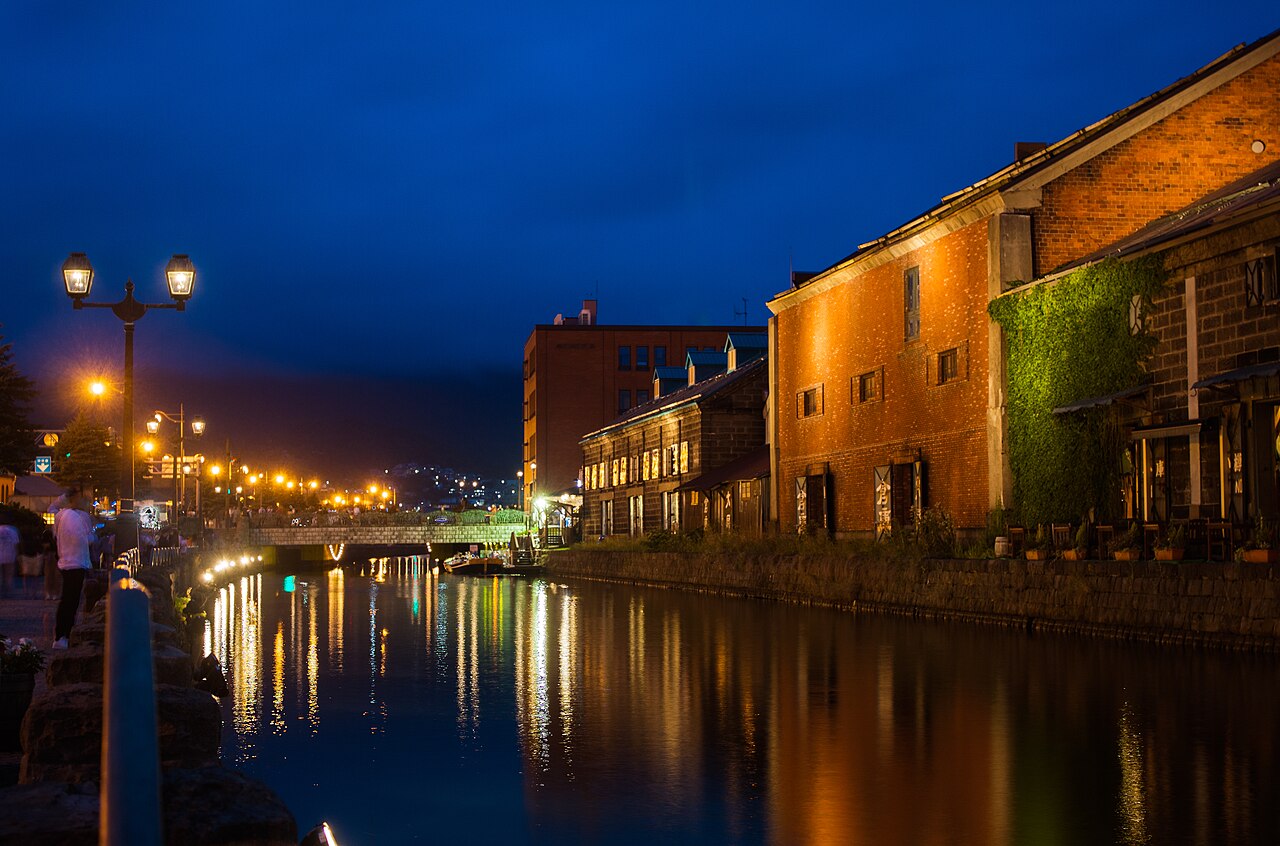
The connection is real, and it is documented. Lacquer reached Ezo — the old name for Hokkaido — through two channels: the Matsumae domain, the only Edo-period Wajin (ethnic-Japanese) castle town on the island, and the Kitamae-bune coastal trade ships that carried fine Wajima and Aizu lacquerware north as high-value cargo, unloading it at the ports of Hakodate, Otaru, and Matsumae. The carved spirals on these coasters — the moreu and aiushi patterns — come from a different lineage entirely, the woodcarving heritage of the Ainu. The result is a hybrid object, and an honest one only if you understand where each part comes from.
This guide helps international buyers understand a modern urushi-finished wooden coaster set with an Ainu moreu/aiushi spiral motif. It explains the Hokkaido framing, compares the form with named lacquer wares and other Hokkaido crafts, and discusses buying from outside Japan. Where workshop details vary, we say so plainly.
🔄 Updated:
⏱️ Read time: ~11 min
- Who this is for — and who should skip it
- Product overview (from published specs)
- Where this comes from — place, era, and the craft tradition
- Price information
- 📦 Shipping & where to buy from outside Japan
- What it does well
- Weaknesses and things to verify before buying
- Conclusion — which buyer type are you?
- Other ways to approach this purchase
- ❓ Frequently Asked Questions
Who this is for — and who should skip it
- Want a small, low-commitment piece of lacquerware that carries a clear Hokkaido and Ainu-motif story
- Like the idea of a coaster set as an entry point to urushi before buying a bowl or tray
- Appreciate the moreu/aiushi spiral as a graphic motif and want it on something usable daily
- Are shopping for a gift that needs context, not just a product
- Understand this is a modern Hokkaido work, not a centuries-old named ware
- Specifically want a METI-designated traditional craft with a centuries-old name and certification
- Expect Wajima- or Aizu-grade multi-layer lacquer at this price point
- Need dishwasher-safe, soak-safe coasters for heavy daily abuse
- Want guaranteed Ainu-maker provenance — the workshop is not confirmed
- Are unwilling to verify live price, stock, and set count before ordering
Product overview (from published specs)
This form is a modern urushi-finished wooden coaster set with a relief-carved Ainu moreu/aiushi spiral motif, usually sold as a small group of pieces. Exact wood species, number of lacquer coats, workshop, and price vary by maker, so they should not be assumed.
| Source | What it lists | Notes |
|---|---|---|
| 🇺🇸 Amazon US (search) | Browse Japanese lacquer coasters & urushi tableware | Comparable Japanese coaster and urushi goods from various makers; this exact set is sourced from Japan (next row). |
| Maker direct | Workshop not named | No verified maker page; producer unconfirmed. |
| Proxy services (Buyee / Tenso) | Can forward from JP retailers if Global Store is unavailable in your country | Added fees apply; useful as a fallback path. |
“Hokkaido never had a named lacquer ware of its own — the urushi here arrived by ship, and the spirals were already being carved by people who had lived on the island for centuries.”
📖 Glossary — key terms used in this guide
urushi (漆) — natural lacquer, the refined sap of the lacquer tree, applied in thin coats and hardened by humidity into a durable, water-resistant film. The basis of all Japanese lacquerware.
moreu (モレウ) — a spiral or scroll motif in Ainu woodcarving, often translated as “the curling one.” A core element of Ainu decorative vocabulary.
aiushi (アイウシ) — a “thorn” or barbed-cross motif in Ainu carving, frequently combined with moreu spirals into flowing carved bands.
Ezo (蝦夷) — the historical Japanese name for Hokkaido and its surrounding region before the island was formally incorporated and renamed in 1869.
Wajin (和人) — ethnic-Japanese settlers from the mainland, as distinct from the Indigenous Ainu of Hokkaido.
Kitamae-bune (北前船) — the “northern-bound ships,” cargo vessels that ran a trade circuit along the Sea of Japan coast from the Edo into the Meiji period, carrying goods such as lacquerware north and marine products south.
Nibutani-ita (二風谷イタ) — carved wooden trays from the Nibutani district of Biratori, Hokkaido; a METI-designated traditional craft of Ainu woodcarving.
Related jpmono guides — other Hokkaido crafts, and named lacquer wares from across Japan, for context on what this coaster set is and is not.
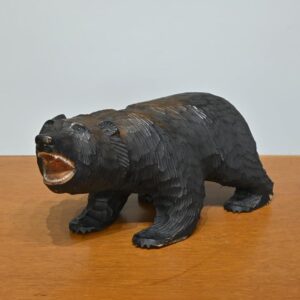 🐻 Hokkaido Kibori Bear Carving
🫖 Kobushi-yaki Hokkaido Teapot
🔪 Ainu Makiri Knife
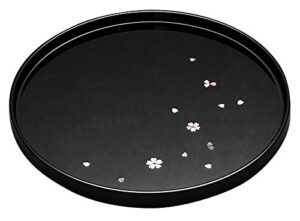 🌿 Nara Shikki Raden Tray
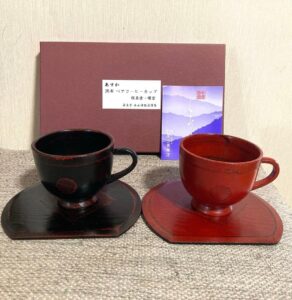 ☕ Honyama Kiso Lacquer Cups
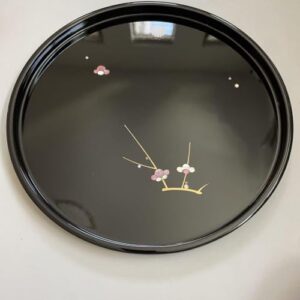 🎁 Takaoka Raden Lacquer Box
🧵 Hirosaki Kogin Coaster Set
🥣 Gohara Kijiro Mulberry Bowl
Where this comes from — place, era, and the craft tradition

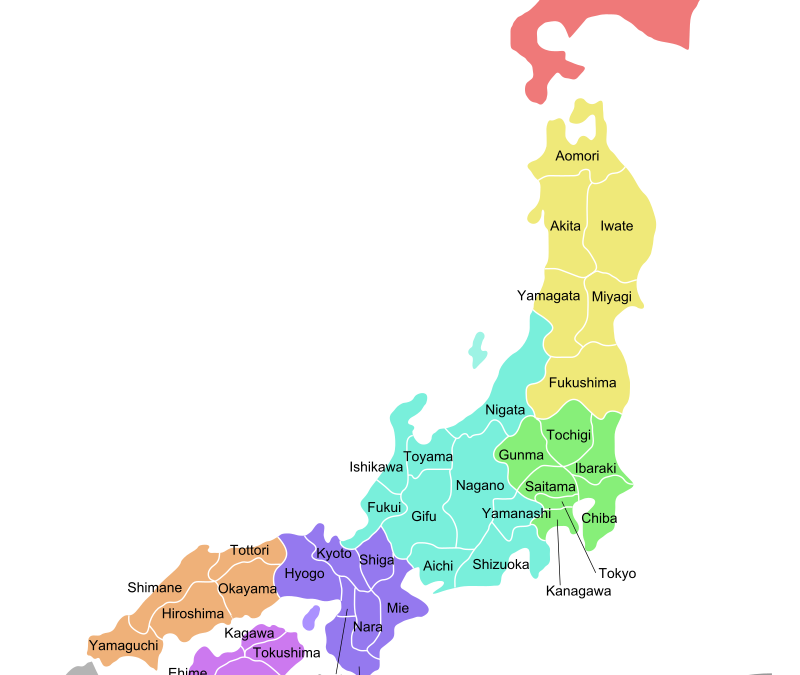
Hokkaido is the largest and northernmost of Japan’s prefectures, a single administrative region that occupies the entire island. Until 1869 it was known as Ezo, and for most of the Edo period (1603–1868) it lay outside the system of domains that organized the rest of Japan. Only one corner of it was a Wajin castle town: Matsumae, on the southwestern tip of the Oshima Peninsula, the closest point to Honshu across the Tsugaru Strait.
That geography matters for a lacquer object. Lacquerware needs three things to take root locally — lacquer trees, skilled finishers, and a market — and historically Hokkaido had none of them at scale. So the urushi tradition here is not a homegrown named ware. It arrived, by domain patronage and by ship, from the mainland.
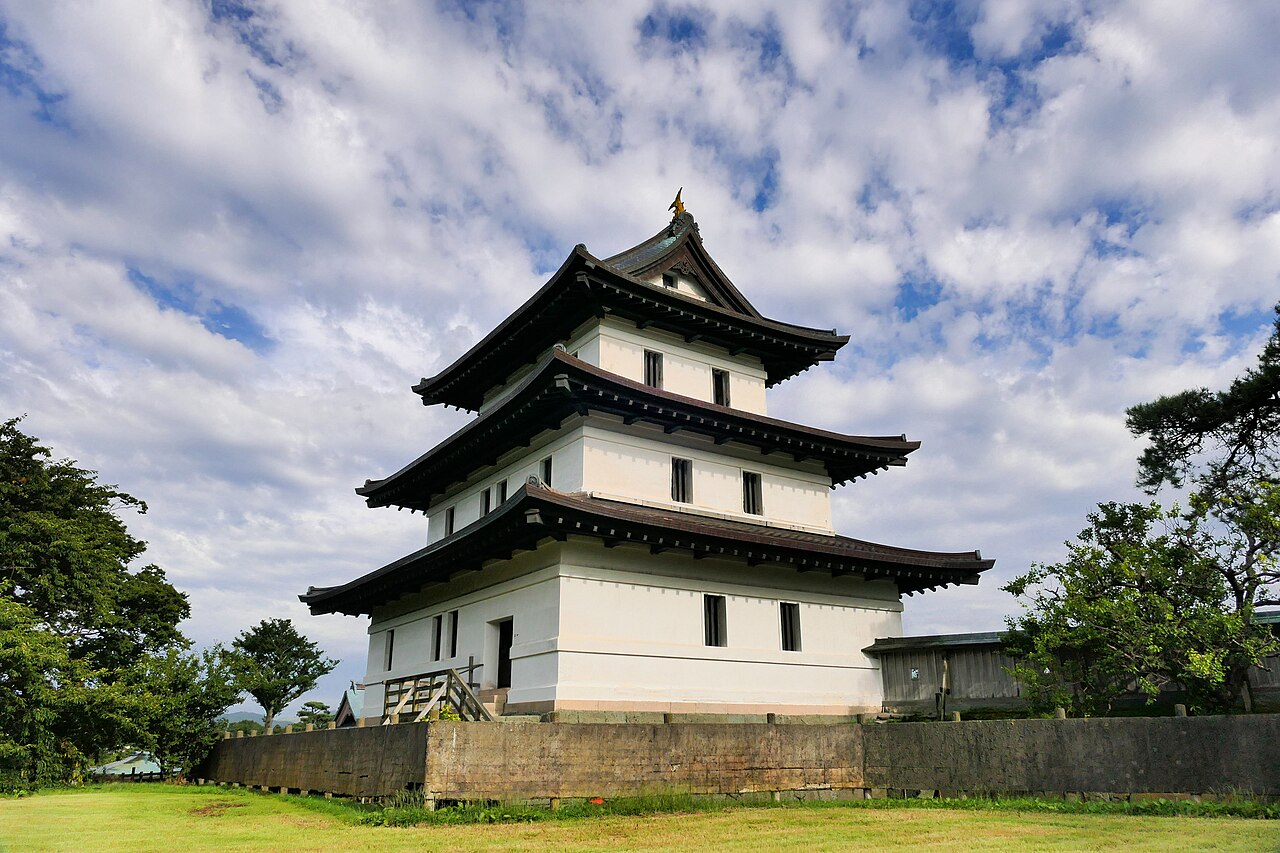
The Matsumae clan held an unusual position. Granted exclusive rights to trade with the Ainu in the early 1600s, they governed from a castle town that was, in effect, Japan’s northern frontier outpost. Matsumae Castle — also called Fukuyama Castle — is the northernmost Japanese castle, and its main keep, rebuilt in 1854, was among the last traditional-style castles completed in Japan. Through this single gateway, mainland goods, customs, and crafts entered Ezo. Lacquerware, a marker of status and refinement, came with them.
- 1604 — The Tokugawa shogunate grants the Matsumae clan exclusive rights to trade with the Ainu of Ezo.
- 1600s–1800s — Kitamae-bune ships carry Wajima and Aizu lacquerware north as high-value cargo, unloading at Hakodate, Otaru, and Matsumae.
- 1854 — Matsumae Castle’s keep is rebuilt; it stands as the northernmost Japanese castle.
- 1859 — Hakodate opens as one of Japan’s first treaty ports to foreign trade, broadening the flow of goods through Ezo.
- 1869 — Ezo is formally incorporated and renamed Hokkaido.
- 2013 — Nibutani-ita (carved trays) and Nibutani-attus (bark-fiber cloth), both centered on Biratori, become Hokkaido’s first METI-designated traditional crafts.
- 2020 — Upopoy, the National Ainu Museum and Park, opens in Shiraoi, raising the public profile of Ainu carving and design.
- 2026 — Modern Hokkaido workshops finish urushi over carved Ainu moreu/aiushi motifs — the category this coaster set belongs to.
The second channel was the sea. The Kitamae-bune — the “northern-bound ships” — ran a trade circuit along the Sea of Japan coast from the Edo into the Meiji period. Heading north they carried, among many goods, the lacquerware of Wajima on the Noto Peninsula and Aizu in present-day Fukushima; heading south they carried marine products and Ezo specialties. For Hokkaido’s ports, this meant that fine mainland lacquer was a familiar import long before any local workshop tried to make it.
The carved motif on these coasters belongs to neither Matsumae nor the Kitamae-bune. The moreu spiral and the aiushi barbed-cross are elements of Ainu woodcarving — the same decorative vocabulary seen on Nibutani-ita trays, on the handles of makiri knives, and on ceremonial objects. Among the Ainu, these are not merely ornamental; the flowing carved bands traditionally carry protective and identifying meanings. On a modern coaster, the motif is used as design, and it is worth being clear-eyed about that: this is a contemporary product borrowing a living heritage, finished in a material that itself came to the island from elsewhere.
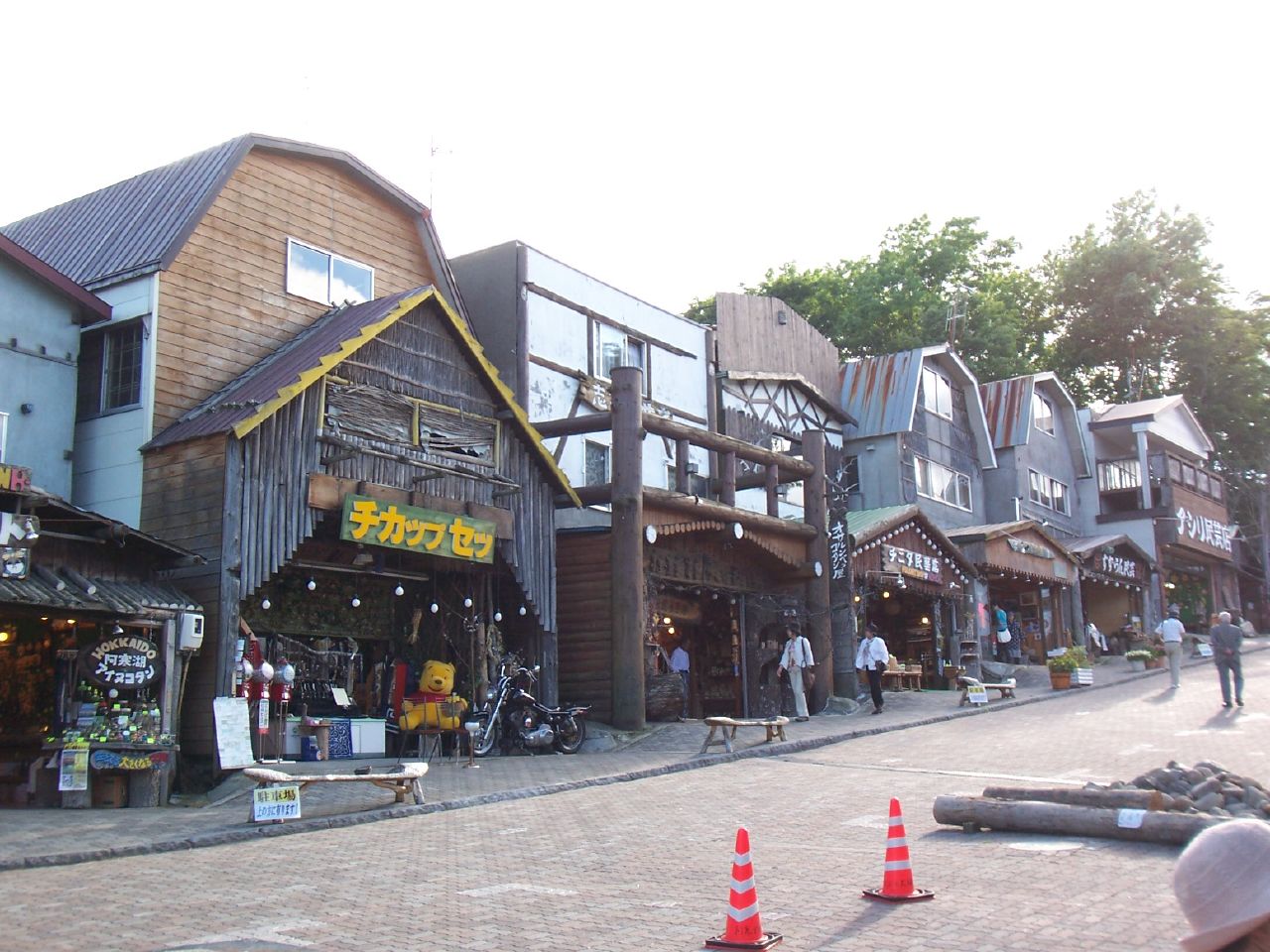
So what does “Hokkaido lacquer” honestly mean here? It means a modern object, made in or attributed to Hokkaido, that combines an urushi finish — a mainland craft tradition that reached Ezo by domain and by ship — with a carved motif from the island’s Indigenous tradition. It is not a METI-designated ware. Hokkaido’s two designated crafts are the Nibutani-ita carved tray and the Nibutani-attus bark-fiber cloth, both woodwork and textile rather than lacquer, and both centered on Biratori. This coaster set should be read as a secondary, editorial-anchor craft: real, rooted in documented history, but contemporary and not a named centuries-old lineage.
That framing is not a knock. It is the most interesting thing about the object. The history is genuinely there at the port of Hakodate, where lacquer cargo was unloaded and dispersed through Ezo, and where today’s small workshops revive urushi as a Hokkaido material. A coaster set is a modest thing, but the layers it carries — trade route, castle town, Indigenous carving, modern revival — are not.
Price information
JPY is the standard currency for Hokkaido Ainu moreu urushi lacquer pieces; USD figures elsewhere are approximate estimates at a ¥150/USD baseline as of mid-2026. As noted, current retail pricing varies between sellers — confirm the current figure with the JP Global Store or another retailer before ordering.
| Store | Item / Variant | Price | Notes |
|---|---|---|---|
| 🇺🇸 Amazon US (search) | Browse Japanese lacquer coasters & urushi tableware | varies (USD) | Best if you are shopping from the US — Prime shipping, USD pricing, no international customs. Amazon US carries comparable Japanese urushi and coaster goods; this exact set ships from Japan (next row). |
| 🇯🇵 Amazon JP Global Store | Urushi coaster set, carved moreu/aiushi motif | — | International shipping from Japan may involve customs or duties. |
| Maker direct | Unconfirmed — workshop not named | — | No verified maker page; producer unconfirmed. |
| Proxy services (Buyee / Tenso) | Forward from JP retailers | Proxy fee may apply | Fallback if the Global Store does not ship to your country. Adds handling and forwarding fees. |
📦 Shipping & where to buy from outside Japan
For a small, light coaster set, international shipping is often simpler than for larger craft objects, but rates, import fees, and taxes depend on destination.
If a Japanese retailer does not ship to your country, a proxy service such as Buyee or Tenso can forward a lacquer-finished wooden product for an added fee. As a non-electrical item, it generally has no voltage requirement, but customs rules still vary.
What it does well
Weaknesses and things to verify before buying
- Not a designated traditional craft. Hokkaido has no METI-recognized lacquer ware. This is a modern, secondary craft anchored to history — not a certified named lineage. Buyers wanting a designated ware should look at Wajima, Aizu, Kiso, or Takaoka lacquer instead.
- Workshop and provenance unconfirmed. Ainu-maker provenance is not verified; confirm maker identity before ordering.
- Set details need checking. Confirm the set contents before ordering.
- Lacquer care is real care. Urushi is durable but not indestructible: avoid the dishwasher, prolonged soaking, abrasive scrubbing, and direct sunlight. These are not throwaway coasters.
- Motif is design, not certification. The moreu/aiushi pattern draws on Ainu carving heritage but is used here decoratively; maker or community connection is not established.
Conclusion — which buyer type are you?
Other ways to approach this purchase
❓ Frequently Asked Questions
Is this a traditional Hokkaido lacquerware?
What is the moreu motif?
How do I care for urushi coasters?
Does Amazon JP Global Store ship internationally?
How many coasters are in the set?
How does it compare to the Hirosaki kogin coaster set?
Is the price reliable?
jpmono.com is curated by a Japan-based editorial team (working out of Toyama in the Hokuriku region and Nara in Kansai) and is independent. We do not take payment from the makers we feature; income comes from affiliate links. We do not physically test every product — we read maker specifications and published craft information.
This article was prepared with AI assistance. Craft specifications, prices, and stock can vary by maker and over time; regional history is provided as context.
Affiliate disclosure: jpmono.com may earn a commission on qualifying purchases made through links on this page, at no additional cost to you.