![Joboji-Nuri Lacquer Sake Cup: Iwate’s Pure Urushi Guinomi [2026]](https://jpmono.com/wp-content/uploads/2026/06/joboji-nuri-lacquer-sake-cup-where-to-buy-2026-featured.jpg)
Jōbōji-nuri (浄法寺塗, “Jōbōji lacquerware”) is one of Japan’s plainest, most disciplined forms of urushi ware — no gold, no inlay, no painted scene. It comes from Jōbōji, a district of Ninohe in northern Iwate Prefecture, where monks attached to Tendai-ji temple once turned locally tapped lacquer into the everyday bowls and cups they ate and drank from. A guinomi (ぐい呑み, a small footed sake cup) finished this way is solid vermilion or black, hand-rubbed until the lacquer itself becomes the surface.
What makes the object notable to an international reader is not decoration but provenance. Ninohe and Jōbōji together form Japan’s single largest source of domestic urushi (国産漆, kokusan urushi) — the same sap reserved for restoring national treasures such as the Konjikidō golden hall at Chūson-ji, Nikkō Tōshōgū, and Kinkaku-ji. The cup in your hand is finished in the grade of lacquer a conservator would use on an 800-year-old hall.
This guide is written for the reader weighing a first authentic urushi sake cup. We cover what Jōbōji-nuri is, how it differs from its gold-leafed neighbor Hidehira-nuri, what to verify before buying, where it sits among other Tōhoku and Hokuriku lacquer, and the two realistic ways to buy it from outside Japan. The featured piece is a Tekiseisha (滴生舎) solid-color guinomi.
🔄 Updated: June 13, 2026
⏱️ Read time: ~11 min

- Who this is for — and who should skip it
- Product overview (from published specs)
- Price snapshot across stores
- 📍 Where this comes from — place, era, and the craft tradition
- 📦 Shipping & where to buy from outside Japan
- What it does well
- Weaknesses and things to verify before buying
- Conclusion — which buyer type are you?
- Other ways to approach this purchase
- 🏆 Editor’s Pick
- ❓ Frequently Asked Questions
Who this is for — and who should skip it
- Want a real urushi cup whose appeal is restraint, not ornament
- Value provenance — domestic Jōbōji urushi, the conservation-grade sap
- Prefer solid vermilion or black over maki-e and gold leaf
- Are happy to hand-wash and keep a lacquer cup out of the dishwasher
- Drink sake at room temperature or gently warmed (urushi dislikes heat extremes)
- Want gold, inlay, or a painted scene — look at Hidehira-nuri or maki-e instead
- Need dishwasher- and microwave-safe drinkware for daily rough use
- Want a low-cost novelty cup; authentic Jōbōji-nuri is priced as craft
- Have a confirmed urushi (lacquer-sap) skin sensitivity to cured surfaces
- Expect same-day pricing certainty — listings and stock move (see caveats)
Product overview (from published specs)
The data fetched for this guide was thin: the live Amazon US search returned no individually listed match, and the structured price feed was empty at the time of writing. The specifications below are drawn from the maker’s tradition and the sourced Amazon JP Global Store listing identity (ASIN B0H6LX1VFZ). Treat unconfirmed cells as “verify at the listing.”
Joboji-Nuri Lacquer Sake Cup
浄法寺塗 酒器 国産漆100%使用 こぶくら 大小セット
通常6~7日以内に発送します。 · Sold by 扇屋-OHGIYA- · ASIN B0H6LX1VFZ
Price and availability as of 2026-09-01 05:22 JST. The Amazon listing at the time of purchase is authoritative. jpmono.com earns a commission on qualifying purchases at no extra cost to you.
| Attribute | Detail | Source |
|---|---|---|
| Craft | Jōbōji-nuri (浄法寺塗) — plain solid-color urushi lacquerware | Maker tradition |
| Maker | Tekiseisha (滴生舎), Jōbōji, Ninohe, Iwate | Maker direct |
| Item | Guinomi (ぐい呑み) sake cup | Listing identity |
| Finish | Solid vermilion or black, hand-rubbed (fuki-urushi / nuri) | Maker tradition |
| Lacquer | 100% domestic Jōbōji urushi (kokusan urushi) | Maker tradition |
| Decoration | None — undecorated everyday ware | Maker tradition |
| Dimensions / weight | Unconfirmed — check the listing | — |
| ASIN | B01KT23I1Q | Amazon JP Global Store |
Only the Amazon JP listing identity was available; live pricing and exact dimensions were not present in the fetched data and may have shifted since the writing date. Verify both at the listing before purchasing.
📖 Glossary — key terms (tap to expand)
- Urushi (漆) — the refined sap of the lacquer tree (Toxicodendron vernicifluum); cures into a hard, water-resistant film.
- Jōbōji-nuri (浄法寺塗) — plain, undecorated lacquerware from Jōbōji, Ninohe; the lacquer surface is the finish.
- Kokusan urushi (国産漆) — domestically produced Japanese lacquer, as opposed to imported sap; most of it now comes from Ninohe/Jōbōji.
- Fuki-urushi (拭き漆) — “wiped lacquer,” a technique of rubbing on thin coats and wiping them back, repeated many times.
- Guinomi (ぐい呑み) — a small footed sake cup, larger than an ochoko.
- Hidehira-nuri (秀衡塗) — neighboring Iwate lacquerware decorated with gold leaf, rooted in the Ōshū Fujiwara gold culture of Hiraizumi.
- Maki-e (蒔絵) — decorative lacquer technique sprinkling gold or silver powder onto wet urushi.
Related jpmono guides — other Iwate and Tōhoku makers, and the lacquer and sake-cup families this cup belongs to.
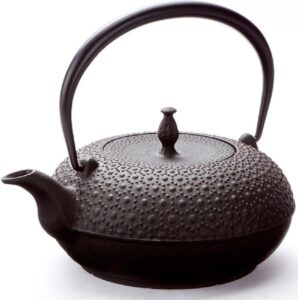 🫖 Iwate Nambu tetsubin
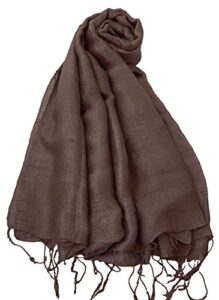 🧣 Iwate homespun scarf
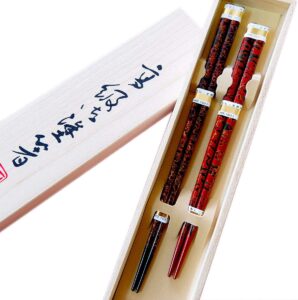 🥢 Tōhoku Tsugaru-nuri
🍶 Wajima sake cup pair
🌲 Fuki-urushi sake cup
🥣 Gohara kijiro lacquer
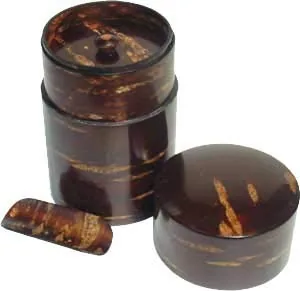 🌸 Akita cherry-bark ware
Price snapshot across stores
Live pricing was unavailable from the fetched data at the time of writing. JPY is the authoritative figure for the specific item; USD figures are approximate at a ¥150/USD baseline. Verify the current price at the listing before buying.
| Store | Item / variant | Price (JPY + USD est.) | Notes |
|---|---|---|---|
| 🇺🇸 Amazon US (search) | Browse Japanese lacquer sake cups | varies (USD) | Best if you are shopping from the US — Prime shipping, USD pricing, no international customs. Amazon US carries urushi and wooden sake cups from various makers for comparing finishes; this exact Tekiseisha piece ships from Japan (next row). |
| 🇯🇵 Amazon JP Global Store | Tekiseisha guinomi (ASIN B0H6LX1VFZ) | Check live price (USD est. at ¥150/USD) | Ships internationally from Japan. This is the sourced listing for the specific item. |
| Maker direct | Tekiseisha (滴生舎) workshop | Varies | Widest selection of solid-color pieces; Japanese-language ordering, limited overseas shipping. |
| Proxy services (Buyee / Tenso) | Any JP-only listing | Item price + proxy fee + forwarding | Use when a piece is listed only on a Japan-domestic store; adds a forwarding step and fee. |
📍 Where this comes from — place, era, and the craft tradition

Jōbōji is a district of the city of Ninohe, in the far north of Iwate Prefecture, close to the Aomori border. This is interior Tōhoku — cold, forested, snowbound in winter — and it is precisely the climate the lacquer tree (urushi no ki) tolerates. The craft took root here because the raw material grows here: Ninohe and Jōbōji together are Japan’s single largest source of domestic urushi, the refined sap from which all of this lacquerware is made.
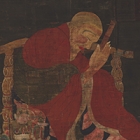
The craft’s origin is monastic. Jōbōji-nuri grew up around Tendai-ji, a temple in Jōbōji, where monks made plain, undecorated everyday bowls and cups from urushi tapped in the surrounding hills. These were not display objects. They were the vessels a temple community ate and drank from daily, which is why the tradition’s defining quality is utility rather than ornament.
- 8th–9th c. (approx.) — Tendai-ji established as a northern Tendai center in Jōbōji; temple lacquer traditions take root.
- 1124 — Chūson-ji’s Konjikidō (golden hall) completed at Hiraizumi during the Ōshū Fujiwara golden age.
- Edo period — Monks and villagers around Tendai-ji make plain, undecorated everyday urushi bowls and cups.
- Modern era — Ninohe / Jōbōji recognized as Japan’s largest source of domestic urushi (kokusan urushi).
- 2011 — Hiraizumi’s temples and Pure Land gardens inscribed as a UNESCO World Heritage Site.
- Today — Tekiseisha (滴生舎) leads the Jōbōji-nuri tradition; domestic Jōbōji urushi is reserved for national-treasure restoration.
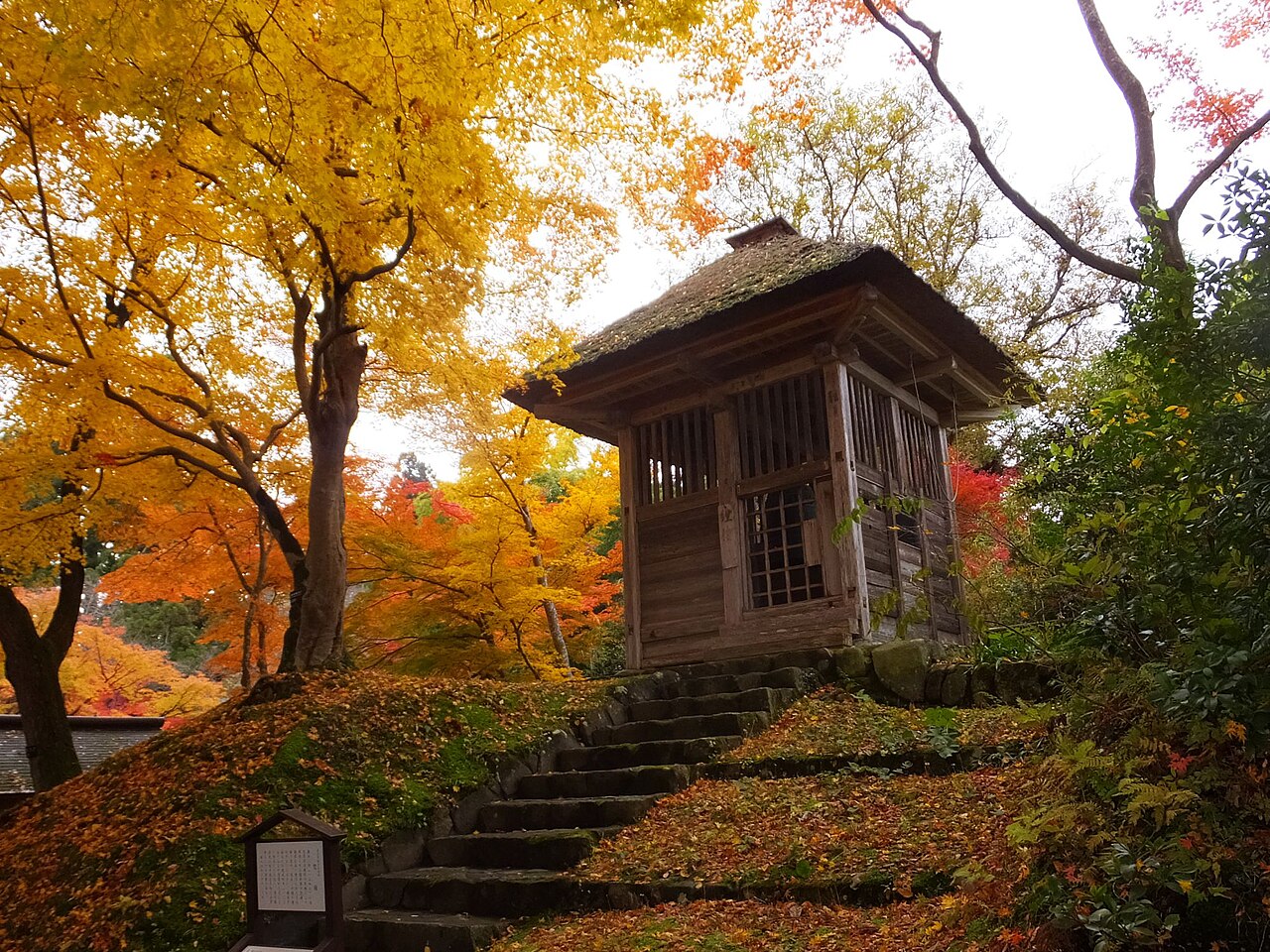
The reputation of Jōbōji urushi is not a marketing claim — it is a conservation fact. The sap tapped here is the grade reserved for restoring national treasures: Chūson-ji’s Konjikidō golden hall, Nikkō Tōshōgū, and Kinkaku-ji in Kyoto. When the country needs lacquer it can trust on an 800-year-old building, it comes from these hills.
“The cup in your hand is finished in the same grade of lacquer a conservator would trust on the Konjikidō golden hall.”
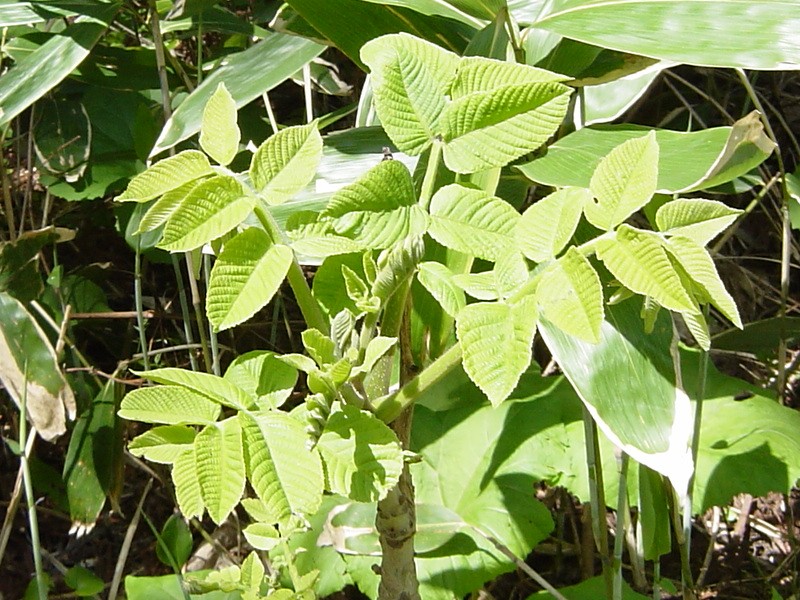
This is also where Jōbōji-nuri parts ways with its famous neighbor. A short distance south, the Hiraizumi area gave rise to Hidehira-nuri (秀衡塗), a gold-leafed lacquerware rooted in the Ōshū Fujiwara gold culture that built the Konjikidō. Jōbōji-nuri took the opposite path. Its identity is the bare beauty of solid vermilion or black urushi — no gold, no inlay — repeatedly hand-rubbed so the lacquer itself is the finish. Two neighboring Iwate traditions, one ornamental and one plain, both drawing on the same regional sap.
Continuity here runs through the workshop rather than a single dynasty. Today the Tekiseisha (滴生舎) workshop is the leading keeper of the Jōbōji-nuri tradition, training makers in the same wipe-and-cure discipline and working the same domestic sap. The craft survives because the material survives — and because a community kept tapping, refining, and finishing instead of switching to cheaper imported lacquer.
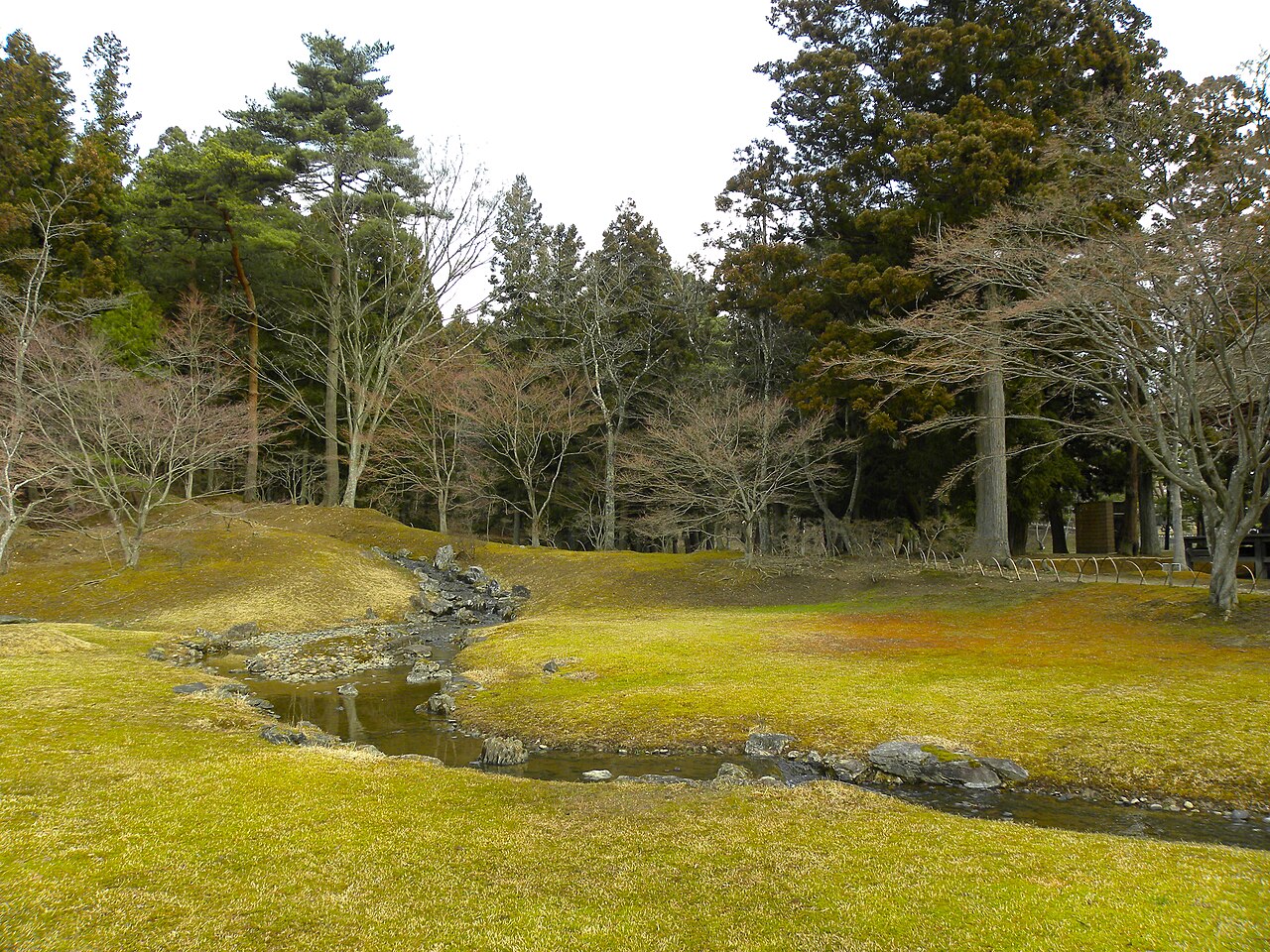
📦 Shipping & where to buy from outside Japan
The specific Tekiseisha guinomi is sourced from the Amazon JP Global Store, which ships internationally to most major destinations. Based on the listing identity, this is the reliable path for buyers outside Japan; the Amazon US search link is the faster path if a comparable urushi cup from another maker meets your needs.
- Amazon JP Global Store — ships internationally from Japan; expect roughly $15–$40 shipping to the US, EU, or Australia, with higher rates elsewhere.
- Customs / duties — orders above your local de-minimis threshold may incur import duty or VAT on arrival; this is separate from the item price.
- Maker direct (Tekiseisha) — widest selection but Japanese-language ordering and limited overseas shipping.
- Proxy services (Buyee / Tenso) — useful when a piece is listed only on a Japan-domestic store; adds a forwarding fee.
- Care note — urushi lacquer is hand-wash only; keep it out of the dishwasher, microwave, and prolonged direct heat. This is care guidance, not an electrical-voltage issue.
What it does well
Weaknesses and things to verify before buying
- Live price was not in the fetched data. Confirm the current JPY price at the listing before ordering; figures here are estimates only.
- Dimensions and weight are unconfirmed. If exact capacity matters, check the listing — a guinomi runs larger than an ochoko but sizes vary by piece.
- Hand-wash only. No dishwasher, no microwave, no soaking. This is a lifestyle commitment, not a flaw, but it disqualifies rough daily use.
- Heat sensitivity. Urushi dislikes extreme heat; warm sake is fine, boiling-hot liquids are not advised.
- Color expectations. Solid vermilion and black are the tradition; do not expect gold, inlay, or painted scenes (that is Hidehira-nuri or maki-e).
- Authenticity and source. Confirm the listing is the Tekiseisha / Jōbōji-nuri piece and not an imported-lacquer look-alike; provenance is the point of paying craft prices.
- Lacquer sensitivity. Cured urushi is inert for most people, but anyone with a known lacquer-sap allergy should be cautious.
Conclusion — which buyer type are you?
Other ways to approach this purchase
🏆 Editor’s Pick
❓ Frequently Asked Questions
What is Jōbōji-nuri, in one sentence?
It is plain, undecorated lacquerware from Jōbōji in Ninohe, northern Iwate, finished in solid vermilion or black domestic urushi so the lacquer surface itself is the finish.
How is it different from Hidehira-nuri?
Hidehira-nuri, from the same region, is decorated with gold leaf and rooted in the Ōshū Fujiwara gold culture of Hiraizumi. Jōbōji-nuri is deliberately plain — no gold, no inlay — and its appeal is the bare beauty of the lacquer.
Can I put it in the dishwasher or microwave?
No. Urushi lacquerware is hand-wash only and should be kept away from the microwave and prolonged direct heat. Warm sake is fine; boiling liquids are not advised.
Does it ship internationally?
The specific Tekiseisha cup is sourced from the Amazon JP Global Store, which ships to most major destinations. Expect roughly $15–$40 shipping to the US, EU, or Australia, plus possible customs duty above your local threshold.
Why is the urushi considered special?
Ninohe and Jōbōji are Japan’s single largest source of domestic urushi, and that sap is reserved for restoring national treasures such as Chūson-ji’s Konjikidō, Nikkō Tōshōgū, and Kinkaku-ji.
Is it a good gift?
Yes, for someone who appreciates restrained craft and sake. Its plain finish suits a wide range of tastes, and the provenance gives it a story without being flashy.
How much does it cost?
Live pricing was unavailable in our fetched data at the time of writing. Authentic Jōbōji-nuri is craft-priced; check the current figure directly at the listing before ordering.
jpmono.com is curated by a Japan-based editorial team (working out of Toyama in the Hokuriku region and Nara in Kansai) and is independent. We do not take payment from the makers we feature; income comes from affiliate links. Read more about our editorial standards.
🤖 This article was prepared with AI assistance and reviewed against the source listing data before publication. Specifications and pricing reflect the data available at the time of writing.
Affiliate disclosure: jpmono.com may earn a commission on qualifying purchases made through links on this page, at no additional cost to you.