![Mino Washi Origami Paper: Where to Buy Gifu Handmade Sheets [2026]](https://jpmono.com/wp-content/uploads/2026/06/mino-washi-origami-paper-where-to-buy-2026-featured.jpg)
Mino washi (美濃和紙, “Mino paper”) is handmade paper from Mino city in Gifu Prefecture, a craft that the region’s clear rivers and mulberry groves have sustained since the Nara period. The origami and chiyogami sheets covered here are made from honminoshi (本美濃紙) — the hand-laid grade of Mino paper that UNESCO inscribed on its Intangible Cultural Heritage list in 2014. What sets it apart on the folding table is the way the fibers lie: Mino’s nagashizuki technique sweeps the screen in both directions, so the sheet comes out unusually even, strong, and softly translucent.
For an international audience, this is the rare craft paper whose pedigree is documentary rather than promotional. Household registers written on Mino paper in the year 702 still survive in Nara’s Shōsō-in repository — the same imperial storehouse our Kansai editorial base sits near — which makes Mino one of the very few papers in the world with a thousand-year paper trail you can point to. That long arc shows up in the product itself: crisp, clean folds, sheets that take a knife-edge crease without cracking, and a surface that holds printed chiyogami patterns without bleeding.
This guide is written for buyers comparing handmade Japanese origami paper for gifting, framing, or serious folding practice, and for readers who want to understand what they are actually paying for. We cover what the paper is, where to buy it from outside Japan, how it compares to other Japanese washi, and who should pass on it. Pricing data for the specific listing was thin at the time of writing, so we flag that plainly rather than guess.
🔄 Updated: June 14, 2026
⏱️ Read time: ~9 min

- Who this is for — and who should skip it
- Product overview (from published specs)
- Price snapshot across stores
- Where this comes from
- What it does well
- Weaknesses and things to verify before buying
- Conclusion — which buyer type are you?
- Other ways to approach this purchase
- 🏆 Editor’s Pick
- ❓ Frequently Asked Questions
Who this is for — and who should skip it
- Want handmade paper with a verifiable craft pedigree, not machine-made craft-store stock
- Fold seriously and need sheets that take a crisp, clean crease without cracking
- Are buying a gift where the story (UNESCO-listed, 1,300-year-old craft) matters
- Like the soft, slightly translucent surface of nagashizuki paper for framing or display
- Appreciate even, strong sheets and are willing to pay a premium for them
- Just need bulk practice paper for children or classroom folding — cheaper kami exists
- Want a fixed, guaranteed price today — listing pricing was unconfirmed at writing
- Need a specific sheet count or dimension confirmed before buying (verify on the listing)
- Prefer thick, stiff card stock — handmade washi is comparatively soft and pliant
- Are uncomfortable with international shipping times and possible customs handling
Product overview (from published specs)
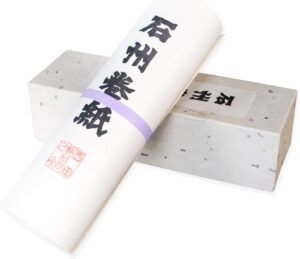
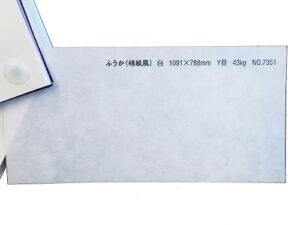
Based on listings, this is a honminoshi-grade Mino washi origami / chiyogami paper set from Gifu. Detailed numeric specs (sheet count, exact dimensions, weight) were not present in the data available at the time of writing, so the table below reports only what is confirmed and marks the rest for buyer verification.
Mino Washi Origami Paper
美濃和紙 折り紙 ORIGAMI 折り紙 おりがみ 上品 高級和紙 日本製 懐紙 工作 便箋 御朱印 用紙 MINOWASHI JapanesePaper 伝統 本格派 おしゃれ (番い, 150㎜×150㎜)
残り4点 ご注文はお早めに · Sold by giftooa【適格請求書発行事業者】 · ASIN B0DNBGHJM8
Price and availability as of 2026-09-01 05:22 JST. The Amazon listing at the time of purchase is authoritative. jpmono.com earns a commission on qualifying purchases at no extra cost to you.
| Attribute | Detail | Source |
|---|---|---|
| Craft | Mino washi (handmade honminoshi-grade paper) | Maker direct |
| Type | Origami / chiyogami sheets | Amazon JP Global Store |
| Material | Kozo (paper mulberry) fiber | Maker direct |
| Technique | Nagashizuki (bidirectional hand-laying) | Maker direct |
| Origin | Mino city, Gifu Prefecture, Chūbu region | Maker direct |
| Heritage | UNESCO Intangible Cultural Heritage (2014) | Maker direct |
| Sheet count / size | Unconfirmed — verify on the listing | — |
| Item ID | B0DL3VSCL9 | Amazon JP Global Store |
Data note: Only a sparse listing snapshot was available for this item; live pricing and exact sheet specifications may differ from what is shown here. Verify current details on the retailer page before purchasing.
📖 Glossary — key terms
- Washi (和紙) — traditional Japanese handmade paper, typically from plant bast fibers.
- Honminoshi (本美濃紙) — the fully hand-made, top grade of Mino paper; the UNESCO-listed designation.
- Nagashizuki (流し漉き) — the “flowing” papermaking method where the screen is rocked in multiple directions to distribute fibers evenly.
- Kozo (楮) — paper mulberry; the long, strong bast fiber that gives washi its tensile strength.
- Chiyogami (千代紙) — patterned decorative washi, often woodblock- or screen-printed.
- Udatsu (卯建) — raised fire walls on Edo-period merchant houses; in Mino, a status symbol of the wealthy paper trade.
Related guides on jpmono.com — other Gifu crafts, the rest of the UNESCO washi trio, and Kansai paper-and-cloth traditions from our editorial bases.
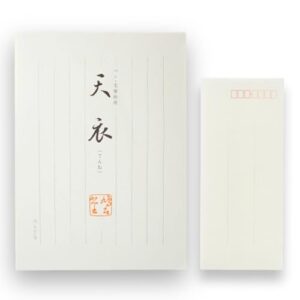
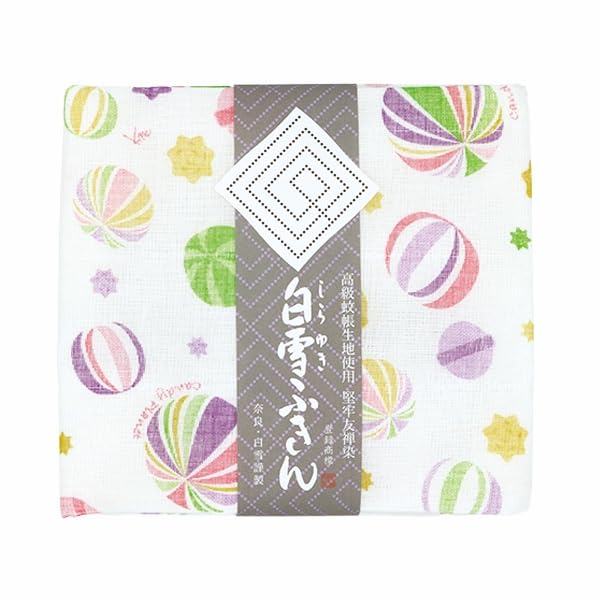
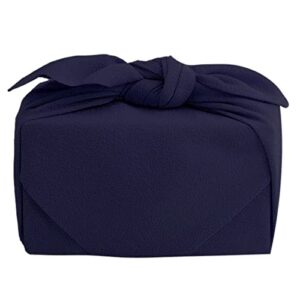
Price snapshot across stores
Pricing for this specific listing was not confirmed in the data available at writing. The table shows where to buy and how each path works; treat any figure as indicative and verify at the retailer.
| Store | Item / Variant | Price (JPY + USD est.) | Notes |
|---|---|---|---|
| 🇺🇸 Amazon.com (US) | Browse Japanese washi & origami paper | varies (USD) | Best if you are shopping from the US — Prime shipping, USD pricing, no international customs. Amazon US carries washi, origami, and chiyogami paper from a range of makers, useful for comparing grades and prices. The exact Mino set in this guide is sourced from Japan (next row). |
| 🇯🇵 Amazon JP Global Store | Mino washi origami / chiyogami set (B0DL3VSCL9) | Price unconfirmed — check listing | Where this specific item is sourced. Ships internationally from Japan to most major destinations. |
| Maker direct | Mino washi workshops / Mino city outlets | varies (JPY) | Widest grade selection; most workshop sites are JP-language and may not ship abroad directly. |
| Proxy services (Buyee / Tenso) | Any JP-only listing | item + forwarding fee | Use when a workshop or JP-only shop will not ship internationally; adds a forwarding fee and a little time. |
USD figures are approximate at a ¥150/USD baseline (mid-2026); the JPY price is authoritative. Prices and stock fluctuate — follow the affiliate link for current data.
Where this comes from

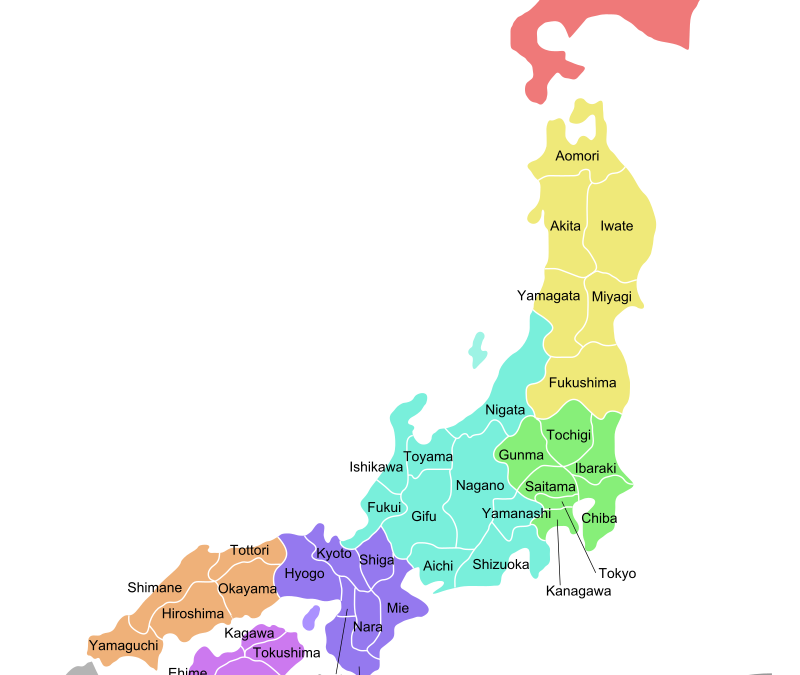
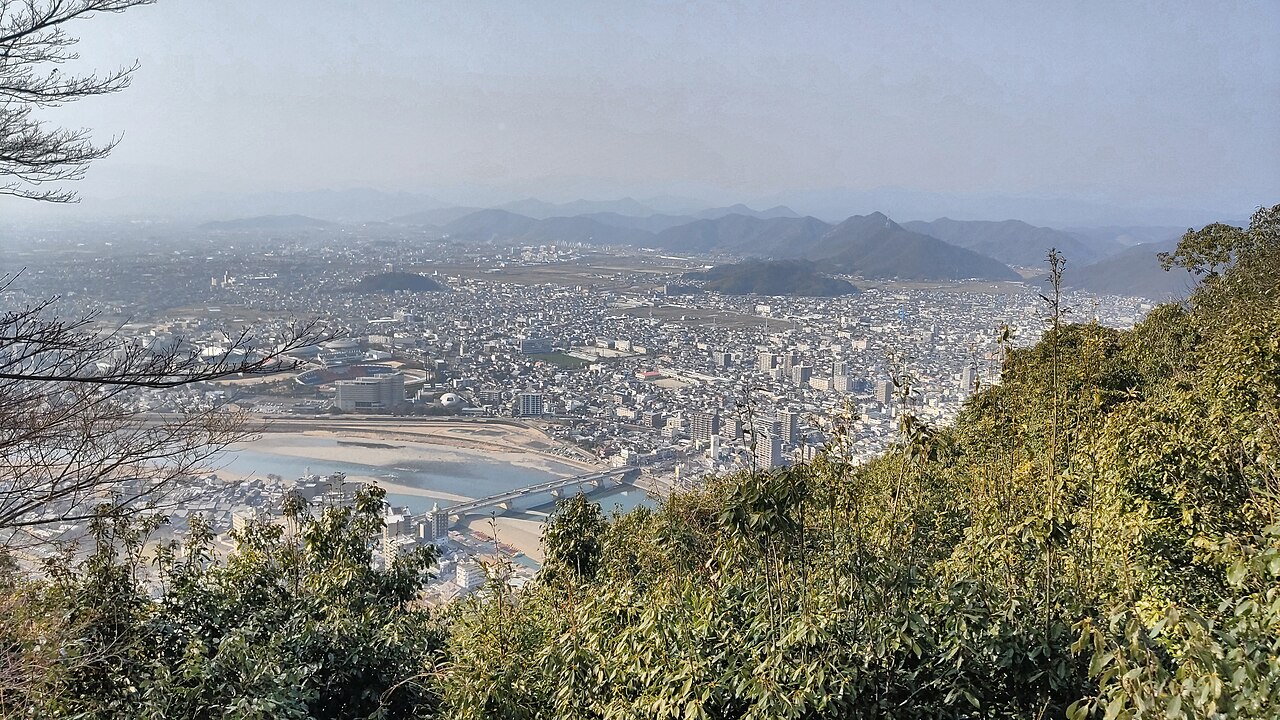
Mino city sits in central Gifu Prefecture, in the Chūbu region of Honshū, where the Nagara River and its tributary the Itadori run clear and soft out of the mountains. Papermaking takes hold where three things meet: clean, cold water; a steady supply of bast fiber; and a trade route to carry the product out. Mino had all three. The water rinsed the kozo cleanly, the surrounding hills grew the mulberry, and the Nagara carried finished bales downstream toward the markets of the Nōbi plain.
The historical anchor runs deeper than most craft origin stories. Mino paper appears in the written record by the early 8th century — and not as legend. Household registers compiled in the year 702, during the Nara period, were written on Mino paper, and those documents survive today in the Shōsō-in, the imperial repository beside Tōdai-ji in Nara.
For our editorial team, that is a direct line: the Shōsō-in is in our Kansai backyard, and the paper inside it was made where this origami set is still made.
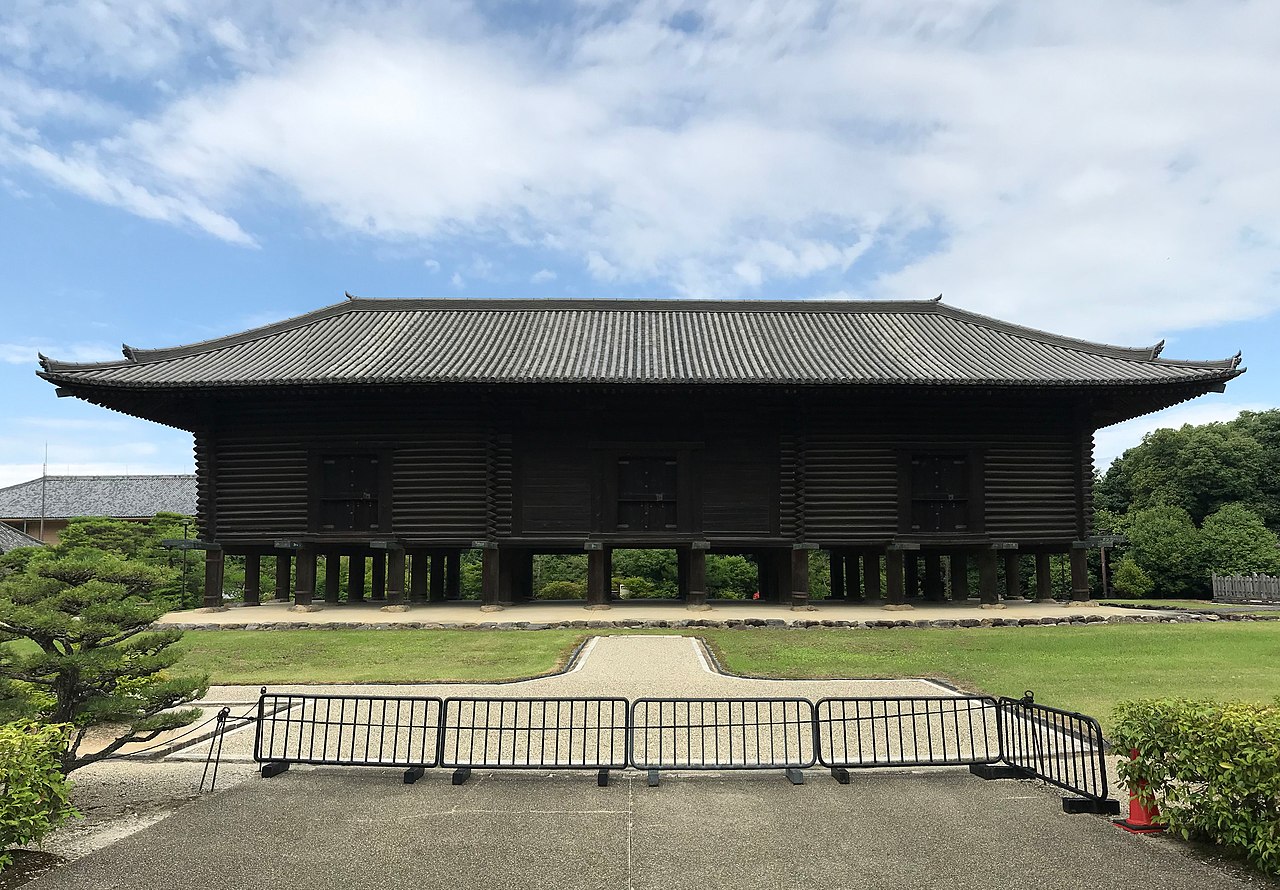
“The paper in Nara’s 8th-century imperial storehouse was made in the same river valleys that still produce Mino washi today — a paper trail thirteen centuries long.”
- 702 — Household registers written on Mino paper; copies survive in Nara’s Shōsō-in.
- 8th c. — Mino established as a recognized paper-producing province.
- Edo era — Mino thrives as a paper market under Owari-domain patronage.
- Edo era — Prosperous washi merchants raise the udatsu fire walls that still define the old town.
- 1985 — Mino washi designated a national traditional craft material.
- 2014 — Honminoshi inscribed on UNESCO Intangible Cultural Heritage, with Sekishu-banshi and Hosokawa-shi.
- 2026 — Mino workshops still hand-lay honminoshi by the nagashizuki method.
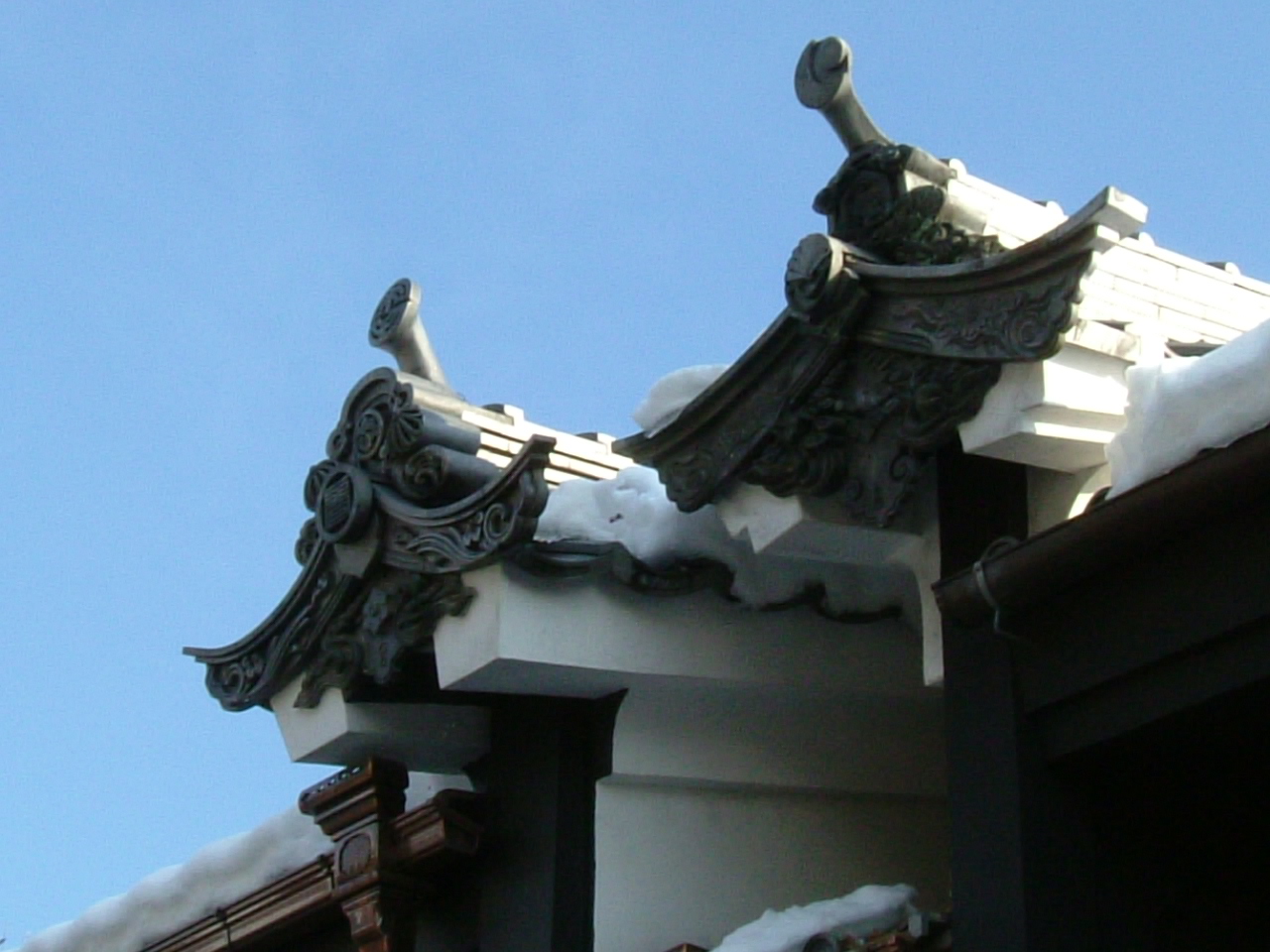
In the Edo era, Mino prospered as a paper market under the patronage of the Owari domain, which administered the region from the wider Gifu area. The trade made the town’s merchants wealthy, and they advertised it in architecture: the udatsu, raised fire walls between adjoining houses, were expensive to build and became a quiet boast of paper money. The streets lined with them survive as a protected historic district — a townscape that, quite literally, paper built.
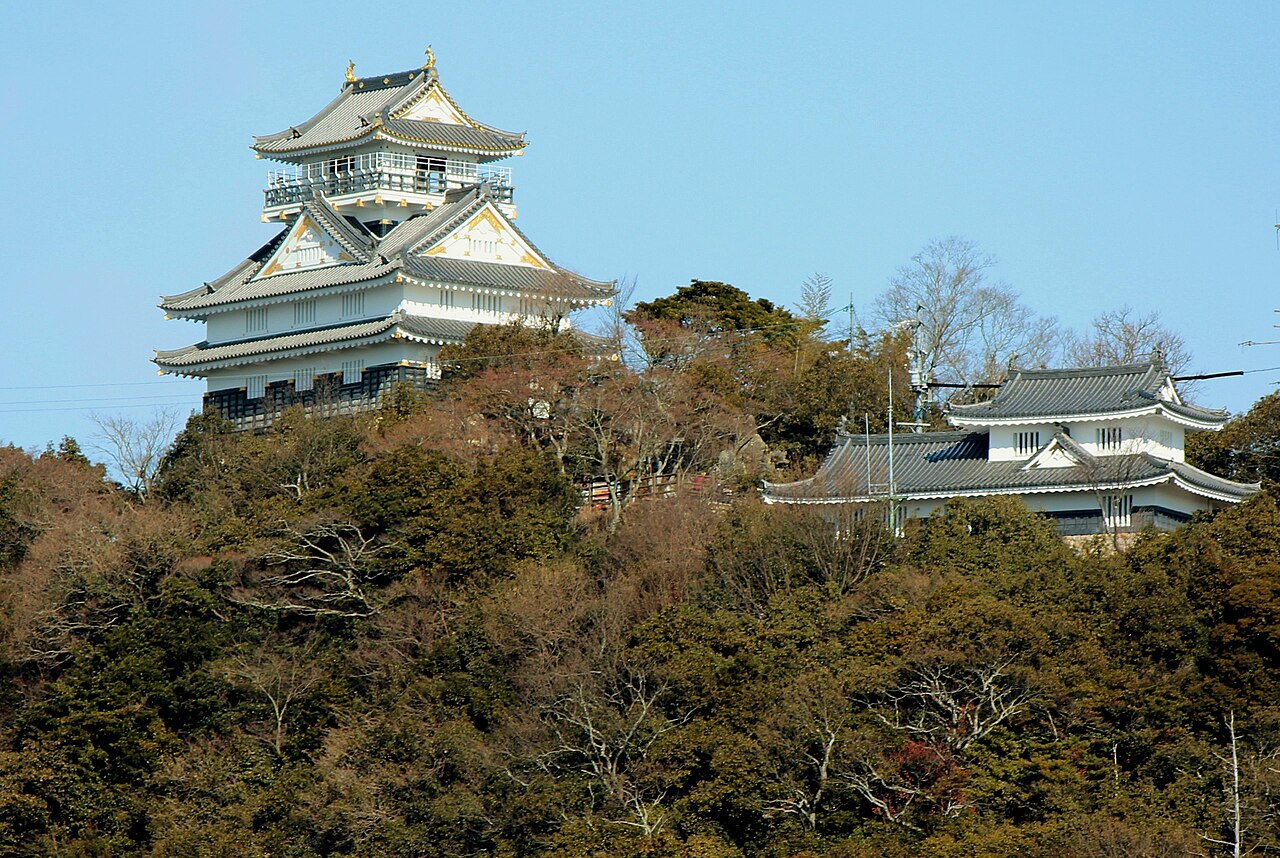
The region’s washi industry was protected and promoted through successive domains centered on Gifu, whose castle still stands on Mt. Kinka overlooking the valley. That continuity matters for what you are buying: the top grade, honminoshi, is still made entirely by hand, with kozo fiber laid on the screen by the bidirectional nagashizuki stroke that distributes the long fibers evenly in both directions. That even lay is exactly why the sheet folds cleanly and resists cracking along a sharp crease — a structural property, not a marketing claim.
What it does well
The even fiber lay from nagashizuki lets the sheet hold a knife-edge crease without cracking along the fold.
Long kozo fibers give the paper tensile strength out of proportion to its weight — thin sheets that resist tearing.
A softly translucent, uniform surface that takes printed chiyogami patterns cleanly and looks refined when framed.
UNESCO-listed honminoshi with a paper trail to 702 CE — a gift whose story is verifiable, not invented.
Weaknesses and things to verify before buying
- Pricing was unconfirmed at writing. The available data carried no firm price for this listing; check the current figure on the retailer page before committing.
- Sheet count and dimensions are not confirmed here. If you need a specific size or quantity (for a known model or a class), verify it on the listing rather than assuming.
- It is not bulk practice paper. Handmade washi carries a premium; for high-volume children’s folding, inexpensive machine-made kami is the sensible choice.
- Softer than card stock. Washi is pliant and slightly textured; if you want stiff, glossy origami board, this is the wrong material.
- International shipping adds time and possible customs. Buying the sourced JP listing means cross-border transit and, for larger orders, the chance of local duties.
- “Mino washi” spans many grades. Only fully hand-made paper is honminoshi; some products labeled “Mino” are machine-assisted. Confirm the grade if that distinction matters to you.
Conclusion — which buyer type are you?
You want UNESCO-listed honminoshi for a gift or display and care about provenance. This set fits; buy the authentic Mino grade.
You fold regularly and want better paper than craft-store stock. Worth it for the clean creases — just confirm sheet count first.
If cost per sheet is the priority, machine-made origami kami will serve better. Reserve washi for the pieces that matter.
If you need stiff board, a guaranteed today-price, or bulk classroom paper, this is not the right product.
Other ways to approach this purchase
Craft paper rarely discounts deeply, but Amazon JP Global Store prices and exchange rates shift; watch both before buying.
Mino workshops and city outlets carry the widest grade range; sites are mostly JP-language and may not ship abroad.
If you already use Amazon for cross-border orders, stacking reward points can offset the international shipping cost.
Buyee or Tenso can forward JP-only listings when a workshop will not ship internationally — for a forwarding fee.
🏆 Editor’s Pick
❓ Frequently Asked Questions
Does Amazon JP Global Store ship Mino washi internationally?
Yes. The Amazon JP Global Store ships many household and paper goods to most major international destinations. Shipping cost and delivery time vary by region, and large orders may attract local customs duties — check the estimate at checkout.
What is the difference between Mino washi and honminoshi?
“Mino washi” covers paper from the Mino region across several grades, including machine-assisted ones. “Honminoshi” is the fully hand-made top grade, made by the nagashizuki method, and it is the designation UNESCO recognized in 2014. If the hand-made distinction matters to you, confirm the grade on the listing.
Why is Mino paper considered good for origami specifically?
The nagashizuki technique rocks the screen in both directions, laying the long kozo fibers evenly. That even structure lets thin sheets take a sharp crease without cracking and resist tearing — exactly the properties serious folding rewards.
How should I store handmade washi?
Keep it flat, dry, and out of direct sunlight to prevent yellowing and curling. Stored properly, kozo-fiber washi is durable and ages well — the Shōsō-in documents prove the fiber can survive for centuries.
Is this a good gift for someone outside Japan?
Yes — the combination of a verifiable 1,300-year pedigree, UNESCO listing, and a practical, beautiful object makes it a strong gift. Pair it with the story (the 702 CE Shōsō-in registers) for context the recipient will appreciate.
How does Mino washi compare to Sekishu and Hosokawa paper?
All three are kozo-based hand-made papers inscribed together on UNESCO’s list in 2014. They differ by region, maker tradition, and typical use; see the linked guides above for Sekishu-banshi and Hosokawa-shi to compare them directly.
jpmono.com is curated by a Japan-based editorial team (working out of Toyama in the Hokuriku region and Nara in Kansai) and is independent. We don’t take payment from the makers we feature; income comes from affiliate links. Read more about our editorial standards.
Note: This article was prepared with AI assistance and reviewed against the available source listing. Specifications and pricing reflect data at the time of writing and may have changed.
Affiliate disclosure: jpmono.com may earn a commission on qualifying purchases made through links on this page, at no additional cost to you.