![Ogawa Hosokawa-shi Washi Paper: UNESCO Kozo Sheets from Saitama [2026]](https://jpmono.com/wp-content/uploads/2026/05/japan-map-regions-and-prefectures-800x1050.png)
Hosokawa-shi (細川紙, “Hosokawa paper”) is the handmade washi of Ogawa-machi and Higashi-Chichibu, two papermaking districts in Saitama Prefecture, just inland from the western edge of the Greater Tokyo plain. It is made from 100% kozo (楮, paper mulberry), and it belongs to a very short list: in 2014 UNESCO inscribed it, alongside Sekishu-banshi from Shimane and Hon-minoshi from Gifu, as “Washi: craftsmanship of traditional Japanese hand-made paper.” Three traditions are recognized together, and Hosokawa-shi is one of them.
What sets a sheet of Hosokawa-shi apart is not pattern or color but structure. Long kozo fibers, formed by hand, give the paper unusual tensile strength and a documented resistance to aging — qualities that made it valuable for ledgers and documents in the Edo period and make it useful for conservation, calligraphy, and craft today. During the Edo period (1603–1868) Ogawa was a paper distribution hub feeding the capital’s enormous appetite for paper, and the town’s prosperity earned it the nickname “the Little Kyoto of Musashi.”
This guide is written for international readers deciding whether plain, undyed Hosokawa-shi-style sheets are the right buy, and where to get them. We cover what the paper is, who still makes it, how it compares to other Japanese washi we have profiled, and the honest limits of buying genuine stock from outside Japan. From a Japan-based editor working out of Toyama and Nara.
·
·
Read time: ~11 min
- Who this is for — and who should skip it
- Product overview (from published specs)
- 📍 Where this comes from — place, era, and the craft tradition
- Where to buy
- What it does well
- Weaknesses and things to verify before buying
- Conclusion — which buyer type are you?
- Other ways to approach this purchase
- ❓ Frequently Asked Questions
Who this is for — and who should skip it
- Practice shodō (calligraphy) or sumi-e and want strong, long-fibered kozo paper
- Do paper conservation, bookbinding, or archival repair and need a durable, acid-considered backing
- Value provenance — you want a UNESCO-recognized handmade tradition, not machine washi
- Prefer plain, undyed sheets you can dye, print, or fold yourself
- Are comfortable buying from Japan and waiting for international shipping
- Just need cheap craft paper for kids’ projects — machine washi costs a fraction
- Want printed patterns, color, or chiyogami designs (these are undyed sheets)
- Need a guaranteed paper format and quantity today — the available details are limited
- Expect Prime-style next-day delivery; genuine stock is limited and ships from Japan
- Want a finished product (lantern, fan, stationery) rather than raw sheets
Product overview (from published specs)
A note on specifications first: sheet count, exact dimensions, and price vary by papermaker and batch. The table below states what is verifiable from the Hosokawa-shi tradition; quantitative fields should be confirmed with the papermaker or a specialist washi seller.
| Attribute | Detail | Source |
|---|---|---|
| Material | 100% kozo (paper mulberry), handmade | Hosokawa-shi tradition |
| Type | Plain, undyed washi sheet pack | Product identity |
| Origin | Ogawa-machi & Higashi-Chichibu, Saitama | Tradition / data notes |
| Recognition | UNESCO Intangible Cultural Heritage, 2014 | UNESCO craft designation |
| Typical use | Calligraphy, sumi-e, conservation, bookbinding, craft | Tradition |
| Sheet size / count | Unconfirmed | Not in fetched data |
| Price | Unconfirmed — live price unavailable at time of writing | Not in fetched data |
This guide draws on public craft references, papermaker information, and regional sources. Quantitative specifications and current prices can change by batch and seller.
📖 Glossary — key terms
- Washi (和紙) — traditional Japanese handmade paper, typically made from plant bast fibers rather than wood pulp.
- Kozo (楮) — paper mulberry; its long, strong fibers are the classic raw material for durable washi.
- Hosokawa-shi (細川紙) — the specific handmade kozo paper of Ogawa-machi and Higashi-Chichibu, named for Hosokawa village in old Kishu province.
- Musashi (武蔵) — the historical province covering present-day Saitama, Tokyo, and part of Kanagawa; the source of Ogawa’s “Little Kyoto of Musashi” nickname.
- Shodō / sumi-e — Japanese calligraphy and ink-wash painting, two of the traditional uses for kozo sheets.
- Intangible Cultural Heritage — UNESCO’s register for living traditions and craftsmanship, as distinct from physical monuments.
📍 Where this comes from — place, era, and the craft tradition

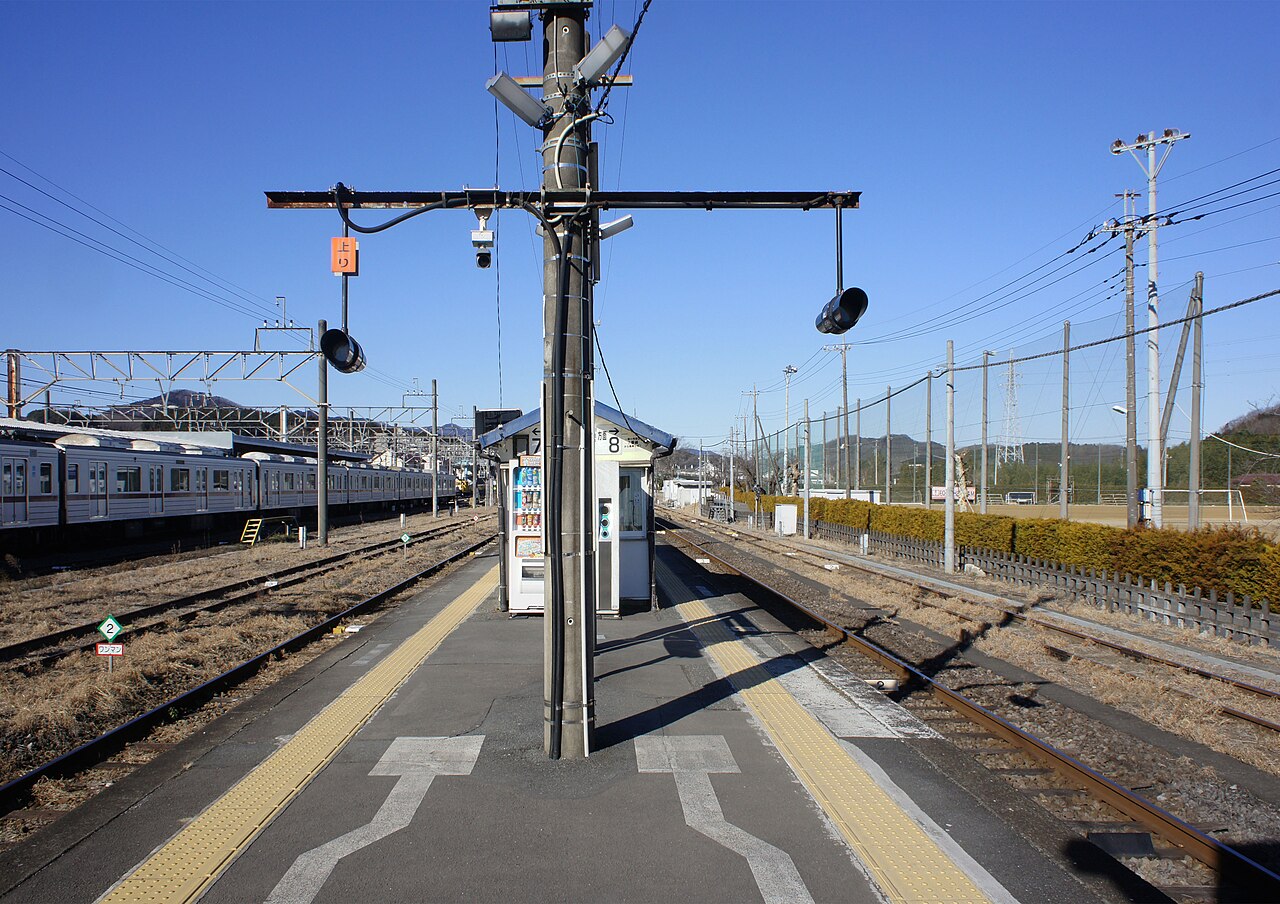
Ogawa-machi sits in the inland west of Saitama Prefecture, in the Kantō region, where the Tokyo plain begins to rise toward the Chichibu highlands. It is a river town: the clear, mineral-light water of the Tsuki River runs through it, and the surrounding hills supported the cultivation of kozo. Those two facts — clean flowing water for forming and washing the pulp, and a local fiber supply — are the practical reasons a papermaking industry took root here rather than somewhere else.
The neighboring district of Higashi-Chichibu shares the same tradition, and the two are named together in the official Hosokawa-shi designation. The wider Chichibu basin, with its shrines and clear rivers, is the cultural backdrop to all of this — the same inland water that underpins Saitama’s washi also fed its indigo dyeing and silk crafts.
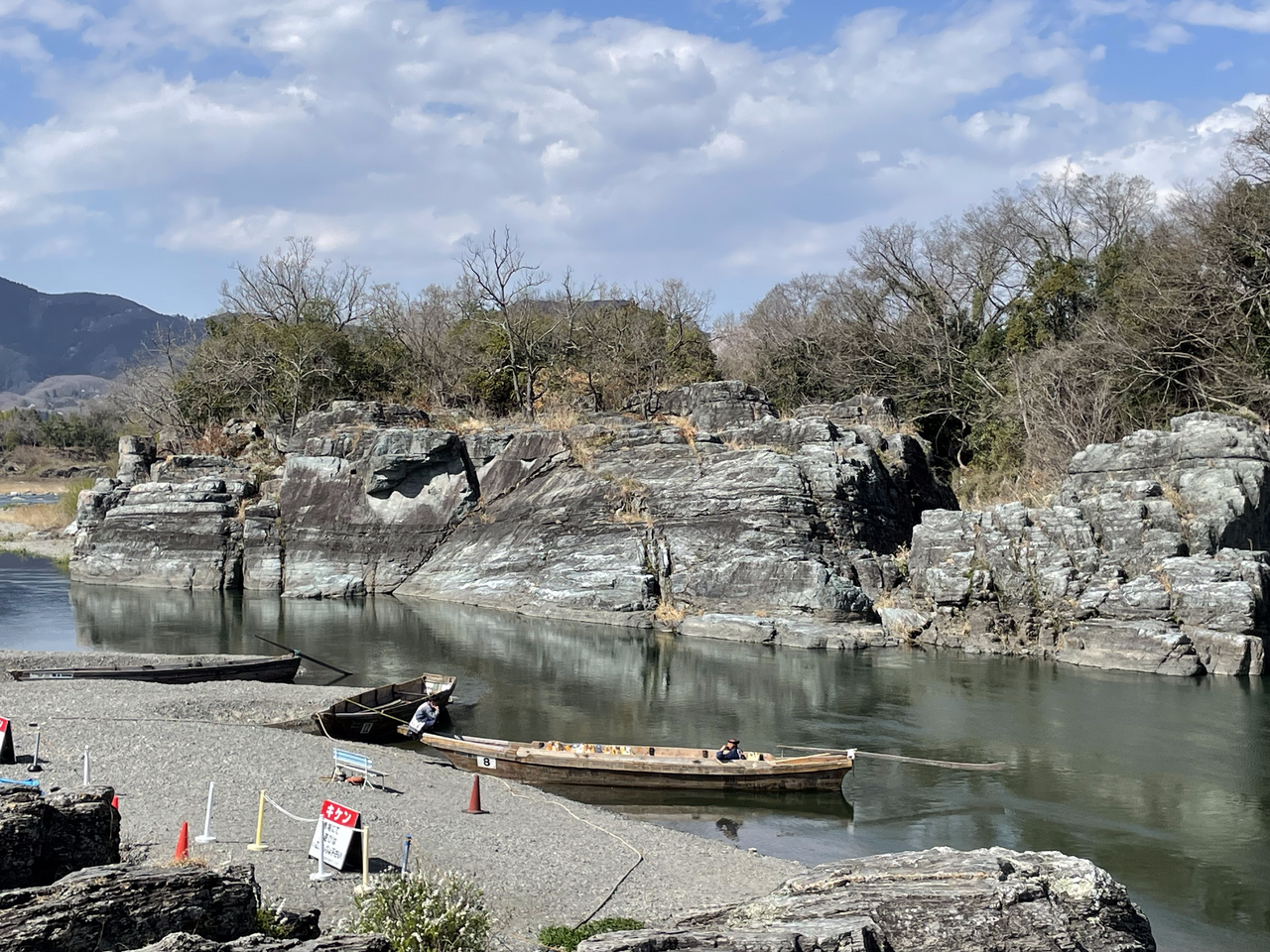
The technique itself is older than the town’s fame. It traces to Hosokawa village in old Kishu province — present-day Wakayama, far to the southwest — and migrated to Ogawa, where it found the water and fiber it needed. That migration is why the paper carries a Wakayama place-name while being made in Saitama.
-
710–794 — Nara period: Japan’s court concentrates papermakers, and kozo-based paper becomes the standard for records and documents. -
Edo period (1603–1868) — The technique, traced to Hosokawa village in Kishu (present-day Wakayama), becomes established in Ogawa along the Tsuki River. -
Edo period — Ogawa grows into a paper distribution hub feeding the capital’s vast demand, earning the nickname “the Little Kyoto of Musashi.” -
2014 — UNESCO inscribes Hosokawa-shi with Sekishu-banshi (Shimane) and Hon-minoshi (Gifu) as “Washi: craftsmanship of traditional Japanese hand-made paper.” -
2026 — Hosokawa-shi is still hand-made by a small number of workshops in Ogawa-machi and Higashi-Chichibu.
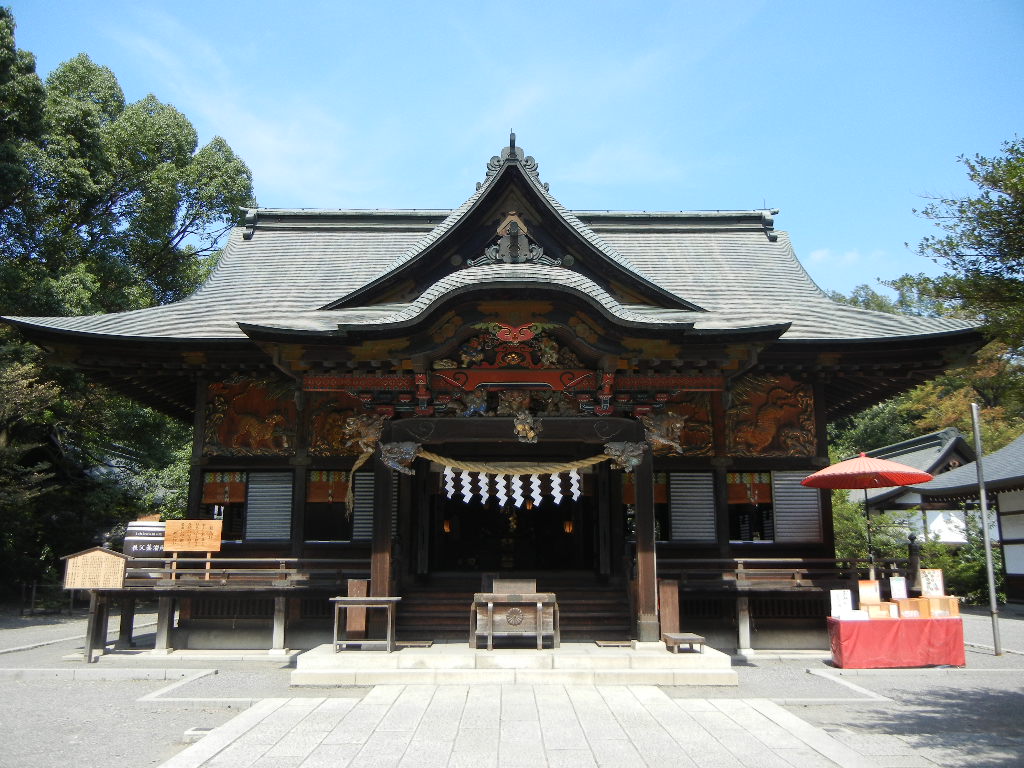
Why did Ogawa paper matter so much in the Edo period? Geography. Saitama sat on Edo’s doorstep, and the capital — the largest city in the world for much of that era — ran on paper: official records, account books, packaging, screens, and umbrellas. Ogawa was close enough to supply that market and was organized as a distribution point, so paper from the surrounding districts moved into the city by the bale.
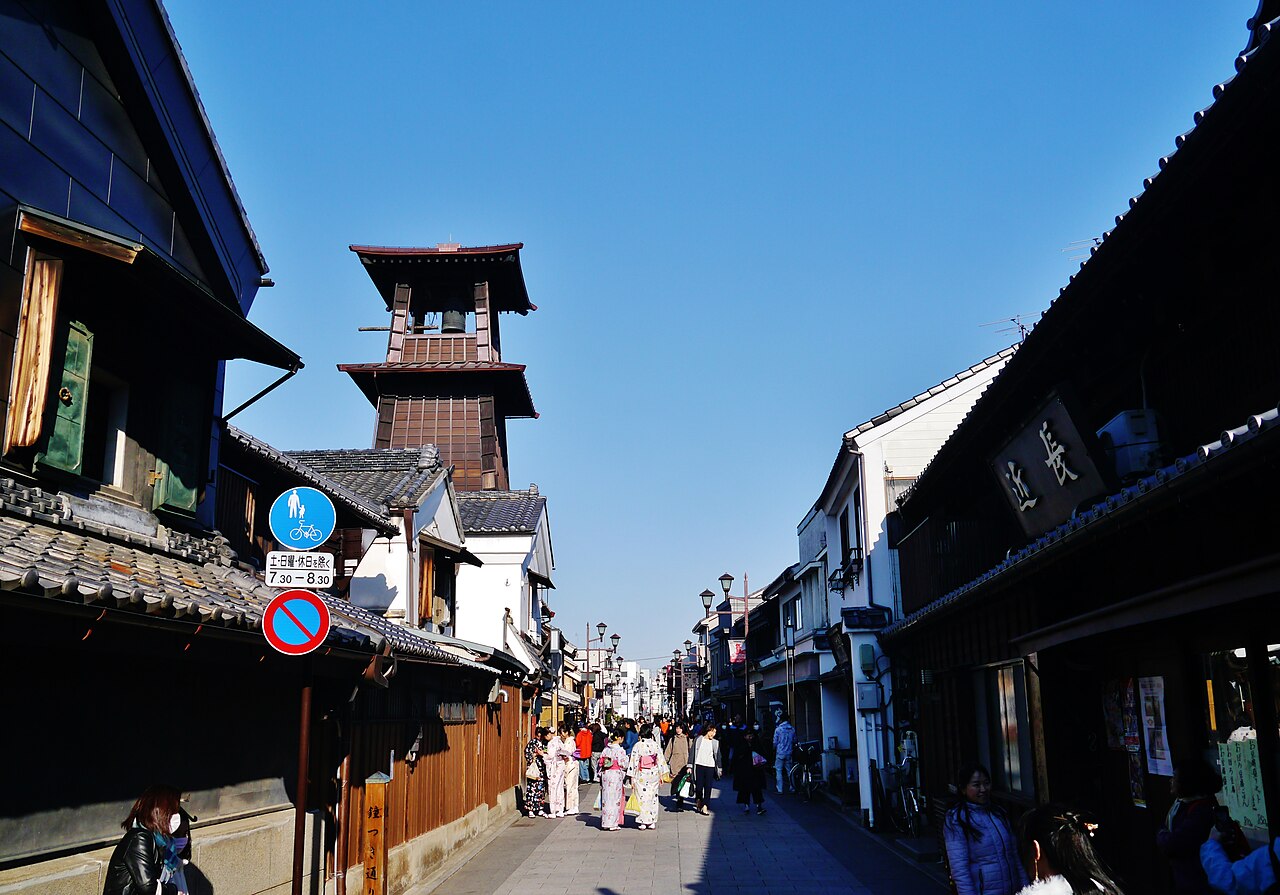
“Long kozo fibers, formed by hand, are why this paper was trusted for documents meant to outlast their writers — and why three of these traditions, Hosokawa-shi among them, share a single UNESCO line.”
That brings us to continuity. Authentic Hosokawa-shi is still made today, but by a small number of workshops rather than a large industry, which is why genuine stock is limited and often moves through Japan-side channels. The designation protects a living practice, not a factory output, so a true sheet is the product of the same hand-forming method used by the tradition. Treat scarcity as a signal of a living craft, not a defect.
Other Japanese paper, fan, and Kantō craft traditions we have profiled — useful context for deciding what kind of washi (or where in Japan’s craft map) you actually want.
 Chichibu Meisen silk (same Saitama)
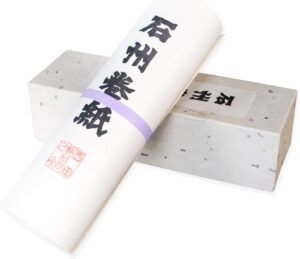 Sekishu Washi makigami
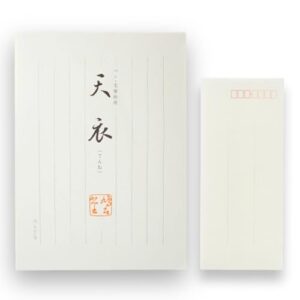 Izumo Washi letter set
Nishinosu kozo paper
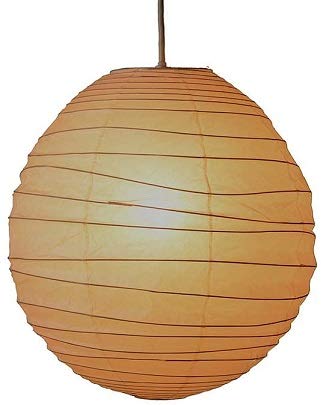 Mino Washi chochin
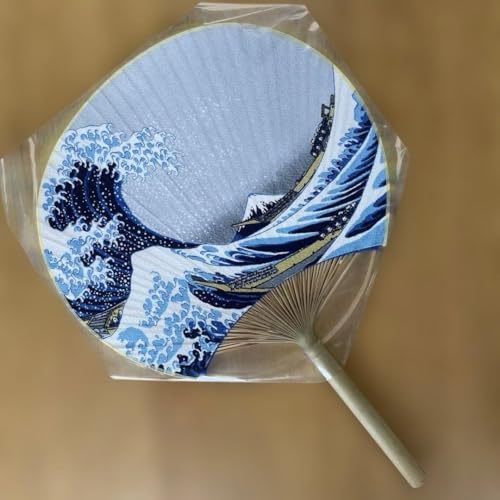 Boshu Uchiwa (Kanto paper craft)
Takasaki Daruma (neighboring Gunma)
 Kiryu-ori silk (Kanto)
Where to buy
Prices for handmade Hosokawa-shi vary by sheet size, fibre preparation, finish, and papermaker. Any USD conversion is approximate and changes with the exchange rate; compare the yen price with shipping and customs.
| Store | Item / Variant | Price (JPY + USD est.) | Notes |
|---|---|---|---|
| 🇺🇸 Amazon.com (US) | Browse Japanese washi paper & kozo sheets | varies (USD) | Best if you are shopping from the US — Prime shipping, USD pricing, no international customs. Amazon US carries washi and kozo sheets from various makers, useful for comparing weight and size; genuine Hosokawa-shi is sourced from Japan (next row). |
| 🇯🇵 Amazon JP Global Store | Ogawa / Hosokawa-shi 100% kozo sheet pack | — | Amazon JP Global Store; international shipping may be available. Confirm paper quantity before buying. |
| Maker direct | Workshop / Ogawa washi associations | Varies; often JPY only | A small number of workshops sell direct; international shipping is not always offered. Best for specific grades or larger quantities. |
| Proxy services (Buyee / Tenso) | Forwarding from JP-only sellers | Item + service fee + forwarding | Useful when a workshop or seller ships only within Japan. Expect added fees and longer transit; customs duties may apply on higher-value orders. |
Prices and stock fluctuate. International shipping via Amazon JP Global Store typically runs in the $15–$40 range to the US and EU and higher to other regions; orders above your local de minimis threshold may incur customs duties. Always verify current figures at the retailer before purchasing.
What it does well
Weaknesses and things to verify before buying
- Product information was limited. Confirm the paper format and quantity before committing.
- Limited, slow stock. Genuine Hosokawa-shi is made by only a few workshops, so availability fluctuates and shipping from Japan is not instant.
- Price premium over machine washi. Handmade kozo costs substantially more than mill-made craft paper; it is the wrong buy for disposable projects.
- No pattern or color. These are plain, undyed sheets — if you want chiyogami prints or dyed paper, this is not it.
- “Ogawa washi” is broader than “Hosokawa-shi.” Some products labeled Ogawa washi may not be the specific UNESCO-designated Hosokawa-shi grade; check the description if that distinction matters to you.
- International shipping and customs. Budget for $15–$40+ shipping and possible duties; proxy routes add service fees on top.
Conclusion — which buyer type are you?
Other ways to approach this purchase
❓ Frequently Asked Questions
What is Hosokawa-shi, and how is it different from “Ogawa washi”?
Hosokawa-shi (細川紙) is the specific UNESCO-designated handmade kozo paper of Ogawa-machi and Higashi-Chichibu in Saitama. “Ogawa washi” is a broader label for paper from the Ogawa area, which may or may not be the designated Hosokawa-shi grade. If the distinction matters to you, look for clear provenance from the papermaker or a specialist washi seller.
Why was it inscribed by UNESCO?
In 2014 UNESCO inscribed Hosokawa-shi together with Sekishu-banshi (Shimane) and Hon-minoshi (Gifu) as “Washi: craftsmanship of traditional Japanese hand-made paper.” The designation recognizes the living hand-forming technique, not a single product.
Can it ship internationally?
Yes — washi paper is often sold through Amazon JP Global Store, which ships to most major destinations from Japan, typically in the $15–$40 shipping range to the US and EU. Orders above your local threshold may incur customs duties. For Japan-only sellers, a proxy service such as Buyee or Tenso can forward the order.
What is it actually used for?
Its strength and longevity make it well suited to calligraphy (shodō), ink-wash painting (sumi-e), paper conservation and repair, and bookbinding. The plain undyed sheets also serve as a base for dyeing, printing, and folding crafts.
Why is it more expensive than craft-store washi?
It is made by hand from 100% kozo by a small number of workshops, rather than machine-made from mixed pulp. That labor and fiber quality are what you pay for; for disposable projects, machine washi is the more sensible choice.
How do I confirm the price and sheet count?
jpmono.com is curated by a Japan-based editorial team (working out of Toyama in the Hokuriku region and Nara in Kansai) and is independent. We do not take payment from the makers we feature; income comes from affiliate links. We do not physically test every product, and we review papermaker information and public craft references.
This article was prepared with AI assistance and reviewed against public craft references and verified facts about the Hosokawa-shi tradition. Where specifications vary by papermaker or batch, the variation is noted rather than filled with an estimate.
Affiliate disclosure: jpmono.com may earn a commission on qualifying purchases made through links on this page, at no additional cost to you.