![Mumyoi-yaki Sado Red Clay Guinomi Sake Cup: Where to Buy [2026]](https://jpmono.com/wp-content/uploads/2026/06/mumyoi-yaki-sado-red-clay-guinomi-where-to-buy-2026-featured.jpg)
Mumyoi-yaki (無名異焼, “mumyoi ware”) is the flagship pottery of Sado Island, off the coast of Niigata Prefecture, and it begins not in a clay pit but in a mine. “Mumyoi” is the iron-oxide red earth that accumulates in the tunnels of the Sado gold and silver mines — the same mine ruins that were inscribed as a UNESCO World Heritage Site in 2024. Potters began working that iron-rich clay in the early-to-mid 19th century, firing it hard and then burnishing the surface until it takes on a deep vermilion-to-bronze sheen. Strike a well-made piece and it rings with a clear, almost metallic tone.
For a small sake cup, that combination of properties is unusually expressive. The clay is dense and can be worked thin, so the walls feel taut rather than chunky; the burnished surface warms in the hand; and the color reads as earth and metal at once — fitting for a material that came out of a gold mine. The Itō Sekisui lineage of Sado potters produced a Living National Treasure for the technique, which is one measure of how seriously this small island ware is taken inside Japan.
This guide is written for international readers deciding whether — and how — to buy a Sado mumyoi-yaki guinomi (ぐい呑, a small sake cup) from outside Japan. We cover what the ware is, where it comes from, how it compares to other Japanese sake-cup traditions, the realistic purchase paths (Amazon US search vs. Amazon JP Global Store), and the honest caveats. Based on listings as of June 22, 2026.
🔄 Updated:
⏱️ Read time: ~10 min

- Who this is for — and who should skip it
- Product overview (from published specs)
- Where this comes from — place, era, and the craft tradition
- 📦 Shipping & where to buy from outside Japan
- Price snapshot across stores
- What it does well
- Weaknesses and things to verify before buying
- Conclusion — which buyer type are you?
- Other ways to approach this purchase
- 🏆 Editor’s Pick
- ❓ Frequently Asked Questions
Who this is for — and who should skip it
- Want a sake cup with a genuine, verifiable regional story (Sado, gold mines, UNESCO 2024)
- Like the look of burnished, metallic-red earthenware rather than glossy glaze
- Appreciate thin, dense walls and the “ring” of a well-fired piece
- Are building a small collection across Japanese sake-cup traditions
- Are comfortable buying from Amazon JP Global Store and waiting for international shipping
- Want a dishwasher-and-microwave-proof everyday cup with no special care
- Expect bright, uniform color — unglazed burnished ware varies piece to piece
- Need a guaranteed price before committing (pricing was unconfirmed at writing)
- Prefer larger tumblers; guinomi are small by design
- Do not drink sake and want a general-purpose mug or teacup
Product overview (from published specs)
The table below summarizes what is verifiable from the source listing and the maker tradition. Where a figure was not present in the data we reviewed, it is marked rather than guessed.
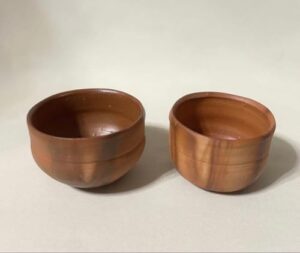
Mumyoi-yaki Sado Red Clay Guinomi Sake Cup
佐渡 無名異焼 ぐい呑み 2客セット
通常7~8日以内に発送します。 · Sold by オンラインショップ楓 · ASIN B0H63DSZSM
Price and availability as of 2026-08-31 02:30 JST. The Amazon listing at the time of purchase is authoritative. jpmono.com earns a commission on qualifying purchases at no extra cost to you.
| Attribute | Detail (per listing / tradition) |
|---|---|
| Item | Guinomi (ぐい呑) — small sake cup |
| Ware | Mumyoi-yaki (無名異焼), Sado Island |
| Material | Iron-oxide “mumyoi” red clay from the Sado mine district |
| Surface | Fired hard, then burnished to a vermilion-to-bronze metallic sheen |
| Origin | Sado Island, Niigata Prefecture, Chūbu region |
| Dimensions / weight | — (not stated in our data snapshot; check the listing) |
| ASIN | B0H63DSZSM (Amazon JP Global Store) |
Sources: Amazon US search (primary, moonill-20) + Amazon JP Global Store (secondary, moonill-22, sourced listing) + maker tradition. Specs absent from the fetched data are marked “—.”
📖 Glossary — key terms
- Mumyoi (無名異) — an iron-oxide red earth originally known as a folk medicinal pigment; on Sado it accumulates in the gold-mine tunnels and is used as pottery clay.
- Guinomi (ぐい呑) — a small sake cup, slightly larger and more casual than an ochoko; favored by sake enthusiasts.
- Yaki (焼) — “ware” or “fired”; appended to place names to denote a regional pottery (Mumyoi-yaki, Bizen-yaki).
- Burnishing (migaki) — polishing the leather-hard or fired surface so the dense clay takes on a soft luster, here a metallic red-bronze.
- Living National Treasure (人間国宝, ningen kokuhō) — Japan’s highest individual honor for holders of important intangible cultural techniques.
Other Japanese sake cups and Niigata tableware we have covered — useful for weighing material, region, and price tier.
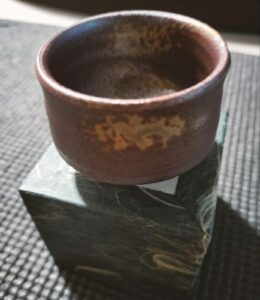
 Bizen Hidasuki Guinomi →
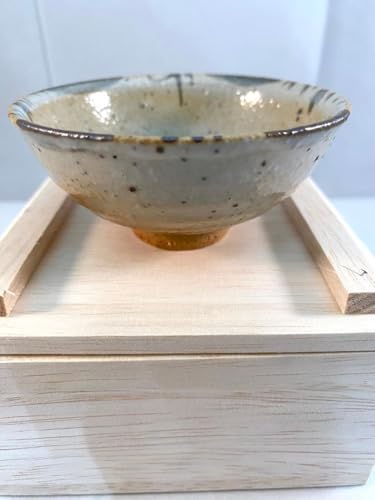
 Tamba Tachikui Guinomi →
 Karatsu E-Garatsu Guinomi →
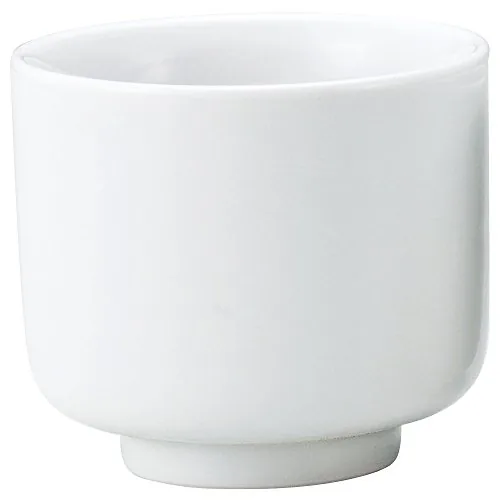 Shiro-Satsuma Sake Cup →
Tsubame Steel Cutlery (Niigata) →
Murakami Tsuishu Coasters (Niigata) →
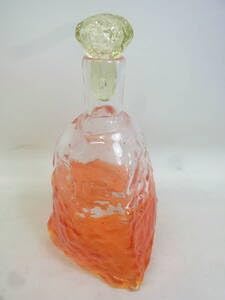 Ryukyu Kara-Kara Sake Server →
 Shiraiwa Namako Yunomi →
Where this comes from — place, era, and the craft tradition

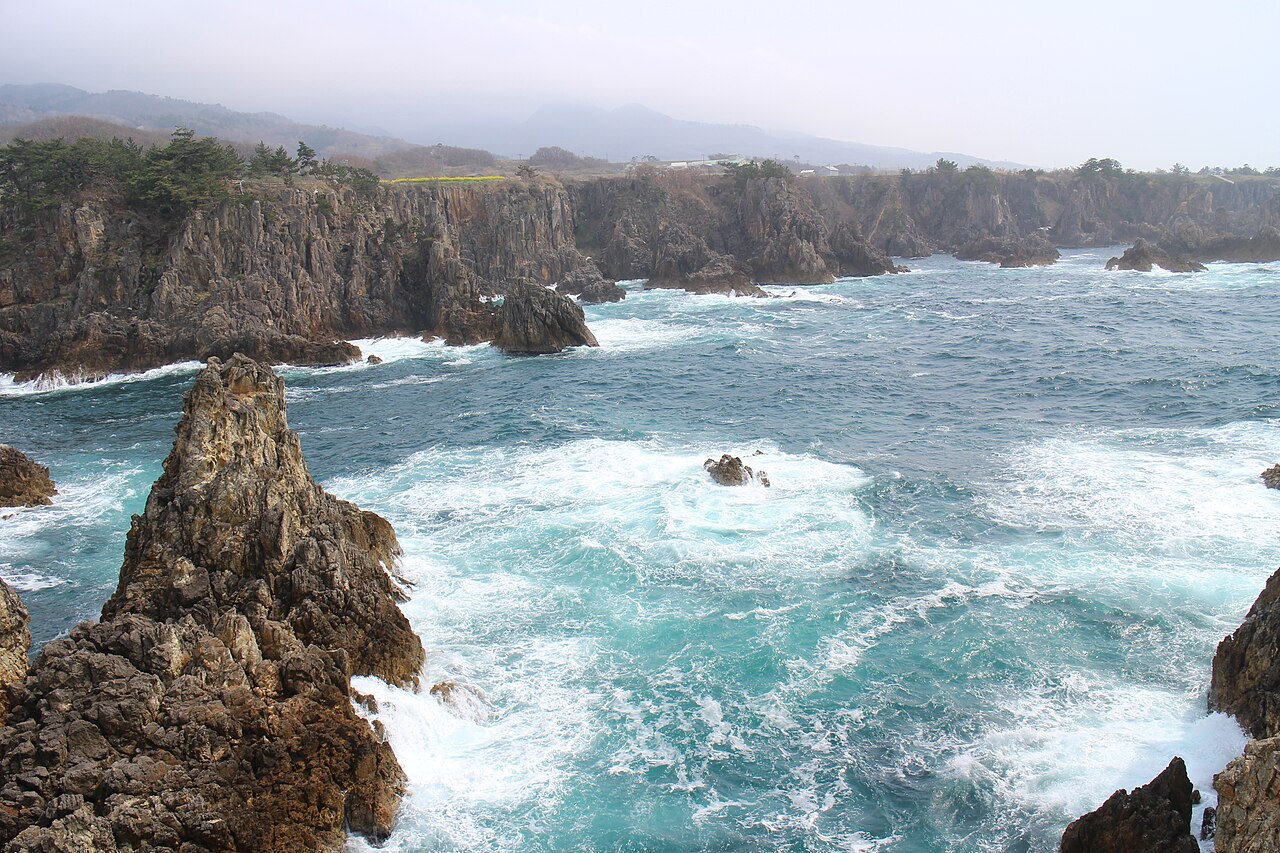
Sado lies in the Sea of Japan, off the coast of Niigata Prefecture in the Chūbu region — a large, mountainous island that you reach today by ferry or jetfoil from Niigata City on the mainland. For an island so often described as remote, it was for centuries one of the most economically important places in Japan, because of what was buried under it.
Sado is gold-and-silver country. The mines worked here from the early Edo period turned the island into a direct source of bullion for the Tokugawa shogunate, and that mining history is the literal source of this pottery’s raw material. “Mumyoi” is the iron-oxide red earth — a rusty, fine clay — that builds up in the mine tunnels. It was first valued as a folk medicinal pigment before potters realized that, fired and burnished, it produced a small, dense, metallic-red ware unlike anything on the mainland.
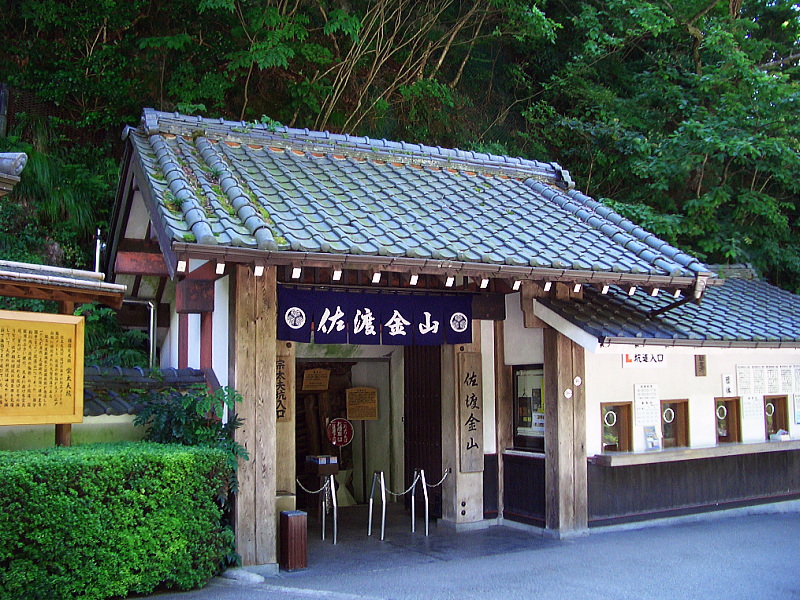
The ware itself dates to the early-to-mid 19th century, when Sado potters began firing the iron-rich clay hard and then polishing the surface. The result is the signature of mumyoi-yaki: a deep vermilion that shades toward bronze, a surface that feels burnished rather than glazed, and — in a well-fired piece — a clear ringing tone when tapped, closer to metal than to ordinary earthenware. It is fair to say the ware behaves a little like the metal the island is famous for.
“A pottery that came out of a gold mine, polished until it rings like metal — mumyoi-yaki is Sado’s geology turned into a cup you can hold.”
- Early 1600s — Large-scale development of the Sado gold and silver mines under the Tokugawa shogunate.
- Pre-pottery era — “Mumyoi” iron-oxide earth from the mine tunnels valued first as a folk medicinal pigment.
- Early-to-mid 19th c. — Sado potters begin firing the iron-rich clay and burnishing it; mumyoi-yaki is established.
- Late 19th–20th c. — The burnishing and hard-firing technique is refined; the Itō Sekisui lineage rises to prominence.
- 20th c. — The Itō Sekisui line produces a Living National Treasure for mumyoi-yaki.
- 2024 — The Sado gold and silver mine ruins are inscribed as a UNESCO World Heritage Site.
That UNESCO inscription in 2024 matters here beyond tourism: it formally recognized the very mine complex that gives mumyoi-yaki its clay. The Itō Sekisui lineage of Sado potters is the most celebrated line working the technique, and it produced a holder of Living National Treasure status — the highest individual recognition Japan grants for an intangible craft skill. In a country with hundreds of regional pottery traditions, that is a strong signal of how the ware is regarded.
Sado has its own cultural identity, distinct from the Niigata mainland. It is the island of exiles and noh theater, of the Earth Celebration drumming festival, and of the toki — the Japanese crested ibis, reintroduced here after near-extinction and now a symbol of the island. The toki’s pale body shades to a soft reddish tone at the wing, a color that Sado residents will tell you echoes the burnished red of the local ware. Whether or not the resemblance is intentional, it is the kind of detail that explains why mumyoi-yaki feels rooted to this specific place.

On the dining side, the cup’s reason for being is sake. Niigata is one of Japan’s great sake prefectures, built on heavy snow-country rice and clean meltwater, and a small mumyoi guinomi is squarely a sake-drinker’s vessel. The dense, thin-walled cup sits comfortably in the hand, the burnished interior shows off a clear or lightly cloudy pour, and the modest size keeps the focus on tasting rather than volume — the way junmai and ginjō sake are usually meant to be approached.
📦 Shipping & where to buy from outside Japan
The specific cup in this guide is sourced from the Amazon JP Global Store (ASIN B0H63DSZSM), which ships many household items internationally to most major destinations, including the US, EU, UK, and Australia. International shipping on a small, light item like a single guinomi is typically modest — commonly in the $15–$40 range to the US and EU, though the cup’s own price was not confirmed in our data snapshot.
If the item is ever shown as unavailable for your country, proxy services such as Buyee or Tenso can forward Japan-only listings abroad for a fee. Customs duties may apply on orders above your country’s de minimis threshold; for a single small cup this is usually a non-issue, but verify your local rules.
Price snapshot across stores
| Store | Item / Variant | Price (JPY + USD est.) | Notes |
|---|---|---|---|
| 🇺🇸 Amazon.com (US) | Browse Japanese sake cups & guinomi | varies (USD) | Best if you’re shopping from the US — Prime shipping, USD pricing, no international customs. Amazon US carries Japanese sake cups and tableware from various makers; this exact Sado mumyoi-yaki piece is sourced from Japan (next row). |
| 🇯🇵 Amazon JP Global Store | Sado mumyoi-yaki red-clay guinomi (ASIN B0H63DSZSM) | Price unconfirmed — check listing | Ships internationally from Japan. The sourced listing for this exact item; live pricing was unavailable at time of writing. |
| Maker direct | Sado kiln / gallery shops | varies | Some Sado kilns sell on-island or via Japanese gallery sites; international shipping may be limited. |
| Proxy services (Buyee / Tenso) | Forwarded Japan-only listings | item price + fee | Useful if a listing is not shipped to your country directly; adds a service fee and a forwarding step. |
JPY (¥) is the authoritative price for the specific listed item. USD figures are approximate (¥150/USD baseline as of mid-2026). Prices and availability fluctuate — verify at the retailer before buying.
What it does well
Weaknesses and things to verify before buying
- Pricing was unconfirmed. Our data snapshot did not include a live price for ASIN B0H63DSZSM; confirm the current price and any shipping fee on the listing before committing.
- Dimensions and weight not stated. The exact capacity and size were not in the data we reviewed — guinomi are small by definition, so check the listing if volume matters to you.
- Natural variation. Burnished, largely unglazed ware varies in color and tone from piece to piece; the cup you receive may differ from the listing photo.
- Care is not “anything goes.” Treat it as fine pottery — hand washing is the safe default. Do not assume it is dishwasher-, microwave-, or freezer-safe unless the listing confirms it.
- It is a single small cup. If you want a matched set, a sake server (tokkuri), or a larger drinking vessel, this listing alone may not cover it.
- International transit time. Shipping from Japan can take a few weeks; factor that in if buying as a gift for a specific date.
Conclusion — which buyer type are you?
Other ways to approach this purchase
🏆 Editor’s Pick
❓ Frequently Asked Questions
What is mumyoi-yaki, exactly?
Mumyoi-yaki is the flagship pottery of Sado Island in Niigata Prefecture. It is made from “mumyoi,” an iron-oxide red earth that accumulates in the tunnels of the Sado gold and silver mines. The clay is fired hard and then burnished, producing a deep vermilion-to-bronze surface that can ring like metal when tapped.
Does it really come from a gold mine?
Yes — the raw clay is the iron-rich red earth found in the Sado mine district. Those mine ruins were inscribed as a UNESCO World Heritage Site in 2024, so the ware’s material has an unusually direct connection to a recognized historical site.
Can I buy it from outside Japan?
The specific item is sourced from the Amazon JP Global Store (ASIN B0H63DSZSM), which ships internationally to most major destinations. Amazon US carries comparable Japanese sake cups via search if you prefer USD pricing and domestic shipping. Proxy services like Buyee or Tenso are a fallback if a listing is not shipped to your country.
How do I care for it?
Treat it as fine pottery: hand wash with mild soap and dry it. Do not assume it is dishwasher-, microwave-, or freezer-safe unless the listing confirms it. Burnished, largely unglazed ware can also vary in color and tone from piece to piece.
How much does it cost?
Live pricing was unavailable in our data snapshot at the time of writing, so we have not quoted a figure. JPY is the authoritative price for the listed item; check the current price on the Amazon JP Global Store listing before buying. USD figures elsewhere on the site are approximate estimates at a ¥150/USD baseline.
How does it compare to other Japanese sake cups?
Mumyoi-yaki stands out for its burnished, metallic-red surface and mine-derived clay. Bizen hidasuki and Tamba Tachikui guinomi are unglazed wood-fired wares with their own earthy character; Karatsu e-garatsu and Shiro-Satsuma are glazed and decorated. See the comparison box above for our guides to each.
Is it a good gift?
Yes, for someone who enjoys sake or Japanese craft — the UNESCO-linked backstory makes it easy to present. Allow a few weeks for international shipping if you are buying for a specific date.
jpmono.com is curated by a Japan-based editorial team (working out of Toyama in the Hokuriku region and Nara in Kansai) and is independent. We don’t take payment from the makers we feature; income comes from affiliate links. We read maker specs and source listings rather than physically testing every product.
🤖 This article was prepared with AI assistance and reviewed against the source listing data. Facts about the craft tradition are drawn from the provided data notes; specifications not present in the source data are marked as unconfirmed rather than estimated.
Affiliate disclosure: jpmono.com may earn a commission on qualifying purchases made through links on this page, at no additional cost to you.