![Odawara Hikimono Turned Wooden Bowl: Where to Buy Sonobe Meguru [2026]](https://jpmono.com/wp-content/uploads/2026/05/japan-map-regions-and-prefectures-800x1050.png)
An Odawara hikimono (小田原挽物, “Odawara turned wood”) bowl is shaped on a spinning lathe from a single block of solid wood, so its grain runs as concentric circles around the base — the tree’s growth rings made visible at the dinner table. The piece covered in this guide is from Sonobe Sangyo, a maker founded in Odawara in 1908 and the leading modern name in the local woodturning trade, working in domestic zelkova and cherry with a wiped-urushi (Japanese lacquer) finish.
Odawara is one of Japan’s oldest lathe-turning centers. The craft took root in the Sengoku-era castle town of the Hōjō clan, where itinerant woodturners settled to supply bowls, trays, and tea utensils from the timber of the nearby Hakone and Tanzawa mountains. The same forests later gave rise to Hakone yosegi marquetry a short distance away. What you are buying is not a decorative object but daily tableware from that lineage — a soup- or rice-bowl-sized vessel meant to be used.
This guide is written for international readers deciding whether, and how, to buy one from outside Japan. It covers who the bowl suits and who should pass, the documented craft background, the realistic purchase paths (Amazon US search, Amazon JP Global Store, the maker, and proxy forwarders), and the caveats — care, pricing transparency, and shipping — worth checking before you order.
🔄 Last updated:
⏱️ Read time: ~10 min
- Who this is for — and who should skip it
- Product overview (from published specs)
- Where this comes from — place, era, and the craft tradition
- Purchase options
- What it does well
- Weaknesses and things to verify before buying
- Conclusion — which buyer type are you?
- Other ways to approach this purchase
- ❓ Frequently Asked Questions
Who this is for — and who should skip it
- Want everyday tableware with a verifiable craft lineage, not a display piece
- Prefer the warmth and light weight of solid turned wood over ceramic or lacquerware on a base of pressed material
- Are comfortable with hand-wash-only care and occasional re-oiling
- Like that each bowl’s grain pattern is unique to its block of wood
- Are buying a soup-, rice-, or donburi-sized bowl for daily use
- Need dishwasher- and microwave-safe vessels with zero maintenance
- Want an exact, repeatable color and grain across a matched set
- Need the bowl’s fit and purchase details confirmed before ordering
- Are shopping for the lowest possible price rather than craft provenance
- Cannot accommodate hand-wash care or the look of natural wood movement over time
Product overview (from published specs)
Odawara hikimono bowls are turned from wood and finished as lightweight household tableware. Exact dimensions and finish vary by maker and model.
| Attribute | Detail | Source |
|---|---|---|
| Craft | Odawara hikimono (turned wood) | Maker / craft record |
| Maker | Sonobe Sangyo (園部産業), Odawara, Kanagawa | Maker |
| Founded | 1908 | Maker |
| Series | Meguru | Seller |
| Material | Domestic solid wood — zelkova (keyaki) / cherry | Maker / seller |
| Technique | Lathe-turned from a single block (hikimono) | Maker |
| Finish | Wiped urushi (Japanese lacquer) wipe finish | Maker / seller |
| Form / size | Soup / rice / donburi bowl size — exact dimensions — | Seller (not fully stated) |
| Weight | — | Not stated |
| Care | Hand wash; no dishwasher / microwave; periodic re-oiling | General urushi-wood care |
Odawara hikimono bowls vary in dimensions and weight by maker and model; compare capacity and finish when choosing one.
📖 Glossary — key terms
- Hikimono (挽物) — “turned wood.” Vessels shaped on a rotating lathe from a single block, as opposed to carved or joined construction.
- Kijishi (木地師) — itinerant woodturners who historically followed the timber from mountain to mountain, settling where good wood and patronage met.
- Urushi (漆) — natural Japanese lacquer, the sap of the urushi tree. A “wipe” (fuki-urushi) finish soaks into the grain rather than coating it thickly.
- Keyaki (欅) — Japanese zelkova, a hard, fine-grained hardwood prized for turned and joined ware.
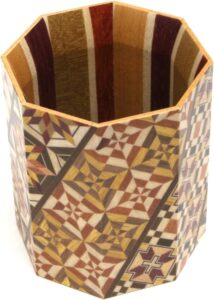
- Yosegi (寄木) — Hakone’s mosaic marquetry, made by gluing colored woods into patterned blocks and shaving thin sheets — a different Odawara-area craft from hikimono.
- Kibori (木彫) / Sashimono (指物) — carved woodwork and joined (nailless) woodwork; both differ from lathe-turning.
Where this comes from — place, era, and the craft tradition

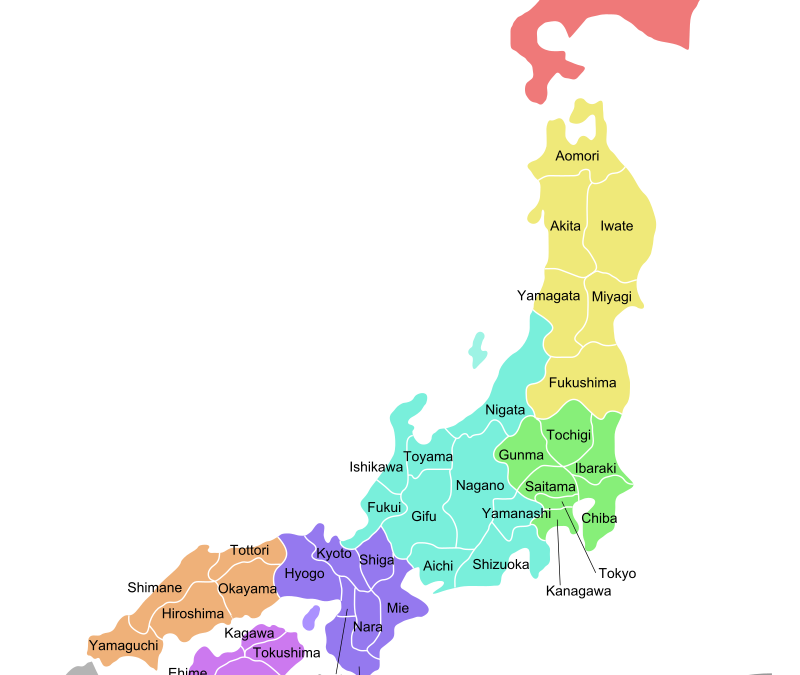
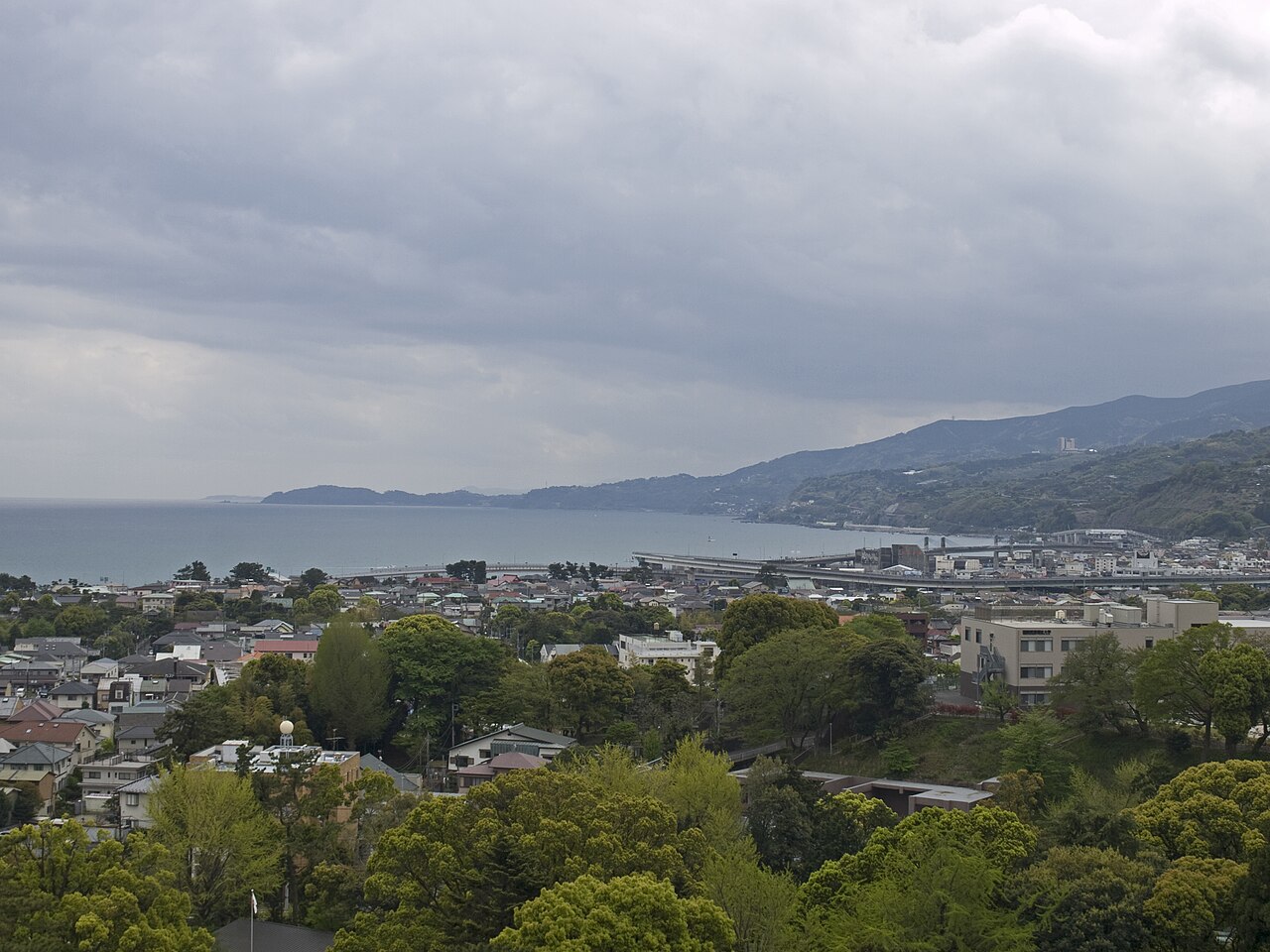
Odawara is a coastal city in Kanagawa Prefecture, in the Kantō region of eastern Japan. It sits at the western edge of the Kantō plain where the land rises into the Hakone and Tanzawa mountains, and where the historic Tōkaidō — the great Edo-era highway between Kyoto and Edo (modern Tokyo) — descended from the Hakone pass to meet the shore of Sagami Bay. Timber from the mountains, a working port, and constant road traffic made it a natural place for woodworking to concentrate.
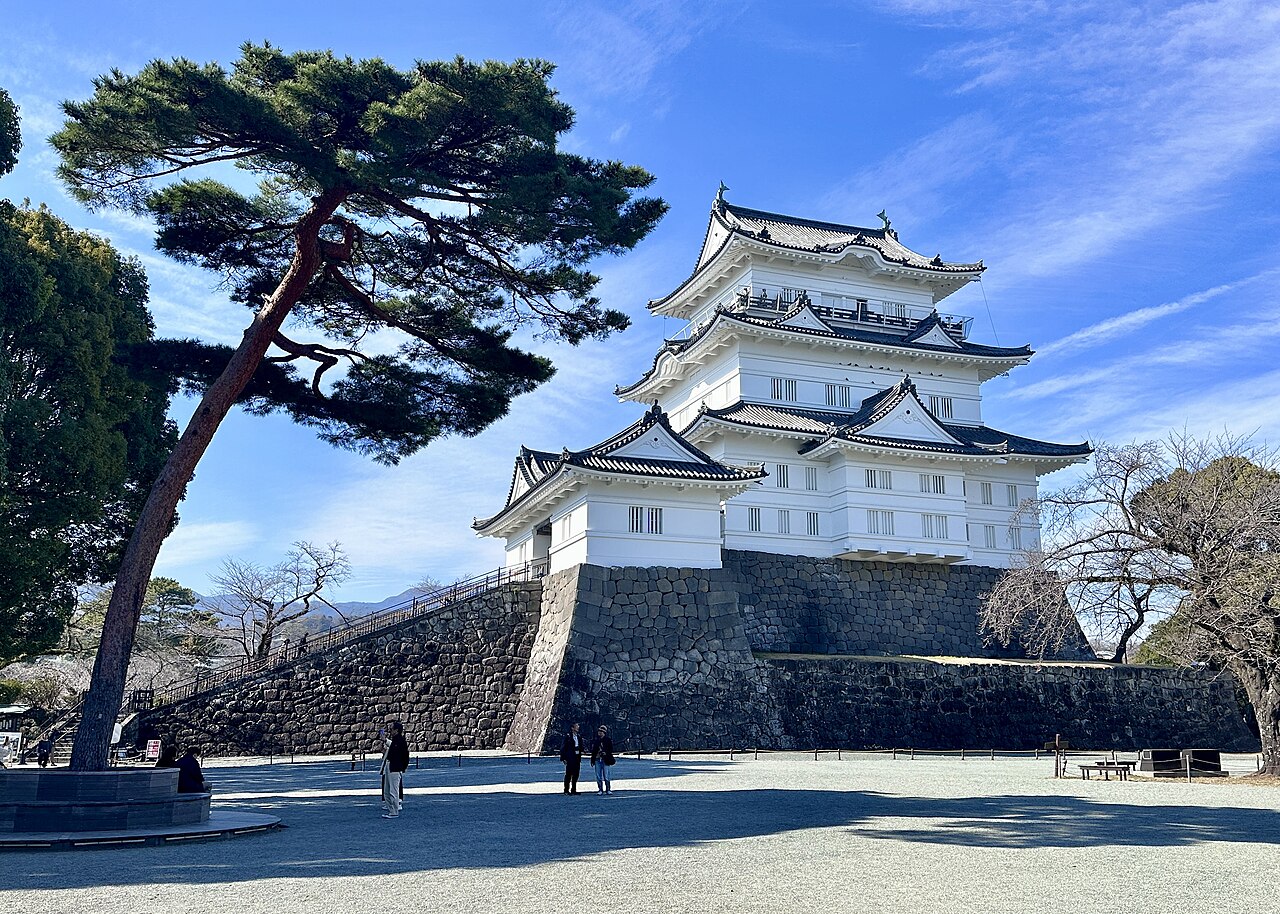
The craft’s roots reach back to the Muromachi and Sengoku periods, when the Later Hōjō clan ruled Sagami from Odawara Castle. Hōjō Sōun seized the castle in the late 15th century, and over the following decades the town grew into one of the most powerful castle towns in eastern Japan. Itinerant kijishi — woodturners who traditionally followed the best timber from mountain to mountain — settled here under the castle town’s patronage, turning bowls, trays, and tea utensils from Hakone and Tanzawa wood.
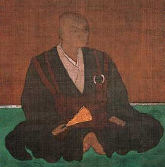
- late 15th c. — Hōjō Sōun seizes Odawara Castle, anchoring the Later Hōjō domain in Sagami.
- Muromachi–Sengoku era — Itinerant kijishi settle in the castle town, turning bowls and utensils from Hakone–Tanzawa timber.
- 1590 — Toyotomi Hideyoshi’s siege ends Hōjō rule; Odawara continues as a Tōkaidō post town.
- Edo period — Odawara matures into one of Japan’s oldest lathe-turning centers; Hakone yosegi marquetry develops nearby.
- 1908 — Sonobe Sangyo is founded in Odawara.
- 2026 — Lathe-turning continues; the Meguru series brings urushi-wiped solid-wood bowls to the everyday table.
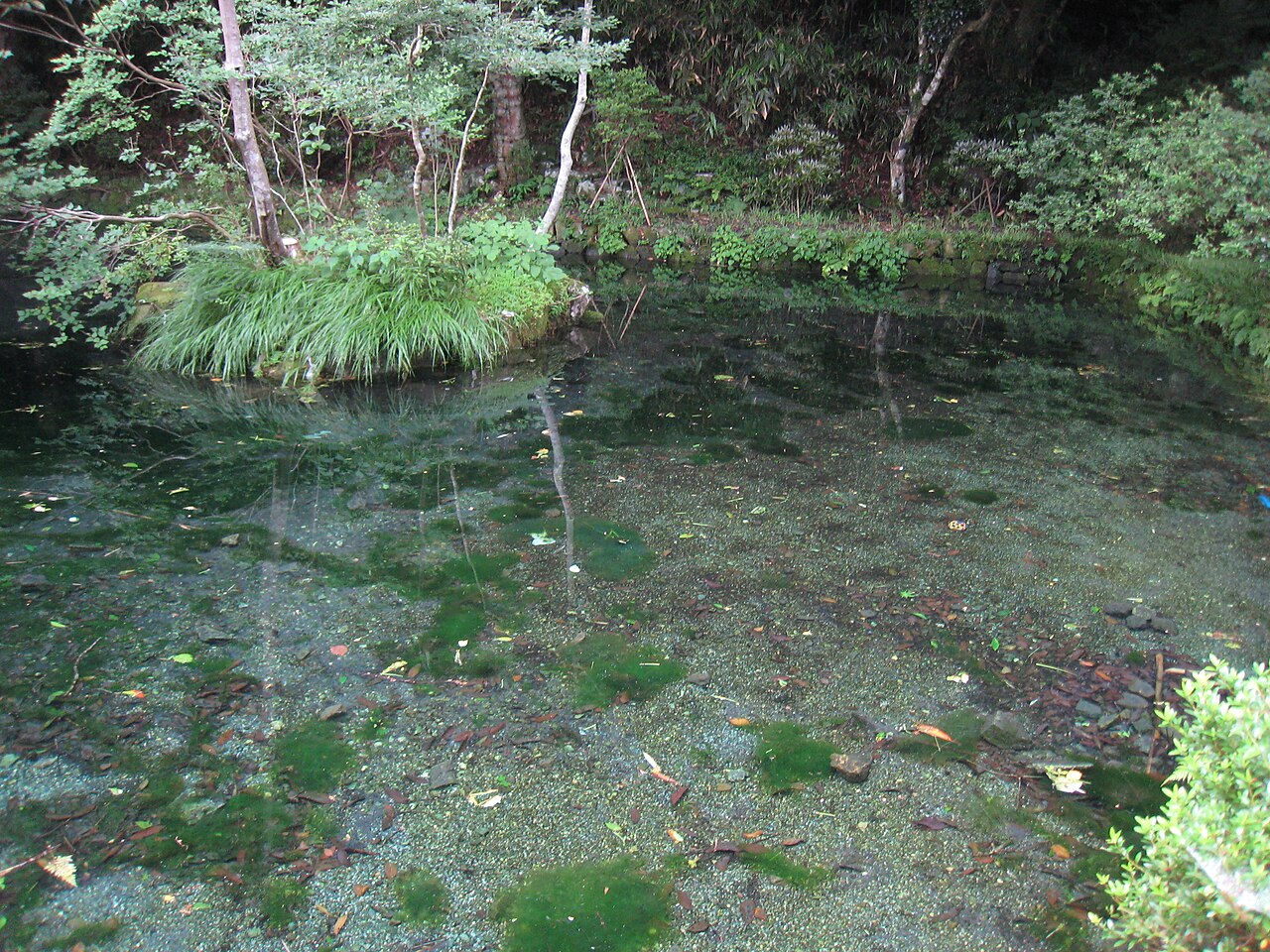
The raw material is the heart of the story. The Hakone and Tanzawa mountains behind Odawara supplied zelkova, cherry, and chestnut — hardwoods dense and fine enough to hold a clean turned edge and a smooth lacquered surface. This is the same timber belt that fed the famous Hakone yosegi marquetry workshops a few kilometers up the pass. Odawara’s two wood traditions — turned ware (hikimono) and mosaic marquetry (yosegi) — grew from one forest.
What “still made here” means in practice: Sonobe Sangyo has worked in Odawara since 1908, and lathe-turning remains a living trade in the city rather than a museum revival. The technique itself is the old one — a block of solid wood mounted on a lathe and cut to shape with hand-held tools, then finished by wiping in urushi so the lacquer soaks into the grain instead of hiding it. Each bowl therefore carries the concentric rings of the specific tree it came from.
“Odawara’s two wood traditions — turned ware and mosaic marquetry — grew from one forest. The bowl on your table is shaped from the same Hakone timber that built the yosegi boxes up the pass.”
Purchase options
Prices for Odawara hikimono vary with wood, size, turning work, and finish. USD conversions are approximate and depend on the exchange rate.
| Store | Item / variant | Price | Notes |
|---|---|---|---|
| 🇺🇸 Amazon US (search) | Browse Japanese wooden bowls | varies (USD) | Best if you are shopping from the US — Prime shipping, USD pricing, no international customs. Amazon US carries solid-wood and lacquered Japanese bowls from various makers, useful for comparing size and finish. Sonobe Sangyo’s exact piece is sourced from Japan (next row). |
| 🇯🇵 Amazon JP Global Store | Sonobe Meguru bowl | — | Ships internationally from Japan to most major destinations. |
| Maker direct | Sonobe Sangyo (Meguru line) | varies | Japanese-language site; typically domestic shipping only — pair with a proxy for overseas delivery. |
| Proxy services (Buyee / Tenso) | Forwards JP purchases | item price + forwarding fee | For regions the Global Store does not reach, or to consolidate several JP-only purchases into one parcel. Customs duties may apply above local thresholds. |
What it does well
Weaknesses and things to verify before buying
- Bowl sizes vary widely. Choose the size that suits your use before ordering.
- Hand-wash only. Urushi-finished solid wood should not go in a dishwasher or microwave, and prolonged soaking can damage both wood and lacquer. This is daily-care tableware, not fit-and-forget.
- Natural variation. Because each bowl is turned from a unique block, grain and color differ piece to piece. If you want a perfectly matched set, this is a drawback rather than a feature.
- Urushi sensitivity. A small number of people react to raw lacquer; fully cured urushi is generally inert, but those with known sensitivities should be aware of the material.
- Cross-border friction. If the Amazon JP Global Store does not ship to your country, you will need a proxy forwarder (Buyee / Tenso), which adds fees and a customs step.
- Final cost varies. Confirm the purchase details before ordering.
Conclusion — which buyer type are you?
Other ways to approach this purchase
❓ Frequently Asked Questions
Does the Amazon JP Global Store ship Odawara hikimono bowls internationally?
Yes. The Amazon JP Global Store ships many household and tableware items, including Odawara hikimono turned bowls, to most major destinations. If your country is not covered, a proxy forwarder such as Buyee or Tenso can receive the parcel in Japan and re-ship it to you.
How do I care for an urushi-finished wooden bowl?
Hand-wash with a soft sponge and mild detergent, rinse, and dry promptly — do not leave it soaking. Avoid abrasive scrubbers. Over time the surface can be refreshed with a thin wipe of food-safe oil. Treated this way, a wiped-urushi wood bowl lasts for years.
Can I put it in the dishwasher or microwave?
No. Solid wood with an urushi finish should not go in a dishwasher or microwave. The heat, prolonged moisture, and detergent cycle can crack the wood and dull or damage the lacquer. It is hand-wash tableware.
What wood is the Meguru bowl made from?
Sonobe Sangyo’s craft description cites domestic solid woods — primarily zelkova (keyaki) and cherry, with chestnut also used in the Odawara tradition. Because each bowl is turned from a single block, the grain and tone vary from piece to piece.
How is hikimono different from yosegi marquetry or carved (kibori) ware?
Hikimono is lathe-turned — a single block spun and cut to a round form. Yosegi (Hakone marquetry) glues colored woods into patterned blocks that are then shaved into thin sheets. Kibori is hand-carved, and sashimono is nailless joinery. All four are Japanese woodwork, but the forming method differs entirely.
How much does it cost?
Prices for Odawara hikimono vary by wood, size, turning work, and finish. Compare current offers in JPY and treat USD conversions as approximate.
jpmono.com is curated by a Japan-based editorial team (working out of Toyama in the Hokuriku region and Nara in Kansai) and is independent. We do not take payment from the makers we feature; income comes from affiliate links. We do not physically test every product — we read maker specifications and describe the craft context.
Affiliate disclosure: jpmono.com may earn a commission on qualifying purchases made through links on this page, at no additional cost to you.