![Kiryu-ori Silk Necktie: Where to Buy Gunma’s Jacquard Weave [2026]](https://jpmono.com/wp-content/uploads/2026/06/kiryu-ori-silk-necktie-where-to-buy-2026-featured.jpg)
A Kiryu-ori (桐生織, “Kiryu weave”) silk necktie is one of the most portable ways to own a piece of a textile tradition that Japan has run continuously since antiquity. Kiryu, a small city at the foot of Mt. Akagi in Gunma Prefecture, has wound, dyed, and woven silk for so long that an old saying paired it with Kyoto’s far more famous Nishijin district: Nishi-no-Nishijin, Higashi-no-Kiryu — Nishijin in the west, Kiryu in the east. The necktie is the modern, export-friendly face of that lineage.
What makes a Kiryu tie distinct is the jacquard weave — patterns built directly into the cloth on the loom rather than printed on afterward. Kiryu was among the first towns in Japan to adopt European Jacquard looms during the Meiji era, and the figured, high-density silk that resulted became the region’s signature. Today the Kiryu–Ashikaga belt weaves the bulk of Japan’s domestic silk neckties, which means a tie is the single most accessible doorway into the tradition for an international buyer.
This guide is written for someone deciding whether a Japan-woven jacquard tie is worth sourcing from abroad, and how to actually buy one. We cover what the weave is, where it comes from, how to read the (limited) listing data honestly, the buying paths from outside Japan, and who should pass. One caveat up front: at the time of writing, no live Amazon listing snapshot was captured for the specific item, so price, exact dimensions, and the current pattern must be confirmed on the listing itself — we flag this wherever it matters rather than guessing.
🔄 Updated: May 25, 2026
⏱ Read time: ~9 min
![Kiryu-ori Silk Necktie: Where to Buy Gunma's Jacquard Weave [2026]](https://m.media-amazon.com/images/I/414wwU8nLOL._SL500_.jpg)
- Who this is for — and who should skip it
- Product overview (from published specs)
- Where this comes from — place, era, and the craft tradition
- 📌 How does it compare?
- Price snapshot across stores
- 📦 Shipping & where to buy from outside Japan
- What it does well
- Weaknesses and things to verify before buying
- Conclusion — which buyer type are you?
- Other ways to approach this purchase
- 🏆 Editor’s Pick
- ❓ Frequently Asked Questions
Who this is for — and who should skip it
- Want a Japan-woven silk tie with patterning built into the cloth, not printed on
- Appreciate provenance — a documented regional weaving tradition behind the object
- Are buying a gift and value that the item is gift-boxed
- Prefer 100% silk and are comfortable with silk’s care requirements
- Don’t mind sourcing from Japan and confirming details on the listing before buying
- Need a tie shipped overnight at a fixed, known price today
- Want a specific exact pattern or color confirmed before you click buy (data here is thin)
- Prefer machine-washable microfiber or wrinkle-free synthetic ties
- Are price-sensitive and unwilling to absorb international shipping or possible customs
- Expect the lowest possible price — woven jacquard silk is not a budget category

Product overview (from published specs)
The table below reflects only what is verifiable. Where the captured dataset had no value, it is marked rather than estimated. Spec sheets indicate the item is a 100% silk jacquard tie woven in Kiryu and supplied gift-boxed; everything else should be confirmed against the live listing.
Kiryu-ori Silk Necktie
桐生織 正絹 日本製 ストライプ ネクタイ イエロー 幾何学模様 格子柄
通常9~10日以内に発送します。 · Sold by ノノミヤストア · ASIN B0H6XSKDFG
Price and availability as of 2026-09-01 05:22 JST. The Amazon listing at the time of purchase is authoritative. jpmono.com earns a commission on qualifying purchases at no extra cost to you.
| Attribute | Value | Source |
|---|---|---|
| Material | 100% silk | Listing description |
| Weave | Jacquard (pattern woven in) | Listing description |
| Origin | Kiryu, Gunma (Japan-made) | Listing / data notes |
| Packaging | Gift-boxed | Listing description |
| Dimensions (length / width) | Unconfirmed — check listing | Not in captured data |
| Weight | Unconfirmed — check listing | Not in captured data |
| Price | Not captured at time of writing — verify on listing | Not in captured data |
| Reference item ID | ASIN B0H6XSKDFG (Amazon JP Global Store) | Spec |
Note: Only a spec hint was available for this item; no live Amazon listing snapshot was captured at the time of writing. The data suggests the attributes above, but live pricing, exact measurements, and the current pattern may differ — always confirm on the listing.
📖 Glossary — key terms
- Kiryu-ori (桐生織) — woven textiles produced in and around Kiryu, Gunma; a designated regional weaving tradition.
- Jacquard — a loom mechanism (and the resulting cloth) in which the pattern is woven into the fabric thread-by-thread, rather than printed on the surface.
- Nishijin-ori (西陣織) — Kyoto’s famous figured-silk weaving district, traditionally paired with Kiryu in the phrase “Nishijin in the west, Kiryu in the east.”
- Sericulture — the raising of silkworms to produce raw silk, the upstream craft that fed Kiryu’s looms.
- Shirataki-hime (白瀧姫) — a legendary figure traditionally credited with bringing sericulture to Kiryu in the 8th century. This is folk tradition, not documented history.
- Kiryu Tenmangu (桐生天満宮) — the shrine at the historic center of Kiryu’s Edo-period silk town.

Where this comes from — place, era, and the craft tradition

Kiryu is a landlocked city in the north of the Kantō plain, tucked against the southern flank of Mt. Akagi where the Watarase River runs out of the hills. That geography is not incidental to the craft. The region’s soft water favored both dyeing and weaving, and the surrounding uplands supported the mulberry and silkworm cultivation that fed the looms. Where there was clean soft water and silk, a textile town grew.
Local tradition reaches back to the 8th century, when a legendary figure named Shirataki-hime is traditionally credited with introducing sericulture to the area. That is folk history rather than documented record, and we mark it as such. What is better established is Kiryu’s standing by the Edo period, when it had become a leading silk town centered on the Kiryu Tenmangu shrine — prominent enough that the country paired it with Kyoto’s Nishijin in a single breath.
“Nishi-no-Nishijin, Higashi-no-Kiryu — Nishijin in the west, Kiryu in the east. Two ends of the same silk country.”
There is a martial footnote as well: Kiryu silk is traditionally said to have furnished banner cloth for Tokugawa forces at the Battle of Sekigahara in 1600 — the engagement that set up the Tokugawa shogunate. Treat that as the region’s own heritage telling rather than a hard fact, but it captures how central the town’s cloth had become to the era.
- 8th century (traditional) — Shirataki-hime is credited in local legend with bringing sericulture to Kiryu.
- 1600 — Kiryu silk is traditionally said to have furnished banner cloth for Tokugawa forces at Sekigahara.
- Edo period (1603–1868) — Kiryu becomes a leading silk town centered on Kiryu Tenmangu, paired with Kyoto’s Nishijin.
- Meiji era (1868–1912) — Kiryu is among the first towns in Japan to adopt European Jacquard looms, cementing its name for figured, high-density silk.
- 20th century–today — The Kiryu–Ashikaga belt comes to weave the bulk of Japan’s domestic silk neckties.
- 2026 — The necktie remains the most accessible, export-friendly expression of the Kiryu tradition.
The turn that matters most for a modern tie came in the Meiji era. When Japan opened to European industrial technology, Kiryu was among the first weaving centers to bring in Jacquard looms. The Jacquard mechanism let weavers build complex, repeating figures directly into the cloth at high thread density — exactly the kind of patterning a good silk tie shows off. That early adoption is why Kiryu’s reputation settled on figured, woven-in silk rather than surface print.
The continuity case is straightforward: the Kiryu–Ashikaga belt today weaves the majority of Japan’s domestically produced silk neckties. The tie is not a tourist souvenir grafted onto an old name — it is the living, commercial output of the same silk district, in the form that travels best across borders.

📌 How does it compare?
Other Japanese textile and craft guides on jpmono.com worth comparing before you commit:
 👔 Hakata Ori silk necktie
 🗂 Nishijin silk card case
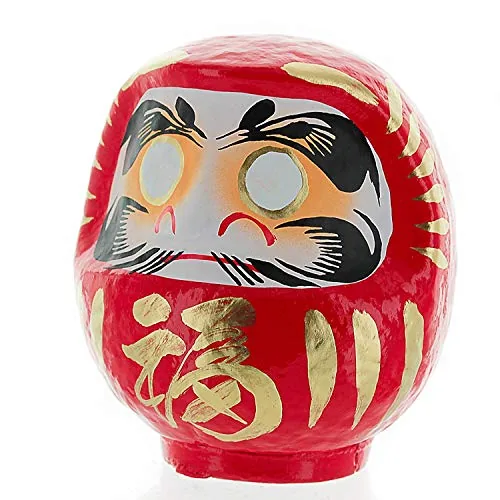 🧧 Takasaki Daruma (Gunma)
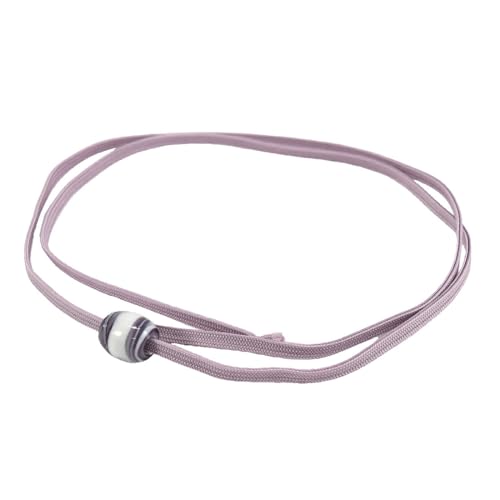 🪢 Iga kumihimo silk braid
🟦 Awa indigo tenugui
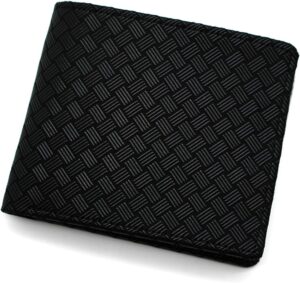 👛 Koshu Inden wallet
🧵 Hirosaki kogin textile
Price snapshot across stores
No live price was captured for the specific item at the time of writing, so the price cells below point you to where to confirm rather than quoting a figure. JPY is the authoritative currency for the sourced item; any USD figure you see at checkout is an approximate conversion (≈ ¥150/USD baseline as of mid-2026).
| Store | Item / Variant | Price (JPY + USD est.) | Notes |
|---|---|---|---|
| 🇺🇸 Amazon.com (US) | Browse Japanese silk neckties | varies (USD) | Best if you’re shopping from the US — Prime shipping, USD pricing, no international customs. Amazon US carries Japanese silk and jacquard ties from various makers for comparing patterns and price tiers; this exact Kiryu piece is sourced from Japan (next row). |
| 🇯🇵 Amazon JP Global Store | Kiryu-ori jacquard silk tie (ASIN B0H6XSKDFG) | Not captured — verify on listing | The sourced listing for the specific item. Ships internationally from Japan to most major destinations. Confirm price and shipping at checkout. |
| Maker direct | Kiryu weaver storefronts | Unconfirmed — check manufacturer site | Some Kiryu weavers sell direct; international shipping varies by maker and is not guaranteed. |
| Proxy services (Buyee / Tenso) | Forwarding for JP-only listings | Item price + forwarding fee | Useful when a listing won’t ship to your country directly; adds a handling fee and a second shipping leg. |
📦 Shipping & where to buy from outside Japan
The specific item is sourced from the Amazon JP Global Store, which ships internationally to most major destinations. Based on typical small-parcel rates for a lightweight item like a tie, expect international shipping in roughly the $15–$40 range to the US or EU, higher to other regions; the exact figure appears at checkout. Orders above your country’s de minimis threshold may attract customs duties or import VAT — a single tie is usually well under common thresholds, but confirm for your destination. If a listing will not ship to your country, a proxy/forwarding service (Buyee or Tenso) can receive the parcel in Japan and re-ship it, at the cost of an added handling fee.
What it does well
The jacquard pattern is built into the cloth, giving depth and a textured hand that printed ties lack.
A genuine Kiryu weaving lineage stands behind it — the same district that supplies most of Japan’s domestic silk ties.
Supplied gift-boxed per the listing, which removes a step for anyone buying it as a present.
A tie is the lightest, most shippable, lowest-customs-risk way to own a piece of the Kiryu tradition.
Weaknesses and things to verify before buying
- Price not captured. No live price was available at the time of writing. Do not assume a figure — confirm it on the listing before buying.
- Exact dimensions unconfirmed. Length and blade width were not in the captured data; check them if you have a height or knot preference.
- Pattern and color not pinned down. The dataset references one item without a documented colorway. The pattern shown at checkout is the one to trust, not any description here.
- Silk requires care. 100% silk is not machine-washable; it generally needs dry cleaning or careful spot treatment, and it creases. Not the choice if you want low-maintenance neckwear.
- International shipping and possible customs. Buying from Japan adds shipping time and cost, and potentially duties depending on your country’s thresholds.
- No first-hand testing. This guide is compiled from listing/spec data and regional tradition, not physical inspection of this unit; the data suggests the attributes stated but cannot confirm finish quality.
Conclusion — which buyer type are you?
You want documented Kiryu provenance and woven-in patterning, and you’ll pay for silk. This tie fits — confirm the pattern, then buy.
You want a nice silk gift tie and like the story. Fine fit — just verify price and shipping to your country first.
Woven jacquard silk plus international shipping is not a bargain category. Compare US-stocked silk ties (price snapshot, row 1) before committing.
You need a known price today, low-maintenance fabric, or guaranteed fast domestic delivery. This is not the right pick.
Other ways to approach this purchase
Amazon JP Global Store runs periodic sales; if there’s no rush, watch the listing for a price drop.
Browse US-stocked Japanese silk ties first to anchor your sense of pattern and price before sourcing from Japan.
If you hold Amazon points or a card with category rewards, applying them offsets the international shipping cost.
If price and pattern can’t be confirmed and you need certainty, it is reasonable to wait until the listing data firms up.
🏆 Editor’s Pick
❓ Frequently Asked Questions
What is Kiryu-ori, and how is it different from a printed silk tie?
Kiryu-ori refers to textiles woven in Kiryu, Gunma. On a jacquard tie the pattern is woven into the cloth thread-by-thread rather than printed on the surface, which gives the fabric more depth and texture than a printed tie of similar silk.
Does the Amazon JP Global Store ship this tie internationally?
Yes — the Amazon JP Global Store ships to most major destinations, and a lightweight tie is straightforward to send. Confirm that your country is supported and check the shipping fee at checkout. If a listing won’t ship to you directly, a proxy service such as Buyee or Tenso can forward it.
How much does it cost?
No live price was captured at the time of writing, so we don’t quote one here — that would risk being wrong. Check the current figure directly on the Amazon JP listing (ASIN B0H6XSKDFG). JPY is the authoritative price; any USD shown is an approximate conversion.
How do I care for a 100% silk tie?
Silk is not machine-washable. Have it dry-cleaned or spot-treat carefully, untie it after each wear to release creases, and store it rolled or hung. Treat it as a garment that rewards a little maintenance.
Is it a good gift?
It’s well suited to gifting: the listing states it comes gift-boxed, and it carries a documented regional craft story that travels well across cultures. Confirm the pattern shown at checkout matches what the recipient would like.
How does Kiryu-ori compare to Nishijin or Hakata-ori silk?
All three are established Japanese silk-weaving traditions. Kiryu (Gunma) was historically paired with Kyoto’s Nishijin in the saying “Nishijin in the west, Kiryu in the east,” and is known for jacquard figured silk; Hakata-ori (Fukuoka) is known for its dense, ribbed kenjō-gara weave. See our linked guides above to compare them side by side.
Where exactly is Kiryu?
Kiryu is in eastern Gunma Prefecture, inland in the northern Kantō region, at the foot of Mt. Akagi on the Watarase River — roughly 90–100 km northwest of Tokyo, about 1.5–2 hours away by train.
jpmono.com is curated by a Japan-based editorial team (working out of Toyama in the Hokuriku region and Nara in Kansai) and is independent. We don’t take payment from the makers we feature; income comes from affiliate links. We read maker specs and source listings rather than physically testing every item.
This article was drafted with AI assistance and reviewed against the available source data. Where listing data was incomplete (notably price and exact dimensions), the gaps are stated rather than filled with estimates.
Affiliate disclosure: jpmono.com may earn a commission on qualifying purchases made through links on this page, at no additional cost to you.