![Chichibu Meisen Silk Stole: Where to Buy Saitama’s Taisho Ikat Silk [2026]](https://jpmono.com/wp-content/uploads/2026/05/chichibu-meisen-silk-stole-where-to-buy-2026-featured.jpg)
Chichibu Meisen (秩父銘仙, “Chichibu meisen”) is a plain-weave silk from the Chichibu basin in western Saitama, where steep, rice-poor mountain terrain pushed farming families toward sericulture from the Edo period onward. Its signature is a vivid, blurred-edge ikat pattern produced by a technique called hogushi-nassen (解し捺染) — and a finished cloth so evenly printed that it has no clear front or back. Today that same weave is revived as stoles, scarves, and accessories aimed at people who want a genuine traditional Japanese textile they can actually wear.
Internationally, Meisen matters because it was the everyday fashion silk of Japan’s first modern women. In the Taishō and early Shōwa eras it dressed the moga (モダンガール, “modern girls”) of the 1920s in patterns that were, for their time, startlingly bold — oversized flowers, Art Deco geometry, near-abstract color fields. It was affordable, washable, and confidently graphic, which is exactly why a Chichibu Meisen stole still reads as contemporary on a coat collar a century later.
This guide is written for international readers deciding where to buy an authentic Chichibu Meisen stole and what to verify before committing. We cover the technique and how to recognize it, the place and history behind it, the realistic purchase paths from outside Japan, honest weaknesses, and a single specific listing to start from.
🔄 Updated:
⏱️ About 9 min read
![Chichibu Meisen Silk Stole: Where to Buy Saitama's Taisho Ikat Silk [2026]](https://m.media-amazon.com/images/I/41LdzN3LFQL._SL500_.jpg)
- Who this is for — and who should skip it
- Product overview (from published specs)
- Where this comes from — Chichibu, Saitama
- Which finish should you choose?
- Price snapshot across stores
- What it does well
- Weaknesses and things to verify before buying
- Conclusion — which buyer type are you?
- Other ways to approach this purchase
- 🏆 Editor’s Pick
- ❓ Frequently Asked Questions
Who this is for — and who should skip it
- Want a genuine traditional Japanese textile you can wear daily, not display in a box
- Like bold, graphic patterns and the slightly soft-edged “blur” that distinguishes ikat from printing
- Appreciate a reversible cloth that drapes either face out
- Value the story — a National Traditional Craft tied to a specific Saitama valley
- Are comfortable buying from Amazon JP Global Store and waiting for international shipping
- Want a low-maintenance accessory — real silk needs gentle, often hand-only, care
- Expect machine-washable, snag-proof durability for heavy commuting use
- Need a guaranteed exact pattern — motifs and stock vary listing to listing
- Are shopping to a tight budget and can’t tolerate JPY/shipping/customs variability
- Prefer muted, solid colors — Meisen’s whole point is the bold patterning
Product overview (from published specs)
The fetched product dataset for this listing returned empty at the time of writing, so the table below describes the documented craft profile of Chichibu Meisen hogushi-dyed silk — not a scraped spec sheet for one item. Dimensions, weight, and live price were not present in the data and are marked accordingly. Always confirm the specifics on the live listing.
| Attribute | Detail (craft profile) |
|---|---|
| Material | Silk (kinu, 絹), plain weave |
| Technique | Hogushi-nassen (解し捺染) — stencil-printed warp, then re-woven; near-reversible ikat |
| Form | Stole / scarf (revived accessory format) |
| Pattern | Bold floral or geometric ikat with soft, blurred edges |
| Origin | Chichibu basin, Saitama Prefecture, Kantō region, Japan |
| Designation | National Traditional Craft (伝統的工芸品), designated 2013 |
| Dimensions / weight | Not stated in dataset — check listing |
| Listed price | Not available in dataset at time of writing — check listing |
| Reference item ID | ASIN B0F31PJXT7 (Amazon JP Global Store) |
📖 Glossary — key terms
- Meisen (銘仙) — an everyday plain-weave silk that became Japan’s mass fashion fabric in the early 20th century.
- Hogushi-nassen (解し捺染, “loosened stencil-printing”) — the patented Chichibu method: warp threads are loosely woven, stencil-printed, then re-woven, producing blurred-edge ikat.
- Kasuri / ikat (絣) — the broad family of textiles patterned by dyeing the yarn before weaving, which is why the motifs look slightly out of focus.
- Moga (モガ) — “modern girl,” the fashionable young women of 1920s Japan who made Meisen a daily-wear silk.
- Shokunin (職人) — a skilled craftsperson; here, the weavers and dyers of the Chichibu workshops.
- Dentōteki kōgeihin (伝統的工芸品) — “National Traditional Craft,” an official METI designation; Chichibu Meisen received it in 2013.

Where this comes from — Chichibu, Saitama

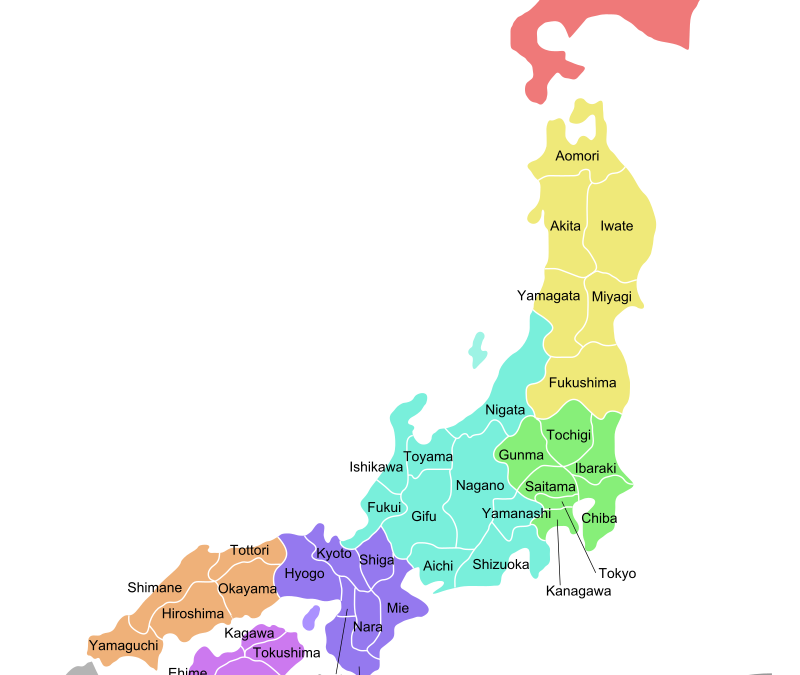
Chichibu sits in a closed basin walled by mountains on Saitama’s western edge. The terrain is steep and rice-poor, and that single geographic fact shaped its economy: where you cannot easily grow rice, you raise silkworms. From the Edo period the valley turned to sericulture, and Chichibu became a long-running shipping hub for raw silk thread feeding the markets of the wider Kantō plain.
That silk economy was not only a livelihood — it was, at one point, a flashpoint. In 1884 the debt-burdened farmers of the region rose in the Chichibu Incident (秩父事件), an armed uprising driven by collapsing silk prices and crushing loans. It is a reminder that the cloth has weight beyond fashion: the same threads that later dressed Tokyo’s modern girls had earlier pushed a mountain valley to revolt.
“Hogushi-nassen produces a cloth with no clear front and no clear back — the pattern lives in the thread, not on the surface.”
The technical turning point came around 1908, when the hogushi-nassen method was patented. By loosely weaving the warp, stencil-printing color directly onto those threads, and then re-weaving the cloth, Chichibu’s workshops could produce vivid, blurred-edge ikat at a price ordinary people could afford. The result was a near-reversible silk — wearable either face out — that became the canvas for the daring florals and geometric patterns of the Taishō and early Shōwa years.
- Edo period — Rice-poor Chichibu turns to sericulture; the basin becomes a silk-thread shipping hub for Kantō.
- 1884 — The Chichibu Incident: a debt-driven peasant uprising rooted in the collapsing silk economy.
- c. 1908 — The hogushi-nassen technique is patented, enabling affordable blurred-edge ikat silk.
- 1912–1926 (Taishō) — Meisen becomes the everyday fashion silk of modern women (moga): affordable, washable, boldly patterned.
- Early Shōwa (late 1920s–1930s) — Peak popularity, with the most daring florals and Art Deco geometry.
- Postwar — Demand fades as daily kimono wear declines; production contracts sharply.
- 2013 — Chichibu Meisen is designated a National Traditional Craft by METI.
- Present (2026) — Revived as stoles, scarves, and accessories for a new audience.
What “still being made here” means today is a revival rather than an unbroken mass industry. Daily kimono wear fell away after the war, and Meisen production contracted with it. The 2013 National Traditional Craft designation marks the deliberate effort to keep the technique alive — and the stole and scarf formats are a large part of how Chichibu’s weave reaches people who no longer wear kimono but will happily wrap a meter of patterned silk around a coat collar.

Which finish should you choose?
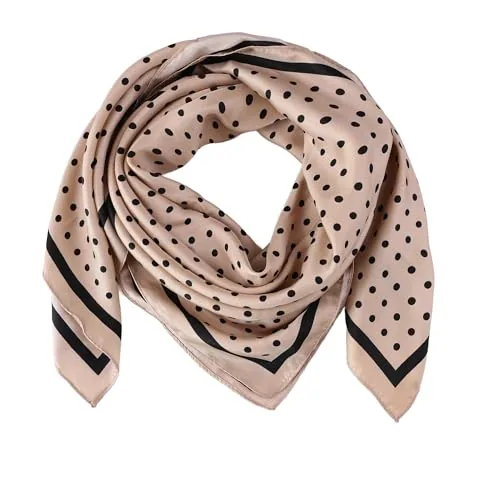
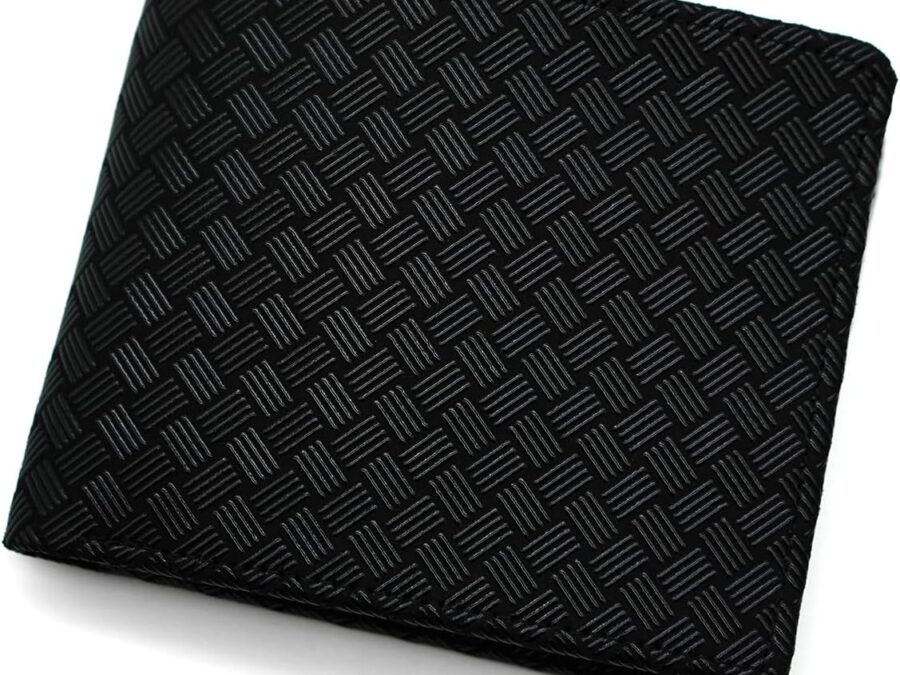
This piece is listed in 10 finishes. The photos below are the actual 色 options on the listing right now — pick the one you want and confirm it on the product page before ordering, since hand-finished wares vary slightly piece to piece.
![Chichibu Meisen Silk Stole: Where to Buy Saitama's Taisho Ikat Silk [2026] — チェーンパターン finish](https://m.media-amazon.com/images/I/41O0KT5nCkL._SL500_.jpg)
![Chichibu Meisen Silk Stole: Where to Buy Saitama's Taisho Ikat Silk [2026] — シルバーフリンジ finish](https://m.media-amazon.com/images/I/41c1BG3fOXL._SL500_.jpg)
![Chichibu Meisen Silk Stole: Where to Buy Saitama's Taisho Ikat Silk [2026] — ディモノグラム(黄) finish](https://m.media-amazon.com/images/I/41AQr9iLkZL._SL500_.jpg)
![Chichibu Meisen Silk Stole: Where to Buy Saitama's Taisho Ikat Silk [2026] — フローラルツートン finish](https://m.media-amazon.com/images/I/41weAPd7GmL._SL500_.jpg)
![Chichibu Meisen Silk Stole: Where to Buy Saitama's Taisho Ikat Silk [2026] — ディモノグラム(黒) finish](https://m.media-amazon.com/images/I/410zhQUtGlL._SL500_.jpg)
![Chichibu Meisen Silk Stole: Where to Buy Saitama's Taisho Ikat Silk [2026] — エイチブロックB finish](https://m.media-amazon.com/images/I/41NUIo2SP8L._SL500_.jpg)
![Chichibu Meisen Silk Stole: Where to Buy Saitama's Taisho Ikat Silk [2026] — ビッグドット finish](https://m.media-amazon.com/images/I/41yEY0MrQ0L._SL500_.jpg)
![Chichibu Meisen Silk Stole: Where to Buy Saitama's Taisho Ikat Silk [2026] — ノーブルコーチ finish](https://m.media-amazon.com/images/I/41l6KIxpOGL._SL500_.jpg)
![Chichibu Meisen Silk Stole: Where to Buy Saitama's Taisho Ikat Silk [2026] — ブリックモザイクA finish](https://m.media-amazon.com/images/I/41sEFDxQLnL._SL500_.jpg)
![Chichibu Meisen Silk Stole: Where to Buy Saitama's Taisho Ikat Silk [2026] — オランジュエキップ finish](https://m.media-amazon.com/images/I/41tCCwYjg3L._SL500_.jpg)
Price snapshot across stores
JPY is the authoritative price for the specific listed item. Live pricing was not present in our dataset at the time of writing, so the JPY/USD figures below are shown as “check listing” rather than invented numbers. USD estimates elsewhere on the site use a ¥150/USD baseline as of mid-2026.
| Store | Item / Variant | Price (JPY + USD est.) | Notes |
|---|---|---|---|
| 🇺🇸 Amazon US (search) | Browse Japanese silk stoles & scarves | varies (USD) | Best if you’re shopping from the US — Prime shipping, USD pricing, no international customs. Amazon US carries Japanese silk scarves and stoles from various sellers; the exact Chichibu Meisen piece is sourced from Japan (next row). |
| 🇯🇵 Amazon JP Global Store | Chichibu Meisen silk stole (ASIN B0F31PJXT7) | Check listing — not in dataset at time of writing | The sourced listing for the specific item. Ships internationally from Japan to most major destinations. |
| Maker direct | Chichibu workshop / craft-association shops | Unconfirmed — check maker site | Widest pattern selection, but most Japan-domestic sites do not ship abroad directly. |
| Proxy services (Buyee / Tenso) | Forwarding for Japan-only listings | Item price + forwarding fee | Use when a pattern is only on a domestic shop; adds a service fee and a second shipping leg. |
What it does well
Weaknesses and things to verify before buying
- Silk care is demanding. Expect gentle hand washing or dry cleaning; it is not a throw-in-the-machine accessory.
- Pattern and stock vary. Listings rotate motifs; the exact floral or geometric you see may sell out or differ. Confirm the photo on the live listing before ordering.
- Price was not in our dataset. The fetched data returned empty, so treat any figure as “check listing.” Live JPY pricing and exchange rates both move.
- Dimensions unconfirmed. Stole length and width were not stated in the data — check the listing if size matters for how you’ll wear it.
- International shipping adds cost and time. Buying via Amazon JP Global Store means import handling and possible customs duty over your local threshold.
- Delicate cloth. Fine silk snags; this is not built for rough daily commuting abuse.
- Authenticity check. “Meisen-style” prints exist; look for the blurred ikat edges and a back face that matches the front to confirm true hogushi weaving.
Conclusion — which buyer type are you?
Other ways to approach this purchase
🏆 Editor’s Pick
❓ Frequently Asked Questions
Is Chichibu Meisen silk really reversible?
Effectively, yes. The hogushi-nassen technique dyes the pattern into the warp threads before re-weaving, so the design appears on both faces with no sharply defined front or back. That is why a Meisen stole can be styled with either side out.
Where does Chichibu Meisen come from?
From the Chichibu basin in western Saitama Prefecture, in Japan’s Kantō region, about 80 km northwest of central Tokyo. The mountain-ringed, rice-poor terrain turned the area to silkworm farming and silk-thread shipping from the Edo period.
How do I care for a Meisen silk stole?
Treat it as fine silk: gentle hand washing in cool water or professional dry cleaning, kept out of harsh sun, and stored flat or loosely rolled. Specific care instructions vary by item, so follow the maker’s label on the listing.
Does Amazon JP Global Store ship internationally?
The Amazon JP Global Store ships many items to most major destinations, with import handling at checkout. Customs duties may apply above your local threshold. Confirm that the specific listing shows your country as a shipping destination before ordering.
How is Meisen different from Yuki Tsumugi or other Japanese silks?
Meisen is defined by hogushi-nassen ikat — bold, blurred-edge patterns printed onto loosely woven warp and then re-woven. That differs from hand-spun, hand-tied silks such as Yuki Tsumugi, or hand-painted dyeing such as Kaga Yuzen. The site’s other silk guides compare these side by side.
What does the price shown reflect?
Live pricing was not present in our dataset at the time of writing, so this guide does not quote a fixed figure. The JPY price on the live listing is authoritative; any USD value is an approximate estimate at a ¥150/USD baseline. Always verify at the retailer before purchasing.
jpmono.com is curated by a Japan-based editorial team (working out of Toyama in the Hokuriku region and Nara in Kansai) and is independent. We do not take payment from the makers we feature; income comes from affiliate links. We do not physically test every product — we read maker specs and source listings.
🤖 This article was produced with AI assistance and reviewed against the available source data. Where data was missing, we say so rather than fill the gap with invented figures.
Affiliate disclosure: jpmono.com may earn a commission on qualifying purchases made through links on this page, at no additional cost to you.