![Omi Jofu Ramie Handkerchief: Where to Buy Shiga’s Lake Biwa Linen [2026]](https://jpmono.com/wp-content/uploads/2026/05/japan-map-regions-and-prefectures-800x1050.png)
Omi Jofu (近江上布, “Omi fine cloth”) is a ramie bast-fiber textile woven in the Echigawa and Aisho district of Shiga Prefecture, along the Echi River that drains into the eastern shore of Lake Biwa. It belongs to the small family of Japanese jofu — fine, hand-finished hemp and ramie cloths that were the summer luxury fabric of pre-cotton Japan. A handkerchief is the most approachable form: a single square that carries the same crisp, cool hand prized in Omi Jofu kimono, at a fraction of the cost and with no sizing to worry about.
What makes this cloth notable internationally is not a brand name but a geography. Ramie thread (karamushi, 苧麻) is strong but brittle, and it snaps in dry air during weaving. The Lake Biwa basin is humid enough, year-round, that weavers there could work the finest ramie yarns without breakage — which is why fine hemp cloth concentrated here rather than elsewhere. The cloth also carries the story of the Omi merchants (Omi-shonin), who folded “Omi-mono” textiles into the goods they sold up and down the country, spreading its reputation far beyond Shiga.
This guide is written for an international reader deciding whether — and where — to buy an Omi Jofu handkerchief. It covers what the cloth is, where it comes from and why that matters, how it differs from neighboring Shiga textiles, the realistic buying paths from outside Japan, and the honest caveats. Where the data is thin, this article says so rather than guessing.
🔄 Updated:
⏱️ Read time: ~9 min
Who this is for — and who should skip it
- Want a summer-weight natural fiber that lifts off the skin instead of clinging
- Appreciate a designated traditional craft with documented regional history
- Prefer a crisp, dry hand over the softness of cotton or the slipperiness of silk
- Like small, affordable entry points into a craft tradition (a handkerchief vs. a kimono bolt)
- Are buying a thoughtful, lightweight, easy-to-ship gift
- Want a plush, terry-style hand towel — ramie is thin and flat, not absorbent like pile cloth
- Dislike visible creasing; bast fibers wrinkle readily and that is part of the look
- Need machine-wash-and-forget care with no attention to the label
- Are price-shopping purely on cost-per-handkerchief against bulk cotton
- Expect a precise color/pattern match — kasuri and undyed runs vary by batch
Product overview (from published specs)
Omi Jofu is a documented ramie textile, but exact dimensions, fiber blend, and other item details vary by maker. The table below therefore states what is verifiable from the craft record and marks variable details as unconfirmed.
| Attribute | Detail | Source |
|---|---|---|
| Craft | Omi Jofu (近江上布) — fine ramie bast-fiber cloth | Craft record |
| Material | Ramie / hemp (karamushi · choma, 苧麻) | Craft record |
| Origin | Echigawa–Aisho, Shiga Prefecture (eastern Lake Biwa) | Craft record |
| Surface / technique | Kasuri (絣, ikat) or shibori patterning; “shibo” (シボ) crepe from twisted yarns | Craft record |
| Designation | Important Intangible Cultural Property (1977); national traditional craft (METI) | Craft record |
| Dimensions / weight | — | Not in data |
| Price | — | Not in data |
Per the data available at time of writing, only the craft record and item identifier were on hand; live pricing and exact measurements were unavailable. Always verify at the retailer before purchasing.
📖 Glossary — key terms
- jofu (上布) — literally “fine cloth”; a category of high-grade, finely woven ramie/hemp summer textiles.
- ramie / karamushi / choma (苧麻) — a bast fiber from the nettle family. Strong and lustrous, but brittle when dry, which is why humid weaving conditions matter.
- kasuri (絣) — Japanese ikat: threads are resist-dyed before weaving so the pattern emerges as the cloth is woven, with characteristic soft-edged motifs.
- shibori (絞り) — a resist-dyeing method using binding, stitching, or folding to shape the pattern.
- shibo (シボ) — the fine crinkle or crepe texture created by tightly twisted yarns; it lifts the cloth slightly off the skin for a cooler feel.
- chijimi (縮) — a “shrunk”/crepe cloth; Shiga’s neighboring Takashima Chijimi is a crepe cotton, distinct from ramie Omi Jofu.
- Omi-shonin (近江商人) — the historical Omi merchants of this region, known for nationwide trading networks that carried “Omi-mono” goods across Japan.
Where to buy
Prices for Omi Jofu handkerchiefs vary with fiber, weaving, finishing, and size. Compare current seller information rather than treating an unverified figure as a standard price.
| Store | Item / variant | Price | Notes |
|---|---|---|---|
| 🇺🇸 Amazon.com (US) | Browse Japanese ramie & linen handkerchiefs | varies (USD) | Best if you’re shopping from the US — Prime shipping, USD pricing, no international customs. Amazon US carries comparable Japanese linen and hemp cloths; the specific Omi Jofu piece is sourced from Japan (next row). |
| 🇯🇵 Amazon JP Global Store | Omi Jofu ramie handkerchief | — | Where the specific item is sourced. Ships internationally from Japan to most major destinations. |
| Maker direct | Omi Jofu workshops / Shiga craft cooperatives | — | Some workshops sell domestically; international shipping is not guaranteed. Verify on a case-by-case basis. |
| Proxy services (Buyee / Tenso) | Forwarding from JP-only products | item + forwarding fee | Useful when a workshop or shop ships only within Japan. Adds a service fee and a second shipping leg. |
What it does well
“Fine ramie did not concentrate by Lake Biwa for romantic reasons — it settled here because the lake’s humid air was the one thing brittle bast thread needed to survive the loom.”
Weaknesses and things to verify before buying
- It wrinkles. Bast fibers crease readily. For some buyers the relaxed creasing is the appeal; if you want a press-and-stay-flat cloth, this is not it.
- It is not absorbent like terry. Omi Jofu is thin and flat, closer to a kerchief or pocket square than a plush towel — manage that expectation against a pile hand towel.
- Care needs attention. General ramie/linen handling favors gentle washing and air-drying. Follow the care label rather than treating it as a wash-and-forget item.
- Pattern and color vary by run. Kasuri and undyed batches differ; if you need an exact match to a photo, confirm with the seller.
- Availability varies over time. Check current product information before committing.
- Size varies by product. Check the product details if size matters for your use.
- Authenticity check. “Omi linen” and “Omi Jofu” are used loosely in commerce; look for the traditional-craft mark or workshop attribution if provenance matters to you.
Conclusion — which buyer type are you?
Other ways to approach this purchase
Where this comes from

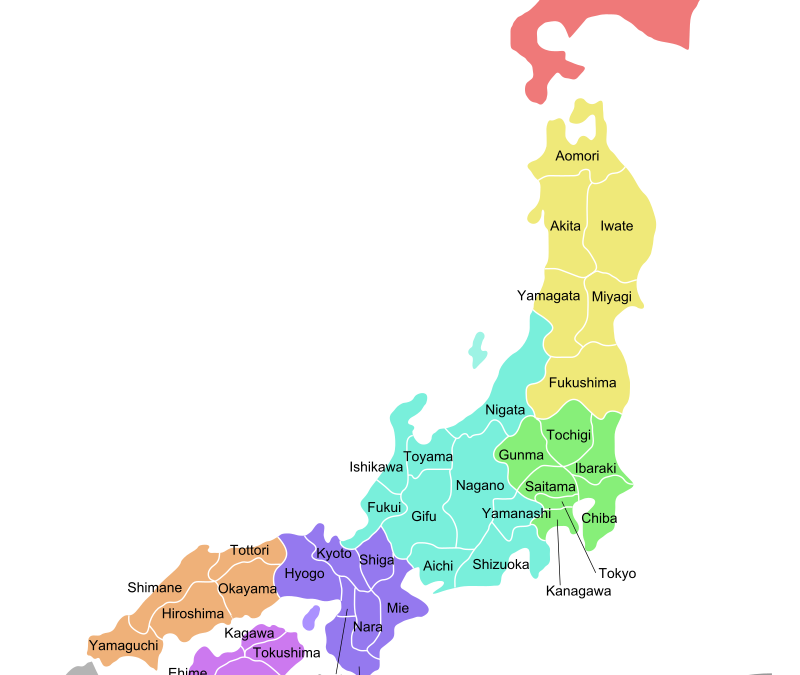
Shiga is a landlocked Kansai prefecture defined almost entirely by Lake Biwa, the largest freshwater lake in Japan, which fills its center. Omi Jofu is woven on the lake’s eastern side, in the Echigawa and Aisho district along the Echi River that runs down off the hills into Lake Biwa. The old province name for this region was Omi (近江), which is where the cloth gets its name.
The lake is not incidental to the craft — it is the reason the craft is here. Ramie thread is strong but brittle, and in dry air it snaps under the tension of fine weaving. The Lake Biwa basin holds enough ambient humidity that weavers could work the thinnest ramie yarns without breakage, so fine hemp cloth concentrated in this district rather than in drier inland areas. Climate, in other words, did the selecting.
The historical thread runs deep. Weaving in the area traces to the Muromachi period in the 15th century. In the Edo period the cloth came under the patronage of the Hikone domain, governed by the Ii clan, whose castle town sits a short distance north on the same lakeshore. And the famed Omi merchants — the Omi-shonin, whose nationwide trading networks are a story in their own right — carried “Omi-mono” textiles along their routes, which is how a regional cloth earned a national reputation.
- 15th c. (Muromachi) — Ramie weaving takes root in the Echigawa–Aisho district near Lake Biwa.
- Edo period (1603–1868) — The cloth is patronized by the Hikone domain (Ii clan).
- Edo period — Omi merchants (Omi-shonin) carry “Omi-mono” textiles nationwide, building the cloth’s reputation.
- 1977 — Designated an Important Intangible Cultural Property.
- METI designation — Recognized as a national traditional craft (designation year — check the METI registry).
- 2026 — Still woven in the Echi River district as a designated craft.
“Still being made here” is a meaningful claim for Omi Jofu. The cloth remains in production in the same Echi River district that gave it its name, under both an Important Intangible Cultural Property listing and a national traditional-craft designation. The defining techniques — resist-dyed kasuri threads, twisted yarns drawn up into the “shibo” crepe — are the same ones that distinguished the cloth in the Edo era.
And the seasonal logic still holds. Omi Jofu was a summer cloth: the crepe surface and the dry ramie hand were what made a Japanese summer bearable before air conditioning, in a humid lake-basin climate where heat sits heavy. A handkerchief is the small, daily form of exactly that idea.
❓ Frequently Asked Questions
What is Omi Jofu?
Is Omi Jofu the same as Takashima Chijimi?
Why is it woven near Lake Biwa?
Can I buy it from outside Japan?
How do I care for a ramie handkerchief?
Is it a recognized traditional craft?
What does the “shibo” crinkle do?
jpmono.com is curated by a Japan-based editorial team (working out of Toyama in the Hokuriku region and Nara in Kansai) and is independent. We do not take payment from the makers we feature; income comes from affiliate links. We do not physically test every product — we describe maker specifications and craft background.
This article was prepared with AI assistance and reviewed against the available source data. Where pricing, dimensions, or images were not present in the data, the article states so rather than estimating; verify all details at the retailer before purchasing.
Affiliate disclosure: jpmono.com may earn a commission on qualifying purchases made through links on this page, at no additional cost to you.