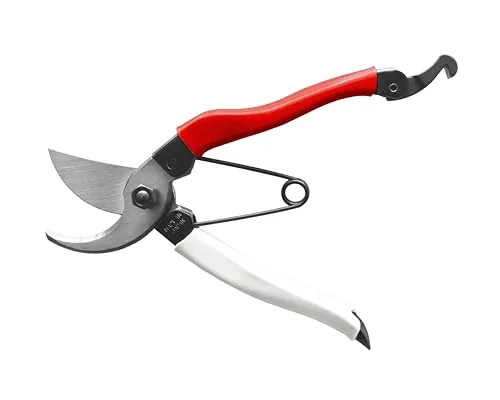
Okatsune is a blade maker founded in 1923 in Yasugi, a steel town on the eastern edge of Shimane Prefecture, on the Sea of Japan coast of the San’in region. The company’s best-known export to gardeners abroad is the model 103 bypass secateur — a 7-inch general-purpose pruning shear with white-paper (Yasugi) steel blades and bright red handles. It is plain-looking, mechanically simple, and has quietly stayed on international shopping lists for years.
What sets it apart is not styling but where the steel comes from. Yasugi sits at the doorstep of the Okuizumo highlands, the heartland of Japan’s thousand-year tatara ironmaking tradition — the same iron-sand smelting that produced tamahagane, the steel behind the Japanese sword. Today Yasugi is the country’s specialty-steel town, and Okatsune forges its cutting edges from that lineage rather than from a marketing revival of it.
This guide is written from a Japan-based editor’s desk for international readers. It covers who the 103 suits and who should skip it, the published specs, the regional and historical context that makes Yasugi steel notable, how to buy from outside Japan, and the honest caveats — carbon-steel rust care chief among them. Where the fetched data was thin, we say so rather than guess.
🔄 Updated:
⏱️ Read time: ~9 min

- Who this is for — and who should skip it
- Product overview (from published specs)
- Where this comes from — place, era, and the craft tradition
- Which finish should you choose?
- How does it compare?
- Price snapshot across stores
- 📦 Shipping & where to buy from outside Japan
- What it does well
- Weaknesses and things to verify before buying
- Conclusion — which buyer type are you?
- Other ways to approach this purchase
- 🏆 Editor’s Pick
- ❓ Frequently Asked Questions
Who this is for — and who should skip it
- Prune roses, fruit trees, and soft-to-medium green growth and want a clean bypass cut
- Prefer carbon (high-carbon white-paper) steel that takes and holds a keen edge
- Are willing to wipe, dry, and lightly oil the blades after use
- Value a simple, serviceable tool over a feature-laden one
- Want a long-running model that is easy to find and re-buy
- Want a maintenance-free stainless tool you never have to dry or oil
- Mostly cut dry deadwood or thick branches (an anvil pruner or loppers fits better)
- Need a confirmed left-handed model — handedness was not stated in the dataset
- Have very small hands and want the most compact size without checking dimensions first
- Are not prepared for international shipping cost or possible customs on a Japan order

Product overview (from published specs)
The table below reflects the model details supplied for this guide (item ID B001Y54F88). The fetched source returned no live Amazon US or Amazon JP listing snapshot, so price and stock are not confirmed here — treat the listing itself as the authoritative source for both.
Okatsune Pruning Shears (Yasugi Steel, Shimane)
岡恒 剪定鋏 200mm NO.103
残り18点(入荷予定あり) · Sold by Amazon.co.jp · ASIN B001Y54F88
Price and availability as of 2026-08-31 02:30 JST. The Amazon listing at the time of purchase is authoritative. jpmono.com earns a commission on qualifying purchases at no extra cost to you.
| Maker | Okatsune (founded 1923), Yasugi, Shimane |
| Model | 103 — bypass pruning shears / secateurs |
| Type | Bypass (two passing blades, like scissors) — for live green growth |
| Size class | 7-inch, general purpose |
| Blade steel | Yasugi white-paper steel (Shirogami / Yasuki Hagane), high-carbon |
| Handles | Red coated |
| Origin | Yasugi, eastern Shimane, San’in region, Japan |
| Item ID | B001Y54F88 |
| Price | Not available in the fetched data — verify at the listing (live pricing may have shifted since the writing date) |
| Sources | Amazon US (search, primary, moonill-20) · Amazon JP Global Store (secondary, moonill-22) · Maker direct |
📖 Glossary — key terms in this guide
- Tatara (たたら) — the traditional Japanese clay-furnace smelting process that turns iron sand into steel.
- Tamahagane (玉鋼, “jewel steel”) — the high-quality steel produced by tatara smelting; the raw material of the Japanese sword.
- Yasuki Hagane / Yasugi steel (安来鋼) — modern specialty steel made in Yasugi; its white-paper (Shirogami, 白紙) and blue-paper (Aogami, 青紙) grades are prized for blades.
- Bypass secateurs — pruning shears whose two blades pass each other like scissors, for clean cuts on living growth (as opposed to anvil shears, which crush against a flat plate).
- San’in (山陰) — the Sea-of-Japan-facing side of the Chūgoku region, where Shimane and Tottori sit.
- Okuizumo (奥出雲) — the inland highlands of eastern Shimane, historic center of tatara ironmaking.

Where this comes from — place, era, and the craft tradition

Yasugi is a small city on the eastern edge of Shimane Prefecture, on the Sea of Japan coast of the San’in region — the quieter, northern-facing side of western Japan, far from the Pacific industrial belt. It sits beside Lake Nakaumi near the Tottori border, with the Okuizumo highlands rising inland to the south. Those highlands matter: their hillsides yielded iron-bearing sand, and their rivers and forests supplied the water and charcoal that ironmaking demanded.
For well over a thousand years the Okuizumo highlands ran tatara clay furnaces, smelting local iron sand into tamahagane — the steel behind every Japanese sword. This was not a niche. The San’in side was one of the country’s foremost steel regions through the Edo period, and Yasugi grew into Japan’s specialty-steel town. Hitachi Metals’ Yasugi Works there still produces the famed Yasuki Hagane, including the white-paper and blue-paper steels that knife and tool makers seek out. Blade-making in Yasugi therefore sits on a deep, continuous tradition rather than a revival.
- 712 CE — The Kojiki is completed, recording Susanoo slaying the Yamata-no-Orochi serpent and drawing the Kusanagi sword from its tail — a story scholars read as a memory of San’in iron culture.
- 8th–12th c. — Tatara furnaces across the Okuizumo highlands smelt iron sand into tamahagane.
- Edo period (1603–1868) — Okuizumo becomes one of Japan’s leading tamahagane (sword-steel) regions.
- 1923 — Okatsune is founded in Yasugi, eastern Shimane.
- 20th c. onward — Yasugi’s steelworks produces Yasuki Hagane — white-paper and blue-paper steel — making the town synonymous with specialty steel.
- 2026 — The Okatsune 103 bypass secateur remains a long-running international evergreen among gardeners.
The myth is worth pausing on, because it ties the tool to the place. The Kusanagi sword — one of the Three Sacred Treasures of Japan — is drawn, in the Kojiki, from the tail of a defeated serpent in the land of Izumo, which is to say here. Folklorists have long read the Yamata-no-Orochi tale as a traditionally remembered account of San’in iron culture: rivers stained red with iron-sand runoff, the taming of a resource, the birth of a blade. It is a story about steel coming out of this exact landscape.
“A pruning shear from Yasugi is, in the most literal sense, a working descendant of sword steel — forged where Japan first learned to make it.”
Okatsune, founded in 1923, uses Yasugi white-paper steel for its cutting edges. That is the continuity case in plain terms: not a heritage label applied to imported steel, but a local company forging local specialty steel into garden tools, in a town that has made steel for centuries. Gardeners abroad prize the result for clean cuts and an edge that is easy to bring back by hand — and the model 103 has become a steady fixture on Amazon’s international listings as a result.

Which finish should you choose?
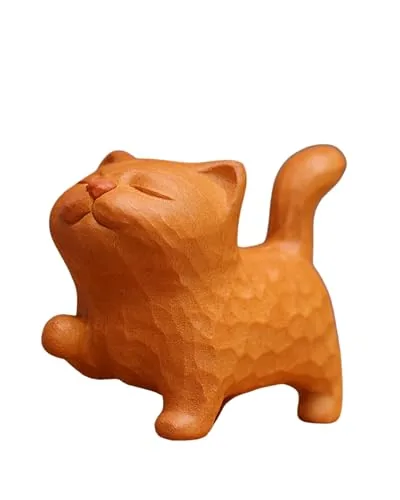
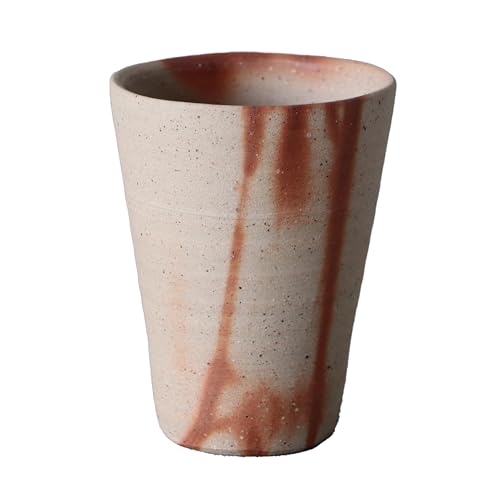
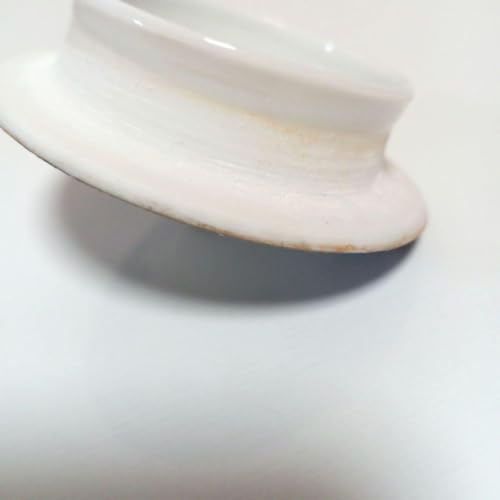
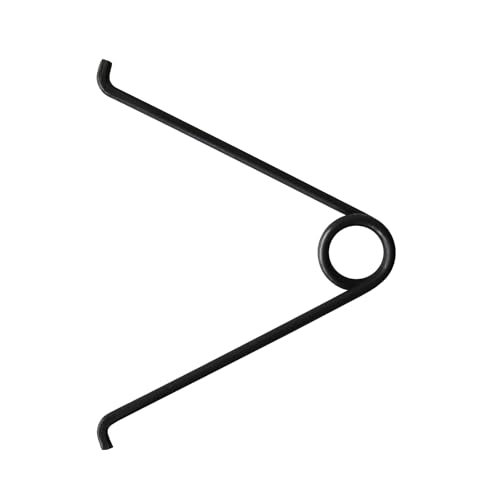
This piece is listed in 4 options. The photos below are the actual スタイル options on the listing right now — pick the one you want and confirm it on the product page before ordering, since hand-finished wares vary slightly piece to piece.

How does it compare?
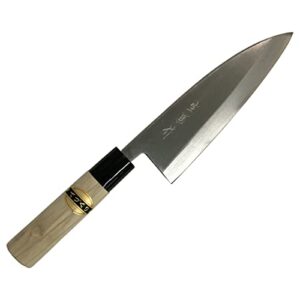
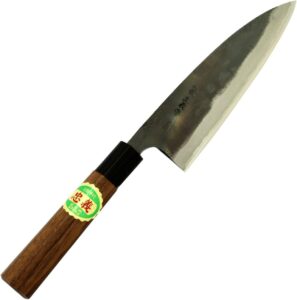
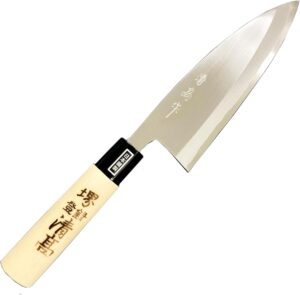
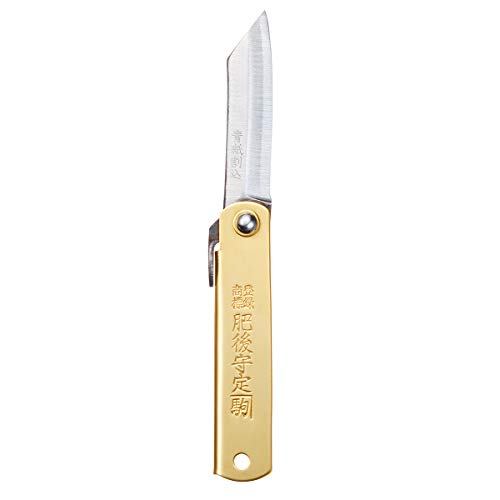
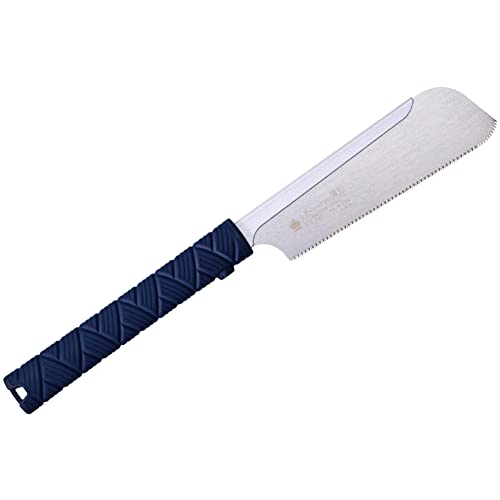
Other Japanese blades and San’in / Shimane crafts we have covered — useful for comparing steel, region, and use case.
Price snapshot across stores
The fetched data returned no live price for this item, so the figures below are marked unavailable. JPY is the authoritative currency for the specific listed item; any USD shown elsewhere is an estimate at a ¥150/USD baseline. Always confirm the current price at the retailer before buying.
| Store | Item / variant | Price | Notes |
|---|---|---|---|
| 🇺🇸 Amazon US (search) | Browse Japanese pruning shears & garden tools | varies (USD) | Best if you are shopping from the US — Prime shipping, USD pricing, no international customs. Amazon US carries Japanese garden tools from various makers; the exact Okatsune 103 is sourced from Japan (next row). |
| 🇯🇵 Amazon JP Global Store | Okatsune 103 — 7-inch bypass (B001Y54F88) | Live price — check listing | The sourced listing for the specific item in this guide. Ships internationally from Japan to most major destinations. |
| Maker direct | Okatsune line | — | May not ship internationally directly; pricing and availability not confirmed in the dataset. |
| Proxy services (Buyee / Tenso) | Okatsune 103 via a Japanese retailer | item + forwarding fee | A fallback if a domestic-only Japanese listing has stock; adds a forwarding fee and possible customs on your end. |
📦 Shipping & where to buy from outside Japan
The most direct international path is the Amazon JP Global Store listing (row two above), which ships many household and garden items to most major destinations. Shipping to the US or EU typically runs in the $15–$40 range depending on weight and speed; other regions can be higher.
If you are in the US and prefer simplicity, the Amazon US search link lets you browse comparable Japanese garden tools with Prime shipping and USD pricing — though the exact Okatsune 103 is sourced from Japan.
For listings that are domestic-only in Japan, proxy services such as Buyee or Tenso can forward an order abroad for a fee. In all cases, orders above your country’s duty threshold may incur customs charges on arrival — budget for that before checkout. A pruning shear is a bladed tool, so confirm there are no import restrictions for your destination.
What it does well
Weaknesses and things to verify before buying
- Carbon steel rusts. White-paper steel is not stainless. Left wet or sappy, the blades can corrode — they need wiping, drying, and an occasional light oiling.
- Bypass, not anvil. The 103 is built for live green growth. For thick, dry deadwood, an anvil pruner or loppers is the better — and safer — tool.
- Price not confirmed in the dataset. No live price was returned, so verify the current cost at the listing before ordering; it may differ from any older figure you have seen.
- Handedness not stated. The dataset did not confirm a left-handed option. Left-handed buyers should check the listing or maker page first.
- Size check for small hands. The 103 is a 7-inch general-purpose size. If you have small hands or want the most compact option, confirm dimensions (or consider another size in the line) before buying.
- International cost and customs. Buying from Japan adds shipping and possibly duty; factor that into the total, not just the item price.
Conclusion — which buyer type are you?
Other ways to approach this purchase
🏆 Editor’s Pick
❓ Frequently Asked Questions
Does the Amazon JP Global Store ship the Okatsune 103 internationally?
The Global Store ships many household and garden items to most major destinations. Shipping to the US or EU is typically in the $15–$40 range, with possible customs duty on arrival depending on your country’s threshold. Because it is a bladed tool, confirm there are no import restrictions for your destination before ordering.
What is “Yasugi steel” or white-paper steel?
Yasugi steel (Yasuki Hagane) is specialty steel made in Yasugi, Shimane, the town at the doorstep of Japan’s historic tatara ironmaking region. Its white-paper grade (Shirogami) is a high-carbon steel prized for taking a very keen edge and being easy to resharpen. Okatsune uses it for the 103’s blades.
How do bypass shears differ from anvil shears?
Bypass shears have two blades that pass each other like scissors, giving a clean cut on living growth. Anvil shears close a single blade onto a flat plate, crushing as they cut — better for dry deadwood. The 103 is a bypass shear, so it is best for live green stems rather than thick deadwood.
Do the blades need special care?
Yes. White-paper carbon steel is not stainless and can rust if left wet or sappy. Wipe the blades clean after use, dry them, and apply a light oil occasionally. In return, the steel holds a fine edge and resharpens easily by hand.
What size is the 103, and is there a left-handed version?
The 103 is a 7-inch general-purpose size. Okatsune’s line includes other sizes, but their exact dimensions were not in the data at the time of writing. Handedness was also not confirmed in the dataset, so left-handed buyers should check the listing or maker page before purchasing.
Are the prices in this article current?
No live price was returned in the fetched data, so this guide does not quote one. Prices and stock fluctuate; the JPY price shown on the Amazon JP Global Store listing is the authoritative figure for the specific item. Always confirm at the retailer before buying.
Where else can I buy if it is out of stock?
If the Global Store listing is unavailable, you can browse comparable Japanese garden tools on Amazon US, or use a proxy service such as Buyee or Tenso to forward an order from a domestic-only Japanese retailer. Proxy routes add a forwarding fee and possibly customs on your end.
jpmono.com is curated by a Japan-based editorial team (working out of Toyama in the Hokuriku region and Nara in Kansai) and is independent. We do not take payment from the makers we feature; income comes from affiliate links. We do not physically test every product — we read maker specs and source listings. Read more about our editorial standards.
🤖 This article was prepared with AI assistance and reviewed against the supplied product data. Facts, specs, and prices not present in the source data were not invented; where the data was thin, the gaps are noted in the text.
Affiliate disclosure: jpmono.com may earn a commission on qualifying purchases made through links on this page, at no additional cost to you.