![Omi Kijishi Woodturned Tochi Bowl: Cradle of Japan’s Woodturners [2026]](https://jpmono.com/wp-content/uploads/2026/05/japan-map-regions-and-prefectures-800x1050.png)
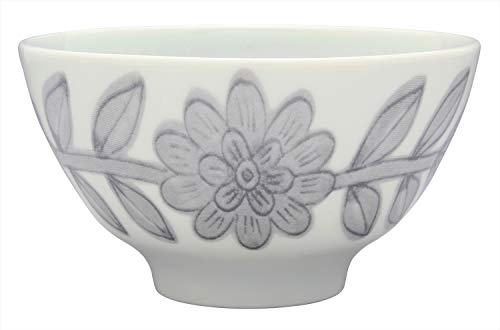
Before there were the lacquer bowls of Yamanaka, the urushi of Wajima, or the woodturning of Kiso, there was a single mountain valley in what is now Shiga Prefecture. Higashi-Omi’s Ogura Valley — the twin hamlets of Hirutani (蛭谷) and Kimigahata (君ヶ畑) — is revered as the cradle of Japan’s kijishi (木地師, “wood-base turners”), the craftsmen who spin raw timber into bowls and cups on a foot-powered lathe. A plain tochi bowl, turned bare without lacquer, is one of the Omi kijishi category’s most direct expressions of the wood.
What makes the object notable internationally is not a brand or a designer signature. It is lineage. The kijishi of Omi did not stay in their valley; over centuries they fanned out across Japan and seeded the turning traditions that later became famous under other regional names. A bare tochi bowl from this district is, in a real sense, the source object — the form before the lacquer was added downstream.
This guide is written for readers comparing natural-wood bowls and woodturned tableware: who the kijishi were, what tochi wood actually does in daily use, where the piece sits against Yamanaka and Wajima lacquerware, and the practical realities of buying a Japan-sourced wooden bowl from outside Japan. Note up front: prices and stock can change over time, so current figures should be confirmed with a retailer before purchase.
🔄 Updated:
⏱️ Read time: ~10 min
- Who this is for — and who should skip it
- Product overview (from published specs)
- Where this comes from — place, era, and the craft tradition
- Where to buy across stores
- What it does well
- Weaknesses and things to verify before buying
- Conclusion — which buyer type are you?
- Other ways to approach this purchase
- ❓ Frequently Asked Questions
Who this is for — and who should skip it
- Want the source tradition behind Yamanaka and Wajima woodturning, not a downstream copy
- Prefer bare, unlacquered wood that shows tochi’s lustrous, lightweight grain
- Value a light bowl you can hold one-handed for rice, soup, or small servings
- Care about provenance and are comfortable hand-washing rather than dishwashing
- Are buying a meaningful gift with a documented craft lineage behind it
- Need dishwasher- and microwave-safe tableware for heavy daily rotation
- Expect the glossy, sealed surface of finished lacquerware (this is bare wood)
- Want a guaranteed fit before buying? Product details here are limited.
- Are unwilling to oil or wipe-maintain natural wood over time
- Need fast domestic shipping and are not set up to import from Japan
Product overview (from published specs)
The available information for individual Omi kijishi tochi bowls is limited. The table below draws on the general characteristics of the Omi kijishi district and the maker tradition for tochi bowls. Where a value is not confirmed for a particular bowl, it is marked rather than guessed.
| Attribute | Detail | Source |
|---|---|---|
| Object | Hand-turned wooden bowl | Amazon JP Global Store |
| Material | Tochi (栃, Japanese horse chestnut) | Product details + maker tradition |
| Finish | Urushi-free; bare natural grain | Product details |
| Forming method | Turned on the rokuro (轆轤, woodturning lathe) | Maker tradition |
| Origin | Higashi-Omi (Ogura Valley), Shiga Prefecture | Maker tradition |
| Dimensions / weight | Not specified — confirm before buying | Not stated in data |
Spec sheets indicate tochi (horse chestnut) and a bare, unlacquered finish; exact dimensions and weight are not stated here, so they are left unconfirmed. This is a plain everyday turned bowl rather than a finished lacquer piece.
📖 Glossary — key Japanese terms
- Kijishi (木地師) — “wood-base turners,” craftsmen who spin solid timber into bowls and cups on a lathe. Their bare turned bowls are the base on which lacquerers later apply urushi.
- Rokuro (轆轤) — the woodturning lathe. The Omi kijishi are traditionally credited with the foot-powered version.
- Tochi (栃) — Japanese horse chestnut, prized by turners for a lustrous, lightweight grain that suits bowls.
- Urushi (漆) — Japanese lacquer. “Urushi-free” here means the wood is left bare rather than coated.
- Ujiko-gari (氏子狩) — the historical census the kijishi guild conducted of woodturners across Japan, tied to timber-felling and travel rights.
- Omi (近江) — the old province name for present-day Shiga Prefecture, the land around Lake Biwa.
Where this comes from — place, era, and the craft tradition

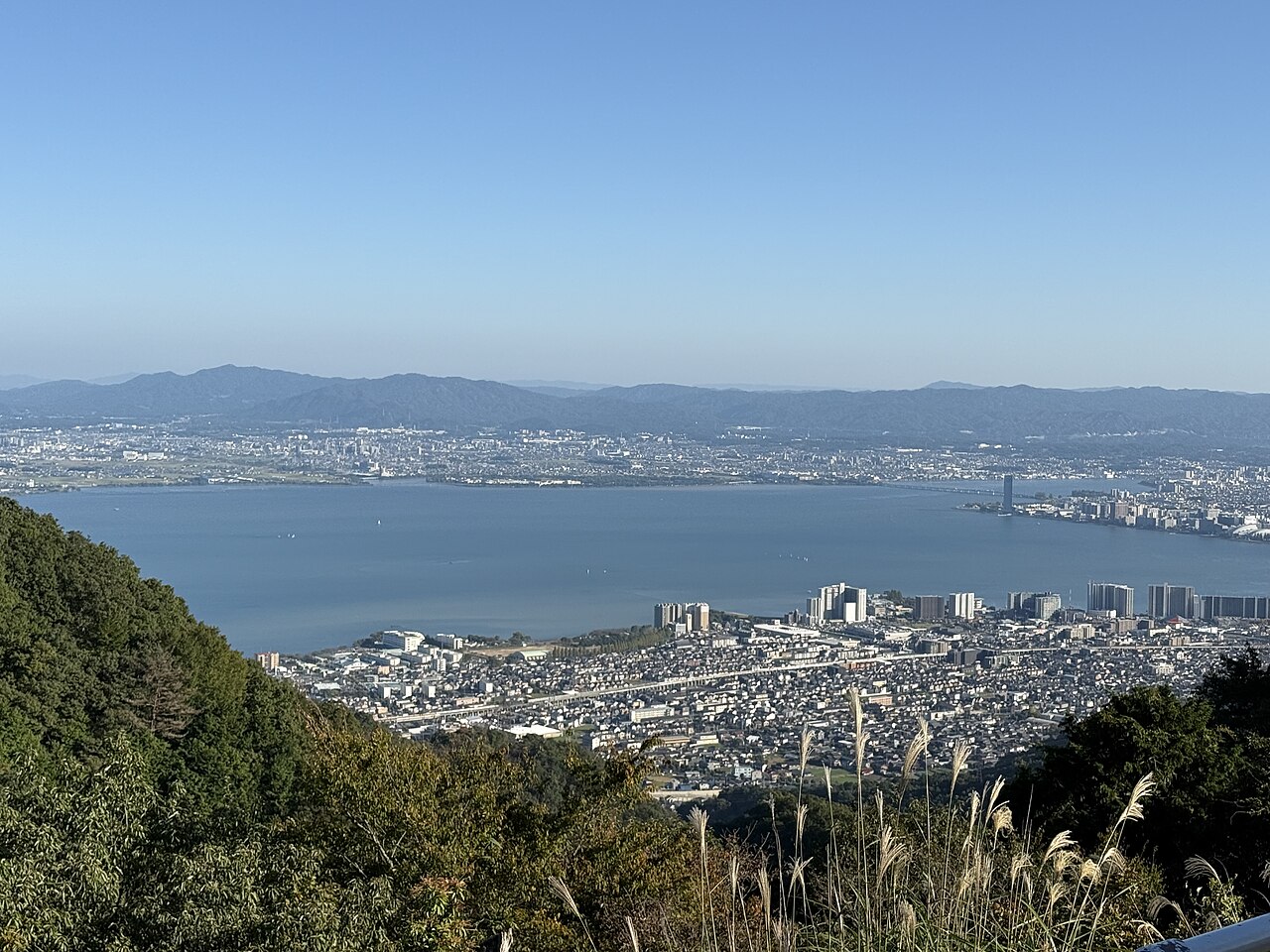
Shiga Prefecture occupies the old province of Omi (近江), the land wrapped around Lake Biwa — Japan’s largest freshwater lake — in the Kansai region. Higashi-Omi (“East Omi”) sits inland on the eastern side of the lake, where the plain gives way to the wooded foothills of the Suzuka Mountains that separate Omi from Ise. It is a watershed of beech, zelkova, and horse-chestnut forest, and that timber is the whole reason a woodturning culture took root here rather than anywhere else.
The tradition traces to the 9th century and to one figure in particular. Legend credits Prince Koretaka (惟喬親王), a son of Emperor Montoku who was passed over in the imperial succession and withdrew into the Ogura Valley, with devising the foot-powered rokuro lathe. The twin hamlets that grew around this story — Hirutani (蛭谷) and Kimigahata (君ヶ畑), deep in the mountains where the turners lived to stay near the timber — became the spiritual center of the entire craft. (This founding role is traditionally believed rather than documented in the modern sense.)
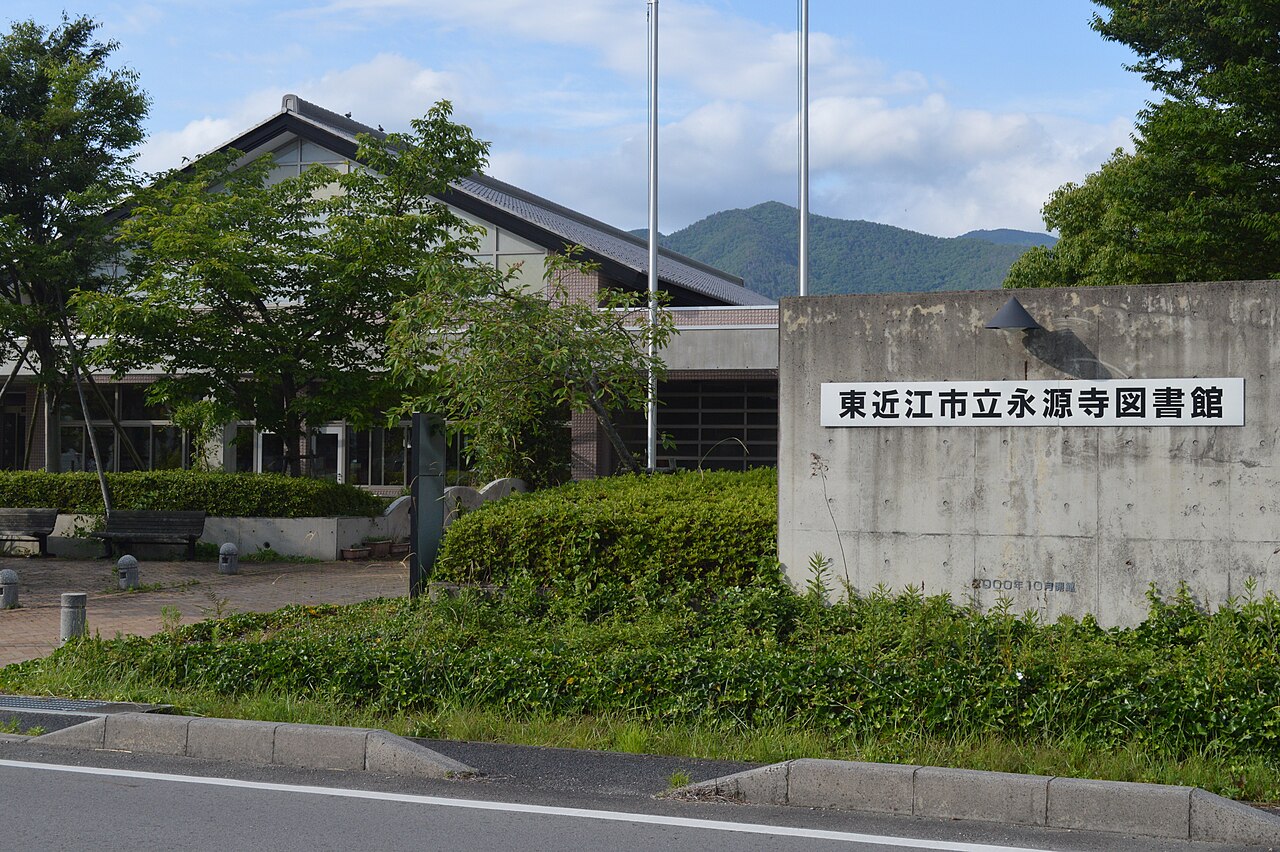
From this valley the kijishi organized into a nationwide guild with real institutional power. The Ohkimisukijiso and Tsutsui shrines in the Ogura Valley became the guild’s head, and the guild conducted the ujiko-gari — a census of woodturners across the whole country — granting member turners the right to fell timber on the mountains and to travel freely between provinces. That mobility is the key fact: kijishi were licensed to wander wherever the wood was.
- 9th century — Prince Koretaka withdraws into the Ogura Valley; traditionally credited with devising the foot-powered rokuro lathe.
- Heian–Kamakura era — The Ohkimisukijiso and Tsutsui shrines become the spiritual head of the nationwide kijishi guild.
- Medieval period — The guild runs the ujiko-gari census, granting turners timber-felling and free-travel rights across the provinces.
- 15th–16th century — Kijishi migrating out of Omi seed the turning traditions of Yamanaka (Ishikawa), Wajima, and Kiso.
- 17th century — Under the Ii clan at Hikone, Omi’s craft villages supply turned wood and lacquer bases to workshops across Hokuriku and Kansai.
- Today — The Ogura Valley is still honored as the cradle of the kijishi; bare turned bowls remain the base form behind regional lacquerware.
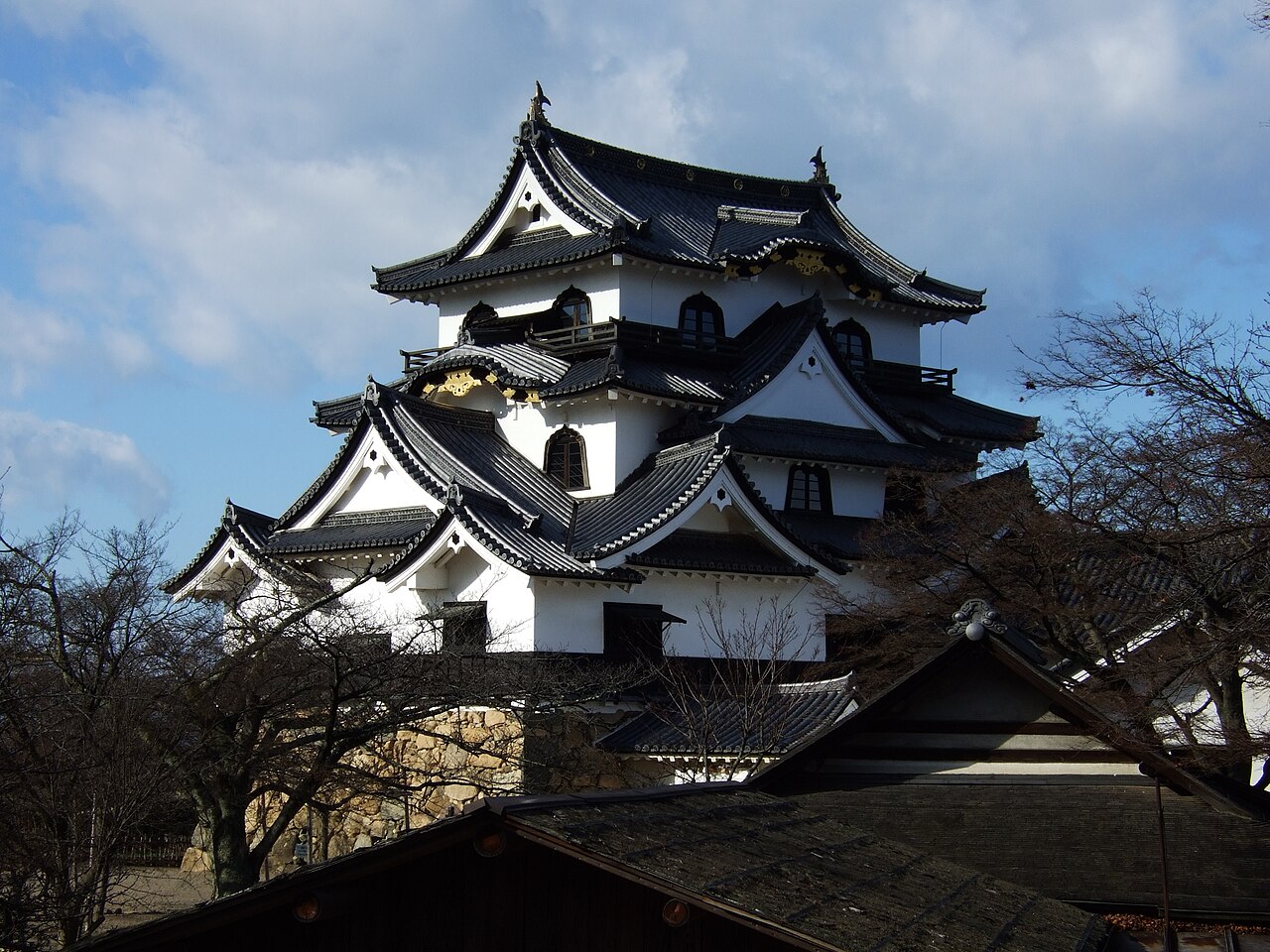
The migration is the part that matters for anyone comparing Japanese woodturned tableware today. Kijishi leaving Omi carried their lathes and their knowledge into other mountains, and those settlements became the woodturning cores of Yamanaka in Ishikawa, of Wajima on the Noto Peninsula, and of Kiso in the central highlands — districts now world-famous for lacquerware. The lacquer is the downstream finish; the turned wooden base underneath it is the part Omi taught Japan to make.
“The kijishi did not stay home. Licensed to fell timber and travel freely, they spread the lathe across Japan — so a great deal of the country’s finest lacquerware sits on a wooden base whose technique traces back to a single Omi valley.”
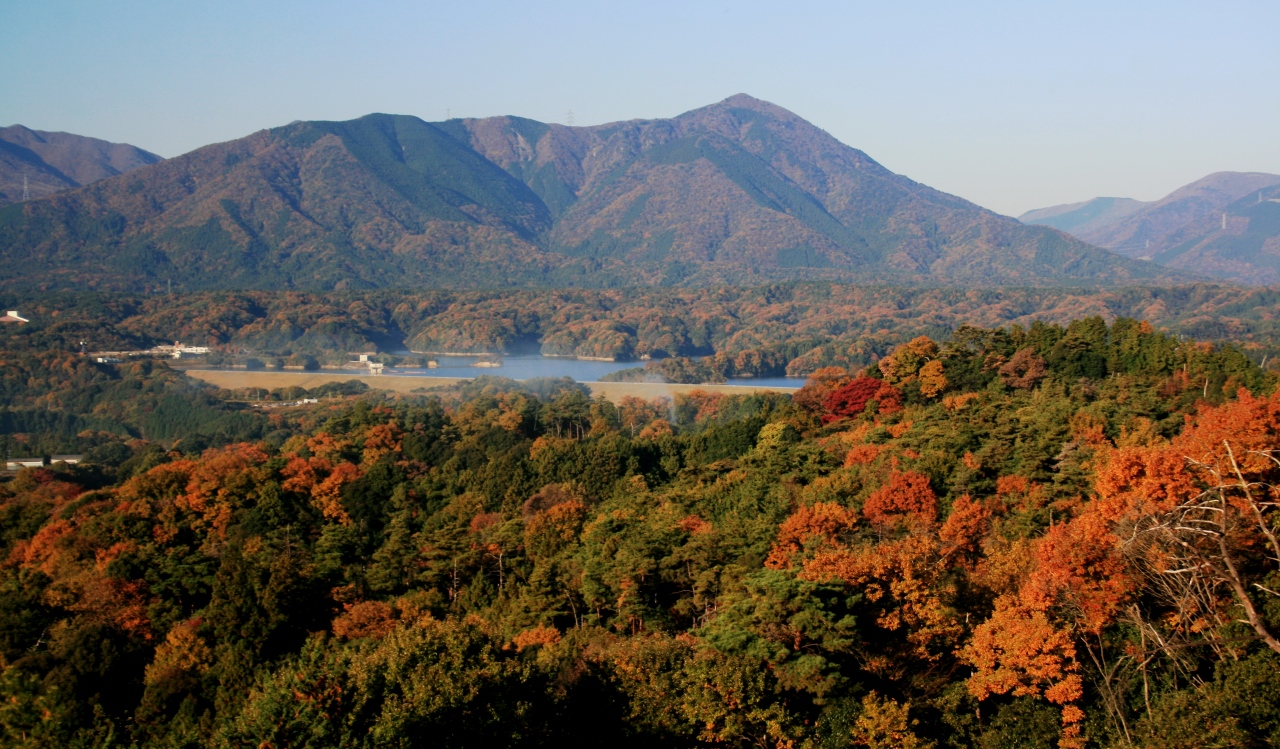
The wood itself is local logic. Turners here worked tochi (horse chestnut), keyaki (zelkova), and buna (beech) drawn from the Suzuka range and the Lake Biwa watershed, and they prized tochi in particular for a lustrous, lightweight grain that makes a comfortable, easy-to-hold bowl. Left bare, as Omi kijishi tochi bowls typically are, the wood shows exactly the figure the turner chose to bring out — there is no lacquer to cover a plain or a dramatic grain.
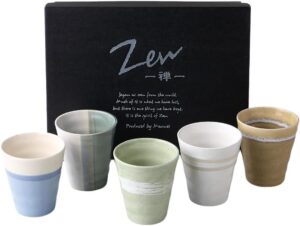
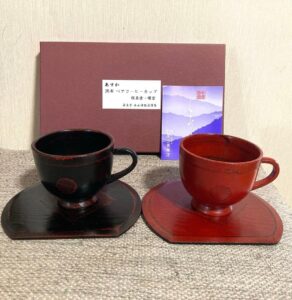
Related jpmono guides to woodturned and wooden Japanese tableware — many of them descend from the same kijishi lineage covered above.
Where to buy across stores
No current price was available in the material used for this guide. JPY (¥) is the usual reference currency for Japanese-market pieces; USD figures, where shown elsewhere, are approximate at a ¥150/USD baseline as of mid-2026. Confirm the current price with a retailer.
| Store | Item / Variant | Price | Notes |
|---|---|---|---|
| 🇺🇸 Amazon.com (US) | Browse Japanese woodturned & natural-wood bowls | varies (USD) | Best if you are shopping from the US — Prime shipping, USD pricing, no international customs. Amazon US carries Japanese wooden bowls and turned tableware from various makers; this specific Omi kijishi piece is sourced from Japan (next row). |
| 🇯🇵 Amazon JP Global Store | Omi kijishi tochi bowl | Check the current price | This Japan-based store option ships internationally from Japan to most major destinations. No current price is quoted here. |
| Maker direct | Higashi-Omi / Ogura Valley kijishi workshops | Unconfirmed | Small mountain workshops; direct retail availability and overseas shipping are not confirmed in the data. |
| Proxy services (Buyee / Tenso) | Forward from Japanese retailers | Item price + forwarding fee | Useful if a seller does not ship to your country directly. Adds a service fee and a second shipping leg; expect roughly $15–$40 to the US/EU plus possible customs duties. |
What it does well
Weaknesses and things to verify before buying
- Product details are limited. Confirm that the bowl suits your intended use before buying.
- Bare wood needs care. An unlacquered bowl generally should be hand-washed, dried promptly, and is not a candidate for the dishwasher, microwave, or prolonged soaking. Follow the seller’s care guidance.
- No sealed surface. If you expect the glossy, water-resistant feel of finished lacquerware, bare tochi will feel different — more matte and absorbent.
- No current price is quoted here. Confirm the current price and availability with the seller before buying.
- Natural variation. Grain, color, and figure vary piece to piece in bare wood; the item you receive may not match any reference photo exactly.
- International logistics. Buying from Japan means shipping time, possible customs duties above your local threshold, and — if the seller does not ship to you — a proxy-service fee.
Conclusion — which buyer type are you?
Other ways to approach this purchase
❓ Frequently Asked Questions
What is a kijishi, and why does Omi matter?
Kijishi (木地師) are woodturners who shape solid timber into bowls and cups on a lathe. The Ogura Valley in Higashi-Omi, Shiga, is traditionally revered as the birthplace of the craft, and turners migrating out of Omi seeded the woodturning traditions of Yamanaka, Wajima, and Kiso.
Is this bowl lacquered?
No. It is described as urushi-free — bare natural tochi (horse-chestnut) wood with the grain left visible, rather than coated with Japanese lacquer.
How do I care for a bare wooden bowl?
Bare wood generally should be hand-washed, dried promptly, and kept out of the dishwasher and microwave, avoiding prolonged soaking. Periodic light oiling is common. Always follow the maker’s specific care guidance.
Does it ship outside Japan?
Omi kijishi tochi bowls are commonly exported via the Amazon JP Global Store and through specialty Japanese woodware retailers, both of which ship internationally to most major destinations. If a particular seller does not ship to your country, a proxy service such as Buyee or Tenso can forward it for a fee.
What does it cost?
No current price was available in the material used for this guide, and prices and stock fluctuate. Check the current price with a retailer; JPY is the usual reference currency, and any USD figure is an estimate at roughly ¥150/USD.
How is tochi different from the wood in Yamanaka or Wajima pieces?
Omi turners worked tochi (horse chestnut), keyaki (zelkova), and buna (beech) from the Suzuka range and Lake Biwa watershed, prizing tochi for a lustrous, lightweight grain in bowls. Yamanaka and Wajima pieces are typically finished with lacquer over a turned base; this Omi bowl leaves the wood bare.
Will the bowl I receive look exactly like the photo?
Not necessarily. Bare wood varies in grain, color, and figure from piece to piece, so the bowl you receive may differ from reference photographs. This is normal for natural, unlacquered woodware.
jpmono.com is curated by a Japan-based editorial team (working out of Toyama in the Hokuriku region and Nara in Kansai) and is independent. We do not take payment from the makers we feature; income comes from affiliate links. We do not physically test every product — we read maker specifications and craft references.
This article was prepared with AI assistance and reviewed against the maker tradition and craft references. Specifications and prices not confirmed in those sources are marked as unconfirmed rather than guessed.
Affiliate disclosure: jpmono.com may earn a commission on qualifying purchases made through links on this page, at no additional cost to you.