![Shinshu Uchihamono Hand-Forged Garden Sickle: Where to Buy [2026]](https://jpmono.com/wp-content/uploads/2026/06/shinshu-uchihamono-hand-forged-garden-sickle-where-to-buy-2026-featured.jpg)
A Shinshu Uchihamono (信州打刃物, “Shinshu forged blades”) garden sickle is a working tool with an unusually long memory. The craft is centered on the Sai River basin of northern Nagano Prefecture — the Shinshu Shinmachi area of present-day Nagano City — and its lineage runs back to the swordsmiths and armorers who followed the armies during the Kawanakajima campaigns of the mid-16th century. When the fighting ended, those metalworkers stayed, and they turned their craft from weapons toward the things farmers and foresters actually needed: sickles, hatchets, billhooks, and knives.
What sets these blades apart is the forging method. They are made by free-hand hizukuri (火造り) shaping — the smith draws each blade out by hand and hammer, without dies or press molds. The result is a sickle (kama, 鎌) that is exceptionally thin yet hard, the kind of edge that earned “Shinshu kama” a reputation among farmers across Japan. Shinshu Uchihamono carries a METI (Ministry of Economy, Trade and Industry) traditional-craft designation, awarded in 1982.
This guide is written for international readers weighing a hand-forged Japanese garden sickle: gardeners, smallholders, foragers, and tool collectors who want to understand what the object is, where it comes from, how to buy it from outside Japan, and where it sits relative to other Japanese forged-blade traditions. We cover the maker context, the spec picture as published, the honest weaknesses, and the buying paths — US first, Japan second.
📅 Published:
🔄 Updated:
⏱️ Read time: ~10 min

- Who this is for — and who should skip it
- Product overview (from published specs)
- Where this comes from — place, era, and the craft tradition
- 📦 Shipping & where to buy from outside Japan
- Price snapshot across stores
- What it does well
- Weaknesses and things to verify before buying
- Conclusion — which buyer type are you?
- Other ways to approach this purchase
- 🏆 Editor’s Pick
- ❓ Frequently Asked Questions
Who this is for — and who should skip it
- Want a hand-forged, single-bevel sickle for weeding, grass-cutting, and light brush work
- Appreciate thin, hard high-carbon steel and are willing to keep it dry and lightly oiled
- Value documented regional provenance over mass-produced garden tools
- Are comfortable sharpening on a whetstone rather than buying a replaceable blade
- Want a tool with a verifiable craft lineage as a working object or a gift
- Want a maintenance-free stainless tool you can leave outside
- Need heavy chopping power — a sickle is not a hatchet or a nata
- Expect a left-handed grind (single-bevel blades are typically right-handed)
- Are unwilling to hand-sharpen or to dry the blade after every use
- Need a guaranteed in-stock item with fixed pricing today (this is a small-batch forged good)
Product overview (from published specs)
The dataset captured for this article was thin: the product-fetch returned only the search keyword, with no live price or structured spec table at the time of writing. The values below are drawn from the listing snapshot and the craft’s published characteristics; treat all figures as directional, and confirm details on the live listing before purchase.
| Attribute | As published / as characteristic of the craft |
|---|---|
| Item type | Garden / grass sickle (kusakari-gama, 草刈鎌) |
| Craft | Shinshu Uchihamono (METI-designated forged blades, 1982) |
| Forging | Free-hand hizukuri (no dies / no press molds) |
| Blade steel | High-carbon steel (hagane); thin profile, hard edge |
| Bevel | Single-bevel (typically right-handed) |
| Handle | Wood — confirm species and length on the listing |
| Origin | Sai River basin, northern Nagano (Shinshu Shinmachi area, Nagano City) |
| Item ID (ASIN) | B0B34DFS74 |
Sources: Amazon US search (primary, moonill-20) + Amazon JP Global Store (secondary, moonill-22, sourced listing) + maker direct where available. Only a listing snapshot was available at the time of writing; live pricing and exact dimensions may have shifted since.
📖 Glossary — key terms
- Uchihamono (打刃物) — “struck/forged blades”; edged tools shaped by hammer-forging rather than stamping.
- Hizukuri (火造り) — free-hand “fire shaping”; drawing out the hot blade by hand and hammer, with no dies or press molds.
- Kama (鎌) — sickle; kusakari-gama (草刈鎌) is the grass-cutting / weeding sickle covered here.
- Hagane (鋼) — high-carbon steel; takes a very hard, keen edge but can rust if left wet.
- Single-bevel — ground on one face only; common in Japanese edged tools, usually configured for right-handed use.
- Shinshu (信州) — the historical name for Nagano Prefecture (from Shinano Province).
- METI designation — Japan’s government recognition of a Traditional Craft (Dentō Kōgeihin); Shinshu Uchihamono received it in 1982.
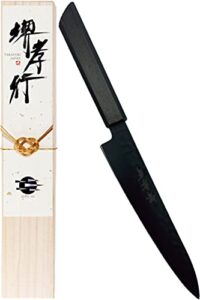
Related jpmono guides — same prefecture, the forged-blade cluster, and adjacent Japanese edged tools:
Where this comes from — place, era, and the craft tradition

Nagano is the large, mountainous prefecture at the spine of central Honshū — Shinshu, in its older name. It is landlocked, ringed by the Japanese Alps, and laced with fast cold rivers running off the high country. The Sai River basin of the north, around the Shinshu Shinmachi area of present-day Nagano City, is where this forging tradition concentrated: a place with water power, charcoal from the surrounding forests, and a steady local demand for farm and forestry edge tools.
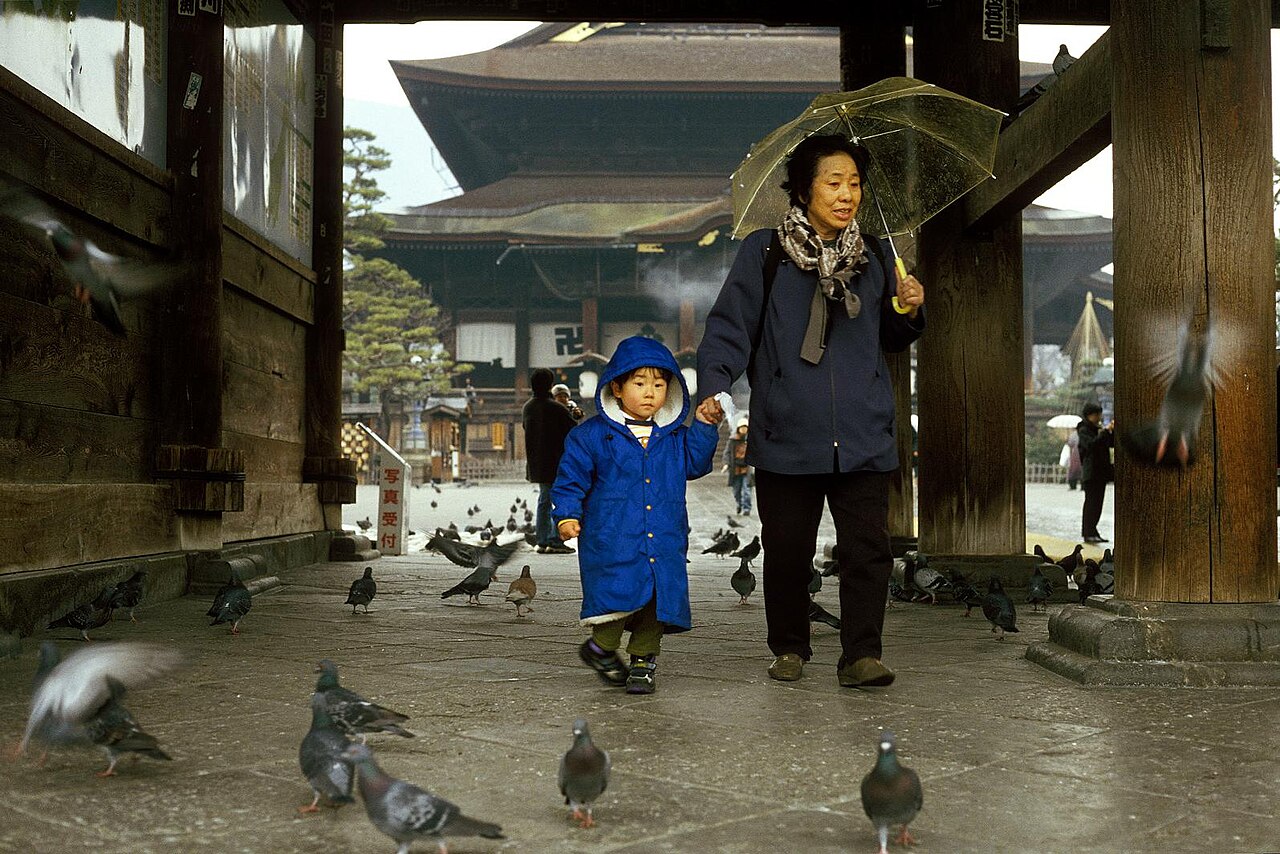
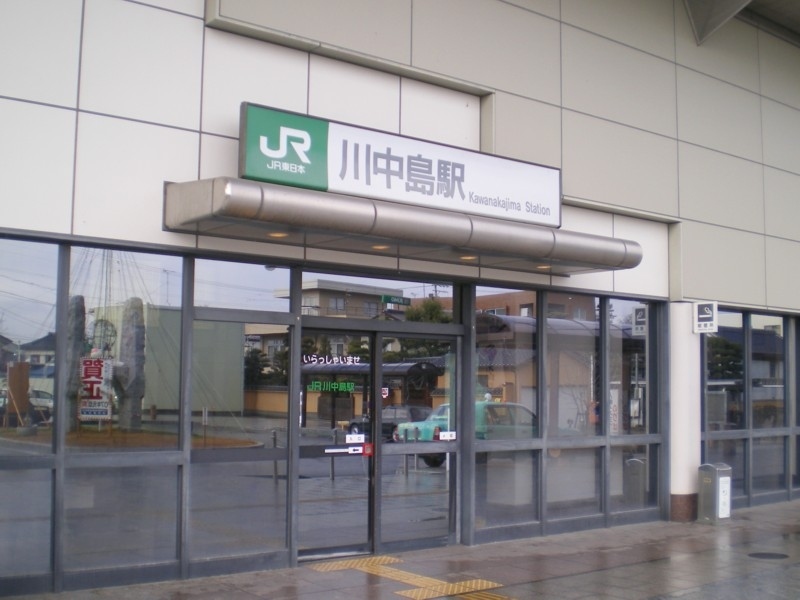
The historical anchor here is the Sengoku period — Japan’s age of warring states. Between 1553 and 1564, the plain of Kawanakajima, where the Sai and Chikuma rivers meet near present-day Nagano City, was the battleground for a series of campaigns between two of the era’s most famous warlords: Uesugi Kenshin of Echigo and Takeda Shingen of Kai. Armies of that scale traveled with armorers and swordsmiths to keep weapons and armor in repair.
When the wars subsided, many of those metalworkers settled in the region rather than moving on. With no armies left to arm, they redirected the same forging skills — drawing and hardening high-carbon steel by hand — toward the tools a mountain farming economy ran on: sickles for grass and rice, hatchets and billhooks for the forests, and knives for the home. The single-bevel grind and the thin, hard edge that had distinguished Shinshu blades were exactly the qualities that made a Shinshu kama cut cleanly and stay keen.
- 1553–1564 — The Kawanakajima campaigns between Uesugi Kenshin and Takeda Shingen draw armorers and swordsmiths to the Sai/Chikuma river plain.
- After 1564 — With the wars over, metalworkers settle along the Sai River basin in northern Shinshu.
- Edo period — Forging skills are converted to farm and forestry tools: sickles, hatchets, billhooks, knives.
- 19th century — “Shinshu kama” — thin, light, sharp — become prized by farmers nationwide.
- 1982 — Shinshu Uchihamono receives METI traditional-craft designation.
- 2026 — Blades are still drawn out by free-hand hizukuri forging, without dies.
“The hands that once kept warlords’ armies in armor turned, after the wars, to the quieter work of keeping a farmer’s grass cut — the same steel, the same hammer, a different purpose.”
Continuity is the point. The free-hand hizukuri method has not been swapped for stamping or die-pressing; a smith still draws each blade out individually, which is why two Shinshu sickles are never perfectly identical and why the steel can be run thin without going brittle. The 1982 METI designation formalized what the district had been doing for centuries, and the workshops that remain in the Sai River area continue to make sickles, billhooks, and knives the same way.
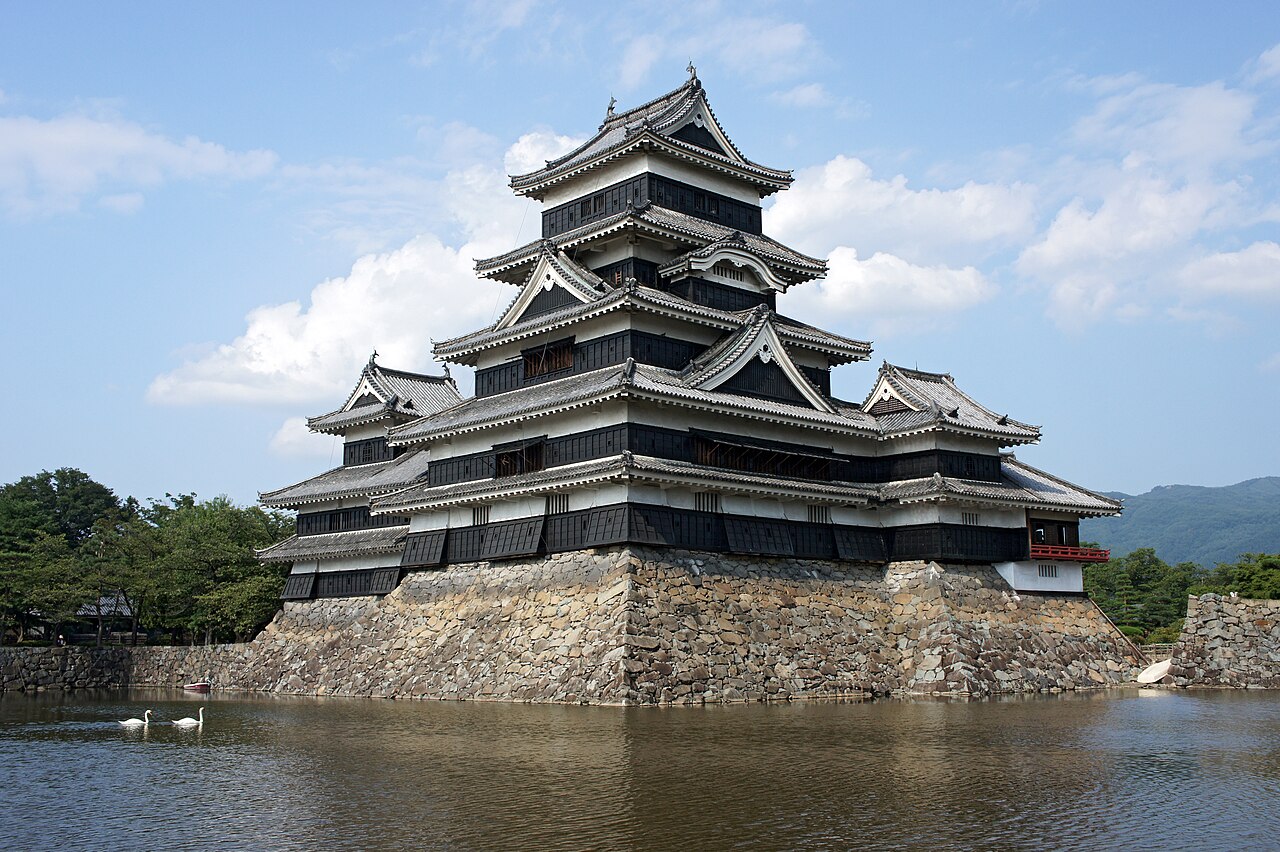
A sickle is a tool of the growing season. In Shinshu’s mountain valleys, the kusakari-gama belongs to the warm months — clearing summer grass from field edges and paths, weeding around plantings, cutting back undergrowth at the forest margin. The thin, single-bevel edge slices rather than tears, which is why gardeners who learn to use one rarely go back to a heavier all-purpose blade.
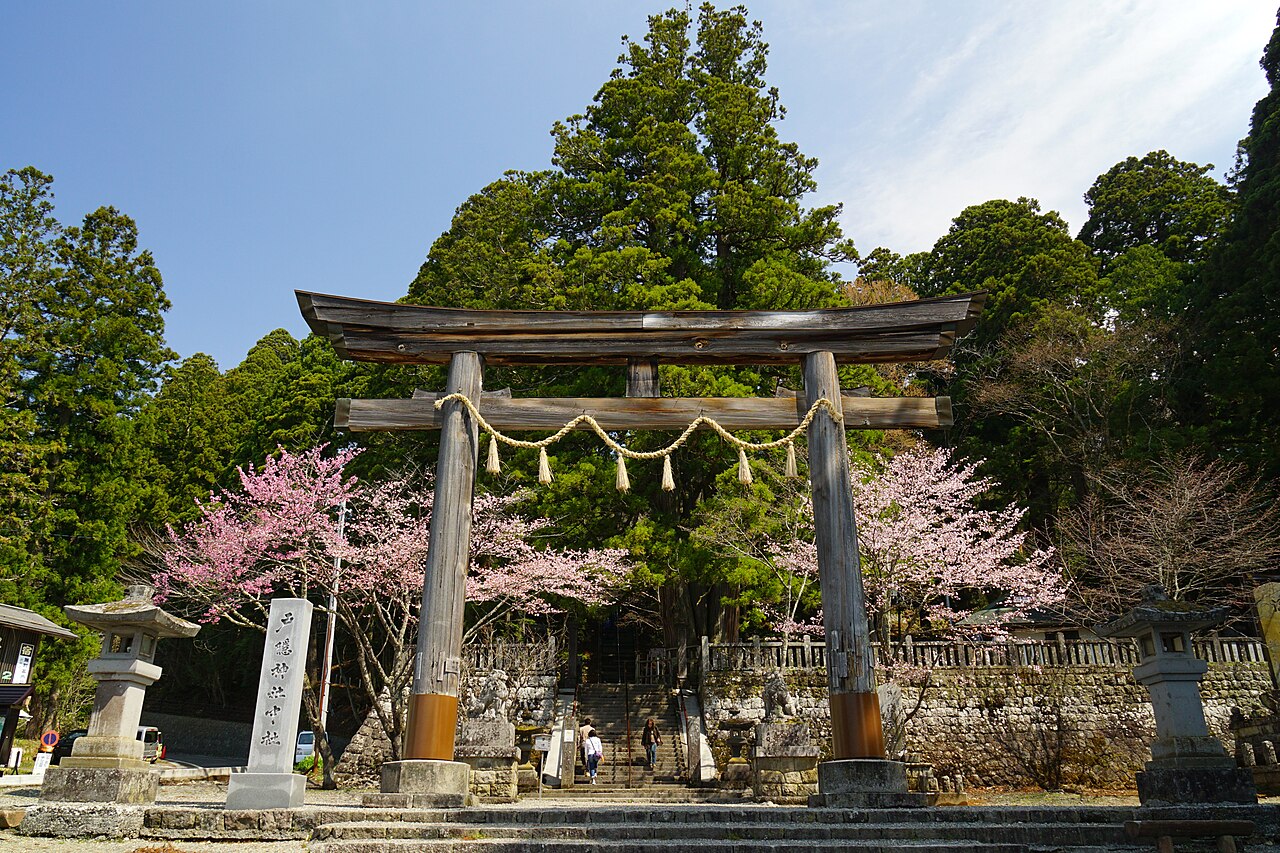
📦 Shipping & where to buy from outside Japan
For most international readers, the practical question is not “is it good” but “can I get one.” There are two reliable routes, and this guide leads with the one that is easiest for US, EU, and Australian shoppers.
Easiest path if you are shopping from the US: Prime shipping, USD pricing, and no international customs to manage. Amazon US carries Japanese garden sickles, hori-hori knives, and forged hand tools from various makers — useful for comparing blade lengths and price tiers. The exact Shinshu piece is sourced from Japan (see next).
Where the specific item in this guide is sourced. Amazon JP Global Store ships many household and garden items internationally to most major destinations. Expect roughly $15–$40 in shipping to the US or EU, with delivery typically in one to two weeks.
A high-carbon steel garden sickle is generally an unrestricted household/garden tool for postal export, but blade items can occasionally trigger carrier or destination rules — confirm at checkout. Orders above your country’s de minimis threshold may incur customs duty or VAT on arrival; that is charged by your local authority, not the seller. Maker direct and proxy services (Buyee / Tenso) are fallback routes if the Global Store does not ship to your address.
Price snapshot across stores
Only a listing snapshot was available at the time of writing; live pricing was unavailable in the fetched data. JPY (¥) is the authoritative price for the specific item; USD figures, where shown, are approximate at a ¥150/USD baseline as of mid-2026. Always verify on the live listing before buying.
| Store | Item / Variant | Price | Notes |
|---|---|---|---|
| 🇺🇸 Amazon US (search) | Browse Japanese garden sickles & forged hand tools | varies (USD) | Best if you are shopping from the US — Prime shipping, USD pricing, no international customs. Amazon US carries Japanese sickles and forged garden tools from several makers for comparison; the exact Shinshu piece is sourced from Japan (next row). |
| 🇯🇵 Amazon JP Global Store | Shinshu Uchihamono hand-forged sickle (ASIN B0B34DFS74) | Price unavailable at time of writing — check listing | Ships internationally from Japan. This is the sourced listing for the specific item in this guide. |
| Maker direct | Shinshu Uchihamono workshops (Sai River basin) | varies | Some workshops sell direct domestically; international shipping is not guaranteed. Best for specific grinds or handle options. |
| Proxy services (Buyee / Tenso) | Forwards JP-only listings abroad | item + fee + forwarding | Use when a listing does not ship to your country directly. Adds a service fee and a second shipping leg. |
What it does well
Free-hand hizukuri lets the smith run the steel thin without making it brittle — a keen, slicing edge rather than a wedge that tears.
The thin Shinshu profile keeps the sickle light in the hand for repeated weeding and grass strokes, reducing fatigue over a long session.
High-carbon steel takes and holds a whetstone edge; with basic care, a forged sickle is a multi-decade tool, not a disposable.
A METI-designated craft with a traceable lineage from Sengoku swordsmiths — meaningful as a working tool and as a gift.
Weaknesses and things to verify before buying
- It will rust if neglected. High-carbon steel needs drying after use and a light oil film for storage. This is not a leave-it-in-the-rain stainless tool.
- Single-bevel is usually right-handed. Left-handed users should confirm the grind before buying; a right-bevel sickle does not perform the same in the left hand.
- Not a chopping tool. A kusakari-gama is for grass, weeds, and light brush. For limbs and thick stems you want a nata or hatchet — see the Miyakonojo nata link above.
- Sharpening skill required. Getting full value means learning to maintain the edge on a whetstone; if you will not, the appeal drops sharply.
- Spec and price data were thin. The fetched dataset returned only the keyword — no live price or confirmed dimensions. Verify blade length, handle length/species, and total weight on the live listing.
- Small-batch availability. Hand-forged goods can go out of stock or vary unit-to-unit; the exact item may not always be listed.
Conclusion — which buyer type are you?
You want the genuine METI-designated, hand-forged Shinshu piece and will maintain it. Buy the sourced item from Amazon JP Global Store.
You want a good Japanese garden sickle with Prime convenience. Browse Amazon US and compare a few forged makers before deciding.
You weed occasionally and do not want to sharpen. A stainless serrated garden sickle costs less and tolerates neglect — this craft tier is not for you.
You need heavy chopping, a left-handed grind you cannot confirm, or a zero-maintenance tool. Look at a nata or a stainless alternative instead.
Other ways to approach this purchase
Amazon JP runs periodic sale events; if you are not in a rush, watch the listing and the Global Store promotions.
For a specific grind, handle length, or left-hand request, a Sai River workshop may accommodate it — though international shipping is not guaranteed.
If you already hold Amazon balance or card rewards, applying them offsets the international shipping component on the JP order.
If you will not dry and oil a carbon-steel blade, a stainless garden sickle is the honest choice — no shame in matching the tool to the habit.
🏆 Editor’s Pick
❓ Frequently Asked Questions
Does Amazon JP ship a Shinshu Uchihamono sickle internationally?
Many garden and household tools sell through the Amazon JP Global Store, which ships to most major destinations. A carbon-steel garden sickle is generally an unrestricted item, but blade goods can occasionally trigger carrier rules — confirm shipping eligibility to your address at checkout. If it does not ship directly, a proxy service like Buyee or Tenso can forward it.
How do I keep the carbon-steel blade from rusting?
Wipe it dry after every use and store it with a thin film of oil (camellia oil or any food-safe mineral oil). Carbon steel takes a keener edge than stainless but will spot-rust if left wet. With that simple routine, a forged sickle lasts for decades.
Is it suitable for left-handed users?
Single-bevel Japanese blades are usually ground for right-handed use. Left-handed users should confirm the grind on the listing or with the maker before buying, since a right-bevel sickle does not perform the same in the left hand.
What is the difference between a sickle and a nata?
A kusakari-gama (sickle) is a thin, curved blade for cutting grass, weeds, and light brush with a slicing stroke. A nata is a heavier, straight billhook-style blade for chopping branches and splitting kindling. For thick stems and limbs, choose the nata — see the Miyakonojo nata guide linked above.
Why does the article lead with an Amazon US search instead of the exact item?
For most US, EU, and Australian readers, Amazon US is the simplest path — Prime shipping, USD pricing, and no customs to manage — and it carries comparable Japanese forged garden tools. The exact Shinshu piece is sourced from Japan, so the Amazon JP Global Store link is given as the secondary, item-specific path.
Is this a good gift?
For a gardener or tool enthusiast who appreciates craft, yes — a hand-forged, METI-designated sickle with a Sengoku-era lineage is a memorable working gift. For someone who wants zero maintenance, a stainless tool is kinder. Pair it with a small whetstone and a bottle of camellia oil if you are giving it.
jpmono.com is curated by a Japan-based editorial team (working out of Toyama in the Hokuriku region and Nara in Kansai) and is independent. We do not take payment from the makers we feature; income comes from affiliate links. We read maker specs and source listings rather than physically testing every product.
🤖 This article was prepared with AI assistance and reviewed against the available product data and source notes. Specifications and pricing reflect the data available at the time of writing and should be verified on the retailer’s listing before purchase.
Affiliate disclosure: jpmono.com may earn a commission on qualifying purchases made through links on this page, at no additional cost to you.