![Tsubame Tsuiki Hammered Copper Mug: Where to Buy Gyokusendo-Style Drinkware [2026]](https://jpmono.com/wp-content/uploads/2026/05/japan-map-regions-and-prefectures-800x1050.png)
A tsuiki (鎚起, “raised by hammer”) copper mug begins as a single flat disc of copper. No casting, no seams, no soldered handle joints on the body — a smith places the sheet against an iron stake and drives it into a vessel with thousands of overlapping hammer blows. The faceted dimples you see on the finished cup are not decoration applied at the end; they are the record of how the wall was thinned and shaped. This is the metalwork tradition of Tsubame, a small city on the Echigo plain of Niigata Prefecture, and Gyokusendo (玉川堂, founded 1816) is its most recognized house.
What makes the form notable internationally is the combination of physics and patina. Copper conducts heat fast, so a chilled drink reads cold to the lip almost immediately, and the metal carries a deliberate fired patina — yaki-iro (焼色, “fired color”) — ranging from rose to deep brown rather than a bright factory polish. The same Tsubame-Sanjo metal cluster that raises these cups by hand later became the source of most of Japan’s stainless flatware, so the hand-hammered copper mug and the mass-produced cutlery set are two faces of one town, not a coincidence.
This guide is written from a Japan-based editor’s perspective for international readers deciding whether a tsuiki copper mug is worth its premium. We cover what the hammering actually buys you, how the patina behaves over time, the gap between authentic single-sheet pieces and lighter “Tsubame-Sanjo copper” mass-market mugs, and where to buy from outside Japan. Where the data is thin, we say so.
🔄 Last updated: June 14, 2026
⏱️ Read time: ~11 min
- Who this is for — and who should skip it
- Product overview (from published specs)
- 📍 Where this comes from — place, era, and the craft tradition
- How does it compare?
- Where to buy
- What it does well
- Weaknesses and things to verify before buying
- Conclusion — which buyer type are you?
- Other ways to approach this purchase
- ❓ Frequently Asked Questions
Who this is for — and who should skip it
- Want a cold drink to read cold fast — copper’s high thermal conductivity is the whole point.
- Value a hand-raised, single-sheet object and can see the hammer facets as craft, not flaw.
- Are comfortable with a living patina (yaki-iro) that shifts from rose to brown over years.
- Already own related Tsubame-Sanjo metalwork and want a matching regional story.
- Treat it as a lifetime keep-and-repair object rather than a disposable cup.
- Want a dishwasher-safe, set-and-forget mug — copper needs hand washing and occasional care.
- Expect a permanently mirror-bright finish; oxidation and fingerprints are part of the metal.
- Plan to drink hot coffee or tea casually — bare copper transfers heat to the lip and hand quickly.
- Are price-sensitive — authentic single-sheet tsuiki is a premium, largely Japan-sold item.
- Cannot verify the piece is solid hammered copper rather than a thin “Tsubame-Sanjo copper” mass-market cup.
Product overview (from published specs)
Tsubame tsuiki mugs can vary in material details and capacity. Confirm those points with the maker before purchase.
| Attribute | Detail | Source |
|---|---|---|
| Object | Tsuiki hammered copper mug / tumbler, raised from a single sheet | Maker tradition |
| Material | Copper (look for solid copper, not plated) | Maker tradition |
| Technique | Tsuiki — raising by hammer against iron stakes; fired patina (yaki-iro) | Maker tradition |
| Origin | Tsubame, Niigata Prefecture (Chūbu region); Gyokusendo is the flagship house | data_notes |
| Capacity / dimensions | Not specified | — |
| Price | Not specified | — |
📖 Glossary — key terms
- Tsuiki (鎚起) — “raising by hammer.” The technique of forming a hollow vessel from one flat sheet of metal by hammering it against iron stakes, work-hardening and thinning the wall as it rises.
- Yaki-iro (焼色) — “fired color.” A deliberate heat-and-chemical patina applied to copper, producing tones from rose to deep brown rather than a bright polish.
- Wadō (和銅) — native copper; here, the local copper deposits that supplied Tsubame’s early metal trades.
- Tsubame-Sanjo — the twin towns of Tsubame and Sanjo in Niigata, collectively Japan’s best-known metalworking district.
- Shokunin (職人) — a skilled trade craftsman; the master-apprentice line that carries a technique like tsuiki forward.
- Important Intangible Cultural craft — a Japanese designation recognizing a craft technique itself (not just an object) as worth preserving.
📍 Where this comes from — place, era, and the craft tradition

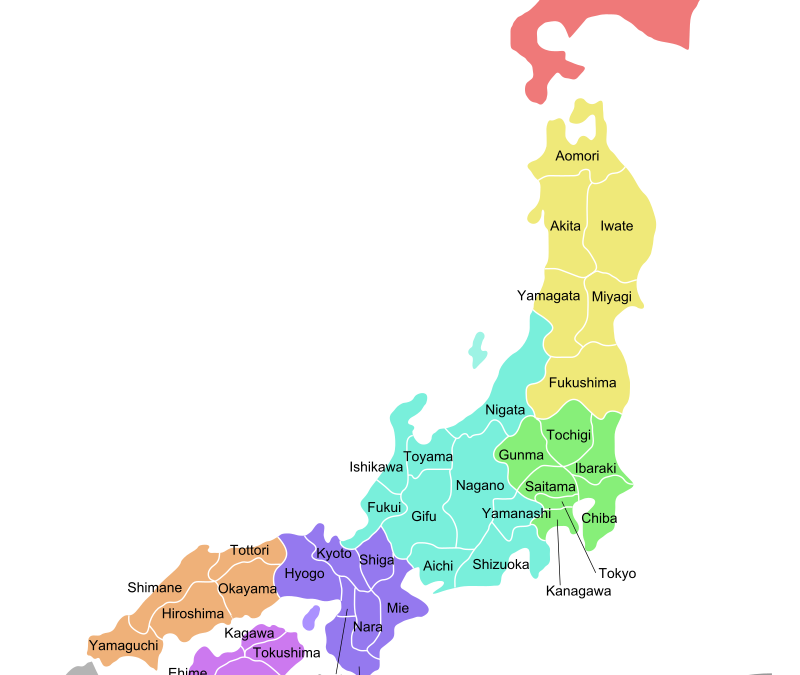
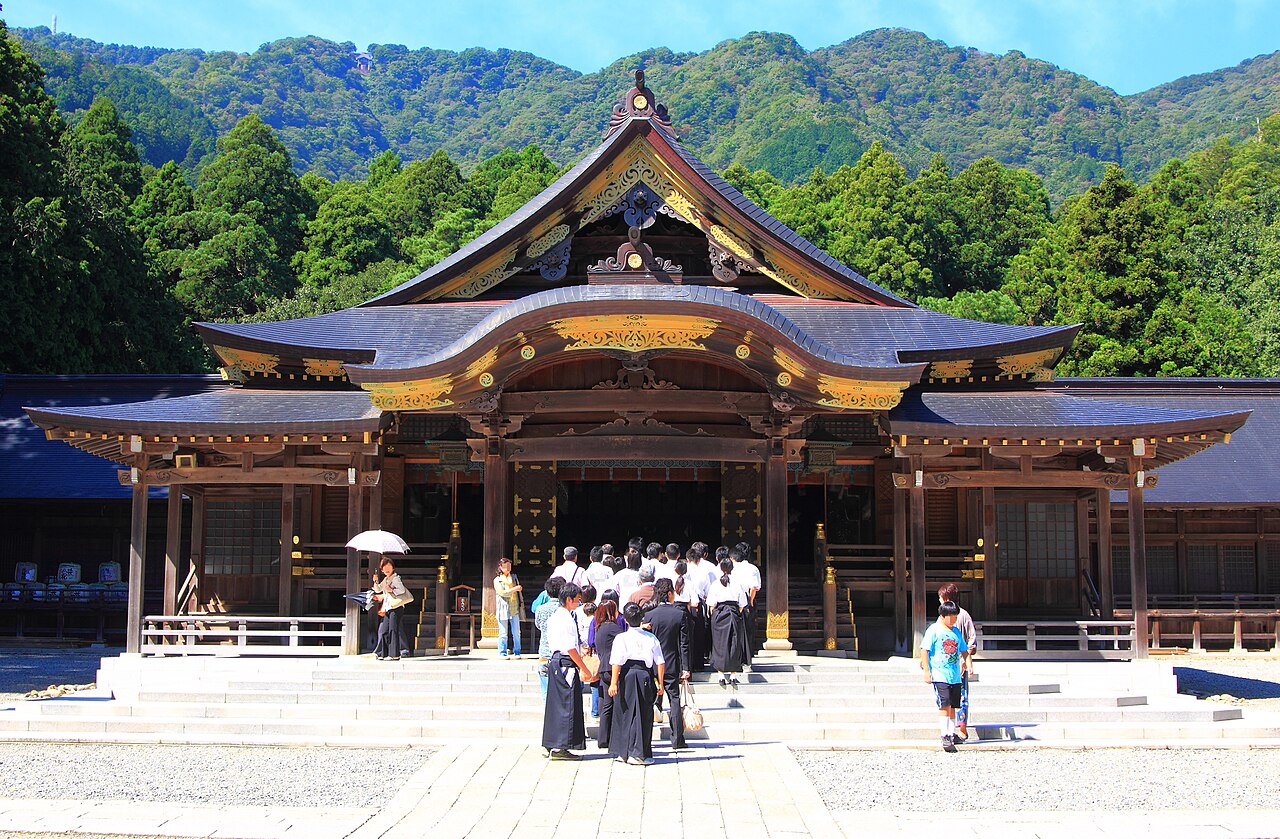
Tsubame sits on the Echigo plain in central Niigata Prefecture, on the Sea of Japan side of the Chūbu region. Mount Yahiko rises to the west, and the Shinano River — Japan’s longest — runs through the lowland that the town shares with neighboring Sanjo. Two facts of geography seeded the metalwork: nearby copper deposits (wadō) supplied raw material, and the river gave the district a route to move both ore and finished goods toward wider markets. A flat, well-watered plain with metal in the ground and a trade artery running through it is the kind of place where a metalworking economy can take root and stay.

The town became a metalworking center in the Edo period. According to the regional account, a traveling craftsman from Sendai is credited with introducing the tsuiki technique — raising a vessel from one flat sheet by hammering it against iron stakes. That single transfer of skill is the origin point for everything downstream: the hand-raised kettles, teapots, and mugs for which Tsubame copperware is now known. Gyokusendo, founded in 1816, became the canonical house carrying the technique, and tsuiki copperwork is recognized as an Important Intangible Cultural craft.
- Edo period (1603–1868) — Tsubame emerges as a metalworking town; nearby copper deposits (wadō) supply raw metal.
- Edo period — A traveling craftsman from Sendai introduces the tsuiki raising technique to the district.
- 1816 — Gyokusendo founded in Tsubame, becoming the canonical tsuiki copperwork house.
- Meiji era onward — The metal cluster diversifies into Western-style flatware production.
- 20th century — Tsubame-Sanjo becomes the source of most of Japan’s stainless cutlery.
- Present — Tsuiki copperwork recognized as an Important Intangible Cultural craft; pieces still raised by hand.
What “still being made here” means is concrete. The hammer-and-stake method behind a tsuiki mug is, in its essentials, the same one carried into the town in the Edo period and formalized at Gyokusendo from 1816 onward. A smith still starts with one flat disc and raises the wall through thousands of controlled blows, annealing the metal as it work-hardens. The faceted surface is not a finishing pass; it is the geometry of the raising itself.
“The dimples on a tsuiki mug are not a pattern someone chose. They are the fingerprints of how the cup was raised from a single sheet.”
There is a second chapter to the place that matters for buyers. The same metal-bashing skill base that raises copper by hand later pivoted into Western-style flatware, and Tsubame today supplies most of Japan’s stainless cutlery. That is why a hand-hammered copper mug and a mass-produced stainless flatware set can both carry the Tsubame-Sanjo name without contradiction — they are two faces of one town. For buyers, this creates a clear distinction between premium single-sheet tsuiki and lighter, machine-finished mugs made for the broader international market.

How does it compare?
Other Japanese metal and craft pieces we have covered — the closest neighbors in material, region, and use.
 Suwada Nail Nipper (Niigata blade)
 Oigen Nambu Tetsubin Kettle
Nambu Tekki Cast Iron Teapot
 Kuwana Cast Iron Skillet
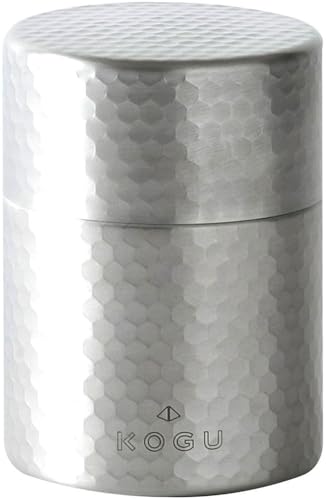 Kaikado Tin Tea Caddy
Sendai Tansu Iron Trivet
Where to buy
JPY (¥) is the authoritative price for the specific listed item; USD figures are approximate estimates at a ¥150/USD baseline (mid-2026). Live pricing was unavailable at the time of writing — verify before purchasing.
| Store | Item / Variant | Price (JPY + USD est.) | Notes |
|---|---|---|---|
| 🇺🇸 Amazon.com (US) | Browse Japanese copper drinkware | varies (USD) | Best if you’re shopping from the US — Prime shipping, USD pricing, no international customs. Amazon US carries copper and stainless drinkware from various makers, useful for comparing weight and finish tiers; the specific hand-hammered Tsubame piece is sourced from Japan (next row). |
| 🇯🇵 Amazon JP Global Store | Tsubame tsuiki copper mug | Varies by seller | Ships internationally from Japan to most major destinations. |
| Maker direct (Gyokusendo) | Single-sheet tsuiki copperware | Premium — varies by piece | Flagship house; authentic single-sheet work sits at the top of the price range. International shipping varies — confirm with the maker. |
| Proxy services (Buyee / Tenso) | Forward Japan-only orders abroad | Item price + forwarding fee | Useful when a piece is sold only on Japan-domestic shops. Adds a service fee and consolidated shipping; watch for customs duties at your local threshold. |
What it does well
Copper’s high conductivity means a chilled drink reads cold to the lip almost immediately — the trait that makes copper drinkware distinctive.
A single-sheet tsuiki piece is formed by hand against iron stakes, not cast or stamped. The facets are evidence of the method, not applied decoration.
The fired yaki-iro finish shifts over time from rose toward deep brown, so the cup ages rather than simply wears.
Tsuiki is recognized as an Important Intangible Cultural craft, and Gyokusendo (1816) anchors a continuous, documented Tsubame tradition.
Weaknesses and things to verify before buying
- Authenticity gap. “Tsubame-Sanjo copper” appears on mass-market mugs that are lighter and machine-finished. Confirm the piece is solid, single-sheet hammered copper, not a thin pressed cup riding the regional name.
- Care burden. Bare copper needs hand washing and is not dishwasher-safe; it will tarnish and show fingerprints. If you want a maintenance-free mug, this is the wrong object.
- Hot drinks transfer heat. Copper conducts heat in both directions — a hot beverage warms the wall and handle quickly. The form suits cold drinks better than casual hot use.
- Price and availability. Authentic tsuiki is premium and largely Japan-sold, so international buyers often pay more and wait longer, or route through a proxy service.
- Specifications vary. Confirm capacity and intended use before committing.
- Acidic contents. Prolonged contact between bare copper and acidic drinks is generally discouraged; check whether the specific piece has a tin or lacquer lining and follow the maker’s use guidance.
Conclusion — which buyer type are you?
You want a genuine single-sheet tsuiki piece and will pay for its hand-hammered construction. Seek a maker that clearly explains the single-sheet technique and treat the mug as a long-term object.
You like copper drinkware and want easy delivery. Browse Japanese copper mugs on Amazon US for USD pricing and Prime shipping, accepting that hand-raised tsuiki is a step above what you’ll find there.
If the look matters more than the method, a lighter “Tsubame-Sanjo copper” mug delivers the appearance cheaply — just know it is not hand-raised tsuiki.
If you want a dishwasher-safe mug for daily hot coffee with no upkeep, copper is the wrong material. Choose stainless or ceramic instead.
Other ways to approach this purchase
Copper drinkware on Amazon US sees seasonal discounting. If you are flexible on maker, watching for a sale can lower the entry price.
Older Tsubame copper turns up on Japanese secondhand marketplaces. Inspect for dents and lining wear; a proxy service can forward it abroad.
If you buy through Amazon JP Global Store, stack any card or marketplace points you already collect to offset international shipping.
If care and price outweigh the appeal, a good stainless or ceramic mug covers the daily-use case without the upkeep copper demands.
❓ Frequently Asked Questions
What is “tsuiki” and why does it matter?
Tsuiki (鎚起) means raising a vessel from a single flat sheet of metal by hammering it against iron stakes. It matters because the cup is formed entirely by hand and work-hardened in the process — the faceted surface is the record of that raising, not applied decoration.
Does Amazon JP Global Store ship a copper mug internationally?
When buying a copper mug internationally, confirm that the seller ships to your country and budget for shipping and customs duties.
How do I tell authentic tsuiki from a mass-market “Tsubame-Sanjo copper” mug?
Authentic single-sheet tsuiki is heavier, solid copper, and visibly hand-raised, and it sits at a premium price. Lighter, inexpensive mugs labeled “Tsubame-Sanjo copper” are usually machine-finished. Check weight, the maker name, and whether the seller states it is hand-raised from one sheet.
How do I care for a copper mug?
Hand wash and dry it; do not put it in a dishwasher. The fired patina (yaki-iro) is meant to develop over time, so light tarnish is expected. Follow the maker’s guidance on acidic drinks and on whether the interior is lined.
Is it suitable for hot drinks?
Copper conducts heat quickly in both directions, so a hot drink warms the wall and handle fast. The form is better suited to cold drinks; use caution or a coaster and handle care if you fill it with something hot.
How does it relate to Tsubame stainless flatware?
They come from the same metalworking town. The hand-raising skill base behind tsuiki copper later expanded into Western-style cutlery, and Tsubame-Sanjo now supplies most of Japan’s stainless flatware. The copper mug and the flatware set are two faces of one town, not duplicates.
Why is the price shown as unconfirmed?
The Tsubame tsuiki copper mug category varies in price between foundries, finishes, and sizes. Treat the price as part of the choice between a hand-hammered craft object and a more industrially finished mug.
jpmono.com is curated by a Japan-based editorial team working out of Toyama in the Hokuriku region and Nara in Kansai, and is independent. We do not take payment from the makers we feature; income comes from affiliate links. We do not physically test every product.
Affiliate disclosure: jpmono.com may earn a commission on qualifying purchases made through links on this page, at no additional cost to you.