![Kuwana Cast Iron Skillet: Mie’s Tokaido Foundry-Town Frying Pan [2026]](https://jpmono.com/wp-content/uploads/2026/05/japan-map-regions-and-prefectures-800x1050.png)
Cast in Kuwana (桑名), the old castle and post town at the mouth of the Kiso, Nagara, and Ibi rivers in northern Mie Prefecture, this hand-finished cast iron skillet carries a foundry tradition that took root in the seventeenth century. Kuwana sat at the 42nd station of the Tokaido — the great Edo-era highway between the shogun’s capital and Kyoto — and was the landing point of the famous “seven-ri” ferry that pilgrims crossed on their way to Ise Jingu. Fine river-mouth casting sand and abundant river transport let an imono (鋳物, “metal casting”) guild flourish there, pouring temple bells, hibachi braziers, kettles, and farm tools.
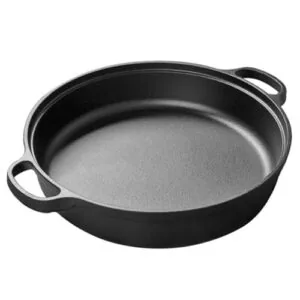
What reaches an international kitchen today is the daily-goods descendant of that trade: a heavy, even-heating pan of bare cast iron, finished by hand and built to be seasoned rather than coated. Cast iron is one of the few cookware materials that genuinely improves with years of use — a seasoned Kuwana pan develops a naturally non-stick surface that no factory coating can imitate over time. That continuity, from cast temple bells to a frying pan on a home stove, is what distinguishes a regional foundry product from a generic imported skillet.
This guide is written for the international reader weighing whether a Kuwana imono skillet belongs in their kitchen. We cover what the regional craft tradition is, how it compares to other Japanese ironware, the realities of seasoning and rust, international shipping, and who should buy a different pan instead. Note up front: published data on Kuwana imono skillets varies by maker and by finish, and live pricing is not always published online; confirm the current price with the maker or retailer before purchase.
🔄 Last updated: June 8, 2026
⏱️ Read time: ~12 min
- Who this is for — and who should skip it
- Product overview (from published specs)
- Where this comes from — place, era, and the foundry tradition
- Buying options across stores
- What it does well
- Weaknesses and things to verify before buying
- Conclusion — which buyer type are you?
- Other ways to approach this purchase
- ❓ Frequently Asked Questions
Who this is for — and who should skip it
- Want a pan that improves with years of use rather than degrading like a coated one
- Sear, fry, and shallow-roast at high heat and value heat retention
- Are comfortable with hand-washing, drying, and periodic re-seasoning
- Appreciate buying from a documented regional foundry tradition
- Cook on gas, electric, or induction and want a single durable pan
- Want a lightweight pan — bare cast iron is heavy by design
- Expect dishwasher-safe, zero-maintenance non-stick out of the box
- Cook mostly acidic dishes (tomato, wine reductions) that strip seasoning
- Need a confirmed price and stock before committing (data here is thin)
- Prefer to avoid the rust-prevention routine cast iron requires
Product overview (from published specs)
The table focuses on established characteristics of Kuwana imono cast-iron cookware. Where a value depends on the maker or individual pan, it is marked rather than guessed.
| Attribute | Detail |
|---|---|
| Item type | Cast iron skillet / frying pan |
| Material | Bare cast iron (imono); no synthetic non-stick coating |
| Handle | Integral bare cast iron handle (heats with the pan — use a cloth or mitt) |
| Origin | Kuwana, Mie Prefecture, Japan (Kuwana imono tradition) |
| Key properties | Even heat distribution, strong heat retention, naturally non-stick once seasoned |
| Diameter / weight | — |
| Induction compatible | Bare cast iron is generally induction-safe |
This guide draws on general craft references and maker information about Kuwana imono. Prices and specifications can vary by pan, finish, and seller.
📖 Glossary — key terms
- imono (鋳物, “casting / cast metalwork”) — objects made by pouring molten iron or other metal into a sand mold. Kuwana imono historically covered temple bells, braziers, kettles, and tools.
- Tokaido (東海道, “Eastern Sea Road”) — the main Edo-period highway connecting Edo (Tokyo) and Kyoto. Kuwana was its 42nd of 53 post stations.
- Shichiri-no-watashi (七里の渡し, “seven-ri ferry”) — the sea-ferry crossing of roughly seven ri (~28 km) over Ise Bay between Miya (in Nagoya) and Kuwana, the only water leg of the Tokaido.
- seasoning — the polymerized oil layer built up on bare cast iron through heating with thin oil; it is what makes a well-used pan naturally non-stick.
- shokunin (職人, “craftsperson / artisan”) — a skilled maker working within a defined craft tradition.
Where this comes from — place, era, and the foundry tradition
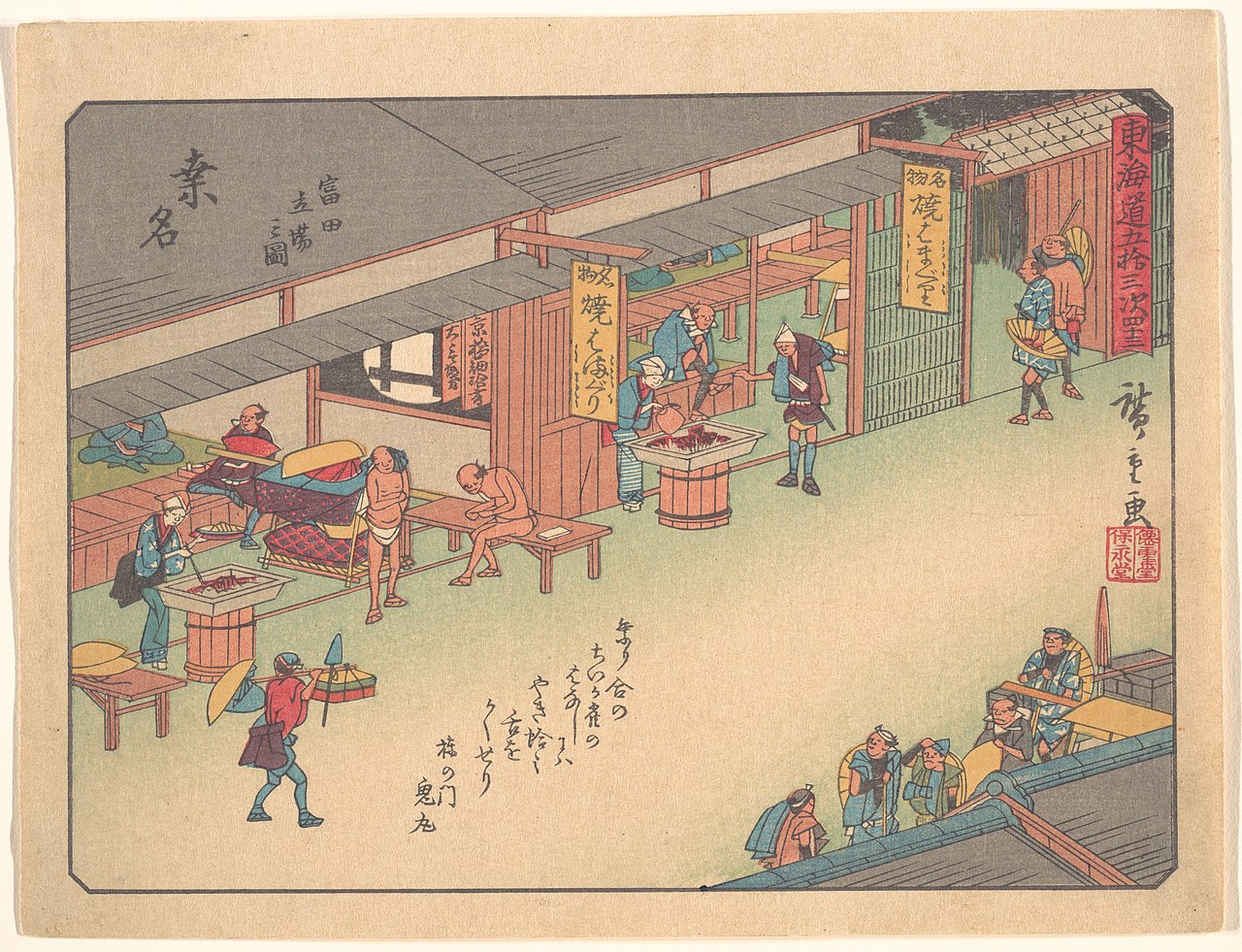

Kuwana sits in northern Mie Prefecture, in the western reach of the Kansai region, where the Kiso, Nagara, and Ibi rivers — the three great rivers of central Japan — empty together into Ise Bay. The flat delta land, the tidal bay, and the convergence of waterways made it both a trading hub and a natural source of one raw material a foundry needs above all: fine river-mouth casting sand. River transport brought in charcoal and pig iron; the same boats carried finished castings out. Geography, in other words, did most of the work of locating an iron industry here.
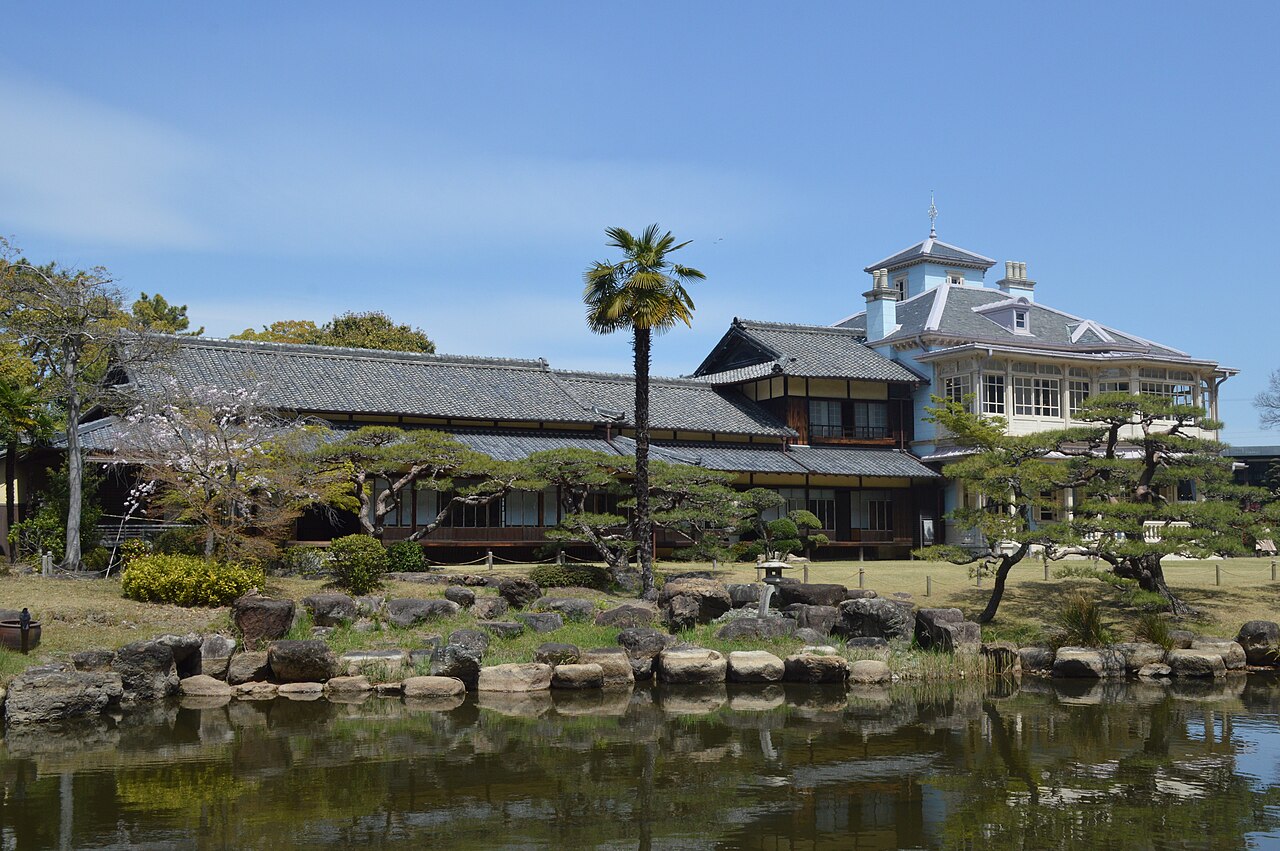
Under the Edo-era Kuwana domain — held by the Honda and later Matsudaira clans — the town became the 42nd of the 53 stations of the Tokaido. It was no ordinary post town. The Tokaido’s only water leg, the Shichiri-no-watashi (the “seven-ri ferry”), ran across Ise Bay from Miya in Nagoya and landed at Kuwana, so every traveler bound west by the coastal road passed through its harbor. That concentration of through-traffic, money, and shipping is the backdrop to the town’s later prosperity, still visible in Meiji-era landmarks like Rokkaen.
- 1601 — Honda Tadakatsu is installed as lord of Kuwana; the castle and post-town are laid out.
- early 1600s — Kuwana becomes the 42nd Tokaido station; the Shichiri-no-watashi ferry links it to Miya (Nagoya).
- 17th century — An imono (foundry) guild takes root using river-mouth casting sand, pouring temple bells, hibachi, kettles, and farm tools.
- Edo period — The Matsudaira clan governs Kuwana; pilgrim and merchant traffic to Ise Jingu sustains the harbor economy.
- 1913 — Rokkaen, a riverside villa by British architect Josiah Conder, is completed, marking the town’s modern prosperity.
- 1959 — The Ise Bay Typhoon devastates the low-lying delta; the town rebuilds around its river-mouth industries.
- 2026 — Kuwana imono survives as cast iron and machine casting; the daily-goods side produces heavy, heat-retaining ironware.
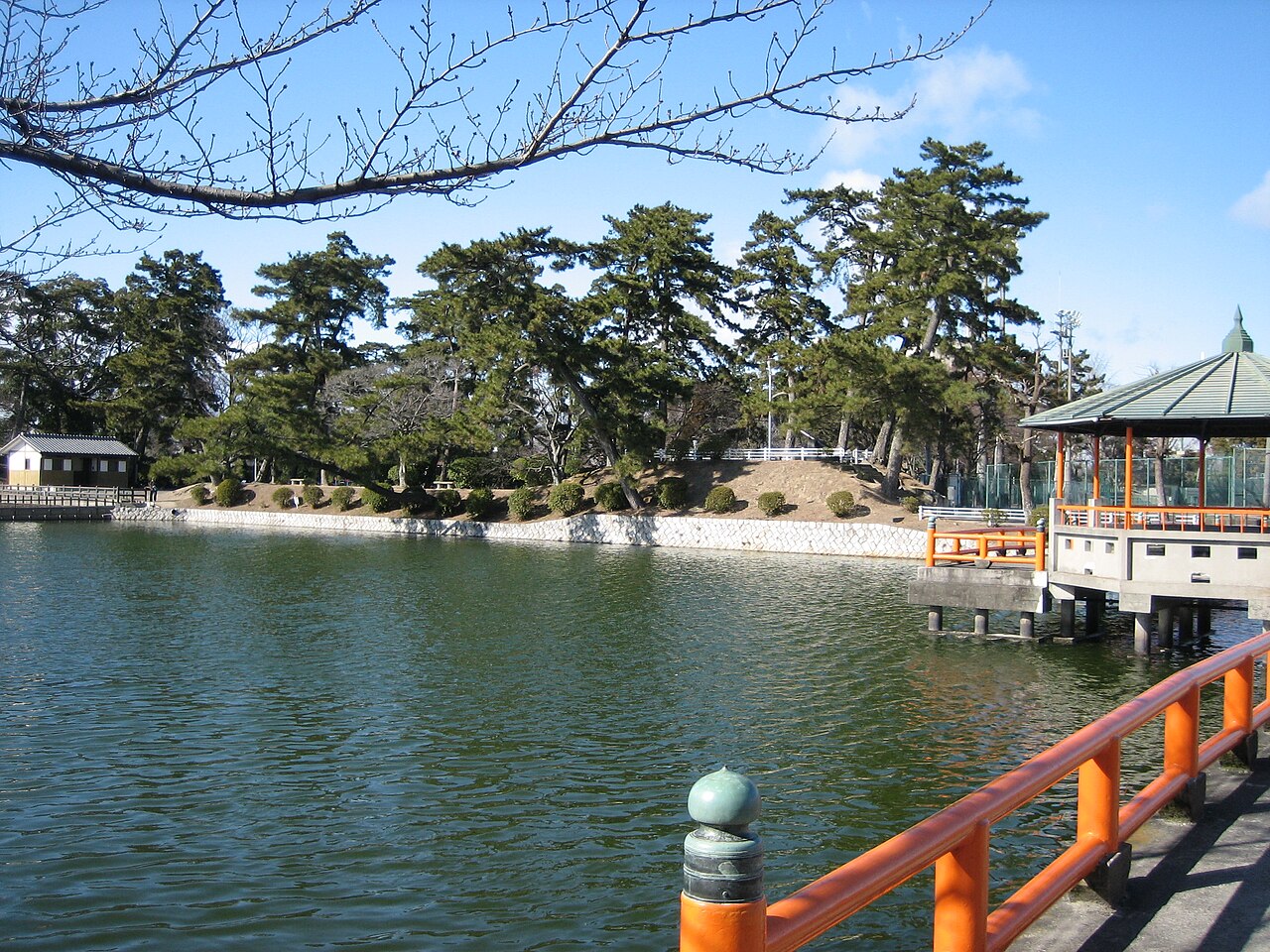
The castle town is the institutional reason the foundry trade held together. Domain patronage gave casters steady demand — bells for temples, braziers and kettles for households, tools for the surrounding farmland — while the post-town market gave them a way to sell to travelers. A craft survives when there is both a reason to make it and a route to sell it, and Kuwana had both for centuries. The skillet sold today is the consumer-goods continuation of that line: the temple-bell foundry’s iron, scaled down to the stovetop.
“The same river sand that shaped Kuwana’s temple bells shapes its frying pans — a foundry tradition does not so much end as change what it pours.”
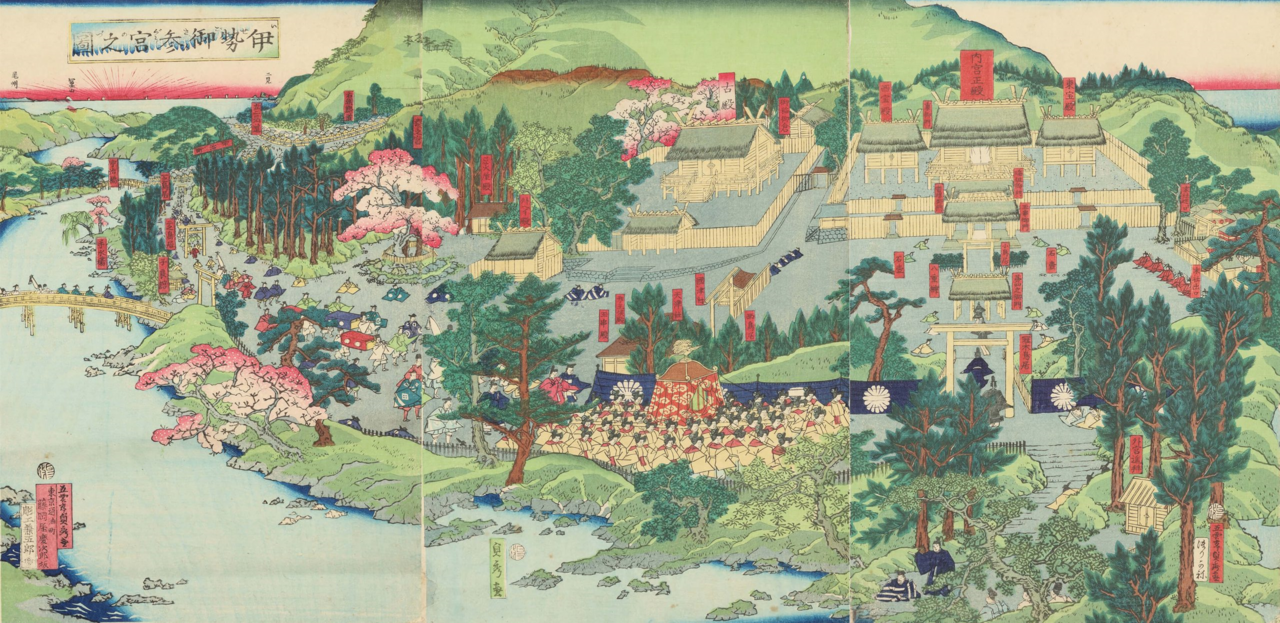
Kuwana’s role as the Tokaido gateway to Ise Jingu also matters. Mie’s craft economy was bound up with the great shrine — pilgrim traffic moving through Kuwana, and the broader devotional metalwork tradition serving Ise’s rituals. This is the wider context in which Kuwana iron differs from northern Nambu ironware (南部鉄器, the cast iron of Iwate): different lineage, different patronage, and a casting method tied to river-mouth sand rather than the foundry culture of the Tohoku domains. Buyers comparing Japanese cast iron should treat the two as distinct regional traditions, not interchangeable labels.
Related jpmono guides to other Japanese metal and kitchen crafts — useful for placing this Kuwana skillet against neighboring traditions.
Buying options across stores
JPY is the authoritative price for Japanese ironware bought from a Japanese source. USD figures are approximate estimates at a ¥150/USD baseline as of mid-2026 and depend on the current exchange rate. Confirm the live price with the maker or retailer before buying.
| Store | Item / variant | Price (JPY + USD est.) | Notes |
|---|---|---|---|
| 🇺🇸 Amazon.com (US) | Browse Japanese cast iron skillets | varies (USD) | Best if you are shopping from the US — Prime shipping, USD pricing, no international customs. Amazon US carries Japanese cast iron from various makers; the exact Kuwana imono piece is sourced from Japan (next row). |
| 🇯🇵 Amazon JP Global Store | Kuwana imono cast iron skillet | — | Ships internationally from Japan to most major destinations. |
| Maker direct | Kuwana foundry / craft shops | Varies — JPY | Local Kuwana imono workshops may sell direct; most do not ship internationally without a forwarder. |
| Proxy services (Buyee / Tenso) | Any Japan-only option | Item + fee + forwarding | Useful when a maker or shop ships only within Japan; adds a service fee plus international forwarding cost. |
What it does well
Thick cast iron holds heat through the moment food hits the pan, so a sear stays a sear instead of dropping to a stew. Strong for steak, gyoza, and shallow frying.
Bare cast iron builds a polymerized seasoning layer that becomes naturally non-stick over time — the opposite of coated pans, which degrade.
A heavy cast body spreads heat broadly across the cooking surface, reducing the hot spots common to thin stamped pans.
Kuwana imono is a verifiable regional foundry tradition rooted in the 17th-century Tokaido castle-town economy — not a generic unbranded import.
Weaknesses and things to verify before buying
- Weight. Bare cast iron is heavy by design. Lifting a full pan one-handed, or maneuvering it for an omelette flip, takes real effort — a drawback for some cooks and a deal-breaker for others.
- Maintenance routine. The pan must be hand-washed, thoroughly dried, and lightly oiled to prevent rust. It is not dishwasher-safe and cannot be left wet.
- Acidic foods strip seasoning. Long-simmered tomato sauces, wine reductions, and citrus can wear down the seasoning layer and dull the non-stick effect, requiring re-seasoning.
- The handle gets hot. The integral cast handle heats with the pan body. A cloth, mitt, or handle cover is required — there is no insulated grip.
- Bare seasoning out of the box. Depending on how the pan is shipped, it may need initial seasoning before first use. Confirm whether it is pre-seasoned.
Conclusion — which buyer type are you?
You value the documented Kuwana foundry lineage and want a pan to season for decades. This is a strong match — buy the regional piece, not a commodity skillet.
You sear and fry often and accept hand-washing. A good fit, provided you confirm size and weight suit your stove and grip.
If price and international shipping push the total too high, a mass-market cast iron skillet performs similarly in the pan; you are paying here for the regional craft lineage.
If you want lightweight, dishwasher-safe, zero-maintenance non-stick, cast iron is the wrong category entirely. Choose a coated or stainless pan instead.
Other ways to approach this purchase
Prices for cast-iron cookware can shift with promotions and exchange rates. If you are not in a hurry, compare examples over a few weeks before buying.
Cast iron is one of the few pans that is genuinely fine bought used — rust can be scrubbed and re-seasoned. A pre-loved, well-seasoned pan can be a bargain.
If you buy through Amazon regularly, stacking card points or Amazon rewards against the purchase can offset international shipping.
If maintenance and weight do not fit your cooking, do not force it. A pan you avoid using is worse value than a cheaper one you reach for daily.
❓ Frequently Asked Questions
Does Amazon JP Global Store ship this skillet internationally?
Amazon JP Global Store ships many household items to most major destinations, including the US, EU, and Australia. International shipping for a cast iron pan typically runs higher than for light goods because of weight, so confirm the quoted shipping cost and any customs duties at checkout before ordering.
How is Kuwana iron different from Nambu ironware?
Both are Japanese cast iron, but they are distinct regional traditions. Kuwana imono comes from Mie Prefecture’s river-mouth foundry trade, tied to the Tokaido castle-town economy and a casting method using local river sand. Nambu ironware comes from Iwate in the north, with a different lineage and patronage history. They are not interchangeable labels.
Is the pan non-stick out of the box?
Bare cast iron becomes naturally non-stick through seasoning — a polymerized oil layer built up by cooking with thin oil over time. Some pans ship pre-seasoned and some do not; confirm that detail with the maker or seller. Either way, the non-stick quality improves with use rather than wearing off like a synthetic coating.
How do I care for it and prevent rust?
Hand-wash without harsh detergent, dry the pan thoroughly (warming it on the stove helps), then wipe a thin film of cooking oil over the surface before storing. Do not leave it wet or put it in a dishwasher. If rust appears, scrub it off and re-season — cast iron is forgiving and recoverable.
Can I use it on an induction cooktop?
Bare cast iron is magnetic and generally works on induction as well as gas and electric. Confirm induction compatibility and base diameter with the maker or seller, since a very small or very large pan may not match every induction zone.
Why is no exact price shown in this guide?
Prices and stock fluctuate with promotions and exchange rates, so confirm the current figure with the seller rather than relying on an old quotation.
Is this a good gift?
For someone who cooks and appreciates lasting tools, yes — a well-cared-for cast iron pan can last a lifetime and carries a clear regional story. It is a poor gift, however, for someone who wants low-maintenance, lightweight cookware, since cast iron demands hand-washing and re-oiling.
jpmono.com is curated by a Japan-based editorial team working out of Toyama in the Hokuriku region and Nara in Kansai, and is independent. We do not take payment from the makers we feature; income comes from affiliate links. We do not physically test every product — we read maker specifications and regional craft sources.
This article was prepared with AI assistance and reviewed against the editorial team’s craft knowledge and maker information. Specifications and prices should be confirmed with the seller before purchase.
Affiliate disclosure: jpmono.com may earn a commission on qualifying purchases made through links on this page, at no additional cost to you.