![Echizen Uchihamono Hand-Forged Santoku Knife — Where to Buy [2026]](https://jpmono.com/wp-content/uploads/2026/05/echizen-uchihamono-santoku-knife-where-to-buy-2026-featured.jpg)
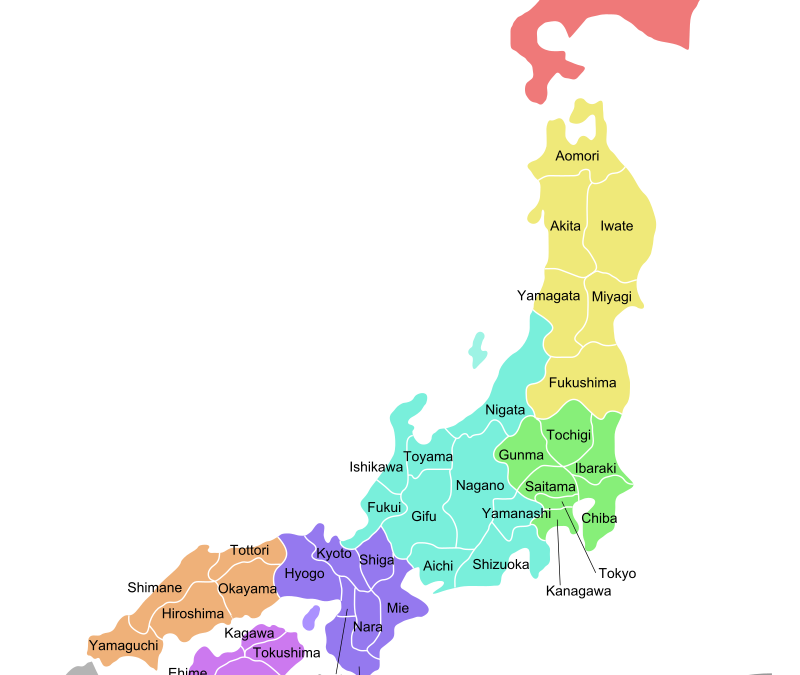
The Echizen Uchihamono (越前打刃物, “Echizen forged blades”) santoku belongs to a knife-making district whose smiths have been hammering steel by hand since 1337. The trade began with a Kyoto swordsmith who settled near Takefu — today’s Echizen City, in Fukui Prefecture — and forged farm sickles between sword commissions. Seven centuries later, the same district forges kitchen knives using the construction it inherited from sword work: a hard cutting core hammer-welded between softer outer layers.
What makes this knife notable to an international cook is not nostalgia. It is the geometry. A hand-forged san-mai (三枚, “three-layer”) santoku puts a hard, thin, very sharp core where the edge needs it, and tough, more forgiving steel everywhere else. That combination is sharpenable on a whetstone for a lifetime — which is the whole point of buying a forged blade rather than a stamped one. Echizen was the first knife-making region designated a National Traditional Craft by the Japanese government, in 1979.
This guide is written for readers shopping from outside Japan who want one versatile, genuinely hand-forged Japanese knife and are deciding between steel types, finishes, and where to actually buy it. We cover the construction, the variant axes (VG-10 vs white-paper carbon steel; black “kurouchi” vs polished “migaki” finish), honest maintenance trade-offs, and the purchase paths — Amazon US, Amazon JP Global Store, maker-direct, and proxy services.
🔄 Updated
⏱️ About 9 min read
![Echizen Uchihamono Hand-Forged Santoku Knife — Where to Buy [2026]](https://m.media-amazon.com/images/I/41dt6zzI7DL._SL500_.jpg)
- Who this is for — and who should skip it
- Product overview (from published specs)
- Where this comes from — place, era, and the craft tradition
- Price snapshot across stores
- 📦 Shipping & where to buy from outside Japan
- What it does well
- Weaknesses and things to verify before buying
- Conclusion — which buyer type are you?
- Other ways to approach this purchase
- 🏆 Editor’s Pick
- ❓ Frequently Asked Questions
Who this is for — and who should skip it
- Want one versatile knife that handles vegetables, fish, and boneless meat
- Are willing to maintain an edge on a whetstone rather than a pull-through sharpener
- Value verifiable, designated craft provenance over brand marketing
- Plan to keep and re-sharpen the knife for years, not replace it
- Appreciate a hand-forged blade and accept small unit-to-unit variation
- Want a dishwasher-safe knife you never have to hand-dry
- Refuse to own or learn to use a whetstone
- Need a specific confirmed price before committing (current data is thin — see below)
- Prefer a single-bevel traditional knife (a santoku is double-beveled, general-purpose)
- Want next-day delivery and dislike international shipping or customs steps

Product overview (from published specs)
The data available for this specific listing is thin. Only the Amazon JP item identifier (ASIN B07MD7WVNM) was captured; a live listing snapshot — including current price and manufacturer photography — was unavailable at the time of writing. The table below states what is characteristic of the Echizen Uchihamono santoku class and marks anything not confirmed in our source data. Always verify the exact figures on the live listing before buying.
Echizen Uchihamono Hand-Forged Santoku Knife
仙助 包丁 三徳包丁 越前打刃物 万能包丁 青クラッド 165mm ワイン柄 日本製 家庭用 (三徳 165mm) 10035
残り1点 ご注文はお早めに · Sold by 啓仁 · ASIN B07MD7WVNM
Price and availability as of 2026-09-01 05:22 JST. The Amazon listing at the time of purchase is authoritative. jpmono.com earns a commission on qualifying purchases at no extra cost to you.
| Attribute | Value | Source |
|---|---|---|
| Item | Echizen Uchihamono hand-forged santoku (ASIN B07MD7WVNM) | Amazon JP item ID |
| Knife type | Santoku (三徳, “three virtues”) — general-purpose | Class characteristic |
| Blade length | ~165–180 mm (typical for the class — verify on listing) | Class characteristic |
| Construction | San-mai (three-layer): hard core clad in softer steel | Maker tradition (data notes) |
| Core steel | VG-10 (stainless) or Shirogami / white-paper carbon, by variant | Class characteristic |
| Finish | Kurouchi (black forge) or migaki (polished), by variant | Class characteristic |
| Origin | Echizen City (Takefu), Fukui Prefecture, Japan | Maker tradition (data notes) |
| Designation | National Traditional Craft (designated 1979) | Data notes |
| Weight / handle / exact dimensions | Unconfirmed — check listing | — |
| Price | Unavailable at time of writing (listing snapshot not captured) | — |
📖 Glossary — key terms in this guide
Uchihamono (打刃物) — “forged (struck) blades.” Knives shaped by hammering hot steel, as opposed to blades stamped from sheet.
San-mai (三枚, “three layers”) — a hard cutting core sandwiched and forge-welded between two softer outer layers. The core holds a keen edge; the cladding adds toughness and is easier to grind.
Santoku (三徳, “three virtues”) — a double-beveled general-purpose knife suited to the three tasks of meat, fish, and vegetables. The most versatile single knife for a home kitchen.
VG-10 — a stainless cutlery steel commonly used as a san-mai core. Resists rust well; low-maintenance.
Shirogami (白紙, “white paper steel”) — a high-purity carbon steel prized for taking a very keen edge. It rusts if left wet and develops a patina over time.
Kurouchi (黒打ち) — the dark, scaled “black forge” finish left on the blade flats; rustic and protective. Migaki (磨き) — a polished finish.
Shokunin (職人) — a skilled artisan or craftsperson.

Where this comes from — place, era, and the craft tradition

Echizen City — long known by its old name, Takefu — is an inland river town in central Fukui Prefecture, on the Hokuriku coast facing the Sea of Japan. The region is defined by heavy winter snowfall and abundant water. The Hino River supplied the clean, cold water that a forging trade needs for quenching steel, and the damp Hokuriku climate suited the slow, deliberate work of the workshop year. Those conditions are part of why a blade industry took root here rather than somewhere drier.
The founding date is unusually precise for a craft this old. In 1337, a Kyoto swordsmith named Chiyozuru Kuniyasu settled near Takefu and forged sickles for local farmers in the gaps between sword commissions. That detail matters: the kitchen knife sold today descends directly from sword-forging technique, not from later industrial cutlery. As the trade matured, it grew under the patronage of the Fukui domain (Fukui-han), and Echizen became a national supplier of agricultural blades — sickles, scythes, and field tools shipped across Japan.
- 1337 — Kyoto swordsmith Chiyozuru Kuniyasu settles near Takefu and forges farm sickles between sword commissions.
- Edo period — Under Fukui-han patronage, Echizen grows into a national supplier of agricultural blades.
- Modern era — The swordsmith-derived craft, long applied to farm tools, is taken up for kitchen and craft knives.
- 1979 — Echizen Uchihamono becomes the first knife-making region designated a National Traditional Craft.
- Recent decades — Takefu Knife Village consolidates integrated forging-to-grinding workshops, and Echizen knives reach global home cooks.
- 2026 — Hand-forged san-mai santoku are still produced in Echizen City.
The district’s modern signature is the integrated workshop. In and around Takefu Knife Village, forging and grinding happen under coordinated roofs rather than scattered across unrelated suppliers, which is part of how a hand-hammered blade can still be produced consistently. Two technical hallmarks define the work: the hand-hammered san-mai construction that pairs a hard core with softer cladding, and a “spring-hammer” technique used to thin the tip of the blade. The 1979 designation as the first National Traditional Craft among knife-making regions is the formal recognition of that continuity.
“The same lineage that once forged swords for the Fukui domain now thins the tip of a kitchen knife under a spring hammer — the technique outlived the weapon it was built for.”
That arc — swordsmith craft converted to everyday tools, then revived for cooks around the world — mirrors Fukui’s other Echizen crafts in pottery, washi paper, and lacquer. They share a place name and a habit of survival. It is also why Echizen now sits alongside Sakai, Seki, and Tosa as one of Japan’s four canonical blade regions, each with its own steel traditions and its own claim on the same idea: that a knife should be made to be sharpened, not thrown away.

Price snapshot across stores
Prices and stock fluctuate; the JPY figure on the Amazon JP Global Store listing is the authoritative price for the specific item. A live price snapshot was unavailable at the time of writing, so figures below are marked accordingly. USD figures, where shown elsewhere, are approximate at a ¥150/USD baseline.
| Store | Item / Variant | Price | Notes |
|---|---|---|---|
| 🇺🇸 Amazon.com (US) | Browse Japanese kitchen knives | varies (USD) | Best if you’re shopping from the US — Prime shipping, USD pricing, no international customs. Amazon US carries hand-forged Japanese knives from several makers for comparing geometry, steel, and price tiers; this exact Echizen piece is sourced from Japan (next row). |
| 🇯🇵 Amazon JP Global Store | Echizen Uchihamono hand-forged santoku (B07MD7WVNM) | Check listing (snapshot unavailable at writing) | The sourced listing for the specific item. Ships internationally from Japan to most major destinations via the Global Store. |
| Maker direct (Takefu Knife Village / Echizen makers) | Workshop catalog | varies | Cooperative and individual workshop sites sometimes list configurations not on Amazon; international shipping policies vary by maker. |
| Proxy services (Buyee / Tenso) | Japan-only listings forwarded abroad | item price + fees | Useful when a listing does not ship directly outside Japan. Adds a service fee and forwarding shipping; check that knives are accepted by your destination’s import rules. |
📦 Shipping & where to buy from outside Japan
The specific item is sourced from the Amazon JP Global Store, which ships many household goods internationally to most major destinations. Knives are generally shippable, but some carriers and countries restrict bladed items, so confirm acceptance for your destination on the listing’s shipping panel before ordering. Estimated international shipping commonly runs in the range of roughly $15–$40 to the US and EU, and higher to other regions; the listing shows the exact figure at checkout.
Two alternative paths exist. Maker-direct or Takefu Knife Village cooperative sites occasionally list configurations not available on Amazon, though their international shipping policies vary. Proxy services such as Buyee or Tenso can forward Japan-only listings abroad for a service fee. In all cases, orders above your country’s de-minimis threshold may incur customs duties and import tax, which are paid on arrival and are not included in the item price.
What it does well
San-mai construction puts a hard, thin core where the edge needs it and tough cladding everywhere else — a direct inheritance from sword-forging technique.
A forged blade is meant to be re-ground on a whetstone for years, not discarded. The softer cladding makes that maintenance easier than on a fully hard blade.
The santoku is the most versatile single knife for a home kitchen, handling vegetables, fish, and boneless meat — its name literally means “three virtues.”
Echizen was the first knife-making region designated a National Traditional Craft (1979) — documented heritage rather than marketing language.
Weaknesses and things to verify before buying
- Carbon variants need care. A Shirogami / kurouchi blade rusts if left wet, reacts with acidic foods, and must be dried after every use and oiled occasionally. It is not dishwasher safe.
- Hand-forged means variation. Finish, exact weight, and grind can differ slightly between individual blades. That is inherent to the process, not a defect.
- Price and exact specs are unconfirmed in current data. Our source captured only the item ID. Verify length, steel, finish, and price on the live listing before committing.
- International shipping and customs add to the JPY price. Budget for forwarding cost and possible import duties above your country’s threshold.
- Whetstone upkeep is expected. To keep the edge, plan on a whetstone; pull-through sharpeners are unsuitable for a hard Japanese core and can damage the edge.
- It is a double-bevel santoku, not a single-bevel traditional knife. If you specifically want a single-bevel deba or usuba profile, this is the wrong tool.
- Wooden (wa-) handles may need occasional oiling and should not be soaked or left in standing water.
Conclusion — which buyer type are you?
You want the keenest edge and accept the care routine → choose the hand-forged Shirogami carbon, kurouchi-finish Echizen santoku and keep a whetstone nearby.
You want a forged knife for daily cooking without the fuss → choose the VG-10 stainless-clad, migaki-finish Echizen santoku.
You just need a sharp, reliable santoku at lower cost → compare a mass-produced Japanese stainless santoku, such as the Tojiro Sanjo.
You want a dishwasher-safe knife and no whetstone upkeep → a Western stainless knife will suit you better than any hand-forged Japanese blade.
Other ways to approach this purchase
Amazon JP runs seasonal sales; the Global Store price can move. If you are not in a hurry, watch the listing before ordering.
Knives are rarely sold refurbished, but Echizen makers and Takefu Knife Village often offer re-grinding and repair, extending a blade’s life rather than replacing it.
If you already use Amazon points or a rewards card, applying them can offset the international shipping component of the order.
If your current knife plus a good whetstone already serves you well, the honest answer may be that you do not need this one.
🏆 Editor’s Pick
❓ Frequently Asked Questions
Does Amazon JP ship Echizen knives internationally?
In most cases, yes — the Amazon JP Global Store ships many household goods to major destinations. Knives are generally shippable, but some countries and carriers restrict bladed items, so confirm acceptance for your destination on the listing’s shipping panel before ordering.
Is the carbon-steel version hard to maintain?
It needs more care than stainless. White-paper carbon steel rusts if left wet and reacts with acidic foods, so you should dry it after every use and oil it occasionally. It will develop a patina over time, which is normal. If that routine does not appeal to you, choose the VG-10 stainless variant.
VG-10 or Shirogami — which core should I choose?
Choose VG-10 stainless if you want a low-maintenance daily knife that resists rust. Choose Shirogami (white-paper carbon) if you want the keenest possible edge and easy whetstone sharpening, and you don’t mind drying and oiling the blade.
What is san-mai construction?
San-mai means “three layers.” A hard cutting core is forge-welded between two softer outer layers. The core holds a keen edge while the cladding adds toughness and makes the blade easier to grind — a technique inherited from sword-forging.
Is a santoku the right first Japanese knife?
For most home cooks, yes. The santoku is double-beveled and general-purpose, handling vegetables, fish, and boneless meat. If you specifically need a single-bevel knife for filleting or precision vegetable work, a deba or usuba would be a better fit.
Will I have to pay customs duties?
Possibly. Orders above your country’s de-minimis threshold may incur customs duties and import tax, paid on arrival and not included in the item price. Check your local threshold before ordering.
Can the knife be sharpened or re-ground later?
Yes — that is the point of a forged blade. Use a whetstone for routine sharpening rather than a pull-through sharpener. Echizen makers and Takefu Knife Village also offer re-grinding services to restore an edge that has been heavily worn.
jpmono.com is curated by a Japan-based editorial team (working out of Toyama in the Hokuriku region and Nara in Kansai) and is independent. We don’t take payment from the makers we feature; income comes from affiliate links. We don’t physically test every product — we read maker’s specs and source listings. Read more about our editorial standards.
This article was prepared with AI assistance and reviewed against the available source data. Specifications, prices, and availability should be confirmed on the retailer’s listing before purchase.
Affiliate disclosure: jpmono.com may earn a commission on qualifying purchases made through links on this page, at no additional cost to you.