![Aizu Nuri Makie Lacquer Plate: Where to Buy This Fukushima Craft [2026]](https://jpmono.com/wp-content/uploads/2026/06/aizu-nuri-makie-lacquer-plate-where-to-buy-2026-featured.jpg)
Aizu-nuri (会津塗, “Aizu lacquerware”) is one of Japan’s representative urushi traditions, centered on the castle town of Aizu-Wakamatsu in the mountains of western Fukushima. The item covered here is a maki-e serving plate — a meimei-zara (銘々皿, “individual plate”) — that carries a gold Aizu-e motif of pine, bamboo, and plum across a field of deep black or vermilion lacquer. It is a flat-field showcase for the gold work, a product type distinct from the bowls and trays the region is also known for.
The craft’s origin is unusually well-dated. It begins in 1590, when the daimyo Gamo Ujisato — relocated to Aizu from Hino in Ōmi province — brought lacquer and maki-e artisans north with him and promoted urushi cultivation across the domain. The same lord’s castle-town economic policies seeded crafts elsewhere in Japan, and in Aizu they produced a durable, everyday lacquer tradition that still holds METI-designated traditional-craft status today.
This guide is written for international readers deciding whether, and where, to buy one. We cover what the listing actually states, where the craft comes from and why that matters, how it compares to other Japanese lacquerware on this site, and the realistic purchase paths from outside Japan. Where the data is thin, we say so rather than guess.
🔄 Updated:
⏱️ Read time: ~11 min

- Who this is for — and who should skip it
- Product overview (from published specs)
- Price snapshot across stores
- 📍 Where this comes from — place, era, and the craft tradition
- What it does well
- Weaknesses and things to verify before buying
- Conclusion — which buyer type are you?
- Other ways to approach this purchase
- 🏆 Editor’s Pick
- ❓ Frequently Asked Questions
Who this is for — and who should skip it
- Want a genuine METI-designated Japanese lacquer craft with a documented 1590 origin, not a mass-market souvenir.
- Like the idea of gold maki-e Aizu-e motifs (pine-bamboo-plum, crane-turtle) as a serving or display piece.
- Prefer a flat individual plate (meimei-zara) for sweets, a single dish, or as a stand piece, rather than a bowl set.
- Appreciate urushi’s depth and are willing to hand-wash and keep it out of the dishwasher and microwave.
- Are comfortable buying from Amazon JP’s Global Store and waiting for international shipping.
- Need dishwasher- and microwave-safe everyday tableware with no special care.
- Want a confirmed price and full dimensions before buying — the current listing data is thin (see below).
- Are sensitive to urushi (natural lacquer can cause skin reactions in rare cases before full curing).
- Prefer a matching multi-piece set; this is an individual plate, not a graduated set.
- Want next-day domestic-US delivery rather than an international shipment from Japan.
Product overview (from published specs)
The fetched product feed for this item was effectively empty at the time of writing — no live Amazon US search results and no captured Amazon JP price snapshot were available. The values below are drawn from the listing identifier and the craft description; unconfirmed fields are marked rather than filled in. Spec sheets indicate the following:
Aizu Nuri Makie Lacquer Plate
会津塗 金蒔絵お盆 トレー 丸盆 径30cm おしゃれ おぼん 日本製漆器
通常6~7日以内に発送します。 · Sold by mokomoko-shop · ASIN B0GJ5HMBS4
Price and availability as of 2026-09-01 05:22 JST. The Amazon listing at the time of purchase is authoritative. jpmono.com earns a commission on qualifying purchases at no extra cost to you.
| Attribute | Detail | Source |
|---|---|---|
| Craft | Aizu-nuri (会津塗) — maki-e urushi lacquerware | Craft record |
| Item type | Serving plate / individual plate (meimei-zara) | Listing description |
| Decoration | Gold maki-e Aizu-e motif (pine-bamboo-plum) over black/vermilion urushi | Listing description |
| Origin | Aizu-Wakamatsu, Fukushima Prefecture, Japan | Craft record |
| Base material | Unconfirmed — check manufacturer / listing | — |
| Dimensions / weight | Unconfirmed — check listing | — |
| Listing ID (ASIN) | B0GJ5HMBS4 | Amazon JP Global Store |
| Designation | METI-designated Traditional Craft (Aizu-nuri) | Craft record |
Only the Amazon JP listing identifier is available for this item; no live price snapshot was captured. Live pricing and exact dimensions may have shifted since the writing date — always verify on the listing before purchasing.
📖 Glossary — Japanese lacquer terms used here
urushi (漆) — natural lacquer tapped from the lacquer tree (Toxicodendron vernicifluum), applied in many thin coats and hardened by humidity rather than air-drying. It is what gives the surface its depth and durability.
maki-e (蒔絵, “sprinkled picture”) — a decorative technique in which a design is drawn in wet lacquer and gold or silver powder is sprinkled onto it before it cures.
Aizu-e (会津絵) — Aizu’s signature decorative vocabulary of auspicious motifs: pine-bamboo-plum (shō-chiku-bai), crane-and-turtle, and candle/folding-screen designs.
meimei-zara (銘々皿) — an individual serving plate, the kind used to present a single sweet or portion to each guest.
hana-nuri (花塗り) — a brushed, unpolished gloss finish; the final lacquer coat is left as applied rather than polished, an Aizu signature alongside hori-nuri (carved-ground lacquering).
If you are weighing this plate against other Japanese lacquerware — or against Aizu’s own neighbors — these related guides on jpmono.com are useful next reads.
 🐂 Aizu Akabeko (same region)
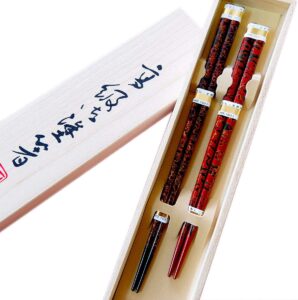 🥢 Tsugaru-nuri Chopsticks (Tohoku lacquer)
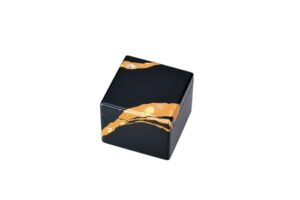 🎁 Owari Maki-e Lacquer Box
 🪞 Nagasaki Maki-e Hand Mirror
🍶 Wajima Nuri Sake Cups
🥣 Gohara Lacquer Bowl
 🐚 Takaoka Raden Lacquer Box
🍵 Yakumo-nuri Tea Caddy
Price snapshot across stores
Because no live price was captured for this listing, the snapshot below shows the purchase paths rather than confirmed figures. JPY is the authoritative currency for the specific item; USD figures, where shown elsewhere, are approximate at a ¥150/USD baseline as of mid-2026.
| Store | Item / variant | Price | Notes |
|---|---|---|---|
| 🇺🇸 Amazon US (search) | Browse Japanese lacquerware & maki-e plates | varies (USD) | Best if you’re shopping from the US — Prime shipping, USD pricing, no international customs. Amazon US carries Japanese lacquer plates and maki-e goods from various makers; this exact Aizu-nuri piece is sourced from Japan (next row). |
| 🇯🇵 Amazon JP Global Store | This exact Aizu-nuri maki-e meimei-zara (ASIN B0GJ5HMBS4) | Check live ¥ price | Ships internationally from Japan. This is where the specific item is sourced. No price snapshot was available at writing. |
| Maker direct | Aizu-Wakamatsu workshops & lacquer co-op shops | Varies | Many small Aizu workshops sell domestically only; international shipping is inconsistent. Useful for confirming maker and finish details. |
| Proxy services (Buyee / Tenso) | Forwarding from JP-only shops | Item price + forwarding fee | Use only if the Global Store does not ship to your country. Adds a service fee and a second shipping leg. |
📍 Where this comes from — place, era, and the craft tradition

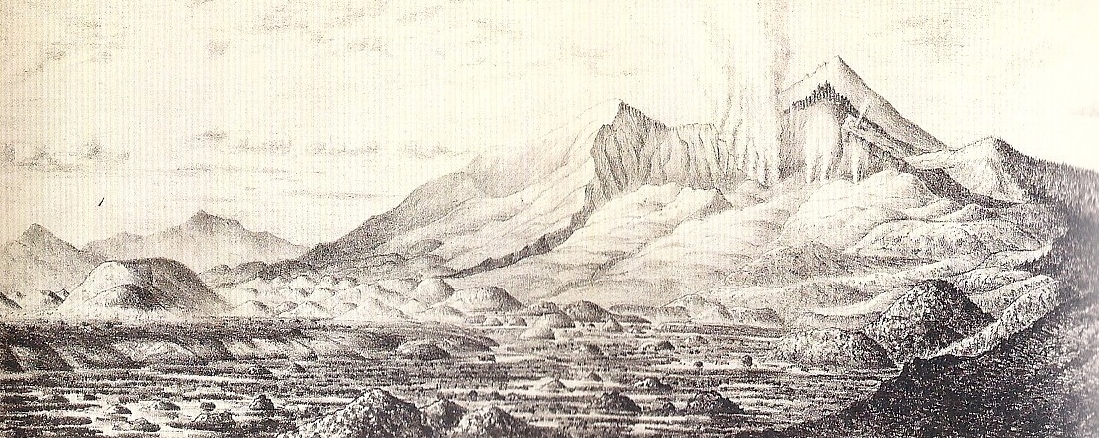
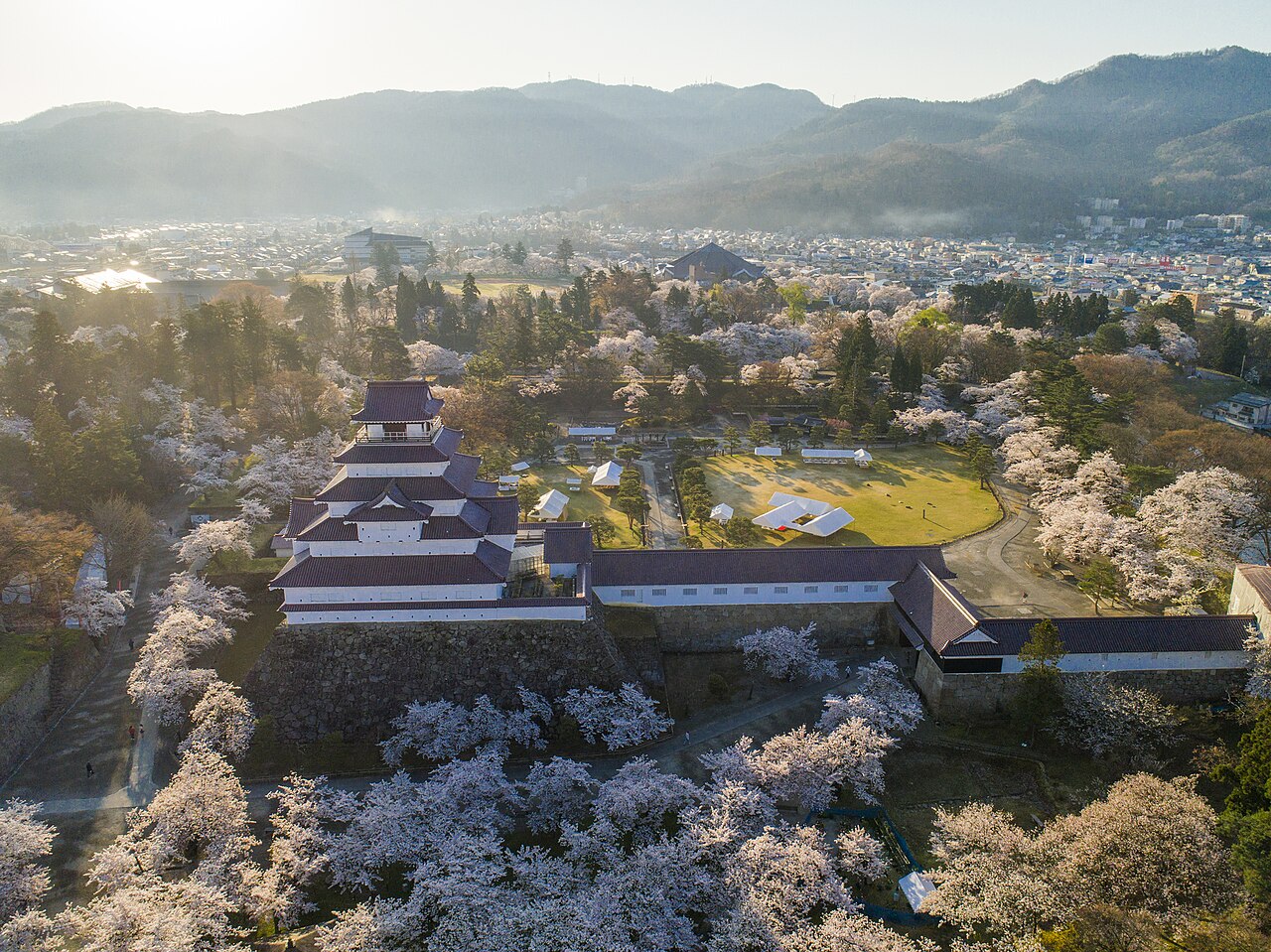
Aizu-Wakamatsu sits in a high inland basin in the western part of Fukushima Prefecture, in the southern Tōhoku region. It is not a coastal port city but a mountain-ringed plain, sheltered by ranges on most sides and watered by the rivers that drain Mount Bandai and Lake Inawashiro to the northeast. That combination — forested slopes that grew lacquer trees, clean water, and cold, dry winters that suit slow urushi curing — is why a lacquer industry could take root and stay here.
The historical anchor is precise. In 1590, the daimyo Gamo Ujisato was transferred to Aizu from Hino in Ōmi province (present-day Shiga). He brought lacquer and maki-e artisans with him and actively promoted urushi cultivation across his new domain — the deliberate act of policy that established Aizu-nuri as an industry rather than a scattered local craft. Gamo’s castle-town economic approach, inviting and concentrating artisans, is the same pattern that seeded crafts in other regions he touched.
- 1590 — Gamo Ujisato, transferred to Aizu from Hino in Ōmi, brings lacquer and maki-e artisans and promotes urushi cultivation.
- 1643 — The Matsudaira (Hoshina) clan takes the Aizu domain; lacquer is encouraged as a domain industry.
- Edo period — Aizu becomes one of northern Japan’s major lacquerware production hubs under the Matsudaira clan; Aizu-e gold motifs and hana-nuri / hori-nuri finishes mature.
- 1868 — The Boshin War devastates Aizu-Wakamatsu; the lacquer industry rebuilds through the Meiji era.
- 1975 — Aizu-nuri is designated a Traditional Craft by Japan’s Ministry of Economy, Trade and Industry (METI).
- 2026 — Aizu-Wakamatsu workshops continue producing maki-e lacquerware for daily and ceremonial use.
By the Edo period, under the Matsudaira clan that governed the Aizu domain for most of the era, the town had grown into a major lacquer production center. This is where the auspicious Aizu-e vocabulary took its recognizable form: pine-bamboo-plum (shō-chiku-bai), crane-and-turtle, and the candle and folding-screen motifs, all rendered in gold maki-e over black or vermilion grounds. Alongside the decoration, Aizu refined its surface finishes — hana-nuri, the brushed unpolished gloss, and hori-nuri, the carved-ground technique.
“Aizu-nuri did not begin as art for display. It began as a domain industry — durable, repeatable, everyday lacquer — which is exactly why it survived for over four centuries.”
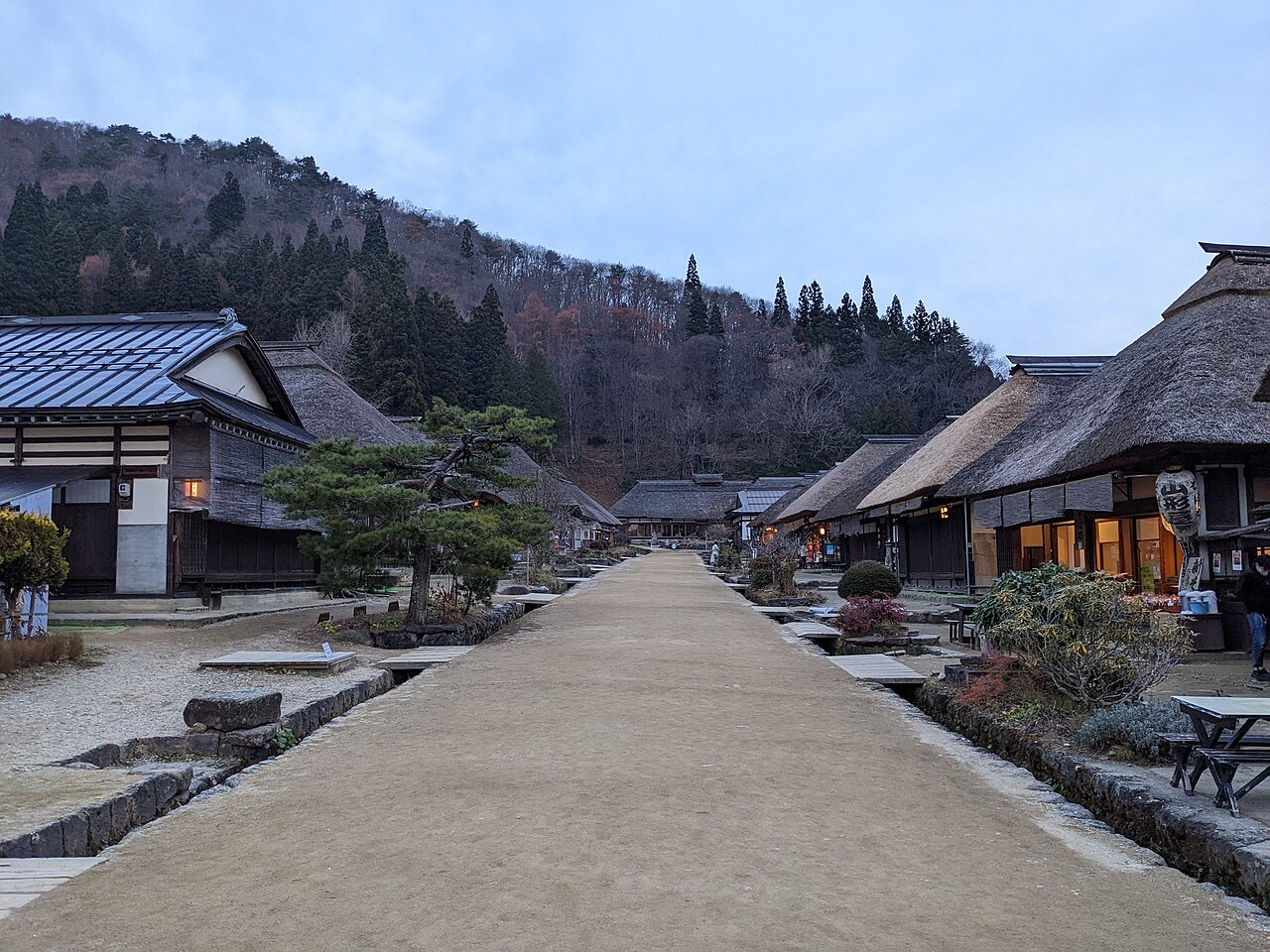
What “still being made here” means today is continuity of an everyday craft, not a single famous studio. Aizu-Wakamatsu remains one of Japan’s recognized lacquerware districts, and Aizu-nuri’s METI designation reflects a living industry of workshops still producing plates, bowls, trays, and chopsticks. The Aizu-e motifs on this serving plate are the same auspicious designs the domain’s artisans were applying in the Edo period.
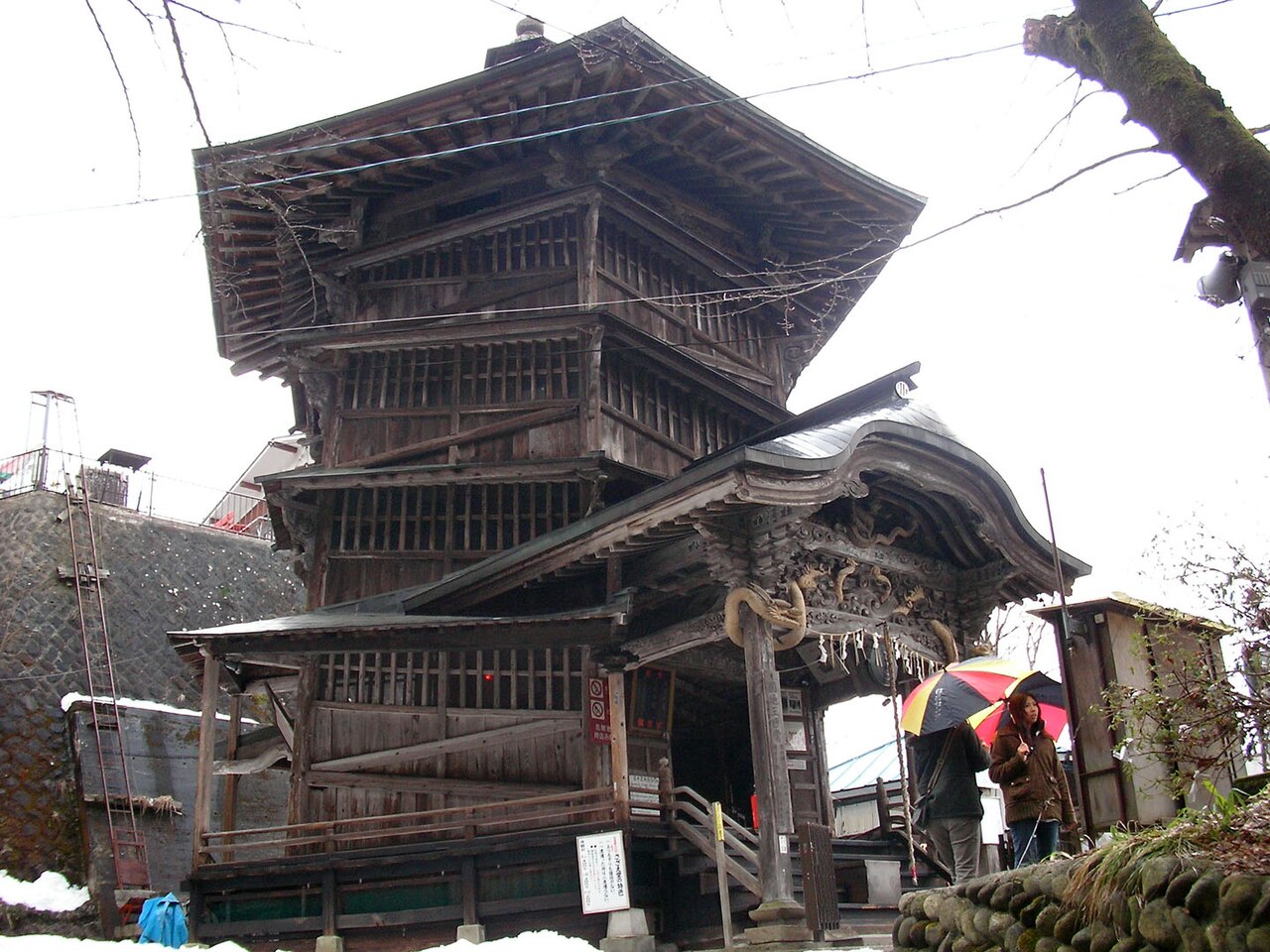
The pine-bamboo-plum motif itself carries seasonal and ceremonial weight: the three plants are the “three friends of winter,” traditionally associated with endurance and good fortune, which is why a plate carrying them suits New Year tables and gift-giving occasions. That cultural reading is part of what the buyer is paying for, alongside the lacquer and the gold.
What it does well
Weaknesses and things to verify before buying
- Pricing was unavailable at writing. No live price snapshot was captured for ASIN B0GJ5HMBS4. Confirm the current ¥ price on the listing before committing.
- Dimensions and base material are unconfirmed. The data did not specify plate diameter, weight, or whether the base is wood or a wood-composite. Check the listing’s spec section.
- Special care required. Genuine urushi is not dishwasher- or microwave-safe and should be hand-washed and dried promptly. Avoid prolonged soaking and direct sunlight.
- Maker and exact decoration may vary. “Aizu-nuri” is a regional designation, not a single workshop. Confirm the specific seller and whether the motif is hand-applied maki-e or a transfer, if that matters to you.
- International shipping cost and customs. Expect roughly $15–$40 in shipping to the US or EU, plus possible customs duties above your country’s de minimis threshold. Budget for both.
- Lacquer sensitivity (rare). Fully cured urushi is inert, but individuals with known urushi/lacquer allergies should be aware before purchasing.
Conclusion — which buyer type are you?
Other ways to approach this purchase
🏆 Editor’s Pick
❓ Frequently Asked Questions
Does Amazon JP ship this Aizu-nuri plate internationally?
How do I care for a maki-e lacquer plate?
Why is no price shown in this article?
What does the pine-bamboo-plum motif mean?
Is Aizu-nuri a single maker or a regional craft?
How does it compare to Wajima or Tsugaru lacquerware?
Can I use it for food, or is it display-only?
jpmono.com is curated by a Japan-based editorial team (working out of Toyama in the Hokuriku region and Nara in Kansai) and is independent. We do not take payment from the makers we feature; income comes from affiliate links. Read more about our editorial standards.
🤖 This article was prepared with AI assistance and reviewed against the source listing data. Facts are drawn from the available craft record and the Amazon JP listing identifier; where data was thin, the gaps are stated explicitly rather than filled in.
Affiliate disclosure: jpmono.com may earn a commission on qualifying purchases made through links on this page, at no additional cost to you.