![Hakata-ori Silk Gamaguchi Coin Purse: Where to Buy the Kenjo Weave [2026]](https://jpmono.com/wp-content/uploads/2026/05/hakata-ori-silk-gamaguchi-coin-purse-where-to-buy-2026-featured.jpg)
A Hakata-ori (博多織, “Hakata weave”) silk gamaguchi (がま口, “clasp purse”) is a small object carrying a long line of work. The cloth comes from Hakata, the old merchant port at the heart of present-day Fukuoka City on the northern coast of Kyushu, where the weaving tradition is conventionally dated to 1235. The pattern most associated with it is the kenjo-gara (献上柄) stripe — the design the Fukuoka domain once presented to the shogunate every year, built from stylized Buddhist ritual implements rather than abstract decoration.
What sets Hakata-ori apart from softer kimono silks is its hand. The warp threads are stretched densely and a thick weft is beaten in hard, producing a firm, almost stiff cloth with a faint kinunari (絹鳴り) — the “silk song,” a dry rustle when the fabric is flexed. That firmness is the point. It is the reason Hakata-ori first made its name in kaku-obi (角帯), the stiff men’s sash that ties tightly and does not loosen, and it is the reason the same cloth holds a crisp shape when folded down into a coin purse.
This guide is written for international readers deciding whether a Hakata-ori gamaguchi is worth sourcing from Japan, and how to actually buy one from outside the country. We cover what the weave is, where it comes from, how the kenjo stripe reads, the trade-offs of a firm silk in a high-wear pocket object, and the realistic purchase paths — Amazon US for comparison shopping and Amazon JP Global Store for the specific sourced listing.
🔄 Updated:
⏱️ Read time: ~9 min
![Hakata-ori Silk Gamaguchi Coin Purse: Where to Buy the Kenjo Weave [2026]](https://m.media-amazon.com/images/I/51cdKWWgBrL._SL500_.jpg)
- Who this is for — and who should skip it
- Product overview (from published specs)
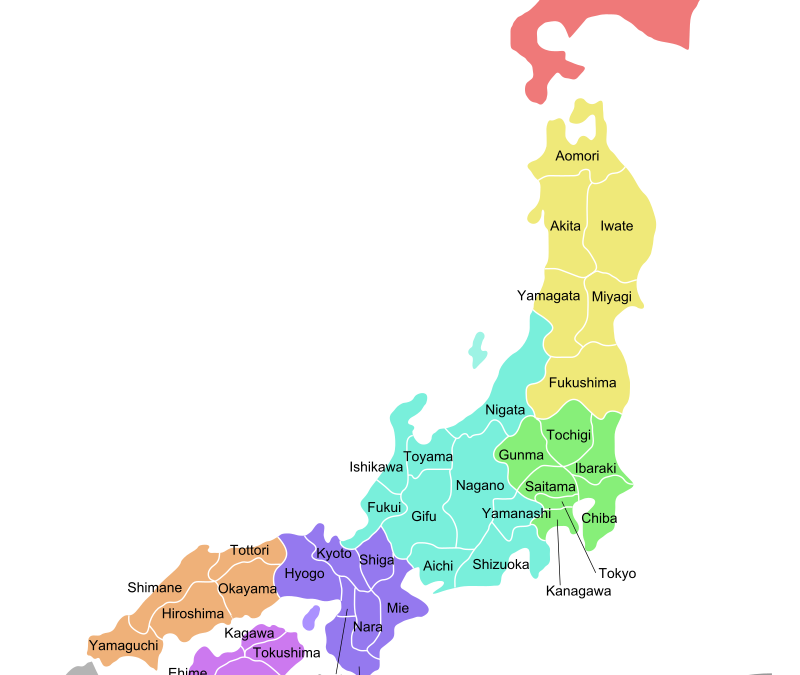
- Where this comes from — Hakata, northern Kyushu
- Price snapshot across stores
- 📦 Shipping & where to buy from outside Japan
- What it does well
- Weaknesses and things to verify before buying
- Conclusion — which buyer type are you?
- Other ways to approach this purchase
- 🏆 Editor’s Pick
- ❓ Frequently Asked Questions
Who this is for — and who should skip it
- Want a small, verifiable piece of a METI-designated craft rather than generic “Japanese-style” goods
- Prefer a firm, structured purse that holds its shape over a soft slouchy one
- Like the graphic, geometric kenjo stripe and its documented Buddhist-implement motifs
- Are shopping a gift that is light, flat, and easy to ship internationally
- Are comfortable buying through Amazon JP Global Store from outside Japan
- Want a large wallet — a gamaguchi coin purse is small by design
- Expect soft, drapey silk; Hakata-ori is deliberately stiff
- Need a confirmed price before ordering (the snapshot carried no price)
- Will subject it to keys and heavy daily abrasion against the silk face
- Are uneasy with international shipping times and possible customs handling

Product overview (from published specs)
The listing snapshot for this item was thin: it carried the ASIN and category but no price, no dimensions, and no product image. Where a field was not present in the data, it is marked “Unconfirmed” below rather than guessed. Always verify the live listing before purchase.
Hakata-ori Silk Gamaguchi Coin Purse
西村織物 博多織 伊達がま口 鈴付き 赤(水玉) [小銭入れ ポーチ]
通常2~3日以内に発送します。 · Sold by 博多織 織元 ふたくち · ASIN B0BPGP2VZQ
Price and availability as of 2026-09-01 05:22 JST. The Amazon listing at the time of purchase is authoritative. jpmono.com earns a commission on qualifying purchases at no extra cost to you.
| Attribute | Detail | Source |
|---|---|---|
| Craft | Hakata-ori (博多織) silk weave | Maker tradition / METI designation |
| Item type | Gamaguchi (clasp-frame) coin purse | Amazon JP Global Store listing |
| Pattern | Kenjo-gara stripe (dokko & hanazara motifs) | Craft tradition / recommendation hint |
| Face material | Silk (warp-faced float weave) | Craft tradition |
| Clasp | Metal frame (gama) clasp | Recommendation hint |
| Origin | Hakata, Fukuoka Prefecture, Kyushu, Japan | Craft tradition |
| Dimensions / weight | Unconfirmed — check the listing | Not in snapshot |
| Price | Unconfirmed — live price varies | Not in snapshot |
| ASIN | B079DNP72R | Amazon JP Global Store |
Only the Amazon JP Global Store listing reference was available; live pricing and exact dimensions may have shifted since the writing date, and were left blank rather than invented.
📖 Glossary — key terms used in this article
- Hakata-ori (博多織) — the firm, warp-faced silk weave of Hakata, Fukuoka; a METI-designated traditional craft.
- Gamaguchi (がま口) — a purse with a hinged metal frame clasp that snaps open and shut; the name likens the opening to a toad’s mouth.
- Kenjo-gara (献上柄) — the “presentation pattern,” the stripe the Fukuoka domain gave to the shogunate; now the signature Hakata-ori design.
- Dokko (独鈷) & hanazara (華皿) — Buddhist ritual implements whose shapes are stylized into the kenjo stripe.
- Kinunari (絹鳴り) — the dry “silk song” a tightly woven Hakata-ori cloth makes when flexed.
- Kaku-obi (角帯) — the stiff men’s sash that first made Hakata-ori famous because it ties firmly and resists loosening.
- Uki-ori (浮き織) — float weave; densely stretched warp over a thick weft, which gives the cloth its body.
- Dentōteki kōgeihin (伝統的工芸品) — a craft formally designated by Japan’s Ministry of Economy, Trade and Industry (METI).

Where this comes from — Hakata, northern Kyushu

Hakata is the historic merchant and port district of Fukuoka City, on the northern coast of Kyushu, Japan’s southwestern main island. For most of recorded history it was Japan’s closest major harbor to the continent, with the Tsushima Strait separating it from the Korean peninsula and, beyond, Song-dynasty China. That position is not trivia here — it is the reason the craft exists. Trade and travel between Hakata and the continent are how the weaving technique reached Fukuoka in the first place.
The tradition is conventionally dated to 1235, when a Hakata merchant named Mitsuda Yazaemon (満田弥三右衛門) is said to have sailed to Song China in the company of the monk Shoichi Kokushi (聖一国師), the figure associated with Hakata’s Jotenji (承天寺) temple. There he studied weaving methods, and on his return he brought the craft back to Hakata. From that root grew a distinctly firm, warp-faced silk — built for structure rather than drape.
- 1235 — Mitsuda Yazaemon travels to Song China with the monk Shoichi Kokushi and studies weaving.
- 13th century — The technique takes root in Hakata, linked to the Jotenji temple founded by Shoichi Kokushi.
- Edo period (1603–1868) — The Fukuoka (Kuroda) domain presents the cloth to the shogunate each year; the stripe becomes known as kenjo-gara.
- Edo period — The stiff kaku-obi sash makes Hakata-ori’s reputation; the kinunari “silk song” becomes its calling card.
- Modern era — Hakata-ori is designated a National Traditional Craft (dentōteki kōgeihin) by Japan’s METI.
- c. 2012 — By maker accounts the tradition passes its 777th continuous year.
- 2026 — In its roughly 791st year, the kenjo stripe is applied to gamaguchi purses and other small goods.
The name kenjo-gara comes directly from that domain history. During the Edo period the Fukuoka domain, under the Kuroda family, sent Hakata-ori to the Tokugawa shogunate as an annual offering — kenjo meaning “presentation to a superior.” The cloth chosen for that offering carried a particular striped design, and the stripe took the name of the gift. What looks at a glance like a plain geometric pattern is in fact built from two Buddhist ritual implements rendered as stripes: the dokko (独鈷), a hand-held implement, and the hanazara (華皿), a flower tray. The pattern is decoration with a documented vocabulary behind it.
“Hakata-ori was never trying to be soft. The stiffness that makes the silk sing is the same stiffness that lets a coin purse keep its shape.”
On continuity: Hakata-ori carries one of the longer unbroken runs in Japanese textile craft, on the order of 777 years and more by the makers’ own reckoning. It earned its name in kaku-obi, the firm men’s sash prized because it ties cleanly and does not slip loose during wear — a practical virtue, not a decorative one. The move into gamaguchi and other small goods is the modern extension of that same silk: the obi cloth, scaled down. When you hold one of these purses, the body you feel in the fabric is the property the weave was built around in the first place.

Price snapshot across stores
The listing snapshot carried no price, so the figures below are marked as varying rather than estimated. The JPY price on the Amazon JP Global Store page is the authoritative one for this specific item; confirm it there before ordering.
| Store | Item / variant | Price | Notes |
|---|---|---|---|
| 🇺🇸 Amazon.com (US) | Browse Japanese silk gamaguchi & coin purses | varies (USD) | Best if you are shopping from the US — Prime shipping, USD pricing, no international customs. Amazon US carries comparable Japanese silk purses and pouches for comparing patterns and price tiers; this exact Hakata-ori piece is sourced from Japan (next row). |
| 🇯🇵 Amazon JP Global Store | Hakata-ori kenjo-gara gamaguchi (ASIN B0BPGP2VZQ) | live price varies (JPY; check listing) | The sourced listing for the specific item. Ships internationally from Japan to most major destinations. JPY is the authoritative price. |
| Maker direct | Hakata-ori weavers’ / cooperative shops | varies (JPY) | Specific maker not identified in the snapshot. Some Hakata-ori houses sell online but may not ship abroad — verify before ordering. |
| Proxy services (Buyee / Tenso) | Japan-only listings forwarded abroad | item price + forwarding fee | Useful when a Japanese shop will not ship internationally; adds a service fee and a second shipping leg. |
Prices in USD are approximate and depend on the current exchange rate (a generous ¥150/USD is used as a baseline elsewhere in this guide). Stock and pricing fluctuate; the affiliate link carries the current figure.
📦 Shipping & where to buy from outside Japan
The Amazon JP Global Store path is designed to ship to most major destinations. A flat silk purse is light and low-volume, so it is one of the simpler craft items to send internationally.
Expect roughly $15–$40 to the US or EU for a small parcel, higher to other regions. The exact figure is shown at checkout on the listing.
A small purse usually sits below most countries’ duty thresholds, but rules vary. Check your local import threshold for orders over the de minimis value.
If a Japan-only shop has a colorway you prefer, a proxy service (Buyee, Tenso) can forward it abroad for a fee and a second shipping leg.
What it does well
The firm float-weave silk keeps the purse body and clasp mouth structured, so it does not collapse the way a soft fabric purse can.
A METI-designated craft with a continuous tradition dated to 1235 — verifiable provenance, not generic “Japanese-style” decoration.
The kenjo stripe is built from the dokko and hanazara Buddhist motifs and carries the shogunate-presentation history in its name.
Light, flat, and compact — a low-risk international parcel and a recognizable craft gift that needs no electrical or voltage caveats.
Weaknesses and things to verify before buying
- No confirmed price in the snapshot. The data carried no price; you must check the live listing before deciding. Do not assume a figure.
- Dimensions unconfirmed. Gamaguchi range from tiny coin pouches to larger frames. Confirm the exact size so it matches what you want to carry.
- Silk in a high-wear role. A coin purse rubs against keys, zippers, and pocket seams. Silk resists abrasion less well than leather or canvas; keep it away from sharp contents.
- Stiff hand is not for everyone. Hakata-ori is deliberately firm. If you expected soft, drapey silk, the structured feel may surprise you.
- Maker and colorway not specified. The snapshot did not identify the specific weaver or enumerate ground colors. Verify both on the listing if they matter to you.
- International shipping and customs add time and cost. Sourced from Japan, it will take longer than a domestic order and may incur local handling depending on your country’s thresholds.
Conclusion — which buyer type are you?
You want the documented kenjo-gara weave and the provenance. This is squarely for you — buy the sourced JP listing once you confirm the colorway.
You want a light, attractive, easy-to-ship Japanese craft gift. A good fit — confirm price and shipping window before ordering.
With no confirmed price and added shipping, compare the live figure against simpler silk pouches on Amazon US before committing.
You need a large wallet, soft silk, or a heavy-duty daily purse. This structured coin frame is not the right object for you.
Other ways to approach this purchase
Since the price was not fixed in the snapshot, watch the listing for a few days; craft prices fluctuate with exchange rates and stock.
Hakata-ori cooperative and weaver shops sometimes offer colorways not on Amazon — though many do not ship abroad directly.
If you buy through Amazon regularly, applying accumulated points or rewards can offset the international shipping fee.
If a structured silk coin purse is not what you actually need, a comparable everyday wallet may serve you better — and cost less to ship.
🏆 Editor’s Pick
❓ Frequently Asked Questions
Does Amazon JP Global Store ship a Hakata-ori coin purse internationally?
Yes — the Amazon JP Global Store path is built to ship to most major destinations, and a flat, light silk purse is one of the easier craft items to send abroad. The exact shipping fee and delivery window appear at checkout on the listing.
What makes the kenjo-gara stripe special?
The kenjo-gara is the stripe the Fukuoka (Kuroda) domain presented to the Tokugawa shogunate each year during the Edo period — kenjo means “presentation to a superior.” Its lines are stylized renderings of two Buddhist ritual implements, the dokko and the hanazara, so the pattern carries documented meaning rather than being abstract decoration.
Is the silk durable enough for daily coin-purse use?
Hakata-ori is a firm, densely woven silk, which gives it more body than typical kimono silk. That said, silk resists abrasion less well than leather or canvas, so keep keys and sharp objects out of direct contact with the silk face to preserve the surface.
How should I care for a Hakata-ori silk gamaguchi?
Treat it as silk: keep it dry, avoid soaking or machine washing, and spot-clean gently if needed. Specific care instructions were not included in the listing snapshot, so follow any care note that ships with the item and err toward conservative handling.
Is this the same Hakata-ori used for obi sashes?
It is the same weaving tradition. Hakata-ori first made its name in the kaku-obi, the stiff men’s sash prized for tying firmly without loosening. The gamaguchi is that same structured silk scaled down into a small good, which is why it holds its shape so well.
Why is no fixed price shown for this item?
The listing snapshot used for this guide did not include a price, so rather than invent one we direct you to the live Amazon JP Global Store page, where the current JPY price — the authoritative figure for this specific item — is shown.
jpmono.com is curated by a Japan-based editorial team (working out of Toyama in the Hokuriku region and Nara in Kansai) and is independent. We do not take payment from the makers we feature; income comes from affiliate links. We read maker specs and source listings rather than physically testing every product.
This article was prepared with AI assistance and reviewed against the source listing data. Specs, pricing, and availability should be confirmed on the retailer page before purchase.
Affiliate disclosure: jpmono.com may earn a commission on qualifying purchases made through links on this page, at no additional cost to you.