![Myochin Hibashi Furin: Where to Buy the Himeji Armorer’s Iron Wind Chime [2026]](https://jpmono.com/wp-content/uploads/2026/05/myochin-hibashi-furin-iron-wind-chime-where-to-buy-2026-featured.jpg)
A wind chime is usually a piece of glass. The Myochin hibashi furin (明珍火箸風鈴, “Myochin fire-chopstick wind chime”) is two bars of hand-forged iron — and that single material swap changes everything you hear. Where a glass furin gives a soft, quickly-fading tinkle, struck iron rings with a high, pure, remarkably long-sustaining note. The tone is clean enough that, per the maker’s tradition, musicians have used the chime as a tuning reference.
The piece is made in Himeji, in Hyōgo Prefecture, by Myochin Honpo — descendants of a samurai-armorer (katchūshi) lineage said to stretch back roughly nine centuries. When the long Tokugawa peace dried up the market for armor, the family redirected the same iron-forging skill into everyday tools: above all the hibashi, the iron chopsticks used to move charcoal. The wind chime came later, when one smith noticed that two of those fire chopsticks, struck together, would not stop ringing.
This guide is written for the international reader deciding whether an iron furin is worth sourcing from Japan: what it is, where it sits on the map and in history, how it compares to the bamboo and tin objects in the same craft family, and where to buy it. A note up front on data: the listing snapshot for this item was not captured at the time of writing, so live price and exact dimensions are unconfirmed — verify them on the product page before purchasing. We will not invent numbers we do not have.
🔄 Updated:
⏱️ Read time: about 9 minutes
![Myochin Hibashi Furin: Where to Buy the Himeji Armorer's Iron Wind Chime [2026]](https://m.media-amazon.com/images/I/41AyeXFbceL._SL500_.jpg)
- Who this is for — and who should skip it
- Product overview (from published specs)
- Where this comes from — Himeji, the Myochin armorers, and the iron that learned to sing
- 📌 How does it compare?
- Price snapshot across stores
- What it does well
- Weaknesses and things to verify before buying
- Conclusion — which buyer type are you?
- Other ways to approach this purchase
- 🏆 Editor’s Pick
- ❓ Frequently Asked Questions
Who this is for — and who should skip it
- Want a wind chime whose tone is high, pure, and unusually long-sustaining rather than a soft glass tinkle.
- Value a verifiable craft lineage — a real samurai-armorer family still forging iron by hand.
- Prefer a durable metal object over fragile blown glass.
- Already collect Japanese metalcraft (tin, cast iron) and want a sound-making piece in the same family.
- Are comfortable buying from a Japan-based listing and waiting for international shipping.
- Want the softest, quietest possible sound — iron carries farther and higher than glass or bamboo.
- Live with shared walls or close neighbors who may not want a clear, ringing tone.
- Plan to leave it permanently outdoors in rain — bare iron needs wiping and off-season storage.
- Need a confirmed price and exact dimensions before committing (listing data was not captured here).
- Expected functional fire chopsticks for a hearth rather than a tuned chime.

Product overview (from published specs)
The table below records only what can be stated responsibly from the maker’s craft tradition and the spec supplied for this guide. Where a value was not present in the captured data, it is marked unconfirmed rather than estimated. Sources, in priority order, are the Amazon US search path (primary), the Amazon JP Global Store listing where the specific item is sourced (secondary), and the maker’s own tradition.
Myochin Hibashi Furin
明珍火箸 第五一代 明珍宗之 明珍鍛冶 ドアチャイム 風鈴 姫路名産 木箱入り
通常7~8日以内に発送します。 · Sold by オンラインショップ楓 · ASIN B0GGNFQB1K
Price and availability as of 2026-08-31 02:30 JST. The Amazon listing at the time of purchase is authoritative. jpmono.com earns a commission on qualifying purchases at no extra cost to you.
| Attribute | Detail |
|---|---|
| Item | Hibashi furin — iron fire-chopstick wind chime |
| Maker | Myochin Honpo (明珍本舗), Himeji |
| Material | Hand-forged iron (tanzō) |
| Origin | Himeji, Hyōgo Prefecture, Kansai region, Japan |
| Tradition | Katchūshi (armorer) lineage, said to span roughly 900 years |
| Signature trait | High, pure, long-sustaining metallic tone |
| Dimensions / weight | Unconfirmed — check manufacturer / listing page |
| Price | Unconfirmed — listing snapshot not captured at time of writing; verify on the listing |
| Reference ID | ASIN B0GGNFQB1K (Amazon JP Global Store) |
📖 Glossary — Japanese terms used in this guide
- hibashi (火箸) — “fire chopsticks.” Long iron rods used to handle burning charcoal in a brazier or hearth. The wind chime is built from this everyday tool.
- furin / fūrin (風鈴) — a wind chime hung in summer; the clapper carries a paper or fabric strip that catches the breeze.
- katchūshi (甲冑師) — an armorer; a craftsman who forged the iron helmets and body armor of the samurai class.
- tanzō (鍛造) — hand-forging; shaping heated metal by hammer rather than casting it in a mold.
- jōkamachi (城下町) — a “castle town” that grew up around a feudal lord’s castle and the artisans under his patronage.
- Heian period — the era from 794 to 1185, when the family name is said to have been granted.

Where this comes from — Himeji, the Myochin armorers, and the iron that learned to sing

Himeji is a castle town. Its white keep — Himeji Castle, a World Heritage Site — dominates the skyline and tells you what the city was for: a fortified center of samurai administration on the western approach to the Kansai heartland. A city built around the business of warriors needed armorers, and that is where the Myochin family fits.
The Myochin were katchūshi — makers of samurai armor and helmets — for roughly nine hundred years, serving warrior clans across generations. The family name is said to have been granted by Emperor Konoe during the Heian period, and the line eventually settled in Himeji under the patronage of the castle town. For most of that history the family’s product was war: the iron plate, the hammered helmet bowl, the fittings of a fighting man’s equipment.
“When the country stopped fighting, the iron did not stop being forged — it was simply asked to do something gentler.”
That gentler turn came with peace. As the long Tokugawa order took hold and the demand for armor collapsed, the smiths redirected the same forging skill into household iron — and above all into hibashi, the fire chopsticks used to move charcoal in a brazier. It is a quietly remarkable continuity: the hands that had shaped helmets now shaped the small, exacting tools of domestic life.
- Heian period (794–1185) — the Myochin name is said to have been granted by Emperor Konoe.
- ~12th–19th c. — the family serves as katchūshi (armorers) to samurai clans for roughly nine centuries.
- Castle-town era — the line settles in Himeji under the patronage of the jōkamachi.
- Edo period (1603–1868) — as Tokugawa peace ends demand for armor, the smiths turn iron-forging to hibashi and other everyday tools.
- Postwar 20th century — the 52nd-generation Myochin smith notices that two struck hibashi ring with an unusually pure, long-sustaining note, and develops the hibashi furin.
- 2026 — Myochin Honpo still hand-forges the iron furin in Himeji.
The wind chime itself is a postwar invention from inside this lineage. The 52nd-generation smith is the one credited with noticing that two struck hibashi rang with an unusually pure, long-sustaining tone — clean enough that, in the maker’s account, musicians have valued the chime for its pitch. From there it was a short step to hang the rods as a furin and let the summer wind play them.
That arc — from a Himeji warlord’s armory to a peacetime sound-craft — is the whole point of the object, and it is what makes a clean contrast with the bamboo Suruga fuurin from Shizuoka already covered on this site. One chime is iron that used to be armor; the other is split bamboo. They make very different sounds, and they carry very different histories.
Seasonally, the furin belongs to summer. In Japan it is hung at a window or under an eave from roughly June through August, where the breeze is meant to suggest coolness as much as produce sound. The iron version reads as a quiet, austere object the rest of the year — closer to a small piece of metalwork than to seasonal décor — which is part of why it sits comfortably alongside tin and cast-iron pieces in a collection.

📌 How does it compare?
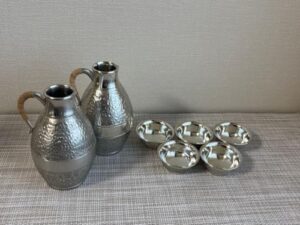
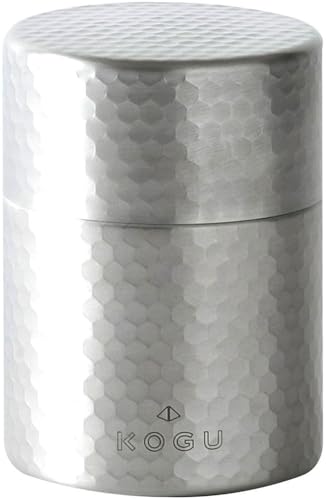
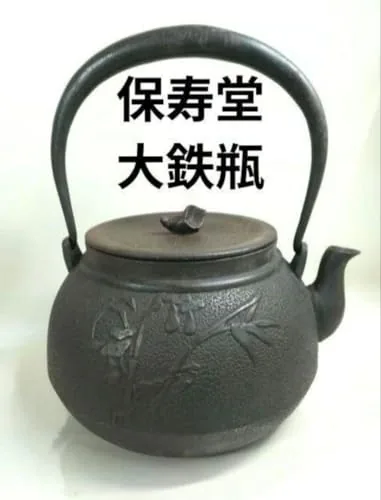
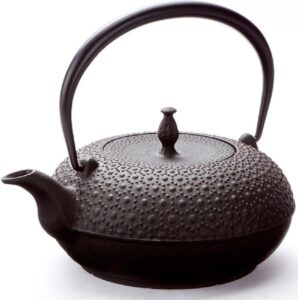
If you are weighing the iron furin against other Japanese metalwork and sound-craft on this site, these related guides cover neighboring objects — tin tableware, cast-iron kettles, inlay metalwork, forged blades, and the bamboo wind chime that makes the natural counterpoint.
Price snapshot across stores
Live pricing was not captured for this item at the time of writing, so the JPY figure below is shown as unconfirmed rather than guessed. The JPY price on the source listing is the authoritative one; any USD figure would be an approximate estimate at a ¥150/USD baseline.
| Store | Item / variant | Price | Notes |
|---|---|---|---|
| 🇺🇸 Amazon.com (US) | Browse Japanese wind chimes (furin) & iron home goods | varies (USD) | Best if you are shopping from the US — Prime shipping, USD pricing, no international customs. Amazon US carries Japanese wind chimes and iron home goods from various makers; the Myochin Himeji piece itself is sourced from Japan (next row). |
| 🇯🇵 Amazon JP Global Store | Myochin Honpo hand-forged iron hibashi furin | ¥ — unconfirmed (verify on listing) | Where the specific item in this guide is sourced. Ships internationally from Japan to most major destinations; confirm price and shipping to your country at checkout. |
| Maker direct | Myochin Honpo (Himeji) | — | The workshop sells directly in Japan; international ordering and English support are not guaranteed. Check current availability on the maker’s own channels. |
| Proxy services (Buyee / Tenso) | Forwarding from JP listings | item + fee | Useful if a listing does not ship to your country directly. Adds a service fee and a second shipping leg; factor in customs duties above your local threshold. |
What it does well
The maker’s tradition holds the note is pure and long-sustaining — clean enough to have served musicians as a reference. It does not sound like a glass chime.
A samurai-armorer family said to span roughly 900 years, redirecting the same forging skill from helmets to a domestic object. The heritage is not marketing dressing.
Forged iron will not shatter if it knocks a window frame or is brought in roughly. With basic care it is a long-lived object rather than a seasonal disposable.
As a forged-iron piece it belongs with tin and cast-iron metalcraft (see the cross-links above), reading as a quiet object even out of season.
Weaknesses and things to verify before buying
- Price and dimensions are unconfirmed here. The listing snapshot was not captured at the time of writing. Do not commit until you have seen the current JPY price, size, and what the package includes on the listing itself.
- The sound is louder and higher than glass or bamboo. The long, clear sustain that collectors prize is exactly what some households find too present. If you want the softest possible chime, the bamboo Suruga fuurin is the gentler choice.
- Neighbor and shared-wall considerations. A tone that carries across a garden also carries across a balcony divider. Think about where you will hang it before buying.
- Bare iron can rust. It is not meant to stay out in rain year-round. Plan to wipe it down and store it off-season, and keep it out of constant direct moisture.
- Hand-forging means variation. Finish and exact pitch differ slightly piece to piece. That is intrinsic to the craft, but it means you cannot guarantee an identical tone to any sample recording.
- International shipping and customs add cost and time. Sourcing from a Japan listing means a shipping leg, possible customs duties above your local threshold, and longer delivery than a domestic order.
Conclusion — which buyer type are you?
You want the lineage and the signature tone, full stop. The Myochin hibashi furin is the piece — verify the listing and buy it.
You like an iron furin with a story but are flexible on maker. The Myochin works; so might a piece from the Nambu cast-iron tradition (see cross-links) if availability or price suits you better.
You want a wind chime with craft credentials but a gentler, quieter tone and likely lower cost — the Suruga bamboo fuurin is the natural pick.
You want silent décor, live with close neighbors who would object to a clear ringing tone, or need a confirmed price before buying anything. Wait or look elsewhere.
Other ways to approach this purchase
Furin are seasonal; listings often move ahead of summer. If you are not in a hurry, watch the price into the early-summer window.
Japanese marketplaces (Yahoo! Auctions, Mercari JP) sometimes list these; a proxy such as Buyee or Tenso can forward an item that does not ship abroad directly.
If you buy through Amazon JP Global Store, account points or promotions can offset part of the cost. Check what applies to your account region.
If the iron tone is more than you want, the Suruga bamboo fuurin gives a softer sound and a different craft story — see the cross-link above.
🏆 Editor’s Pick
❓ Frequently Asked Questions
Does the iron furin really ring longer than a glass wind chime?
Per the maker’s tradition, yes — the defining feature of the Myochin hibashi furin is a high, pure tone with an unusually long sustain, clean enough that it has reportedly been used by musicians as a pitch reference. A glass furin gives a softer tinkle that fades faster. Because each piece is hand-forged, the exact pitch varies slightly between pieces.
Will it rust if I hang it outside?
It is bare forged iron, so prolonged exposure to rain and constant moisture can cause rust. Treat it as a seasonal piece: hang it under an eave or at a sheltered window during summer, wipe it down, and store it dry off-season rather than leaving it out year-round.
Does Amazon JP Global Store ship internationally?
Amazon JP Global Store ships many household items internationally to most major destinations, and this item is sourced from that listing. Shipping cost, eligibility, and any customs duties depend on your country, so confirm the figures at checkout. If a listing will not ship to you directly, a proxy service such as Buyee or Tenso can forward it for an added fee.
Is this the same Myochin family that made samurai armor?
Yes. The Myochin were katchūshi — armorers — to samurai clans for roughly nine centuries, with a name said to have been granted by Emperor Konoe in the Heian period. When peace under the Tokugawa reduced demand for armor, the smiths turned the same iron-forging skill to everyday tools such as hibashi (fire chopsticks), and later to the wind chime.
How is it different from the Suruga bamboo wind chime?
The two are a deliberate contrast. The Myochin furin is forged iron from Himeji with a high, ringing, long-sustaining tone; the Suruga fuurin from Shizuoka is split bamboo with a softer, drier, quicker-fading sound. Choose the iron for a clear carrying note and metalwork heritage, the bamboo for a gentler, quieter chime.
How should I care for and store it off-season?
Wipe the iron with a dry cloth before storing, keep it somewhere dry, and avoid leaving it in constant damp. Handle the paper or fabric clapper strip gently, as that is the part most likely to wear. Stored properly, a forged-iron furin is built to last many seasons.
jpmono.com is curated by a Japan-based editorial team (working out of Toyama in the Hokuriku region and Nara in Kansai) and is independent. We do not take payment from the makers we feature; income comes from affiliate links. We do not physically test every product — we read maker specs and source listings. Read more about our editorial standards.
🤖 This article was prepared with AI assistance and reviewed against the supplied product data and craft-tradition notes. Specifications and pricing were not fully captured at the time of writing and are marked as unconfirmed where applicable; verify details on the retailer’s listing before purchasing.
Affiliate disclosure: jpmono.com may earn a commission on qualifying purchases made through links on this page, at no additional cost to you.