![Takaoka Shikki Aogai Raden Lacquer Box: Toyama Mother-of-Pearl Inlay [2026]](https://jpmono.com/wp-content/uploads/2026/06/takaoka-shikki-aogai-raden-lacquer-box-where-to-buy-2026-featured.jpg)
A Takaoka aogai raden box is a small object that does a quiet, complicated thing: it takes thin slivers of iridescent shell and beds them into layers of black urushi (漆, “lacquer”) so the lid catches light and flashes blue-green as you turn it. The piece in this guide is a compact accessory or jewelry box made in Takaoka, a castle town on the Sea of Japan coast of Toyama Prefecture, in the Hokuriku region where our editorial team is based. Takaoka has produced lacquerware and cast metal continuously since the early 1600s, and the mother-of-pearl inlay — aogai-nuri (青貝塗) — is one of its defining decorative signatures.
What makes Takaoka raden notable to an international reader is the technique itself. This is not carved lacquer like Kamakura-bori or Nikko-bori, where the design is cut in relief. Here the pattern is built from shell: abalone and turban-shell mother-of-pearl, shaved thin, cut to shape, and inlaid flush into the urushi surface. The color is not paint. It is the structural iridescence of the shell, which is why it shifts as the light and your viewing angle change.
This article is for readers weighing a first piece of Japanese lacquer that is decorative rather than purely functional — a desk or vanity box rather than a soup bowl. We cover what the craft is, where Takaoka sits and why the industry took root there, how raden differs from carved lacquer, what to verify before buying, and the realistic paths for buying it from outside Japan. One caveat up front, stated plainly: the data feed for this specific listing came back essentially empty — no live price, stock, or image snapshot was available at the time of writing. Where that limits what we can say, we say so rather than guessing.
🔄 Last updated: June 1, 2026
⏱️ Read time: ~9 min
ASIN B0H8SZFQ31 · sourced from Amazon JP Global Store
![Takaoka Shikki Aogai Raden Lacquer Box: Toyama Mother-of-Pearl Inlay [2026]](https://m.media-amazon.com/images/I/31v8lcyNBrL._SL500_.jpg)
- Who this is for — and who should skip it
- Product overview (from published specs)
- 📍 Where this comes from — place, era, and the craft tradition
- 📦 Shipping & where to buy from outside Japan
- Price snapshot across stores
- What it does well
- Weaknesses and things to verify before buying
- Conclusion — which buyer type are you?
- Other ways to approach this purchase
- 🏆 Editor’s Pick
- ❓ Frequently Asked Questions
Who this is for — and who should skip it
- Want a decorative lacquer object with verifiable regional heritage, not generic “Asian-style” homeware
- Are drawn to the shifting blue-green of mother-of-pearl rather than a painted finish
- Need a small lidded box for rings, earrings, cufflinks, stamps (hanko), or keepsakes
- Appreciate a gift that carries a 400-year castle-town story
- Are comfortable buying internationally and verifying details on the listing first
- Want a daily-use, dishwasher-safe container — urushi is hand-wash only and dislikes heat
- Need exact dimensions, capacity, or a firm price before committing (this feed returned none)
- Expect machine-perfect uniformity; raden is hand-inlaid and varies piece to piece
- Have a urushi (lacquer-sap) sensitivity — cured lacquer is inert, but uncured exposure can irritate
- Want the lowest possible price; hand-inlay shell work sits above mass-market boxes

Product overview (from published specs)
The listing feed for this item returned no specification snapshot, so the table below records what is established from the craft definition and the spec sheet rather than from a live product page. Treat every “—” as unconfirmed — check the retailer listing, not as a measured value.
Takaoka Shikki Aogai Raden Lacquer Box
高岡漆器 螺鈿細工 文箱 大 書道箱 硯箱 高級 文書 保管箱 A4
通常6~7日以内に発送します。 · Sold by ぽぽななショップ · ASIN B0H8SZFQ31
Price and availability as of 2026-09-01 05:22 JST. The Amazon listing at the time of purchase is authoritative. jpmono.com earns a commission on qualifying purchases at no extra cost to you.
| Attribute | Detail | Source |
|---|---|---|
| Craft | Takaoka shikki (高岡漆器, “Takaoka lacquerware”), aogai-nuri / raden mother-of-pearl inlay | Craft definition |
| Object | Small accessory / jewelry box, lidded | Spec |
| Decoration | Abalone / turban-shell mother-of-pearl inlaid into layered urushi | Craft definition |
| Origin | Takaoka, Toyama Prefecture, Hokuriku, Japan | Spec |
| Designation | National Traditional Craft (METI), designated 1975 | Spec |
| Dimensions / weight | — Unconfirmed — check the retailer listing | No feed data |
| Price | — Unconfirmed — no live price was returned at the time of writing | No feed data |
| Reference ASIN | B0H8SZFQ31 (Amazon JP Global Store) | Spec |
📖 Glossary — key terms (tap to open)
Urushi (漆) — the refined sap of the lacquer tree, brushed on in thin layers and cured in a humid cabinet. Each coat hardens into a durable, water-resistant film. Cured urushi is inert; uncured sap can irritate sensitive skin.
Raden (螺鈿) — “shell inlay.” Thin pieces of iridescent mother-of-pearl set into a lacquer (or wood) surface. The color is the shell’s natural structural iridescence, not pigment.
Aogai-nuri (青貝塗) — Takaoka’s name for its fine raden work, literally “blue-shell lacquer,” using especially thin shavings that flash blue-green.
Takaoka shikki (高岡漆器) — the lacquerware of Takaoka, known for three decorative signatures: chokoku-nuri (carved-relief lacquer), yusuke-nuri, and aogai-nuri / raden.
Shokunin (職人) — a trained craftsperson; in Takaoka, often someone who has spent years on a single stage of the process (shell-cutting, inlay, or final polishing).

📍 Where this comes from — place, era, and the craft tradition

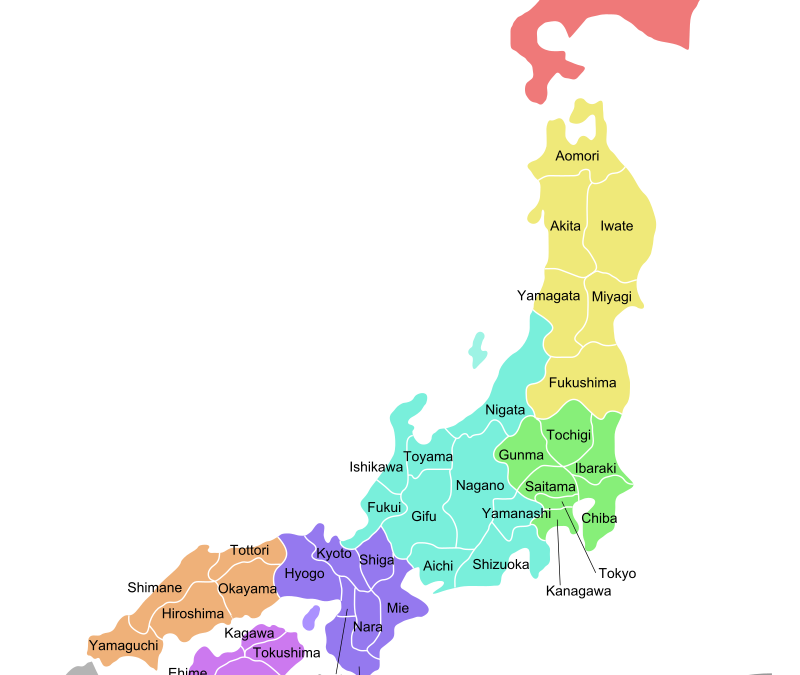
Takaoka is a port-and-river city in the western part of Toyama Prefecture, facing the Sea of Japan. The Hokuriku coast is a region of heavy winter snow and abundant water, and the city grew where river logistics, casting sand, and skilled labor could be concentrated. That combination is the practical reason two metal-and-lacquer industries — Takaoka copperware and Takaoka lacquerware — both took root in the same place.
The historical anchor is precise. Takaoka was founded in 1609, when Maeda Toshinaga, lord of the powerful Kaga domain, built Takaoka Castle and laid out a new castle town around it. To populate and provision the town, he invited metal casters and lacquer artisans to settle there — deliberately seeding both crafts as economic engines for the domain. The lacquer tradition matured across the Edo period, developing its three decorative signatures, and the shell-inlay work — aogai-nuri / raden — became the line most associated with Takaoka refinement.
- 1609 — Maeda Toshinaga builds Takaoka Castle and founds the castle town.
- 1611 — Metal casters and lacquer artisans are invited to settle, seeding both Takaoka copperware and lacquerware.
- Edo period — Three decorative signatures mature: chokoku-nuri (carved relief), yusuke-nuri, and aogai-nuri / raden.
- 19th century — Fine mother-of-pearl inlay becomes the line most identified with Takaoka refinement.
- 1975 — Takaoka shikki is designated a National Traditional Craft by Japan’s trade ministry (METI).
- 2026 — Aogai raden boxes, trays, and accessory pieces are still produced in Takaoka workshops.
What “still being made here” means in practice is a chain of specialized hands. Raden work is rarely done by one person from start to finish: shell is selected and shaved thin, cut to the design, inlaid into the urushi ground, then over-coated and polished back until the shell sits flush and flashes. Each stage rewards years of repetition, which is why Takaoka’s continuity matters more than any single maker’s name — the technique survives because the district kept enough specialists working side by side.
“The blue-green is not paint. It is the shell itself — the same structural color that lit the inside of an abalone, now bedded in black lacquer and polished until it catches the room.”

📦 Shipping & where to buy from outside Japan
The specific box is sourced from the Amazon JP Global Store (ASIN B0H8SZFQ31), which ships many household items internationally to most major destinations. For a small, light lacquer box, international shipping commonly lands in the $15–$40 range to the US and EU, higher to other regions; the exact quote appears at checkout. Orders above your country’s de-minimis threshold may incur customs duty or import VAT — budget for that separately.
If the JP listing is unavailable or does not ship to you, the realistic alternatives are a Japanese maker or gallery direct site, or a proxy-forwarding service such as Buyee or Tenso, which give you a Japanese address and re-ship onward. These are not electrical goods, so there are no voltage or certification concerns — but lacquer should not be shipped or stored in extreme heat, so summer-route handling is worth a thought.
Price snapshot across stores
USD figures are approximate at a ¥150/USD baseline (mid-2026); the JPY price on the listing is the authoritative one. No live price was returned by the feed for this item, so the price cells read “varies — verify on listing.”
| Store | Item / Variant | Price | Notes |
|---|---|---|---|
| 🇺🇸 Amazon.com (US) | Browse Japanese lacquerware & raden boxes | varies (USD) | Best if you are shopping from the US — Prime shipping, USD pricing, no international customs. Amazon US carries Japanese lacquer and inlay boxes from various makers; this exact Takaoka piece is sourced from Japan (next row). |
| 🇯🇵 Amazon JP Global Store | Takaoka aogai raden box (ASIN B0H8SZFQ31) | varies — verify on listing | The sourced listing for the specific item. Ships internationally from Japan. Confirm price, size, and stock on the page. |
| Maker direct | Takaoka workshop / gallery pieces | varies | Some Takaoka makers and Toyama craft galleries sell direct; selection and authentication are strongest, but international shipping may need arranging. |
| Proxy services (Buyee / Tenso) | Forward any JP listing | item + fee + shipping | Use when a listing will not ship to you directly. Adds a service fee and a consolidation step. |
What it does well
Weaknesses and things to verify before buying
- No confirmed price or dimensions. The listing feed returned empty; you must read the live page for size, interior, and cost before committing.
- Hand-wash only, heat-sensitive. Urushi is not dishwasher- or microwave-safe and dislikes prolonged direct sun or high heat. This is a keepsake box, not daily tableware.
- Piece-to-piece variation. Shell inlay is done by hand; motif density, ground tone, and finish vary, so the item you receive may differ slightly from the listing photo.
- Urushi sensitivity. Fully cured lacquer is inert, but a small number of people react to lacquer; if you have a known urushi allergy, weigh that.
- International shipping and duty. Add $15–$40 shipping plus possible customs duty/VAT above your country’s threshold to the on-page price.
- Authentication. “Takaoka style” is not the same as Takaoka-made; if provenance matters to you, confirm the maker or designation on the listing or buy maker-direct.
Conclusion — which buyer type are you?
Other ways to approach this purchase
🏆 Editor’s Pick
❓ Frequently Asked Questions
Is the blue-green color painted on?
How do I care for a urushi lacquer box?
Does Amazon JP ship this box internationally?
How is this different from Kamakura-bori lacquer?
What is the price?
Is it safe for someone with a lacquer allergy?
What can I keep in it?
jpmono.com is curated by a Japan-based editorial team (working out of Toyama in the Hokuriku region and Nara in Kansai) and is independent. We do not take payment from the makers we feature; income comes from affiliate links. We do not physically test every product — we read maker specs and source listings — and we flag where data is thin, as we have for this item.
This article was prepared with AI assistance and reviewed against the available source data. Where the listing feed returned no value (price, dimensions, image), we have said so rather than estimating.
Affiliate disclosure: jpmono.com may earn a commission on qualifying purchases made through links on this page, at no additional cost to you.