![Kiso Hinoki Cutting Board — Nagano Cypress Woodwork Guide [2026]](https://jpmono.com/wp-content/uploads/2026/05/kiso-hinoki-cutting-board-where-to-buy-2026-featured.jpg)
A Kiso hinoki cutting board is a single piece of Japanese cypress (檜, hinoki) cut from the steep forests of southwestern Nagano. It is light enough to lift one-handed, sheds water rather than soaking it up, and — by long tradition — is gentle on knife edges in a way that glass and bamboo boards are not. The item covered here is a solid, single-piece board sourced through the Amazon JP Global Store (ASIN B0CKPLZKT7), the kind of plain kitchen woodware that has been made from this same wood for centuries.
What makes Kiso hinoki notable to an international reader is not marketing — it is forest law. In the Edo period the Owari domain claimed the Kiso valley’s trees outright and protected the 木曽五木 (Kiso goboku, the “five sacred trees,” led by hinoki) so fiercely that illegal felling could cost a person their life. That same close-grained wood was reserved for rebuilding the Ise Grand Shrine and for Nagoya Castle. The cutting board on your counter is the everyday descendant of a wood that was once treated as a strategic, almost sacred, resource.
This guide is written for cooks and gift-buyers outside Japan who want to understand what they are actually buying: where the wood comes from, what hinoki does well, where it is fussy, how to ship it internationally, and how to judge a listing when — as here — the captured data does not include a confirmed price. We do not physically test the board; we read the listing and the verified regional facts, and we say plainly where the data is thin.
🔄 Updated:
⏱️ Read time: ~9 min

- Who this is for — and who should skip it
- Product overview (from published specs)
- 📍 Where this comes from — Kiso, Nagano, and the protected cypress forests
- 📌 How does it compare?
- Price snapshot across stores
- What it does well
- Weaknesses and things to verify before buying
- Conclusion — which buyer type are you?
- Other ways to approach this purchase
- 🏆 Editor’s Pick
- ❓ Frequently Asked Questions
Who this is for — and who should skip it
- Want a lightweight board that is easy to lift, rinse, and stand on edge to dry
- Use Japanese or thin-bladed knives and care about preserving the edge
- Prefer natural softwood and are willing to hand-wash and air-dry
- Value provenance — a wood with a documented Edo-period protection history
- Are comfortable buying a single-piece wooden item that needs basic care
- Want something dishwasher-safe and zero-maintenance
- Need a heavy board that stays planted without a damp cloth underneath
- Dislike the natural cypress scent (it is noticeable when new)
- Cut a lot of beets, turmeric, or other heavy stainers (softwood can mark)
- Need a confirmed exact size and price before ordering — see the data caveat below
Product overview (from published specs)
The captured listing data for this item is thin: it confirms the product, the image, and the Amazon JP Global Store path, but it does not include verified dimensions, weight, or a current price. Spec sheets indicate a single-piece (one solid plank, not glued strips) Kiso hinoki board. Where a value is not in the captured data, the table says so rather than guessing.
Kiso Hinoki Cutting Board
【Amazon.co.jp限定特別価格】【志水林業製材・木曾檜木創】天然木曽檜300年材 日本製 木製 まな板 天然木曾檜 最高級 一枚板 天然木 キャンプ アウトドア プロ 業務用 (ミニ 30×18×2.5㎝)
現在在庫切れです。 · ASIN B0CKPLZKT7
Price and availability as of 2026-09-01 05:22 JST. The Amazon listing at the time of purchase is authoritative. jpmono.com earns a commission on qualifying purchases at no extra cost to you.
| Attribute | Detail (per captured data) |
|---|---|
| Material | Kiso hinoki (木曽檜, Japanese cypress), single-piece solid wood |
| Construction | One-piece board (not laminated strips) |
| Origin | Kiso valley, southwestern Nagano Prefecture, Japan |
| Dimensions | Not specified in captured listing data — verify on the listing |
| Weight | Not specified in captured listing data — verify on the listing |
| Traditional properties | Water-shedding grain; traditionally valued as resistant to odor and bacteria; gentle on knife edges |
| Sourced via | Amazon JP Global Store (ASIN B0CKPLZKT7), ships internationally |
| Price | Not captured at time of writing — check the live listing |
Only the Amazon JP listing reference is available; live pricing was not captured at the time of writing and may have shifted. Always confirm size and price on the listing before ordering.
📖 Glossary — Japanese terms used here
- hinoki (檜・ヒノキ, “Japanese cypress”) — a close-grained, aromatic softwood prized for its natural oils.
- Kiso (木曽) — a steep cedar-and-cypress valley in southwestern Nagano, famous for its protected forests.
- Nakasendō (中山道, “central mountain route”) — the old inland highway between Edo (Tokyo) and Kyoto that threads through the Kiso valley.
- Kiso goboku (木曽五木, “five trees of Kiso”) — the five tree species the Owari domain protected by law, led by hinoki.
- tomeki (留木, “reserved trees”) — Edo-period laws forbidding the felling of protected species.
- Shikinen Sengū (式年遷宮) — the periodic ritual rebuilding of the Ise Grand Shrine, for which Kiso hinoki was reserved.
- ohitsu (お櫃) — a wooden rice tub, another classic hinoki kitchen object.
- Owari domain (尾張藩) — the Edo-period domain that controlled the Kiso forests.
📍 Where this comes from — Kiso, Nagano, and the protected cypress forests

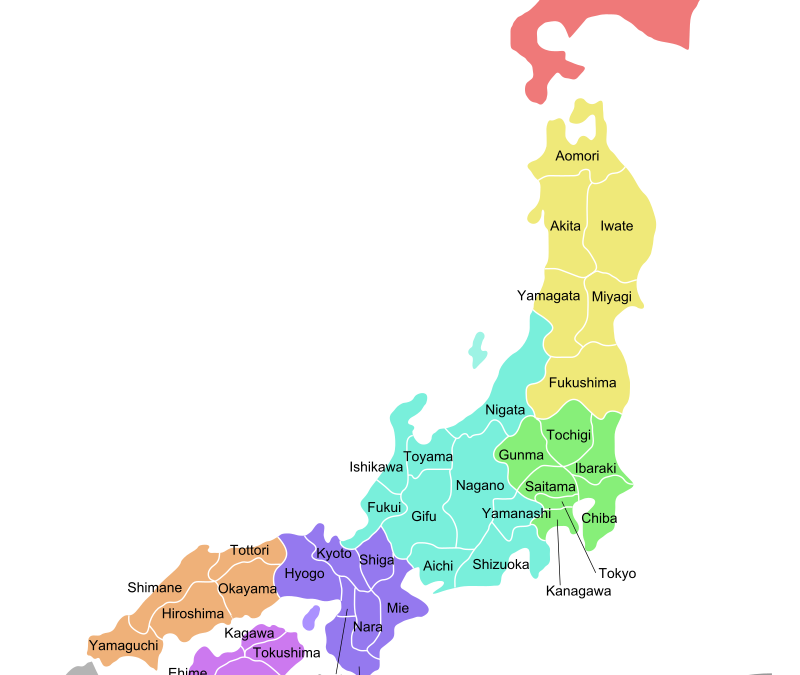
Kiso is a steep, narrow valley of cedar and cypress in the southwest of Nagano Prefecture, in the central Honshū interior. It is not a coastal craft town; it is a forest corridor, threaded by the Nakasendō, the inland highway that linked Edo (now Tokyo) and Kyoto. Travelers walking between the two cities passed through Kiso’s post towns, and the mountains on either side kept the valley’s most valuable resource close at hand: dense stands of slow-grown hinoki.
In the Edo period the Owari domain took direct control of these forests. It designated the 木曽五木 (Kiso goboku) — five tree species led by hinoki — as protected, and enforced tomeki (留木) laws against unauthorized felling. The penalties were severe enough to enter folk memory.
“木一本、首一つ” — one tree, one head. The Edo-period saying for how seriously the Owari domain guarded the Kiso cypress.
That protection had a purpose beyond conservation. Close-grained Kiso hinoki was reserved for the highest uses in the land: the periodic rebuilding of the Ise Grand Shrine (the Shikinen Sengū) and the construction of Nagoya Castle. This was wood the state did not want wasted.
- 1603–1868 (Edo period) — The Owari domain takes direct control of the Kiso valley’s forests.
- Edo period — “tomeki” (留木) laws protect the 木曽五木 (five sacred trees), led by hinoki.
- Edo period — Illegal felling is punished so harshly it breeds the saying 木一本首一つ (“one tree, one head”).
- Recurring — Kiso hinoki is reserved for the Shikinen Sengū rebuilding of the Ise Grand Shrine and for Nagoya Castle.
- Edo period → today — The same water-shedding, odor-resistant grain makes hinoki the classic material for cutting boards, ohitsu rice tubs, and bath ware.
- 2026 — Single-piece Kiso hinoki boards remain available to international buyers via the Amazon JP Global Store.
The continuity case is straightforward. Hinoki’s tight, straight grain and natural oils shed water and are traditionally valued as resistant to odor and bacteria — exactly the qualities a kitchen wants. That is why the same wood that built shrines also became the everyday material for cutting boards, ohitsu rice tubs, and bath ware. The board sold today is not a novelty; it is the household end of a very old supply line.
📌 How does it compare?
Related Japanese craft and kitchen guides on jpmono.com
Price snapshot across stores
JPY is the authoritative price for the specific listed item; USD figures elsewhere are approximate estimates (¥150/USD baseline as of mid-2026). No confirmed price was captured for this board, so the table directs you to the live listing rather than quoting a number.
| Store | Item / variant | Price | Notes |
|---|---|---|---|
| 🇺🇸 Amazon.com (US) | Browse Japanese hinoki & wooden cutting boards | varies (USD) | Best if you are shopping from the US — Prime shipping, USD pricing, no international customs. Amazon US carries Japanese hinoki and wooden boards from various makers, useful for comparing sizes and price tiers. This exact single-piece board is sourced from Japan (next row). |
| 🇯🇵 Amazon JP Global Store | Single-piece Kiso hinoki board (ASIN B0CKPLZKT7) | Not captured — check listing | The sourced listing for the exact item. Ships internationally from Japan to most major destinations. |
| Maker direct | — | — | No specific maker storefront was captured in the data for this listing. |
| Proxy services (Buyee / Tenso) | Forwarding from Japanese retailers | item price + forwarding fee | Backup path if the Global Store listing is unavailable in your country; adds a forwarding fee and possible customs duty. |
Prices and availability fluctuate; USD estimates depend on the current exchange rate. Always confirm the current figure at the retailer before purchasing.
What it does well
Weaknesses and things to verify before buying
- No confirmed size or price in our data. Dimensions, thickness, weight, and current price were not captured — verify all of them on the live listing before ordering.
- It needs hand care. Solid hinoki should be hand-washed, rinsed, and stood on edge to dry; it is not dishwasher-safe and dislikes prolonged soaking.
- Softwood can mark and stain. Knife scoring is normal over time, and heavy stainers (turmeric, beets, berries) may leave color.
- Warping and cracking risk if mistreated. Direct sunlight, radiators, or one-sided drying can warp or split a single-piece board.
- Scent and softness are not for everyone. The cypress aroma is strong when new, and cooks who prefer a hard, heavy board may find softwood too yielding.
- International shipping adds cost and time. Global Store delivery, possible customs duty, and (if used) proxy forwarding fees all add to the JPY price — see shipping notes in the FAQ.
Conclusion — which buyer type are you?
Other ways to approach this purchase
🏆 Editor’s Pick
❓ Frequently Asked Questions
Does a Kiso hinoki cutting board ship outside Japan?
Yes. The item is sourced through the Amazon JP Global Store, which ships internationally to most major destinations. International shipping typically adds roughly $15–$40 to the US or EU and more to other regions, and customs duty may apply on orders over your local threshold. If the listing is unavailable in your country, proxy services such as Buyee or Tenso can forward it for an added fee.
Is hinoki really antibacterial and odor-resistant?
Hinoki is traditionally valued as resistant to odor and bacteria thanks to its natural oils, and listings describe it that way. We present this as a long-held, folk-traditional reputation rather than a laboratory result. Proper care — rinsing and thorough drying — matters more than the wood alone for everyday hygiene.
How do I care for a hinoki cutting board?
Hand-wash with mild soap, rinse, wipe, and stand it on edge to air-dry so both faces dry evenly. Don’t put it in the dishwasher, don’t let it soak, and keep it out of direct sunlight or heat to avoid warping and cracking.
Why is Kiso hinoki considered special?
In the Edo period the Owari domain protected the Kiso forests by law, designating the 木曽五木 (five sacred trees, led by hinoki) and punishing illegal felling severely. That close-grained wood was reserved for rebuilding the Ise Grand Shrine and for Nagoya Castle, which is why Kiso hinoki carries a documented heritage beyond ordinary timber.
Is it gentle on knives compared to plastic, bamboo, or glass?
Hinoki is a softwood, so the surface yields under the blade and is traditionally regarded as easier on fine edges than harder surfaces like bamboo or glass. If preserving Japanese knife edges matters to you, softwood is the friendlier choice.
What size and price is this exact board?
The confirmed size, weight, and current price were not captured in our data at the time of writing. Verify them directly on the Amazon JP Global Store listing before ordering, especially if your counter or sink space is limited.
jpmono.com is curated by a Japan-based editorial team (working out of Toyama in the Hokuriku region and Nara in Kansai) and is independent. We don’t take payment from the makers we feature; income comes from affiliate links. We don’t physically test every product — we read maker specs and source listings — and we say so where the data is thin.
This article was prepared with AI assistance and reviewed against the captured listing data and verified regional facts. Where data was missing (for example, confirmed dimensions and current price), the article states so rather than estimating.
Affiliate disclosure: jpmono.com may earn a commission on qualifying purchases made through links on this page, at no additional cost to you.