![Aizu E-rosoku Painted Candles: Where to Buy Aizu’s Floral Wax Art [2026]](https://jpmono.com/wp-content/uploads/2026/06/aizu-e-rosoku-painted-candles-where-to-buy-2026-featured.jpg)
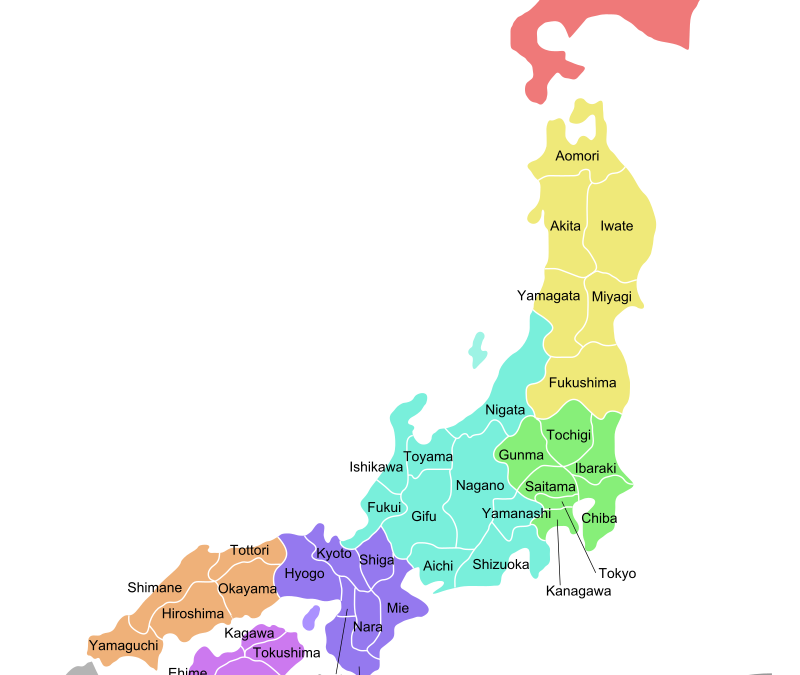
Aizu e-rosoku (会津絵ろうそく, “Aizu painted candles”) are hand-painted Japanese candles from Aizuwakamatsu, in the snowbound western half of Fukushima Prefecture. Each candle is built on a base of haze wax — a pure-vegetable wax pressed from the berries of the haze tree (a Japanese sumac) — and then painted, one stroke at a time, with camellias, peonies, chrysanthemums, or plum blossoms. They are wa-rosoku (和ろうそく, “Japanese candles”): a coiled paper-and-rush wick at the core, a tall and soot-light flame, and a craft tradition that runs roughly five centuries deep.
For an international reader, the interesting part is not just that these are pretty. It is why they exist at all. Aizu spends nearly half the year under heavy snow, with no living flowers to place on a Buddhist or household altar. Painting flowers onto a white candle was the workaround — an altar that could “bloom” through the dead of winter — and the floral candle then became a prized bridal and seasonal gift. The craft sits beside Aizu-nuri lacquerware and Aizu-Hongo pottery as one of the region’s defining monozukuri (ものづくり, “making things”) traditions.
This guide covers what the painted-candle gift set is, where the craft comes from, how it ships from Japan to international buyers, and who should buy it versus who should pass. We write from a Japan-based editorial perspective (working out of Toyama in the Hokuriku region and Nara in Kansai), and we read maker and listing data rather than claiming to have burned every candle ourselves.
🔄 Updated: June 2, 2026
⏱️ Read time: ~9 min

- Who this is for — and who should skip it
- Product overview (from published specs)
- Where this comes from
- 📦 Shipping & where to buy from outside Japan
- Price snapshot across stores
- What it does well
- Weaknesses and things to verify before buying
- Conclusion — which buyer type are you?
- Other ways to approach this purchase
- 🏆 Editor’s Pick
- ❓ Frequently Asked Questions
Who this is for — and who should skip it
- Want a Japanese craft gift that is visual, seasonal, and clearly hand-made
- Keep a Buddhist or household altar (butsudan / kamidana) and want flowers that last
- Appreciate slow, painted-by-hand objects over mass-produced decor
- Like the idea of a vegetable-wax candle with a tall, low-soot flame
- Are buying for a wedding, a seasonal celebration, or a milestone occasion
- Want a long-burning utility candle for power outages or daily lighting
- Expect scented or aromatherapy candles — these are unscented ritual candles
- Need exact, confirmed dimensions and burn times before buying (listing data is thin)
- Want the cheapest possible candle; hand-painting carries a premium
- Prefer not to deal with international shipping or possible customs handling
Product overview (from published specs)
Listing data for this specific item is thin. Only the Amazon JP Global Store listing snapshot is available, and at the time of writing it did not expose a confirmed price, dimensions, or burn-time figures in the fetched data. Where a value is not confirmed in the data, we mark it “—” rather than guess. Live pricing and stock may have shifted since the writing date.
Aizu E-rosoku Painted Candles
会津絵ろうそく ほしばん絵ろうそく店 藤の花
通常7~8日以内に発送します。 · Sold by 和み彩堂 · ASIN B0HFPSWLGW
Price and availability as of 2026-09-01 05:22 JST. The Amazon listing at the time of purchase is authoritative. jpmono.com earns a commission on qualifying purchases at no extra cost to you.
| Attribute | Value (per available data) | Source |
|---|---|---|
| Item | Aizu e-rosoku (painted candle) gift set | Amazon JP Global Store (sourced listing) |
| Decoration | Hand-painted camellia / peony floral motifs | Listing description + maker tradition |
| Wax base | Haze (sumac) vegetable wax — wa-rosoku type | Maker / craft tradition |
| Wick | Coiled paper-and-rush core (washi + igusa) | Craft tradition |
| Origin | Aizuwakamatsu, Fukushima Prefecture, Japan | Maker direct |
| Dimensions / burn time | — (not confirmed in fetched data) | — |
| ASIN | B0HFPSWLGW | Amazon JP Global Store |
📖 Glossary — key terms
- wa-rosoku (和ろうそく) — “Japanese candle.” Made from vegetable wax (not petroleum paraffin), with a hollow paper-and-rush wick that produces a tall, gently flickering, low-soot flame.
- e-rosoku (絵ろうそく) — “painted candle.” A wa-rosoku with flowers or seasonal motifs painted by hand onto its surface.
- haze (櫨) — the Japanese wax tree, a sumac. Wax pressed from its berries is the traditional base for high-grade Japanese candles.
- urushi (漆) — Japanese lacquer, tapped from the lacquer tree. Aizu’s urushi economy is the historical foundation that also produced its candle wax and lacquerware.
- butsudan / kamidana (仏壇・神棚) — the Buddhist altar and Shintō household shrine, where these candles are traditionally lit.
- shokunin (職人) — a craftsperson; here, the painter who decorates each candle by hand.
Other Japanese craft objects we have covered — useful for comparing materials, regions, and gift roles within the same northern-Japan craft world.
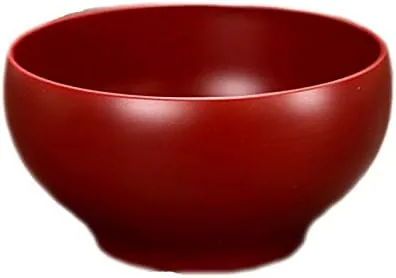 Aizu Nuri soup bowl →
Same Aizu lacquer economy, in a daily-use bowl
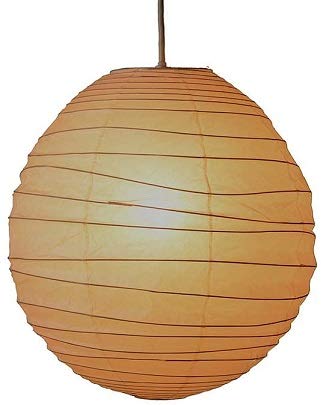 Gifu Chochin lantern →
Another light-and-flame object in washi paper
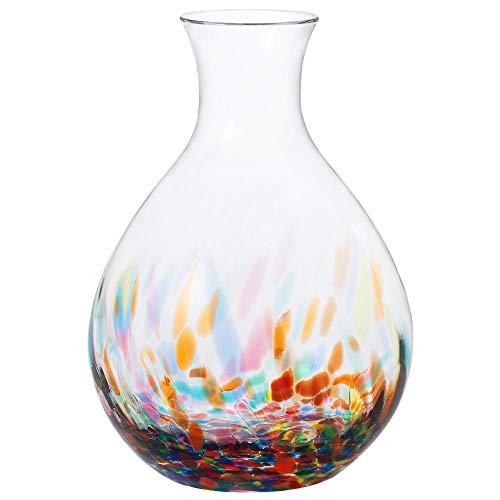 Tsugaru Bidoro glass →
Tōhoku color craft for the table
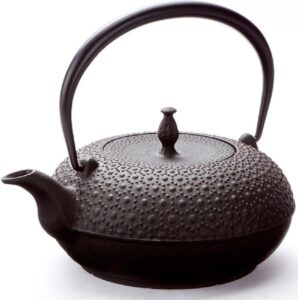 Nambu iron kettle →
Neighboring Tōhoku heritage craft
Kawatsura lacquer bowl →
Another northern urushi lacquer tradition
Hirosaki Kogin coaster →
Tōhoku textile gift in the same price world
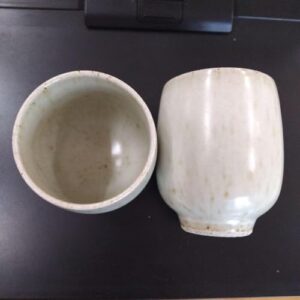 Hirashimizu-yaki yunomi →
Tōhoku pottery for everyday ritual
Where this comes from

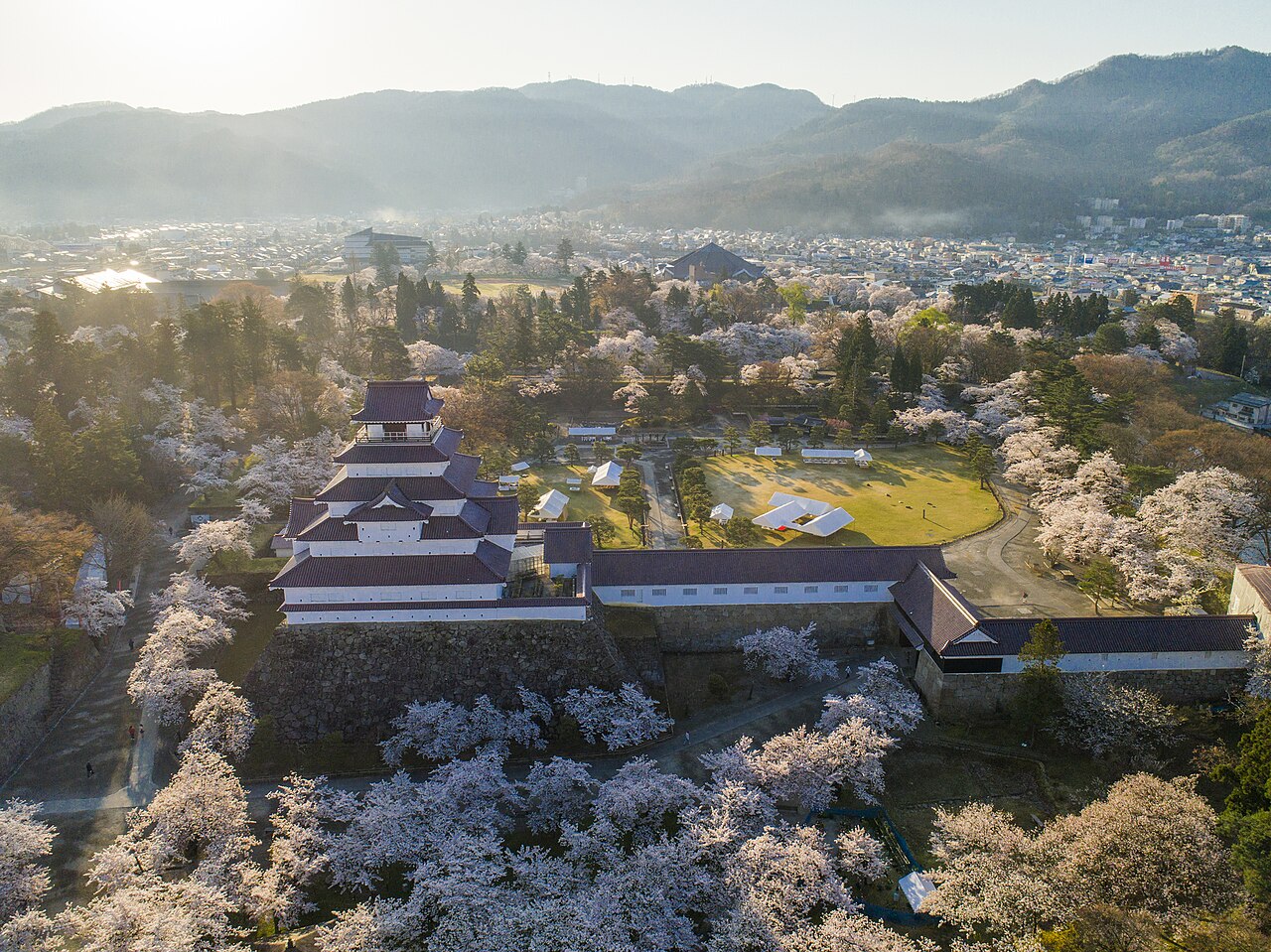
Aizu is the western, mountain-locked portion of Fukushima Prefecture, in the Tōhoku (“northeast”) region of Honshu. It is a basin ringed by highlands, and that geography matters: cold, wet winters bury the area in snow for months. The same mountains that bring the snow also fed the local economy with timber, lacquer trees, and the haze (sumac) trees whose berries press into candle wax.
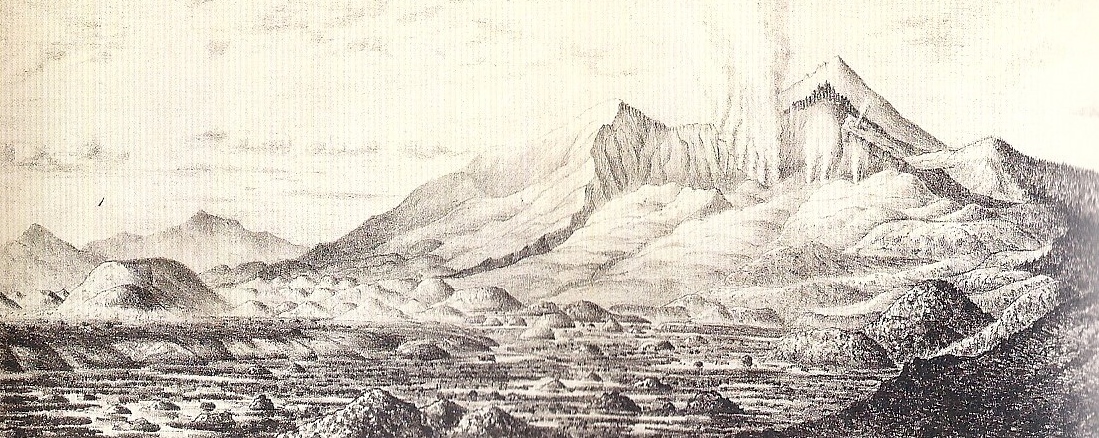
The historical anchor is the Aizu domain. The Ashina clan ruled the area in the medieval centuries and began building its lacquer (urushi) economy. Decisively, in the late 16th century, the daimyo Gamō Ujisato promoted urushi and haze cultivation across Aizu — a policy that turned the region into a producer of both lacquerware and vegetable wax. Vegetable wax pressed from haze and lacquer berries became the base for wa-rosoku, the soot-light Japanese candle.
- 14th–15th c. — The Ashina clan rules Aizu and develops its lacquer (urushi) economy.
- Late 16th c. — Daimyo Gamō Ujisato promotes urushi and haze (sumac) cultivation across the domain.
- ~16th c. (≈500 yrs ago) — Vegetable-wax wa-rosoku take hold; artisans begin painting flowers onto white candles.
- Edo period (1603–1868) — Floral candles become prized bridal and seasonal gifts and a fixture of altar life.
- Today (2026) — Still hand-painted in Aizuwakamatsu, alongside Aizu-nuri lacquerware and Aizu-Hongo pottery.
Because Aizu winters bury every living flower under snow, artisans painted camellia, peony, chrysanthemum, and plum onto white candles so that Buddhist and household altars could “bloom” year-round. What began as a devotional workaround became a gift: the floral candle was traditionally given at weddings and seasonal celebrations, a small flame of color in a colorless season.
“In a province buried in snow half the year, the painted candle was how an altar kept its flowers.”
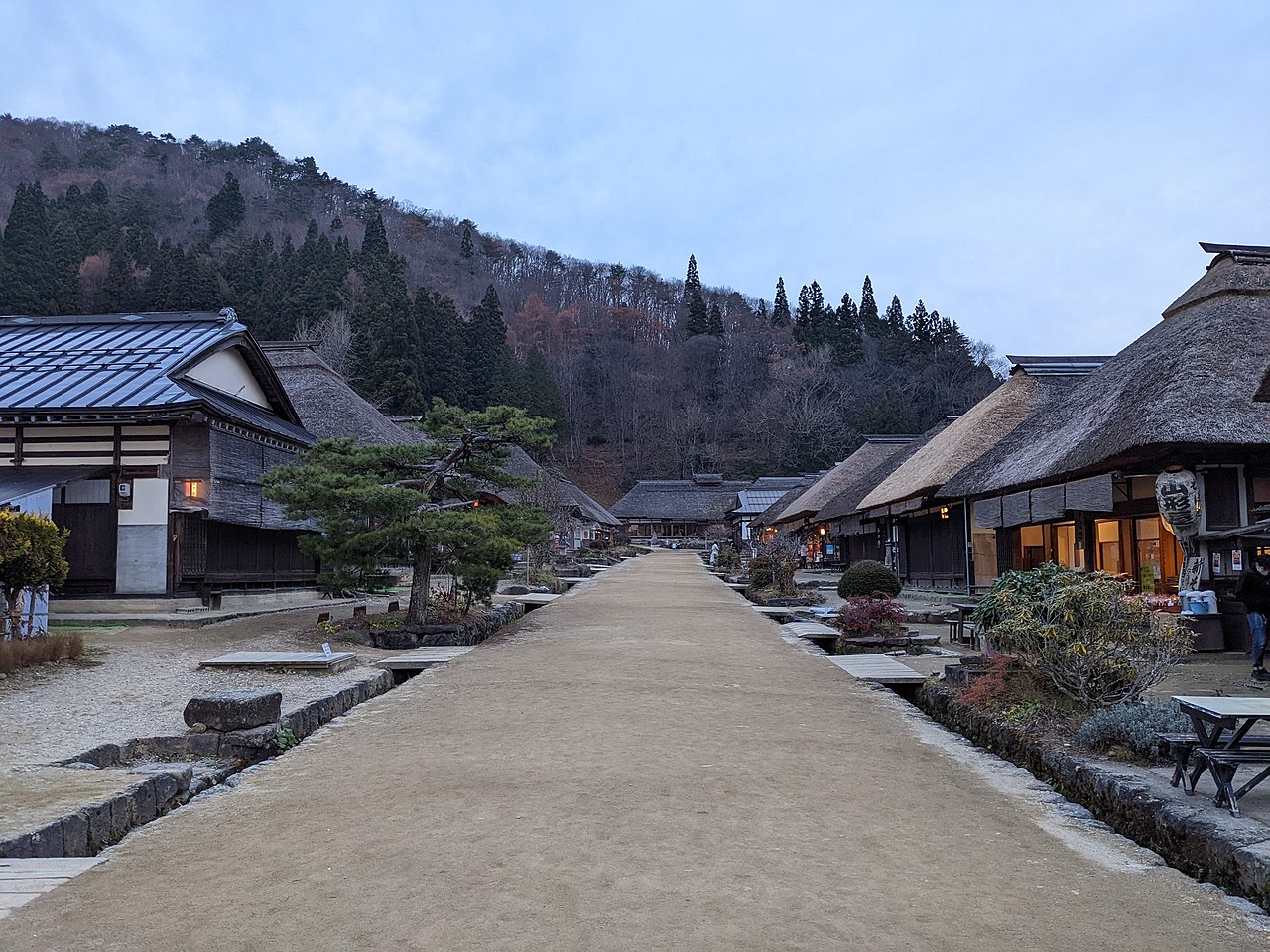
The continuity case is straightforward. The craft is roughly five centuries old, hand-painted one stroke at a time, and still produced in Aizuwakamatsu today. The wick is a coiled paper-and-rush core that burns with a tall, soot-light flame — a structural feature of wa-rosoku that distinguishes them from petroleum candles. Painted candles remain one of the three pillars of Aizu’s craft identity, beside Aizu-nuri lacquerware and Aizu-Hongo pottery.
📦 Shipping & where to buy from outside Japan
The specific item in this guide is sourced from the Amazon JP Global Store (ASIN B0HFPSWLGW), which ships many household items internationally to most major destinations. International shipping to the US, the EU, and Australia typically runs in the $15–$40 range for small, light goods like candles, though the exact figure depends on weight, destination, and the seller. Higher rates apply to more distant regions.
Candles are generally shippable, but some carriers treat wax goods as restricted depending on quantity and destination — verify acceptance at checkout. Orders above your local duty-free threshold may incur customs duties or import VAT, which are the buyer’s responsibility. If the Global Store listing does not ship to your country, proxy services such as Buyee or Tenso can forward a domestic-Japan purchase abroad for an added fee.
Price snapshot across stores
Pricing data for this listing is thin: only the Amazon JP Global Store snapshot was available, and a confirmed price was not present in the fetched data at the time of writing. JPY is the authoritative currency; any USD figures are approximate estimates at a ¥150/USD baseline as of mid-2026. Always confirm the live price at the retailer before buying.
| Store | Item / variant | Price (JPY + USD est.) | Notes |
|---|---|---|---|
| 🇺🇸 Amazon.com (US) | Browse Japanese painted candles & wa-rosoku | varies (USD) | Best if you’re shopping from the US — Prime shipping, USD pricing, no international customs. Amazon US carries Japanese candles and altar goods from various makers; this exact Aizu set is sourced from Japan (next row). |
| 🇯🇵 Amazon JP Global Store | Aizu e-rosoku painted-candle gift set (B0HFPSWLGW) | — (price not confirmed in data) | Ships internationally from Japan. This is the sourced listing for the exact item. Confirm live price at checkout. |
| Maker direct | Aizu painted-candle workshops (Aizuwakamatsu) | varies | Aizu candle ateliers sell directly; international shipping varies by maker. |
| Proxy services (Buyee / Tenso) | Forwarding for domestic-Japan listings | item + fee | Use if the Global Store doesn’t ship to your country; adds a handling fee and a second shipping leg. |
What it does well
Weaknesses and things to verify before buying
- Thin listing data. Confirmed dimensions, burn time, and the count of candles in the set were not present in the fetched data. Check the live listing before buying.
- Price not confirmed. No price appeared in the available snapshot; treat any figure you see at checkout as the authoritative one.
- Not a utility candle. These are decorative ritual candles, not long-burning emergency or daily-lighting candles.
- Unscented. Wa-rosoku are traditionally unscented — if you want aromatherapy, this is the wrong product.
- Shipping and customs. Wax goods can face carrier restrictions, and orders over local thresholds may incur duties. Verify your destination is served.
- Open-flame care. Like any candle, it requires a heat-safe holder and supervision; the tall wa-rosoku flame can be larger than a typical paraffin candle’s.
Conclusion — which buyer type are you?
Other ways to approach this purchase
🏆 Editor’s Pick
❓ Frequently Asked Questions
What is an Aizu e-rosoku?
It is a hand-painted Japanese candle (wa-rosoku) from Aizuwakamatsu, Fukushima. Artisans paint flowers — camellia, peony, chrysanthemum, plum — onto a candle made of haze (sumac) vegetable wax, a tradition roughly 500 years old.
Why are flowers painted on the candles?
Aizu winters are buried in snow with no living flowers. Painting blossoms onto white candles let Buddhist and household altars “bloom” year-round, and the floral candles also became prized bridal and seasonal gifts.
Are these candles scented?
No. Wa-rosoku are traditionally unscented ritual candles. Their distinguishing feature is the vegetable-wax base and paper-and-rush wick, which burn with a tall, soot-light flame — not added fragrance.
Can it ship internationally?
The item is sourced from the Amazon JP Global Store, which ships many household goods internationally. Wax goods can face carrier restrictions depending on destination and quantity, so verify acceptance at checkout. If it doesn’t ship to your country, a proxy service such as Buyee or Tenso can forward it.
How much does it cost?
A confirmed price was not present in the available data at the time of writing. JPY is the authoritative price; any USD figure is an estimate at roughly ¥150/USD. Always confirm the live price on the listing before buying.
How is this different from Aizu-nuri lacquerware?
Both come from the same Aizu lacquer-and-wax economy. Aizu-nuri is lacquered tableware (such as soup bowls); the painted candle uses the region’s haze wax and a hand-painted floral surface. They are sibling crafts of the same domain, alongside Aizu-Hongo pottery.
jpmono.com is curated by a Japan-based editorial team (working out of Toyama in the Hokuriku region and Nara in Kansai) and is independent. We don’t take payment from the makers we feature; income comes from affiliate links. Read more about our editorial standards.
🤖 This article was prepared with AI assistance and reviewed against the source listing and craft-history notes. Specs, prices, and availability should be confirmed at the retailer before purchase.
Affiliate disclosure: jpmono.com may earn a commission on qualifying purchases made through links on this page, at no additional cost to you.