![Tulip Hiroshima Sashiko Needles: Japan’s Heritage Needle Craft [2026]](https://jpmono.com/wp-content/uploads/2026/06/31PxyooAeXS._SL1000_.jpg)
Sashiko (刺し子, “little stabs”) is the Japanese running-stitch craft of reinforcing and decorating cloth, and the needle is the one tool that decides whether a row of stitches lands clean and even or fights you the whole way. Tulip’s Hiroshima-made sashiko needles come from the part of Japan that has supplied the overwhelming majority of the country’s hand-sewing needles since the Edo period. They are precision-polished high-carbon steel, with a long shaft and a large eye sized for loading several even running stitches at once.
Among quilters and sashiko stitchers outside Japan, Tulip is a recognized name. The maker is headquartered in Hiroshima and continues a regional needle lineage that goes back to domain-era side-work in the Fukuyama and Onomichi districts along the Seto Inland Sea. That heritage is the reason this small, inexpensive object earns a full guide: a needle from Japan’s needle capital is a different proposition than a generic blister-pack needle.
This guide is written for international readers deciding whether to buy from the US or from Japan, and what to verify first. We cover material and construction, how the assorted set is meant to be used, where the craft comes from, honest weaknesses, price-path comparison, and a clear Editor’s Pick. Based on listings, the data here is sourced from the Amazon JP Global Store reference for the specific item; live pricing was unavailable at the time of writing.
🔄 Updated:
⏱️ Read time: ~9 min

- Who this is for — and who should skip it
- Product overview (from published specs)
- Where this comes from — place, era, and the craft tradition
- Price snapshot across stores
- What it does well
- Weaknesses and things to verify before buying
- Conclusion — which buyer type are you?
- Other ways to approach this purchase
- 🏆 Editor’s Pick
- ❓ Frequently Asked Questions
Who this is for — and who should skip it
- Stitch sashiko or hand-quilt and want needles that glide through layered cotton
- Value a long shaft and large eye for loading several running stitches at once
- Care about polish and consistency from Japan’s historic needle region
- Want an assorted set to find your preferred length and thickness
- Are buying a small, giftable piece of verifiable craft heritage
- Only sew occasionally and a general-purpose household needle already suffices
- Need machine needles — these are hand-sewing needles
- Prefer a single fixed needle size rather than an assortment
- Want the lowest possible price over polish and longevity
- Require confirmed exact dimensions before buying (the listing snapshot is thin — see weaknesses)
Product overview (from published specs)
The table below records what is verifiable from the maker context and the source listing reference. Where a precise figure was not present in the fetched data, the cell says so rather than guessing. Only the Amazon JP Global Store listing reference is available; live pricing may have shifted since the writing date.
Tulip Hiroshima Sashiko Needles
チューリップ(TULIP) 刺し子針(4サイズ取合せ) DEN024
残り18点(入荷予定あり) · Sold by Amazon.co.jp · ASIN B001AXBOE2
Price and availability as of 2026-09-01 05:22 JST. The Amazon listing at the time of purchase is authoritative. jpmono.com earns a commission on qualifying purchases at no extra cost to you.
| Attribute | Detail | Source |
|---|---|---|
| Maker | Tulip Company (headquartered in Hiroshima) | Maker direct |
| Item type | Sashiko needles, assorted set (hand-sewing) | Amazon JP Global Store |
| Material | Mirror-polished high-carbon steel | Maker direct |
| Construction | Long shaft with a large eye for running stitch | Maker direct |
| Origin | Hiroshima Prefecture, Japan (Chūgoku region) | Maker direct |
| ASIN | B001AXBOE2 | Amazon JP Global Store |
| Exact needle dimensions / count | Unconfirmed — check the listing before buying | — |
| Price | Varies — live pricing unavailable at time of writing; verify at the listing | — |
“Hiroshima makes the overwhelming majority of Japan’s hand-sewing needles — a quiet monopoly built one polished eye at a time.”
📖 Glossary — key terms
Sashiko (刺し子, “little stabs”) — a running-stitch technique used historically to reinforce and mend cloth, and now widely practiced decoratively, often white thread on indigo.
Running stitch — a simple in-and-out stitch; in sashiko the needle is loaded with several stitches before the thread is pulled through, which is why a long shaft helps.
Needle eye (針穴, medo) — the hole the thread passes through. Sashiko needles use a relatively large eye to take thicker sashiko thread.
High-carbon steel — steel with enough carbon to hold a stiff, springy temper, which resists bending and keeps a needle straight through dense cloth.
Chūgoku region (中国地方) — the western end of Japan’s main island, Honshū; Hiroshima is one of its prefectures (unrelated to the country China despite the shared characters).
Where this comes from — place, era, and the craft tradition

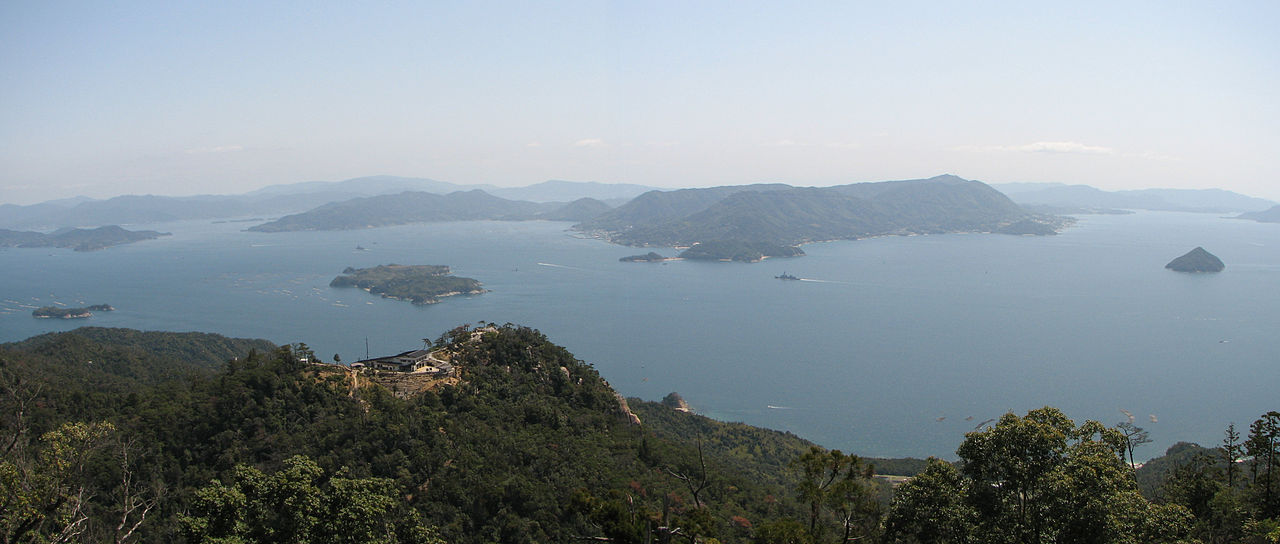
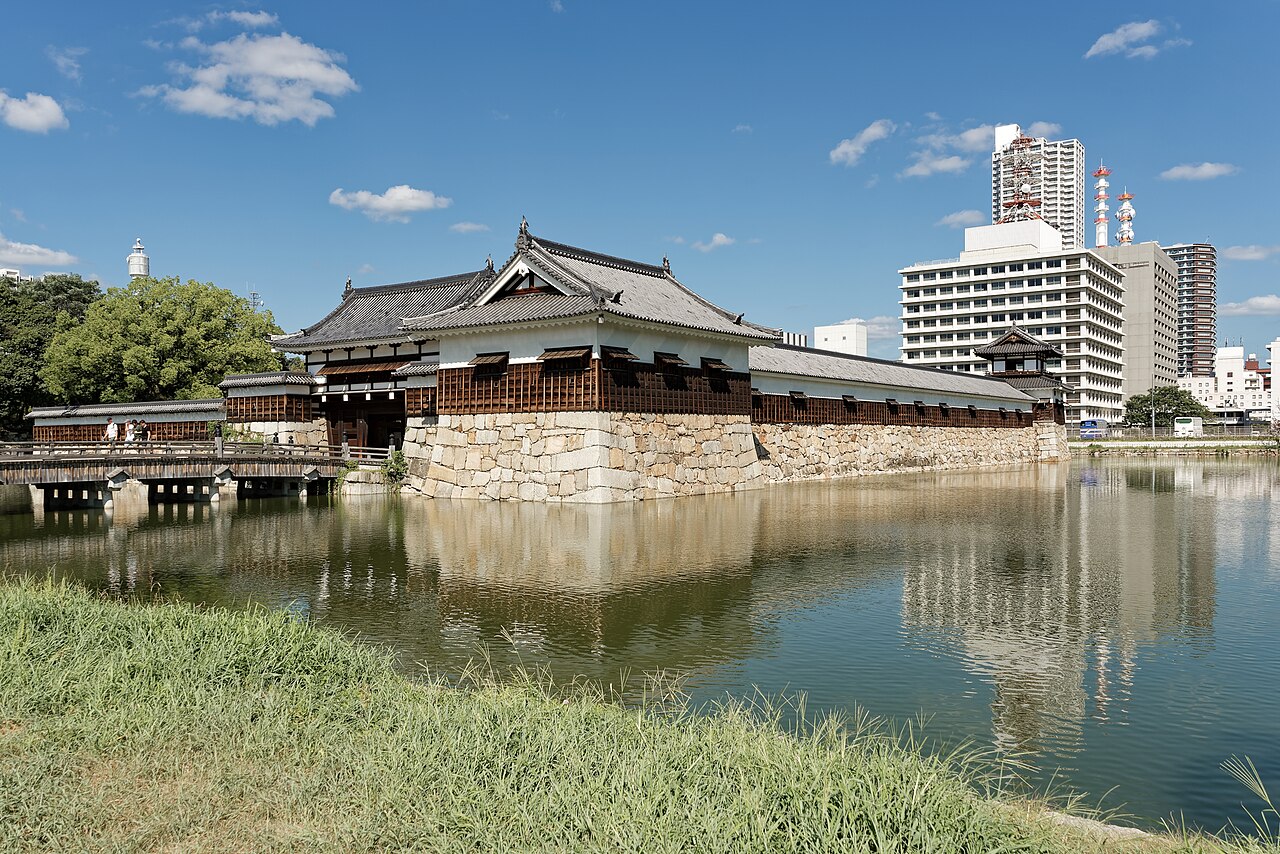
Hiroshima is a delta city on the Seto Inland Sea, the sheltered band of calm water that separates Honshū from Shikoku and Kyūshū. That protected sea, dotted with islands and ringed by old port towns, made the region a natural place for small workshops and coastal trade. The eastern part of the prefecture — Fukuyama and Onomichi in particular — became the country’s leading sewing-needle district, and it remains so today.
The historical anchor is the domain era. From 1619 the Asano clan governed the Hiroshima domain, and like several daimyō of the period they encouraged cottage manufacturing to supplement household incomes. Needle-making was promoted as side-work for low-ranking samurai and farming families — fine, exacting handwork that could be done at home and sold for cash.
- 1619 — The Asano clan becomes lords of the Hiroshima domain.
- Edo period (1603–1868) — The domain encourages needle-making as side-work for low-ranking samurai and farming households.
- 19th century — Needle workshops concentrate in the Fukuyama and Onomichi districts along the Seto Inland Sea.
- Meiji era (1868–1912) — Hiroshima comes to dominate domestic hand-sewing-needle production.
- 20th–21st century — Tulip Company, headquartered in Hiroshima, carries the lineage to a global quilting and sashiko audience.
- 2026 — Hiroshima remains Japan’s principal needle-making region.
By the Meiji era, that household craft had consolidated into an industry, and Hiroshima came to dominate domestic needle production. The work demands fine wire-drawing, precise punching of the eye, and mirror-polishing of high-carbon steel — three steps where a fraction of a millimeter separates a needle that glides from one that drags or snaps. The same skills underpin Tulip’s sashiko needles today.
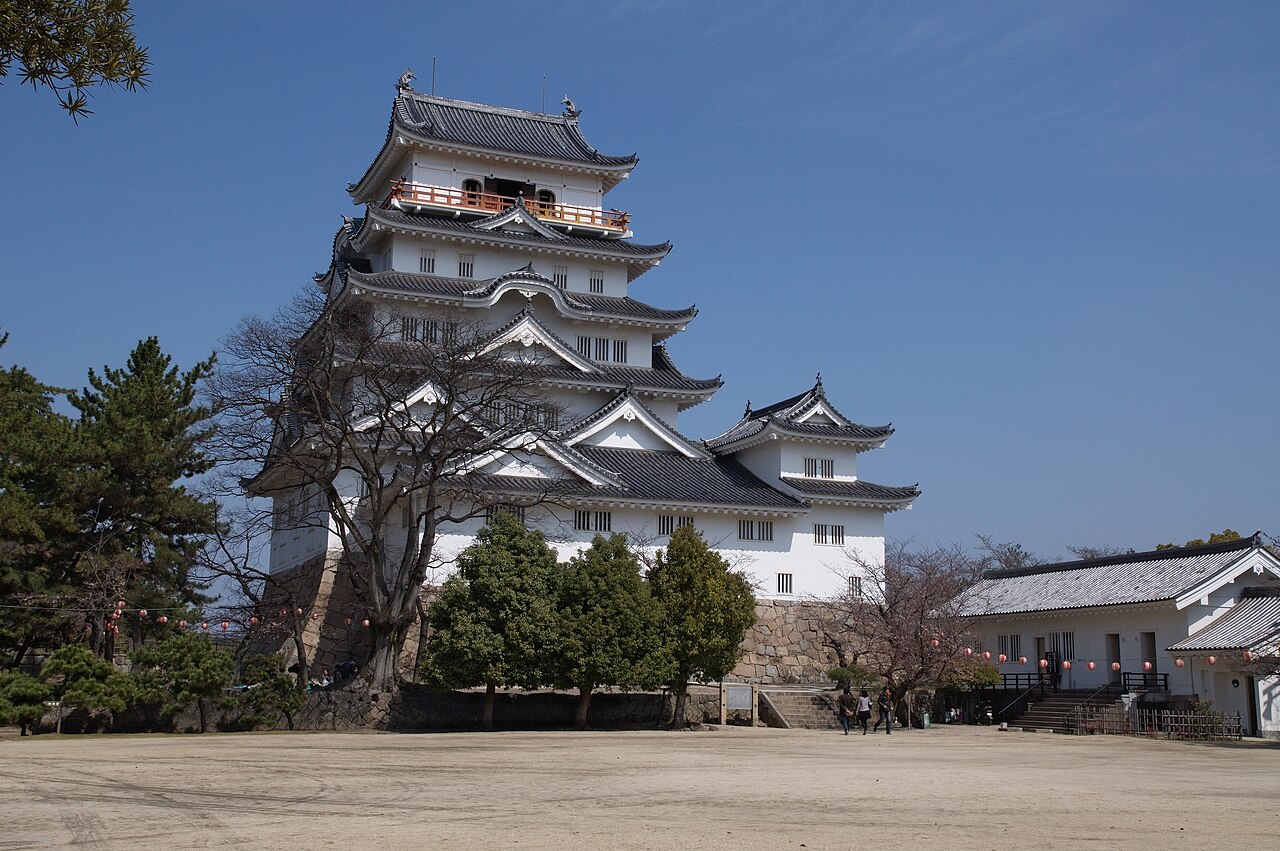
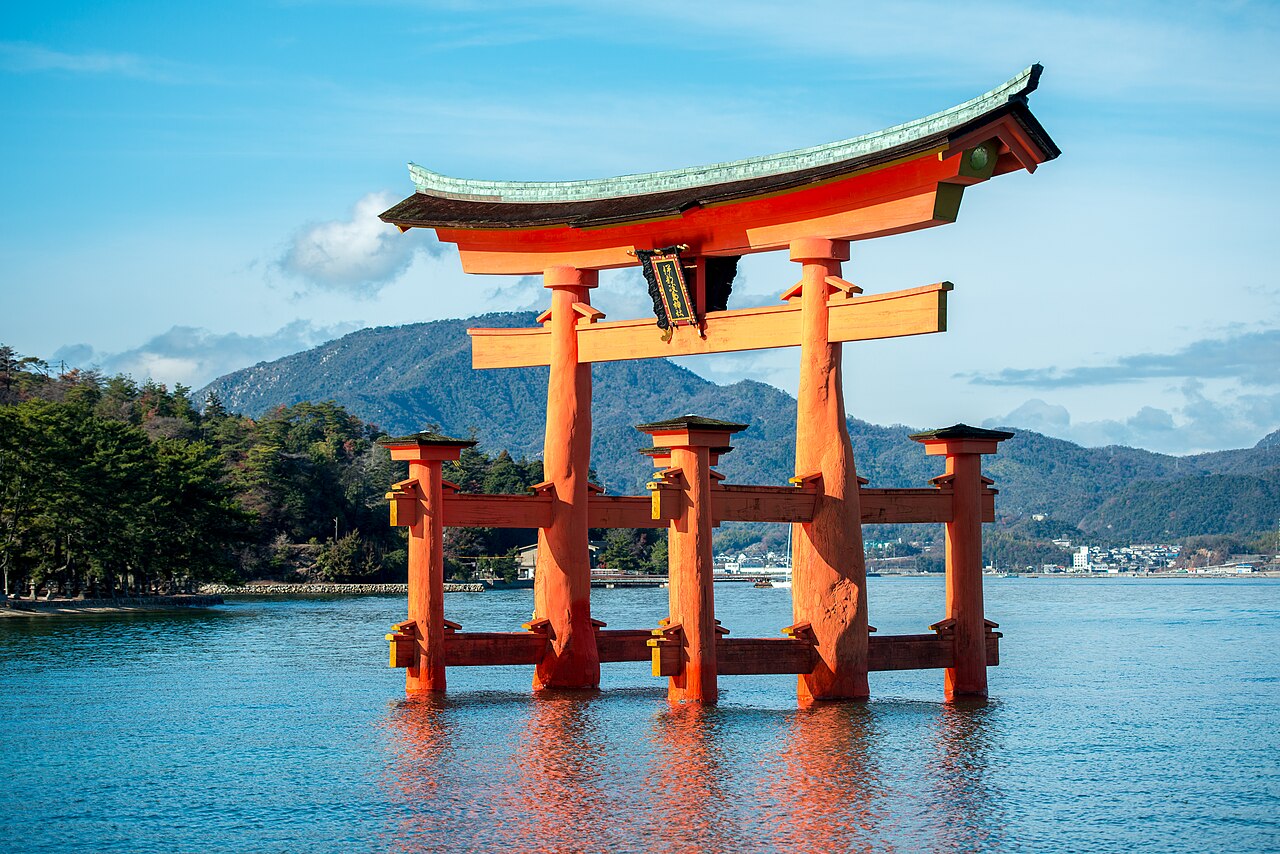
Needles do not stand alone in Hiroshima’s craft culture. The prefecture is also known for Miyajima shamoji (rice scoops) and Kumano fude (writing and makeup brushes) — fine, repetitive handwork at small scale, the same character that suits needle-making. The icon of that culture is the floating torii of Itsukushima Shrine on Miyajima, a short ferry ride from the city.
Related guides on jpmono.com — same-prefecture crafts, precision-steel cousins, and the textile traditions these needles serve.
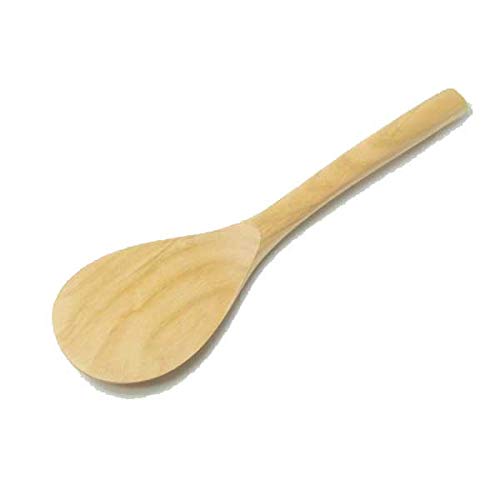 Miyajima Shamoji (same prefecture)Hiroshima rice scoop from Miyajima island
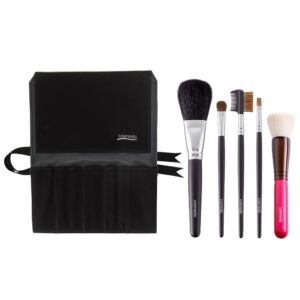 Kumano Fude (same prefecture)Hiroshima brushes, fine repetitive handwork
Hirosaki Kogin SashiCounted-stitch textile these needles serve
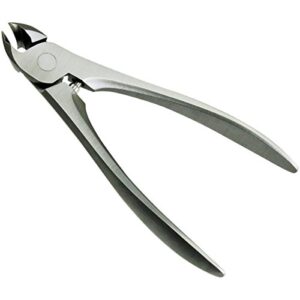 Suwada Nail Nipper (precision steel)Japanese precision-steel tooling cousin
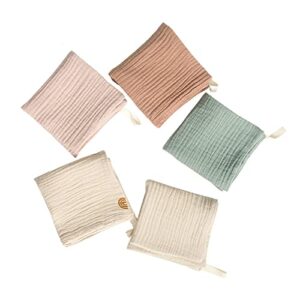 Banshu-ori CottonYarn-dyed cotton cloth for stitching
Buaisou Indigo TenuguiIndigo cloth, the classic sashiko ground
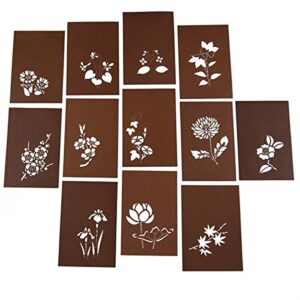 Ise-Katagami StencilPattern craft adjacent to stitch design
Price snapshot across stores
JPY is the authoritative price for the specific sourced item; USD figures elsewhere are approximate at a ¥150/USD baseline. Live pricing was unavailable at the time of writing — verify at the retailer before buying.
| Store | Item / Variant | Price | Notes |
|---|---|---|---|
| 🇺🇸 Amazon US (search) | Browse Japanese sashiko needles | varies (USD) | Best if you are shopping from the US — Prime shipping, USD pricing, no international customs. Amazon US carries Tulip and other Japanese needle and quilting brands; the exact JP-sourced set is in the next row. |
| 🇯🇵 Amazon JP Global Store | Tulip sashiko needles, assorted set (ASIN B001AXBOE2) | Varies — check listing | The exact sourced item. Ships internationally from Japan to most major destinations. |
| Maker direct | Tulip Company range | Varies | Useful to confirm current line-up and exact specs; international shipping varies by retailer. |
| Proxy services (Buyee / Tenso) | JP domestic listings forwarded abroad | Item + fee + forwarding | Only worth it for hard-to-find JP-only multipacks; adds a service fee and a second shipping leg. |
What it does well
Mirror-polished high-carbon steel is designed to pass cleanly through layered cotton with less drag.
The long shaft lets you load several even stitches before pulling the thread, the core sashiko motion.
A larger eye takes thicker sashiko thread and is easier to thread than a fine sewing needle.
Made by a Hiroshima maker in Japan’s historic needle region, not an anonymous import.
Weaknesses and things to verify before buying
- Thin listing data. The fetched data for this item was sparse — exact needle lengths, thicknesses, and the count per pack were not confirmed. Check the live listing photos and description before buying.
- Price not captured. Live pricing was unavailable at the time of writing; treat any figure you see at checkout as the authoritative one.
- Assorted sets vary. “Assorted” packs differ between Tulip products. If you already know your preferred size, confirm the set includes it rather than assuming.
- Hand-sewing only. These are hand needles. They are not a substitute for machine needles, and very dense or coated fabrics still demand care.
- High-carbon steel can rust. Polished carbon steel resists corrosion better when kept dry; store with the supplied protection and keep away from prolonged humidity.
- International shipping adds cost and time. Buying the exact JP item from abroad means Global Store shipping fees and possible customs handling on larger orders.
Conclusion — which buyer type are you?
You want needles from the source region and care about polish and longevity. Buy the Tulip assorted set and keep a backup pack.
You stitch regularly and want one reliable set. The assorted pack lets you settle on a preferred size, then restock that one.
You want quality without overbuying. A single assorted set is inexpensive and lasts; skip multipacks until you stitch often.
You sew only occasionally and a general household needle is fine, or you need machine needles. This is not the buy for you.
Other ways to approach this purchase
Needles are low-cost, so discounts are modest; bundling with thread or cloth in one order saves more on shipping than waiting.
Not applicable — needles are not sold refurbished. The nearest equivalent is a larger assorted or multipack for better per-unit value.
Use card or marketplace points on a small purchase like this to offset shipping; the JP Global Store accepts standard Amazon checkout.
If you do not stitch by hand, skip it. A basic sewing kit covers occasional mending without a specialist sashiko needle.
🏆 Editor’s Pick
❓ Frequently Asked Questions
What makes Hiroshima needles notable?
Why is a sashiko needle longer than a regular sewing needle?
Can I buy these from outside Japan?
How do I care for high-carbon steel needles?
Are these good for beginners?
Is the exact price and pack count confirmed?
jpmono.com is curated by a Japan-based editorial team (working out of Toyama in the Hokuriku region and Nara in Kansai) and is independent. We do not take payment from the makers we feature; income comes from affiliate links. We do not physically test every product — we read maker specs and source listings.
🤖 This article was produced with AI assistance and reviewed against the maker context and source listing reference. Specifications, pricing, and availability should be confirmed at the retailer before purchase.
Affiliate disclosure: jpmono.com may earn a commission on qualifying purchases made through links on this page, at no additional cost to you.