![Oguni Washi: Niigata’s Snow-Bleached Kozo Paper, Where to Buy [2026]](https://jpmono.com/wp-content/uploads/2026/05/japan-map-regions-and-prefectures-800x1050.png)
Oguni Washi (小国和紙) is handmade paper from the Echigo snow country of Niigata Prefecture, produced in the former Oguni-machi — today part of Nagaoka City. It is made from kozo (paper mulberry) fibers, and its defining step is one of the few papermaking techniques in the world that uses winter itself as a tool: the wet fibers are spread out on the snow to bleach. The result is a soft, warm white and a sheet with quiet tensile strength.
Papermaking took root here for a practical reason. Oguni sits in one of the heaviest snowfall regions of Japan, and for the farming families who were snowed in for months, paper was winter work — a craft nurtured under the Nagaoka domain and carried on, generation by generation, through the long white season. The same snow that shut the fields down became the bleaching ground. That is the small, particular fact that makes this paper worth understanding before you buy it.
This guide is written for international readers who want to know what Oguni Washi actually is and where it comes from. We cover the craft, its place in Niigata, its strengths and limitations, general ways to find traditional Japanese paper abroad, and who may appreciate it.
🔄 Updated:
⏱️ Read time: ~12 min
- Who this is for — and who should skip it
- Product overview (from published specs)
- 📍 Where this comes from — place, era, and the craft tradition
- Buying options across stores
- What it does well
- Weaknesses and things to verify before buying
- Conclusion — which buyer type are you?
- Other ways to approach this purchase
- ❓ Frequently Asked Questions
Who this is for — and who should skip it
- Want genuine handmade washi with a documented regional tradition, not a mass-printed “washi-style” product
- Write letters, practice calligraphy, or make small paper goods and value a strong, warm-white kozo sheet
- Appreciate low-chemical, snow-bleached paper and the story behind it
- Are buying a meaningful, lightweight gift that ships well internationally
- Need a bright, machine-uniform white with perfectly identical sheets every time
- Want bulk printer or copier paper at commodity prices
- Expect inkjet/laser certification — handmade washi is not a printer-spec product
- Need guaranteed next-day delivery and refuse cross-border shipping waits
- Are unwilling to pay a handmade-craft premium over factory paper
Product overview (from published specs)
Source data for Oguni snow-bleached washi at the time of this guide was drawn from the maker’s tradition and the craft category rather than a live product feed, so the table below describes the item rather than quoting a captured price. Treat any pricing as something to verify with the seller, and confirm sheet count, dimensions, and color before ordering.
| Attribute | Detail (per spec / maker tradition) | Source |
|---|---|---|
| Material | Kozo (paper mulberry) fiber, handmade washi | Maker tradition |
| Defining process | Yukizarashi (snow-bleaching) — fibers laid on snow, whitened by sunlight and ozone from melting snow | Data notes |
| Origin | Former Oguni-machi, now Nagaoka City, Niigata Prefecture | Data notes |
| Maker | Oguni Washi production cooperative | Data notes |
| Status | Nationally designated traditional craft of Niigata | Data notes |
| Color / sheet count / size | — | — |
| Price | Unconfirmed at time of writing — verify on Amazon JP Global Store | — |
Oguni Washi is a regional handmade paper, and workshop or cooperative descriptions are the best way to compare fiber, finish, sheet size, and intended use. Exact specifications can vary by sheet and maker.
📖 Glossary — key terms
- Washi (和紙, “Japanese paper”) — traditional Japanese handmade paper, typically from long plant bast fibers rather than wood pulp.
- Kozo (楮, “paper mulberry”) — the most common washi fiber; its long fibers give washi its characteristic strength and translucency.
- Yukizarashi (雪晒し, “snow-bleaching”) — spreading wet fibers on snow so sunlight and ozone released from melting snow whiten the paper naturally, without harsh chemical bleach.
- Echigo (越後) — the old province name for what is now Niigata Prefecture; “Echigo snow country” refers to its famously heavy-snow districts.
- Shoji (障子) — the translucent paper sliding screens of a Japanese room, one historical use for strong washi.
- Daifukuchō (大福帳) — Edo-period merchant account books, which needed durable paper that could survive decades of handling.
📍 Where this comes from — place, era, and the craft tradition

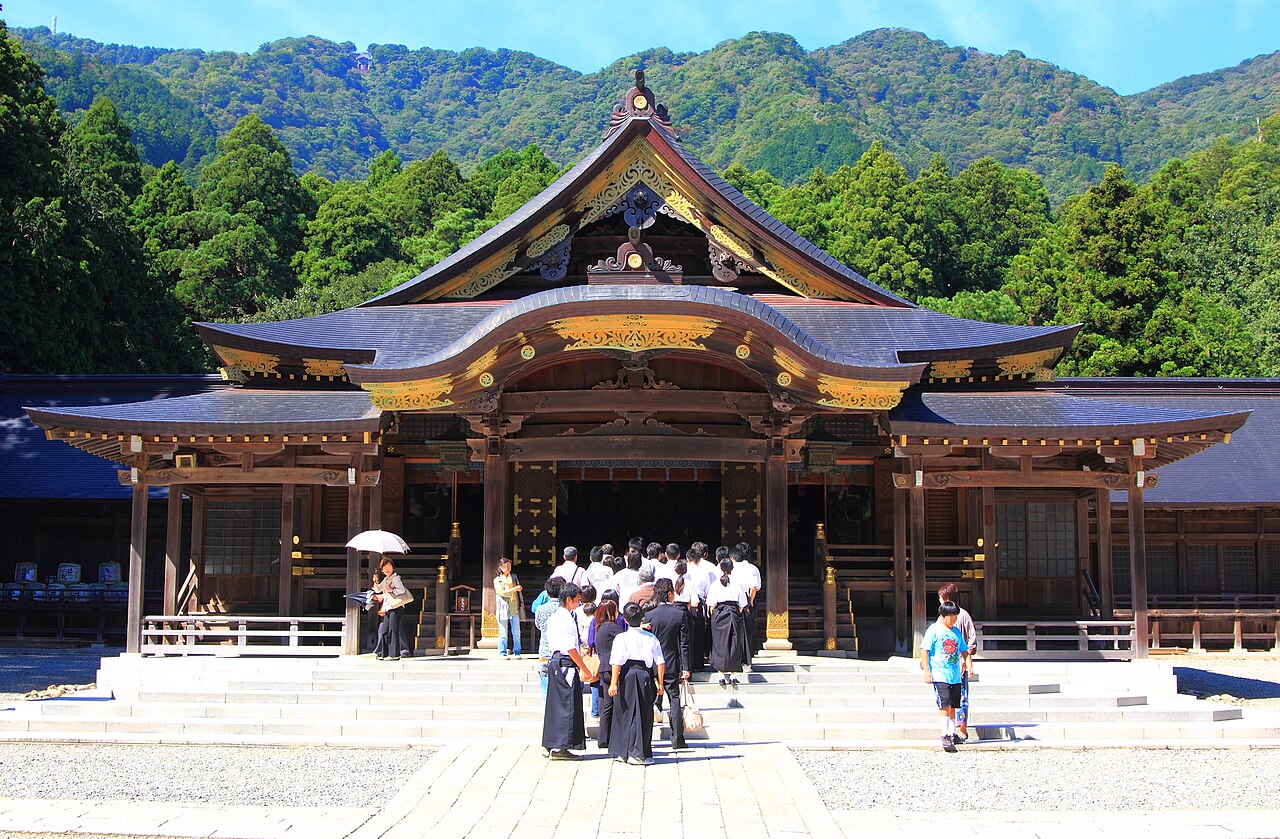
Niigata is the old province of Echigo, a long stretch of the Sea of Japan coast where the mountains of central Honshu meet the sea. Cold, moisture-laden winds off the water hit those mountains in winter and drop extraordinary amounts of snow on the inland districts. Oguni — now a district within Nagaoka City — sits in exactly this kind of country: snowed in for months, with clean mountain water and a farming population that needed something to do through the long white season.
That climate is not incidental to the craft. It is the craft. Papermaking spread through the Japanese provinces over many centuries, but in places like Oguni it became winter work — a way for snowbound farmers to turn the off-season into income, nurtured under the patronage of the Nagaoka domain. The heavy snowfall that closed the fields also provided the bleaching ground for the paper.

The signature technique is yukizarashi (snow-bleaching). Wet kozo fibers are spread directly on the snow, where sunlight and the ozone released from melting snow whiten the paper naturally — no harsh chemical bleach. The paper that comes off the snow is a soft, warm white rather than a clinical machine-white, and the process is traditionally credited with giving the sheet its gentle tone while preserving fiber strength.
“In Oguni, the snow that shuts the village in for half the year is not the enemy of the work — it is the bleaching table the paper is laid out on.”
- 7th–8th century — Papermaking technique is traditionally said to take hold across the Japanese provinces.
- Edo period (1603–1868) — Snowbound farmers in Oguni take up papermaking as winter handwork.
- Edo period — The craft is nurtured under the patronage of the Nagaoka domain.
- 19th century — Strong, durable Oguni sheets are used for shoji screens, merchant account books (daifukuchō), and stencil backing.
- Meiji era onward — Industrial wood-pulp paper pressures handmade washi across Japan.
- Modern era — Oguni Washi is recognized as a nationally designated traditional craft of Niigata.
- 2000s — Former Oguni-machi is merged into Nagaoka City.
- 2026 — The Oguni Washi production cooperative keeps the craft and the snow-bleaching method alive.
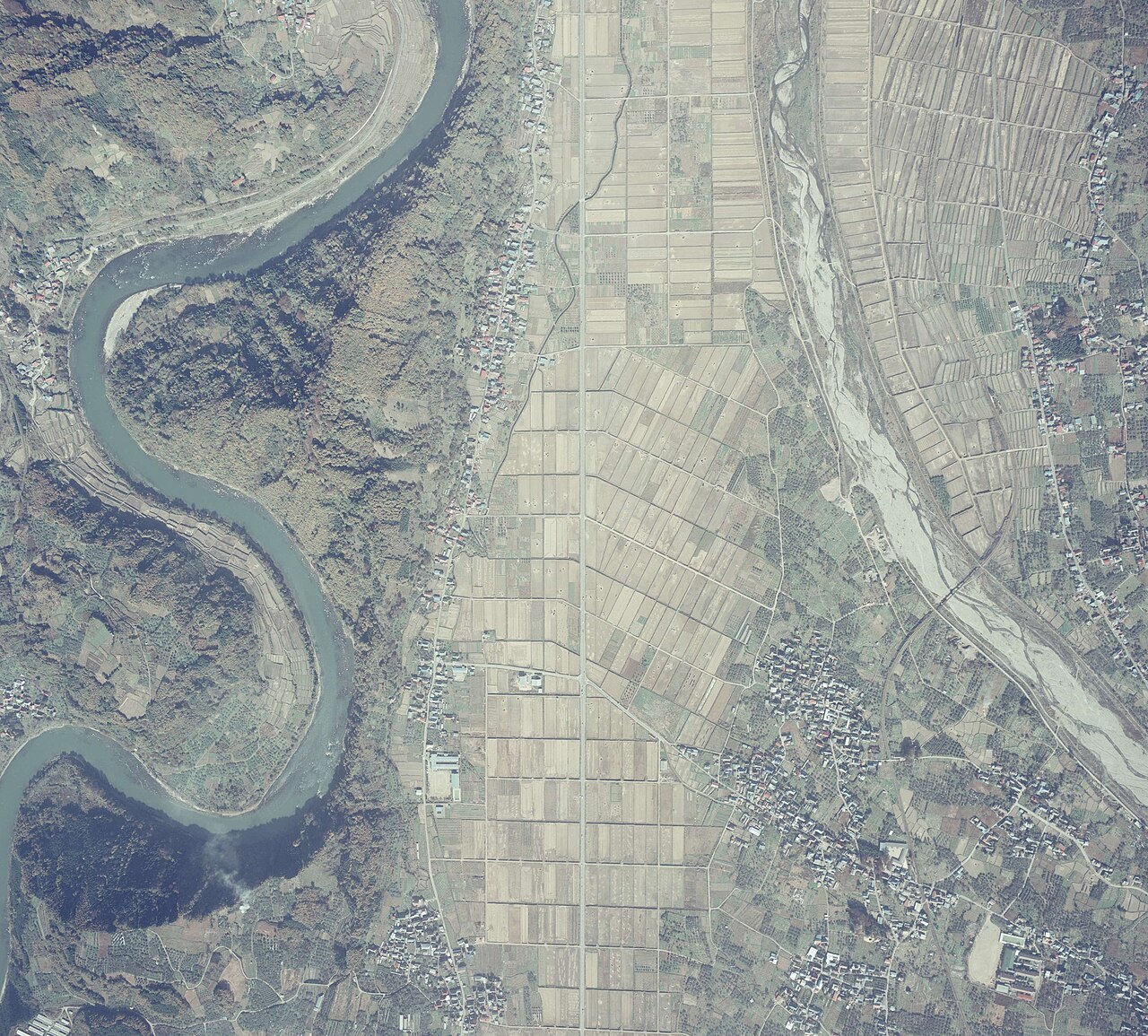
Geography and water complete the picture. The Shinano — Japan’s longest river — runs through the Echigo plain around Nagaoka, and clean, abundant water is one of the non-negotiable inputs of papermaking: fibers are washed, beaten, and suspended in water before the sheet is formed. A snow-country valley with mountain water, kozo, and a winter labor force is, in effect, a papermaking site waiting to happen.
What “still being made here” means today is modest but real. Oguni Washi survives through a production cooperative rather than a single famous workshop — the kind of communal arrangement that has historically kept rural Japanese crafts going when no individual maker could carry the whole tradition alone. The snow-bleaching method is the same one the technique has always relied on, which is precisely why the paper still reads as Oguni Washi and not generic mill washi.
Other Japanese paper and Niigata / Chūbu craft guides on jpmono.com worth reading alongside this one:
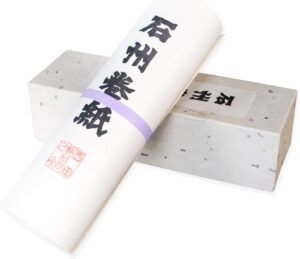 📄 Sekishu Washi scroll paper
UNESCO washi from Shimane — compare fiber and use
📄 Nishinosu kozo paper
Another pure-kozo handmade sheet
 🎨 Awa Washi fine-art paper
Tokushima washi for printmaking and art
 🏮 Mino washi lantern
Washi used in a finished object (Gifu)
 ✂️ Niigata Suwada nail nipper
Another Niigata (Sanjō) precision craft
 🍵 Murakami carved-lacquer caddy (Niigata)
Niigata lacquerware, a neighboring tradition
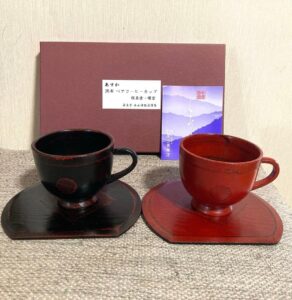 ☕ Kiso lacquer cups (Chūbu)
Nearby Chūbu craft for the same gift table
Buying options across stores
Live pricing for Oguni snow-bleached washi varies with sheet count, paper weight, and whether the kozo is sun-bleached or snow-bleached under Niigata’s winter cover, so confirming the current figure on the seller’s page is the safer step. A basic kozo ream sits well below a multi-sheet snow-bleached gift set, while a fully handmade single-sheet piece climbs further still.
| Store | Item / variant | Price (JPY + USD est.) | Notes |
|---|---|---|---|
| 🇺🇸 Amazon US (search) | Browse Japanese washi paper & stationery | varies (USD) | Best if you are shopping from the US — Prime shipping, USD pricing, no international customs. Amazon US carries washi paper, letter sets, and calligraphy supplies from various Japanese makers; the exact Oguni Washi Cooperative item is sourced from Japan (next row). |
| 🇯🇵 Amazon JP Global Store | Oguni Washi Cooperative snow-bleached kozo stationery | — | Ships internationally from Japan to most major destinations; customs/duty may apply above local thresholds. |
| Maker direct | Oguni Washi production cooperative | Unconfirmed | The cooperative may sell directly or through regional craft shops; international shipping is not guaranteed. Verify before relying on it. |
| Proxy services (Buyee / Tenso) | Forward from any JP retailer | Item price + service + forwarding | Useful if a seller does not ship to your country directly; adds a service fee and a consolidation step. |
Prices in USD are approximate and depend on the current exchange rate (¥150/USD baseline as of mid-2026). Prices for handmade washi vary with sheet size, fiber, finish, and maker.
What it does well
Weaknesses and things to verify before buying
- Handmade variation. Snow-bleached, hand-formed sheets are not machine-uniform — expect slight differences in shade and texture between sheets. That is the nature of the product, not a defect.
- Not a printer-spec paper. Handmade washi is not certified for inkjet/laser feed; test on a single sheet before running it through a printer, and do not assume it will behave like office paper.
- Ink behavior depends on your pen. Absorbent kozo paper can feather with very wet fountain-pen inks; if you write with broad nibs or heavy ink flow, verify suitability or test first.
- International shipping and customs. Cross-border orders take longer than domestic Prime and may incur duty above local thresholds; budget for both time and possible fees.
- Availability can lapse. Small cooperative output means supply can be limited; keep the proxy-service path in mind as a backup.
Conclusion — which buyer type are you?
Other ways to approach this purchase
❓ Frequently Asked Questions
What is snow-bleaching (yukizarashi), and is it really done on snow?
Yes. Wet kozo fibers are spread directly on the snow, where sunlight and the ozone released from melting snow whiten the paper naturally, without harsh chemical bleach. It is a traditional snow-country method that gives Oguni Washi its soft, warm white.
Where is Oguni Washi actually made?
In the former Oguni-machi, now part of Nagaoka City, in Niigata Prefecture — the Echigo snow country on the Sea of Japan side of central Honshu, about 270 km north of Tokyo.
Can it ship internationally?
Oguni washi is typically sourced from Niigata-based paper studios, from regional craft cooperatives in the Oguni area, or through larger platforms that carry traditional Japanese paper. International shipping from Japan generally runs longer than domestic and may trigger customs duty above your country’s threshold, so factoring those into the landed cost is wise. If a maker or shop will not ship abroad, a proxy service such as Buyee or Tenso can forward the order.
Can I run it through an inkjet or laser printer?
Treat it as not printer-certified. Handmade washi is not made to office-paper feed specs; if you want to print, test a single sheet first and do not assume it will behave like standard copier paper.
Will fountain-pen ink feather on it?
It can, depending on the sheet and your ink. Absorbent kozo paper may feather with very wet inks and broad nibs. If you write with heavy ink flow, verify suitability or test on one sheet before committing.
How is it different from Sekishu, Nishinosu, or Awa washi?
All are handmade Japanese papers, but they differ by region, fiber blend, and intended use. Oguni’s distinguishing feature is the snow-bleaching process tied to Niigata’s snow country. See the linked guides above to compare them side by side.
Why does the price not appear in this guide?
Snow-bleached Oguni washi is a small-batch craft with limited annual output, so pricing tends to drift between releases and the same set may be listed at noticeably different prices by different sellers. Cross-checking two or three Japanese craft platforms before ordering is a reasonable step for an unfamiliar maker.
jpmono.com is curated by a Japan-based editorial team (working out of Toyama in the Hokuriku region and Nara in Kansai) and is independent. We do not take payment from the makers we feature; income comes from affiliate links. We do not physically test every product — we read maker specifications and regional craft sources.
This article was prepared with AI assistance and reviewed against maker specifications and regional craft sources. Craft details, pricing, and availability can change; confirm current information before purchasing.
Affiliate disclosure: jpmono.com may earn a commission on qualifying purchases made through links on this page, at no additional cost to you.