![Awa Washi Awagami Fine Art Paper: Tokushima’s Handmade Washi Sheets [2026]](https://jpmono.com/wp-content/uploads/2026/05/awa-washi-awagami-fine-art-paper-where-to-buy-2026-featured.jpg)
Awa Washi is handmade Japanese paper produced in Yamakawa — now part of Yoshinogawa City — in Tokushima Prefecture, along the lower reaches of the Yoshino River on the island of Shikoku. The contemporary maker most familiar to international buyers is Awagami Factory, run by the Fujimori family, which took the region’s centuries-old kozo (paper mulberry) and mitsumata papermaking and engineered it into archival fine-art, printmaking, and inkjet sheets now stocked by art suppliers worldwide.
What makes these sheets notable outside Japan is not nostalgia. They are functional studio materials: deckle-edge papers with the long, interlocked plant fibers of hand-formed washi, sold in weights and finishes that run through pigment inkjet printers, etching presses, and gravure plates. Printmakers and photographers reach for them because the fiber structure holds ink and embossing in a way machine-made wood-pulp paper does not, while still meeting archival permanence expectations.
This guide is written for an international reader deciding whether — and how — to buy Awa Washi from outside Japan. It covers the main Awagami paper lines, what the sheets do well, where they fall short, the realistic purchase paths (Amazon US search, Amazon JP Global Store, the maker, and proxy services), and the historical context of the place the paper comes from. Where the underlying data was thin, that is stated plainly rather than filled in.
🔄 Updated:
⏱️ Read time: ~9 min
![Awa Washi Awagami Fine Art Paper: Tokushima's Handmade Washi Sheets [2026]](https://m.media-amazon.com/images/I/31b48cDGWkL._SL500_.jpg)
- Who this is for — and who should skip it
- Product overview (from published specs)
- Where this comes from — place, era, and the craft tradition
- Which finish should you choose?
- 📌 How does it compare?
- Price snapshot across stores
- What it does well
- Weaknesses and things to verify before buying
- Conclusion — which buyer type are you?
- Other ways to approach this purchase
- 🏆 Editor’s Pick
- ❓ Frequently Asked Questions
Who this is for — and who should skip it
- Make fine-art prints — etching, woodblock, gravure, or pigment inkjet — and want archival washi as the substrate
- Photograph and print on textured, matte, long-fiber paper rather than glossy RC stock
- Value deckle (untrimmed) edges for presentation and hand-bound work
- Want a traditional Japanese craft material with a verifiable origin and active workshop
- Are comfortable buying paper internationally and testing a sample pack before committing
- Need everyday printer or copier paper — this is specialist studio stock at a specialist price
- Print only on glossy photo paper and dislike texture or warm paper tone
- Require exact, guaranteed pricing today — the listing snapshot did not include a confirmed price
- Cannot accommodate the natural size and weight variation of hand-formed sheets
- Want same-day local availability and free returns rather than an international order

Product overview (from published specs)
The data available for this item was limited: the fetched listing snapshot returned no confirmed price, photograph, or per-variant detail. The table below therefore states the verifiable attributes from the maker’s published paper lines and marks unconfirmed fields plainly rather than guessing.
Awa Washi Awagami Fine Art Paper
アワガミファクトリー ファインアートペーパーA4サンプルパック(美術用和紙お試し用) (8429822 白峰)
現在在庫切れです。 · ASIN B0GMMBP1FB
Price and availability as of 2026-08-31 02:30 JST. The Amazon listing at the time of purchase is authoritative. jpmono.com earns a commission on qualifying purchases at no extra cost to you.
| Attribute | Detail |
|---|---|
| Product | Awa Washi — Awagami Factory fine-art / inkjet / printmaking paper |
| Material | Kozo (paper mulberry) and/or mitsumata fiber; line-dependent |
| Method | Nagashizuki hand-papermaking (traditional), then finished for digital/press use |
| Origin | Yamakawa, Yoshinogawa City, Tokushima Prefecture (Shikoku) |
| Maker | Awagami Factory (Fujimori family) |
| Edge | Deckle (untrimmed) on hand-formed sheets |
| Designation | Awa Washi is a nationally designated traditional craft |
| ASIN (JP Global Store) | B0GMMBP1FB |
| Price | Unconfirmed — no price was returned in the listing snapshot; verify on the listing |
| Sheet size / weight (gsm) | Varies by line and pack — Unconfirmed; check manufacturer/listing |
Sources: Amazon US search (primary, moonill-20) · Amazon JP Global Store (secondary, moonill-22, sourced listing) · maker direct (Awagami Factory). Only the listing snapshot was available at the time of writing; live pricing and pack contents may have shifted since.
📖 Glossary — key terms
- washi (和紙, “Japanese paper”) — paper made from long bast fibers (kozo, mitsumata, gampi) rather than wood pulp; valued for strength and longevity.
- kozo (楮, “paper mulberry”) — the most common washi fiber; long and strong, giving sheets their characteristic tear-resistance.
- mitsumata (三椏) — a shrub fiber producing a smoother, finer, slightly lustrous sheet, often blended for fine-art surfaces.
- nagashizuki (流し漉き) — the traditional “discharge” hand-forming method that layers and interlocks fibers across the screen.
- Awa (阿波) — the old province name for the region that is now Tokushima Prefecture; the source of the name “Awa Washi.”
- Inbe clan (忌部氏) — an ancient lineage tied to ritual production of paper and hemp cloth as court offerings, linked by tradition to the region’s papermaking origins.
- deckle edge — the soft, feathered, untrimmed edge left by the hand-forming frame; a marker of hand-formed sheets.
- gravure / intaglio — printmaking processes (including photogravure) in which ink sits in recesses of a plate; long-fiber washi pulls ink cleanly from the plate.

Where this comes from — place, era, and the craft tradition

Tokushima sits in the northeast of Shikoku, the smallest of Japan’s four main islands, facing the Seto Inland Sea and Osaka across the water to the northeast. Awa Washi is made inland in Yamakawa — today part of Yoshinogawa City — on the lower Yoshino River, one of the most flood-prone rivers in the country. That flooding is the reason the craft took root here.
The Yoshino River’s seasonal floods deposited fertile silt across the valley, ground that suited paper mulberry (kozo) and mitsumata, the two bast-fiber plants from which washi is made. Abundant clean river water, the raw fiber growing on the floodplain, and a humid climate that helps in fiber processing gave the district everything hand-papermaking requires.
The region’s papermaking is traditionally traced to the Inbe clan, who are recorded producing paper and hemp cloth as offerings to the imperial court well over a thousand years ago. Awa paper appears among regional offerings in the early statutory records, the Engishiki. That deep lineage is why “Awa Washi” carries a place name older than the prefecture itself — Awa was the old province now called Tokushima.
- 8th–10th c. — The Inbe clan produce paper and hemp cloth as offerings to the imperial court.
- 927 — The Engishiki statutes are compiled; Awa paper is recorded among regional offerings.
- 1585 — The Hachisuka clan are installed as lords of Tokushima.
- Edo period (1603–1868) — Indigo (ai) and washi become the domain’s twin protected industries, financing the castle economy.
- Late 20th c. — The Fujimori family’s Awagami Factory pioneers washi fine-art and inkjet papers (Bizan, Kozo, Murakumo, Unryu).
- 2026 — Nagashizuki hand-papermaking is still practiced on site; Awa Washi remains a nationally designated traditional craft.
The craft’s commercial backbone came under the Hachisuka domain in the Edo period. Indigo (ai) and washi were the two protected industries that financed the Tokushima castle economy — Awa indigo dyed cloth across the country, and Awa paper traveled with it. The two trades grew up side by side in the same river valley, which is why a paper guide and an indigo guide from this region point back to the same domain history.
“The same river that repeatedly flooded the valley is the reason the paper exists — its silt fed the mulberry, and its water formed the sheets.”
Continuity is the part that matters for a buyer. The Fujimori family’s Awagami Factory carries the tradition forward, and the workshop still practices nagashizuki hand-papermaking on site while also producing the fine-art and inkjet lines (Bizan, Kozo, Murakumo, Unryu) that ship internationally. Awa Washi is a nationally designated traditional craft, which is a recognition of an unbroken regional practice rather than a marketing label. The data available here is from maker and listing material; where a specific founding year or designation year was not in the source, it is left unstated above rather than invented.

Which finish should you choose?
This piece is listed in 6 finishes. The photos below are the actual 色 options on the listing right now — pick the one you want and confirm it on the product page before ordering, since hand-finished wares vary slightly piece to piece.
![Awa Washi Awagami Fine Art Paper: Tokushima's Handmade Washi Sheets [2026] — 白樺 finish](https://m.media-amazon.com/images/I/41HM8+3otmL._SL500_.jpg)
![Awa Washi Awagami Fine Art Paper: Tokushima's Handmade Washi Sheets [2026] — 北方SH-16 finish](https://m.media-amazon.com/images/I/31YpiQosoqL._SL500_.jpg)
![Awa Washi Awagami Fine Art Paper: Tokushima's Handmade Washi Sheets [2026] — SH-28 楮紙8匁 finish](https://m.media-amazon.com/images/I/31pp9xUI7-L._SL500_.jpg)
![Awa Washi Awagami Fine Art Paper: Tokushima's Handmade Washi Sheets [2026] — オカワラスチューデント finish](https://m.media-amazon.com/images/I/31K-M1S1X2L._SL500_.jpg)
![Awa Washi Awagami Fine Art Paper: Tokushima's Handmade Washi Sheets [2026] — 民芸紙 白 finish](https://m.media-amazon.com/images/I/312L7dO9MdL._SL500_.jpg)
📌 How does it compare?
Related guides on jpmono.com — other washi, paper, and Tokushima crafts worth weighing against this one:
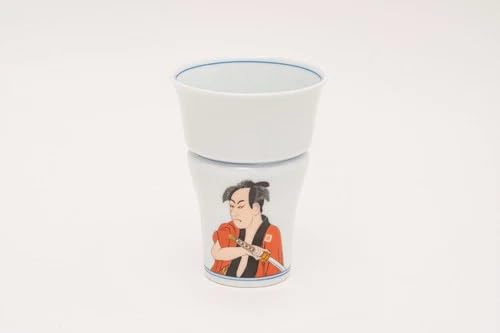 Tokushima pottery →Otani-yaki Naruto tumbler
Shikoku kozo paper →Tosa Washi kozo paper
Echizen washi →Echizen Washi goshuincho
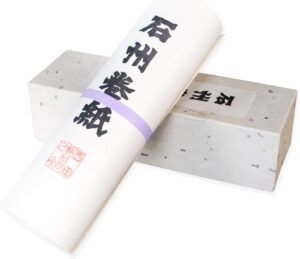 Sekishu washi scroll →Kamimon Sekishu Washi makigami
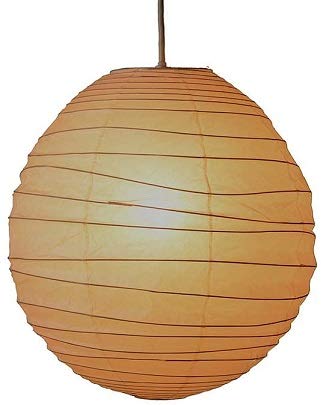 Mino washi lantern →Gifu Chochin Mino Washi lantern
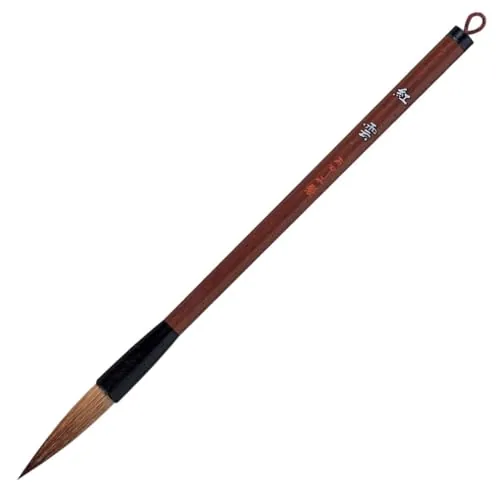 Pair with a Nara brush →Akashiya Nara fude calligraphy brush
Price snapshot across stores
No confirmed price was returned in the source listing for this item, so the price cells below read “unconfirmed.” Verify the live figure at the retailer before ordering. JPY is the authoritative currency for the JP-sourced listing; any USD figure would be an estimate at roughly ¥150/USD.
| Store | Item / variant | Price (JPY + USD est.) | Notes |
|---|---|---|---|
| 🇺🇸 Amazon.com (US) | Browse Japanese washi fine-art & inkjet paper | varies (USD) | Best if you are shopping from the US — Prime shipping, USD pricing, no international customs. Amazon US carries Awagami and comparable washi from several suppliers; the exact JP-sourced pack is on the next row. |
| 🇯🇵 Amazon JP Global Store | Awa Washi Awagami fine-art paper (ASIN B0GMMBP1FB) | Unconfirmed — verify on listing | The specific item in this guide, sourced from Japan. Ships internationally from Japan to most major destinations. |
| Maker direct (Awagami Factory) | Full paper line range (Bizan, Kozo, Murakumo, Unryu, etc.) | Unconfirmed — check maker site | Widest selection and sample packs; international shipping terms vary by destination. |
| Proxy services (Buyee / Tenso) | Any JP listing not shipped abroad directly | Item price + proxy fee + forwarding | Use only if a desired listing does not ship to your country directly; adds handling fees and a second shipping leg. |
What it does well
Weaknesses and things to verify before buying
- No confirmed price in the source data. The listing snapshot returned no price; budget cannot be set from this article alone — check the live listing before ordering.
- No product photograph was available. Surface texture and color vary by line; if appearance matters, view current listing images or order a sample first.
- Specialist material at specialist cost. Hand-formed archival washi is priced well above ordinary printer paper; it is the wrong choice for routine printing.
- Printer and press compatibility must be checked. Weight (gsm), coating, and feed path differ by line; confirm your specific printer or press handles the chosen sheet before buying in quantity.
- Natural variation. Hand-formed sheets carry slight differences in thickness, deckle, and tone — a feature for artists, a frustration for anyone expecting machine uniformity.
- International logistics. Buying from Japan adds shipping time, possible customs duties above local thresholds, and harder returns than a domestic purchase.
Conclusion — which buyer type are you?
Other ways to approach this purchase
🏆 Editor’s Pick
❓ Frequently Asked Questions
Does Awagami Awa Washi ship internationally?
The Amazon JP Global Store generally ships to most major international destinations, and the maker offers its own shipping for many regions. If a particular listing does not ship to your country directly, a proxy service such as Buyee or Tenso can forward it for an added fee.
Can I run these sheets through a home inkjet printer?
Awagami’s fine-art and inkjet lines are designed for pigment inkjet printing, but weight and feed path vary by line. Confirm your specific printer’s media handling and the sheet’s gsm before buying in quantity, and test a single sheet first.
What is the difference between the kozo and mitsumata papers?
Kozo (paper mulberry) gives long, strong fibers and a more textured, durable sheet favored for printmaking and bookbinding. Mitsumata gives a finer, smoother, slightly lustrous surface often blended for high-detail fine-art reproduction.
How much does it cost?
No confirmed price was returned in the source listing at the time of writing, so this guide does not quote one. JPY is the authoritative currency for the JP-sourced item; any USD figure would be an estimate at roughly ¥150/USD. Check the live listing for the current price.
Where exactly is Awa Washi made?
In Yamakawa, now part of Yoshinogawa City, in Tokushima Prefecture on the island of Shikoku, along the lower Yoshino River. The river’s seasonal flooding left fertile ground for the kozo and mitsumata plants the paper is made from.
Is this a genuine traditional craft or a modern product?
Both. Awa Washi is a nationally designated traditional craft with roots traced to the Inbe clan well over a thousand years ago, and the workshop still practices nagashizuki hand-papermaking. The fine-art and inkjet lines are a modern application of that same craft.
Will I pay customs duties when importing it?
Possibly, depending on your country’s import threshold and the order value. Orders above the local de minimis may incur duties or taxes on delivery. Check your country’s rules before ordering, especially for larger packs.
jpmono.com is curated by a Japan-based editorial team (working out of Toyama in the Hokuriku region and Nara in Kansai) and is independent. We do not take payment from the makers we feature; income comes from affiliate links.
This article was prepared with AI assistance and reviewed against the available source listing data. Where data was incomplete (price and product imagery), that is stated explicitly rather than filled in.
Affiliate disclosure: jpmono.com may earn a commission on qualifying purchases made through links on this page, at no additional cost to you.